Professional virtual currency information station welcome
We have been making efforts.

vc Page 25

Cryptocurrency is a non-legal monetary asset based on digital technology and blockchain, possessing the functions of a medium of exchange and a store of value. Cryptocurrency is a transaction medium that uses cryptographic principles to ensure transaction security and control the creation of transaction units. Cryptocurrency is a type of digital currency (or virtual currency). Bitcoin became the first decentralized cryptocurrency in 2009, after which the term “cryptocurrency” was more commonly used to refer to such designs. Since then, several similar cryptocurrencies have been created, and they are usually referred to as altcoins. Cryptocurrency is based on a decentralized consensus mechanism, in contrast to the banking financial system that relies on a centralized regulatory system.

Big Changes In The Cryptocurrency Market In 2025: Will Bitcoin’s Trend No Longer Be Dominated By Halving?

The impact of the institutionalization of the cryptocurrency market on the cycle_Will Bitcoin plummet before the halving?_Will the four-year cycle of the cryptocurrency market expire in 2025?

On December 30, 2025, the cryptocurrency market is at a critical crossroads, and the debate over whether the "four-year cycle" has expired has heated up. FXGT believes that as Bitcoin evolves from a fringe asset to a global macro safe-haven asset, its operating logic has undergone a fundamental paradigm shift. Although the traditional halving effect still exists at the psychological level, its absolute dominance over market supply and demand is gradually being diluted by more complex macro-financial variables.

In an in-depth analysis of market capital flows, FXGT found that the institutionalization process is the primary driver of breaking the cycle. As analysts such as Ruck said, the continuous buying brought by spot ETFs provides a deep liquidity cushion for the market. This kind of structural capital injection is completely different from the previous "surges and crashes" dominated by retail investors. This change not only weakens the amplitude of the retracement after the peak, but also blurs the originally clear cycle boundaries.

The loosening of macroeconomic policies and the expansion of global liquidity are becoming new engines for the market. Data from Grayscale shows that as devaluation pressure on fiat currencies continues, Bitcoin’s macro-hedge properties have become increasingly prominent. When traditional financial giants such as Standard Chartered Bank begin to revise their 2026 earnings expectations and abandon cyclical models, it signals that the market is shifting from "halving-driven" to "macro-driven." Against this background, Bitcoin's trend will be more subject to interest rate decisions and fluctuations in the global credit cycle.

However, there are still voices in the market that insist on cyclical theory. 10x Research and other institutions say that the trend at the end of 2025 is consistent with the characteristics of a typical bear market. FXGT believes that this game of opinion just illustrates the complexity of market psychology. Many long-term holders (OGs) conducted precautionary selling based on the memory of the market trauma in 2021. This "self-fulfilling prophecy" behavior did suppress currency prices in the short term, but it does not necessarily mean that the four-year logic still holds true in the long term.

Regarding the outlook for the market outlook, FXGT emphasized that investors should no longer blindly apply past halving schedules. With the rise of the AI ​​​​track and the strong performance of traditional safe-haven assets such as gold, the competition for funds in the crypto market has entered a stage of parallel stock and increase. As analyst Wacy said, the cycle may not be broken, but it is being stretched and redefined. This "structural extension" means that future opportunities will be more hidden in the revaluation of values ​​after shocks and washouts.

Ultimately, no matter how the definition of the four-year cycle evolves, 2026 will be a critical window to validate the new order. Facing a market that is deviating from the traditional path, investors need to build a more inclusive analysis framework and place policy wind direction, institutional holding costs and liquidity trends at a higher priority than the halving time point. FXGT believes that in this evolving market, only by gaining insight into changes in the underlying logic can we grasp the true direction in the fog of cycles.

Opening a futures account on Sina's cooperative platform is safe, fast and guaranteed

There Are Many Traps In Virtual Currency Investment, And Many People In Nantong Have Fallen Into High-return Scams

When "high return" meets "virtual currency", can it create a "blind faith" with double blessing? Is it possible to achieve "get rich overnight" with this seemingly high-end project? What investors value is "gaining wealth and wealth through insurance", but what criminals value is your pocketbook!

Virtual currency investment scam_Virtual currency_Nantong virtual currency fraud case

Mr. Lu, a resident of Haimen, Nantong City, has been dormant in a stock recommendation WeChat group for a long time. In March this year, he heard from a stock recommendation guru that the stock market was not doing well and was going to lead everyone to speculate in "virtual currencies." The stock recommendation guru sends a QR code to ask people who want to speculate in coins to download the "OCX" APP. Mr. Lu downloaded it excitedly. He cautiously invested several thousand yuan in the early stage and gradually made some money. Later, the stock recommendation expert urged Mr. Lu to pay a deposit of more than 70,000 yuan on the grounds that "NUS" and "WOT" new coins were listed and the new coins were listed. After paying the required amount, Mr. Lu saw the Singapore currency index rising. He wanted to sell the currency and withdraw cash, but found that he could not withdraw the money. The platform continued to require payment of a 5% profit tax. Mr. Lu was defrauded of more than 80,000 yuan in total.

Coincidentally, Ms. Mei from Qidong, Nantong, downloaded a virtual currency investment platform called "HaiSheng" APP through the introduction of her boyfriend on the Internet. Ms. Mei successively recharged about 300,000 yuan, and when she saw that she had made a lot of money in her account, she wanted to withdraw cash. The platform required payment of 20% tax, and Ms. Mei, who was eager to withdraw cash, immediately transferred the money without thinking. The platform asked for an additional deposit of US$5,000. Ms. Mei transferred the money again, but found that the platform made an error and could not withdraw cash. Ms. Mei was defrauded of more than 500,000 yuan in total.

Friendly reminder from the editor: On September 4, 2017, the People's Bank of China and other departments issued the "Announcement on Preventing Financing Risks of Token Issuance". The announcement stipulates that virtual currencies such as Bitcoin and Plus Coin are not issued by my country's monetary authorities, are not legally compulsory and compulsory, do not have the same legal status as currency, and cannot be circulated and used in the market. The illegal sale and circulation of virtual currencies is an act of illegal public financing without approval. There are currently no cases supported by the court.

Nantong virtual currency fraud case_Virtual currency investment scam_Virtual currency

Key points: "Virtual currency" does not have legal or compulsory monetary properties, and is not a currency in the true sense. Investing in "virtual currency" requires taking huge risks and is not protected by law. Investors must not blindly pursue high returns, and must not follow the trend and believe in "good promises" and fall into the trap of fraud gangs.

For more detailed reports, welcome to listen to various programs of Jiangsu News Broadcasting (FM93.7 in Nanjing area, FM95.3 in southern Jiangsu area), "Jiangsu News Network" 07:00-07:30, "Morning News Peak" 07:30-09:00, "Evening News Peak" 18:00-19:00.

Kaspersky Discovers High-risk Zero-day Vulnerability In Google Chrome And Reveals Operation ForumTroll

Kaspersky discovered and helped fix a high-severity zero-day vulnerability (CVE-2025-2783) in Google Chrome that allowed attackers to bypass the browser's sandbox protection system. The vulnerability was discovered by Kaspersky's Global Research and Analysis Team (GReAT). In addition to clicking on the malicious link, the user does not need to perform any interactive operations, showing extremely high technical complexity. Google has confirmed that Kaspersky researchers discovered and reported the vulnerability.

In mid-March 2025, Kaspersky Lab detected a wave of large-scale infections caused by users clicking on personalized phishing links sent via email. Once the link is clicked, the system is compromised without requiring the victim to take any additional action. Kaspersky analysis confirmed that the flaw exploited an unknown vulnerability in the latest version of Google Chrome, and quickly alerted Google's security team. A security patch for this vulnerability was released on March 25, 2025.

Kaspersky researchers dubbed the campaign Operation ForumTroll because the attackers sent personalized phishing emails inviting recipients to the "Primakov Book Club" forum. The decoys targeted Russian media outlets, educational institutions, and government organizations. These malicious links live for a very short time to evade detection and in most cases end up redirecting to the legitimate website of "Primakov Readings" once the exploit is removed.

The zero-day vulnerability in Chrome was just one part of an attack chain that included at least two exploits: a yet-to-be-obtained remote code execution (RCE) exploit that apparently launched the attack, while a sandbox escape discovered by Kaspersky formed the second stage of the attack. Analysis of the malware's capabilities revealed that the primary purpose of this operation was espionage. All evidence points to an Advanced Persistent Threat (APT) group.

"This vulnerability stands out among the dozens of zero-day vulnerabilities we have discovered over the years," said Boris Larin, principal security researcher at Kaspersky's Global Research and Analysis Team (GReAT). "The exploit does not perform any overt malicious actions when bypassing Chrome sandbox protections – it is as if the security perimeter does not exist at all. The technical complexity displayed here shows that the developers are highly skilled individuals with significant resources. We strongly recommend that all users use Google Chrome and any Chromium-based browser Update your browser to the latest version to protect against this vulnerability."

Google expresses its gratitude to Kaspersky for discovering and reporting this issue, which reflects the company's ongoing commitment to working with the global cybersecurity community and ensuring the safety of its users.

Kaspersky will continue to investigate Operation ForumTroll and will release more details in an upcoming report, including technical analysis of exploits and malicious payloads, once the safety of Google Chrome users is assured. At the same time, all Kaspersky products can detect and prevent this vulnerability exploit chain and related malware to ensure that users are protected from threats.

Kaspersky Next EDR Expert Edition, as the core component of Kaspersky Next XDR (Extended Detection and Response) expert platform, plays a key role in detecting this wave of infections caused by unknown and highly sophisticated malware. Our exploit detection and prevention technology identified this zero-day vulnerability before it became public, allowing us to fully analyze its behavior and impact.

This discovery follows the discovery of another Chrome zero-day vulnerability (CVE-2024-4947) by Kaspersky’s Global Research and Analysis Team (GReAT) last year, which was used by the Lazarus APT group for cryptocurrency theft last year. In that case, Kaspersky researchers discovered a type confusion vulnerability in Google's V8 JavaScript engine that allowed attackers to bypass security features via a fake cryptocurrency gaming website.

To protect against sophisticated attacks like this, Kaspersky security experts recommend the following key protective measures

· Make sure your software is updated: Regularly install patches for operating systems and browsers (especially Google Chrome) so attackers can't exploit newly discovered vulnerabilities.

· Adopt a multi-level security protection strategy: In addition to endpoint protection, it is recommended to deploy solutions such as Kaspersky Next XDR Expert Edition. Such solutions use artificial intelligence/machine learning (AI/ML) technology to achieve automated detection and response of advanced threats and APT attack activities by correlating multiple source data.

· Leverage threat intelligence services: Latest contextual information like Kaspersky Threat Intelligence helps you stay informed about emerging zero-day vulnerabilities and the latest attack techniques.

About the Global Research and Analysis Team

Founded in 2008, the Global Research and Analysis Team (GReAT) is Kaspersky's core department responsible for uncovering APTs, cyberespionage, significant malware, ransomware and global cybercriminal underground trends. Currently, GReAT consists of more than 40 experts working globally in Europe, Russia, the Americas, Asia and the Middle East. These talented security professionals provide leadership for the company's anti-malware research and innovation, bringing unparalleled expertise, passion and curiosity to discover and analyze cyber threats.

About Kaspersky

Kaspersky is a global cybersecurity and digital privacy company founded in 1997. To date, Kaspersky has protected more than a billion devices from emerging cyber threats and targeted attacks. Kaspersky continues to transform deep threat intelligence and security technology into innovative security solutions and services to protect enterprises, critical infrastructure, governments and consumers around the world. The company offers a comprehensive security portfolio, including leading endpoint protection solutions and a variety of targeted security solutions and services, as well as cyber immunity solutions to combat complex and evolving digital threats. We also help 200,000 enterprise customers around the world protect what matters most. For more details, please visit www.kaspersky.com.

OpenAI Acquires Statsig For US$1.1 Billion, The Reasons Behind It Are Thought-provoking

Open BI AN_OpenAI acquires Statsig_Statsig founder joins OpenAI as CTO

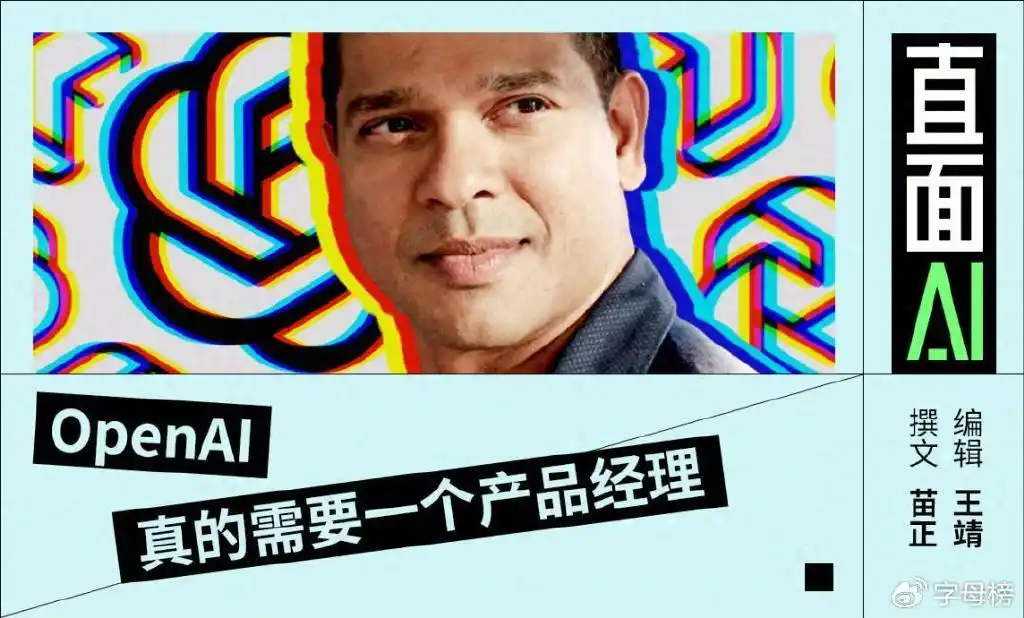
On September 3, 2025, OpenAI announced that it would acquire the product experiment platform Statsig in an all-stock transaction of approximately US$1.1 billion. Along with this acquisition, Statsig founder and CEO Vijaye Raji will join OpenAI as the newly created "CTO of Applications".

This move has attracted widespread attention in the industry. The high amount and the speed of the move indicate that this is not a simple expansion of business territory. Although this is not OpenAI’s first acquisition, why did OpenAI invest such huge resources at this point in time to acquire a company whose main business is product testing and experimentation, and also recruit a CTO for the application department?

01

To understand the fundamental motivations for this decision, we first need to understand the current business environment in which OpenAI operates. Since the release of ChatGPT, OpenAI’s revenue has achieved phenomenal growth. In June 2025, Altman publicly announced that OpenAI had achieved annual revenue of US$10 billion.

Its core profit model mainly relies on the ChatGPT Plus monthly membership subscription service for individual users and API interface calling fees for developers. These revenue sources prove the strong market appeal of its technology and provide financial support for its continued investment in research and development.

However, behind the revenue growth is more intense cost consumption. The training and inference of large-scale language models require huge computing resources, which means data center servers, high-performance chips, and related power and maintenance costs are astronomical. In August 2025, OpenAI was revealed to have an annual loss of more than US$5 billion.

Statsig founder joins OpenAI as CTO_OpenAI acquires Statsig_Open BI AN

At the same time, in order to maintain its leading position in the field of technological research, OpenAI must continue to recruit and retain the world's top artificial intelligence talents, and the labor cost of this part is also high. Altman, the company's CEO, has publicly expressed his willingness to lead OpenAI in an initial public offering (IPO) on many occasions. For any company planning to go public, establishing a clear, robust and sustainable profit model is a hard indicator for gaining recognition from the capital market.

Although it can maintain operations in the short term by relying solely on existing membership and API fees, its growth potential and profit margins are relatively limited, making it difficult to support a business story that is expected to become one of the companies with the highest market capitalization in the world.

Therefore, OpenAI urgently needs to find new and more scalable profit paths, and the basis of all this is to transform the advanced artificial intelligence models it has in hand into more, better, and more attractive specific products. This process of encapsulating underlying technical capabilities into mature applications that are market-oriented and solve users' practical problems is "productization." The acquisition of Statsig is a key step taken by OpenAI to strengthen its productization capabilities.

02

According to an official statement released by OpenAI, the goal of this acquisition is to "strengthen engineering systems, accelerate iteration, and transform cutting-edge AI research into intuitive, safe, and useful tools that people love." Every word mentioned in the statement directly points to the core link of product development and optimization.

To understand this in depth, we need to conduct a more detailed analysis of the target of the acquisition – Statsig and its founder Vijaye Raji. Statsig is not an ordinary startup. It is recognized as one of the top experimental platforms in the industry. Its core value is to provide a complete set of tools to help companies make efficient product development decisions.

This set of tools mainly includes A/B testing, feature flagging and real-time decision-making systems. A/B testing allows product teams to push slightly different versions of the same function to different user groups, and compare data to determine which version performs better, thereby making data-supported optimization decisions. The function switch allows the team to turn on or off a new function at any time. It can not only conduct small-scale grayscale testing, but also quickly roll back when problems arise, which greatly reduces the risk of new functions going online. Real-time decision-making systems can dynamically adjust product experience based on user behavior and other data.

All in all, Statsig provides a set of scientific methodology and supporting engineering infrastructure for "data-driven product development". The core problem it can solve is: how to quickly and low-risk verify new ideas in a complex software product, and ensure that every change can bring positive effects.

Vijaye Raji, who is about to serve as CTO of the OpenAI application department, has a personal resume that is highly consistent with this concept. Before founding Statsig, he spent ten years at Meta (formerly Facebook), leading engineering teams for large-scale consumer products. This experience allowed Raji to accumulate rich practical experience in rapid iteration and system optimization on products with hundreds of millions of users.

He then successfully built Statsig as founder and CEO, further demonstrating his entrepreneurial ability to translate this product development philosophy into successful commercial products. Therefore, OpenAI gets not only a tool platform, but also a product manager. Combining the Statsig platform with Vijaye Raji's experience, OpenAI's core appeal has emerged: it needs to improve its productization capabilities, and this person must be close to the C-side and know what the consumer market really needs.

03

To fully understand OpenAI’s sense of urgency in making this decision, it must be considered within the current fierce industry competition. Not long ago, its main competitor, Google, demonstrated its strong product execution capabilities to the entire industry through the "nano banana" project.

The project successfully transformed Google's own powerful Gemini model into a product that received positive feedback from the market in a relatively short period of time through an agile and efficient internal development process. According to podcast sharing and external analysis by relevant teams, the key to the success of "nano banana" lies in its development team's precise insight into user needs, a deep understanding of the underlying model capabilities, and the engineering practice ability to efficiently combine the two.

Team members repeatedly emphasized in a podcast released at the end of August that the team’s starting point is not “We have a powerful model, what can we do with it?”, but “What troubles do users encounter in a specific scenario, and how can our model technology help them in the lightest and most direct way?”. This kind of user-centered reverse thinking prompted them to give up the pursuit of large and comprehensive functions, and instead focused on creating a "minimum lovable product" (Minimum Lovable Product) and pushing it to the market at an extremely fast speed for verification.

This case clearly sends a signal to the market: In the current stage of artificial intelligence competition, the key to winning or losing is no longer just who has more model parameters and scores higher in benchmark tests, but also who can quickly transform these model capabilities into products that users really need and are willing to pay for.

Open BI AN_Statsig founder joins OpenAI as CTO_OpenAI acquires Statsig

The success of the “nano banana” project undoubtedly brought a huge warning to OpenAI. Through this operation, Google has proven that it not only has top-notch technology that can compete with the GPT series of models, but more importantly, it has a mature, large and experienced organizational system that can quickly "monetize" these technologies into products that users love.

In contrast, although OpenAI gained a first-mover advantage with the emergence of ChatGPT, its rhythm and strategy are relatively more prudent and conservative in subsequent product iterations and feature evolutions. Behind this difference, it reflects the difference in the organizational genes of the two companies: Google is a company with product and engineering as its core driving force, while OpenAI has long been more like a research-centered laboratory.

When the market gradually shifts from the initial surprise and curiosity to the pursuit of practical value and stable experience, this research-oriented gene may become an obstacle to its continued leadership. Google's quick follow-up and demonstration of productization capabilities made OpenAI realize that they really needed this kind of productization capability to strengthen the entire team.

04

Against this background, the underlying logic of acquiring Statsig becomes extremely clear. This is not only a replenishment of technology or talent, but also a positive response to the strategic pressure of competitors, and a "suck-away" operation aimed at changing the DNA of one's own organization.

The product development philosophy advocated and practiced by Statsig – building excellent products through a cycle of rapid experimentation, data collection, verification, and iterative optimization – is almost completely consistent with the successful methodology demonstrated by Google in the "nano banana" project.

Faced with the proven successful path of its competitors, OpenAI did not choose to start from scratch and slowly incubate and cultivate this culture and capabilities internally. Instead, it chose the most direct and efficient way: directly acquiring the best practitioners of this concept. This is a typical strategy of “exchanging money for time”. In the ever-changing artificial intelligence battlefield, time is often the most precious resource.

An important detail is that OpenAI itself was already a Statsig customer before the acquisition.

This means that OpenAI’s engineering and product teams have personally experienced its value in using the Statsig platform. They are well aware of the importance of this set of tools in improving development efficiency, reducing decision-making risks, and scientifically evaluating the effects of product changes. It is based on this in-depth understanding that OpenAI has made a strategic upgrade from "renting tools" to "owning DNA".

They realize that it is not enough to just use the platform as an external customer. This ability of rapid experimentation and data decision-making must be thoroughly integrated into their own blood and become the thinking habits and working methods of every product manager and engineer. Through the acquisition, OpenAI not only gained ownership of the platform, but more importantly, the entire team that built and maintained the platform.

OpenAI acquires Statsig_Statsig founder joins OpenAI as CTO_Open BI AN

The acquisition also marks an important shift in the competitive focus of the entire artificial intelligence industry. In the past few years, competition in the industry has mainly revolved around the "hard power" of models, with major companies and research institutions competing for larger model sizes, higher parameter quantities, and rankings on various academic evaluation lists. This can be called the "model parameter competition" stage.

However, as the performance of the head model gradually converges, the marginal benefits brought by simply relying on the improvement of model capabilities are diminishing. Users and the market are beginning to pay more attention to the actual experience of the product: Is the application stable and reliable? Does the function meet actual needs? Is the interaction smooth and natural? Can it solve specific problems in specific scenarios? The answers to these questions all depend on productization capabilities.

Therefore, the competition in the industry is entering the second half, that is, the "product experience competition" stage. In this new stage, whoever can establish a more agile development process, conduct effective experiments more frequently, collect and respond to user feedback more quickly, and polish product details more precisely will be more likely to stand out in the fierce market competition and win the favor and loyalty of users.

For OpenAI itself, the significance of this acquisition is extremely significant. OpenAI's management has a deep understanding of its shortcomings and is willing to pay a huge price to make up for them. It is foreseeable that after integrating Statsig, the update frequency and function optimization speed of OpenAI's core products such as ChatGPT are expected to be greatly improved.

In the past, experimental platforms like Statsig may have been regarded more as "standard equipment" for traditional Internet companies, but in the era of artificial intelligence, when the product itself (i.e., the model) has uncertainty and complexity, scientific experiment and verification systems have become more indispensable. This acquisition by OpenAI may cause other artificial intelligence giants to re-examine their own productization processes and increase investment in similar tools, platforms or teams. In the future, infrastructure surrounding the efficiency and quality of AI application development may become a new investment and competition hotspot.

Analysis Of Today’s Virtual Currency Market Trends: Rise And Fall Of Mainstream Currencies And Market Influencing Factors

In this era of rapid digital development, virtual currency has become an indispensable part of the modern financial market. Today, we will focus on the real-time trend and analysis of today’s virtual currency market. First, let’s take a look at the overall cryptocurrency market. As two core assets, Bitcoin and Ethereum's price fluctuations directly affect the entire market sentiment.


Bitcoin prices have risen over the past 24 hours, demonstrating growing investor confidence in the digital gold. At the same time, Ethereum is also showing a steady upward trend, which is related to its upcoming proof-of-stake upgrade. The expected upgrade will bring greater security and efficiency to Ethereum. In addition to these two mainstream currencies, many other niche currencies such as Litecoin (LTC) and Monero (XMR) are also actively performing.

Currency digitization is one of the important factors driving the rise of virtual currency prices. As technology continues to advance, the acceptance of digital currencies is increasing, with more retailers and service providers starting to accept cryptocurrencies as payment methods. In addition, the additional issuance of USDT (Tether) stable currency has also become a factor supporting the market. Since USDT is an asset anchored by the U.S. dollar, its issuance is usually accompanied by an increase in the value of the U.S. dollar, which indirectly injects a certain amount of confidence into the market.

However, the virtual currency market remains highly volatile. On the one hand, this is because the structure of market participants is complex, including individual investors, professional institutions, and even large financial institutions; on the other hand, the uncertainty of regulatory policies often triggers panic in the market. Bloomberg News' report "Bitcoin's Maturity Leap" pointed out that under the impact of the COVID-19 epidemic, the global economy and financial system have suffered unprecedented challenges, and virtual currency, as a new asset class, has shown strong resilience in the crisis.

From a technical analysis perspective, the historical trading chart of LTC (Litecoin) shows a steady increase in its price, which is related to its mining difficulty adjustment mechanism. Each difficulty adjustment will affect the generation speed and total amount of new coins, thereby affecting the market price. As an early-existing virtual currency, NMC (Namecoin) has high price volatility, but its long-term bullish trend is also the focus of market analysts.

The real-time market situation of virtual currency exchange rates shows the dynamic changes in digital currency exchange prices across the entire network. The cryptocurrency exchange rate channel of Real-time Exchange Rate Network provides a wealth of market data and charts to help investors make effective risk management and asset allocation decisions. However, due to the unpredictability and complexity of the market, any interpretation of the market should be treated with caution and supplemented by one's own independent judgment.

In summary, today’s virtual currency market has shown positive momentum, but at the same time there are also uncertainties. With the gradual clarification of regulatory policies and changes in the structure of market participants, the future trend of virtual currencies deserves continued attention and in-depth study. Investors need to be aware of risks when participating, allocate assets reasonably, and do not blindly follow the trend.

Steam Abandons Bitcoin Due To Handling Fees, BCH Regains Lost Ground With Low Price And Becomes Bitcoin

BCH_The reason why Bitcoin Cash regains the lost ground of Bitcoin_The reason why the Steam platform no longer supports Bitcoin

On December 6, the Steam platform issued an announcement stating that Steam no longer supports Bitcoin. The reason turned out to be the fault of the handling fee.

The Steam platform is currently the world's largest comprehensive digital distribution platform. Players can purchase, download, discuss, upload and share games and software on this platform. As of December 16, the platform said it will stop supporting Bitcoin and will no longer accept Bitcoin payments. Because the handling fees for Bitcoin transactions remain high and the currency value fluctuates frequently, this brings a very bad consumption experience to users and increases users' purchase costs out of thin air. When I first chose to support Bitcoin, the handling fee was still relatively low, but now it has increased 10 times. Therefore, the Steam platform decided to no longer support Bitcoin. After investigation, the current optimal transfer fee for Bitcoin has exceeded 100 yuan/KB.

Bitcoin has lost many users and merchants due to high handling fees. Bitcoin Cash (BCH) is gradually regaining ground lost by Bitcoin. Currently, the best handling fee for Bitcoin Cash (BCH) is only RMB 2/KB, which is very similar to early Bitcoin. Therefore, many people believe that Bitcoin Cash (BCH) is the real “Bitcoin” and a “peer-to-peer electronic cash system” in line with Satoshi Nakamoto’s ideas.

Compared with Bitcoin, Bitcoin Cash (BCH) not only has the advantage of low handling fees, but also has many advantages over Bitcoin.

Development teams are more decentralized

The development team of BTC is relatively single, only Bitcoin Core, while the development team of Bitcoin Cash (BCH) has been increasing, from the initial 5 to 8 now, and more teams can join in the future. This decentralized development team ensures the rapid development of Bitcoin Cash (BCH). Unlike Bitcoin, an expansion issue has been delayed for so long and has not been resolved yet.

Support large blocks, no congestion

The reason why Bitcoin Cash (BCH) has the advantage of low transaction fees is because it supports large blocks. The size of the block determines the transaction capacity that can be processed. Bitcoin Cash (BCH) has canceled the 1M block size limit and can initially support a maximum block size of 8MB by default. This means that the transaction volume that Bitcoin Cash (BCH) can handle has greatly increased, perfectly solving the problem of Bitcoin transaction congestion, and transaction fees have also been significantly reduced.

Meet market demand and improve user experience

Compared to Bitcoin, Bitcoin Cash (BCH) has always been user- and market-centric. From its initial creation, it was designed to better solve the problems of Bitcoin congestion and high handling fees. Subsequent adjustments to the computing power difficulty and address format changes are also intended to meet market demand and improve user experience, thereby becoming a more complete world currency.

Dare to innovate

Compared with Bitcoin, the most important thing about Bitcoin Cash (BCH) is the courage to innovate. The reason why Bitcoin has today's problems is that its thinking is stuck in its own way and does not want to make progress. Bitcoin Cash (BCH) has had the courage to make changes to technology from the beginning and has an open and enterprising mind. And in the future development process, Bitcoin Cash (BCH) is also very inclusive, such as scalable solutions, smart contracts, Lightning Network, etc. are all under consideration. All the development directions of Bitcoin Cash (BCH) are to improve Bitcoin Cash (BCH) in the direction of a free world currency.

Currently, many merchants like the Steam platform have chosen to abandon Bitcoin because of high handling fees. Bitcoin Cash (BCH), as a currency superior to Bitcoin, may become their best choice. Already many merchant users choose Bitcoin Cash (BCH) as a payment method, and this will become more and more common as time goes by.

Investment Opportunities And Strategies Under Bitcoin Market Fluctuations, Latest Price Trend Analysis

Price Fluctuations and Investment Opportunities

The Bitcoin market has ushered in a new wave of fluctuations, which is both a challenge and an opportunity for investors. Let’s talk about the latest market trends of Bitcoin and how we should seize investment opportunities in this volatile market.

Price Volatility: A Barometer of Market Sentiment

The price fluctuations of Bitcoin have always been the focus of market attention. The price of Bitcoin has experienced several significant ups and downs, which not only reflects changes in market sentiment, but is also closely related to the global economic situation. In the current economic environment, investors' interest in digital currencies does not seem to have weakened. On the contrary, in some cases, Bitcoin is regarded as a safe-haven asset.

Technical analysis: looking for entry opportunities

For investors who want to enter the Bitcoin market, technical analysis is an essential tool. By observing the Bitcoin price chart, we can find some key support and resistance levels, which often indicate potential turning points for the price. Certain moving averages or Fibonacci retracement levels can be used as a basis for trading decisions.

Market News: External factors affecting prices

In addition to technical analysis, market news is also an important factor affecting the price of Bitcoin. Some countries and regions have changes in regulatory policies for digital currencies. Adjustments to these policies often have an immediate impact on the market. The movements of large institutional investors, such as a well-known fund announcing an increase in investment in Bitcoin, will also have a positive impact on market sentiment.

Investment Strategy: Diversification and Risk Management

In a highly volatile market like Bitcoin, diversified investment and risk management are particularly important. Investors should not invest all their funds in Bitcoin, but should consider diversifying their assets into different digital currencies or even other types of investment products. Setting stop-loss and stop-profit points can help investors protect capital when the market fluctuates.

Long-term perspective: Bitcoin’s potential and challenges

Although the price of Bitcoin fluctuates greatly in the short term, in the long term, Bitcoin, as an emerging asset class, still has huge potential. With the development of blockchain technology and the expansion of application scenarios, the value of Bitcoin may be further recognized. This does not mean that investing in Bitcoin is risk-free. Uncertainty in regulatory policies, technical safety issues, and market manipulation are all challenges that investors need to be wary of.

Market Participants: From Novice to Veteran

In the Bitcoin market, there are various types of investors, ranging from novices who have just come into contact with digital currencies to experienced veterans. For novices, understanding basic market knowledge, learning how to use the trading platform, and mastering risk management skills are the keys to getting started. For veterans, continuing to pay attention to market dynamics, conducting in-depth research on technical analysis, and flexibly adjusting investment strategies are the magic weapons to stay competitive.

The future of Bitcoin: the combination of technology and applications

The future of Bitcoin lies not only in the rise and fall of its price, but also in the blockchain technology behind it and the application of this technology in various fields. As more and more industries begin to explore the possibility of blockchain technology, Bitcoin, as a representative of blockchain technology, may have its value and influence further improved. This also takes time to verify, and investors need to be patient and wait for the maturity of the technology and the popularization of applications.

Seize opportunities and invest rationally

In the Bitcoin market, opportunities and risks coexist. Investors need to keep a clear mind, rationally analyze market dynamics, formulate reasonable investment strategies, continue to learn and accumulate experience, and improve their investment skills in order to move forward steadily in this variable market.

For reference only, investment needs to be cautious and it is recommended to seek professional advice before making any investment decisions.

Can Bitcoin Be Spent As Money In Taobao Stores? The Success Rate Is Not High Because Of This

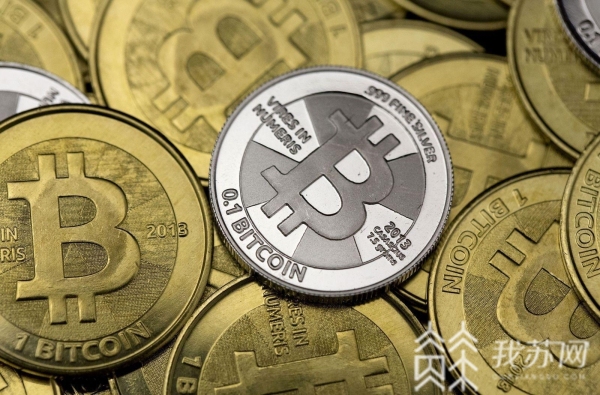
Someone has invented an invisible "currency" that anyone can make with a computer. Then, this special currency, which was originally a niche market, suddenly became the most expensive currency in the world overnight. Once, 1 U.S. dollar was exchanged for 1,300 coins. Now, 1 coin is exchanged for more than 100 U.S. dollars. At its highest value, 1 coin could be exchanged for 266 U.S. dollars. This kind of invisible "money" that can buy goods is called Bitcoin. Speculators think it is a "newly invented currency" and "Currency 2.0", while opponents say it is "a game played by fools, lunatics, and liars."

Some online stores accept Bitcoin

——The success rate is not high

One data shows that thousands of merchants around the world currently accept Bitcoin as currency settlement. A few days ago, a reporter found in a Taobao store that in addition to selling Bitcoin, some online stores also sell Bitcoin supporting supplies, such as Bitcoin 4-core mining machines and other items. There are currently more than 10 Taobao stores that support Bitcoin payment. The products that support Bitcoin payment include energy-saving lamps, mobile phones, cross-stitch, antiques and other physical items, as well as virtual items. A Taobao store of "Zhouyi Service" announced that it "supports Bitcoin payment", and its Bitcoin price is converted into RMB, which is slightly higher than the price of RMB payment.

Can Bitcoin be spent as money in reality? According to industry insiders, the success rate of using Bitcoin to pay in Taobao stores is not high due to the credibility issues of both parties to the transaction.

Born in the online virtual world

——Scam or opportunity?

Simply put, Bitcoin, like Q coins and game coins, was born in the virtual world of the Internet. The biggest difference from the latter two is that Bitcoin is said to be "capped" and the total amount is always constant. According to the inventor, Bitcoin is a digital currency based on an "open source P2P software".

In the early days, Bitcoin was just a toy in the hands of programmers, and it was first used as a currency in May 2010. Laszlo Hanyecz, a programmer in Florida, used 10,000 Bitcoins to buy two pieces of Papa John's pizza. This was the first recorded transaction of Bitcoin as a real-life currency.

"Bitcoin is a special data code calculated by a computer. Although the manufacturing process is complicated, it is not limited by people at any time and place. Everyone can do it, as long as they have a computer." A person who has been engaged in electronic technology research for many years said that the Bitcoin client is installed on the computer of the coin earner. After opening the client, all the transaction information data on the network will be automatically downloaded to the local. Use your own computer to make Bitcoin, be a "miner", or use money to buy the coins mined by the miners, or you can set up an online store to sell things and collect Bitcoins.

The source revealed that this manufacturing process requires precise calculations. Every time a Bitcoin is calculated, the calculation formula of the code will become more complex, and the calculation difficulty of the next coin will increase. Therefore, the calculation of Bitcoin will become increasingly difficult and slower. "In the later stages, you may not be able to calculate a single Bitcoin for several days. Currently, the number of Bitcoins that can be calculated in the world is permanently set at 21 million."

This person said that Bitcoin has formed a "bubble" at this stage of its development, and it looks very similar to a "pyramid scheme". Bitcoin owners continue to take over other people, and the next person must be able to find a new owner to make a profit. If a new owner cannot be found, the entire system will collapse.

During the transaction, people discovered that there is also a mysterious organization called the "Bitcoin Foundation", which has great power and can even shut down a client that is already running but has a bug.

Does not have basic monetary conditions

——Cannot be equivalent

"Bitcoin was not founded by any government or bank and cannot find an issuer. It is far from meeting the basic conditions for becoming a currency." Xin Qiang, deputy general manager of the Risk Management Headquarters of the Bank of China, said that this purely calculated "digital symbol" does not have any credit guarantee.

Relevant staff of the Municipal Banking Regulatory Bureau reminded that Bitcoin is currently outside the supervision of laws and regulations.

The essence of currency is generally equivalent items, and the value of Bitcoin is based on two theoretical foundations: it will be used more and more, and its total amount is constant, so it will only "appreciate" if more people use it. In this regard, bankers pointed out that this has entered a strange circle. The current "market" of Bitcoin has skyrocketed and plummeted, making it unable to become a relatively stable value scale, unable to become a general equivalent, and unable to be used.

An interview with Song about Jiang Hao’s photography history

Real-time Trend Analysis Of Bitcoin Market: Interpretation Of Price Dynamics In US Dollar Terms

Real-time trend analysis of Bitcoin market: Interpretation of price dynamics in US dollar terms

With the continuous development of blockchain technology, Bitcoin, as the leader of cryptocurrency, has always attracted much attention. In the eyes of many investors, Bitcoin is not only an investment product, but also a revolutionary form of currency. This article will conduct an in-depth analysis of the real-time trend of Bitcoin market, especially the price dynamics under US dollar pricing.

Overview of real-time trends in Bitcoin market

Since its birth in 2009, Bitcoin has experienced many price fluctuations. In 2017, the price of Bitcoin once exceeded the US$20,000 mark, setting a record high in history. Then the market experienced violent fluctuations and the price fell sharply. Entering 2021, the price of Bitcoin rose again, once approaching US$65,000. What is the current real-time trend of the Bitcoin market?

Bitcoin price dynamics in US dollars

From a US dollar pricing perspective, Bitcoin prices will show a clear upward trend in 2021. The following is the price chart of Bitcoin in the past year:

(Insert Bitcoin price chart here)

As can be seen from the figure, the price of Bitcoin reached a low in January 2021, and then began to rise. In April and May, the price of Bitcoin experienced a brief correction, but the overall price was still rising. In June, the price of Bitcoin accelerated again, approaching US$65,000. In July, the price of Bitcoin fell sharply, once falling below US$40,000. Since then, the price of Bitcoin has fluctuated between US$40,000 and US$65,000.

Analysis of the causes of Bitcoin price fluctuations

(1) Market supply and demand: The total amount of Bitcoin is limited, so the market supply and demand has an important impact on price fluctuations. When the market demand for Bitcoin increases, the price will rise; conversely, when the market demand for Bitcoin decreases, the price will fall.

(2) Policy factors: The attitudes of various governments towards cryptocurrencies have an important impact on the market. In May 2021, my country announced that it would strengthen the supervision of cryptocurrencies such as Bitcoin, resulting in a sharp decline in the price of Bitcoin.

(3) Technical factors: As an application of blockchain technology, Bitcoin’s technological development level will also affect price fluctuations. Events such as Bitcoin forks and upgrades may have an impact on prices.

(4) Market sentiment: Investors’ confidence and expectations in the market will also affect the price of Bitcoin. When market sentiment is high, prices tend to rise; conversely, when market sentiment is low, prices tend to fall.

Bitcoin market real-time trend prediction

Short-term trend: Judging from the current market situation, Bitcoin prices may maintain a volatile trend in the short term, and there are still certain uncertainties in the market, such as policy risks, technical risks, etc.; some investors may choose to wait and see, waiting for further market clarity.

Mid- and long-term trends: Judging from historical experience, the price of Bitcoin has the potential to rise in the medium to long term. Blockchain technology continues to mature. Bitcoin, as an application of blockchain technology, is expected to gain wider application scenarios; global monetary easing policies may cause funds to flow into the cryptocurrency market, driving up the price of Bitcoin.

The real-time trend of Bitcoin market price dynamics in US dollar terms are affected by many factors. While paying attention to Bitcoin prices, investors also need to pay attention to market dynamics, policy factors, technological development, etc. to reduce investment risks. In the future investment process, investors should remain rational, rationally allocate assets, and achieve wealth appreciation.

Quantitative Trading Suffered Heavy Losses In The Year Of The Dragon, And Many Products Retreated. What Are The Reasons?

A-share market quantitative product loss analysis_Dragon Year Quantitative Trading Retracement_Quantitative Trading

Trading in the Year of the Dragon has just begun, and quantitative trading has once again been pushed to the forefront.

Before the Spring Festival, against the background of sharp fluctuations in the A-share market, many quantitative products suffered heavy blows, with large excess retracement. Data shows that at least more than a hundred quantitative private equity products fell by more than 10% in the week before the holiday, and some products have given back last year's full-year profits, including products under the tens of billions of quantitative private equity products. After this round of decline, 85% of quantitative private equity products are currently experiencing losses.

Regarding the impact of the retracement of the quantitative industry, a number of tens of billions of private equity firms such as Jiukun Investment and Huanfang Quantitative have recently issued product operation descriptions to reflect and review the recent net value retracement of their products. So, what are the reasons for the massive retracement of quantitative products this time? What problems are exposed behind the scenes?

Quantitative products suffer heavy losses

Since 2024, the A-share market has entered into adjustment again, and the previously prosperous small and micro-cap style "braked" before the holiday. Data show that as of February 8, the Wind micro-cap index has fallen by 27.49% year-to-date, falling by nearly 30% in just over a month; the CSI 1000 and CSI 2000 indexes have fallen by 15.19% and 27.49% respectively during the year.

With the change in style, many quantitative private equity products have experienced sharp retracements. Wind data shows that more than 4,800 quantitative private equity funds with data as of February 20 have suffered an average loss of 3.42% since February, and more than two-thirds of the products have experienced retracement. So far, the average loss of quantitative private equity funds this year has been 8.07%, and the proportion of loss-making products has exceeded 85%.

Among them, more than 130 products have fallen by more than 20% since February, among which quantitative long strategies were the hardest hit, accounting for more than 60%. For example, Zhipinlong Tiangui Quantitative No. 2 and Xincheng Quantitative Quadratic No. 1 both fell by more than 50% in this range; Hengsui Jiye Evergreen-Family Exclusive No. 3 and Xincheng Quantitative No. 1 both fell by more than 45%.

Judging from the situation in the week before the holiday alone, Wind data shows that from February 5th to 8th, there were 149 quantitative private equity funds with a single-week decline of more than 10%, including 50 quantitative long strategy private equity products. The losses of some of these products have exceeded the returns for the whole of last year. For example, the Mengxi National Securities 2000 Index Quantitatively fell 31.87% in a single week on the 2nd, while the annual return in 2023 will be 11.24%.

After this round of decline, the number of quantitative private equity funds that fell by more than 20% during the year has exceeded 530, and 120 have fallen by more than 30%. The reporter noticed that among the segmented strategies, products tracking the CSI 500 and CSI 1000 indexes were significantly dragged down, with average declines of 11.89% and 19.06% during the year.

Many of them are products of tens of billions of quantitative private equity. For example, the Jiulun Qianyu CSI 1000 Index Enhanced Exclusive No. 7 and the Jiulun Qianyu CSI 1000 Index Enhanced Exclusive No. 8 under Jiukun Investment have fallen by 28.36% and 28.35% respectively since the beginning of the year; Huufang 500 Index Enhanced Xinxiang No. 21 and Huufang 1000 Index Enhanced Xinxiang No. 2, both owned by Magic Square Quantitative, have both fallen by more than 20%.

The reporter noticed that not only quantified private equity products, but also quantified public offerings had similar situations. Wind data shows that as of February 20, the average decline during the year for 499 quantitative funds with available data (only initial funds are counted) was 7.68%. This year, 30 fund products have experienced a drawdown of more than 20% during the year.

Among them, Dacheng Dynamic Quantitative A, Nuoando Strategy, and CITIC Prudential Multi-Strategy A all fell by more than 10% in the week before the holiday. The cumulative returns of these three products this year have been -38.07%, -34.58%, and -28.61% respectively, ranking among the top decliners. In 2023, they all achieved positive returns, which also means that they gave up last year's gains significantly in just over a month.

Why the massive retracement?

Because some quantitative products have reached extreme values ​​in terms of net value drawdown and excess drawdown, which has caused dissatisfaction and panic among some investors, quantitative trading has once again been pushed to the forefront. Recently, a number of leading private equity firms have successively released product operation descriptions, reflecting on and reviewing the recent net value retracement of their products, and strengthening communication with investors.

The aforementioned Jiukun Investment stated that since 2024, especially since late January, the A-share market has experienced continuous extreme market differentiation in large and small markets that exceeds historical extreme values. Quantitatively speaking, short-term performance has been greatly impacted, mainly by extreme styles and costs.

"On the long side, the diversified investment approach of quantitative strategies will not concentrate most positions within index constituent stocks. Although we will strictly control the exposure of large and small-cap factors in risk control measures, we are still adversely affected by the strong differentiation of styles." Jiukun Investment said that the market rebounded in the week before the Lunar New Year, but the main gains were concentrated in several major broad-based index constituent stocks, and small and medium-sized market capitalization stocks were still under pressure.

Magic Square Quantitative has a similar statement: "The overall holdings of quantitative institutions are relatively dispersed, and index enhancement strategies also select stocks from the whole market and track the corresponding broad-based index based on historical data. For example, our single product positions are basically more than 2,000, and a large part of them are in small and medium-sized market capitalization stocks. It is difficult to adapt to such historical extreme market conditions, and we will underperform significantly."

"Many quantitative index increases running in the market today, especially the CSI 500 and CSI 1000 index increases, are actually stock selections from the entire market, rather than strictly selecting stocks within the index component range." Some people in the private equity industry also told reporters that the index enhancement strategy, as the mainstream strategy of quantitative investment at the moment, is generally operated with full positions and is greatly affected by market fluctuations.

Taking the products of Jiukun Investment as an example, from the perspective of average holding style, the average market capitalization style of the 500 index increase products is between the CSI 500 Index and the CSI 1000 Index, and the average market capitalization style of the 1000 index increase products is between the CSI 1000 Index and the CSI 2000 Index. In other words, when positions are highly dispersed, when encountering extreme historical market conditions with very concentrated increases, the proportion of stocks that can participate in the surge is not high, and the long strategy will be affected by this and cause a large excess retracement.

So, when faced with market style changes, how should quantitative products manage risks and reduce the magnitude of retracements? In addition to market factors, what are the other reasons why quantitative funds suffer retracement?

According to Magic Square Quantification, the main reason for the large excess drawdown of products is the unsatisfactory response to different environmental strategies. "Reflecting on our strategy, we found that it did not show good adaptability in the face of short-term extreme markets. The investment portfolio based on the whole market stock selection structure has a large gap with the index, resulting in an obvious excess drawdown; the drawdown revealed that the strategy still needs to be optimized in terms of factor iteration and risk control management."

The reporter noticed that in early February, there were public offerings in response to quantitative products. On February 1, China International Finance Fund stated in a "Letter to Investors of China International Finance Quantitative Fund" that "the occurrence of a retracement does not necessarily indicate a problem with the effectiveness of the model. Excessive performance requires a certain time interval to be observed."

China International Finance Fund believes that market retracement is a normal phenomenon and cannot be avoided whether it is traditional investment or quantitative investment. Market volatility is constant, and although the model has been fully tested and optimized, at some moments, the market environment may switch and change in ways that exceed past thresholds.

Yanfu Investment stated that it did not adjust risk control parameters during this round of corrections and traded normally in its usual style. As for the reasons for this operation, he said that based on the experience of several alpha liquidity crises in the history of the US stock market and the collective sharp retracement of alpha in A-shares at the end of 2014, at this stage, as long as the product does not passively terminate operations due to liquidation, hitting the stop loss line, etc., and there is no human intervention in the quantitative model, the final excess will be naturally repaired in a short period of time.

Column Editor: Zhang Wu

Sign In

Forgot Password

Sign Up