Professional virtual currency information station welcome
We have been making efforts.

vc Page 24

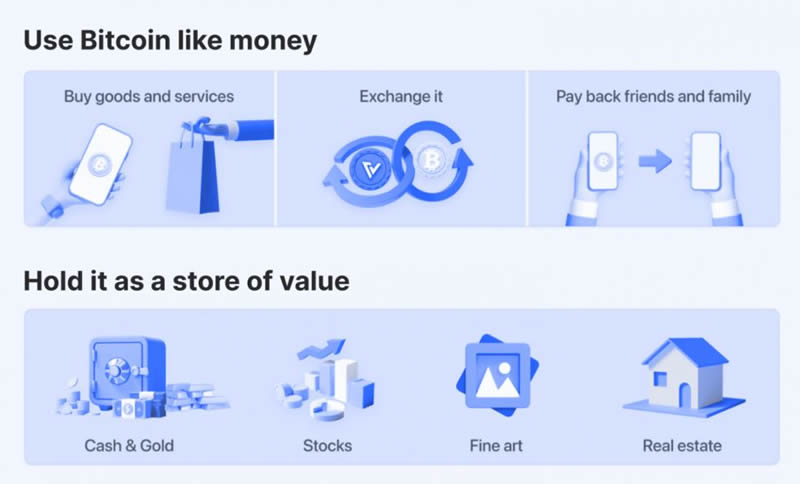
Cryptocurrency is a non-legal monetary asset based on digital technology and blockchain, possessing the functions of a medium of exchange and a store of value. Cryptocurrency is a transaction medium that uses cryptographic principles to ensure transaction security and control the creation of transaction units. Cryptocurrency is a type of digital currency (or virtual currency). Bitcoin became the first decentralized cryptocurrency in 2009, after which the term “cryptocurrency” was more commonly used to refer to such designs. Since then, several similar cryptocurrencies have been created, and they are usually referred to as altcoins. Cryptocurrency is based on a decentralized consensus mechanism, in contrast to the banking financial system that relies on a centralized regulatory system.

Bitcoin Plummeted On February 4, 2026, Reaching A Nearly One-year Low, Triggering Market Panic

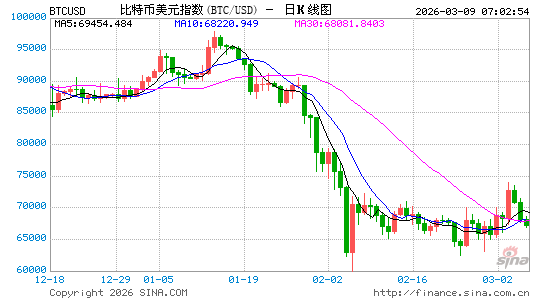
On February 4, 2026, Beijing time, the global cryptocurrency market suffered a violent correction. Bitcoin fell sharply during the session, with the largest intraday drop of about 8%, hitting a low of $72,900, falling below the key support level of $73,000, setting a new low in the past year since November 2024. According to statistics from market platforms such as CoinMarketCap, Bitcoin's cumulative decline has reached 15% since the beginning of 2026. Compared with the historical high of US$126,200 set in October 2025, the cumulative retracement has exceeded 42%, triggering overall turmoil in the crypto market and investor panic.

The plunge began during the midday session of the U.S. stock market. Bitcoin plunged rapidly from an intraday high of $79,100 in early Asian trading. In just a few hours, it fell below four integer levels of $78,000, 76,000, 75,000, and 73,000, reaching as low as $72,900. Its market value evaporated by more than $100 billion in a single day. The decline was quickly transmitted to the entire market. Ethereum simultaneously fell by more than 10%, falling below US$2,110; mainstream altcoins such as SOL and Dogecoin generally fell by more than 12%, and the total market value of cryptocurrencies shrank by more than US$110 billion in a single day.

The contract market suffered a "strangling" liquidation. According to statistics from the encrypted data platform Coinglass, within 24 hours of the plunge, more than 420,000 investors across the network were liquidated, with a total liquidation amount of US$2.56 billion. Among them, Bitcoin contract liquidations accounted for more than 65%. Highly leveraged long positions were liquidated in a concentrated manner, further exacerbating the downward spiral of prices.

This deep correction is not driven by a single factor, but is the result of the triple pressure of macro policies, institutional funds, and market leverage.

Spot ETF funds continued to experience net outflows. As the core channel for institutional entry, the U.S. Bitcoin spot ETF has recently experienced a continuous large-scale withdrawal of funds, with a net outflow of more than 1.4 billion US dollars in a single week. Custodians passively sold Bitcoin to realize cash, directly forming selling pressure; the stock prices of listed companies with heavy Bitcoin positions such as MicroStrategy have simultaneously and deeply corrected, exacerbating institutional risk aversion.

Stampede on highly leveraged contracts. Previously, the market was generally bullish, with the open interest of Bitcoin futures reaching a record high. A large number of investors used high leverage of 50 times and 100 times to pursue long positions. After the price broke, a series of forced liquidations were triggered, forming a negative feedback loop of "fall – liquidation – intensified selling pressure – continued decline".

In addition, the uncertainty of some crypto regulatory policies and the thin liquidity caused by thin trading in Asian markets during the holidays also amplified the amplitude of this fluctuation, allowing a small sell order to trigger a sharp drop in prices.

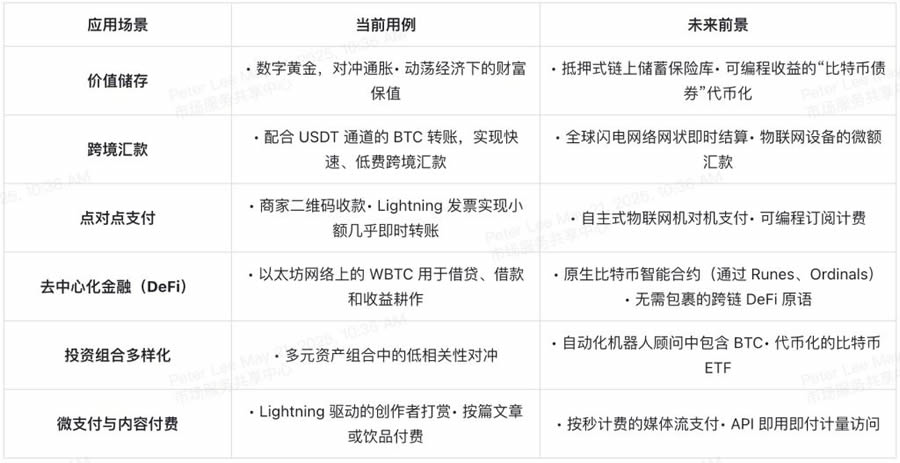
Bitcoin has previously been given the hedging and anti-inflation properties of "digital gold" by the market. This round of simultaneous sharp declines against the backdrop of the strengthening of the US dollar and the correction of risk assets has put this narrative under severe test. Many Wall Street institutions have lowered the short-term target price of Bitcoin. Goldman Sachs and Morgan Stanley have warned of the high volatility risk of crypto assets and recommended that investors reduce their allocation ratio.

Domestic crypto trading platforms and compliance service agencies simultaneously issued risk warnings, emphasizing that virtual currencies do not have the status of legal tender and are not protected by law, and reminded ordinary investors to stay away from leveraged trading and blind bargain hunting. Industry insiders pointed out that the current market has turned from early fanaticism to rational cooling, and Bitcoin prices have returned to fundamentals and capital drivers, and will still maintain a high volatility pattern in the short term.

At present, Bitcoin has briefly stabilized around US$73,000, and some bottom-hunting funds have entered the market to promote a slight rebound. However, the upper range of US$78,000-80,000 has formed a strong pressure level. Market analysts believe that the core of the subsequent trend depends on two major variables: First, whether the Fed's policy expectations have changed. If the interest rate cut timetable is clear, funds may return to the crypto market; second, whether the flow of Bitcoin spot ETF funds can turn from negative to positive, and the return of institutional funds is the key to stopping the decline and rebounding.

In the long term, the fundamental logic of the Bitcoin halving cycle and the implementation of blockchain technology applications has not changed, but the short-term liquidity tightening and deleveraging process will continue. The industry reminds that crypto assets are a high-risk investment category, and ordinary investors should strictly control their positions and stay away from leverage to avoid heavy losses due to extreme fluctuations.

As market deleveraging is gradually completed, Bitcoin may enter a stage of shock bottoming. Macroeconomic policy, global regulatory frameworks, and institutional capital trends will jointly determine the depth and duration of this round of bear market adjustment.

Guild Wars 2 Beginner’s Upgrade Guide: Random Missions, Event Refresh And Career Selection Strategy

1. "Guild Wars 2" Strategy: A Practical Beginner's Upgrade Guide

The secret to leveling up quickly is to just shop around. First of all, there are many temporary tasks in the fierce battle. These tasks are randomly assigned, just like you just traveled to a place and something happened. The way to encounter these tasks is to just wander around. When you don't know much about the game at the beginning, it's always right to wander around the map.

The order of event refresh is 1 Broken Bridge -" 2 Overlord Camp -" 3 Swamp Huiling. The nearby Thunder Ridge will occasionally have Centaur attack events refreshed. In addition to the centaur event, the team on the map will also fight spiders, witches and alchemists. Spiders have 2 random refresh points.

The order of event refresh is 1 Broken Bridge -" 2 Overlord Camp -" 3 Swamp Huiling. The nearby Thunder Ridge will occasionally have Centaur attack events refreshed. In addition to the centaur event, the team on the map will also fight spiders, witches and alchemists. Spiders have 2 random refresh points. You can go to these places after finishing the Centaur event.

The map is three-dimensional. When reaching a point they want to explore, many players will not know whether the point is above or below them. At this time, pay attention to the point. There is a small white arrow next to the point. Up is above the current plane where the player is, and downward is below the current plane where the player is.

Novices can choose the following professions: Guardian, which has strong output and can provide various protections for teammates, which can reduce damage to teammates, increase fault tolerance, and is relatively easy to operate. Warriors can increase damage to the team. They are easy to use, easy to operate, have strong output and are fast.

2. Guild Wars 2 novice guide sharing: How to choose a profession

1. Ranger If you want to say that the easiest profession in the game is, it must be the ranger. The ranger in Guild Wars 2 is a profession that always carries the baby. Newbies only need to let the pet carry it, and they can stand behind and use the longbow to deal damage.

2. In Guild Wars 2, it is better for civilians to play the professions of Wild Beast Master, Pioneer, and Swordsman. Although the Wild Beast Master is very weak in terms of dungeon output, the Wild Beast Master is very powerful and can withstand it. The open world occupies a large proportion. According to the performance of the open world, there is no problem that the beast master is a strong profession in the version.

3. Guild Wars 2 newbie career recommendation: Warrior Warrior can attack from a distance or close up, does good damage, can be a tank at the same time, and has certain team gain capabilities. There is no need for good operation in PVP. It does not require good operation in PVE, and it has the ability to protect itself when facing a larger number of monsters.

4. To put it simply, you have to play the role of your choice.

3. Guide to collecting cold light leggings and shoes in "Guild Wars 2"

1. Illuminated Truffle: First go to Kessex Mountain to find Matora (a caring merchant) to buy Matora's enchanted pig truffle. One of the two pink jewelry must be purchased through a merchant for 1000 emblems + 1G. The other has two ways to obtain it – the same purchase as above will be given after completing all plot achievements.

2. Obtaining cold light armor: After players complete the new epic record, the final reward is an optional shoulder pad box, which they can choose according to their profession. Then there will be a new collection achievement, Cold Light Armor. A total of ten items are needed to collect. The first is the organs of the four underground bosses.

3. Get the box. In the game "Aurora-Guild Wars 2", there are two ways to obtain the Heavy Glacier Gauntlet skin, through achievements, and by going to PVP or the battlefield to brush the reward branch. The rewards obtained by completing achievements or brushing reward branches are boxes. They will be added to your personal collection after you open the box and select the reward.

4. The cold light lining is very easy to obtain. There are quartermasters in the four fortresses in the Silver Wasteland. If the fortress is not attacked, talk directly to the quartermaster. As long as you have more than two levels of perseverance, you can directly receive a cold light lining. The Quartermaster is where you buy your keys.

5. You can buy it with the silver merchant = 10G + 1000 Emblem Cold Light Hat Bundle: The last two pieces of the three-layer silver BUFF "Guild Wars 2" cold light set are also released in this version. Players also need to complete certain achievements before they can unlock them. If you haven't collected them all yet, remember to collect this rare set quickly.

6. If you want to get the residue from the champion monster, the player must have 3 layers of toughness buff corresponding to the location TERGRIFF Tendon-Indigo Cave HUSK Tendon-Red Stone Fortress TROLL Tendon-Amber Dune THRASHER Tendon-Oasis Cold Light Belt. There are military merchants in each fort that can be exchanged for purchase. Players must have more than three layers of toughness BUFF.

Virtual Currency Investment Is Risky! It Can Be Established With 10,000 Yuan. Be Careful That Your Principal Is Wasted.
Bitcoin, which has skyrocketed by a million times, has brought endless possibilities. It seems that as long as the words "digital currency" are used, countless wealth can be obtained. In the eyes of investors in the currency circle, benefits are readily available. Not participating in the massive currency circle movement is equivalent to throwing away the opportunity to make a fortune.

Countless investors are frantically buying coins, buying coins, buying coins. They don’t care whether the coin is reliable or not, and then buy it. What if it is issued on the exchange? However, a reporter from "Daily Economic News" noticed that the virtual coins you buy may all come from workshop-style production – creating tokens and opening exchanges with one click.

You can create a token with 10,000 yuan, and create an exchange with 80,000 yuan… When you buy a new currency and hope that it will rise sharply on the exchange, the creator of the token has already set its sights on your principal.

10,000 yuan can create a token whose creator can operate everyone’s currency

This may be an unacceptable fact. The digital currency you believe in and invested hundreds of thousands or even millions in may have been produced in a workshop style. A reporter from "Daily Economic News" noticed a software that can help customers create tokens and open exchanges with one click.

According to the official website, the software focuses on providing users with Ethereum-based token technology solutions. It can issue ERC20 tokens on the Ethereum network with one click without any programming foundation, and is committed to allowing users to seamlessly access the token economy. Its functions can cover all token functions required on the market. At the same time, the software can also provide one-stop services such as technical consultation, token customization, currency listing services, and one-click opening of exchanges.

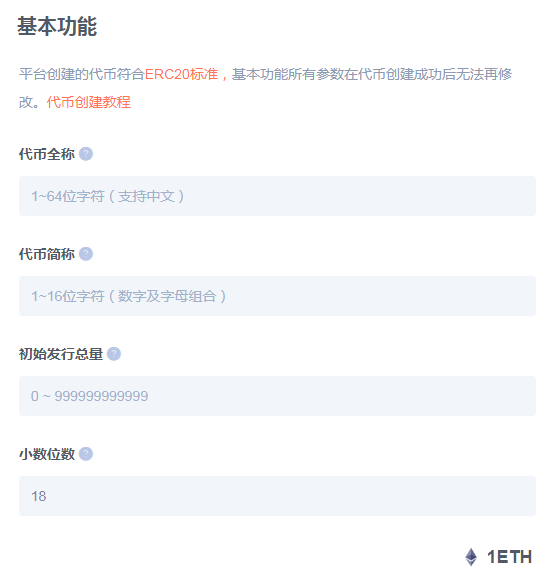
The reporter tried to create a token. The official website introduced that the service is "simple and fast to operate. It only takes three steps to issue tokens: register and log in, fill in the token information, and pay ETH." The creation page is simple and crude. The creator needs to enter the most basic information such as the full name of the token, the abbreviation of the token, the total initial issuance amount, and the number of decimal places.

What happens when the coins in your hand often run away?

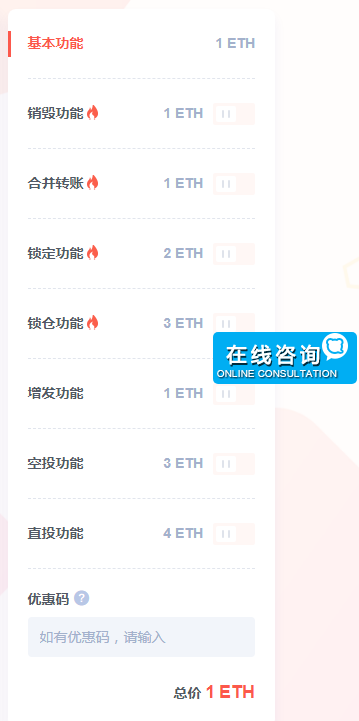
The reporter found that this may be because the token has the following functions: destruction, merged transfer, locking, lock-up, additional issuance, airdrop, and direct drop. Creators can choose these features directly and just spend a little more money.

The reporter added the WeChat ID of its customer service staff, and WeChat reminded that "the other party's account status is abnormal, please operate with caution if there are any fund transactions."

Customer service introduced to reporters that the destruction function means that token holders will have the right to destroy the tokens they own. After successful destruction, the destroyer's currency holdings and the total number of tokens in the entire network will be reduced accordingly. This function is suitable for business scenarios such as token repurchase and destruction, usage burning, etc.

The locking function means that after the creator turns on the lock, network-wide transfers and destructions will be inoperable, and other operations will not be affected. It can be turned on and off at any time. This function is suitable for business scenarios such as global lock-up and asset snapshots.

The lock-up function is divided into static and dynamic lock-up, and both lock-ups can be set to be released in batches. After the static lock-up information is successfully set, it cannot be modified or deleted, including changing to dynamic lock-up. Dynamic staking information allows multiple changes and deletions, and is allowed to be changed to static staking. This function is suitable for business scenarios such as investor lock-up and team lock-up.

These three functions mean that the creator can control the token transactions in the hands of investors. If the creator allows investors to trade, investors can carry out currency exchange or other businesses; once the creator prohibits transactions, the tokens that investors spend a lot of money to purchase will become a string of numbers.

The reporter confirmed this to the customer service staff, who said that "after the lock function is turned on, no one can trade, but the creator can operate everyone's coins."

What is the "airdrop candy" that investors in the currency circle love most? This is also set at the beginning of the token creation. Creators can conduct additional issuances and airdrops, and can put tokens into designated addresses.

So, how much does it cost to create a token?

The customer service staff introduced to reporters that the token with all functions is 16 ETH, and the three functions of additional issuance, destruction and locking are 5 ETH. Feixiao data shows that the current price of ETH is about 2,108 yuan, which means that the minimum cost of creating a token with three functions is about 10,000 yuan, and the maximum is a little more than 30,000 yuan.

These tokens, which only cost tens of thousands of yuan to create, can receive hundreds of thousands or even millions of investments from investors.

80,000 yuan to create an exchange, 15 million yuan to be listed on Binance Exchange

If tokens are unreliable, then are digital currency exchanges reliable?

The "Daily Economic News" reporter learned that in addition to creating tokens, the software also supports services such as currency listing and one-click exchange opening.

When the reporter inquired about the currency listing fees, the customer service sent the reporter a quotation sheet, which indicated the currency listing fees of "Huobi, Binance, ZB" and other exchanges, as well as the cycle (the time required for currency listing).

The reporter noticed that there are many ways to pay for currency listing fees. Among them, Binance is 15 million yuan, with a cycle of one month; Huobi is 7 million to 10 million yuan, with a cycle of 45 days; ZB is 6 million yuan, with a cycle of one week. In addition, exchanges such as Matcha, biki, fcoin, and boss pay in BTC, with fees ranging from 2 to 22 BTC, and the cycle is one week; exchanges such as bitfinex, upbit, bithumb, and digfinex pay in U.S. dollars, with fees ranging from $150,000 to $900,000, and the cycle lasts from weeks to months.

In terms of one-click opening of an exchange, customer service told reporters that different versions of the exchange system have different prices. The basic version is 80,000 yuan, the regular version is 200,000 yuan, and the advanced version is 300,000 yuan. Invoices can also be issued. Among them, the basic version only has OTC trading functions without an APP, the ordinary version has a better-looking interface than the basic version and also has an APP, and the advanced version is more high-end.

Customer service told reporters that they can quickly build an exclusive digital asset exchange that supports all tokens on the Bitcoin and Ethereum chains, can also list platform coins, support OTC over-the-counter transactions, and currency-to-crypto transactions. It has functions such as automatic deposits and withdrawals, customized handling fees, and report statistics. It can customize functions according to needs and provide high-quality after-sales services. Customer service also showed reporters basic and advanced version exchange cases.

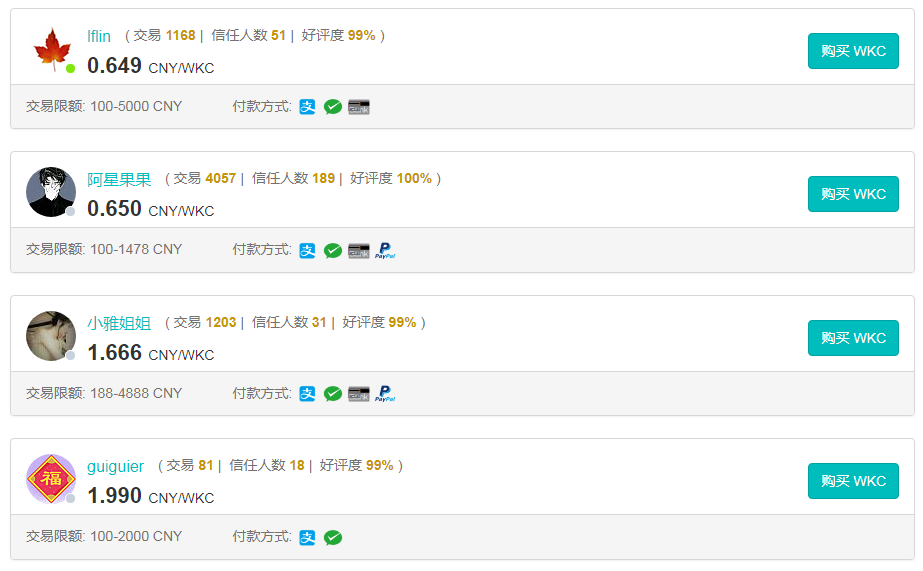
The basic version of the exchange is very rough. The official QQ group and customer service QQ number are displayed on the homepage. In addition, it is marked in a conspicuous place as "a safe and trustworthy Hong Kong over-the-counter trading platform" and states that the exchange is "two-way trading, free buying and selling, safe and reliable." The reporter noticed that there are investors placing orders for buying and selling on the homepage, and mainstream payment methods include WeChat, Alipay, bank cards, PayPal, etc. are all supported.

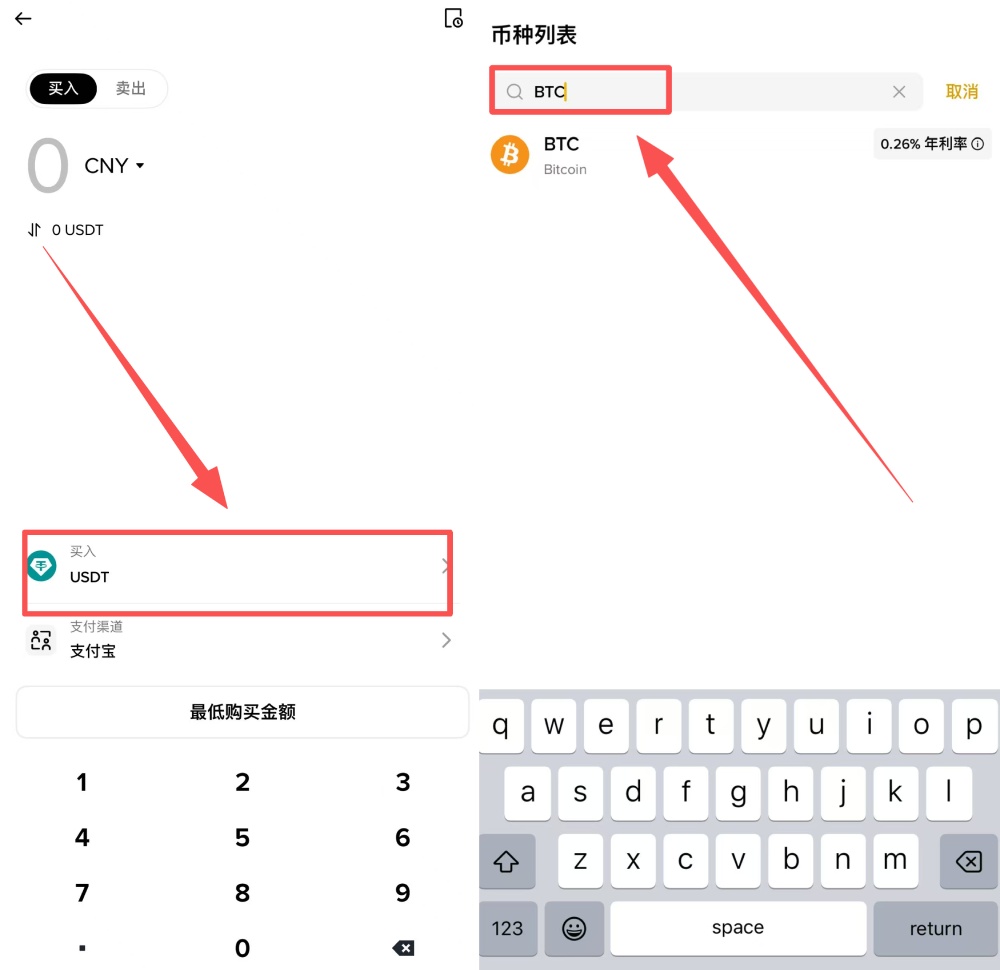
The advanced version of the exchange is much more formal. It not only supports over-the-counter transactions and currency transactions, but also displays the prices of mainstream digital currencies. Among them, over-the-counter transactions show that investors can buy mainstream digital currencies such as BTC, ETH, and USDT in RMB, and can also sell these mainstream currencies. The payment methods are also WeChat, Alipay, bank cards, etc. In currency-to-crypto transactions, investors can exchange one form of digital currency for another form of digital currency at a certain ratio.

The reporter noticed that the advanced version also provides "digital currency mortgage loan" service. The page opened by the reporter shows that the maximum loan amount is about 700,000 yuan, and the annualized return is 50% to 200%. Investors have placed orders for loans, and the cumulative loan amount ranges from several thousand to tens of thousands of yuan. The page shows that digital currencies that support mortgage include BTC (Bitcoin), LTC (Litecoin), ETH (Ethereum), and WKC (LinkToken).

It is worth mentioning that both exchanges provide the "invite friends" function. Among them, the advanced version invites friends: Every user who registers through a QR code or link will be attributed to the investor's account as a "recommended friend", and investors can obtain up to 50% of the transaction fee from each successful transaction of the recommended friend.

Lawyer: Providing "platform currency issuance on behalf of others" business is suspected of illegal business operations

The reporter noticed that the operator of the software is a "network technology company" in Xiamen. Qixinbao shows that the company's registered capital is 3 million yuan, and its business scope includes "software development; information system integration services; information technology consulting services; data processing and storage services; digital content services; animation and comic design and production; and other unspecified information technology service industries (excluding projects that require license approval)."

Xiao Sa, director of the Bank of China Law Research Association, told the "Daily Economic News" reporter that after the central bank and seven other departments issued the "Announcement on Preventing Token Issuance Financing Risks" on September 4, 2017, domestic exchanges were moved or closed. Some domestic blockchain companies advertise that they can provide the business of "establishing exchanges or issuing platform coins on behalf of others", which is contrary to my country's current policies and laws. The business of "establishing platform coins on behalf of others" is suspected of violating Article 225 of the Criminal Law of the People's Republic of my country. The act of providing the business of "establishing exchanges" is an act of assistance in establishing an exchange. It forms an accomplice relationship with investors who participate in the investment and establishment of exchanges, and jointly commits the crime of illegal business operations.

Xiao Sa told reporters that Chinese law only recognizes "Bitcoin" as a virtual commodity. According to the "General Provisions of the Civil Law", Chinese citizens can hold virtual property (including virtual goods). However, Chinese laws do not grant legal status to virtual currencies from other ICOs. It is difficult for Chinese citizens to protect their legitimate rights and interests when speculating on such virtual currencies.

daily economic news

Big Changes In The Cryptocurrency Market In 2025: Will Bitcoin’s Trend No Longer Be Dominated By Halving?

The impact of the institutionalization of the cryptocurrency market on the cycle_Will Bitcoin plummet before the halving?_Will the four-year cycle of the cryptocurrency market expire in 2025?

On December 30, 2025, the cryptocurrency market is at a critical crossroads, and the debate over whether the "four-year cycle" has expired has heated up. FXGT believes that as Bitcoin evolves from a fringe asset to a global macro safe-haven asset, its operating logic has undergone a fundamental paradigm shift. Although the traditional halving effect still exists at the psychological level, its absolute dominance over market supply and demand is gradually being diluted by more complex macro-financial variables.

In an in-depth analysis of market capital flows, FXGT found that the institutionalization process is the primary driver of breaking the cycle. As analysts such as Ruck said, the continuous buying brought by spot ETFs provides a deep liquidity cushion for the market. This kind of structural capital injection is completely different from the previous "surges and crashes" dominated by retail investors. This change not only weakens the amplitude of the retracement after the peak, but also blurs the originally clear cycle boundaries.

The loosening of macroeconomic policies and the expansion of global liquidity are becoming new engines for the market. Data from Grayscale shows that as devaluation pressure on fiat currencies continues, Bitcoin’s macro-hedge properties have become increasingly prominent. When traditional financial giants such as Standard Chartered Bank begin to revise their 2026 earnings expectations and abandon cyclical models, it signals that the market is shifting from "halving-driven" to "macro-driven." Against this background, Bitcoin's trend will be more subject to interest rate decisions and fluctuations in the global credit cycle.

However, there are still voices in the market that insist on cyclical theory. 10x Research and other institutions say that the trend at the end of 2025 is consistent with the characteristics of a typical bear market. FXGT believes that this game of opinion just illustrates the complexity of market psychology. Many long-term holders (OGs) conducted precautionary selling based on the memory of the market trauma in 2021. This "self-fulfilling prophecy" behavior did suppress currency prices in the short term, but it does not necessarily mean that the four-year logic still holds true in the long term.

Regarding the outlook for the market outlook, FXGT emphasized that investors should no longer blindly apply past halving schedules. With the rise of the AI ​​​​track and the strong performance of traditional safe-haven assets such as gold, the competition for funds in the crypto market has entered a stage of parallel stock and increase. As analyst Wacy said, the cycle may not be broken, but it is being stretched and redefined. This "structural extension" means that future opportunities will be more hidden in the revaluation of values ​​after shocks and washouts.

Ultimately, no matter how the definition of the four-year cycle evolves, 2026 will be a critical window to validate the new order. Facing a market that is deviating from the traditional path, investors need to build a more inclusive analysis framework and place policy wind direction, institutional holding costs and liquidity trends at a higher priority than the halving time point. FXGT believes that in this evolving market, only by gaining insight into changes in the underlying logic can we grasp the true direction in the fog of cycles.

Opening a futures account on Sina's cooperative platform is safe, fast and guaranteed

There Are Many Traps In Virtual Currency Investment, And Many People In Nantong Have Fallen Into High-return Scams

When "high return" meets "virtual currency", can it create a "blind faith" with double blessing? Is it possible to achieve "get rich overnight" with this seemingly high-end project? What investors value is "gaining wealth and wealth through insurance", but what criminals value is your pocketbook!

Virtual currency investment scam_Virtual currency_Nantong virtual currency fraud case

Mr. Lu, a resident of Haimen, Nantong City, has been dormant in a stock recommendation WeChat group for a long time. In March this year, he heard from a stock recommendation guru that the stock market was not doing well and was going to lead everyone to speculate in "virtual currencies." The stock recommendation guru sends a QR code to ask people who want to speculate in coins to download the "OCX" APP. Mr. Lu downloaded it excitedly. He cautiously invested several thousand yuan in the early stage and gradually made some money. Later, the stock recommendation expert urged Mr. Lu to pay a deposit of more than 70,000 yuan on the grounds that "NUS" and "WOT" new coins were listed and the new coins were listed. After paying the required amount, Mr. Lu saw the Singapore currency index rising. He wanted to sell the currency and withdraw cash, but found that he could not withdraw the money. The platform continued to require payment of a 5% profit tax. Mr. Lu was defrauded of more than 80,000 yuan in total.

Coincidentally, Ms. Mei from Qidong, Nantong, downloaded a virtual currency investment platform called "HaiSheng" APP through the introduction of her boyfriend on the Internet. Ms. Mei successively recharged about 300,000 yuan, and when she saw that she had made a lot of money in her account, she wanted to withdraw cash. The platform required payment of 20% tax, and Ms. Mei, who was eager to withdraw cash, immediately transferred the money without thinking. The platform asked for an additional deposit of US$5,000. Ms. Mei transferred the money again, but found that the platform made an error and could not withdraw cash. Ms. Mei was defrauded of more than 500,000 yuan in total.

Friendly reminder from the editor: On September 4, 2017, the People's Bank of China and other departments issued the "Announcement on Preventing Financing Risks of Token Issuance". The announcement stipulates that virtual currencies such as Bitcoin and Plus Coin are not issued by my country's monetary authorities, are not legally compulsory and compulsory, do not have the same legal status as currency, and cannot be circulated and used in the market. The illegal sale and circulation of virtual currencies is an act of illegal public financing without approval. There are currently no cases supported by the court.

Nantong virtual currency fraud case_Virtual currency investment scam_Virtual currency

Key points: "Virtual currency" does not have legal or compulsory monetary properties, and is not a currency in the true sense. Investing in "virtual currency" requires taking huge risks and is not protected by law. Investors must not blindly pursue high returns, and must not follow the trend and believe in "good promises" and fall into the trap of fraud gangs.

For more detailed reports, welcome to listen to various programs of Jiangsu News Broadcasting (FM93.7 in Nanjing area, FM95.3 in southern Jiangsu area), "Jiangsu News Network" 07:00-07:30, "Morning News Peak" 07:30-09:00, "Evening News Peak" 18:00-19:00.

Kaspersky Discovers High-risk Zero-day Vulnerability In Google Chrome And Reveals Operation ForumTroll

Kaspersky discovered and helped fix a high-severity zero-day vulnerability (CVE-2025-2783) in Google Chrome that allowed attackers to bypass the browser's sandbox protection system. The vulnerability was discovered by Kaspersky's Global Research and Analysis Team (GReAT). In addition to clicking on the malicious link, the user does not need to perform any interactive operations, showing extremely high technical complexity. Google has confirmed that Kaspersky researchers discovered and reported the vulnerability.

In mid-March 2025, Kaspersky Lab detected a wave of large-scale infections caused by users clicking on personalized phishing links sent via email. Once the link is clicked, the system is compromised without requiring the victim to take any additional action. Kaspersky analysis confirmed that the flaw exploited an unknown vulnerability in the latest version of Google Chrome, and quickly alerted Google's security team. A security patch for this vulnerability was released on March 25, 2025.

Kaspersky researchers dubbed the campaign Operation ForumTroll because the attackers sent personalized phishing emails inviting recipients to the "Primakov Book Club" forum. The decoys targeted Russian media outlets, educational institutions, and government organizations. These malicious links live for a very short time to evade detection and in most cases end up redirecting to the legitimate website of "Primakov Readings" once the exploit is removed.

The zero-day vulnerability in Chrome was just one part of an attack chain that included at least two exploits: a yet-to-be-obtained remote code execution (RCE) exploit that apparently launched the attack, while a sandbox escape discovered by Kaspersky formed the second stage of the attack. Analysis of the malware's capabilities revealed that the primary purpose of this operation was espionage. All evidence points to an Advanced Persistent Threat (APT) group.

"This vulnerability stands out among the dozens of zero-day vulnerabilities we have discovered over the years," said Boris Larin, principal security researcher at Kaspersky's Global Research and Analysis Team (GReAT). "The exploit does not perform any overt malicious actions when bypassing Chrome sandbox protections – it is as if the security perimeter does not exist at all. The technical complexity displayed here shows that the developers are highly skilled individuals with significant resources. We strongly recommend that all users use Google Chrome and any Chromium-based browser Update your browser to the latest version to protect against this vulnerability."

Google expresses its gratitude to Kaspersky for discovering and reporting this issue, which reflects the company's ongoing commitment to working with the global cybersecurity community and ensuring the safety of its users.

Kaspersky will continue to investigate Operation ForumTroll and will release more details in an upcoming report, including technical analysis of exploits and malicious payloads, once the safety of Google Chrome users is assured. At the same time, all Kaspersky products can detect and prevent this vulnerability exploit chain and related malware to ensure that users are protected from threats.

Kaspersky Next EDR Expert Edition, as the core component of Kaspersky Next XDR (Extended Detection and Response) expert platform, plays a key role in detecting this wave of infections caused by unknown and highly sophisticated malware. Our exploit detection and prevention technology identified this zero-day vulnerability before it became public, allowing us to fully analyze its behavior and impact.

This discovery follows the discovery of another Chrome zero-day vulnerability (CVE-2024-4947) by Kaspersky’s Global Research and Analysis Team (GReAT) last year, which was used by the Lazarus APT group for cryptocurrency theft last year. In that case, Kaspersky researchers discovered a type confusion vulnerability in Google's V8 JavaScript engine that allowed attackers to bypass security features via a fake cryptocurrency gaming website.

To protect against sophisticated attacks like this, Kaspersky security experts recommend the following key protective measures

· Make sure your software is updated: Regularly install patches for operating systems and browsers (especially Google Chrome) so attackers can't exploit newly discovered vulnerabilities.

· Adopt a multi-level security protection strategy: In addition to endpoint protection, it is recommended to deploy solutions such as Kaspersky Next XDR Expert Edition. Such solutions use artificial intelligence/machine learning (AI/ML) technology to achieve automated detection and response of advanced threats and APT attack activities by correlating multiple source data.

· Leverage threat intelligence services: Latest contextual information like Kaspersky Threat Intelligence helps you stay informed about emerging zero-day vulnerabilities and the latest attack techniques.

About the Global Research and Analysis Team

Founded in 2008, the Global Research and Analysis Team (GReAT) is Kaspersky's core department responsible for uncovering APTs, cyberespionage, significant malware, ransomware and global cybercriminal underground trends. Currently, GReAT consists of more than 40 experts working globally in Europe, Russia, the Americas, Asia and the Middle East. These talented security professionals provide leadership for the company's anti-malware research and innovation, bringing unparalleled expertise, passion and curiosity to discover and analyze cyber threats.

About Kaspersky

Kaspersky is a global cybersecurity and digital privacy company founded in 1997. To date, Kaspersky has protected more than a billion devices from emerging cyber threats and targeted attacks. Kaspersky continues to transform deep threat intelligence and security technology into innovative security solutions and services to protect enterprises, critical infrastructure, governments and consumers around the world. The company offers a comprehensive security portfolio, including leading endpoint protection solutions and a variety of targeted security solutions and services, as well as cyber immunity solutions to combat complex and evolving digital threats. We also help 200,000 enterprise customers around the world protect what matters most. For more details, please visit www.kaspersky.com.

OpenAI Acquires Statsig For US$1.1 Billion, The Reasons Behind It Are Thought-provoking

Open BI AN_OpenAI acquires Statsig_Statsig founder joins OpenAI as CTO

On September 3, 2025, OpenAI announced that it would acquire the product experiment platform Statsig in an all-stock transaction of approximately US$1.1 billion. Along with this acquisition, Statsig founder and CEO Vijaye Raji will join OpenAI as the newly created "CTO of Applications".

This move has attracted widespread attention in the industry. The high amount and the speed of the move indicate that this is not a simple expansion of business territory. Although this is not OpenAI’s first acquisition, why did OpenAI invest such huge resources at this point in time to acquire a company whose main business is product testing and experimentation, and also recruit a CTO for the application department?

01

To understand the fundamental motivations for this decision, we first need to understand the current business environment in which OpenAI operates. Since the release of ChatGPT, OpenAI’s revenue has achieved phenomenal growth. In June 2025, Altman publicly announced that OpenAI had achieved annual revenue of US$10 billion.

Its core profit model mainly relies on the ChatGPT Plus monthly membership subscription service for individual users and API interface calling fees for developers. These revenue sources prove the strong market appeal of its technology and provide financial support for its continued investment in research and development.

However, behind the revenue growth is more intense cost consumption. The training and inference of large-scale language models require huge computing resources, which means data center servers, high-performance chips, and related power and maintenance costs are astronomical. In August 2025, OpenAI was revealed to have an annual loss of more than US$5 billion.

Statsig founder joins OpenAI as CTO_OpenAI acquires Statsig_Open BI AN

At the same time, in order to maintain its leading position in the field of technological research, OpenAI must continue to recruit and retain the world's top artificial intelligence talents, and the labor cost of this part is also high. Altman, the company's CEO, has publicly expressed his willingness to lead OpenAI in an initial public offering (IPO) on many occasions. For any company planning to go public, establishing a clear, robust and sustainable profit model is a hard indicator for gaining recognition from the capital market.

Although it can maintain operations in the short term by relying solely on existing membership and API fees, its growth potential and profit margins are relatively limited, making it difficult to support a business story that is expected to become one of the companies with the highest market capitalization in the world.

Therefore, OpenAI urgently needs to find new and more scalable profit paths, and the basis of all this is to transform the advanced artificial intelligence models it has in hand into more, better, and more attractive specific products. This process of encapsulating underlying technical capabilities into mature applications that are market-oriented and solve users' practical problems is "productization." The acquisition of Statsig is a key step taken by OpenAI to strengthen its productization capabilities.

02

According to an official statement released by OpenAI, the goal of this acquisition is to "strengthen engineering systems, accelerate iteration, and transform cutting-edge AI research into intuitive, safe, and useful tools that people love." Every word mentioned in the statement directly points to the core link of product development and optimization.

To understand this in depth, we need to conduct a more detailed analysis of the target of the acquisition – Statsig and its founder Vijaye Raji. Statsig is not an ordinary startup. It is recognized as one of the top experimental platforms in the industry. Its core value is to provide a complete set of tools to help companies make efficient product development decisions.

This set of tools mainly includes A/B testing, feature flagging and real-time decision-making systems. A/B testing allows product teams to push slightly different versions of the same function to different user groups, and compare data to determine which version performs better, thereby making data-supported optimization decisions. The function switch allows the team to turn on or off a new function at any time. It can not only conduct small-scale grayscale testing, but also quickly roll back when problems arise, which greatly reduces the risk of new functions going online. Real-time decision-making systems can dynamically adjust product experience based on user behavior and other data.

All in all, Statsig provides a set of scientific methodology and supporting engineering infrastructure for "data-driven product development". The core problem it can solve is: how to quickly and low-risk verify new ideas in a complex software product, and ensure that every change can bring positive effects.

Vijaye Raji, who is about to serve as CTO of the OpenAI application department, has a personal resume that is highly consistent with this concept. Before founding Statsig, he spent ten years at Meta (formerly Facebook), leading engineering teams for large-scale consumer products. This experience allowed Raji to accumulate rich practical experience in rapid iteration and system optimization on products with hundreds of millions of users.

He then successfully built Statsig as founder and CEO, further demonstrating his entrepreneurial ability to translate this product development philosophy into successful commercial products. Therefore, OpenAI gets not only a tool platform, but also a product manager. Combining the Statsig platform with Vijaye Raji's experience, OpenAI's core appeal has emerged: it needs to improve its productization capabilities, and this person must be close to the C-side and know what the consumer market really needs.

03

To fully understand OpenAI’s sense of urgency in making this decision, it must be considered within the current fierce industry competition. Not long ago, its main competitor, Google, demonstrated its strong product execution capabilities to the entire industry through the "nano banana" project.

The project successfully transformed Google's own powerful Gemini model into a product that received positive feedback from the market in a relatively short period of time through an agile and efficient internal development process. According to podcast sharing and external analysis by relevant teams, the key to the success of "nano banana" lies in its development team's precise insight into user needs, a deep understanding of the underlying model capabilities, and the engineering practice ability to efficiently combine the two.

Team members repeatedly emphasized in a podcast released at the end of August that the team’s starting point is not “We have a powerful model, what can we do with it?”, but “What troubles do users encounter in a specific scenario, and how can our model technology help them in the lightest and most direct way?”. This kind of user-centered reverse thinking prompted them to give up the pursuit of large and comprehensive functions, and instead focused on creating a "minimum lovable product" (Minimum Lovable Product) and pushing it to the market at an extremely fast speed for verification.

This case clearly sends a signal to the market: In the current stage of artificial intelligence competition, the key to winning or losing is no longer just who has more model parameters and scores higher in benchmark tests, but also who can quickly transform these model capabilities into products that users really need and are willing to pay for.

Open BI AN_Statsig founder joins OpenAI as CTO_OpenAI acquires Statsig

The success of the “nano banana” project undoubtedly brought a huge warning to OpenAI. Through this operation, Google has proven that it not only has top-notch technology that can compete with the GPT series of models, but more importantly, it has a mature, large and experienced organizational system that can quickly "monetize" these technologies into products that users love.

In contrast, although OpenAI gained a first-mover advantage with the emergence of ChatGPT, its rhythm and strategy are relatively more prudent and conservative in subsequent product iterations and feature evolutions. Behind this difference, it reflects the difference in the organizational genes of the two companies: Google is a company with product and engineering as its core driving force, while OpenAI has long been more like a research-centered laboratory.

When the market gradually shifts from the initial surprise and curiosity to the pursuit of practical value and stable experience, this research-oriented gene may become an obstacle to its continued leadership. Google's quick follow-up and demonstration of productization capabilities made OpenAI realize that they really needed this kind of productization capability to strengthen the entire team.

04

Against this background, the underlying logic of acquiring Statsig becomes extremely clear. This is not only a replenishment of technology or talent, but also a positive response to the strategic pressure of competitors, and a "suck-away" operation aimed at changing the DNA of one's own organization.

The product development philosophy advocated and practiced by Statsig – building excellent products through a cycle of rapid experimentation, data collection, verification, and iterative optimization – is almost completely consistent with the successful methodology demonstrated by Google in the "nano banana" project.

Faced with the proven successful path of its competitors, OpenAI did not choose to start from scratch and slowly incubate and cultivate this culture and capabilities internally. Instead, it chose the most direct and efficient way: directly acquiring the best practitioners of this concept. This is a typical strategy of “exchanging money for time”. In the ever-changing artificial intelligence battlefield, time is often the most precious resource.

An important detail is that OpenAI itself was already a Statsig customer before the acquisition.

This means that OpenAI’s engineering and product teams have personally experienced its value in using the Statsig platform. They are well aware of the importance of this set of tools in improving development efficiency, reducing decision-making risks, and scientifically evaluating the effects of product changes. It is based on this in-depth understanding that OpenAI has made a strategic upgrade from "renting tools" to "owning DNA".

They realize that it is not enough to just use the platform as an external customer. This ability of rapid experimentation and data decision-making must be thoroughly integrated into their own blood and become the thinking habits and working methods of every product manager and engineer. Through the acquisition, OpenAI not only gained ownership of the platform, but more importantly, the entire team that built and maintained the platform.

OpenAI acquires Statsig_Statsig founder joins OpenAI as CTO_Open BI AN

The acquisition also marks an important shift in the competitive focus of the entire artificial intelligence industry. In the past few years, competition in the industry has mainly revolved around the "hard power" of models, with major companies and research institutions competing for larger model sizes, higher parameter quantities, and rankings on various academic evaluation lists. This can be called the "model parameter competition" stage.

However, as the performance of the head model gradually converges, the marginal benefits brought by simply relying on the improvement of model capabilities are diminishing. Users and the market are beginning to pay more attention to the actual experience of the product: Is the application stable and reliable? Does the function meet actual needs? Is the interaction smooth and natural? Can it solve specific problems in specific scenarios? The answers to these questions all depend on productization capabilities.

Therefore, the competition in the industry is entering the second half, that is, the "product experience competition" stage. In this new stage, whoever can establish a more agile development process, conduct effective experiments more frequently, collect and respond to user feedback more quickly, and polish product details more precisely will be more likely to stand out in the fierce market competition and win the favor and loyalty of users.

For OpenAI itself, the significance of this acquisition is extremely significant. OpenAI's management has a deep understanding of its shortcomings and is willing to pay a huge price to make up for them. It is foreseeable that after integrating Statsig, the update frequency and function optimization speed of OpenAI's core products such as ChatGPT are expected to be greatly improved.

In the past, experimental platforms like Statsig may have been regarded more as "standard equipment" for traditional Internet companies, but in the era of artificial intelligence, when the product itself (i.e., the model) has uncertainty and complexity, scientific experiment and verification systems have become more indispensable. This acquisition by OpenAI may cause other artificial intelligence giants to re-examine their own productization processes and increase investment in similar tools, platforms or teams. In the future, infrastructure surrounding the efficiency and quality of AI application development may become a new investment and competition hotspot.

Analysis Of Today’s Virtual Currency Market Trends: Rise And Fall Of Mainstream Currencies And Market Influencing Factors

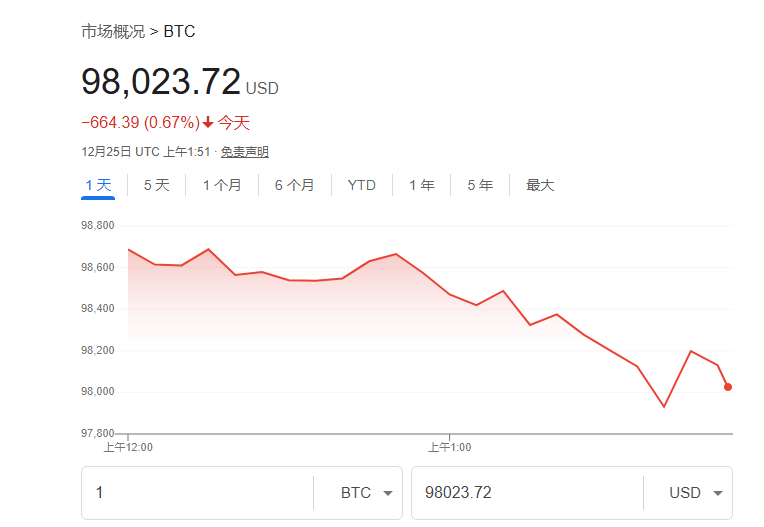
In this era of rapid digital development, virtual currency has become an indispensable part of the modern financial market. Today, we will focus on the real-time trend and analysis of today’s virtual currency market. First, let’s take a look at the overall cryptocurrency market. As two core assets, Bitcoin and Ethereum's price fluctuations directly affect the entire market sentiment.

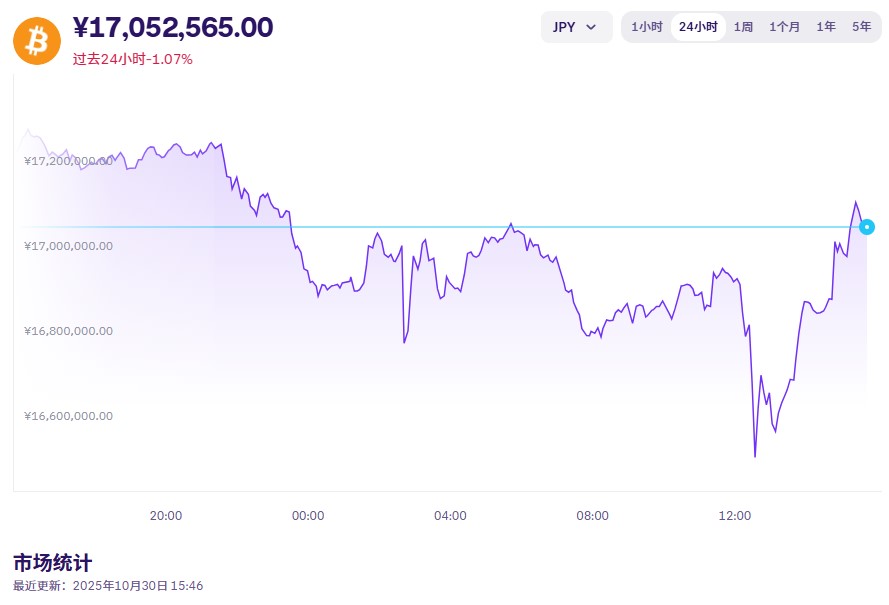
Bitcoin prices have risen over the past 24 hours, demonstrating growing investor confidence in the digital gold. At the same time, Ethereum is also showing a steady upward trend, which is related to its upcoming proof-of-stake upgrade. The expected upgrade will bring greater security and efficiency to Ethereum. In addition to these two mainstream currencies, many other niche currencies such as Litecoin (LTC) and Monero (XMR) are also actively performing.

Currency digitization is one of the important factors driving the rise of virtual currency prices. As technology continues to advance, the acceptance of digital currencies is increasing, with more retailers and service providers starting to accept cryptocurrencies as payment methods. In addition, the additional issuance of USDT (Tether) stable currency has also become a factor supporting the market. Since USDT is an asset anchored by the U.S. dollar, its issuance is usually accompanied by an increase in the value of the U.S. dollar, which indirectly injects a certain amount of confidence into the market.

However, the virtual currency market remains highly volatile. On the one hand, this is because the structure of market participants is complex, including individual investors, professional institutions, and even large financial institutions; on the other hand, the uncertainty of regulatory policies often triggers panic in the market. Bloomberg News' report "Bitcoin's Maturity Leap" pointed out that under the impact of the COVID-19 epidemic, the global economy and financial system have suffered unprecedented challenges, and virtual currency, as a new asset class, has shown strong resilience in the crisis.

From a technical analysis perspective, the historical trading chart of LTC (Litecoin) shows a steady increase in its price, which is related to its mining difficulty adjustment mechanism. Each difficulty adjustment will affect the generation speed and total amount of new coins, thereby affecting the market price. As an early-existing virtual currency, NMC (Namecoin) has high price volatility, but its long-term bullish trend is also the focus of market analysts.

The real-time market situation of virtual currency exchange rates shows the dynamic changes in digital currency exchange prices across the entire network. The cryptocurrency exchange rate channel of Real-time Exchange Rate Network provides a wealth of market data and charts to help investors make effective risk management and asset allocation decisions. However, due to the unpredictability and complexity of the market, any interpretation of the market should be treated with caution and supplemented by one's own independent judgment.

In summary, today’s virtual currency market has shown positive momentum, but at the same time there are also uncertainties. With the gradual clarification of regulatory policies and changes in the structure of market participants, the future trend of virtual currencies deserves continued attention and in-depth study. Investors need to be aware of risks when participating, allocate assets reasonably, and do not blindly follow the trend.

Steam Abandons Bitcoin Due To Handling Fees, BCH Regains Lost Ground With Low Price And Becomes Bitcoin

BCH_The reason why Bitcoin Cash regains the lost ground of Bitcoin_The reason why the Steam platform no longer supports Bitcoin

On December 6, the Steam platform issued an announcement stating that Steam no longer supports Bitcoin. The reason turned out to be the fault of the handling fee.

The Steam platform is currently the world's largest comprehensive digital distribution platform. Players can purchase, download, discuss, upload and share games and software on this platform. As of December 16, the platform said it will stop supporting Bitcoin and will no longer accept Bitcoin payments. Because the handling fees for Bitcoin transactions remain high and the currency value fluctuates frequently, this brings a very bad consumption experience to users and increases users' purchase costs out of thin air. When I first chose to support Bitcoin, the handling fee was still relatively low, but now it has increased 10 times. Therefore, the Steam platform decided to no longer support Bitcoin. After investigation, the current optimal transfer fee for Bitcoin has exceeded 100 yuan/KB.

Bitcoin has lost many users and merchants due to high handling fees. Bitcoin Cash (BCH) is gradually regaining ground lost by Bitcoin. Currently, the best handling fee for Bitcoin Cash (BCH) is only RMB 2/KB, which is very similar to early Bitcoin. Therefore, many people believe that Bitcoin Cash (BCH) is the real “Bitcoin” and a “peer-to-peer electronic cash system” in line with Satoshi Nakamoto’s ideas.

Compared with Bitcoin, Bitcoin Cash (BCH) not only has the advantage of low handling fees, but also has many advantages over Bitcoin.

Development teams are more decentralized

The development team of BTC is relatively single, only Bitcoin Core, while the development team of Bitcoin Cash (BCH) has been increasing, from the initial 5 to 8 now, and more teams can join in the future. This decentralized development team ensures the rapid development of Bitcoin Cash (BCH). Unlike Bitcoin, an expansion issue has been delayed for so long and has not been resolved yet.

Support large blocks, no congestion

The reason why Bitcoin Cash (BCH) has the advantage of low transaction fees is because it supports large blocks. The size of the block determines the transaction capacity that can be processed. Bitcoin Cash (BCH) has canceled the 1M block size limit and can initially support a maximum block size of 8MB by default. This means that the transaction volume that Bitcoin Cash (BCH) can handle has greatly increased, perfectly solving the problem of Bitcoin transaction congestion, and transaction fees have also been significantly reduced.

Meet market demand and improve user experience

Compared to Bitcoin, Bitcoin Cash (BCH) has always been user- and market-centric. From its initial creation, it was designed to better solve the problems of Bitcoin congestion and high handling fees. Subsequent adjustments to the computing power difficulty and address format changes are also intended to meet market demand and improve user experience, thereby becoming a more complete world currency.

Dare to innovate

Compared with Bitcoin, the most important thing about Bitcoin Cash (BCH) is the courage to innovate. The reason why Bitcoin has today's problems is that its thinking is stuck in its own way and does not want to make progress. Bitcoin Cash (BCH) has had the courage to make changes to technology from the beginning and has an open and enterprising mind. And in the future development process, Bitcoin Cash (BCH) is also very inclusive, such as scalable solutions, smart contracts, Lightning Network, etc. are all under consideration. All the development directions of Bitcoin Cash (BCH) are to improve Bitcoin Cash (BCH) in the direction of a free world currency.

Currently, many merchants like the Steam platform have chosen to abandon Bitcoin because of high handling fees. Bitcoin Cash (BCH), as a currency superior to Bitcoin, may become their best choice. Already many merchant users choose Bitcoin Cash (BCH) as a payment method, and this will become more and more common as time goes by.

Investment Opportunities And Strategies Under Bitcoin Market Fluctuations, Latest Price Trend Analysis

Price Fluctuations and Investment Opportunities

The Bitcoin market has ushered in a new wave of fluctuations, which is both a challenge and an opportunity for investors. Let’s talk about the latest market trends of Bitcoin and how we should seize investment opportunities in this volatile market.

Price Volatility: A Barometer of Market Sentiment

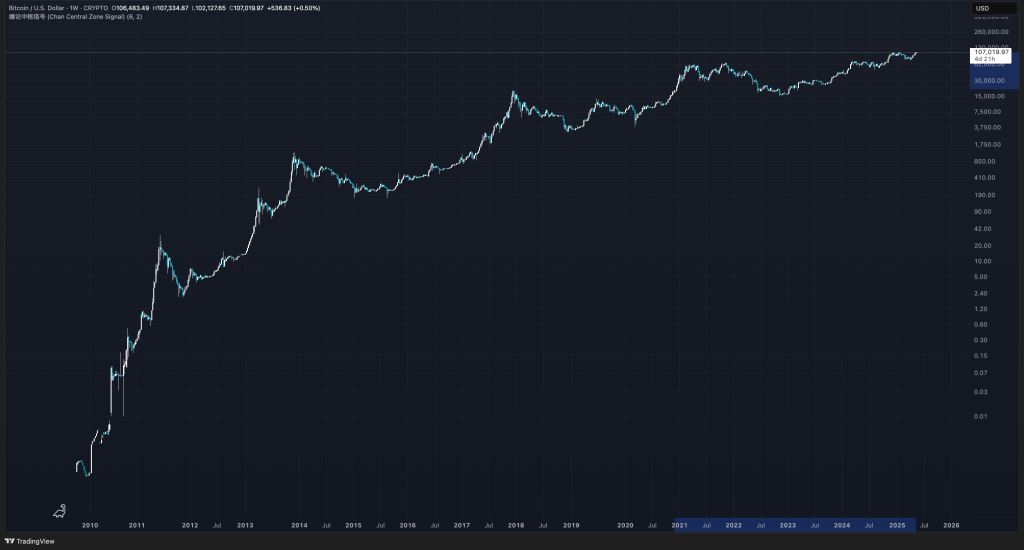
The price fluctuations of Bitcoin have always been the focus of market attention. The price of Bitcoin has experienced several significant ups and downs, which not only reflects changes in market sentiment, but is also closely related to the global economic situation. In the current economic environment, investors' interest in digital currencies does not seem to have weakened. On the contrary, in some cases, Bitcoin is regarded as a safe-haven asset.

Technical analysis: looking for entry opportunities

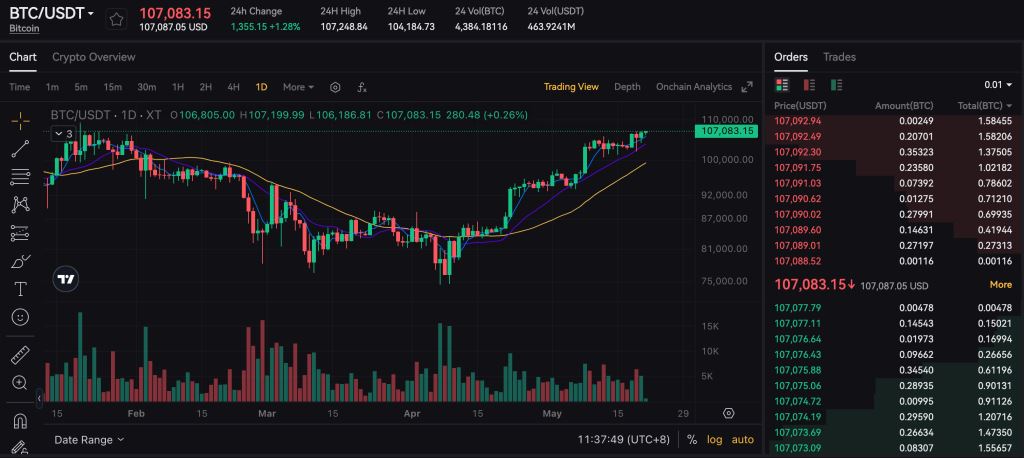
For investors who want to enter the Bitcoin market, technical analysis is an essential tool. By observing the Bitcoin price chart, we can find some key support and resistance levels, which often indicate potential turning points for the price. Certain moving averages or Fibonacci retracement levels can be used as a basis for trading decisions.

Market News: External factors affecting prices

In addition to technical analysis, market news is also an important factor affecting the price of Bitcoin. Some countries and regions have changes in regulatory policies for digital currencies. Adjustments to these policies often have an immediate impact on the market. The movements of large institutional investors, such as a well-known fund announcing an increase in investment in Bitcoin, will also have a positive impact on market sentiment.

Investment Strategy: Diversification and Risk Management

In a highly volatile market like Bitcoin, diversified investment and risk management are particularly important. Investors should not invest all their funds in Bitcoin, but should consider diversifying their assets into different digital currencies or even other types of investment products. Setting stop-loss and stop-profit points can help investors protect capital when the market fluctuates.

Long-term perspective: Bitcoin’s potential and challenges

Although the price of Bitcoin fluctuates greatly in the short term, in the long term, Bitcoin, as an emerging asset class, still has huge potential. With the development of blockchain technology and the expansion of application scenarios, the value of Bitcoin may be further recognized. This does not mean that investing in Bitcoin is risk-free. Uncertainty in regulatory policies, technical safety issues, and market manipulation are all challenges that investors need to be wary of.

Market Participants: From Novice to Veteran

In the Bitcoin market, there are various types of investors, ranging from novices who have just come into contact with digital currencies to experienced veterans. For novices, understanding basic market knowledge, learning how to use the trading platform, and mastering risk management skills are the keys to getting started. For veterans, continuing to pay attention to market dynamics, conducting in-depth research on technical analysis, and flexibly adjusting investment strategies are the magic weapons to stay competitive.

The future of Bitcoin: the combination of technology and applications

The future of Bitcoin lies not only in the rise and fall of its price, but also in the blockchain technology behind it and the application of this technology in various fields. As more and more industries begin to explore the possibility of blockchain technology, Bitcoin, as a representative of blockchain technology, may have its value and influence further improved. This also takes time to verify, and investors need to be patient and wait for the maturity of the technology and the popularization of applications.

Seize opportunities and invest rationally

In the Bitcoin market, opportunities and risks coexist. Investors need to keep a clear mind, rationally analyze market dynamics, formulate reasonable investment strategies, continue to learn and accumulate experience, and improve their investment skills in order to move forward steadily in this variable market.

For reference only, investment needs to be cautious and it is recommended to seek professional advice before making any investment decisions.

Sign In

Forgot Password

Sign Up