Professional virtual currency information station welcome
We have been making efforts.

24-hour news update Page 83

24-hour cryptocurrency news update

[Netherlands] France Turns To The Netherlands To Support Its Military Operations

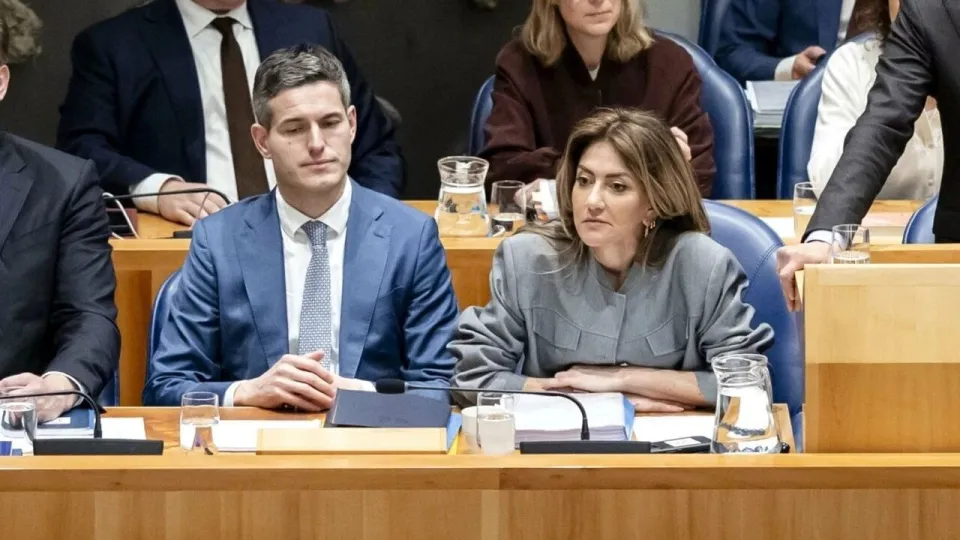
The Dutch cabinet is considering sending a naval ship to the Mediterranean. France made the request, Foreign Minister Berenson and Defense Minister Yesilgoz wrote in a letter to the second chamber on Wednesday.

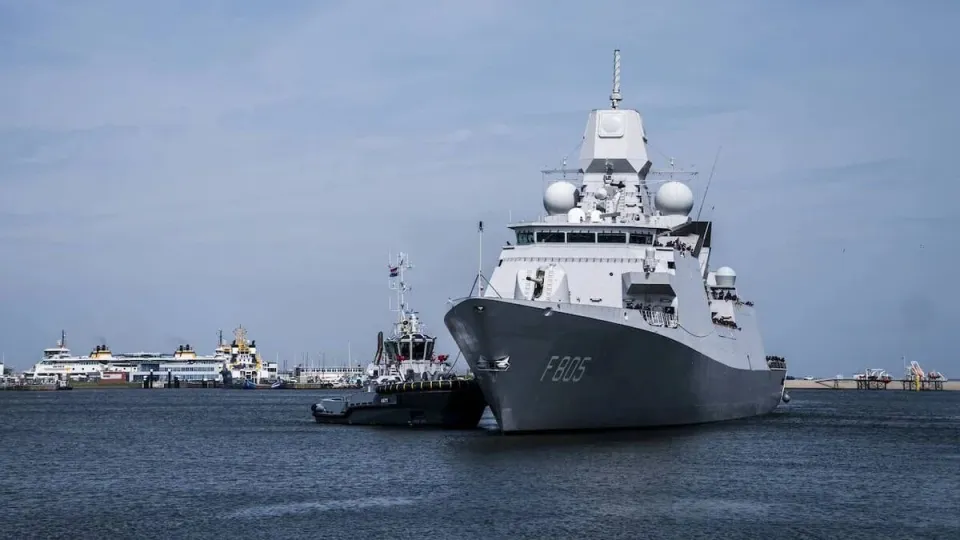
France's request involves the deployment of the air defense command frigate "Zr. Ms. Evertsen" to the eastern Mediterranean for defense. France hopes that the ship will support the French aircraft carrier "Charles de Gaulle" in its operations in the eastern Mediterranean.

Dutch Foreign Aid__Dutch Rescue

The "Everson" is currently a member of the fleet sailing with the "Charles de Gaulle". However, deployment to the eastern Mediterranean requires political approval. France wants to deploy aircraft carriers to the region to help protect trade and oil and gas supplies.

"Charles de Gaulle" is the largest aircraft carrier in the European Union. Along with the U.S. aircraft carrier, the French carrier is currently the only two in the world powered by nuclear reactors.

Just a day earlier, a British military base in Cyprus was attacked by a drone. This incident marked the first time that an EU member state directly intervened in the conflict in Iran and surrounding areas. Previously, the United Kingdom had decided to send military equipment to Iran.

Recently, the United States and Israel launched air strikes on Iran, resulting in the death of Iran's Supreme Leader Ayatollah Ali Khamenei, and the situation in the Middle East has rapidly deteriorated. Iran retaliated by attacking U.S. military bases in at least nine countries in the region.

Netherlands plans to give green light to jointly develop nuclear weapons with France

Like the Dutch cabinet, the Dutch second chamber appears to be positive about French President Emmanuel Macron's proposal to strengthen cooperation on nuclear weapons. In particular, the Democratic 66 Party, the Liberal Democratic Party and the Christian Democrats in the ruling coalition all hope to accept this challenge. The atmosphere is very different from recent decades.

Dutch Foreign Aid_Dutch Rescue_

In a speech on France's nuclear strategy on Monday, Macron said he wanted to expand France's nuclear arsenal and cooperate with several European countries, including the Netherlands.

Although Dutch policy has so far focused mainly on limiting the number of nuclear weapons in the world, Jetten's cabinet immediately announced its willingness to engage in dialogue with France. The Second House appears to provide space for this as well.

"We have seen that Russia's aggressive behavior is very serious, and we must ensure our own security in Europe, which also includes nuclear security," said Belhirsi, a member of the Democratic Six-Sixth Party.

Breckelmans, chairman of the Liberal Democratic Party's parliamentary group, also welcomed Macron's desire to strengthen European cooperation and deploy French nuclear weapons, believing that this is "more to defend Europe" and "more to deter the enemy."

CDU lawmaker Van Ranschott added that Europe can only have a strong position in the world through cooperation among its member states, "so we see Macron's extended hand as a positive development."

Dutch Rescue_Dutch Foreign Aid_

The reaction of the largest opposition party, the Green Party-Labor Alliance (GroenLinks-PvdA), was more cautious, but given the unpredictability of the international situation, MP Piri still considered France's negotiation proposal "very interesting."

"We are currently very dependent on the United States for defence. My parliamentary group believes that it is absolutely necessary that we reduce this dependence," Pirie said. However, she added that it should not be considered "safe only to have nuclear weapons against the most powerful countries".

Another opposition party, the Socialist Party, firmly opposed this proposal. Congressman Dobe said more nuclear weapons could lead to a new nuclear arms race like the one during the Cold War, which would only make the world less safe.

Restore a real Netherlands for you

Dutch Foreign Aid_Dutch Rescue_

WeChat ID: hollandone

Website: www.hollandone.com

Advertising: ad@hollandone.com

Email: info@hollandone.com

Dutch Foreign Aid__Dutch Rescue

The Baicao-flavored Nut Gift Box Has Been Questioned Because It Contains A Large Number Of Drinks And Snacks. Who Will Protect The Rights Of Consumers?

China News Service, Beijing, January 30 (Reporter Zuo Yuqing) A "nut gift box" with a net weight of 958 grams is advertised, but in fact it only has 33 grams of real nuts, and the rest is 660 grams of drinks and some biscuit snacks. Recently, Baicao’s “Nut Gift Box” has caused controversy.

Faced with doubts, Baicaowei blamed the dealers. According to media reports, Baicaowei claimed that the gift boxes involved were assembled by the dealers themselves and that the official store had never sold the product. It had instructed dealers to remove all the gift boxes from the shelves.

However, this response is unconvincing. China News Network noticed that although Baicaowei tried to "pass the blame" to distributors, similar gift boxes were still on sale in its official flagship store.

For example, a "nut snack gift box" weighing 1,260 grams in its official flagship store is marked in large characters on the product sales page with "10 large items weighing 2.5 pounds", and the promotional pictures are all nuts. However, nearly 70% of the weight of the gift box actually comes from "nut plant protein drink", jelly refreshing and gray dates, which obviously contradicts Baicaowei's explanation of "only a dealer behavior".

Yan Bing, senior partner of Times Jiuhe Law Firm, pointed out that the graphic introduction of such "nut gift boxes" is enough to make most consumers mistakenly believe that the gift boxes contain real nuts, which has a substantial impact on consumers' purchasing behavior. Therefore, this behavior violates consumers' right to know the truth and is suspected of fraud. Consumers can claim "refund one and compensate three".

As a brand owner, Baicaowei has unshirkable publicity, review and quality supervision responsibilities for both directly operated stores and authorized distribution channels. Denying the "official" nature of the "Nut Gift Box" involved and simply blaming the problem on the channel is not only difficult to convince the public, but also exposes loopholes in its internal control, which is not conducive to maintaining consumer trust.

What's more, they only removed the gift boxes involved from the shelves, focusing the verification and rectification on the omni-channel brand authorization logo, but did not modify the promotional images and logos that may mislead consumers. Similar gift boxes in the official flagship store are still being sold normally, which is difficult to reflect the sincerity of Baicaowei's rectification.

Using beautiful pictures and vague labels to mislead consumers is a long-standing "routine" in the current consumer market. Merchants often highlight "high value" and "sufficient quantity" visually and textually, but they "secretly make a fuss" about the physical composition. This type of approach may increase sales in the short term, but in the long run, it seriously overdrafts consumers' trust in the brand.

The evergreen brand comes from integrity. Baicaowei should not use dealers as a "shield", but should truly recognize the problem, comprehensively review the authenticity and transparency of product promotion, clearly identify the actual content of various products in the gift box, so that consumers can clearly understand the purchase. Only in this way can we truly safeguard the trust and future of the market. (over)

Carina Lau Shows Off Her Figure During Vacation At The Beach, And Her Age-old Goddess Style Still Arouses Expectations

Recently, the well-known Hong Kong actress Carina Lau posted pictures of herself vacationing at the beach on social platforms, with the caption: "With a good attitude, everything is fine!" Moreover, these photos were in swimsuits, which attracted countless netizens to watch.

I have to say that vacationing at the beach, with the beautiful scenery of blue sea and blue sky, really makes people feel happy. On the day she was at the beach, she wore a black swimsuit, a sun hat, and sunglasses. However, Carina Lau was not wearing a bikini and was more conservative. Even so, she still showed off her good figure with bulging front and back, which is very enviable.

In another photo, Carina Lau is leaning on the stairs, showing off a pair of slender long legs. It is worth mentioning that she is 58 years old, but her skin is not at all what it should be if she is over fifty. It is very white and tender. I really don’t know how she maintains it. It is really enviable.

However, Carina Lau's vacation at the beach was indeed very casual and very chic. She covered her face with a hat and lay in a hammock with the crystal clear water below. It didn't look like she was in China. I don't know. Wherever she goes on vacation, she can rest assured. Although the scenery is pleasant, she is still not as good as Carina Lau. Her legs are intertwined, showing off her excellent body proportions. Her front and back are very hot, and her long legs are even more eye-catching when seen up close.

Although Carina Lau is 58 years old, she has maintained her condition so well that she is an age-freezing goddess. Although she rarely films anymore, I still look forward to seeing her on the big screen again to show off her superb acting skills. I wish her more and more beauty in the future, and she will stay ageless forever.

10 Clipper Round The World Yacht Race Boats Arrive In Qingdao, The Race Enters Chinese Time

China News Service, Qingdao, March 4 (Wang Yu, Zhang Xiaopeng) After 10 days of sailing, 10 2025-2026 Clipper Round the World Race boats, including Qingdao, Scotland, and UNICEF, all arrived at the berthing dock in Qingdao, Shandong on the 4th, marking the official entry of the world's top global sailing event into "Chinese time."

The Clipper Round the World Yacht Race is a world-famous global sailing event. Since its inception in 1996, the event has led sailing enthusiasts around the world on a journey around the world for 14 seasons. This competition will set sail from Portsmouth, England, on August 31, 2025, local time. More than 700 crew members from 10 teams will sail 40,000 nautical miles and pass through 13 port stops.

On March 4, the Qingdao boat participating in the 2025-2026 Clipper Round the World Yacht Race sailed into the Qingdao Olympic Sailing Center. Photo by Miao Wei

At about 4 o'clock in the afternoon that day, accompanied by passionate boat songs and long whistles, the Qingdao led by captain Philip Quinn entered the port. The people and sailing enthusiasts at the scene waved flags and cheered to welcome the triumphant sailing warriors.

As the first port of call in Asia for the Clipper Round the World Yacht Race, Qingdao has named the "Qingdao" sailing ship for ten consecutive events since 2006, and continues to serve as an important port of call to welcome fleets from around the world. When each fleet arrives in Hong Kong, a unique welcome ceremony is held, and traditional folk customs such as Yangko, dragon and lion dances are performed in turn, integrating Chinese style and international style.

Among the many sailors who landed triumphantly, Lan Jun, a 30-year-old girl from Qingdao, stood out. From serving as a volunteer for the Clipper Round the World Yacht Race 12 years ago to now embarking on a global journey as a full crew member of the Qingdao, her journey to pursue her dream is moving. "We set off from the UK, traveled through more than 20,000 sea miles and finally returned to Qingdao. I hope my coach and friends can be proud of me."

According to reports, the participating fleet will set sail on March 12 after completing supplies and rest in Qingdao, Shandong Province, heading for Tongyeong, South Korea. (over)

With The Rise Of AI Foreign Exchange Automation Software And The Transformation Of Trading, The Market Size Continues To Soar.

Foreign exchange system reform_foreign exchange market reform_

Try to think of any field where artificial intelligence is not present, and you will find that there is almost none. In the world of Forex trading, the situation is no different. This is an important reason why Fortune Business Insights estimates the global AI market size at US$375.93 billion. Looking ahead, the industry is likely to continue to make significant progress, reaching $2.48 trillion by 2034.

Gone are the days of poring over charts, staring at economic indicators, and hoping your gut doesn't betray you. Today, with the help of AI foreign exchange automation software, you can analyze massive amounts of data and execute transactions more accurately within milliseconds. If you think this is just science fiction, you might want to think again.

Imagine that the AI ​​trading platform market alone has reached $220.5 million and is expected to reach $631.9 million by 2035, according to industry estimates from Future Market Insights. If that’s not convincing enough, respected financial trader Andrew Boresenko says that more than 70% of FX trading volume is now generated by automated systems. So how and why has AI been able to carve out its own niche in the industry?

The core advantages of AI trading system

Consider this scenario: you want to invest in EUR/USD. If a traditional algorithm were used, it might only take action when the exchange rate reaches a predetermined level. But AI-driven systems work differently. It is able to detect subtle signals in global economic news and execute preventive trades.

Events like unexpected policy shifts in the Eurozone or changes in U.S. interest rate expectations rarely go unnoticed. In the long run, you'll end up making better decisions than relying solely on human intuition.

So you shouldn’t be surprised when the likes of Global Banking & Finance Review claim that AI can improve investment forecasts by 45%. It’s findings like this that explain why many traders haven’t missed out on the AI ​​craze. After all, manually processing each market signal can be overwhelming, given the large amounts of data typically involved in analysis.

If you miss these signals, this can cause real problems because you won't be able to take advantage of them. But with AI, nothing slips through the cracks. It scans large data sets, identifying patterns and correlations that even the most experienced traders may miss.

Even if a surprise announcement from a central bank changes the value of a currency within seconds, AI-powered tools can detect the news almost instantly and quantify its potential impact. As a result, traders can become more proactive while reducing the guesswork that once made forex trading so daunting.

24/7 market monitoring

Did you know that, according to market growth reports, automated systems now account for more than 70% of global transaction volume? Part of the reason is that AI-based systems don't fatigue. They work around the clock, reducing the likelihood of missed profit opportunities.

Let’s be honest: there will be times when you feel tired. It doesn't matter how experienced a trader you are. Fatigue may set in, and suddenly the sharp intuition you relied on begins to blur. Eyes that were once quick to spot chart patterns may start to glaze over, and mental calculations take a little longer, enough to miss a trade.

Now imagine combining this fatigue with the vast amounts of data needed to make smarter trading decisions. When you process one data set, several others may have changed. For any serious trader, this is not what they want, especially considering the speed of change in the Forex market.

Fortunately, the AI ​​doesn't tire or lose focus. This allows it to continuously scan for opportunities and execute trades the moment conditions align.

Eliminate the influence of emotional decision-making

Forex trading is as much an emotional exercise as it is an analytical one. But when emotions like fear or overconfidence take over, sound judgment often disappears. Unfortunately, quite a few traders fall victim to these emotions on a regular basis. Retaliation trading can increase the size of losses by as much as 340%, while "panic exits cause traders to miss out on 67% of their target profits."

If you've been in the trading industry long enough, you know what sudden geopolitical events mean. The panic and stress of those momentary market moves can make even the most experienced traders question their strategies. However, AI is not affected by mood swings. It always follows data-driven rules and sticks to predefined parameters even when the market gets chaotic.

In this way, you are able to trade in a more disciplined manner, which in turn helps avoid unnecessary frustrations. In an industry where every second counts, AI can manage your risk more effectively and ensure decisions are based on data rather than emotion.

The rise of this technology is certainly a game changer for traders. Just the idea of ​​not having to rely solely on intuition to process an endless stream of market data is liberating. When you consider how technology makes it possible to predict market movements and maintain discipline under pressure, it's easy to see why more and more traders are turning to it.

Q&A

Q1: What are the advantages of the AI ​​foreign exchange automated trading system compared to traditional algorithms?

A: AI systems are able to detect subtle signals in global economic news and execute preventive trades, whereas traditional algorithms only take action when exchange rates reach predetermined levels. AI can identify patterns and correlations that even the most experienced traders may overlook, improving investment forecast accuracy by up to 45%.

Q2: Why can the AI ​​trading system work around the clock?

A: The AI ​​system will not get tired or lose focus, and can scan market opportunities around the clock and execute trades the moment conditions are consistent. According to market growth reports, automated systems now account for more than 70% of global trading volume, significantly reducing the likelihood of missed profit opportunities.

Q3: How can AI help traders avoid emotional decision-making?

A: AI is not affected by emotional fluctuations, always follows data-driven rules, and adheres to predefined parameters even when the market is chaotic. This avoids the 340% increase in losses that may be caused by retaliatory trading, and the 67% missed target profit caused by panic exit, ensuring that decisions are based on data rather than emotions.

The EU Says It Hopes The U.S. Will Abide By Its Commitments And Protect Its Interests, While Trump Threatens Spanish Trade Over Bases

According to Russian media reports on March 3, on Tuesday, the European Commission stated that it will continue to safeguard the interests of the EU and believes that the United States will act in accordance with the commitments signed with the European Union (EU). Earlier, Trump announced that the United States may interrupt all trade with Spain because Spain refuses to provide military bases to support attacks on Iran.

Trump abandons visit to Europe__Trump Spanish

EU trade spokesman Gill said in an interview with EFE about Trump's threats: "We expect the United States to abide by the commitments made in our joint statement. The European Commission will always ensure that EU interests are fully protected."

The senior official also said that Brussels' position "has not changed" and assured that these "two basic elements" were included in the European Commission's announcement on February 21. The announcement comes in response to the U.S. Supreme Court ruling that most of the tariffs imposed by the Trump administration are unconstitutional and his subsequent announcement that tariffs will be imposed globally.

At the time, the European Commission urged Washington to abide by the agreement in the August 2025 joint statement. The statement stipulates the imposition of tariffs of up to 15% on products from the euro area to curb a possible trade war.

"No one can stop us from using (military bases)"

On the same day, the Republican politician accused the Spanish authorities of not fulfilling the stipulated share of defense investment among North Atlantic Treaty Organization (NATO) member states, and threatened to "cut off all trade with Spain" on this basis.

He also expressed anger at the Sanchez government's refusal to provide military bases to support the United States and Israel's war of aggression against Iran. "Now Spain says we can't use its military bases… but we could have, we could fly over and use them. No one can stop us from using them," he said.

(Original title: Comisión Europea defiende a España de Trump)

The Escalation Of The Situation In The Middle East Caused Changes In Oil And Gas Stocks, And E Fund Raised An Oil And Gas ETF Two Days In Advance

E Fund Oil and Gas Fund_E Fund Crude Oil Field Code_

Reporter Hong Xiaotang

Against the background of the escalating geopolitical situation in the Middle East, the oil and gas sector of the A-share market has made strong changes and "taken the lead" in just a few days.

Oil and gas stocks set off a frenzy, and public funds responded quickly and adjusted the pace of issuance of related products. On the evening of March 3, E Fund National Securities Oil and Gas ETF (159181) issued an announcement to advance the fundraising time by two working days.

However, in the re-pricing of asset prices caused by geopolitical conflicts, the market is paying attention to whether the resource sector is a trend reversal or a phased transaction? What kind of signal does the fund company’s rush to launch products release?

ETF "rush"

With the recent market performance, public funds have rapidly adjusted the pace of product issuance.

On the evening of March 3, E Fund issued an announcement on adjustments to the fundraising period. The announcement stated that the fundraising time of E Fund National Securities Oil and Natural Gas ETF has been adjusted from March 5 to March 12, 2026. The fund manager can appropriately adjust the fundraising time based on the subscription situation and make a timely announcement, but the maximum statutory fundraising period will not be exceeded.

On February 28, E Fund National Securities Oil and Gas ETF announced that the fund will be on sale from March 9 to March 20, 2026.

This also means that the fund will be released only 2 trading days in advance.

According to public information, the index tracked by E Fund National Securities Oil and Gas ETF is the National Securities Oil and Gas Index, with a product management fee of 0.5% and a custody fee of 0.1%.

A person from the product department of a fund company in South China said that as long as the adjustment of fund raising time is within the validity period of the approval document, fund raising time adjustments can be submitted to regulatory approval, but fund companies still need to communicate with custodians and agency sales channels. If multi-party negotiations are successful, the new fund can adjust its fundraising time.

From a compliance perspective, it is not uncommon for funds to adjust their fundraising time within the validity period of the approval document, but rapid "rushing" when market sentiment is high reflects the manager's judgment on the capital window period.

An investment researcher from a public equity institution in Beijing believes that recently, the geopolitical situation in the Middle East has heated up sharply, international oil prices have risen sharply, the A-share oil and gas sector has experienced a strong rise, the "three barrels of oil" have collectively reached the daily limit, and the scale of oil and gas ETFs has rapidly expanded. E Fund most likely wanted to catch up with this market trend, so it hurriedly adjusted its fundraising period.

According to statistics from Wind, a reporter from the Economic Observer found that the total size of the six existing products tracking the National Securities Oil and Gas Index is approximately 9.122 billion yuan, of which 3 ETFs have a size of 9.090 billion yuan. In the past week alone, the net inflow of funds into three ETFs reached 5.475 billion yuan, accounting for more than 60% of the total. The large inflows in a short period of time reflect the strong impulse of funds to allocate to the oil and gas sector. The rapid expansion of the supply side is also a response to market demand to some extent.

Regarding the details of the fund's adjustment to the fundraising period, a reporter from the Economic Observer contacted E Fund, but did not receive a response as of press time.

Geopolitical conflicts “ignite” oil and gas stocks

The "rush" action of public equity institutions stems from the recent rise in oil and natural gas prices.

As of the close of trading on March 4, the oil and gas index (399439) has increased by more than 40% since the beginning of 2026. Especially on March 3, the A-share market suffered a heavy setback. The Shanghai Composite Index fell by 1.43%, the Shenzhen Composite Index fell by 3.07%, the GEM Index fell by 2.57%, and the Oil and Gas Index bucked the trend and rose by 8.5%. On the evening of the same day, more than a dozen oil and gas stocks and energy stocks, including PetroChina (601857.SH), Sinopec (600028.SH), CNOOC (600938.SH), Zhongman Petroleum (603619.SH), China Oilfield Services (601808.SH), etc., issued collective announcements to warn of risks.

Many listed companies responded to the impact of the situation in the Middle East on their business in announcements or interactive platforms.

In the announcement of changes on the evening of the 3rd, the "three barrels of oil" (CNOOC, China National Petroleum Corporation, and Sinopec) all stated that the recent international crude oil market has been affected by multiple factors such as the geopolitical situation and the supply and demand pattern, and prices have shown a wide range of fluctuations. There is great uncertainty in short-term oil price fluctuations, and investors are reminded to pay attention to risks.

On March 4, the market opened lower and moved lower. The Shanghai Composite Index fluctuated and adjusted, falling 0.98% throughout the day, the Shenzhen Component Index fell 0.75%, and the ChiNext Index fell 1.41%. The oil and gas sector opened higher and moved lower, with an intraday drop of more than 7%. As of the close, the sector fell more than rose. China Merchants Energy Shipping, Sinopec, Jerry Holdings, JOVO Energy, etc. fell more than 5%; Intercontinental Oil and Gas rose by the limit; PetroChina rose 0.68%. Its A-share market value exceeded 2.1438 billion yuan, ranking first in the market value.

Opportunity or risk?

The question is: Is this a trend layout or a typical emotional chase?

From a broader perspective, the escalation of the situation in the Middle East may be just a microcosm of the deep reshaping of global geopolitics. Shen Jing, manager of Morgan Stanley Resources Select Hybrid Fund, believes that if the conflict lasts for more than four weeks and touches production infrastructure, global short-term crude oil supply risks will increase significantly. This still requires close monitoring of the direction of the conflict in the coming week.

Many interviewed institutions are relatively optimistic about the future oil and gas market, but they need to pay attention to short-term risks.

Zhang Jingsong, fund manager of China Asset Management, said that geopolitical conflict risks and rising oil prices will benefit assets such as gold, oil and gas, chemicals, and military industries in a phased manner. However, the profit-centered growth logic of the market boom in the first half of the year has not systematically changed, and industrial investment opportunities are still relatively diversified. It is recommended to strengthen the insight and confidence in fundamentals during a period of amplified volatility.

Wang Xiang, fund manager of the oil and gas ETF Boshi, said that oilfield equipment and offshore engineering orders and prosperity are event-driven and elastic, and domestic targets are expected to benefit. Rising insurance costs and the risk of port congestion will increase the cost of the entire chain. Oil shipping leaders and those with superior fleet structures are more flexible. The impact on container shipping and dry bulk cargo will be relatively limited, but attention needs to be paid to the Houthi armed forces’ resumption of disruption to Red Sea traffic.

However, Wang Xiang further reminded that the direction of macro-geopolitical events is difficult to predict, and recurrences are common. High volatility in the oil and gas sector may also lead to fast-paced retracement-repricing switching. It is recommended that investors still treat it with an allocation approach and avoid over-trading short-term emotions.

Thomas Mucha, geopolitical strategist at Wellington Investment Management, believes that in the short term, the market is expected to have a risk aversion trend, which is mainly driven by energy and geopolitical uncertainty rather than direct economic losses. Energy oil prices face asymmetric upside risks. Even without actual supply losses, rising insurance costs, shipping disruptions and geopolitical risk premiums can move oil prices significantly. At this stage, though, the energy shock will complicate the global deflation narrative and reinforce central bank caution even as growth slows elsewhere.

Thomas Mucha further said that volatility in the stock and credit markets is likely to remain high until it is clear whether Iran is setting the limits of the conflict or preparing to escalate the situation.

The Geopolitical Conflict In The Middle East Caused Shocks To The Oil Market, And Oil And Gas Funds First Rose To The Limit And Then Fell Back.

The situation in the Middle East and oil prices__Reasons for the collapse of oil prices in the Middle East

Since February 28, the escalation of the military conflict between the United States, Israel and Iran has triggered unexpected changes in the geopolitical situation in the Middle East. The global crude oil market has experienced violent fluctuations. The A-share oil and gas sector and related funds have surged in response, and many oil and gas ETFs and LOF funds have achieved 10% daily limit. However, market sentiment quickly switched. On March 4, the oil and gas sector experienced a collective correction, and the previously hot oil and gas funds simultaneously weakened. In the face of a huge market shock, exchanges and fund companies have successively tried to cool down the market by suspending trading, warning of premium risks, and restricting large-amount subscriptions. Analysts from several fund companies pointed out that supply concerns caused by the obstruction of transportation in the Strait of Hormuz are the core driving force of this market. However, short-term risk premiums have accumulated rapidly, and investors need to be wary of callback pressures caused by repeated geopolitical situations and reversals in market sentiment.

The escalation of geopolitical risks has caused shocks in the oil market, and oil and gas funds have started to rise and limit their prices.

The core of this change in the oil and gas market is the continued escalation of geopolitical conflicts in the Middle East. On February 28, Israel and the United States launched a joint military operation against Iran, and Iran immediately launched a counterattack. On March 1, the news that Iran's Supreme Leader Ayatollah Ali Khamenei was killed in an air strike further intensified the market's concerns about the expansion of the conflict. As the core channel of global crude oil trade, the Strait of Hormuz is responsible for 20% of the world's crude oil transportation tasks. Due to the conflict, the Strait was almost completely closed. Dozens of oil tankers took refuge in the Persian Gulf. More than half of the world's marine insurance institutions also canceled war risk coverage in the region. The expectation of crude oil supply interruption directly pushed up international oil prices, and the Brent and WTI crude oil futures curves strengthened simultaneously.

Market sentiment switches rapidly, regulatory authorities and fund companies cool down urgently

Multi-dimensional interpretation of institutions: short-term events dominate, medium and long-term supply and demand provide support

As for the core driving factors of this round of oil and gas prices, institutions generally believe that supply-side shocks caused by geopolitical conflicts are the main cause. Ren Fei, deputy director of the Equity Research Department of China-Europe Fund, pointed out that in the short term, the uncertain geopolitical situation and the risk of denial of claims in shipping insurance will jointly support the high prices of benchmarks such as Brent crude oil. JPM estimates that the current price of Brent oil only implies a risk premium of US$10. If global oil shipments continue to be disrupted, oil prices may rise further.

Boshi Fund Manager Wang Xiangze said that the US-Israeli military action against Iran has escalated from the previous "shadow conflict" to an open military strike. The "substantial closure" of the Strait of Hormuz and the detour decision of marine insurance and shipping companies are pushing the geo-premium from the financial level to the physical level. Under the current crude oil supply and demand and inventory conditions, oil prices are expected to remain high under the baseline scenario. Among them, oilfield equipment, offshore engineering orders and prosperity have event-driven elasticity, and domestic related targets are expected to benefit.

Li Muyang, manager of Huatai-PineBridge Fund, analyzed that against the background of overall pressure on risk assets, the energy sector has received concentrated allocation of funds due to its dual attributes of "quasi-risk aversion + inflation hedging". On the one hand, rising oil prices directly increase the profit elasticity and cash flow expectations of upstream exploration and development companies (E&P), and the market has upward revisions to their free cash flow for 2024-2025; on the other hand, if oil prices remain high, expectations of sticky global inflation may be strengthened, and the relative valuation attractiveness of energy assets is expected to increase. Judging from the market structure, oil services, oil transportation and upstream resource stocks performed better.

In terms of judging the sustainability of the market, institutions generally believe that the short-term oil and gas market is still dominated by geopolitical events, while the mid- to long-term trend depends on the subsequent evolution of crude oil supply and demand fundamentals and the geopolitical situation. Cathay Fund pointed out that the market is currently only pricing local wars with "limited scope and short-term supply losses". If Iran leads the war to a protracted war, shipping in the Strait of Hormuz is suspended for too long, and overlapping inventories are depleted, short-term risks will escalate to structural tensions, and oil prices will gain further upward momentum. Goldman Sachs estimates that the oil price risk premium is about US$18/barrel. Many overseas investment banks also pointed out that if the blockade of the Strait of Hormuz continues for several weeks, oil prices may point to US$100/barrel or even higher.

Li Muyang also gave a risk warning. A certain risk premium has been included in the current international oil prices. If the conflict does not substantially affect production or transportation, prices may retreat in stages. In the short term, the oil and gas sector is still driven by events; in the medium and long term, factors such as the tight balance between supply and demand, the resilience of downstream demand, and the strengthening of energy security strategies may also provide certain support for the value of medium and long-term allocations.

Tian Yue, a senior strategist at China Merchants Fund, said that from a global market perspective, energy and commodities are expected to avoid risks first and then ease, while long-term risks still exist. The scale and duration of this conflict are likely to exceed that of the previous round, and the corresponding market uncertainty window may also be lengthened accordingly. The long-term trend of oil prices will still depend on factors such as supply and demand fundamentals, various countries' oil production capacity and production potential.

Abandon short-term speculation, institutions explain in detail the allocation logic of the oil and gas market

Facing the violently volatile oil and gas market, whether ordinary investors are still suitable to enter the oil and gas ETF has become the most concerned issue in the current market. In this regard, fund institutions generally recommend that investors treat it rationally, abandon the thinking of short-term speculation, and distinguish the different logics of short-term games and medium- and long-term allocations.

Boshi Fund Manager Wang Xiang made it clear that the direction of macroeconomic events is difficult to predict, and recurrences are common. High volatility in the oil and gas sector may also lead to fast-paced retracements and re-pricing. It is recommended that investors still treat it with an allocation approach and avoid over-trading short-term emotions. Ren Fei, deputy director of the Equity Research Department of China Europe Fund, said that in a market environment with significantly intensified short-term uncertainty, it is recommended that investors pay more attention to oil and gas resources and cost-advantage coal chemical assets.

For investors who prefer mid- to long-term allocation, institutions recommend adopting a bargain-hunting strategy. Ren Fei suggests focusing on investment opportunities in the oil and gas mining and refining sectors, while seizing the cost advantage opportunities in the coal chemical industry chain. Based on my country's resource endowment of rich coal and poor oil, domestic coal chemical companies The industry has a natural cost moat on the raw material side. Coupled with the recent overall low thermal coal price affected by the warm winter, the cost advantages of coal-to-olefins, coal-to-methanol and other subdivisions will be further amplified. The profit scissor gap will continue to widen, and the ROE of related leading companies is expected to usher in a substantial recovery.

China Merchants Fund gave a broader allocation idea. Tian Yue said that from the domestic market, the slow bull pattern of A-shares is still there, and the RMB has been in a moderate appreciation channel since the beginning of 2025. Against the backdrop of weak growth in the U.S. stock technology sector this year, the growth of China’s equity assets The attractiveness may be further enhanced. In terms of allocation structure, equity assets should maintain active positions and deploy high-quality assets. In addition to energy sectors such as oil and gas, they can also focus on and deploy products with cyclical price increase logic such as chemicals and non-ferrous metals, as well as energy, dividends and other assets with undervalued quality logic.

On March 4, The Situation In The Middle East Dominated The Domestic Futures Market, With Crude Oil And Other Varieties Hitting Daily Limits.

On March 4, the tense situation in the Middle East continued to dominate the domestic futures market.

Crude oil, fuel oil, and container shipping index (European line) futures once again hit the daily limit, leaving the daily limit unilateral market for the third consecutive day. After the market opened, the Shanghai Futures Exchange (hereinafter referred to as the Shanghai Futures Exchange) and the Shanghai International Energy Trading Center (hereinafter referred to as the Shanghai Futures Energy) announced a series of new measures to adjust the price limits and trading margin ratios of contracts related to relevant products.

Rare rising triple board

As of Wednesday afternoon's close, the EC2604 contract, the main container shipping index (European line) futures, closed at 1909.5 points, sealing the daily limit with an increase of 20%, leading the rise in the domestic futures market.

In the energy and chemical sector, crude oil futures and fuel oil futures also hit daily limits. The main crude oil SC2604 contract closed at 641.1 yuan/barrel, an increase of 13.99%; the main fuel oil FU2605 contract closed at 3888 yuan/ton, an increase of 13.98%. The above three major varieties have all experienced a rare three consecutive rises.

In addition, the increase in low-sulfur fuel oil is also considerable, with the main LU2605 contract rising by 10.90%, but failing to reach the daily limit.

_What is the daily limit of crude oil_How many points is the daily limit of crude oil

Speaking of Container Shipping Index (European Line) futures, Lei Yue, head of the shipping group of Haitong Futures Research Institute, pointed out that EC continued to maintain strong bullish sentiment today, with the main contract 2604 fluctuating at a high level, hitting the daily limit of 1909.5 points many times during the session and closing back to that position in late trading; in contrast, other contracts showed signs of a weak upward trend, especially the far-end 09-12, which fell. As the bullish atmosphere in the external market weakens and switches to the main line of recession trading, EC has gradually returned from the expected side to the realistic side of trading.

Lei Yue analyzed that the European route is currently still circumventing the Cape of Good Hope as the only option, and some routes that were previously planned to return to the Suez Canal have been shelved. The Strait of Hormuz is not an important passage for European routes, and its geographical location is very different. The blockage in the passage of the strait is more due to the emotional transmission from the increase in the Middle East route. What is being tested is whether shipping companies can consistently raise prices for other routes amid the chaos in the regional supply chain. But at the same time, the deeper contradiction of the European line comes from the rigid off-season period of March. Factories are still in the process of resuming work and production, and the flexibility of booking recovery is limited.

Judging from the trading logic on the market, it will be switched to reality verification in the future. After the price center rises to around US$2,300 for large containers, the changes in actual loading rates of shipping companies are worthy of attention, especially Maersk and PA Alliance, which have high spot exposure. In addition, although the potential spillover of capacity on the Middle East route will not directly affect the European route, it may shake the enthusiasm and consistency of shipping companies to raise prices during the off-season. There is still great uncertainty in the short-term geopolitical situation, external financial assets fluctuate greatly, and EC's own high volatility may continue. Investors are advised to trade cautiously and pay attention to corresponding risk management.

Relatively speaking, the problem of crude oil is more complicated, and it faces a greater risk of supply interruption. Fan Chunhua, chief analyst of Guosen Futures Energy, said that in the past three trading days, the increase in domestic crude oil futures prices was greater than the increase in international crude oil futures prices. On the one hand, because about 84% of the crude oil transported through the Strait of Hormuz is shipped to Asia, it has a greater impact on oil prices in Asia; on the other hand, regarding the duration of the US-Iran conflict, foreign countries may believe that the conflict will end quickly, and that it will end with the United States winning and achieving its goals. Domestically, after seeing the intensity and sustained intensity of Iran's organized counterattack, they believe that the conflict may last for a longer period of time.

It is worth noting that major international banks have recently raised their oil price expectations. Both JPMorgan Chase and Goldman Sachs believe that if the conflict lasts for more than four weeks, international oil prices may rise to around US$100 per barrel. Citibank believes that international oil prices may reach US$130-150/barrel.

Jin Xiao, chief analyst of energy and carbon neutrality at Orient Securities Futures, pointed out that due to the recent sudden changes in the Middle East, the prices of energy products have increased across the board, including but not limited to oil products and natural gas. The rise in energy product prices is mainly driven by two factors. First, Iran blocks the Strait of Hormuz, which interrupts the normal logistics transportation of goods. Second, Iran indiscriminately attacks the energy production infrastructure of neighboring countries, forcing energy production to be interrupted. Without the above two points, even if the US-Iraq war continues, the impact on energy product prices is expected to be relatively limited. The precise timing of the improvement in the situation is difficult to judge, but it is not expected to last long.

In terms of fuel oil fundamentals, my country is basically self-sufficient in terms of low sulfur and has low dependence on foreign countries. In terms of high sulfur, although high sulfur in the Middle East is a relatively important part of global high sulfur supply, short-term interruptions will not have a serious impact on the market, and the overall supply chain is more resilient than we imagined. The current market is in an environment of extreme volatility, and the difficulty of trading has increased exponentially. Once the geopolitical situation shows signs of easing, prices will fall sharply.

The exchange continues to provide guarantees and expand the board

After the market closed on March 4, the Shanghai Futures Exchange and Shanghai Futures Energy announced a series of new measures to adjust the price limits and trading margin ratios of contracts related to crude oil, fuel oil, and container shipping index (European lines). Among them, crude oil, fuel oil and low-sulfur fuel oil have increased their margins and expanded their stocks for the second consecutive day following the adjustment the day before.

According to the last energy notice, starting from the closing settlement on March 4, 2026 (Wednesday), crude oil futures sc2607, sc2608, sc2609, sc2610, sc2611, sc2612, sc2701, sc2702, sc2703, s The price limit for c2706, sc2709, sc2712, sc2803, sc2806, sc2809, sc2812, and sc2903 contracts is 12%, the margin ratio for hedging positions is 13%, and the margin ratio for general position transactions is 14%. The price limit for low-sulfur fuel oil futures lu2604, lu2606, lu2608, lu2609, lu2610, lu2611, lu2612, lu2701, lu2702, and lu2703 contracts is 12%, the margin ratio for hedging transactions is 13%, and the margin ratio for general position transactions is 14%. The price limit of the container shipping index (European line) futures ec2604, ec2605, ec2606, ec2607, ec2608, ec2609, and ec2612 contracts is 20%, the margin ratio for arbitrage trading is 22%, and the margin ratio for general position trading is 22%. The price limit of the Container Shipping Index (European Line) futures ec2610 contract is 18%, the margin ratio for hedging positions is 20%, and the margin ratio for general position transactions is 20%.

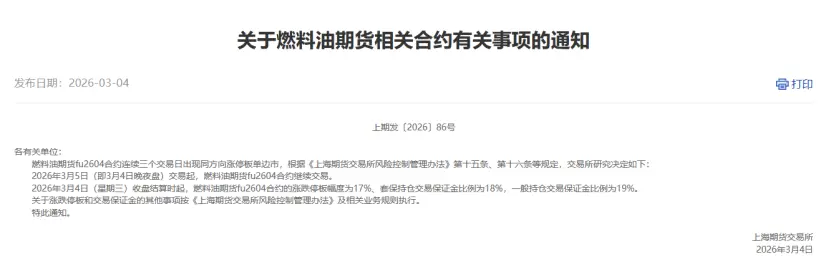
The Shanghai Futures Exchange also issued a notice stating that the fuel oil futures fu2604 contract has experienced a daily limit unilateral market in the same direction for three consecutive trading days. According to Articles 15 and 16 of the "Shanghai Futures Exchange Risk Control Management Measures", the exchange has made the following research decisions: Starting from trading on March 5, 2026 (i.e., the evening trading on March 4), the fuel oil futures fu2604 contract will continue to trade. Starting from the closing settlement on March 4, 2026 (Wednesday), the price limit of the fuel oil futures fu2604 contract is 17%, the margin ratio for hedging positions is 18%, and the margin ratio for general position transactions is 19%.
_How many points is the daily limit of crude oil_What is the daily limit of crude oil

In addition, the Shanghai Futures Exchange also made adjustments to other related contracts of fuel oil futures. The price limits of fu2605, fu2606, fu2607, and fu2608 contracts were adjusted to 14%, the margin ratio for hedging positions was 15%, and the margin ratio for general position transactions was 16%.
Baby And Child Care Brand Daikes Was Investigated For Publicity Violations, And The Concept Of Children's Cosmetics Repeatedly Crossed The Line.

China News Service, Beijing, January 27 (Reporter Cha Zhiyuan, intern Liu Xi) According to reports from the People's Daily Jiangsu Channel, the Beijing News and other media, the baby care brand Daikes used the expression "food grade" in its children's lipstick promotion, which was suspected of violating the "Regulations on the Supervision and Administration of Children's Cosmetics" and was investigated by the local regulatory authorities. Subsequently, the company apologized and withdrew the relevant promotional content.

This is not the first time the brand has been punished for publicity issues. Previously, many of Daikes' products were found to be in violation of the Advertising Law of the People's Republic of China and punished by regulatory authorities for falsely advertising "can be used by pregnant women" and "root repair".

Looking at the industry, some children's cosmetics have also been named and rectified for exaggerating safety attributes and abusing professional concepts. This is not the first time that the concept of “stepping on the line” has appeared.

In 2022, the State Food and Drug Administration issued an announcement warning about the "Little Golden Shield" mark: "'Little Golden Shield' is not a product quality certification mark. The label 'Little Golden Shield' on cosmetic packaging only indicates that the product is a children's cosmetic. It does not mean that the product has been approved by the regulatory department or that its quality and safety have been certified."

Why do expressions that are expressly prohibited by relevant departments still appear repeatedly? Is it an individual mistake, or is there a deviation in the marketing logic itself?

From a regulatory perspective, "food grade" is not a marketing rhetoric, but a clear legal forbidden area. The "Regulations on the Supervision and Administration of Children's Cosmetics" stipulates that children's cosmetics labels shall not be marked with words such as "food grade" or "edible" or food-related images. The State Food and Drug Administration has also pointed out that "'food grade' cosmetics are misleading to consumers." In other words, there is no fuzzy space for this kind of expression, let alone a gray area that can be wandered through.

In addition, "oral non-toxic" does not mean "food grade". Oral toxicity testing is only a means of safety assessment of cosmetics, with the purpose of reducing the risk of accidental ingestion. Its standards are not the same as those of the food safety system. However, in the marketing context, once such terms are simplified and spread, they can easily be understood by consumers as "edible" or "close to food safety standards." For ordinary parents, this confusion of concepts is obviously misleading.

What’s even more alarming is that similar problems arise repeatedly, and it’s difficult to brush them off with just “the promoters misunderstood”.

From search pages to product details, from different products to different platforms, repeatedly stepping on the line is more like testing the boundaries of compliance.

Marketing can be innovative, but the boundaries must be clear. Companies have the right to emphasize product advantages, but they cannot build on conceptual confusion. Compliance should not stop at withdrawing and apologizing after the fact, but should also be reflected in prior review and strict compliance with laws and regulations.

Children's products are not a testing ground for marketing concepts. "Food grade" is not a selling point, let alone a tool to repeatedly test the legal bottom line. (over)

Sign In

Forgot Password

Sign Up