Professional virtual currency information station welcome
We have been making efforts.

24-hour news update Page 14

24-hour cryptocurrency news update

How Do Ordinary People Manage Money In A Financially Powerful Country? If The Income Exceeds 8%, You May Lose Money.

Our country's financial scale has always been among the top in the world. Why do the general public still feel that there are few financial management options and high investment risks? How can practitioners who are deeply involved in the real economy truly capture the people's livelihood benefits brought by a financial power? "This Is China" broadcast on March 30 focuses on the financial doubts of the whole people, and deeply analyzes the underlying logic and people's livelihood dividends of a financial power.

At the show, an audience member from the clothing retail industry expressed the voice of thousands of people. She puzzled that the country's financial size continues to grow, but in the eyes of ordinary people, it is still far from being a real financial power. Daily compliant financial management channels are scarce, reliable investment products are difficult to choose, and market investment risks remain high. It is always difficult for everyone to intuitively feel the actual benefits brought by financial development.

In response to this question, Zhang Keliang, a researcher at the Central University of Finance and Economics, first emphasized that Chinese people have long been silently enjoying the safety foundation built by financial powers. The core mission of finance is to empower the real economy and stabilize the country's macroeconomy. This protection has long been integrated into daily life. Looking back at the two rounds of global financial crises in 1997 and 2008, China's economy has always stood firm and grown against the trend. It still maintains a stable growth rate of 4.5% to 5%. Compared with the zero growth or even negative growth of some developed countries, this confidence cannot be separated from the support of a stable and mature financial system. Behind our stable life and booming real economy are the continuous blessings of financial power.

Regarding the financial management issues that the public is most concerned about, Zhang Keliang directly addresses the misunderstandings. He said that the industry has long made it clear that if financial management income exceeds 8%, there is a high probability of facing the risk of principal loss. Many attractive ultra-high-interest financial management products are essentially financial fraud. From the perspective of market rules, social capital costs have fixed boundaries. If the interest on risk-free deposits is too high, it will inevitably lead to substantial price inflation. For ordinary people, the core of rational financial management is to rely on bank deposits to maintain the value of assets. If the income can beat inflation, it is a safe choice.

If you want to obtain reasonable returns higher than conventional deposits, the future breakthrough lies in making the domestic capital market bigger and stronger. Zhang Keliang said that my country currently focuses on debt financing and indirect financing, and will continue to improve the market system and popularize low-threshold compliance financial management channels such as public funds and index products. Relying on the stabilization fund mechanism, high-quality listed companies will continue to pay dividends to investors after creating operating value. Some companies' dividend income can even exceed bank loan interest rates. Domestic high-quality enterprises are rich in resources and have strong development momentum. In the future, ordinary people will be able to become corporate shareholders and share the dividends of industrial development. By then, the value of people's livelihood in a financially powerful country will be clear.

Moderator He Jie added that a financial power has dual connotations. On the one hand, finance has achieved remarkable results in supporting the real economy and has already laid a solid foundation for national development and people's livelihood stability. On the other hand, there is still room for improvement in people's financial experience, and the richness of financial products and rationalization of returns need to be continuously polished. At the same time, perfect financial supervision is a top priority. Only by improving laws and regulations, strictly rectifying financial chaos, and restricting illegal financial behaviors can we truly protect the safety of people's property.

In addition, He Jie said that inclusive finance, as a key part of a financial power, has now deeply assisted the development of small, medium and micro enterprises, but some merchants still report that loans are difficult and financing is complicated. Zhang Keliang responded that the core to solve this problem is the upgrading of technological and financial empowerment. Relying on big data risk control to realize online instant loans, and completing accurate data backend and risk review in the background, it can not only significantly reduce the cost of financial services, but also enable financial institutions to achieve sustainable profits and truly open up the last mile of financing for small and micro enterprises.

Financial power is never cold macro data, but a solid foundation to withstand crises, a stable and reliable financial management environment, and the warmth of people's livelihood for small and micro enterprises to conveniently raise funds. As the capital market continues to improve, financial supervision continues to be stricter, and technology and finance are fully popularized, every ordinary person will eventually feel the real benefits brought by a financial power.

The Ryukyu Issue Behind Japan’s Right-wing Provocation Reveals The Dark Colonial History Of The United States And Japan

Whether it is the incident of Japan’s active self-defense officers forcing their way into the Chinese Embassy in Japan or Sanae Takaichi’s wrong remarks about Taiwan in her parliamentary defense, they are reopening the scars of Japanese colonial aggression on the Chinese and Asian people, and are knocking on the dusty secret door of East Asia’s modern history.

Behind the tense confrontation on the peninsula and the clamor of "something is happening in Taiwan," another "frontier" place in East Asia where history and reality are entangled is the Ryukyu Islands; this land that was "dual colonized" by the United States and Japan is being deliberately obscured.

Extending the horizon for hundreds of years, the fierce confrontation in reality is actually the echo of the confrontation between the two orders. Within the framework of the Ming and Qing tributary systems, the Ryukyu Kingdom used its flexibility to maintain an East Asian security concept based on cultural identity and mutual reciprocity in the exchanges of canonized missions. When Japan ended this bond with its colonial expansion system imported from the West at the end of the 19th century, it not only destroyed the Ryukyu Kingdom, but also imposed a set of violent logic that actually carried out ethnic cleansing in the name of sovereignty. Nowadays, the Takaichi regime is reiterating the old tune of "survival or death". Its spiritual core is no different from that of the warship sailing to Shuri Bay in 1879. They sacrificed surrounding ethnic groups in exchange for the unlimited extension of the empire's security borders.

However, the defeated Japan has been unable to recognize and unwilling to recognize the post-war international order. In 1951, the United States and Europe conducted negotiations with Japan on the premise of excluding China, Russia, and North Korea. The United States actually carried out military occupation in the name of "trusteeship" and included Ryukyu into the scope of strategic trusteeship. It served Cold War geopolitics by creating "undecided status." The "1951 San Francisco System" formed on this basis ran counter to the rules and regulations established in the 1943 Cairo Declaration, the 1945 Potsdam Proclamation and related United Nations documents. It also became the source and starting point of Japan's distortion of history and confusion of cognition after the war.

Nowadays, Japan's new militarism is back with a wave of populism, and it has once again reminded Asia and the world that correcting historical perceptions is even more difficult; real security is not based on the violation of others, but on the return of historical justice and the thorough liquidation of colonial legacy.

At the same time, in East Asia, the deeper issue still lies in the debate and reflection on the construction path of Asian nation-states. Is it the expansionary nation-state narrative of Japan’s “departure from Asia and joining Europe” in the process of modernization? Or should we synchronize internal reforms with external anti-colonial struggles, strive for national liberation, and establish an Asian model of independence, self-reliance, and mutually beneficial coexistence?

In response to the above issues, Wu Qina, an associate researcher at the Institute of Modern History at Academia Sinica in Taiwan, discussed the dilemma of constructing Asian nation-states and the challenges facing the post-war international order from the perspective of Ryukyu history and the changes in the East Asian order.

The following are the keywords of the full text:

· Ryukyu is part of Japan and has not been recognized by any country.

· The essential difference between "Ryukyu independence" and "Taiwan independence"

· The order of East Asia in modern times was born from the "tianxia" order of the Ming and Qing Dynasties

· The transformation of the international order must rely on traditional wisdom and China’s participation

· China is deeply harmed by the Western "national narrative", and the Communist International and Japan "indispensable contributions"

· To maintain the post-war international order, what kind of order? Have all parties reconciled their statements?

· Maintaining the post-war order VS adjusting the old order in a challenging way, how can China "walk on two legs"

· Taiwan’s historical narrative has been covered with several layers of shells
_国际旧秩序的最主要特征是_有秩序的走路

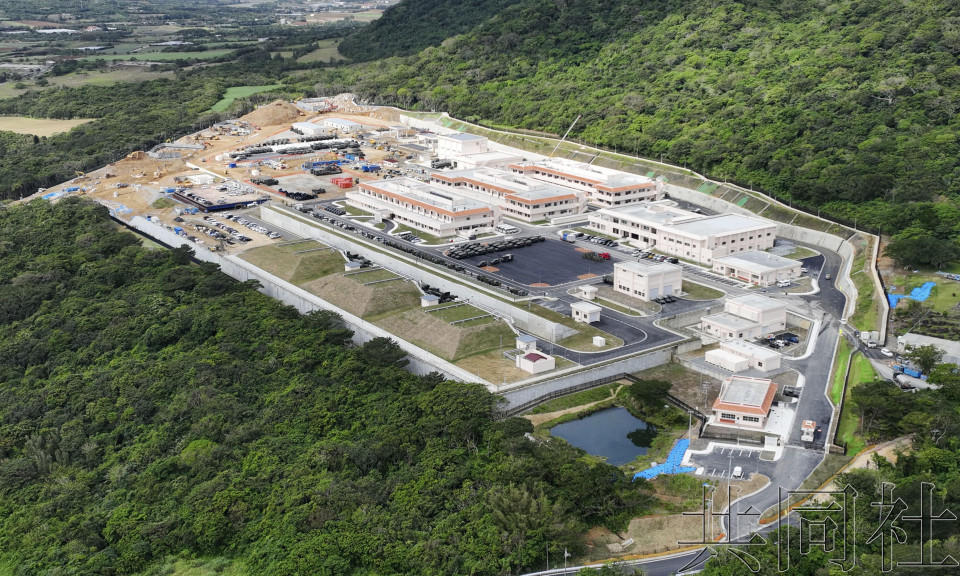
Japan Ground Self-Defense Force Ishigaki Station Kyodo News

·Legally, Ryukyu is part of Japan and has not been recognized by any country.

Observer.com: Hello, Teacher Wu. You have talked about border issues such as Xinjiang and Tibet, as well as historical topics such as New Qing History on Observer.com, and you have received extremely high feedback. Today’s theme is still about the frontier and the history since the Ming and Qing Dynasties, but the perspective has shifted from the land in the northwest and southwest to the ocean in the east.

In November last year, Japan's new Prime Minister Sanae Takaichi said, "Something happens in Taiwan, which may trigger an existential crisis for Japan." This suddenly escalated tensions between China, Japan and the Taiwan Strait. Subsequently, discussions about the Ryukyu issue resurfaced on the mainland. In fact, during the Sino-Japanese Diaoyu Islands crisis in 2012-2013, the Ryukyu issue was also hotly debated. However, in the past decade or so, topics such as Ryukyu independence seem to have cooled down in mainland China. What do you think of the evolution of discussions on Ryukyu in the past ten years and the differences between public opinion and academic and political discussions?

Wu Qina: I began to pay attention to the Ryukyu issue before 2013. The main reason is that when I was studying the history of China’s frontiers from ancient times to modern times, I deeply realized that the domestic political order and the international political order envisioned by China are interrelated and mutually extending systems. It is based on ensuring domestic stability and economically benefiting peripheral and surrounding areas.

The traditional relationship between China and vassal states such as Ryukyu, Vietnam, and Korea was an unequal trade in which China unilaterally gave away benefits. The same is true for border policy. China's border governance is about concessions, not the so-called "colonial exploitation" imagined by the West. For example, the Ili General's Mansion was basically supported by Jiangsu.

The same goes for Ryukyu. At that time, China gave up a large part of its overseas trade interests to Ryukyu, making Ryukyu the richest place in the world in terms of per capita income from the 14th century to the 19th century. In addition to transferring the trade agency rights, in order to help Ryukyu shipbuilding, China simply sent shipbuilding technicians and translators to Ryukyu. This is the origin of Ryukyu's "36 Fujian surnames". China maintains its geopolitical security in this way. China’s calculation is that the security gained is more important than the price paid.
_国际旧秩序的最主要特征是_有秩序的走路

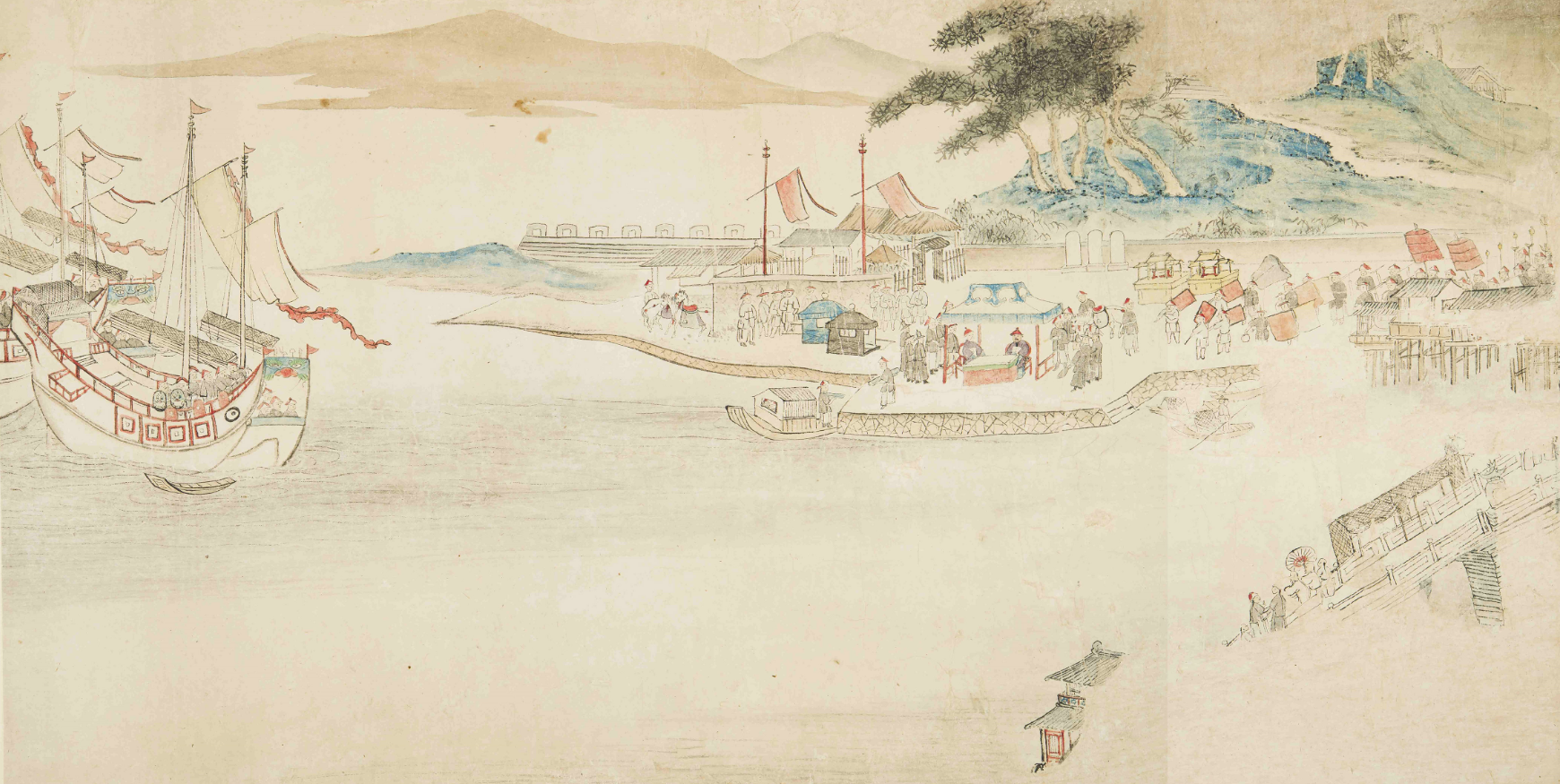
Official Map of Ryukyu Okinawa Prefectural Museum and Art Museum

But starting from about the end of the 13th century, this peripheral policy of ancient China was challenged by Japan, for two main reasons. First, both China and Japan have become maritime countries. At the end of the 13th century, it was the Yuan Dynasty. People may have the impression that China was a land country. The Yuan Dynasty mainly expanded in Eurasia, but this was not entirely the case.

After Kublai Khan ruled China, he was faced with how to deal with the political, economic and social problems in the so-called Han areas. He discovered that a key problem was that the north was unable to be self-sufficient and had to rely on supplies from the south. However, the Grand Canal was blocked at that time, so shipping was carried out through the eastern coastal areas; even the Yuan Dynasty's closest brother, the Ilkhanate, traveled from the Persian Gulf to the Indian Ocean, through the Strait of Malacca to the South China Sea, and then all the way north. Some evidence of this transportation line can also be found today. Most of China's most important port cities began to take shape during the Yuan Dynasty, such as Shanghai, Qingdao, Yantai, Tianjin, etc. It can be seen that major transformations in Chinese history occurred very early.

Second, the security of this maritime transportation line is threatened by Japan, and the most direct one is Korea. Goryeo was once a vassal state of the Yuan Dynasty, and the King of Goryeo was the son-in-law of the Yuan Dynasty. He complained to the Yuan Dynasty that Japanese pirates (the prototype of Japanese pirates) had been harassing Goryeo and affected the maritime transportation of the Yuan Dynasty. Finally, Kublai Khan launched the Yuan-Japanese War.

What is different from everyone’s impression is that in the past, the outside world basically accepted Japan’s narrative and described the Yuan Dynasty as a pure invader. In modern times, China was influenced by the Han nationalist revolutionaries and accepted this view; but in fact, the Yuan-Japanese War and the subsequent wars with Java and Cochin were all wars involving maritime transportation security. Unfortunately, the Yuan Dynasty was defeated, and it taught the Ming Dynasty a lesson.

During the Ming Dynasty, 15 "countries without conquest" were listed, that is, the Ming Dynasty gave benefits to each other in exchange for not destroying the geopolitical order around the Ming Dynasty. The so-called tribute is essentially to transfer profits to neighboring countries through unequal trade, and the one that benefits the most is Ryukyu.

Therefore, the relationship between Ryukyu and the Ming Dynasty was based on Ryukyu serving as a buffer zone between the Ming Dynasty and Japan and helping the Ming Dynasty to detect Japanese intelligence. Ryukyu acted with such loyalty, which shows that the strategy of "a country without conquest" has achieved significant results. Although the maritime areas of the Ming Dynasty were still subject to Japanese pirate attacks, they were less severe. At the same time, information related to Japan's conquest of the Korean Peninsula was first provided to the Ming Dynasty by Ryukyu. Japan held a grudge against this incident. In 1609, Japan captured the king of Ryukyu and squeezed Ryukyu, requiring Ryukyu to give half of its trade profits with China to Japan. Ryukyu felt very uncomfortable being caught in the middle. In the end, it had no choice but to maintain a vassal relationship with the Ming Dynasty and at the same time pay tribute to Satsuma Domain in private.

The relationship between Ryukyu and Japan underwent a fundamental change after two major events in 1874 and 1879: one was the Peony Society Incident in 1874, and the other was the Meiji Restoration in 1879 when the feudal lords were abolished and Ryukyu was illegally annexed by Japan.

But at that time, the Qing Dynasty did not recognize the illegal annexation of Ryukyu by Japan. There were two problems. First, Ryukyu requested help from the Qing Dynasty when it fell. However, the Qing Dynasty did not have a modern navy at the time and could not assess its own strength, so it did not send troops. Second, when Japan proposed to the Qing Dynasty to divide Ryukyu, several of the Qing Dynasty's plans required the retention of the Ryukyu royal family, but Japan ignored it and destroyed Ryukyu.

From a legal perspective, the so-called Okinawa today is part of Japan and is not recognized by any country in the world, especially not by China, which presided over the order of East Asia at that time.

Before the end of World War II, that is, during the formation of the postwar international order, an unexpected factor emerged: the Cold War. Around 1943, the beginning of the Cold War was already emerging. The United States and Britain both predicted that Germany, Italy, and Japan would inevitably be defeated, and that their biggest competitor after the war would become the Soviet Union. In order to check and balance the Soviet Union, they would win over China. Therefore, U.S. President Roosevelt proposed a plan to Chiang Kai-shek before and after the Cairo Conference to cede Ryukyu, North Korea, and Vietnam to Chiang Kai-shek in order to bribe Chiang Kai-shek; but he also knew that he had to give benefits to the Soviet Union, because the Soviet Union had already swallowed Outer Mongolia and could not spit it out. Moreover, the Soviet Union continued to attempt to occupy northern Xinjiang and establish the so-called "East Turkestan Republic", so he believed that handing over Ryukyu and other places to China could be regarded as compensation for Chiang Kai-shek.

However, Chiang Kai-shek had two considerations at the time. First, Chiang's political judgment was not as good as Mao Zedong's. Chiang did not want to be one-sided and wanted to maintain a certain relationship with the Soviet Union. In particular, he believed that the Soviet Union involved issues in China's Xinjiang, Northeast China, and the Communist Party of China. The CCP was his biggest concern. If he wanted to maintain relations with the Soviet Union after the war, he could not fully accept the conditions of the United States.

Second, Chiang Kai-shek did not have the ability to accurately grasp the historical window period. Of course, there are not many political figures in Chinese history who can do this. For example, Emperor Qianlong of the Qing Dynasty seized an important historical opportunity by defeating Zhungeer, and then there was Mao Zedong. Therefore, when Roosevelt proposed three times to hand over Ryukyu to China, Chiang Kai-shek did not dare to accept it. In addition to the Soviet Union, he also had to consider the relationship with Japan after the war. He also hoped that Japan would become a force to contain the Chinese Communist Party. In the end, he gave up the plan proposed by the United States and also gave up China's relevant rights and interests on the Ryukyu issue.

After the 1951 "San Francisco Peace Treaty" stipulated that the United States would fully administer Ryukyu, neither the mainland nor Taiwan reacted strongly. Chiang Kai-shek, who fled to Taiwan at that time, felt regretful and turned to support an organization called the "Ryukyu Revolutionary Comrades Association". The person in charge was Cai Zhang, and his Ryukyu name was Xiyou Najimasa. Chiang provided funds to the organization, and the representative office of the Taiwan authorities in Ryukyu and the office in Japan were separate and not affiliated with each other. They were legally equivalent to two parallel organizations. In addition, there was a private organization called the "China-Ryukyu Relations Association", which handled the relationship between Taiwan and Ryukyu independently.

After Chiang Kai-shek retreated to Taiwan, trade between Taiwan and Ryukyu was very close due to their close geographical relationship, exceeding the scale of the Ming and Qing Dynasties. If you go to Naha today, you will find that the relatively large local enterprises in Naha, such as manufacturing, construction, farming, and even Ryukyu cattle are imported from Taiwan. This pattern was deliberately destroyed during the Chen Shui-bian period. After Chen Shui-bian came to power, he included the representative office in Ryukyu under the representative office in Tokyo. In fact, he was doing it in accordance with the requirements of Japan. On the mainland, after the founding of the People's Republic of China in 1949, the main focus of foreign policy was to resist the influence of the United States in Asia.
_有秩序的走路_国际旧秩序的最主要特征是

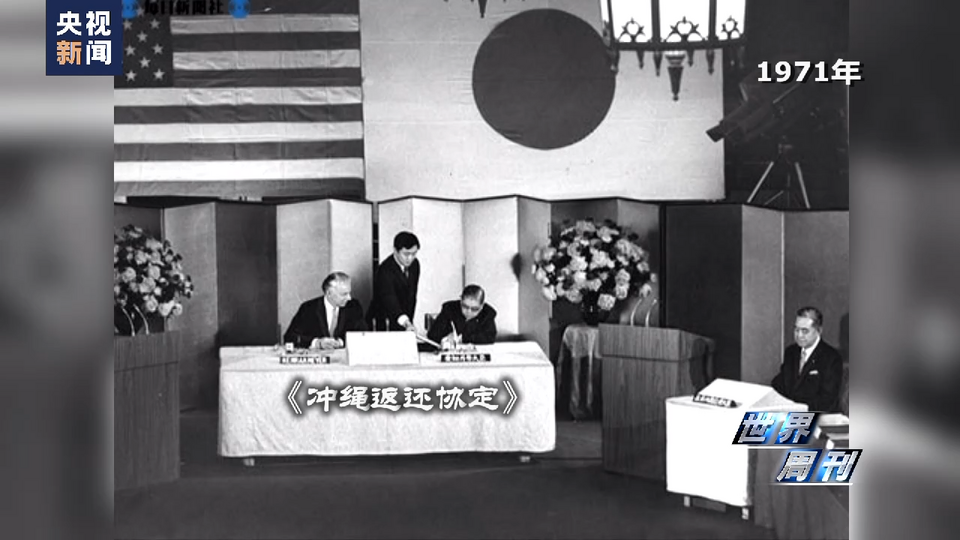
In 1971, the United States and Japan privately signed the "Okinawa Return Agreement." In May 1972, the United States transferred the "administrative power" of Okinawa to Japan, but retained the U.S. military stationed in Japan.

Against this background, in the 1960s and 1970s, the Ryukyu Return Movement emerged – returning to Japan. This was a tragedy for Ryukyu, because Ryukyu's modern nation-building was immature, and it was annexed by Japan without going through a complete nation-building process.

In fact, there are many countries in Asia whose construction process of modern nation-states was interrupted due to Japanese colonization. For example, North Korea was still a traditional country when it was annexed by Japan, but the construction of the modern North Korean country was only carried out after August 15, 1945.

Ryukyu was unable to build a modern country under the influence of Japan, and it did not develop a modern national consciousness. Therefore, the local people did not like Americans or Japanese. Their impression of the Japanese was that from 1879 to the Battle of Okinawa in 1945, the Japanese carried out genocidal actions in Ryukyu, but they had no choice; and after 1945, they felt that the pain of being colonized by the United States was greater than the pain of being colonized by Japan, so some Ryukyu people wanted to "return to Japan."

During this process, China supported the "return" struggle of the Ryukyu people due to domestic conditions and strategic considerations at the time. This was our public statement at the time. Obviously, at that time, China also considered this issue from the perspective of the wishes of the Ryukyu people. However, in the 21st century, things have gradually changed. The biggest change is that the entire Western world, led by the United States and including Japan, is deliberately hyping up the Taiwan issue in an attempt to strategically contain China and use Taiwan as a major bargaining chip.

This kind of manipulation by the United States and the West has been echoed by the forces in Taiwan. In terms of scale, from the late Chiang Ching-kuo era to the early Chen Shui-bian era, Taiwanese society's Chinese identity has undergone a fundamental change. From about 70% identifying themselves as Chinese to only 5%, this change is very scary. In other words, in daily life, 5% of Taiwanese people dare not express this attitude to others, otherwise they will be immediately ostracized by their peers, relatives and friends. Just imagine, there are only twenty or thirty close people in a family, and only one person thinks he is Chinese. How can he fit in in this family?

Due to this situation of external interference and internal support, mainland China has to reflect on one thing: How does it view the Ryukyu issue? The Ryukyu independence movement has been around since the 1940s, and it started to gain momentum at the end of 2012. But when they promoted Ryukyu independence at that time, they proposed to refer to the independence experience of the so-called "stateless nations" in the world, including the so-called "Taiwan independence" experience. This has become an issue in today's Ryukyu independence movement.

After seeing this, I thought this was a very scary phenomenon, so I wrote an article exploring the differences between Ryukyu independence and the so-called "Taiwan independence."

MicroPort Medical Turned Losses Into Profits Last Year And Focused On Overseas Markets

Recently, the 2025 annual performance report disclosed by MicroPort Medical (HK00853, stock price HK$9.17, market value HK$17.581 billion) showed that in 2025, the company achieved revenue of US$1.105 billion, a year-on-year increase of 6.0% (excluding exchange rate effects) Gross profit was US$635 million, an increase of 10.5%; adjusted operating profit increased significantly to US$330,000 (loss of US$123 million in the same period last year), and profit for the year was US$38.43 million (loss of US$268 million in the same period last year), achieving a turnaround.

Recently, MicroPort Medical held the 2025 annual performance communication conference call (hereinafter referred to as the performance conference call). At the earnings conference call, MicroPort Medical's management explained issues of market concern such as 2026 profit targets, R&D investment, centralized procurement response, overseas expansion, and brain-computer interface layout, and clarified business priorities and mid- and long-term development plans.

MicroPort Medical's management stated that the company's current main energy and actions are focused on overseas markets; currently, less than 50 of the company's more than 300 products are exported overseas.

Orthopedics business revenue declines

According to public information, MicroPort Medical was founded in 1998 and is headquartered in Zhangjiang Science City, Shanghai. Its business includes comprehensive cardiovascular treatment and imaging, comprehensive heart failure management and electrophysiology, large vessel peripheral and tumor intervention, life support for critically ill patients, brain science and sensory brain-computer interface, joint and spine trauma sports medicine, etc. It includes several listed companies such as Minimally Invasive Cardiology, Minimally Invasive Electrophysiology, Minimally Invasive Cardiovascular, Minimally Invasive Brain Science and Minimally Invasive Robotics.

The company's financial report shows that in 2025, MicroPort Medical's operating income will be US$1.105 billion, a year-on-year increase of 6.0% (excluding exchange rate effects); gross profit will be US$635 million, a year-on-year increase of 10.5%. Due to supply chain integration and process optimization, the gross profit margin will rise to 57.4%. The net cash inflow from operating activities was US$69.13 million, turning from negative to positive.

However, according to a reporter from "Daily Economic News", the quality of MicroPort Medical's earnings in 2025 has caused concern.

The financial report shows that in 2025, MicroPort Medical's continuing operating business will suffer a loss of US$256 million. The discontinued business mainly contributed US$294 million in profits to MicroPort Brain Science, which turned the overall net profit into positive. Among them, a gain of US$277 million was recognized from the sale of part of the equity of MicroPort Brain Sciences.

In terms of balance sheet, the company's financial report shows that as of the end of 2025, MicroPort Medical's total borrowings were US$1.549 billion, with an asset-liability ratio of 59.4%; of which, bank borrowings due within one year were US$414 million. The convertible bonds that need to be redeemed by the end of 2026 are 216 million US dollars, and the superimposed debt of 750 million US dollars involves profit-making financial covenants: net profit in the first half of 2026 will not be less than 45 million US dollars, and the full year will not be less than 90 million US dollars. If the target is not met, early debt repayment will be triggered and liquidity pressure will increase sharply.

At the performance exchange meeting, when mentioning the above-mentioned gambling pressure, MicroPort Medical's management said frankly: "We cannot give a net profit guidance, but we have financial constraints. We have US$90 million for the whole year. We should achieve this goal."

At the same time, MicroPort Medical's management expects that the company's operating profit margin target will increase to about 4%, and operating cash flow will maintain positive growth; financial costs will decrease by approximately US$60 million year-on-year, asset impairment scale will be significantly reduced, and strategic asset disposal income is expected to be no less than US$100 million.

In addition, MicroPort Medical's orthopedics business, which has high hopes from the outside world, will achieve revenue of US$235 million in 2025, a year-on-year decrease of 7.5% (excluding exchange rate effects).

In this regard, MicroPort Medical's management stated that the current challenges faced by the company's orthopedic business are not a single supply chain problem, but are caused by the superposition of multiple factors such as comprehensive management, product structure and market execution, and the company has formulated targeted solutions.

“Betting” on overseas markets

It is worth noting that in 2025, overseas business will become a highlight of minimally invasive medical development.

The financial report shows that in 2025, after excluding the impact of exchange rate, the revenue of MicroPort Medical's "Global Connect" commercialization platform will increase by 78.8% year-on-year, reaching US$164 million, achieving breakeven for the first time.

In addition, the high growth in overseas markets mainly comes from breakthroughs in minimally invasive medical innovation business. The financial report shows that during the reporting period, the overseas sales of minimally invasive medical surgical robots and structural heart disease business surged by 286.6% and 255.0% respectively after excluding the impact of exchange rates, becoming the core highlights of driving overall revenue growth.

During the earnings conference call, MicroPort Medical's management stated that it would place globalization at the core of the company's strategy.

MicroPort Medical's management also pointed out that the main line of future development will be overseas expansion; currently, the company's overseas business scale has reached US$250 million to US$300 million, and this achievement can only be achieved by promoting less than 50 of the company's more than 300 products in a very small number of regions. The vast majority of the world's markets are still in a state of development, and the 12 regions are still in their infancy.

MicroPort Medical's management further stated that the company's overseas team currently has about 150 people and plans to expand to about 300 people in 2026. In the long term, it will build an overseas global team of thousands of people. MicroPort Medical's management also emphasized that the company's overseas business has shown a high double-digit to low three-digit growth trend, but it has not yet truly begun to make large-scale efforts, and there is broad room for future growth.

However, some industry analysts pointed out that overseas expansion faces risks such as geopolitics, market access, and intensified competition. The return cycle of R&D investment is long and the uncertainty is high.

daily economic news

A Driverless Sweeper With Less Than 100,000 Yuan Can Be Rented For Only 2,999 Yuan Per Month

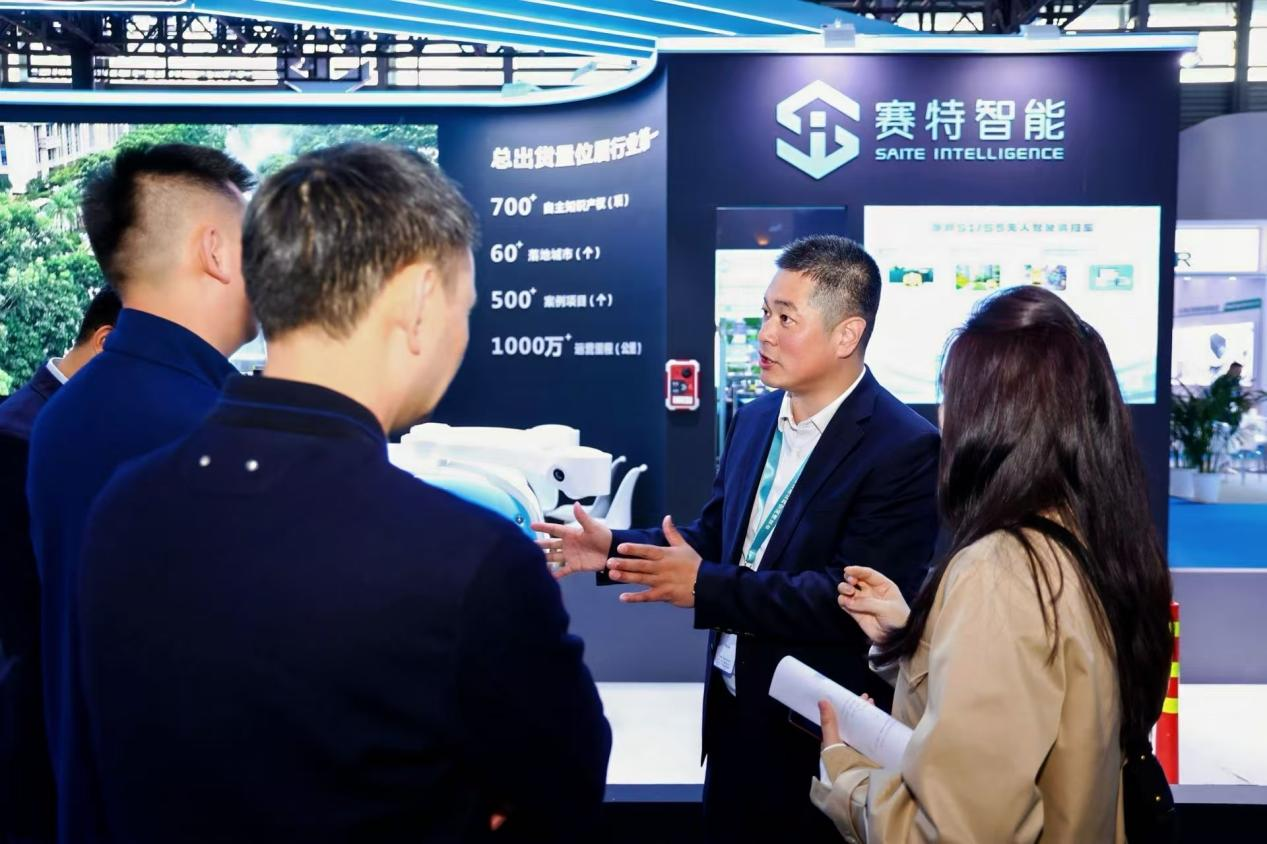
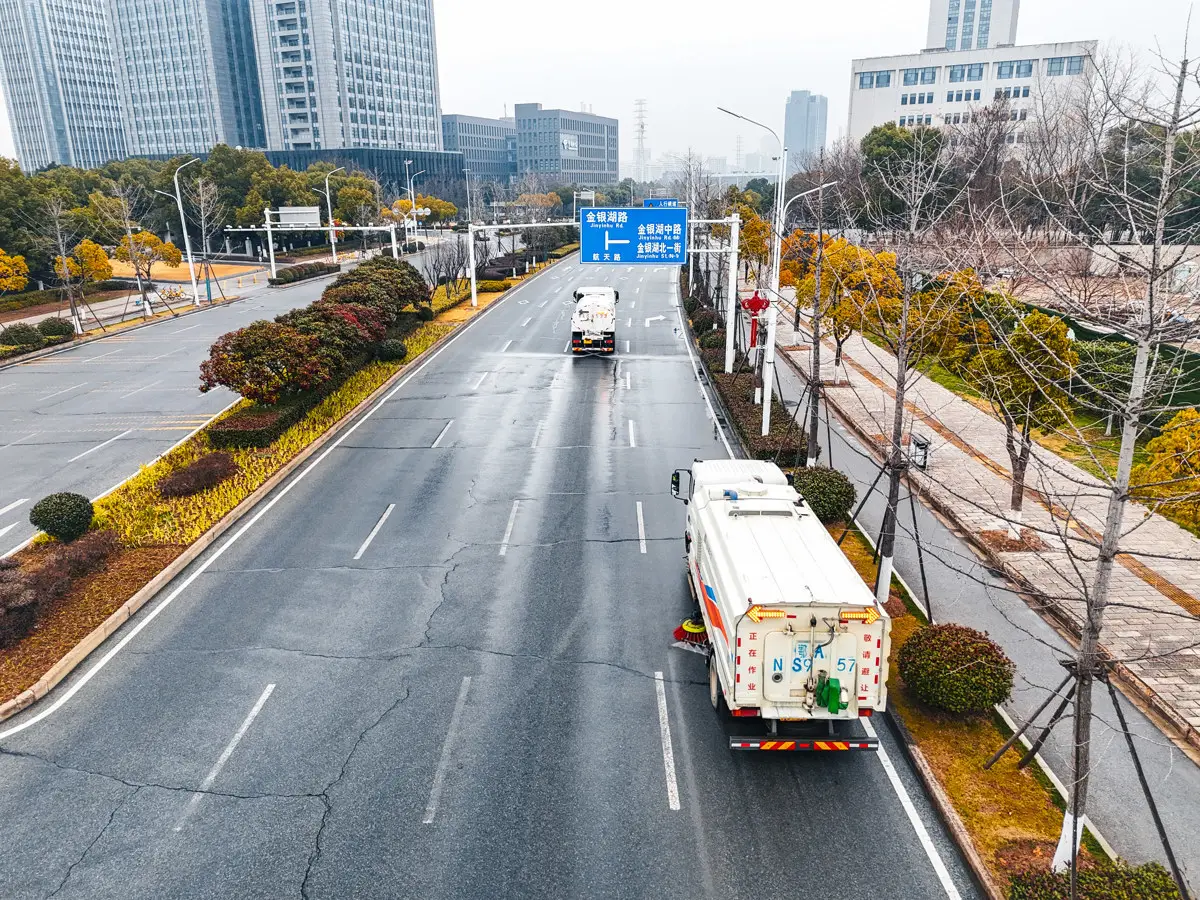
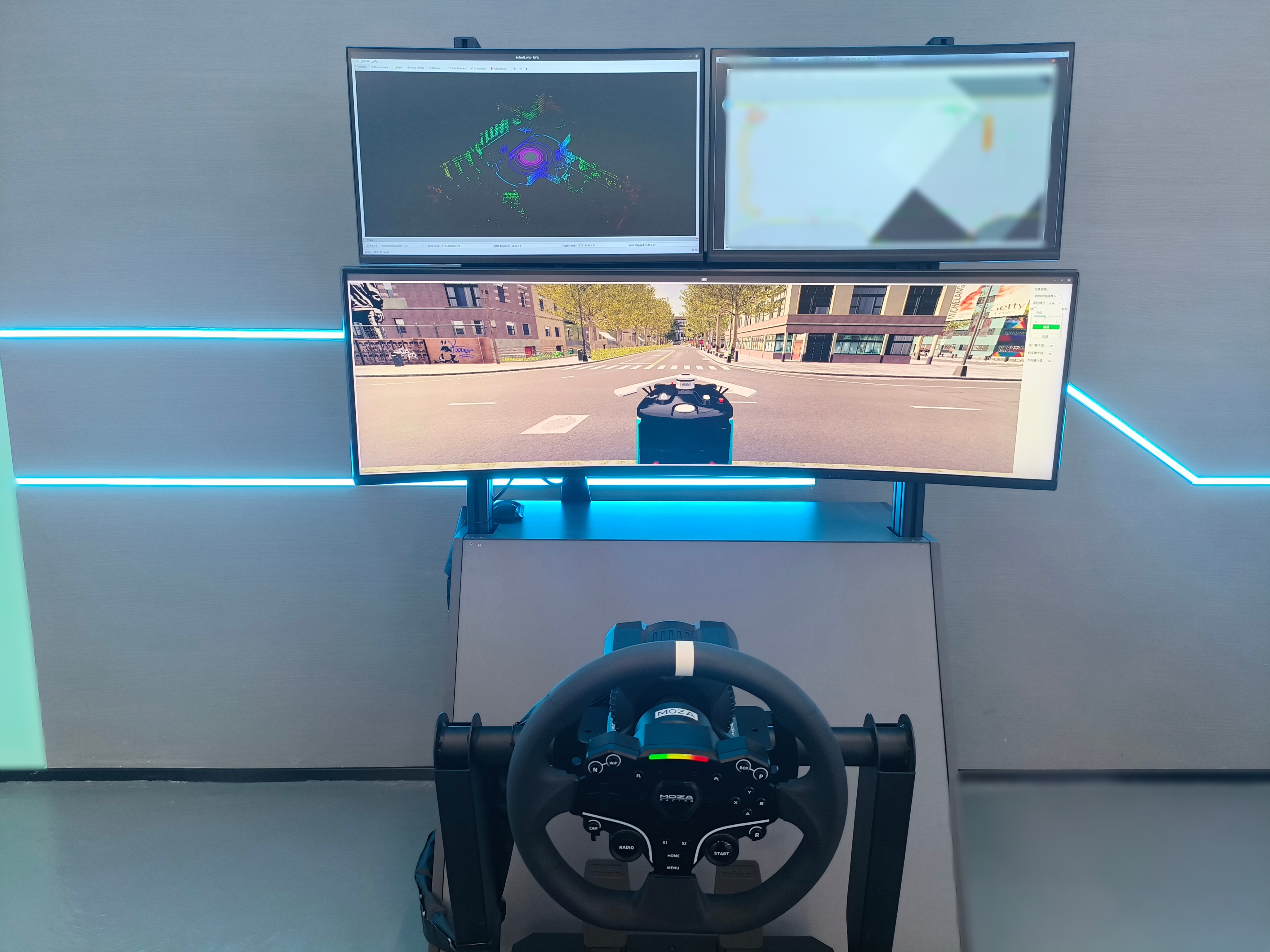
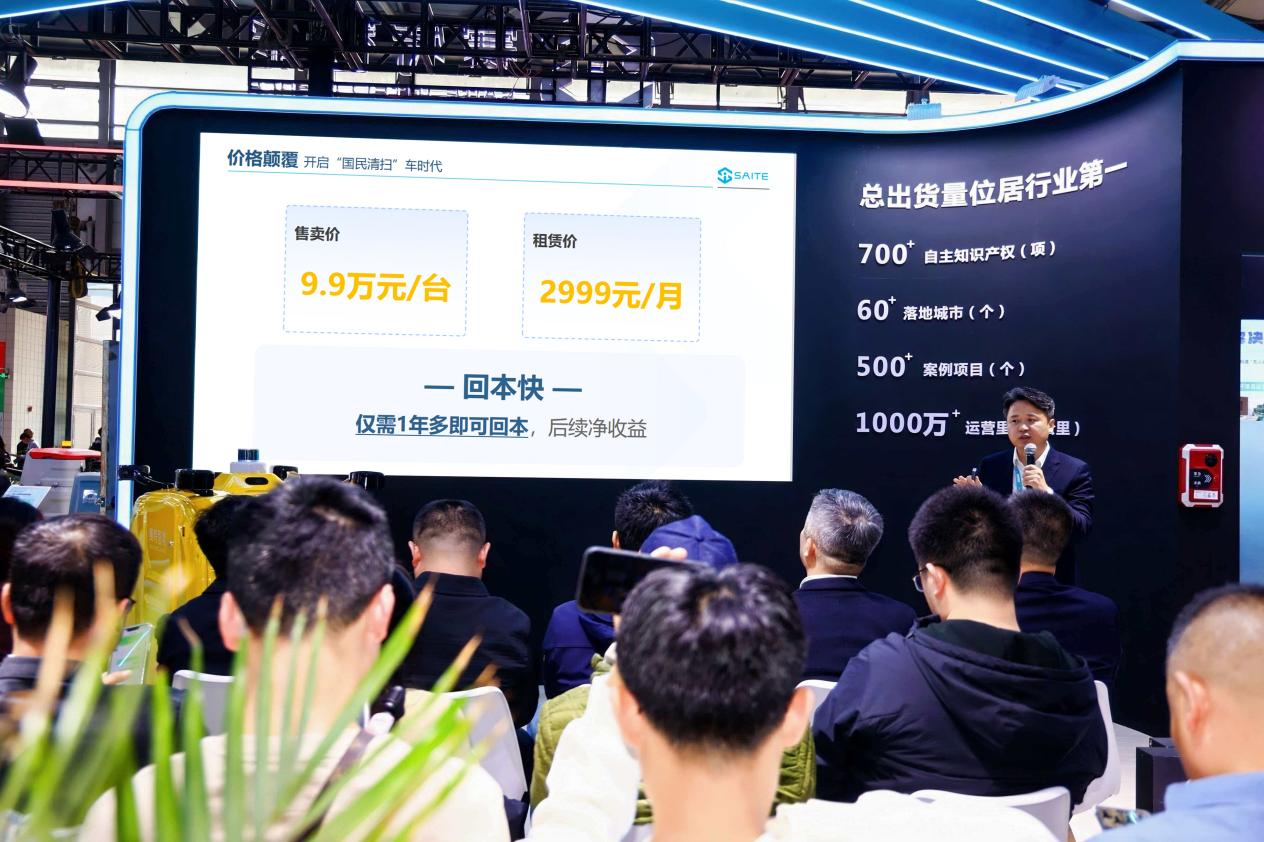
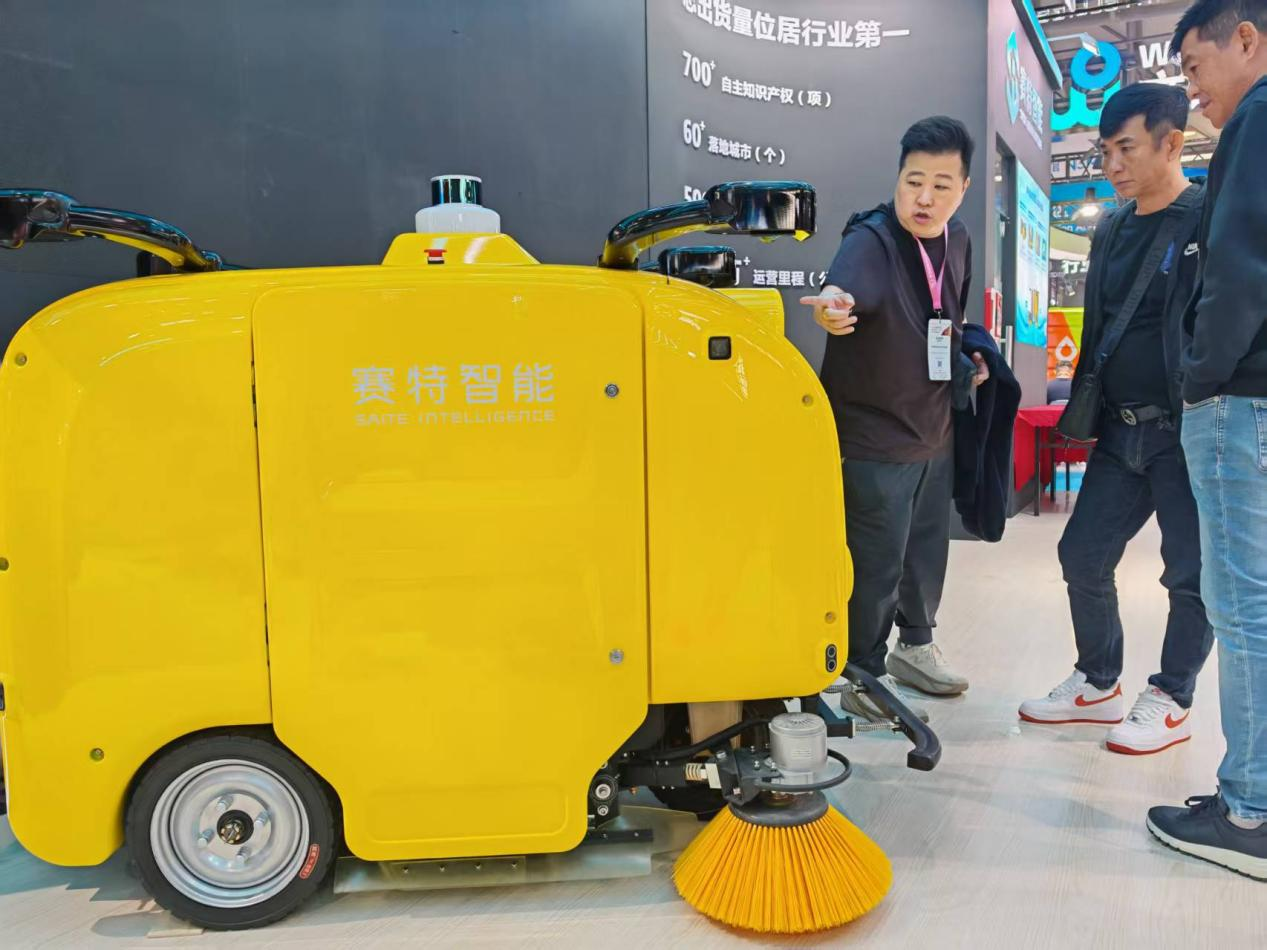
On April 1, at the 2026 Shanghai CCE International Cleaning Technology and Equipment Expo, Saite Intelligent officially released the company's strategic new product – Jingjie S1 driverless sweeper.

This product, which sells for less than 100,000 yuan and rents for only 2,999 yuan per month, is like a stone thrown into a calm lake, causing huge ripples in the hundreds of billions of smart cleaning markets.

无人环卫车的市场前景_环卫无人驾驶_

For a long time, unmanned sanitation cleaning robots have been difficult to popularize due to their high price (generally between 200,000 and 500,000 yuan), and have been regarded as a "rare thing" for high-end niches.

Saite Intelligence’s move aims to break this deadlock.

Li Rui, founder and chairman of the company, emphasized to Observer.com that this is not a simple price war. "We hope that the industry will return to normal business logic – truly creating value for society rather than watching or showing off skills." The current industry penetration rate is very low, largely due to high costs that lead to too long decision-making cycles. "If the market wants to grow, it needs a product that allows users to make 'brainless decisions.'"

无人环卫车的市场前景__环卫无人驾驶

"Professional people do professional things"

Public information shows that Saite Intelligence was established in October 2017 and has focused on algorithm development and technological innovation of driverless robots since its inception. As a pioneer in the industry, Li Rui fully understands the importance of specializing in the art industry.

He clearly drew Seth's boundaries: "We only make brooms."

In the field of unmanned cleaning, some companies have indeed chosen to invest heavily in sanitation service operations, trying to compete head-on with traditional giants.

But in Li Rui's view, this path actually falls into the "trap of tactical diligence."
Although the sanitation service market is huge, it is unrealistic to expect robots to replace all manual links. Even if the penetration rate reaches 30%, it is not easy. “If you waste your energy on the 70% of basic operations that still require manpower and are difficult to scale, you will dilute your focus on the core technology of autonomous driving.”

Therefore, Saite Intelligence has firmly chosen the role of enabler, providing efficient and reliable smart cleaning tools to partners with channels and government resources, such as urban service companies such as Infore Environment and property companies such as Vanke.

环卫无人驾驶_无人环卫车的市场前景_

"Professional people do professional things, and society needs division of labor at any time. Only by being more professional can I create more value for users and the entire society at a lower cost," Li Rui said.

This focused strategy has allowed Seth to establish cooperative relationships with most environmental sanitation companies in the industry, rather than becoming their opponent.

“It’s not about grabbing jobs, it’s about creating new, more decent jobs.”

The emergence of unmanned sweepers is often interpreted by the outside world as a "threat" to frontline sanitation workers.

Li Rui has a completely different view on this: autonomous vehicles are not meant to destroy the jobs of cleaners, but to empower and reduce the burden on the entire industry and create new jobs with more technical content and more dignity.

“The average age of frontline sanitation workers across the country is over 50 years old, and young people are simply unwilling to do this hard, undignified, low-paying, and inflexible job,” Li Rui pointed out. “This industry has been severely disrupted.”

The introduction of unmanned sweepers precisely solves this pain point.

It takes over the dirtiest and most tiring outdoor cleaning work, and the original sanitation workers can be transformed into "sanitation engineers", responsible for the daily maintenance, scheduling and management of equipment.

无人环卫车的市场前景__环卫无人驾驶

"Now there are some young people who are unemployed at home. They are unwilling to be sanitation workers, but they are absolutely willing to undergo simple training to maintain these machines and equipment and become engineers." Li Rui said with a smile, "From the perspective of employment rate and long-term impact, unmanned sanitation vehicles are actually one of the solutions to the problem of industry outage and declining employment rate."
He further explained that an S1 can not only effectively replace the workload of two cleaning workers, but also allow the property company to completely get rid of a series of hidden costs and risks such as workers' compensation and personnel management.

This is also one of the core factors why Saite Smart launched the leasing model: "The monthly rent is less than 3,000 yuan. If it breaks, we will be responsible for repairing it. New machines can be replaced seamlessly, and the machine will not be lazy, nor will it bring huge advance pressure to the company due to accidents (each machine has corresponding insurance). This creates real value for the service provider, and it is easy to calculate this account."
无人环卫车的市场前景_环卫无人驾驶_

On The 130th Anniversary Of Shanghai Jiao Tong University, Yang Yuanqing Donated 200 Million And Lenovo Invested Another 300 Million To Support Artificial Intelligence.

According to the Shanghai Jiao Tong University WeChat public account on April 6, on the occasion of the 130th anniversary of the founding of Shanghai Jiao Tong University, Yang Yuanqing, chairman and CEO of Lenovo Group, director of Shanghai Jiao Tong University and 1981 computer science alumnus, announced that he would personally donate 200 million yuan to his alma mater to support the renovation of the old building on the third teaching floor of the Xuhui campus. After the renovation, the building will be used to support scientific research, innovation and talent cultivation in the artificial intelligence discipline.

At the same time, Lenovo Group and Shanghai Jiao Tong University jointly announced the upgrade of strategic cooperation. Lenovo Group will invest another 300 million yuan within five years, focusing on three major directions: scientific research cooperation, talent cooperation, and investment incubation, to achieve further upgrading of school-enterprise collaboration.

Witnessed by the entire audience, Yang Yuanqing signed a donation agreement with Yang Zhenbin, Secretary of the Party Committee of Shanghai Jiao Tong University, and signed a school-enterprise strategic cooperation agreement with Ding Kuiling, the president and academician of the Chinese Academy of Sciences. Later, Yang Zhenbin and Ding Kuiling presented a donation certificate and a thank-you plaque to Yang Yuanqing.

This cooperation has achieved a key leap: from "100 million individual donations + 200 million school-enterprise cooperation" in 2021 to a new pattern of "200 million individual donations + 300 million school-enterprise cooperation".
Yang Yuanqing said that he will use this cooperation as a link to provide practical support for the school's artificial intelligence research innovation and talent training, help his alma mater cultivate more top international AI talents, and make greater contributions to national scientific and technological innovation.

Yang Zhenbin expressed his sincere gratitude to school director Yang Yuanqing and Lenovo Group for their long-term care and support for the development of the school. He said that School Director Yang Yuanqing’s generous donation supports the development of artificial intelligence disciplines and the signing of a strategic cooperation 2.0 agreement between Lenovo Group and the school is a continuation of a deep friendship. With the continued support of Yuanqing School Directors and Lenovo Group, the school will further gather high-level talents, cultivate original results, enhance its ability to serve national strategies, and show greater achievements in the era of artificial intelligence.

This is not Yang Yuanqing’s first donation to Shanghai Jiao Tong University.

According to Shanghai Jiao Tong University, in 2015, Yang Yuanqing, together with classmates from the 1981 Department of Computer Science, initiated the establishment of the first crowdfunding education fund in domestic universities, the Computer 85 Fund and the Yang Yuanqing Education Fund. In the past ten years, a total of more than 6.3 million yuan in scholarships and teaching awards have been distributed, and 136 outstanding students and 11 young teachers have been awarded, continuously injecting impetus into the cultivation of computer science talents.

In 2021, on the occasion of the 125th anniversary of his alma mater, Yang Yuanqing donated another 100 million yuan in his own name to build the scientific computing center with the most powerful computing power in Chinese universities at the time – "Siyuan No. 1".

Public information shows that Yang Yuanqing was born in Hefei, Anhui Province in 1964. He graduated from high school in Hefei No. 1 Middle School and graduated from Shanghai Jiao Tong University with a bachelor's degree. In 1989, Yang Yuanqing obtained a master's degree from the Computer Science Department of the University of Science and Technology of China and joined Lenovo Group in the same year.

The 2025 Hurun Rich List shows that Yang Yuanqing ranks 755th on the list with a wealth of 9.5 billion yuan.

On December 20, 2023, Yang Yuanqing also donated 200 million yuan to the University of Science and Technology of China, which was the largest individual alumni donation since the founding of the school.

On April 1, Yang Yuanqing, chairman and CEO of Lenovo Group, set a new goal at the swearing-in meeting for the new fiscal year: the company’s revenue target is to exceed US$100 billion in two years, and Lenovo wants to become an AI-native company.

Lenovo's financial report shows that Lenovo Group's revenue in the first three quarters of the 2025/26 fiscal year was 440 billion yuan, a year-on-year increase of 18%, and its adjusted net profit exceeded 10 billion yuan, a growth rate of 28%.

Looking back on the past year, Yang Yuanqing mentioned that Lenovo dealt with dynamically changing tariff pressures in the first half of the year, and needed to deal with the challenges brought about by parts shortages in the second half of the year. According to media reports, he told reporters in February this year that storage prices increased by 40% to 50% last quarter and may double this quarter. Not just storage, but even CPUs (central processing units) are increasing in price. Lenovo's scale advantages, diversified supply system and long-term good relationships with suppliers are becoming a "moat" in this cycle.

The Latest Situation In The Russia-Ukraine Conflict: Drone Attacks Caused Damage To Many Places In Ukraine, And Negotiations Were Suspended

According to CCTV News, Ukrainian President Zelensky reported on his official social platform on the 6th that the Russian army launched a large-scale drone attack on Ukraine in the early morning of that day, focusing on civilian infrastructure in Odessa. So far, 3 people have been killed and 16 injured.

He said that the attack caused damage to many residential buildings, a kindergarten and a substation in Odessa, and thousands of families lost power. Currently, maintenance crews are making emergency repairs to restore power supply. In addition to Odessa, power facilities in Chernigov, Sumy, Kharkiv and Dnipropetrovsk regions were also attacked by Russian troops. Zelensky called on Ukraine's partners to continue to strengthen assistance to Ukraine.

Russia has yet to respond.

Peskov: Russia-Ukraine negotiations are currently on hold

On April 6, local time, Russian Presidential Press Secretary Peskov stated that negotiations on the Ukraine issue are currently suspended. Since the United States has many other matters to deal with, it is difficult for Russia, the United States, and Ukraine to gather together for a meeting.

Peskov noted that Russia and Ukraine each continue to maintain contact with the United States.

Ukrainian President Zelensky arrived in Syria on the 5th. This was his first visit to Syria since the two countries restored diplomatic relations in September last year. According to multiple media reports, Zelensky’s trip was intended to sell anti-drone systems and food to the new Syrian regime.

On April 3, local time, Peskov pointed out in a routine briefing that day that in order to stop the hot war phase of special military operations, Ukraine must withdraw its troops from Donbass. He said that there is no clear deadline for the troop withdrawal, but it is necessary and will help promote the transition of the conflict to a political and diplomatic settlement process. Peskov stressed that Ukraine should have withdrawn its troops "today" and "preferably yesterday."

Peskov pointed out that Russia will continue to carry out special military operations until all set goals are achieved.

He also revealed that Putin will hold an international telephone conversation on the 3rd to continue to deal with issues related to the situation in the Middle East, and will hold an emergency meeting of the Security Council members on the same day.

Zelensky talks with president of Syrian transitional government

Xinhua News Agency reported that Zelensky said on social media later on the 5th that he would hold talks with Syrian transitional government President Salad in Damascus and reach an agreement on strengthening security cooperation. Zelensky also said that he told Sala that Ukraine, as a major grain-producing country, is a "reliable food supplier" and is willing to contribute to food security in the Middle East.

In addition, Syria and Ukraine also held a tripartite foreign ministers' meeting with Türkiye. Before visiting Syria, Zelensky visited Türkiye on the 4th and met with Turkish President Erdogan to discuss energy and security cooperation.

Zelensky started a trip to the Middle East in late March, intending to "promote" Ukraine's "actual combat-tested, more cost-effective anti-drone technology" to prevent Iran from retaliating against US military bases in the region. During the visit, Uzbekistan announced the signing of long-term defense agreements with Saudi Arabia and Qatar, and reached an intention to cooperate with the United Arab Emirates. The relevant parties did not announce the total amount and specific content of the agreement, but according to people familiar with the matter, some of the agreements last for ten years, which is an out-and-out arms "big order" for Ukraine.

Zelensky has repeatedly claimed that Ukraine has "the world's leading air defense capabilities." In an interview with the media at the end of March, he said that there is "no doubt" that Ukraine has "unparalleled" experience in the field of professional technology and can provide "unparalleled" help. He said that in the past four years, Ukraine has been dealing with "Iranian drones" used by Russia and developed a unified "air defense system."

According to Reuters, the new Syrian regime is not believed to have any air defense systems sufficient to deal with Iranian drones or missiles.

Shandong’s Beer Production Has Regained Its First Place In The Country, Why Should We Be Happy?

(Author | Editor Zhou Qi | Zhang Guangkai)

If you are a beer-drinking Shandongese, there is one thing that may be worth raising a glass to celebrate.

In 2025, Shandong's beer production will once again rank first in the country. This sentence sounds ordinary, but the meaning behind it is somewhat like "lost and found" for the Shandong beer industry.

In 2024, Guangdong Province's annual output of 4.7472 million kiloliters quietly surpassed Shandong's 4.634 million kiloliters, taking away Shandong's title of "the largest beer production province in the country" which has been held for more than 30 years.

That transaction caused quite a stir in the industry, and many people began to discuss whether the era of Shandong Beer was passing.

However, the plot took a turn only a year later.

According to data from the Shandong Provincial Bureau of Statistics, in 2025, the beer output of enterprises above designated size in Shandong Province reached 4.86 million kiloliters, a year-on-year increase of 4.7%; the output of Guangdong Province during the same period was 4.533 million kiloliters, ranking second in the country.

The gap between the two provinces has reopened to more than 300,000 kilolitres.

Therefore, Shandong has won back, but it would be a pity if we only look at the production figures.

What’s really interesting about this tug-of-war is that Shandong and Guangdong are actually taking two completely different paths. Shandong’s output is “created” by local companies one factory at a time; Guangdong’s output is more “pulled” out by the consumer market.

The difference between these two logics is the key to understanding this competition.

How did Shandong “lose” its first place?

To understand the overtake in 2025, we must first look back and see what happened in 2024.

Shandong people love to drink beer, which is famous throughout the country. If you go to any Shandong restaurant, there is almost no table without beer.

This deep-rooted consumer culture, coupled with the resounding golden brand of Tsingtao Beer, has long placed Shandong at the top of the national beer map.

However, from 2022 to 2024, Shandong beer production has followed a worrying curve. It first reached a peak of 4.8939 million kiloliters in 2022, and then declined continuously for two years, and by 2024 it had fallen to 4.634 million kiloliters.

In the past three years, Shandong's beer production has shrunk by about 260,000 kiloliters. Thinking about it from another perspective, this is roughly equivalent to the "evaporation" of the beer production in Yantai City, Shandong in 2025.

What's the reason?

First, the general environment is not good. In 2024, the entire beer industry will not have a good time.

That year, the catering industry was generally under pressure, and consumers went out to eat and gather significantly less frequently. It is fatal for beer. After all, beer is the most typical "wine on the dinner table." If people don't go out to restaurants, beer will naturally not be sold.

In addition, the peak season in the summer of 2024 will be rainy, and the outdoor consumption scene will be greatly reduced. The wine that could have been sold was just soaked in the rain.

The second is Shandong’s own structural problems.

Shandong's beer market is basically divided between Tsingtao Beer and China Resources Snow, which together account for more than 90% of the province's share.

This sounds like a good thing, but from the perspective of production growth, a highly concentrated market means that competition is fully saturated and there is not much room for new incremental growth. In addition, the surrounding provinces have developed rapidly in recent years, with Jiangsu ranking fifth in the country, and Henan and Hebei also continuing to expand production. The export radius of Shandong beer has been continuously compressed, and the places where it can be "sold" are getting narrower and narrower.

While Shandong is quietly going downhill, what is Guangdong doing?

It is not an exaggeration to describe Guangdong’s performance in beer in recent years as “rapid progress”.

From 2022 to 2024, Guangdong's beer production will increase for three consecutive years, from 3.94 million kiloliters to 4.74 million kiloliters. Especially in 2023, it will increase by a full 15% in one year.

What is this concept? Converted into bottled beer, that’s about 8 billion more bottles produced.

There are several natural advantages behind Guangdong's ability to do this.

As the province with the largest economic aggregate in the country, Guangdong has a population of more than 130 million, with money, people and spending power; more importantly, Guangdong people are extremely fond of drinking beer, and the number of effective beer consumers ranks first in the country. In 2023, the province's domestic and imported beer sales revenue will reach 18.5 billion yuan.

This strong consumer demand has naturally attracted the influx of capital from major brands across the country. China Resources, Budweiser, Qingdao, and Yanjing, the five national beer giants, are all located in Guangdong. Factories are being built one after another, and their production capacity is increasing.

As a result, in 2024, Guangdong completed that historic overtake.

How did Shandong win back?

Faced with the relocation of the number one output, Shandong did not remain silent for too long. In 2025, the superposition of several events caused Shandong Beer's production curve to turn upward again.

The most direct reason is that the new factory has started to produce wine.

Tsingtao Beer’s expansion in Shandong has never stopped. During the "14th Five-Year Plan" period alone, Tsingtao Beer's fixed asset investment in the province exceeded 10 billion yuan, covering Qingdao, Weifang, Zibo, Zaozhuang, Linyi, Weihai and other cities, and has successively promoted the construction or upgrading of 17 production plants.

Among them, Weifang Company's 600,000-kiloliter beer production project will be completed and put into production in December 2024. It will enter the stage of stable wine production throughout 2025, and production capacity dividends will be released intensively.

To use a popular analogy, you have saved up your efforts for several years and finally hit it all in 2025.

The second reason is the recovery of the market.

In 2025, consumption stimulus policies will continue to be implemented, and the overall consumption environment will improve. The recovery of the catering industry has directly driven the demand for ready-to-drink beer. In addition, 2024 is a low base year, so the year-on-year figures in 2025 will naturally look better.

According to statistics, in April and May 2025, the beer output of enterprises above designated size nationwide increased by 4.8% and 1.3% year-on-year respectively, and the industry as a whole has entered a moderate recovery channel.

Shandong has gained a lot of dividends in this wave of recovery.

Taking the Qingdao Beer Festival as an example, the 35th Qingdao International Beer Festival in 2025 will extend its IP to more than 100 cities across the country, covering a wider range of consumption scenarios than before.

During the festival, Tsingtao Brewery also launched the "Beer Stock Market", a creative interactive device. The prices of 30 kinds of beer will rise and fall every ten minutes according to the popularity of on-site purchases. Whoever buys more will see the price increase, and whoever sells less will get a discount. This design fully mobilizes the enthusiasm of young consumers to participate.

China Resources Snow is not idle in Shandong either. The distribution of its high-end product lines such as "Mars Green" continues to deepen. Against the background of overall consumption upgrading, the incremental contribution of high-end products has gradually made up for the gap in mid- to low-end products.

The third reason is the rise of new channels.

Trump Threatens Iran To Blow Up Power Plant Bridges If It Doesn't Open Strait

According to Russian media reports on April 6, Trump reiterated his threat to Tehran: If an agreement is not reached with the United States, "Iran will not have any power plants or bridges intact." In a recent interview with the media, Trump claimed that if Iran does not compromise and reopens the Strait of Hormuz by Tuesday night, it will take decades for Iran to rebuild its infrastructure after the US bombing. He threatened: "We are in a very strong position. Even if that country (Iran) is lucky, it will take 20 years to rebuild, if there is a country. If no action is taken before Tuesday night, Iran will not have power plants and bridges."

_特朗普计划在几周内对伊朗_伊朗战争特朗普

Trump has threatened Iran many times before. He once posted on social media to attack Iran's power plants and bridges to force it to open the Strait of Hormuz: "Tuesday will be Iran's 'Power Plant Day' and 'Bridge Day' combined into one day, unique! Open the damn strait, you lunatics, otherwise you will go to hell. You will see! Allah is supreme."

The Strait of Hormuz is Iran’s “real weapon.” Trump issued a 48-hour ultimatum to the Islamic Republic to reach a deal or open the vital sea lane, warning that failure to do so would send Iran "to hell." Previously, Trump also said that the United States would stop attacking Iranian energy facilities for 10 days: "I will postpone the destruction of energy facilities for 10 days to 8 p.m. Eastern Time on April 6, 2026."

Iran has allowed humanitarian supplies to pass through the Strait of Hormuz while hinting at a possible blockade of the Bab el-Mandeb Strait (near Yemen). Iran says the Strait of Hormuz is closed only to enemy ships. After the US-Israeli attacks, Iran almost completely blocked the Strait of Hormuz and announced that it would "not allow a drop of oil" to be shipped out by sea, causing fuel prices to soar. The Islamic Revolutionary Guard Corps reiterated on March 11 that ships from the United States and its allies are not allowed to pass through the strait. Trump has proposed forming a naval alliance to escort passing ships, but many countries, including NATO allies, have refused to send naval forces to conflict areas.

Iranian Foreign Minister Abbas Araghchi said that the Strait of Hormuz is open to "friendly countries" and closed only to enemy countries. He said: "We have allowed friendly countries such as Russia, India, Iraq and Pakistan to pass through the Strait of Hormuz." He explained that there is no reason to allow enemy countries to pass through the Strait of Hormuz.

(Original title: Trump amenaza: "Irán tardará 20 años en reconstruirse, si tienen suerte. Si tienen país")

North Korea Affirms Lee Jae-myung’s Stance On Drone Incident, But Warns Against Further Provocations

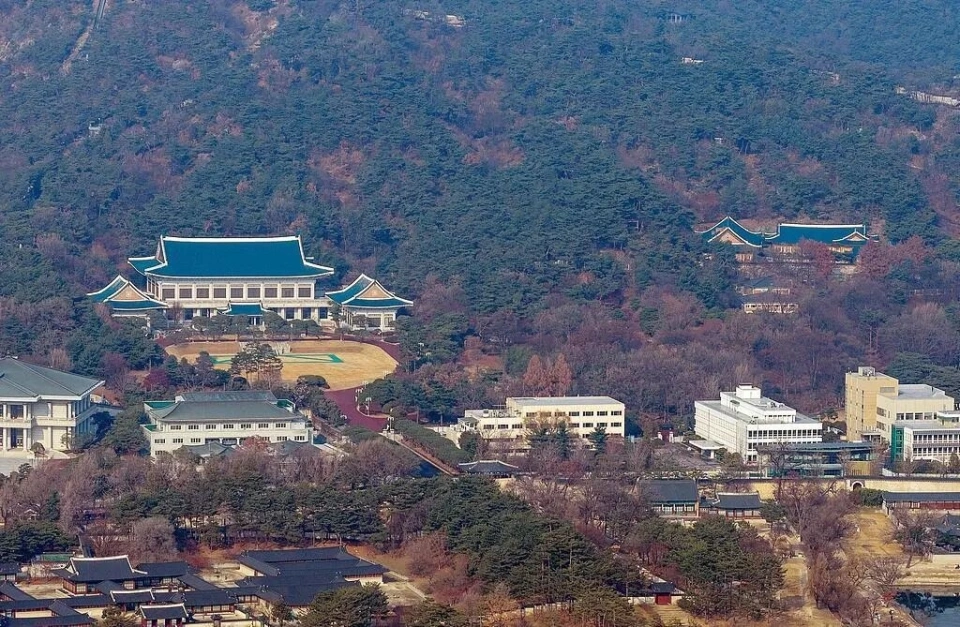
According to CCTV news, South Korea’s presidential office Cheong Wa Dae said on the evening of the 6th that it would quickly confirm North Korea’s intention and look forward to peaceful coexistence with North Korea in response to the statement issued by North Korean Workers’ Party Central Committee Minister Kim Yo-jong through the Korean Central News Agency that “the North Korean head of state believes that South Korean President Lee Jae-myung expressed regret for the ‘drone incident’.”

韩国总统府回应金与正谈话:将迅速确认朝方意向,期待与朝方和平共处__韩国总统府回应金与正谈话:将迅速确认朝方意向,期待与朝方和平共处

According to previous reports by CCTV News, Kim Yo-jong, Minister of the Central Committee of the Workers’ Party of Korea, delivered a speech on April 6.

The conversation stated that South Korean President Lee Jae-myung stated on the 6th that a South Korean drone entered North Korea’s airspace and expressed regret for the irresponsible and risky actions that triggered unnecessary military tensions.

韩国总统府回应金与正谈话:将迅速确认朝方意向,期待与朝方和平共处__韩国总统府回应金与正谈话:将迅速确认朝方意向,期待与朝方和平共处

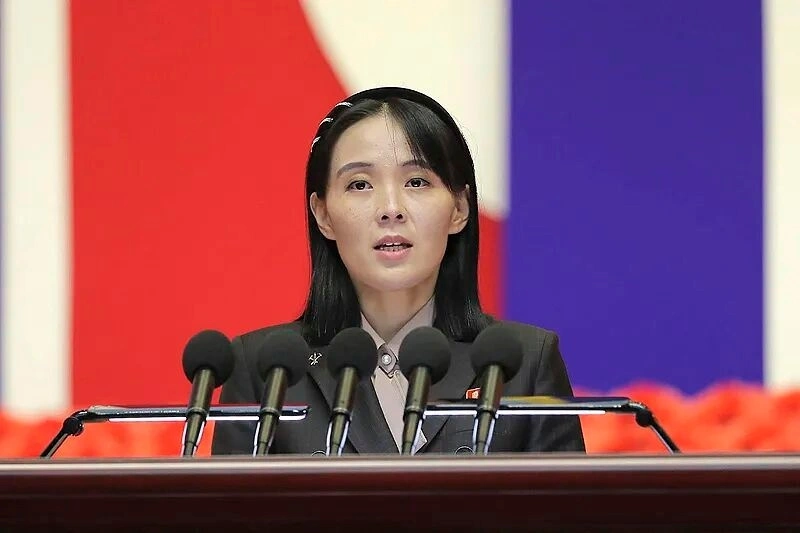
Kim Yo Jong (data map)

Kim Yo-jong said that the South Korean president expressed regret personally and talked about taking measures to prevent recurrence of the incident, which is a wise move that makes people feel extremely fortunate. Kim Jong-un, General Secretary of the Workers' Party of Korea and Chairman of the State Council, said that this shows the attitude of a frank and generous person.

Kim Yo-jong said that South Korea should not say that peace and stability are above all else, but should take into account its own security. It should stop any risky and provocative behavior against North Korea and give up any attempts to contact it.

Kim Yo Jong said that we must remember again that if provocations that infringe on North Korea's sovereignty occur again, as has been warned, the other side will pay an unbearable price.

According to news from North Korea on January 10, a spokesman for the General Staff of the Korean People's Army issued a statement on January 9, saying that following the drone intrusion over Pyongyang in October 2024, South Korea launched another serious provocation by flying drones to violate North Korea's airspace at the beginning of the new year. Subsequently, South Korea established a joint military and police investigation task force to investigate the incident. South Korean President Lee Jae-myung expressed regret to North Korea on the morning of the 6th regarding the "drone incident".

Related reports >>

Kim Yo-jong: Lee Jae-myung’s expression of regret is a wise move. South Korea should stop any risky and provocative behavior against North Korea and give up any contact attempts. If provocations occur again, it will pay an unbearable price.

Yousiyi Counterfeit Imports Are Refundable And Jinmailang Stops Hand-printing Trademarks

Many celebrities and live broadcast organizations issued instructions for handling the Yousiyi incident and provided full refund services

Recently, Yousiyi has been removed from the shelves online due to being exposed as "fake imported from Australia", and many celebrities and anchors have brought related products. Afterwards, multiple anchors and platforms responded one after another. Li Ruotong said that it will immediately activate the "pre-sales mechanism". For all "Yousiyi" products purchased in its live broadcast room and windows, regardless of the date and whether it was opened or not, the order will be fully refunded immediately on the same day. Zhang Xiaohui said that consumers can contact the official customer service of the purchasing platform within 15 working days from the announcement, and his team will complete the refund within 7 working days after the order is verified in the form of "advance compensation". Hehui Peer customer service stated that it has initiated verification and follow-up investigation. In order to protect the rights and interests of consumers, before the official investigation results are issued, orders for Yousiyi products purchased in its live broadcast room can be paid in advance and fully refunded. In the future, progress will be synchronized and product selection review will be strengthened.

Jinmailang: From the early morning of April 2, we will immediately stop the production of all products with the "hand-printed" trademark.

Recently, Fan Xianguo, founder and chairman of Jinmailang Group, posted a video on his social platform account saying that the "hand-made" trademark was registered in 2006 and has been used for 20 years. In order to avoid causing trouble to everyone in terms of product expression, we have decided not to use the "hand-printed" trademark. Starting from the early morning of April 2, the company will immediately stop producing all products with the "hand-printed" trademark.

Mingming is very busy: operating revenue in 2025 will be 66.17 billion yuan, and the total number of stores will reach 21,948

On March 31, Mingming was very busy releasing the 2025 annual performance announcement. It was disclosed that in 2025, the company will achieve operating income of 66.170 billion yuan, a year-on-year increase of 68.2%, adjusted net profit of 2.692 billion yuan, a year-on-year increase of 194.9%, and gross profit margin increased to 9.8%. In 2025, the gross merchandise volume (GMV) of the group's stores reached 93.569 billion yuan, a year-on-year increase of 68.5%; as of the end of 2025, the company's "Snacks Are Busy" and "Zhao Yiming Snacks" stores totaled 21,948, covering 30 provinces and all city levels across the country, about 60% of which are located in counties and towns.

Yonghui Supermarket: Revenue in 2025 will be 53.508 billion yuan, solving the pain points of the traditional supply chain through systematic measures

On March 30, Yonghui Supermarket released the 2025 annual performance report announcement. It was disclosed that in 2025, the company will achieve operating income of 53.508 billion yuan, a decrease of 20.82% from the same period last year; a net loss of 2.55 billion yuan, an increase of 74.01% from the same period last year. In 2025, the company made a major adjustment in its business strategy, shifting from "scale expansion" to "quality growth" and repositioning its strategic development of "New Yonghui, New Quality". During the reporting period, the company's store adjustments had a greater impact on profits, which mainly included losses from asset scrapping related to the adjustments, losses from business closures and renovations, and one-time investment in start-up expenses, among which asset scrapping and one-time investment totaled approximately RMB 880 million. At the same time, store closures have also resulted in greater losses, which mainly include losses from asset scrapping, personnel optimization and severance compensation, and lease-related breach of contract compensation. In terms of product strategy, the company first reformed the supply chain, adhering to the concept of "sunshine transparency, quality-driven, and efficiency improvement" and focusing on the five major directions of "sunshine supply chain, naked price direct procurement, core focus, cold chain upgrade, and store collaboration", and solved the pain points of the traditional supply chain through systematic measures. For this reason, the company faces short-term pressures from product and supplier switching, shortages, and declining gross profit margins, which have a certain impact on the company's operating income and profits. In terms of external investment and asset impairment, a loss of 448 million yuan from changes in fair value was recognized for trading financial assets and other non-current financial assets, and a cumulative provision for impairment of long-term assets was 308 million yuan. (The final amount is subject to the audit results). The announcement reminds that the main financial data for 2025 contained in this announcement are preliminary accounting data and have not been finalized by the accounting firm. The specific data shall be subject to the company's 2025 annual report. Investors are advised to pay attention to investment risks.

Dongpeng Beverage: Net profit attributable to the parent company will increase by 32.72% in 2025, and Dongpeng Specialty Beverage will enter the RMB 15 billion single product camp

On March 30, Dongpeng Beverage announced that in 2025, the company will achieve operating income of 20.875 billion yuan, a year-on-year increase of 31.80%; net profit attributable to the parent company is 4.415 billion yuan, a year-on-year increase of 32.72%. In 2025, Dongpeng Special Drinks successfully entered the RMB 15 billion single product camp, achieving annual revenue of RMB 15.599 billion. In addition, "Dongpeng Hydration" accurately anchors the "sweat point" scene and is committed to providing scientific and efficient electrolyte and moisture replenishment solutions for athletes, students and consumers after heavy sweating. During the reporting period, this product line showed strong growth momentum, achieving revenue of 3.274 billion yuan in 2025, a year-on-year increase of 118.99%, and its revenue share jumped to 15.70%, becoming the company's solid second growth curve.

Bawang Cha Ji’s total GMV will increase by 7.2% to 31.58 billion in 2025, and overseas GMV will increase by more than 75% year-on-year for the third consecutive quarter.

On March 31, BawangChaji released its fourth quarter and full-year performance data for 2025. Data shows that Bawang Chaji’s total GMV will reach 31.58 billion in 2025, a year-on-year increase of 7.2%. The full-year net income was 12.91 billion yuan, and the adjusted net profit was 1.91 billion yuan. The adjusted net profit in the fourth quarter of 2025 was 100 million yuan, achieving profitability for 12 consecutive quarters. In the fourth quarter, Bawang Chaji opened a net increase of 115 stores, of which 83 were overseas stores, bringing the total number of stores to 7,453. In terms of overseas markets, in the fourth quarter, Bawangchaji’s overseas business continued to grow rapidly. Overseas GMV reached 370 million yuan, a year-on-year increase of 84.6% and a month-on-month increase of 23.9%. Overseas GMV has increased by more than 75% year-on-year for three consecutive quarters, and overseas business has become an important growth engine for the company. As of December 31, 2025, outside the Chinese market, Bawang Tea Ji has a total of 345 overseas stores, covering 7 countries in Southeast Asia and North America.

Yanjing Beer’s net profit increased by 59.06% to 1.679 billion yuan last year, and Yanjing U8 sales reached 900,000 kiloliters

On April 2, Yanjing Beer released its 2025 performance report. It was disclosed that in 2025, the company achieved total operating income of 15.333 billion yuan, a year-on-year increase of 4.54%; net profit was 1.679 billion yuan, a year-on-year increase of 59.06%. According to preliminary calculations, in 2025, the company achieved beer sales of 4.053 million kiloliters, a year-on-year increase of 1.21%, of which Yanjing U8 sales volume was 900,000 kiloliters, a year-on-year increase of 29.31%; in 2025, Yanjing Beer adhered to the main line of high-quality development, adhered to the original mission of "brewing beauty for life", and integrated ESG concepts into every aspect of strategic decision-making, production operations, and industrial chain coordination, achieving a two-way jump in operating performance and sustainable value. The company has solidly promoted the large-scale single product strategy, and Yanjing U8 large-scale single products have continued to maintain a strong growth trend; it has continuously deepened the construction of an excellent management system, anchored the five core goals of quality, cost, efficiency, safety, and green, and steadily improved product quality; through the pilot construction of the "Hundred Cities and Hundred Counties" project, it has strengthened omni-channel integration and regional intensive cultivation, and effectively promoted market expansion and shape. It has accelerated the pace of supply chain transformation and digital transformation, and achieved remarkable results in efficiency improvement, cost optimization and expense control. It has continued to build a four-in-one management system of "rule of law, compliance, risk, and internal control" to make standardization and transparency the distinctive background of corporate development. It has used tangible results to interpret the strategic determination and responsibility of "second entrepreneurship and revitalization of Yanjing". According to the first quarter performance forecast released on the same day, Yanjing Beer will continue its high-efficiency and high-quality development trend in the first quarter of 2026. The company adheres to value leadership, accurately understands consumer needs, is determined to innovate, and accelerates the high-end process. The large-scale single product Yanjing U8 continues to maintain a high double-digit growth rate. The net profit attributable to shareholders of listed companies in the first quarter is expected to be 256 million to 273 million yuan, an increase of 55% to 65% over the same period last year. The "good start" in the first quarter has laid a solid foundation for achieving the full-year target.

In response to the incident of rats breaking into the store, Goldsmith Sushi has released a customer compensation plan and an announcement on systemic upgrade measures for the entire store.

On March 30, Goldsmith Sushi issued an announcement on follow-up compensation and comprehensive upgrade measures. The announcement showed that in response to the emergency at Goldsmith Sushi's Hangzhou Binjiang Baolongcheng store on March 29, Goldsmith Sushi completed on-site handling and situation verification as soon as possible. Now it will provide customer compensation plans and systematic upgrades for the entire store. Level measures, the following notification is made to the public: In order to make up for the uneasiness and inconvenience caused by this incident, Goldsmith Sushi has decided to make the following compensation arrangements for customers who dined at the store on March 29: 1. Full refund of the meal fee for the day: All customers who consumed the meal at the store on the same day will have a full refund of the meal fee for the day. 2. Additional cash compensation: On the basis of refund, additional cash compensation of ten times the consumption amount will be provided to each customer (less than 1,000 yuan will be compensated as 1,000 yuan) as an apology. 3. Refund and compensation methods: For orders paid through WeChat, Alipay, and China Merchants Bank, the company will refund the original order after verifying the information, and it is expected to arrive within 7 working days. In addition, Goldsmith Sushi has launched store-wide safety management upgrade actions, including: 1. Increase the frequency of pest control: The frequency of third-party pest control services in all stores has been adjusted from 2 times a month to 4 times a month, and a special pest control operation will be immediately arranged for the entire store. 2. Increase the frequency of cleaning and disinfection: The frequency of third-party cleaning and disinfection services in all stores will be adjusted from 2 times a month to 4 times a month, and a special cleaning and disinfection operation will be immediately arranged for the entire store. 3. Comprehensive hidden danger investigation: Organize all stores to immediately carry out special inspections to prevent intrusion hazards, especially to seal and reinforce key areas such as pipes, gaps, and passages connected to the outside. 4. Strengthen store patrol supervision: increase the frequency of store patrols, strengthen daily inspections and surprise spot checks, and strictly maintain food safety defense lines.

Xiaonanguo Brand Stored Value Card Refund Announcement Released

On March 30, the Shanghai Single-Purpose Prepaid Card Association issued a refund announcement for Xiaonanguo brand stored-value cards. According to the announcement, due to the closure of Shanghai's "Xiao Nan Guo" restaurant store, the stored value cards originally issued by the company are no longer in use. The Shanghai Single-Purpose Prepaid Card Association is now entrusted to implement information registration, publicity and refund for the balance of the Shanghai "Xiaonanguo" catering brand stored-value card issued by the "Xiaonanguo" institution: 1. Information registration period: from now to June 30, 2026; publicity period: July 8-14, 2026; card refund time: July 15-31, 2026. 2. Cardholders who hold "Xiaonanguo", "Huigongguan" and "Nanxiaoguan" brand stored-value cards and have balances are required to fill in accurate information as prompted on the card withdrawal registration page during the information registration period from now until June 30, 2026. After submitting the information within 7 working days, after confirming the validity of the registration information via SMS from the Single Card Association, the physical card will be delivered, mailed or couriered (the freight is at your own expense) to the relevant address. 3. At the end of the registration period, the Single Card Association will publicize the effective card refund registration status on the WeChat public account "Shanghai Single-Purpose Prepaid Card Service Platform". At the end of the publicity period, refunds will be made to the applicant based on the ratio of the existing available prepaid card deposit funds to the total amount of the valid application for card refund (Alipay handling fees will be borne by the cardholder), and the physical card will no longer be refunded. After the registration period ends, cardholders who are not on the public list of card withdrawal registration will no longer accept card withdrawals. 4. If the stored-value card you hold is a gift card (including the gift part in the card), a zero-yuan card, a canceled card, or the physical card is lost, no refund will be processed. 5. By registering the card refund information and providing the physical card in accordance with the requirements of this plan, the cardholder agrees to the card refund plan of this announcement. If the card cannot be refunded in full after information registration and publicity, the cardholder agrees to give up the right to the shortfall.

Sign In

Forgot Password

Sign Up