Professional virtual currency information station welcome
We have been making efforts.

24-hour news update Page 17

24-hour cryptocurrency news update

The Top Commander Of The U.S. Army Was Suddenly Dismissed. Why Was The Commander Replaced When The Fierce Fighting In The Middle East Was Going On?

On April 2, U.S. Secretary of Defense Hegseth fired Army Chief of Staff Randy George and asked him to retire immediately. George was nominated by Biden to serve as Army Chief of Staff in 2023 and was supposed to serve until 2027.

At this time, the US-Israeli military operation against Iran is entering its fifth week, and US ground troops are gathering in the Middle East. Why was George fired? Why now?

Unusual change of generals

On April 2, Pentagon spokesman Sean Parnell issued a brief statement on social media: U.S. Army Chief of Staff Randy George "will step down as the 41st Chief of Staff immediately," but did not give any explanation. Multiple US media reported, citing sources, that Defense Secretary Hegseth had directly asked George to resign and retire immediately.

The 62-year-old George graduated from West Point Military Academy and is an infantry officer who participated in the first Persian Gulf War, the Iraq War and the Afghanistan War. In 2023, he was nominated by former President Biden and confirmed by the Senate as Army Chief of Staff.

Army chiefs typically serve four-year terms, and George was supposed to serve until 2027. His sudden exit with more than a year left in his normal term, just as the US military's war with Iran entered its fifth week, the Pentagon's sudden dismissal of George triggered widespread attention and speculation.

Following George's dismissal, current Army Vice Chief of Staff Christopher Raneff will serve as Acting Chief of Staff of the Army. Ranev once served as Hegseth's senior military assistant. In 2025, Hegseth transferred him back to the Pentagon from the position of commander of the 8th Army in South Korea, and was subsequently nominated as the Army's deputy chief of staff. He is considered "a proven operational leader who has the full confidence of Hegseth to execute the vision of this administration flawlessly."

George was not the only Army general "removed" by Hegseth on April 2. According to multiple Defense Department officials, Hegseth also fired Lt. Gen. David Hodner, who was in charge of the Army Transformation and Training Command, and Maj. Gen. William Green, the Army's chief of chaplains.

The concentrated personnel shakeup, which saw the removal of three Army generals in a single day, is further evidence that Hegseth's dissatisfaction with Army leadership has reached a breaking point.

Differences in command during the war

Changing the top military commander during the war itself is a strong signal.

Currently, the US-Israeli military operation against Iran has lasted for more than a month. On March 31, Hegseth made it clear during his visit to the Middle East that he would not rule out the option of using U.S. ground forces to fight in Iran. Paratroopers of the 82nd Airborne Division and thousands of Marines are being deployed to the Middle East.

According to sources quoted by US media, George's dismissal was related to his differences with Hegseth on whether to engage in large-scale ground operations.

As a senior general who has participated in the wars in Iraq and Afghanistan, George has reservations about the Army's involvement in another large-scale ground war in the Middle East, believing that large-scale ground intervention will plunge the US military into a long-term war quagmire.

Hegseth hopes to appoint someone who can implement President Trump and his own vision for the military to replace George. Some analysts pointed out that this tension between "strategic patience" and "quick decision" was one of the core reasons why George was eventually eliminated.

This personnel change is reminiscent of a classic case during the Iraq War.

In 2003, then-Army Chief of Staff General Eric Shinseki suggested to Defense Secretary Rumsfeld that the U.S. military needed to station 200,000 to 300,000 troops in Iraq to ensure the country's security, which was a serious disagreement with the "light and fast" combat concept advocated by Rumsfeld.

Shortly thereafter, Shinseki was marginalized and resigned as Army Chief of Staff early. George was asked to resign when the war in Iran was raging. The situation was exactly the same as that year. When the top military officials and civilian leaders disagreed on war decisions, the former often became the target of adjustment.

Support rate is low, Trump needs "one of his own"

George's dismissal was not an isolated incident. Since Trump returned to the White House last January, Hegseth has been systematically reshaping the military leadership appointed by the Biden administration. He is pushing for large-scale reforms to the Department of Defense, requiring a reduction of at least 20% of four-star generals in the US military.

The list of dismissals includes Chairman of the Joint Chiefs of Staff Adm. Charles Brown, Chief of Naval Operations Adm. Lisa Franchetti, Air Force Vice Chief of Staff General James Slife, Director of the National Security Agency Adm. Timothy Ho and many other senior generals.

George survived the first round of adjustments in February 2025, but he was still not spared a year later, which shows that the intensity and scope of this adjustment are expanding.

The deeper reason involved George's alliance with Army Secretary Dan Driscoll. The two men worked together to promote the Army's transformation into a leaner, more technology-savvy direction, but there was a gap between this reform direction and the Army's operational model envisioned by Hegseth.

In addition, Hegseth also bypassed Driscoll and personally intervened in the Army promotion list to remove multiple officers from the list. After Driscoll refused to implement it, the White House directly intervened in the review of the promotion list.

As the 2026 midterm elections approach, the Trump administration’s personnel adjustments in the military field have deeper political considerations. According to US media reports, Trump’s approval rating has continued to decline since the outbreak of the Iran war, with multiple polls showing that his approval rating has dropped to an all-time low.

Previously, Trump had explicitly ordered not to fire any cabinet officials before the midterm elections, believing that firing senior officials would be seen as "showing weakness" to his opponents. However, the continued decline in approval ratings and the "positive response" caused by the previous dismissal of Homeland Security Secretary Noem within the party prompted him to change this strategy.

"Cleaning the door" has become an important means for Trump to convey a "replacement" signal to core voters and demonstrate a tough stance.

The adjustment of high-level personnel is not limited to the military system. On the same day, Trump announced the dismissal of Attorney General Pam Bondi, and the White House was still "actively discussing" the dismissal of FBI Director Kash Patel, Army Secretary Daniel Driscoll, and Labor Secretary Lori Chavez-Dremer, among other senior officials.

Against the background of the unclear direction of the war in Iran and the approaching mid-term elections, personnel adjustments at the top levels of the United States are continuing. It remains to be seen whether Ranev can win trust during the war and whether George's departure will trigger wider changes within the Army. But what is certain is that this high-level turmoil involving the military, justice, intelligence and other departments is far from over.

(Editor’s email: ylq@jfdaily.com)

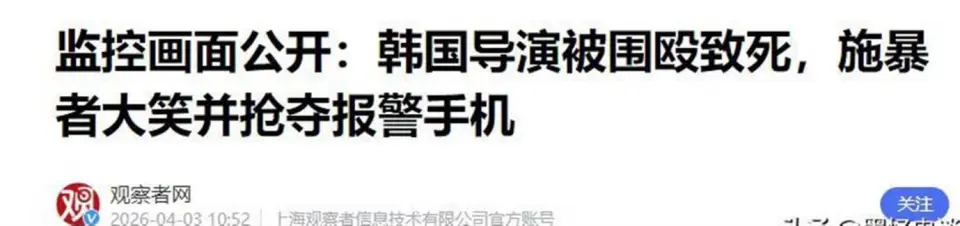
South Korean Director Kim Chang-min Was Beaten To Death While Protecting His Autistic Son, And The Suspect Was At Large

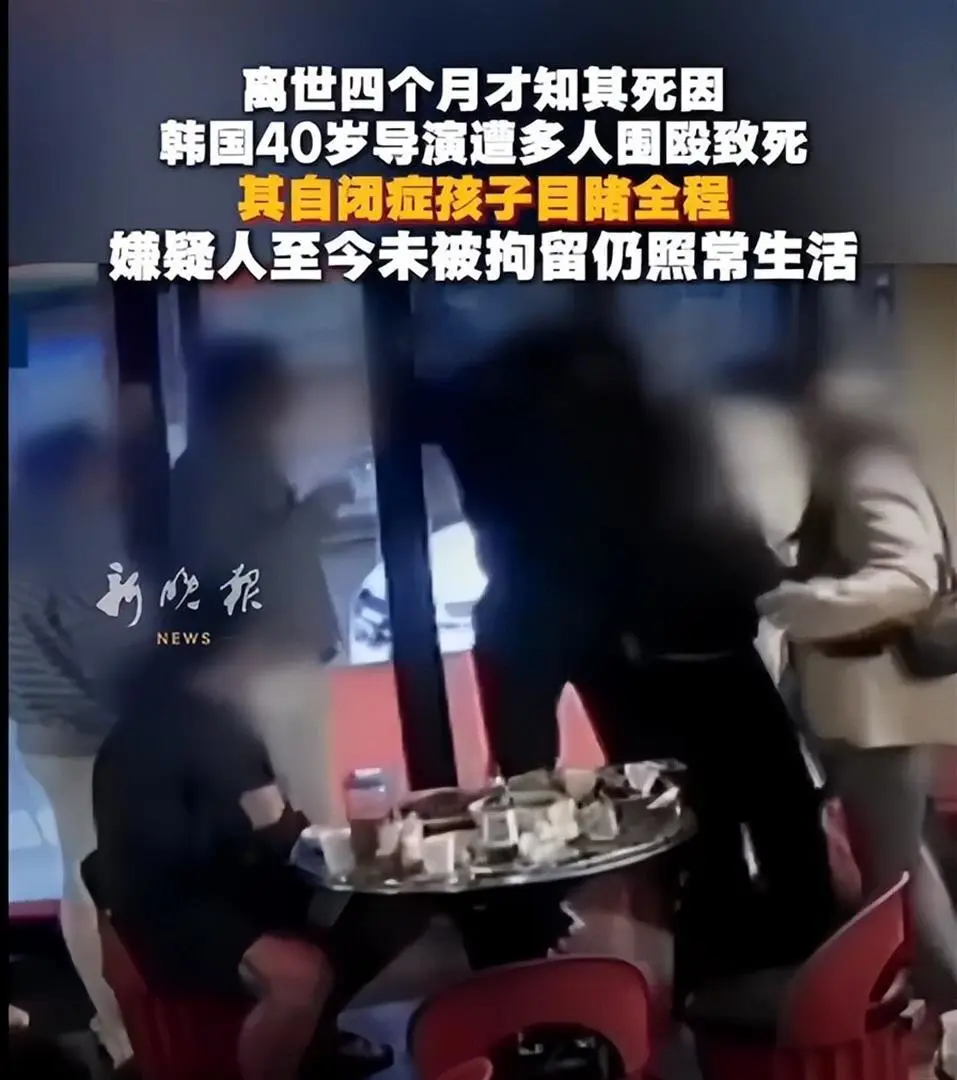
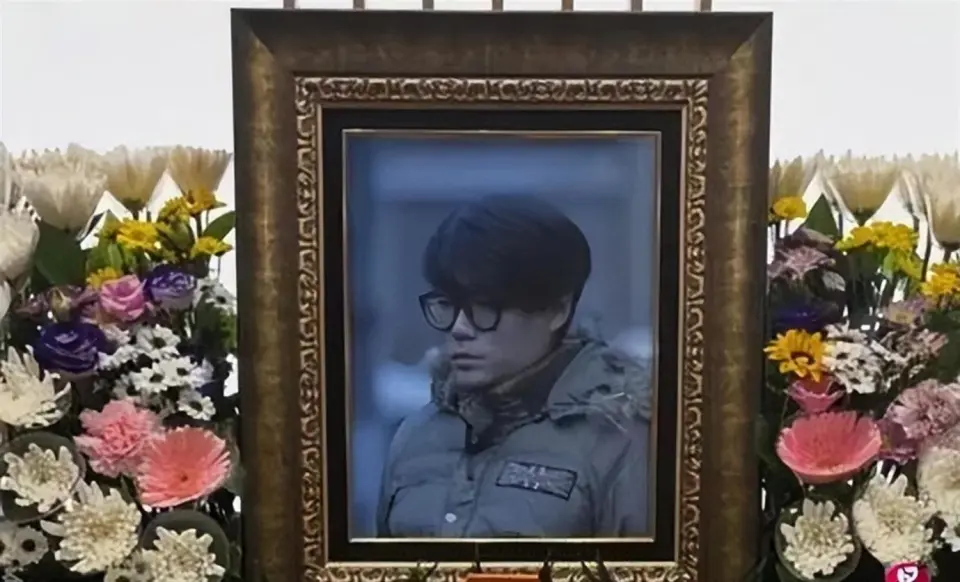
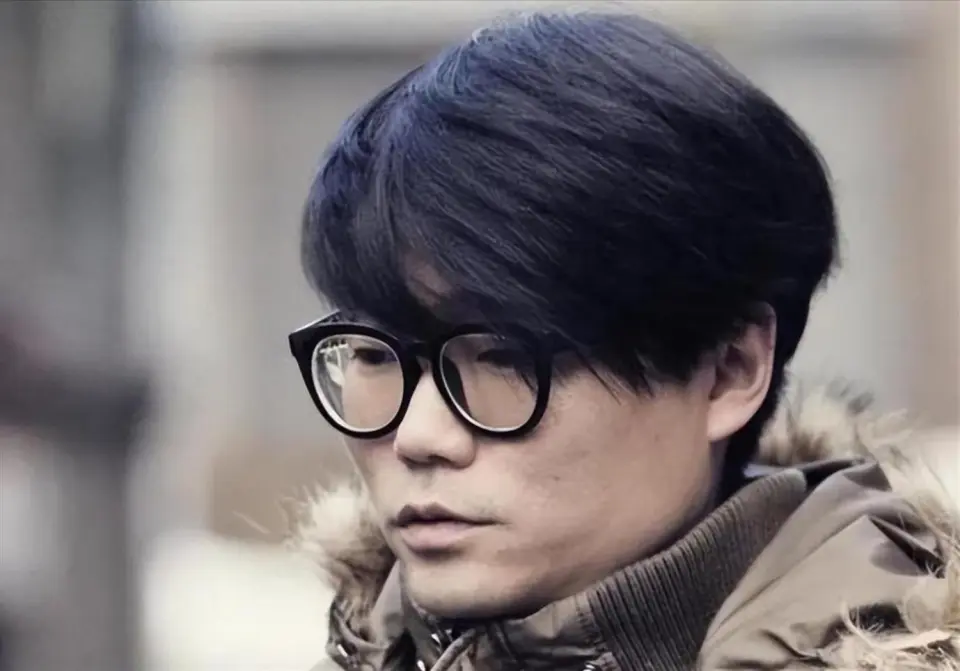
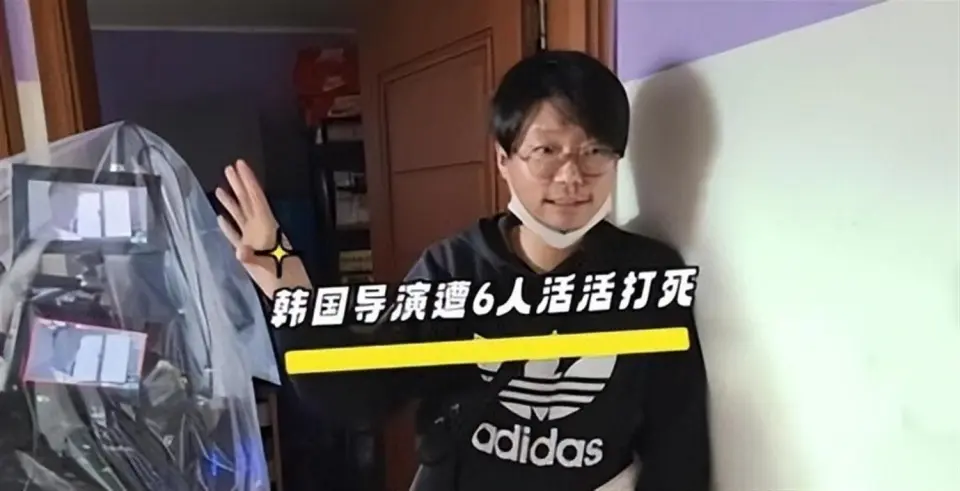
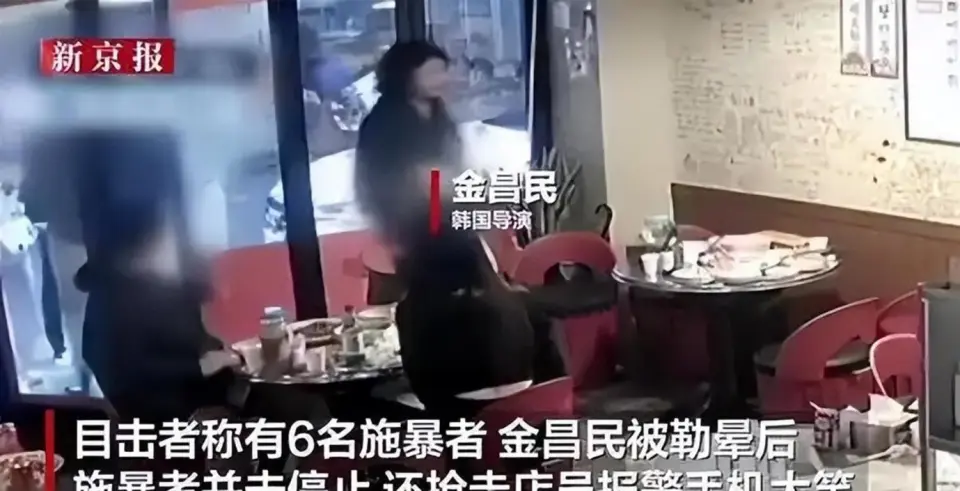
South Korean director Kim Chang-min was beaten to death by six people while trying to protect his autistic son! Eyewitness: He was strangled and dragged out of the store and continued beating. The suspect is still at large.

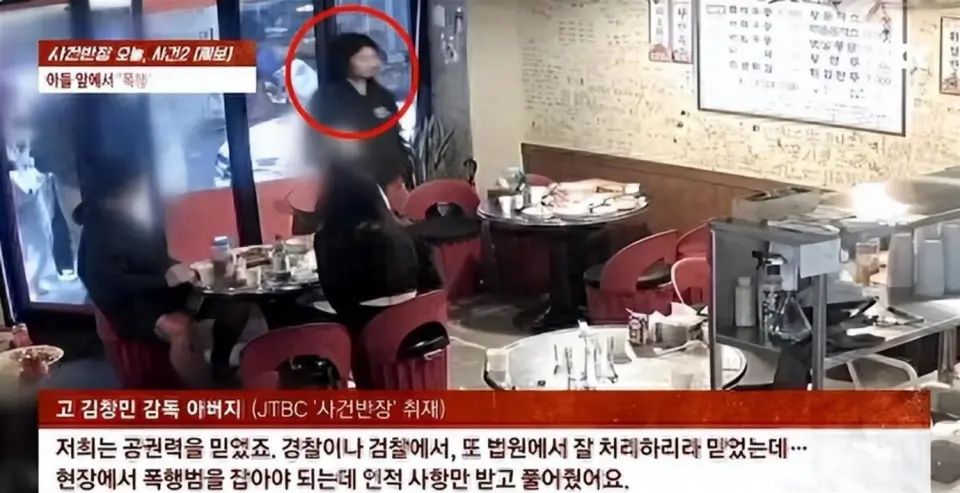
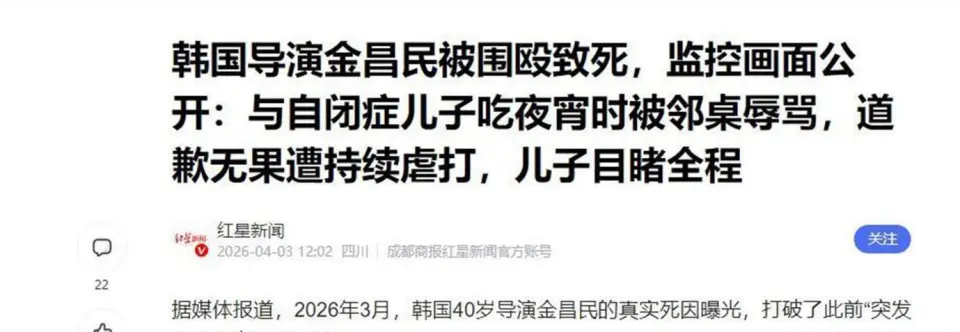
On April 2, 2026, surveillance footage of a violent death case in a restaurant in Guri, Gyeonggi Province, South Korea was exposed online. The truth about the 40-year-old director Kim Chang-min who was beaten to death to protect his autistic son finally broke months of silence.

小伙被活活打死_小伙被活活勒死视频_

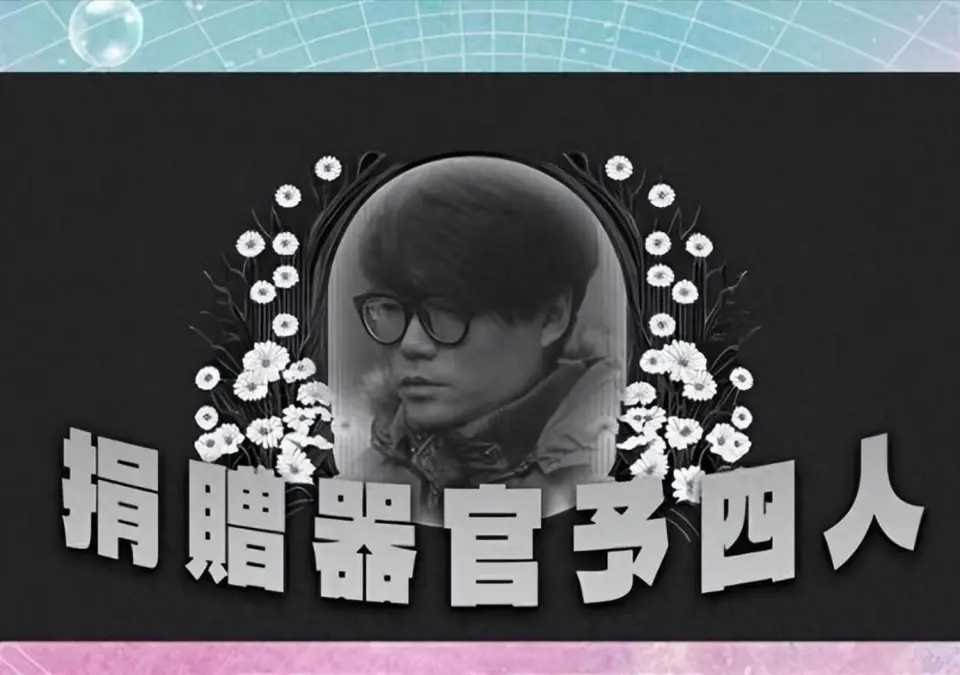
The Korean media had been praising Kim Chang-min as "the last love left in the world", saying that he donated his organs to save the lives of four people after he died of a sudden cerebral hemorrhage. It wasn't until the JTBC program "Incident Squad" was publicly monitored on March 31, 2026, that everyone knew how cruel the truth was – that he was beaten to death.

_小伙被活活打死_小伙被活活勒死视频

A fatal choice for a late-night bowl of fried pork chops

In the early morning of October 20, 2025, Kim Changmin took his autistic son into a 24-hour restaurant in Guri, Gyeonggi Province. The child suddenly wanted to eat fried pork chops in the middle of the night, and the father went out without any hesitation. The two of them sat down quietly and waited for their meal, but the autistic child made some unconscious noises while eating. For this matter, two men in their 20s at the next table directly scolded him.

Jin Changmin immediately stood up and apologized, not once or twice, his posture was as low as the dust. It's not that he's afraid of things, he just doesn't want his children to be frightened.

小伙被活活勒死视频_小伙被活活打死_

But his concession only resulted in intensification. The insults escalated into provocations, with someone bumping his desk and pushing him. Jin Changmin subconsciously stood in front of the child. This action completely ignited the violence in this group of people.

6 people surrounded and beat them, strangled them and dragged them out to continue beating.

_小伙被活活打死_小伙被活活勒死视频

Witnesses said that there were at least six attackers, and they were not fighting each other at all, but a unilateral crushing. A tall man in black clothes strangled Jin Changmin's neck from behind, causing him to faint on the spot.

小伙被活活打死_小伙被活活勒死视频_

Do you think this is the end? No.

This group of people grabbed the unconscious Jin Changmin and dragged him out of the restaurant to the roadside where they continued to beat him. What is even more disturbing is that some of the perpetrators are laughing while beating. There was no trace of guilt in that laughter, it was all cruel teasing.

_小伙被活活打死_小伙被活活勒死视频

Jin Changmin regained consciousness briefly, struggled to stand up and opened his hands to beg for mercy. A man in a plaid shirt punched him and knocked him to the ground. The restaurant manager wanted to call the police, but the assailant rushed over and snatched the phone away, threatening to beat you "if you interfere in other people's business."

小伙被活活打死__小伙被活活勒死视频

His son, who has autism, witnessed the entire process of his father being beaten.

The hospital is nearby, but it took almost an hour to get to the hospital.

小伙被活活勒死视频_小伙被活活打死_

There is a university hospital near the crime scene, which is very close. However, there was a big problem with emergency dispatch and communication. It took almost an hour after Jin Changmin was knocked down to be sent to the hospital. This is not an isolated case. In the same month, a senior high school boy in Busan suffered from convulsions. The emergency team contacted 14 hospitals but was refused admission. The patient was delayed for more than an hour and finally died. The loopholes in South Korea's emergency medical system once again cost Kim Changmin his life.

小伙被活活勒死视频__小伙被活活打死

After being in a coma in the hospital for 18 days, Jin Changmin was judged to be brain dead on November 7, 2025. The family endured their grief, respected his last wishes, donated his heart, liver and kidneys, and successfully saved four critically ill patients.

At that time, the Korean media reported him as a positive example, but no one knew that he was actually beaten to death.

小伙被活活打死_小伙被活活勒死视频_

The family hid it for 5 months and did not dare to tell the truth.

_小伙被活活勒死视频_小伙被活活打死

Jin Changmin's sister later said that in the past five months, they had been lying to the outside world that he died of "sudden cerebral hemorrhage" because they were afraid that the six perpetrators would abscond after seeing the news.

There is another reason that is even more distressing – the autistic son has witnessed his father being beaten throughout the whole process and has been greatly stimulated. His family members simply do not dare to tell him that his father is gone. The lawyer said that the child often fell into extreme anxiety after the incident. He could not sleep at night, would scream suddenly, and would tremble with fear when strangers approached him.

_小伙被活活勒死视频_小伙被活活打死

6 perpetrators are still living a normal life on the street

_小伙被活活打死_小伙被活活勒死视频

After the truth was exposed, the entire Internet exploded. But what is even more desperate is the judicial progress – the police initially only identified one suspect, and the application for detention was rejected by the prosecutor because "supplementary investigation is needed." After supplementary investigation, the police applied for arrest warrants for the two main suspects for the crime of injury causing death. The court rejected the request on the grounds that "the suspects have a fixed residence and there is no risk of destroying evidence."

Six people beat a father to death, but the suspect has not been detained and can still live a normal life on the street without even a single apology.

小伙被活活勒死视频__小伙被活活打死

The identities of the other four perpetrators have not even been locked.

小伙被活活勒死视频__小伙被活活打死

Jin Changmin's old father held back his grief during the interview and asked: "My son was beaten to death, but those people can still walk on the street with such arrogance. Why?"

After the truth was exposed in March 2026, Korean netizens launched a petition to "severely punish violent crimes" on the Blue House's official website, which received more than 2 million signatures within 72 hours. The topic of Kim Chang-min’s bill has been read more than 1.5 billion times on Twitter.

小伙被活活勒死视频__小伙被活活打死

Kim Chang Min entered the industry in 2013 and has participated in the art work of well-known films such as "The Witch" and "The Suspect". The short films he directed focused on marginalized people in society and called on everyone to pay attention to the disadvantaged groups. He had always spoken out for the weak during his lifetime, but in the end he fell to the violence of a group of thugs because he was protecting his autistic son.

And that group of people are still fine now, eating and drinking as they should.

Rockets Beat Jazz For 5th Consecutive Victory, Durant And Amen Scored 46 Points

_火箭爵士交手记录_火箭爵士比赛

Live Broadcast, April 4th: The NBA regular season continues today, with the Rockets hosting the Jazz at home. The Rockets have recently recovered and have won 4 consecutive games, while the Jazz have lost 7 games in a row.

In the first quarter, the Rockets began to take over the game after fighting with their opponents for less than half a quarter. They launched a 19-9 offensive from inside and outside to open up a double-digit advantage; in the second quarter, the Rockets continued their hot touch, and Durant's three-pointer in the quarter widened the point difference to 20 points. The Rockets felt very hot from the outside in the first half. Durant + Smith + Amen combined to score 46 points, which was only 4 points less than the Jazz's total. They also took a 19-point lead into the second half. After returning from the break, although the Jazz maintained a good offensive state, they could not stop the opponent at all. The Rockets scored more than 30 points in three consecutive quarters. At the end of the Jazz misfire, the Rockets launched a 12-0 offensive to expand the advantage to 29 points. The game also lost suspense. In the end, the Rockets defeated the Jazz at home and ushered in 5 consecutive victories, and also gave the Jazz 8 consecutive losses.

Data from both parties

Jazz: Cody Williams 27 points, 11 rebounds and 4 assists, Bailey 22 points, 6 rebounds and 1 assist, Sensab 20 points, 3 rebounds and 5 assists, Filipovsky 17 points, 7 rebounds and 2 assists, Hibway 15 points, 10 rebounds, 1 assist and 2 steals, Konchar 3 points, 5 rebounds, 3 assists and 2 steals, Chandler 2 points, 1 rebound and 4 assists, Mben 2 rebounds, 2 assists and 2 steals

Rockets: Durant had 25 points, 5 rebounds, 6 assists and 2 blocks, Amen had 21 points, 8 rebounds, 4 assists and 2 steals, Shen Jing had 19 points, 4 rebounds and 5 assists, Smith Jr. had 18 points and 5 rebounds, Ethan had 16 points and 7 rebounds, Sheppard had 12 points, 2 rebounds and 7 assists. , Tate had 7 points, 6 rebounds and 2 assists, Finney-Smith had 7 points, 2 rebounds and 1 assist, Holiday had 6 points, 2 rebounds and 3 assists, Davidson had 5 points and 1 rebound, Capela had 2 points, 4 rebounds, 1 assist and 2 blocks, Okogie had 2 points, 2 steals, and Green had 1 assist.

Click to enter the topic:

2025-2026 NBA regular season

Two Worlds Within Israel: The Divide Between Rich And Poor And The Opposition Between Left And Right

Cultural Perspective New Media·International Observation

Issue 21, 2026, Total Issue 301

two israel

Imagine these two Middle Eastern countries. The first country is very different from the rest of the region. Its economic productivity is extremely high, with a per capita GDP of US$80,000, ranking first in the Middle East. It has top universities and a highly developed technology industry. While the country's people do not agree on all issues, they generally support liberal democratic institutions.

The second economy is more similar to its neighbors. A significant portion of its population is unemployed, and the only jobs available are often low-skilled, low-paying jobs. Their per capita GDP is only $35,000, less than half that of the first economy. Residents are not uniformly religious, ranging from ultra-Orthodox to secular, and their educational levels are relatively low. Most residents seem indifferent to, or even opposed to, liberal values.

In fact, both countries refer to the same country: Israel. Although Jews make up the majority of the country, there are clear social divisions: some people are well-educated and have higher incomes; others are less educated and have lower incomes. The former, who contribute most of the country's tax revenue and wealth, are generally opposed to Israeli Prime Minister Benjamin Netanyahu and his right-wing nationalist government. The latter is made up mainly of ultra-Orthodox Jews and religious nationalists, and ultra-Orthodox Jews have the highest unemployment rate in the country. Both groups have a significant influence on Netanyahu's governing tendencies.

This deep division has caused substantial damage to Israeli society. It has led to severe political polarization in the country and frequent changes in government (Israel has held five general elections in the past six years). But over time, this internal division will only make the future of the Jewish state more uncertain. One trend is that the share of Israel's liberal, highly productive population is declining, while the share of conservative, less productive people is rising. As a result, Israel's tax base will shrink. Far-right religious parties will remain in power. Accordingly, Israel will become more authoritarian at home, with a fiscally strapped government likely to intensify its repression, and abroad it will become increasingly aggressive, as evidenced by the recent war with Iran in conjunction with the United States. Israel's military operations in Gaza are regarded by many Western countries as genocide and a brutal act of aggression.

These extreme actions will make Israel more like other neighboring countries in the Middle East, and even make people feel confused that Israel is becoming more and more like its old enemy Iran. Israel's right-wing government is beholden to a messianic vision and desires to provoke a war with Iran. When Trump promised U.S. support, the Israeli authorities were even more delighted.

▍Productivity gap

The composition of Israeli society is diverse, and different groups have their own unique interests and demands. But its most significant social divisions can be summarized in two groups. The first group is high-tech practitioners. They make up about 10% of Israel’s workforce, yet generate nearly a fifth of the country’s GDP — largely because the tech industry is more than twice as productive as the rest of the economy. The industry has impressive human capital, deep integration into global markets, and strong R&D networks. The industry accounts for about half of Israel's services exports and about a quarter of government tax revenue. In other words, it is the cornerstone of a country’s fiscal capacity and external resilience. In sharp contrast are ultra-Orthodox Jews. Among them, only 54% of ultra-Orthodox male believers are employed. And even when they are employed, they are mostly in low-skilled jobs, earning on average only about half that of non-Orthodox Jewish men. Ultra-Orthodox Jewish women have an employment rate of 81%, similar to non-Orthodox Jewish women, but on average earn one-third less, and many of the jobs they hold are low-skilled, part-time jobs.

About one-third of ultra-Orthodox Jewish families live below the poverty line, while the poverty rate among other Jewish families is about 14%. These unbalanced figures are certainly related to individual ability endowments, but they are also closely related to institutional arrangements. For example, most ultra-Orthodox Jewish men are exempt from military service, and military service often helps to promote men's competitive advantage in the labor market and enhance social cohesion. The ultra-Orthodox are also isolated from Israel's mainstream education system. They attended schools that prioritized religious considerations and neglected core subjects such as math, science and English. This structure effectively directs large numbers of young men into religious studies or marginal employment. Ultra-Orthodox Jewish women bear the heavy burden of raising large families and working part-time jobs. Because ultra-Orthodox families have relatively low incomes, they pay little to no taxes and rely mainly on public spending and offshore funding from ultra-Orthodox communities in New York and London.

Israel’s ultra-Orthodox Jews are not the only ones struggling with employment. The Arab minority, which accounts for about 20% of Israel's total population, is also widely restricted to low-paying jobs. Unlike ultra-Orthodox Jews, Arab Israelis are not excluded from Israel's developed economy by choice or community structure. Their plight is that they face widespread discrimination and gross underinvestment in infrastructure, making it difficult for them to obtain high-quality education and high-skilled jobs. Therefore, they did not have the same employment opportunities as Jewish Jews.

Currently, ultra-Orthodox Jews make up a growing share of Israel's population. They currently make up about 14% of Israel's total population, but the total fertility rate for ultra-Orthodox Jewish women is about 6.5 children, compared with an average of only 2 children for secular Jewish women and 3.7 children for religious Jewish women, also a rapidly growing group. This means that by the mid-2040s, ultra-Orthodox Jews will account for more than a fifth of Israel's population, and by the 2060s, this proportion will be close to one-third.

Over time, this trend will make it difficult for Israel to maintain high levels of GDP per capita. It’s easy to understand why: a shrinking high-productivity group cannot indefinitely finance a rapidly growing low-productivity group. Ultimately, governments will struggle to raise public funds, including educational institutions, healthcare systems, infrastructure and the military. Individuals and businesses are likely to accelerate the transfer of capital and labor abroad.

In fact, this shift is already starting to happen. About 100,000 Israelis will emigrate in 2023-2024; many of those leaving are highly skilled professionals in the medical, engineering, academic and technical fields, according to a recent study by economists Itai Ater, Nittai Bergman, and Doron Zamir. Historical experience shows that this population loss is difficult to reverse. (Greece, for example, lost nearly 5% of its population during and after the debt crisis of the early 2010s, many of whom never returned.) The exodus will further erode the tax base and exacerbate Israel’s existing fiscal pressures. Policymakers will have to impose higher taxes on workers who stay behind, which will encourage more people to leave. Credit rating agencies could downgrade Israel's debt, causing borrowing costs to rise and further limiting Israel's policy options. The result will be a classic vicious cycle: less investment, slower economic growth and lower living standards.

▍Internal split

Israel’s economic fragmentation is closely tied to the country’s political polarization. High-income Israelis overwhelmingly support liberal democratic institutions, including an independent judiciary, a free media and limits on executive power. In contrast, low-income groups increasingly support weakening and limiting these systems.

Israel's ultra-Orthodox Jewish parties have a natural partnership with far-right religious parties. This camp accounts for approximately 15% of Israel's population. Their goal is to replace the secular civil justice system with rabbinical courts, weaken judicial review, and expand Israel's control of the West Bank. Although these goals are not the main demands of the ultra-Orthodox (they are more concerned with consolidating the right to be exempted from military service, expanding welfare transfers, and maintaining their religious education system), they also acquiesce in these goals.

Netanyahu linked the two groups. He has long-standing ties with leaders of both groups and has tried to hold together his governing coalition by responding to their respective agendas. Since January 2023, they have been launching a collective attack on the judiciary, trying to weaken checks and balances on executive power, and trying to control budgetary powers. In other words, they are trying to systematically alter Israel’s constitutional balance.

This agenda has naturally angered moderates and liberals in Israel, who have repeatedly taken to the streets in protest. Demonstrators showed admirable resilience and succeeded in stalling many of Netanyahu's bills. But the Prime Minister's agenda appears increasingly unstoppable. Netanyahu has steadily chipped away at Israel's democratic institutions during his tenure and pushed for many of its most controversial laws. Even the Hamas massacre that occurred on October 7, 2023, during the Netanyahu administration, failed to stop this agenda. The prime minister's approval ratings plummeted immediately after the attack, but ultimately he used the tragedy to consolidate his power by stoking fear and anger among the Israeli public and launching a war in Gaza. He has also provided substantial budgetary support to the ultra-Orthodox by accommodating the demands of his extreme political partners to keep the governing coalition he has assembled united amid increasingly tight finances.

In fact, while protests in Israel have subsided in recent months, the government has continued to advance a number of parliamentary bills that weaken democratic institutions and continue to use state resources to benefit parties in the ruling coalition. Meanwhile, a constitutional crisis looms as government ministers and the speaker of parliament break with convention by not inviting the president of the Supreme Court to important state events. Crucially, government ministers refused to discuss the consequences of not complying with the Supreme Court ruling. To make matters worse, the government has tabled a new bill redefining the role of a key civil servant – the government's legal adviser, who is also the attorney general. This new bill effectively reduces the status of this position, depriving this important role of its independence by separating the roles of lawyer and legal advisor and completely politicizing the latter. If the bill is passed, it will destroy the most important line of defense of Israel's democratic system over the past three years and usher in a symbolic democratic regression.

Research shows that when voters base their electoral behavior on feelings of group affiliation rather than policy evaluations—as is the case in Israel—group loyalties and perceived status differences influence voters' preferences more than economic conditions. As a result, Israel will be caught in a "paradox" in that even as Israel's economy continues to deteriorate, popular support for the country's nationalist and religious parties will remain strong.

▍The road ahead is full of thorns

So the future looks bleak for Israelis. Without a radical change of direction, Israel will become poorer, less democratic and more divided in the coming years. It may also become more militant. As the country's economy declines, its nationalist politicians will tend to pursue more aggressive foreign policies as a way to unite the Israeli public.

Indeed, Netanyahu will use the ongoing conflict with Iran to bolster his coalition's chances in parliamentary elections later this year. If public support for his governing coalition improves, he will seek elections as early as June. If the ruling coalition continues to lag in the polls, he may declare a state of emergency and postpone the election. This is a typical example of populist politicians using war to seek political survival and destabilizing the region in the process.

Iran's trajectory provides a sobering analogy. In terms of GDP per capita, Iran and Israel were relatively close in the 1960s and early 1970s. But after the 1979 Islamic Revolution, Iran experienced a sharp decline and long stagnation as Iran's leadership transformed the country into a theocracy, diverted academic research and public resources into the military sphere, and destroyed the secular judicial system. Today, Iran’s GDP per capita is only one-tenth that of Israel—yet its political system has remained largely unchanged over the past 47 years. Iran's experience shows that regimes based on religious authoritarianism can survive even in the face of severe economic pressures. Incredibly, Israel is now on a similar path.

There is still hope for the Jewish state. Israel’s massive protest movement shows that the country still has a vibrant and strong civil society and that its people are capable of taking action outside of formal electoral channels. This engagement is a defense against economic stagnation and further slide into illiberal abyss. If Israeli business leaders, especially in high-tech fields, can mobilize, they may be able to prevent the situation from getting worse. Jewish communities and liberal foreign governments around the world may also be able to help. But one thing is certain: Israel’s future is still full of thorns.

Construction Progress Of The Second Phase Of The Han-Ji-Wei Diversion Tunnel Exceeds 90%

China News Service, Xi'an, April 4 (Reporter Dang Tianye) On the 4th, the reporter learned from the Seventh Branch of the Fourth Bureau of China Railway that the construction of the Huangwu Tunnel of the South Trunk Line of the Han-Weiwei Phase II Project, which was constructed by the company, had accurately connected the key sections of the downstream of branch tunnel #19 and the upstream of branch tunnel #20, becoming the first section to be connected. The overall construction progress of the project exceeded 90%, pressing the accelerator button for the sprint to complete the entire line.

The picture shows an aerial shot of the entrance to branch #20. Photo by Lu Ying

As one of the key water conservancy projects in the country's "14th Five-Year Plan", the second phase of the Hanjiang-Weihe River Diversion Project consists of three parts: the Huangchigou Water Distribution Hub, the Southern Trunk Line, and the Northern Trunk Line. It has a total length of 190 kilometers and can transport high-quality water resources from the Han River to 21 water-demanding areas such as Xi'an, Xianyang, and Weinan. This is crucial to solving the water shortage problem in Shaanxi Province.

It is understood that the total length of Huangwu Tunnel IV standard construction reaches 8,900 meters. It is a pressureless tunnel and is constructed using the drill and blast method. The control section of this penetration is 4,103 meters long and is located at the northern foot of the Qinling Mountains. It passes through the mica quartz schist formation, has abundant fissure water and passes through fault fracture zones many times. It also needs to go under the Qingliangshan Tunnel of the Xicheng High-speed Railway, making construction difficult and safety risky.

The picture shows the tunnel running through. Photo by Wang Yizhuo

During the construction, the project department used BIM+GIS technology optimization solutions, using concentrated energy blasting and three-dimensional laser scanning to control the over- and under-excavation accuracy within 10 centimeters. It relied on intelligent equipment and more than 30 "Five Small Innovations" results to solve construction problems, and simultaneously implemented the wastewater recycling process of five-level sedimentation tanks combined with deep water treatment, adhering to the bottom line of green construction. All construction personnel worked hard day and night to carry out advanced geological forecasts every 100 meters to achieve zero safety and quality accidents throughout the process.

"This completion has created favorable conditions for subsequent lining transfers, marking a key step in the 'century project' to solve the problem of uneven distribution of water resources in Shaanxi, and laying a solid foundation for the early completion of the entire project. The project department will take this opportunity to continue to optimize the plan, strengthen management and control, strictly control safety, quality and ecological standards, and fully promote the remaining projects to help the project be fully completed and effective as soon as possible." said Li Bintao, head of the project department of China Railway Fourth Engineering Bureau.

After the completion of the project, it will play an important role in optimizing the allocation of water resources in Shaanxi Province, strengthening flood prevention and disaster reduction capabilities, improving the water ecological environment, promoting coordinated regional development, and improving water security levels. It can provide 1.5 billion cubic meters of Han River water to the Guanzhong region of Shaanxi every year, benefiting a population of 14.11 million. (over)

Shanghai Releases Ten Rules For Gaming, Aiming To Become A Global E-sports Capital

How to make e-sports games "produced in Shanghai" not only leading in the country, but also able to represent China and establish a global voice? Faced with this proposition, Shanghai officially issued the "Shanghai Municipal Measures to Support the Development of the Game and Esports Industry" (referred to as the "Game Shanghai Ten Measures") on March 23. This document is not a scattered "policy patch", but an "action plan" with clear goals and systematic integration, aiming to transform Shanghai's strong industrial foundation into an unshakable global competitive advantage.

Where does the confidence come from? Establishing a national “leader” position

Any top-level design starts with solid soil. The reason why Shanghai was able to take the lead in promulgating such a systematic support policy comes from the hard power accumulated over many years of hard work. Looking back on 2025, Shanghai’s game and e-sports industry has delivered a brilliant report card.

Leading the industry scale. In 2025, Shanghai's online game industry achieved sales revenue of 170.7 billion yuan, a year-on-year increase of 9.57%, higher than the national average of 8.41%; overseas markets performed outstandingly, achieving sales revenue of 30.3 billion yuan, a year-on-year increase of 13.7%, higher than the national growth rate of 10.23%.

Global influence jumps. In the "2025 Global Famous E-Sports Cities Industry Development Index Ranking Report", Shanghai ranks second in the world (top 8: Seoul, Shanghai, Los Angeles, London, Paris, Tokyo, New York, Seattle). Shanghai companies won 60% of the key awards in the "Top Ten Games" selection at the National Game Industry Annual Conference; a number of "Shanghai-produced" high-quality games such as "Honkai Impact" and "Infinite Warmth" have won international awards one after another, effectively establishing the global influence of "Shanghai Original".

Institutional innovation breaks the ice. As the first pilot city in the country to carry out localized management of domestic online games, Shanghai has always adhered to the principle of "combination of decentralization and regulation with priority on service". In recent years, the number of approved online game licenses in this city has always ranked first in the country. At the same time, we focus on the "urgent, difficult and anxious" of enterprises: opening up the pre-registration channel for ICP licenses for new game companies, and has solved access problems for 63 new companies; we have won the pilot program for mini program game registration, and have completed the registration of more than 10,000 products, attracting the Alipay mini game platform to settle in Shanghai. Establishing a compliance filing path for technical testing before product launch, and has provided support for more than 6,000 games. These pioneering measures have greatly stimulated the vitality of market entities, especially small, medium and micro enterprises.

If these institutional breakthroughs are the optimization of the "soft environment", then scientific industrial layout is the support of the "hard chassis". At present, Shanghai has formed a benign ecology of "core leadership, multi-point support, and each with its own characteristics."

Xuhui District, as the core industrial carrying area, uses leading companies such as MiHoYo and Lilith as engines, contributing about 40% of the city's output value. Relying on cutting-edge forces such as Bilibili and paper folding games, Yangpu District has strong growth momentum and accounts for more than 20% of the city's output value. Jing'an District has outstanding advantages in the field of e-sports. It is home to leading e-sports companies such as Tengjing Sports and Riot Games. It is the area with the highest concentration of domestic multinational game companies.

At the same time, a coordinated development pattern supported by multiple points has also been formed: Mutong Technology, a leader in overseas expansion, is rooted in Minhang; Bok City, which has accumulated tax payments exceeding 10 billion, is deeply involved in Putuo; Century Huatong, the leader in A-share games, and its subsidiary Shengqu Games have their headquarters in Pudong, and NetEase's Shanghai R&D center is located in Qingpu. This benign ecology with unique characteristics and complementary advantages has laid a solid foundation for the city to further optimize its industrial layout and build a world-class industrial cluster.

How to break through? The "Shanghai Ten Articles" are precisely implemented

With a solid foundation and a clear layout, the "Ten Guides for Traveling to Shanghai" will focus on the core elements and key links of industrial development, striving to achieve precise "point-and-point" breakthroughs.

Upgrading space: from “physical agglomeration” to “ecological incubation”. In the three core areas of Xuhui, Yangpu and Jing'an that have formed agglomeration effects, financial support of up to 5 million yuan per year will be provided to qualified industrial parks and incubators, and the three districts will be guided to formulate supporting support policies. Actively cultivate and introduce full-chain ecological enterprises such as art, music, and IP operations in the agglomeration area, provide start-up teams with one-stop services and a new space supply model of "creation + exhibition + life", and strive to build a nest to attract talents. While focusing on supporting core agglomeration areas, we also encourage other qualified areas to give full play to their differentiated advantages, forming a good situation of each having its own characteristics and working together to advance together.

Strong supply of factors: targeting the two major pain points of “money” and “people”. In terms of financial support, the Shanghai Game Industry Investment Fund was established to use state-owned capital to leverage social capital. The first phase of fundraising is expected to reach 500 million yuan, focusing on supporting the innovation and entrepreneurship of small and micro teams; and relying on mechanisms such as "Cultural and Creative Characteristics Sub-branches" to provide loan interest discounts to qualified enterprises, accurately solving the bottleneck of "light assets and difficult financing". In terms of talent introduction and education, we will deepen the integration of industry and education, support colleges and universities in establishing gaming majors, and provide more than a thousand internship positions for college students every year; establish a talent pool for the Shanghai e-sports industry, and strive to build a "strong magnetic field" to attract top talents from around the world.

Deep expansion of value: Empowering thousands of industries with "Game+". In terms of cultural inheritance, we encourage the creation of more "Shanghai products" that incorporate the excellent traditional Chinese culture and Shanghai urban elements. In terms of technological empowerment, the focus is on supporting the application of cutting-edge technologies such as artificial intelligence in game research and development, and supporting investment in underlying tools such as game development engines and collaborative adaptation with core hardware such as domestic graphics processors. In terms of value expansion, we vigorously implement the "Game+" strategy, support game technology in empowering medical, education and other industries, and encourage cross-border linkage with the real economy such as Shanghai's time-honored brands. By strengthening the protection of intellectual property rights, we will fully protect the continuous innovation of the industry.

The energy level has jumped again: from "products going overseas" to "standards and platforms going overseas". It is the first in the country to propose the establishment of a "game overseas service platform" to provide enterprises with full-chain, one-stop services covering product localization, legal compliance, financial payment, data analysis, etc. At the same time, it supports building ChinaJoy, China International Game Developers Conference (CIGDC) and other brand events into a "world living room" that links global wisdom, attracting more outstanding overseas companies and international organizations to develop in Shanghai. This series of combined punches aims to promote Shanghai from a single "product export place" to a strategic hub of global game and e-sports resources.

Events forge high ground: from "Grand Slam" city to "rule setter". On the basis that Shanghai has become the first "Grand Slam" city in the world to gather three top e-sports events, it will deepen its advantages by "promoting both introduction and education": on the one hand, it will continue to introduce global leading events such as DOTA2 International Invitational (TI) and provide support of up to 3 million yuan to a single project; on the other hand, it will focus on cultivating local own brand events such as the "Shanghai E-sports Masters". At the same time, by supporting the development of clubs, promoting the formulation of e-sports standards, and integrating high-quality leisure e-sports events into the public cultural service system, Shanghai will comprehensively consolidate and enhance Shanghai's core position in the global e-sports landscape.

Several measures taken by Shanghai to support the development of the gaming and e-sports industry

The game e-sports industry is an important part of the cultural industry, software and information service industry. This measure is formulated in order to further promote the construction of a "global e-sports capital", build a Shanghai cultural brand with global influence, and promote the healthy and prosperous development of our city's game and e-sports industry.

1. Create an industrial highland. With Caohejing and West Bund in Xuhui, Dachangzhi and Binjiang in Yangpu, Daning and Shibei in Jing'an as core functional areas, we will build a gaming and e-sports industry cluster with world influence and leadership. For industrial parks and incubators with strong supporting policies, complete public services, abundant resource introduction, certain industry influence and service effectiveness, support of up to 5 million yuan per year will be provided. Explore the space supply model of "creation + display + life" to further reduce the cost of entrepreneurial enterprises.

2. Build a springboard to go to sea. Support the construction of game overseas service platform, and provide precise services in copyright services, overseas guidance, risk warning, overseas promotion, data analysis, payment settlement, credit insurance and credit, etc. Support of up to 2 million yuan will be provided for the construction of comprehensive platforms, and support of up to 500,000 yuan per year will be provided for supporting special services. The agglomeration area should be equipped with a special service window for going overseas, provide low-cost cross-border network services, and provide financial incentives for high-quality overseas projects.

3. Build up the Shanghai brand. Guide the integration of excellent traditional Chinese culture into gaming and e-sports products to reflect the characteristics of Shanghai city. A reward of up to 2 million yuan will be given to original high-quality games with independent IP. Promote the exploration and establishment of a scientific intellectual property evaluation system based on the market value of the game industry, crack down on infringement and illegal activities such as private server cheats and leaks of trade secrets, and protect and encourage industrial innovation.

4. Strengthen technological empowerment. Support game and e-sports companies to establish R&D institutions around artificial intelligence, big data, cloud computing and other technologies, increase R&D investment, strengthen technology application, increase support for innovative applications of AI in game R&D and other aspects, and support for game development engines, three-dimensional modeling software and other basic game development tools, and provide financial subsidies of up to 30% for project investments that can be included in the scope of support. Encourage joint research and development adaptation with domestic graphics processors, and actively promote the application of blockchain technology in copyright registration, rights protection, transactions, settlement and other fields. Promote the establishment of partnerships between game companies and electronic equipment manufacturers to explore more possibilities for the development of multi-terminal games.

5. Promote international cooperation. Give full play to the agglomeration advantages of multinational game companies and promote multinational game companies to deepen cooperation among all parties. Actively build a long-term cooperation mechanism with overseas game and e-sports industry organizations and international game service agencies, and strive to create a "world living room" for the game and e-sports industry such as China International Digital Interactive Entertainment Exhibition, China International Game Developers Conference, Global E-sports Conference, and China Game Industry Annual Conference. Support the holding of various high-level game award projects and international industry events such as the China Game Innovation Competition. Each year, a maximum of 3 million yuan of support is provided to a single project.

6. Improve the industrial ecology. Cultivate the Shanghai game distribution platform to become bigger and stronger. Support the agglomeration area to introduce supporting policies, and attract more outstanding overseas gaming and e-sports companies and international industry organizations to develop in Shanghai with high-quality services, an open attitude, and stable expectations. Actively cultivate and introduce creative, design, art, music, professional media, technology, and IP development and operation enterprises to optimize and enhance the entire chain ecology. The agglomeration area has formulated "Measures to Support New Game Enterprises" to provide "one-stop" services for start-up enterprises.

7. Implement “Game+” in depth. Amplify the spillover effect of the game industry and support game e-sports companies to use their technical expertise and gamification mechanisms to empower fields such as medical care, education, media, sports, tourism, design, traditional manufacturing, and new infrastructure. Efforts will be made to build a new paradigm for the integrated development of cultural, commercial, tourism and sports exhibitions, support the cross-border linkage between game and e-sports companies and Shanghai time-honored brands, and support the creation of new themed consumption scenarios and brand activities for game IP. Provide support of up to 2 million yuan to innovative and leading projects.

8. Improve financial support. The Shanghai Game Industry Investment Fund was established to focus on supporting the innovation and entrepreneurship of small and micro teams. Relying on the "Cultural and Creative Characteristics Sub-branch", a green channel for loans will be established for gaming and e-sports enterprises, providing preferential policy guarantees, and providing interest discount support for bank loans not exceeding 50% of the market quoted interest rate for loans in the same period.

9. Optimize talent training. Support qualified colleges and universities to establish game and e-sports related majors, and support school-enterprise cooperation to jointly build industry-education integration laboratories. Promote the Shanghai Online Game Industry Association to work with relevant universities to establish an internship mechanism for college students in the gaming and e-sports industry, providing more than 1,000 internship positions for college students every year. Relying on the key cultural and creative enterprise database and agglomeration area policies, support the introduction of international and domestic high-end professional talents, establish an outstanding talent pool for Shanghai's e-sports industry, and provide guarantee services such as settling in for outstanding talents.

10. Improve the level of the e-sports industry. Accelerate the cultivation of local events, create a private brand event system with global influence, continue to introduce top international e-sports events, and help build a global e-sports capital. A single project will be supported with up to 3 million yuan. Strengthen industrial research and achievement transformation, promote the construction of e-sports standard system, and provide support of up to 500,000 yuan for a single project. Support the development of e-sports clubs, and provide rewards to clubs that participate in important international and national e-sports events and achieve superior rankings. Support the inclusion of leisure puzzle and virtual sports e-sports events into the city’s public cultural service system. Enhance the level and influence of the Shanghai E-sports Masters and create a global e-sports event.

Relevant municipal policies are supported in accordance with the principle of priority and non-duplication. Encourage relevant districts to provide supporting policies. This measure is valid for five years from the date of issuance.


Yuan Fang Serves As A Member Of The Party Leadership Group Of Yunnan Provincial Government. An Introduction To His Previous Service Experience

According to the "Provincial Government Leadership" column on the Yunnan Provincial Government website, Yuan Fang has served as a member of the Yunnan Provincial Government Party Committee.

Yuan Fang previously served as Secretary of the Municipal Party Committee of Ma'anshan, Anhui Province.
The public resume shows that Yuan Fang, male, Han nationality, was born in July 1969. His native place and birthplace is Xiao County, Anhui Province. He joined the Communist Party of China in January 1991 and worked in July 1991. He majored in Information Processing Display and Identification in the Electrical Engineering Department of Harbin Institute of Technology. He has a Bachelor of Engineering and is an economist. He majored in economics and management in the on-the-job graduate class of the Party School of the Central Committee of the Communist Party of China.
In 1991, after Yuan Fang graduated from the Information Processing Display and Identification Department of the Department of Electrical Engineering of Harbin Institute of Technology, he entered the work of China Coal No.3 Construction Co., Ltd. and served as Chairman and Party Committee Secretary of the 30th Division of China Coal No.3 Construction Co., Ltd.

In 2002, Yuan Fang was transferred to the local government and served as party secretary and director of the Suzhou Municipal Bureau of Quality and Technical Supervision. In 2003, he was appointed deputy director of the Anhui Provincial Bureau of Quality and Technical Supervision. During his tenure, Yuan Fang vigorously promoted energy measurement work. In November 2006, the Anhui Provincial Energy Measurement Work Conference was held, with more than 60 key energy-consuming enterprises in the province participating. Yuan Fang, then deputy director of the Anhui Provincial Bureau of Quality and Technical Supervision, delivered a speech in which he systematically deployed industrial energy measurement work and proposed to leverage the advantages of quality supervision functions to make new contributions to energy conservation and consumption reduction in Anhui Province.

Yuan Fang has working experience in many governments in Anhui. In 2009, Yuan Fang was appointed as member of the Standing Committee of the Bozhou Municipal Committee and deputy mayor, and later as member of the Standing Committee of the Bozhou Municipal Committee and secretary of the Mengcheng County Committee. In 2015, he was transferred to the Standing Committee of the Huainan Municipal Party Committee and Executive Deputy Mayor. In November 2017, he was appointed as Party Secretary and Director of the Anhui Provincial Civil Air Defense Office. In August 2019, he was appointed as Acting Mayor of Ma'anshan City. He was elected mayor the following month. In January 2023, he was appointed as Secretary of the Ma'anshan Municipal Party Committee.

Yuan Fang’s political experience is closely related to “energy”. Bozhou, Huainan, Ma'anshan, etc. are all typical resource-based cities in Anhui. In 2012, Yuan Fang, then member of the Standing Committee of the Bozhou Municipal Party Committee and Secretary of the Mengcheng County Party Committee, accepted an exclusive interview with the media. Yuan Fang proposed that in the process of urban transformation and renewal, the fulcrum to support development lies in updating concepts, especially efforts to abandon backward and outdated ways of thinking and behavior. "In the past, Northern Anhui gave people the impression that they either quit or were engaged in extensive development, focusing on tangible achievements and superficial image, even regardless of the consequences, cost, and sequelae. In order to avoid this situation, we must adhere to systematic thinking, overall arrangements, focused focus, strong promotion, and scientific attitude." Yuan Fang said.

This kind of "systems thinking" has continued. On December 30, 2022, Yuan Fang, then mayor of Maanshan City, delivered the "Government Work Report". Yuan Fang pointed out that in 2023, the municipal government should enhance the systematicness, integrity, and synergy of its work, promote horizontal coordination and vertical coordination across regions, departments, and levels, so as to think in one place, work hard in one place, and unite into "a hard piece of steel." We should practice the people-centered development idea, regard the "word of mouth" of the masses as the "standard" of our work, and always think and work with the masses. Strengthen the sober consciousness of "fear is the most terrible thing", dare to face conflicts and problems directly, be not a good person, not afraid of offending others, and use strong fighting skills to create new achievements in united struggle.

In August 2024, Yuan Fang mentioned in an exclusive interview with Liberation Daily that Ma'anshan started with industry and relied on manufacturing to make a living. The gene of industry is deeply integrated into the blood of this city. At present, high-end, intelligent, and green manufacturing have become the direction of high-quality development. In particular, scientific and technological innovation represented by digital technology and digital economy continue to give birth to new industries, new models, and new momentum. Ma'anshan is using the high-quality development of digitally empowered manufacturing as a driving force to develop new productive forces according to local conditions.

Yuan Fang emphasized that in the process of promoting the accelerated development of emerging industries, we strive to achieve "a single tree turning into a forest." Based on the characteristics of its own leading industries, Ma'anshan focuses on strategic emerging industry integration clusters such as advanced structural materials, intelligent equipment manufacturing, energy conservation and environmental protection, green food, etc. at the municipal level, and follows the idea of ​​"industry-industrial chain-industrial cluster" to promote the strengthening of the chain, the extension of the chain and the complementation of the chain. At the same time, we are also actively promoting the transformation of future industries from small trees to big trees. Based on our own advantages, we will accurately choose new tracks, accelerate forward-looking layout and cultivation, and vigorously develop future industries such as magnetic materials, low-altitude economy, digital economy, and biomedicine.

Liberation Daily’s exclusive interview with Ma’anshan Municipal Party Committee Secretary Yuan Fang reports

In this year’s “First Meeting of the New Year” in Ma’anshan, technological innovation and digital intelligence empowerment are still key words. On February 25, the Maanshan City Digital Intelligence Empowers High-Quality Development of Manufacturing Industry and Technological Innovation Leads the Development of New Productivity Conference was held in the form of a video and telephone conference. Yuan Fang attended the meeting and delivered a speech. Yuan Fang pointed out in his speech that the "15th Five-Year Plan" period is a critical period for Maanshan to lay a solid foundation, make full efforts, strive for excellence, and leapfrog to catch up. It must unswervingly follow the path of technological innovation and digital intelligence empowerment.

Yuan Fang emphasized that in particular, we must accelerate the leap in project support, focus on investment, projects, and investment promotion, do in-depth and solid pre-project work, continue to deepen the "Seven Weird" projects, and speed up the implementation of a number of "Golden Doll" projects. It is necessary to accelerate the leap in open cooperation, bravely serve as the vanguard of integrated development in the Yangtze River Delta, build a national logistics hub with high quality, and accelerate the cultivation of new foreign trade formats. It is necessary to accelerate the leap in digital intelligence applications, highlight the cultivation of artificial intelligence industry, strengthen the cultivation and opening of scenarios, and strengthen the drive of data elements.

During this year's National Two Sessions, Yuan Fang said in an interview with the media that Ma'anshan City will take advantage of the overlapping advantages of multiple national development strategies, find the right combination of strategic needs and its own strengths, and deeply integrate into the integrated development of the Yangtze River Delta. On the one hand, we should strengthen the docking of contours, build a regional development community, seize the opportunity of the opening of the Ningma Intercity, create an important fulcrum linking the Hefei and Nanjing metropolitan areas, and dock with the construction of Shanghai's "Five Centers". At the same time, it is necessary to strengthen industrial coordination and develop new productive forces. Actively participate in the construction of the Shanghai (Yangtze River Delta) International Science and Technology Innovation Center and the Yangtze River Delta Science and Technology Innovation Community, and start the construction of the "Poetic City and Star Port" to gather innovative resources in an all-round way. Deepen park cooperation and explore cooperation models such as "joint ventures and joint construction", "industrial introduction" and "entrusted operation".

In recent years, Ma'anshan has developed rapidly. During the "14th Five-Year Plan" period, Ma'anshan worked hard to create a "cabbage heart" with "excellent ecology, strong industries, full of vitality, beautiful urban and rural areas, and wealthy people". The average annual growth rate of its main economic indicators is higher than the provincial average. The average annual GDP growth rate is 6.1%. The per capita GDP remains third in the province, and it has obtained excellent rankings in the provincial comprehensive assessment. In 2025, taking the high-quality development of digital intelligence-enabled manufacturing as a driving force, the annual GDP will reach 292.09 billion yuan, an increase of 6%.

Wang Chuqin Became The 'only Seedling' Of The National Table Tennis Men's Team At The Macau World Cup And Won The Match Against Le Brun With Difficulty

After teammate Wen Ruibo lost to Chinese Taipei star Lin Yunru, Wang Chuqin became the "only seedling" of the national table tennis men's team in the Macau World Cup. With huge pressure, "Big Head" ushered in the men's singles champion Felix Lebrun from the previous Chongqing Championship in the 1/8 finals on the evening of April 3.

"This game was very difficult. Maybe the previous games were too smooth, so when encountering such a strong opponent, I couldn't find a good rhythm at the beginning." After defeating his opponent 3-0 in both rounds of the group stage, Wang Chuqin encountered a famous French player in the first round of the knockout round, and his opponent has a good momentum recently. It can be seen with the naked eye that Wang Chuqin was under too much pressure in the first game and his movements were stiff and deformed. He lost the first game 11-13 and fell behind 2-7 in the second game. However, Wang Chuqin came back against the wind and evened the score 11-9.

Wang Chuqin tried his best to win this difficult game

Falling behind twice and tying twice, the balance of victory began to tilt toward Wang Chuqin. "After tying the game 2-2, I gradually started to get into the game, and I slowly became aware of many balls." After winning the fifth game 11-5, Wang Chuqin gained an excellent lead at the beginning of the sixth game. "I was leading 5-1 at the time, but I didn't end the game well and as quickly as possible. I still had some luck and slack. He was waiting for his opponent to make a mistake. "How could the tenacious little Lebrun give up the game easily and keep the score tied at 13-13? Only then did Wang Chuqin kill the game at 15-13. He admitted in the post-match review: "After taking the lead, he did not take the shot as firmly as before, count the points, and conduct more stalemate rounds."

The game was not dragged into a decisive game. After scoring the last point, Wang Chuqin stretched out his arms and closed his eyes for a long time and took a deep breath to release his fatigue and pressure. The 19-year-old LeBron Jr. also paid tribute to him after the game: "I put a lot of pressure on him in today's game, and he withstood it very well. I think this ability to withstand pressure is the reason why he can become the number one in the world."

After scoring the last point, Wang Chuqin stretched out his arms and closed his eyes for a long time to breathe.

Earlier in the day, 19-year-old national table tennis player Wen Ruibo lost to Chinese Taipei star Lin Yunru 1-4 and stopped in the top 16. Wang Chuqin became the only national table tennis player to advance to the quarterfinals.

After the game, a reporter smiled and asked Wang Chuqin how he felt about becoming the "lone seedling" again. Wang Chuqin responded seriously: "First of all, I don't think we should laugh at athletes because of their competition results. Every Chinese athlete has tried their best. There are no winning generals in competitive sports, and everyone loses." When playing ball. I and other players are all members of the Chinese team. No matter who advances, the Chinese team will enter the quarterfinals. I will do my best to win every game. The focus now is to prepare for tomorrow’s game.” Wang Chuqin’s next opponent will be the Romanian star Jochik.

Xi'an Cross-Strait Culture And Art Exhibition: 500 Works Share The Story Of Blood Ties

China News Service, Xi'an, April 4 (Reporter Zhang Yichen) "Culture and art are a bridge that connects hearts and a link to build consensus. Compatriots on both sides of the Taiwan Strait are not only connected by blood, but also share the same roots and roots in culture. We hope that artists on both sides of the Taiwan Strait will further deepen exchanges and cooperation and jointly inherit and carry forward China's excellent traditional culture." Xu Mingfei, deputy governor of Shaanxi Province and chairman of the Shaanxi Provincial Committee of the Democratic Revolution, said on the 4th.

On the same day, the 19th "Kiuzhou, Same Roots and Two Straits" Culture and Art Exhibition (referred to as: Culture and Art Exhibition) opened in Xi'an. The exhibition period of this culture and art exhibition is from April 4 to 10. A total of more than 500 pieces of traditional Chinese painting, calligraphy, oil painting, watercolor, sculpture and other works are on display. Among them, 100 are works from Taiwan.

On April 4, the 19th "Jiuzhou has the same roots and cross-strait roots" cultural and art exhibition opened in Xi'an, Shaanxi. The picture shows people visiting calligraphy works. Photo by Dang Tianye

"Qingming Festival is a day to remember the past and remember our ancestors. For compatriots on both sides of the Taiwan Strait, they are commemorating the Yellow Emperor, the ancestor of the Chinese nation. This common cultural memory allows us to know that no matter where we are, we all know that we come from the same cultural river. This exhibition is rich in content and diverse in style, showing the depth and delicacy of Chinese culture. I hope that the two sides of the Taiwan Strait will continue to promote more long-term and stable development through artistic exchanges and use culture as a bridge in the future." Chen Mingjing, a famous Taiwanese calligrapher, said.

At the opening ceremony, primary school students from Xi'an sang the theme song of this cultural and art exhibition "Shaanxi and Taiwan Qinsi", and representatives of Shaanxi and Taiwan calligraphy and painting artists displayed the long scroll of co-created work "Lands and Rivers Embracing the Same Root". After the opening ceremony, more than 20 calligraphy and painting artists from Shaanxi and Taiwan held a networking discussion around the theme, and the subsequent PEN exchange session became the highlight of the scene. The artists splashed ink and competed with each other on their skills, fully displaying the charm of traditional art in their pen and ink.

Taiwanese calligraphy master Zheng Jinzhang said that calligraphy, as a treasure of Chinese culture, occupies an important position in the world's cultural resources. The Culture and Art Exhibition has entered its 19th session and has made a great contribution to the promotion and inheritance of Chinese culture. Both sides of the Taiwan Strait share the same roots and look forward to the continuous and sustainable development of cultural and art exhibitions.

This cultural and art exhibition is one of the series of activities to commemorate the Xuanyuan Yellow Emperor during the Qingming Festival in Bingwu (2026). It is co-sponsored by the Shaanxi Provincial Committee of the Kuomintang Revolutionary Committee, the Shaanxi Provincial Department of Culture and Tourism, the Shaanxi Cross-Strait Exchange and Cooperation Promotion Association, and the Huangdi Mausoleum Foundation. (over)

The Craze For Lobster Farming Continues. Why Is It More Popular In China Than In The United States? Should Ordinary People Participate?

The craze for "lobster farming" continues, and Huang Renxun said it will be the "next ChatGPT"; why is "lobster farming" more popular in China than in the United States? Should ordinary people "raise lobsters"?

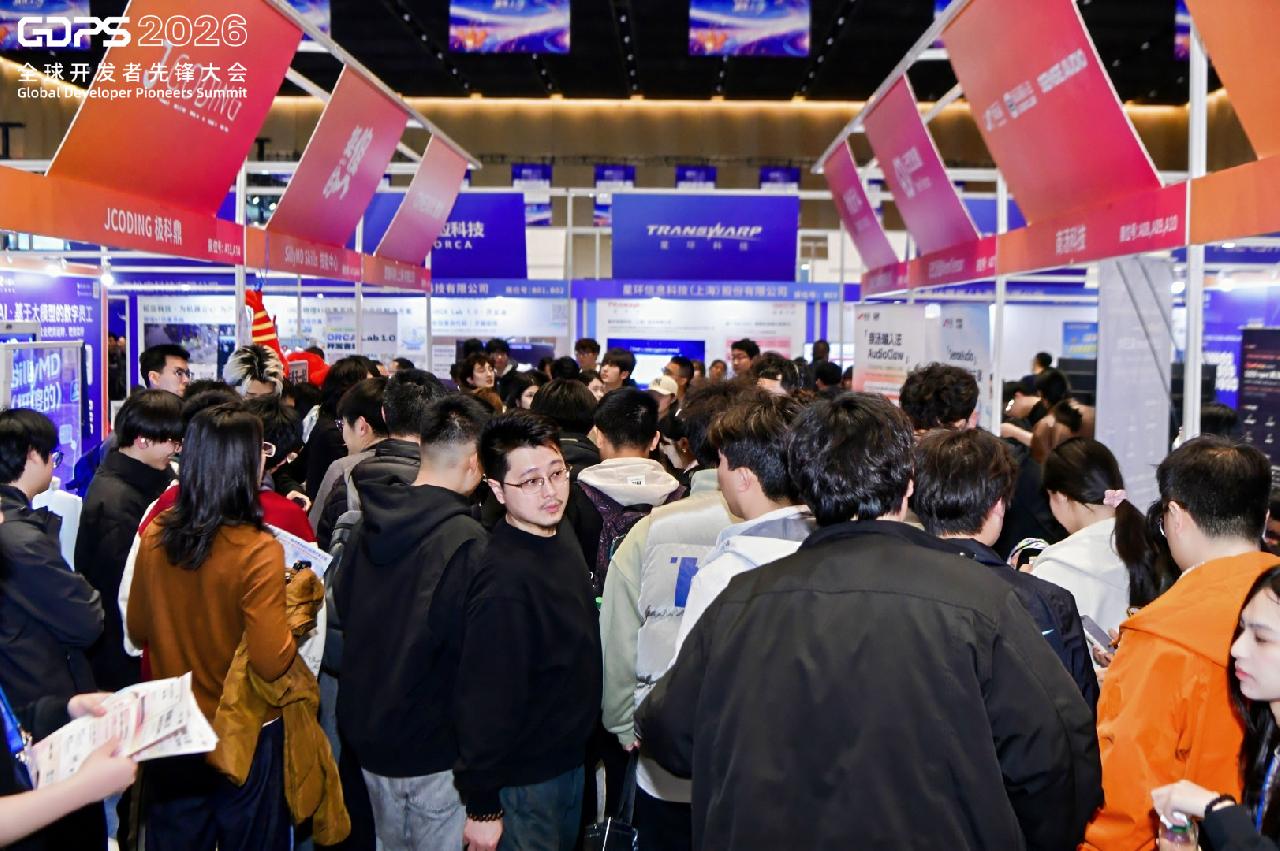
Last weekend, I attended an AI developer event in Xuhui, Shanghai. At the scene, people lined up to "install shrimps" and exchange experiences in "shrimp farming", which was quite popular.

Not only Shanghai, but also "lobster conferences" have been held in many domestic cities such as Beijing, Hangzhou, and Shenzhen during this period. Even many foreign AI enthusiasts and technical experts came here specially. China's "lobster farming" craze also shocked them.

"China's technological development is so fast. I originally thought I knew DeepSeek very well, but I didn't expect that the 'lobster farming' craze has arisen again. I must give it a try." An AI enthusiast from Australia told me at the scene.

Foreign media also quickly followed up and reported this phenomenon. CNN said that the OpenClaw AI agent, known as "lobster farming" in China, has been warmly welcomed by AI enthusiasts and novices. According to an analysis by a New York-based cybersecurity company, China has the largest number of OpenClaw users in the world, and its activity level is twice that of the second-place United States.

Peter Steinberger, the father of "Lobster" and the founder of OpenClaw, has also noticed this wave of "Chinese shrimp farming craze". He said in an interview with Bloomberg: "In the United States, you may be fired if you use OpenClaw; in China, you may be fired if you don't use OpenClaw." He also said that the United States should learn AI applications from China.

外国的龙虾_美国龙虾养殖场_

Why is "lobster farming" so popular in China? I talked with AI enthusiasts and technical experts at home and abroad, and summarized three key words for China’s AI: fast implementation, innovative and lively, and cost-effective.

First, China’s AI is quickly implemented and easy to use.

When "Crayfish" first became popular, many people lined up with their computers to find someone to install it. The installation process seemed very complicated, and there was another big problem: security. Deploying it on a local computer may leak your personal information and bank card account information; if you are not careful, it may also delete your emails or address book.

In response, domestic manufacturers responded quickly and quickly developed multiple crayfish applications deployed in the cloud. In this way: it saves the trouble of local installation, and "raising lobster" is just like downloading and operating a mobile APP, which is simpler; at the same time, it also transfers the security risk from the user's local to the professional platform.

At this AI developer conference, I experienced a "voice-controlled lobster", an installation package of more than 200 MB. If the Internet speed is good, the download and installation can be completed in tens of seconds; when carrying out tasks, it can help you do research and send emails based on your voice commands in Chinese, English, and even Shanghainese, and even recognize your emotions when speaking, automatically triggering tasks.

Now, many AI companies are also trying to put intelligent agents into home appliances, cars and other terminals to make "raising lobsters" easier.

Second, China’s AI innovation atmosphere is full.

I noticed that in this "lobster farming" craze, there are curious people, professionals and corporate decision-makers who are anxious about technology, technical service providers, and content creators who hope to gain traffic from new technologies. Most people have a "want to try" mentality when it comes to new technologies.

At the scene, an AI enthusiast told me: "I have developed it, but I am not very good at it. I want to see what skills everyone has, including their understanding of the paper and making some summaries."

The head of an enterprise's AI department said: "'Lobster' can give us a rough summary of what we do every week, and then generate a draft, which we will revise, which will be much more convenient. It can also help us with meeting minutes and PPT sorting, which we are exploring within the company."

At the same time, many cities such as Shanghai, Shenzhen, and Suzhou also acted quickly, quickly launching subsidy policies for the OpenClaw project and providing financial support to AI "one-person companies" to increase efforts in the transformation and application of new technologies.

外国的龙虾_美国龙虾养殖场_

Third, and most importantly, Chinese AI is cheap and easy to use.

Here, let’s talk about a hot word: token, Chinese name: word element, which is the smallest unit for AI to process information. For example, "I want to raise lobsters" may be cut into several small pieces by the AI ​​​​large model into "I", "want", "raise" and "lobsters" for reading and understanding. Generally speaking, 1.5 Chinese characters or 0.75 English words are approximately equal to 1 word element. The longer you ask and the longer the answer is, the more words are consumed.

In the past, simple questions and answers only required dozens of word elements, but now it is different. The important difference between AI agents such as "Lobster Farming" and chatbots is that they have changed from "answering questions" to "doing work for you". They can answer emails, write code, send to Moments, and complete complex tasks around the clock. As people live more lives, word consumption also skyrockets, and AI agents require millions of words for autonomous execution. In the past six months, the domestic average daily word consumption has increased five times.

What is the key support for such a large-scale consumption of word elements? electricity. The logic behind it can be easily understood as: electricity → drive GPU → calculation → generate word elements. In other words, if there is no electricity, the word units will be zero; the cheaper the electricity, the cheaper the word units will be.

This gives us an advantage. In recent years, China's photovoltaic and energy storage technologies have been iterating rapidly. At the same time, China has also vigorously promoted "computing and electricity synergy" to allow computing power and electricity to "go in both directions" through intelligent technology. Move non-urgent computing power from the east to the west, where green electricity is abundant; at the same time, let the computing power center become a "flexible big battery" that operates at full capacity during the day when photovoltaics are sufficient, and automatically reduces power when power consumption peaks at night. These make senior technical experts from the United States very jealous.

美国龙虾养殖场__外国的龙虾

"In the United States, energy is becoming a very big challenge. Our budget is seriously insufficient and planning is seriously lagging behind, so how to solve this problem is still a huge unknown. Looking at China, the AI ​​ecosystem has huge advantages, such as talent and energy. It is very difficult for other countries to catch up with China," John deVadoss, co-founder of AI company NeuralFabric and former general manager of Microsoft, told me.

The British "Times" recently did some calculations: China's DeepSeek-V3.2 model charges US$0.28 per million words output, while OpenAI's GPT-5.4 in the United States charges US$15, a difference of more than 50 times.

The low price and good experience have made AI agents such as "Crayfish" quickly become popular in China, and large domestic AI models have also become popular. Since February this year, the number of word elements called by China's large AI models per week has surpassed that of the United States. In mid-March, on the global large model aggregation platform OpenRouter, among the top nine most called models, including Shanghai AI large model company MiniMax, Step Star, as well as Xiaomi, DeepSeek and Zhipu, China accounted for five of them.

"My answer is that this is not just a matter of pricing, but also an economic consideration. The large models released by Chinese AI companies such as Moonshot are at the top level. The models are very powerful and easy to use, so if you are using an agent like OpenClaw, there is no need to call large foreign models. Their word unit charges are very expensive," said John Devados.

Looking back, this is not the first time that waves of new technologies, from mobile payments to new energy vehicles, have been rapidly implemented and spread in China in recent years. Therefore, it is not surprising that "lobster farming" has become popular. It is another vivid manifestation of the rapid implementation of AI technology in China. However, in my opinion, the excitement is still excitement. While major AI manufacturers and research institutions are focusing on application, they still have to pay enough attention to basic research. For ordinary "shrimp farmers", amid the craze, they must always tighten their security strings to face risks such as data leakage and out-of-control AI behavior.

Are you planning to "raise lobsters"? Welcome to leave a message in the comment area.

Look at the news reporter: Kim Bo Kyung

Sign In

Forgot Password

Sign Up