Professional virtual currency information station welcome
We have been making efforts.

24-hour news update Page 12

24-hour cryptocurrency news update

Energy Storage Exhibitions Are Booming And China Becomes The Global Leader

More than 800 exhibitors and six themed exhibition halls will feature cutting-edge technologies and products such as solid-state batteries, AI large models, and large-capacity batteries. At the recently held 14th Energy Storage International Summit and Exhibition (ESIE 2026), the core forces of the global energy storage industry chain gathered together, becoming an important window for observing the development of my country's new energy storage industry.

At present, my country's new energy storage industry, driven by the improvement of policy mechanisms, technological innovation breakthroughs and the explosion of market demand, is deeply integrated into the construction of new power systems, becoming an important support for new energy consumption and green and low-carbon development.

The "Energy Storage Industry Research White Paper 2026" released by the Zhongguancun Energy Storage Industry Technology Alliance (CNESA) at the conference pointed out that by the end of 2025, China's cumulative installed capacity of new energy storage reached 144.7GW, accounting for more than half of the global market for the first time, accounting for 51.9%, indicating that China's energy storage industry has grown from a "follower" to a "leader" in the global market.

From the perspective of installed capacity structure, new energy storage accounts for more than two-thirds of the total scale of domestic power energy storage, an increase of 45 times compared with the end of the “13th Five-Year Plan”. The new operational scale in 2025 will reach 66.4GW/189.5GWh, with power scale and energy scale increasing by approximately 52% and 73% year-on-year respectively, ranking first in the world for four consecutive years.

It is worth noting that this growth rate was achieved in the context of the policy orientation shifting from "mandatory allocation of reserves" to "market-based use of reserves", indicating that the endogenous power of the industry is increasing and the market mechanism is beginning to play a leading role.

At the beginning of 2025, the National Development and Reform Commission and the National Energy Administration issued the "Notice on Deepening the Market-Based Reform of New Energy On-grid Prices to Promote the High-Quality Development of New Energy" which canceled the mandatory allocation and storage requirements for new energy projects and pushed energy storage from a "cost item" under administrative orders to a "value item" in market competition.

Since the beginning of this year, the policy baton has continued to work. In January 2026, the National Development and Reform Commission and the National Energy Administration jointly issued the "Notice on Improving the Power Generation Side Capacity Price Mechanism", which for the first time clearly established a grid-side independent new energy storage capacity price mechanism at the national level. This policy is called "reassurance" in the industry, giving energy storage power stations stable income expectations and effectively stimulating the investment enthusiasm of social capital.

The performance of listed companies confirms this trend. According to statistics from the Securities Times, as of early April 2026, based on the lower limit of net profit attributable to parent companies in 2025 annual reports, performance reports, and forecasts, there are 23 energy storage concept stocks with year-on-year growth in net profit attributable to parent companies in 2025 (including turning losses into profits), and the overall profitability of the energy storage industry chain is improving.

With the gradual implementation of the multiple revenue model of "electric energy + capacity compensation + auxiliary services", the profit model of energy storage projects has become increasingly clear. Liu Deshun, chief engineer of the National Energy Administration, said at the "ESIE 2026" conference that he will speed up the improvement of the market mechanism for new energy storage, improve the electricity price mechanism for new energy storage capacity, establish a reliable capacity compensation mechanism in an orderly manner, and guide the rational development of new energy storage.

Looking to the next stage, many research institutions have a positive attitude towards the development of the energy storage industry in 2026.

A research report released by Industrial Securities believes that the energy storage segment will be booming in 2026. With the implementation of the energy storage capacity electricity price policy, the industry will accelerate growth based on the triple dividends of policy, rigid demand, and economics. What deserves particular attention is that in the context of the large-scale development of AI data centers, energy storage is becoming a key support to ensure their stable operation.

KPMG pointed out in "Global Technology Report 2026: Energy Industry Insights" that the fields of new energy storage and all-solid-state batteries will usher in an explosion, regulating resources will transform from auxiliary means to key elements supporting new power systems, and the energy consumption structure will jump to the main body of green energy.

The Zhongguancun Energy Storage Industry Technology Alliance predicts that after experiencing explosive growth in the early stage, the industry will enter a growth rate shift period, but the huge base will still generate considerable absolute increments.

Facing the "15th Five-Year Plan", with the deepening of power market reform and continuous breakthroughs in diversified technological routes, new energy storage is expected to play an increasingly important role in ensuring energy security and promoting green and low-carbon transformation.

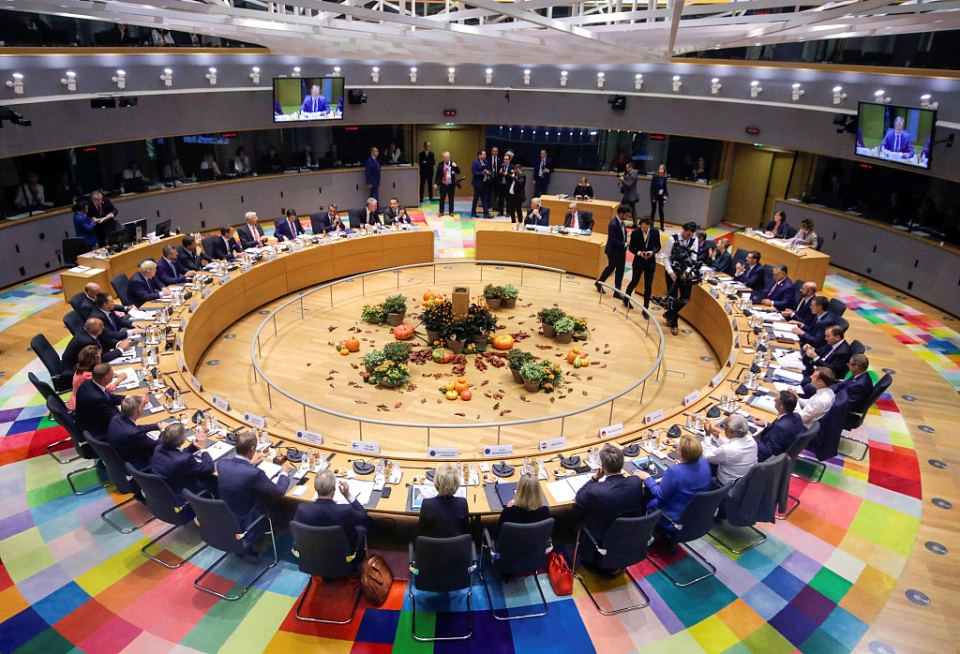
Computing Chips And Satellites Are The Key To The Explosion Of Space Computing Industry

With the explosive growth in demand for artificial intelligence computing power and the accelerated deployment of low-orbit satellite constellations around the world, space computing power has become a new frontier in global technological competition and is at a critical stage from technology verification to large-scale deployment.

"Space computing power involves many fields such as computing power chips, inter-satellite communications, energy supply and cooling, and satellite manufacturing." Recently, at the 2026 Space Computing Power Industry Conference held in Beijing Economic Development Zone (Yizhuang), Zhao Ce, deputy director of the Information and Communications Development Department of the Ministry of Industry and Information Technology, pointed out that space computing power has many advantages such as on-orbit real-time processing, low-cost energy, and wide-area coverage. It can help improve "days" processing efficiency, enhance space energy development capabilities, expand network application boundaries, and has strategic value and industrial prospects.

Carry out special demonstration of space intelligent computing power constellation

In recent years, my country has gradually carried out the construction and pilot verification of space computing power networks, accelerated technological research on spaceborne intelligent computing chips and inter-satellite laser communications, carried out multiple constellation networking plans in an orderly manner, conducted on-orbit verification of test satellites, steadily advanced the on-orbit deployment of large models, deepened cooperation between "industry, academia and research", and gradually built an industrial ecosystem.

Yu Guobin, deputy director of the Commercial Space Department of the State Administration of Science, Technology and Industry for National Defense, revealed at the meeting that the China National Space Administration took the lead in holding a special demonstration launch meeting and expert group meeting for the space intelligent computing power constellation, and relevant work is currently being carried out in an orderly manner.

Yu Guobin said that developing space computing power is a strategic choice to break through the bottleneck of ground computing power and ensure the sustainable development of the digital economy.

Specifically, traditional terrestrial data centers face multiple bottlenecks such as high energy consumption, tight land resources, high cooling costs, and limited coverage. They are no longer able to meet the future ultra-large-scale, green, low-carbon, and full-area coverage computing power needs. The development of space computing power can fundamentally break the energy and space constraints of terrestrial computing power and provide a zero-carbon, green, sustainable, and wide-coverage new computing power supply for the digital economy.

It is worth mentioning that the space intelligent computing power constellation can also achieve seamless global coverage and integrated interconnection of space and earth, providing real-time intelligent space-based information services for emergency disaster relief, ocean observation, aviation shipping, polar scientific research, etc.

Prospective layout to promote the development of space computing industry

"We must not only seize the potential opportunities of space computing power as an emerging industry, but also actively respond to challenges in chip performance, inter-satellite communications, energy supply and heat dissipation, strengthen system planning, make forward-looking layouts, deepen industry cultivation, further collaborate to tackle difficulties, and promote the development of the space computing power industry in a solid and orderly manner," Zhao Ce said.

He suggested deepening departmental collaboration, organizing research and judgment on technological evolution and industry trends, planning policies and measures to guide the construction and application of space computing power, and strengthening institutional guarantees.

At the same time, we will strengthen innovation drive and accelerate technological research and engineering verification. Support relevant units to actively carry out forward-looking research on space computing power technology, gradually establish a standard system covering software and hardware, network, security and other aspects, promote the research and development of spaceborne radiation-resistant chips, inter-satellite laser communications and other technologies and products, improve full-stack technical capabilities, and consolidate the foundation for industrial development.

Zhao Ce also proposed to strengthen application traction and cultivate application scenarios and service models. This includes exploring space computing power applications around real-time remote sensing processing, communication enhancement, spatio-temporal information and other scenarios, and exploring integrated service innovations in "navigation and remote computing"; supporting on-orbit data processing in fields such as low-altitude economy and emergency communications, and accelerating technology iteration and business cycles through practical scenario applications; promoting the integrated development of computing power and satellite Internet, and accelerating the ecological cultivation of the space computing power industry.

At the meeting, the "Space Computing Power Professional Committee", the industry's first space computing power industry collaboration platform, was formally established. "Space computing power is the extension and integration of terrestrial industries in space. It is the cutting-edge layout for building a global ubiquitous computing power network and will strongly support the high-quality development of applications such as artificial intelligence." Li Jie, deputy director of the Cloud Research Institute of the China Academy of Information and Communications Technology, said that the committee will promote relevant work around strategic research, technical research, and standard development.

In addition, the "Beijing Space Computing Power Innovation Center" was launched at the meeting to build a key technology innovation platform. The Beijing Economic and Technological Development Zone also officially released the “Key Common Technology Research List of Space Computing Power”, focusing on the core links of the industrial chain and further driving technological breakthroughs based on real industry needs.

Gene Chip Low Cadmium No. 1 Released, 5 Years Of Research And Development To Overcome The Problem Of Cadmium Pollution In Wheat

People's Daily Online, Beijing, April 7 (Reporter Zhao Zhuqing) Reporters learned from the Institute of Geographical Sciences and Natural Resources of the Chinese Academy of Sciences that recently, the national key research and development plan "Research and Industrialization of Low-Cost and Long-term Treatment Technology and Equipment for Heavy Metal Contaminated Farmland", led by the Institute and participated by Northwest A&F University and other units, has reached a milestone. As one of the landmark achievements of the project, the 60K liquid phase gene chip "Low Cadmium No. 1" was officially released in Beijing.

Cadmium is a carcinogen. Long-term intake of wheat with excessive cadmium will damage kidneys, bones and other organs, seriously threatening human health. However, traditional screening of low-cadmium wheat varieties relies on phenotypic identification, which is not only time-consuming and labor-intensive, but also low in accuracy, making it difficult to meet the needs of large-scale production.

It is to solve this problem that "Low Cadmium No. 1" came into being. According to the project team, the chip took five years to develop and is the first gene chip to focus on detecting the absorption and accumulation characteristics of heavy metal ions such as cadmium in wheat. It integrates more than 60,000 core genetic marker loci and constructs a genome-wide genetic marker network covering more than ten metal ion-related gene loci such as cadmium, arsenic, lead, etc., enabling "panoramic" scanning of heavy metal ion accumulation and other traits, and assisting in the breeding of personalized varieties such as low cadmium.

Not only that, "Low Cadmium No. 1" also realizes "one core for multiple purposes". In addition to sites related to heavy metal accumulation, the chip also covers sites related to agronomic traits such as yield, quality, and disease resistance, which can meet the needs of various application scenarios such as ecology and agronomy.

In terms of detection efficiency and accuracy, "Low Cadmium No. 1" has established an efficient "data-decision-making" system. Based on more than 440 wheat genome resequencing core germplasm populations, the team integrated big data information on grain cadmium content and key agronomic traits, and built an efficient "phenotype-effect value" correlation model. Through chip detection, it can achieve quantitative prediction of the estimated breeding value of the target trait genome. Researchers can identify germplasm with both low cadmium and excellent agronomic traits in advance during the wheat seedling stage, turning complex trait identification into one-click output, significantly improving decision-making efficiency and accuracy.

Liao Xiaoyong, chief scientist of the project and researcher at the Institute of Geographic Sciences and Natural Resources of the Chinese Academy of Sciences, said that the research and development and application of this chip can help my country's low-cadmium wheat variety selection to leapfrog from traditional methods to high-efficiency and intelligent methods, provide strong technical support for my country's targeted wheat variety selection and efficient resource utilization, and ensure national food security and green and healthy production.
At present, "Low Cadmium No. 1" has completed the transformation of technological achievements and can meet the testing needs of large-scale wheat samples, laying a solid foundation for subsequent industrial applications.

China's Advertising Revenue Will Exceed 2 Trillion In 2025 Internet Advertising Is Growing Rapidly

People's Daily Online, Beijing, April 7 (Reporter Sun Boyang) Data released by the State Administration for Market Regulation show that in 2025, the advertising business revenue of national public institutions and enterprises above designated size will exceed 2 trillion yuan for the first time, reaching 2050.21 billion yuan, "double" the revenue scale in 2020, with an average annual growth rate of 16.8%.

Data released by the State Administration for Market Regulation shows that digital intelligence technology has become the core engine of industrial growth. Internet advertising business revenue was 1.35743 billion yuan, an increase of 34.6% over the previous year, accounting for 66.2% of advertising business revenue. From the perspective of advertising publishing, Internet advertising revenue was 1.25184 billion yuan, accounting for 89.1% of the advertising revenue of various media.

Data shows that there are more than 1,400 business entities with advertising business income of more than 100 million yuan, and the total profits and taxes have grown steadily. The advertising business revenue of leading Internet platforms grew by more than 36.1%, becoming an important force driving the development of the industry, and the scale and efficiency of operating entities increased simultaneously.

The data also shows that the development of the eastern, central and western regions is more balanced, with advertising business revenue in 19 provinces across the country exceeding 10 billion yuan. Among them, the revenue of the four provinces and cities of Beijing, Shanghai, Guangdong and Zhejiang totaled 1.40418 billion yuan, accounting for 68.5% of the country's total, which was 5.5 percentage points lower than the end of the "13th Five-Year Plan" period. The regional development is more balanced.

The relevant person in charge of the State Administration for Market Regulation said that my country's advertising industry has maintained rapid development, which reflects the positive expectations of enterprises and market consumer confidence, and provides professional support for the construction of a modern industrial system.

China's Services Trade Data At The Beginning Of 2026: Imports And Exports Fell By 3.9%, And The Proportion Of Knowledge-intensive Industries Increased

People's Daily Online, Beijing, April 7 (Reporter Sun Hongli) According to the website of the Ministry of Commerce, the person in charge of the Department of Trade in Services of the Ministry of Commerce introduced the development of service trade from January to February 2026 and said that from January to February, my country's total service import and export volume was 1.14307 billion yuan (RMB, the same below), a year-on-year decrease of 3.9%. Among them, exports were 442.49 billion yuan, an increase of 4.7%; imports were 700.58 billion yuan, a decrease of 8.7%. The service trade deficit was 258.1 billion yuan, 86.52 billion yuan smaller than the same period last year. It mainly presents the following characteristics:

The proportion of imports and exports of knowledge-intensive services has increased. From January to February, the import and export of knowledge-intensive services was 486.27 billion yuan, a decrease of 3.2%, accounting for 42.5% of the total service import and export, an increase of 0.3 percentage points from the same period last year. Among them, the export of knowledge-intensive services was 248.23 billion yuan, an increase of 2.4%; the import of knowledge-intensive services was 238.04 billion yuan, a decrease of 8.4%.

Travel, other business services and transportation rank among the top three in terms of scale. From January to February, travel import and export reached 362.59 billion yuan, a decrease of 11.8%, making it the largest field of service trade in my country; of which exports were 60.96 billion yuan, an increase of 22.5%, and imports were 301.63 billion yuan, a decrease of 16.5%. The import and export volumes of other commercial services and transportation were 272.32 billion yuan and 212.23 billion yuan respectively.

It is reported that according to the new version of the "International Trade in Services Statistical Monitoring System" jointly released by the Ministry of Commerce, the National Bureau of Statistics, and the State Administration of Foreign Exchange in January 2026, new statistical methods will be adopted from January to February 2026 for the compilation of service import and export data, mainly involving seven fields including transportation services, other commercial services, financial services, construction services, telecommunications computers and information services, personal culture and entertainment services, and processing services.

China's Foreign Exchange Reserves Remain Stable At US$3.3 Trillion, And Gold Reserves Have Increased For 17 Consecutive Months

People's Daily Online, Beijing, April 7 (Reporter Du Yanfei) Data released today by the State Administration of Foreign Exchange show that as of the end of March 2026, my country's foreign exchange reserves have continued to stabilize at more than 3.3 trillion US dollars, and gold reserves have increased for 17 consecutive months.

Data show that as of the end of March 2026, my country's foreign exchange reserves were US$3,342.1 billion, a decrease of US$85.7 billion from the end of February, a decrease of 2.5%.

"In March 2026, affected by factors such as the global macro-environment, monetary policies and expectations of major economies, the U.S. dollar index rose and the prices of major global financial assets fell. The combined effect of exchange rate conversion and asset price changes and other factors led to a decrease in the scale of foreign exchange reserves that month." The relevant person in charge of the State Administration of Foreign Exchange said that my country's economic operation is generally stable and making progress, and high-quality development has achieved new results, providing support for the maintenance of basic stability in the scale of foreign exchange reserves.

Wen Bin, chief economist of Minsheng Bank, believes that since the beginning of this year, my country's export performance has far exceeded expectations, with a year-on-year growth rate of 21.8% from January to February. This is not only a reflection of the strength of foreign trade, but also the result of the diversification of my country's export market and the upgrading of the export commodity structure. In the context of oil prices affecting the global production and supply chain, my country's advantages in new energy manufacturing and the entire industrial chain have become more prominent. In terms of cross-border capital flows, as my country's service industry access continues to expand, institutional opening up steadily deepens, and the level of cross-border investment and financing facilitation continues to improve, foreign direct investment will maintain smooth operation; the valuation advantages and allocation value of RMB assets are highlighted, and securities investments will continue to inflow at a reasonable scale.

Gold reserves are an important part of the diversified composition of international reserves. Reserve asset data released by the State Administration of Foreign Exchange on the same day showed that as of the end of March 2026, my country's gold reserves were 74.38 million ounces, an increase of 160,000 ounces from the end of February, marking the 17th consecutive month of increasing gold holdings.

Industry insiders said that the People's Bank of China's continued increase in gold holdings will help diversify the foreign exchange reserve asset portfolio and ensure the safety and liquidity of foreign exchange reserves. At the same time, gold is a widely accepted means of final payment in the world. The People's Bank of China's increase in gold holdings enhances the credit of the sovereign currency and creates favorable conditions for steadily and prudently promoting the internationalization of the RMB.

The World Gold Council stated that in today's world situation, the role of gold as an effective portfolio diversification tool and uncertainty buffer tool has emerged.

Nearly 3,000 Quality Service Stations Have Been Built Across The Country, Saving Companies More Than 5.4 Billion.
People's Daily Online, Beijing, April 7 (Reporter Hao Shuai) According to the website of the State Administration for Market Regulation, recently, the State Administration for Market Regulation released data showing that during the "14th Five-Year Plan" period, the State Administration for Market Regulation vigorously promoted the development of "one-stop" services for quality infrastructure, organically integrating measurement, standards, certification and accreditation, inspection and testing and other elemental resources. Various quality infrastructures have been built across the country. There are 2,984 "one-stop" service platforms for infrastructure, which have served more than 5.2 million enterprises, solved about 380,000 technical problems, and saved enterprises about 5.47 billion yuan. They have achieved positive results in serving the park economy, regional development, and improving the quality of the industrial chain and supply chain, and have formed a series of service models and experiences that can be replicated and promoted.


In terms of serving the park economy, various localities have directly embedded quality technical services into industrial parks, allowing enterprises to obtain professional support such as measurement, standards, inspection and testing, certification and accreditation without leaving the park, significantly reducing the cost and time cost of obtaining quality services, and promoting the overall improvement of the development level of the park. In terms of serving regional development, the "one-stop" service platform systematically integrates quality infrastructure element resources in the region to provide all-factor and full-chain services for upstream and downstream enterprises in key regional industrial chains. While lowering the service threshold for enterprises, it drives relevant technical institutions and industrial chain enterprises to gather and settle, and promotes the cultivation of regional industrial clusters with strong quality competitiveness. In terms of service industry chain supply chain quality linkage improvement, the "one-stop" service platform focuses on the common quality technology needs of specific industry chains, promotes the integration of measurement, standards, inspection and testing, certification and accreditation and other elements into key links of the industry chain, builds a chain quality collaborative service model, and supports the significant improvement of the quality level of enterprises in the chain and the supply chain resilience.

In 2025, based on summarizing local practices, the State Administration for Market Regulation will promote the extension of "one-stop" services to the new generation of information technology industry, issue special technical guides, organize experts to conduct research, guidance and assistance on 5G, big data, artificial intelligence and other industries, and provide various big data centers and computing power centers with precise services such as measurement testing, standard development, inspection, testing and certification to help the efficient operation of new digital infrastructure. In the next step, the State Administration for Market Regulation will accelerate the construction of a quality infrastructure public service platform, promote the upgrading of quality infrastructure services from "one-stop" to "integrated", and promote the construction of a good industrial ecosystem with quality management collaboration, quality resource sharing, and complementary technological advantages.

92 Graduate Students Settled In The Saline-alkali Land Of The Yellow River Delta, And New Farmers Came

People's Daily Online, Beijing, April 7 (Reporter Zhao Zhuqing) Recently, the Yellow River Delta National Agricultural High-tech Industrial Demonstration Zone (hereinafter referred to as the Agricultural High-tech Zone) welcomed a special group of "new farmers" – 92 graduate students from Qingdao Agricultural University officially settled in the National Saline-alkali Land Comprehensive Utilization Technology Innovation Center. Under the guidance of more than 50 instructors from 12 colleges including Agricultural Sciences, Resources and Environment, and Food Science and Engineering, they will move their laboratories to the fields to carry out scientific research on the frontline of saline-alkali land management.

"Move the talent training position to the front line of scientific research on the comprehensive utilization of saline-alkali land." Zhao Jinshan, deputy secretary of the Party Committee and President of Qingdao Agricultural University, said at the move-in ceremony. Du Guangxuan, deputy secretary of the Party Working Committee of the Huangjiao Agricultural High-tech Zone, regarded this move as an important measure for the school and the local government to jointly shoulder the mission of being the "biggest person in the country".

For a long time, there has been a “wall” between university scientific research and industrial needs. The purpose of this move is to break this boundary: students will form interdisciplinary teams in the fields of saline-alkali land biological breeding, production capacity improvement, ecological restoration, etc., and implement the project organization model of "revealing the list and taking charge" and "the subject comes from the front line, and the results go to the front line". The Nonggao District has equipped teachers and students with scientific research experimental platforms, field test bases and "one-stop" living facilities.

"It is necessary to completely break the 'wall' between the campus and the park, allowing students to find projects in the fields and test results on the front lines of industry." Zhao Jinshan put forward three hopes for the first batch of settled students: to care about their country and become "new farmers" with feelings; to be brave in innovation and become capable "scientific research pioneers"; to integrate knowledge and action to become responsible "pillars of the future."

From the campus classroom to the saline-alkali wasteland, these young students with scientific research missions taking root on the front line are the living "seeds" of school-site collaboration to empower national food security. In the future, Qingdao Agricultural University and the Yellow River Delta Agricultural High Zone will rely on the national innovation platform to jointly promote the "four chains" of education chain, talent chain, industrial chain, and innovation chain, cultivate a large number of agricultural science and technology talents who can be retained, used, and perform well for the country, write papers on the land of the Yellow River Delta, and leave the results on the front line of saline-alkali land management.

The EU Holds A Meeting To Assist Ukraine With 90 Billion, But The Money And Time Are Uncertain

Orban: "One man can't stop ten thousand people"? 26 countries gathered in Kiev, but no good news came out. Zelenskiy’s request was rejected by the EU.

_26国齐聚基辅,凑不出一条好消息_26国齐聚基辅,凑不出一条好消息

EU meeting

On March 31, EU High Representative for Foreign Affairs and Security Policy Karas led many foreign ministers and diplomats to visit Ukraine, held an EU informal foreign ministers' meeting in Kiev, and commemorated the fourth anniversary of the "Bucha massacre" and reiterated support for Ukraine.

Ukrainian President Zelensky attended the meeting and held talks with Karas and others, focusing on discussions on 90 billion euros in loans to Ukraine, pressure on Russia and negotiations on Ukraine's accession to the EU.

The atmosphere of this meeting was very strange. On the one hand, the EU promised to provide 90 billion euros in loan assistance to Ukraine, but on the other hand, the EU was unable to give Ukraine a clear funding time. On the one hand, the EU expressed support for Ukraine's entry into the EU, but on the other hand, the EU refused to clarify Ukraine's timetable for joining the EU. On the one hand, the EU claims to support providing assistance to Ukraine, but on the other hand, about half of the foreign ministers of EU member states who participated in the meeting did not attend.

26国齐聚基辅,凑不出一条好消息_26国齐聚基辅,凑不出一条好消息_

Zelensky and Karas

This is an informal EU foreign ministers' meeting, but as a member of the EU, Hungary's Foreign Minister Szijjarto explicitly refused to visit Ukraine and attend the meeting. The US "Political News Network" also pointed out that about half of the EU member states either did not participate in the visit, or only sent diplomats instead of foreign ministers.

Zelensky and Karas focused on the issue of the EU passing 90 billion euros in aid to Ukraine as soon as possible, but Karas also said in an interview that the EU "has some obstacles" in providing 90 billion euros in loan assistance to Ukraine and passing the 20th round of sanctions against Russia, and "cannot announce any good news." At the same time, she also said that the EU will provide Ukraine with another 80 million euros in aid from the proceeds of Russia's frozen assets, but it is currently unable to give a clear date for Ukraine to join the EU.

From the above information, it is almost easy to see that the EU's commitment to Ukraine is more of a commitment than actual assistance.

_26国齐聚基辅,凑不出一条好消息_26国齐聚基辅,凑不出一条好消息

EUR

So why is this situation happening now?

First, there are the EU’s institutional knots and the equal sharing of responsibilities and powers. Major financial and diplomatic matters of the EU require the unanimous consent of all members, and any country's objections can directly block the process.

When the EU proposed this 90 billion euro loan aid plan at the end of 2025, Hungary, Slovakia, the Czech Republic and other countries firmly disagreed. Later, the EU conducted separate negotiations with these countries and promised that the loan did not need to be provided by these countries, which prompted the proposal to be passed without objection within the EU.

However, in February 2026, news suddenly came out that the Ukrainian section of the Russia-EU "Friendship" oil pipeline was bombed. Ukraine claimed that Russia had attacked the pipeline, and Russia claimed that Ukraine had destroyed the pipeline. In view of the situation where both sides insist on different opinions, Hungary and Slovakia, as the biggest victims of this incident, naturally do not believe Ukraine's rhetoric.

_26国齐聚基辅,凑不出一条好消息_26国齐聚基辅,凑不出一条好消息

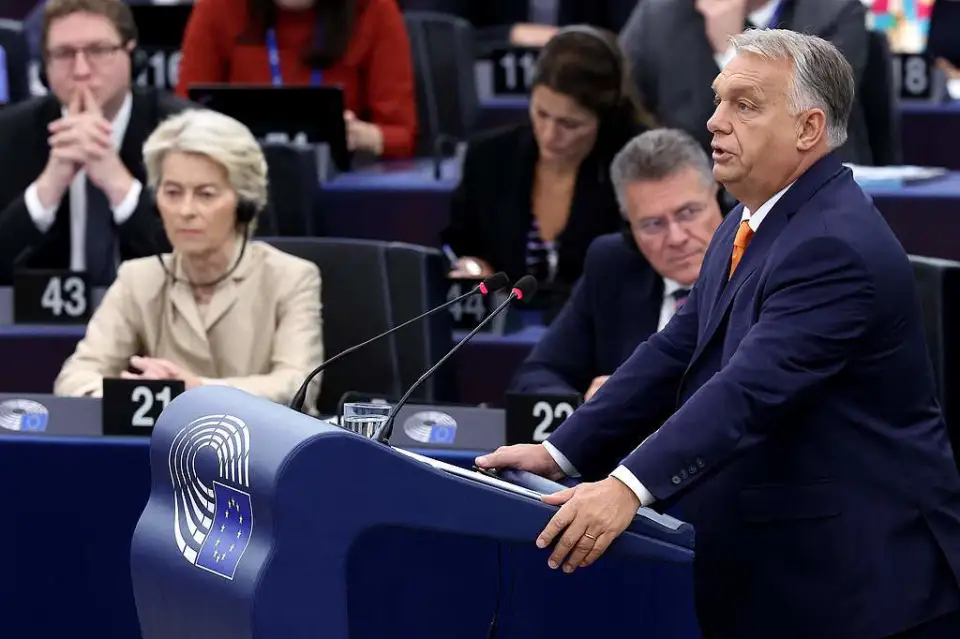
Orban and von der Leyen at EU summit

Therefore, the two countries directly announced that if Ukraine does not repair the oil pipeline as soon as possible, the EU will not pass the 90 billion loan assistance plan for Ukraine. Faced with threats from both countries, Zelensky chose to be tough and refused to repair the pipeline.

So we see now that the EU is in trouble over the 90 billion euros in loan assistance to Ukraine. To put it bluntly, the fundamental reason for the failure of the European aid plan to Ukraine is the EU's institutional shortcomings. Hungary and Slovakia have stayed out of the EU's aid to Ukraine, but they can control the overall decision-making to satisfy their own interests.

Secondly, there is a serious imbalance of interests within the EU. Hungary and Slovakia are highly dependent on Russian oil. Now that their oil pipelines have been blown up, the EU has failed to provide effective solutions to these two countries. Instead, it has blindly pressured the two countries to pass aid plans for Ukraine. This kind of "parents" who do not solve the problem but instead put pressure on the victims will naturally be opposed and disgusted by Hungary and Slovenia.

In addition, what everyone is more concerned about is that since other EU countries want to assist Ukraine so much, why don't they provide peer-to-peer assistance themselves? This question is a good one, but it also ignores the reality.

It is not that EU member states have provided point-to-point assistance to Ukraine, and they have continued to do so. It can be said that a large part of the assistance Ukraine has received so far has been provided by individual countries to assist Ukraine.

Regarding this 90 billion euro loan assistance, the EU chose collective action for a very practical reason, that is, to avoid uneven responsibility. EU member states range from large to small, and some have a positive attitude towards Ukraine and some have no interest in Ukraine. If EU countries are allowed to provide this loan assistance to Ukraine on their own, then large countries such as Germany and France will bear more, while Hungary, Slovakia and other small countries and countries that have no interest in Ukraine will bear less.

26国齐聚基辅,凑不出一条好消息__26国齐聚基辅,凑不出一条好消息

Conflicts within the EU

In addition, this 90 billion euros of aid to Ukraine is mandatory from the EU in the form of low-interest loans or interest-free loans. If member states are allowed to provide it on their own, there may be different loan interest rates, different loan amounts, different aid times, etc., which will make Ukraine unable to make financial planning at all.

Therefore, the EU must allocate loan quotas according to the GDP of member states in a mandatory low-interest or no-interest manner. All member states are forced to provide loan assistance to Ukraine on time, according to the quota, and at accurate interest rates. This can ensure that the Ukrainian regime can continue for a long time.

Finally, the EU as a whole has two sides to the Russia-Ukraine conflict. The reason why the EU rejected Zelensky's request for a clear timetable for EU entry is largely due to the EU's overall dual understanding of the Russia-Ukraine conflict.

26国齐聚基辅,凑不出一条好消息_26国齐聚基辅,凑不出一条好消息_

Zelensky

For example, German Chancellor Mertz has publicly stated that it is absolutely impossible for Ukraine to join the EU in 2027. Ukraine must meet the "Copenhagen standards" (democracy and rule of law, anti-corruption, economic transformation, etc.) before it can join the EU.

The European Commission's report clearly stated that Ukraine has lagged behind in reform areas such as anti-money laundering and national risk assessment and will not be able to meet the standards in the short term.

Countries such as Hungary clearly oppose Ukraine's rapid accession to the EU, believing that accepting Ukraine in a state of war is tantamount to "introducing conflict into the EU" and poses security risks.

France and other core EU countries are also cautious about Ukraine joining the EU and are considering letting Ukraine complete reforms and end the war before discussing a timetable for EU accession.

26国齐聚基辅,凑不出一条好消息_26国齐聚基辅,凑不出一条好消息_

Russia-Ukraine conflict

To put it bluntly, although the EU supports Ukraine joining the EU, it also understands that Ukraine in a state of war will only bring more trouble and division to the EU, which is by no means a good thing.

Therefore, this time the 26 EU countries gathered in Kiev and failed to come up with a piece of good news, this is not accidental but inevitable.

Vietnam Breaks The Four-horse Carriage Pattern, With Su Lin Serving As General Secretary And President Of The Country

当前越南权力结构解读_越南权利_

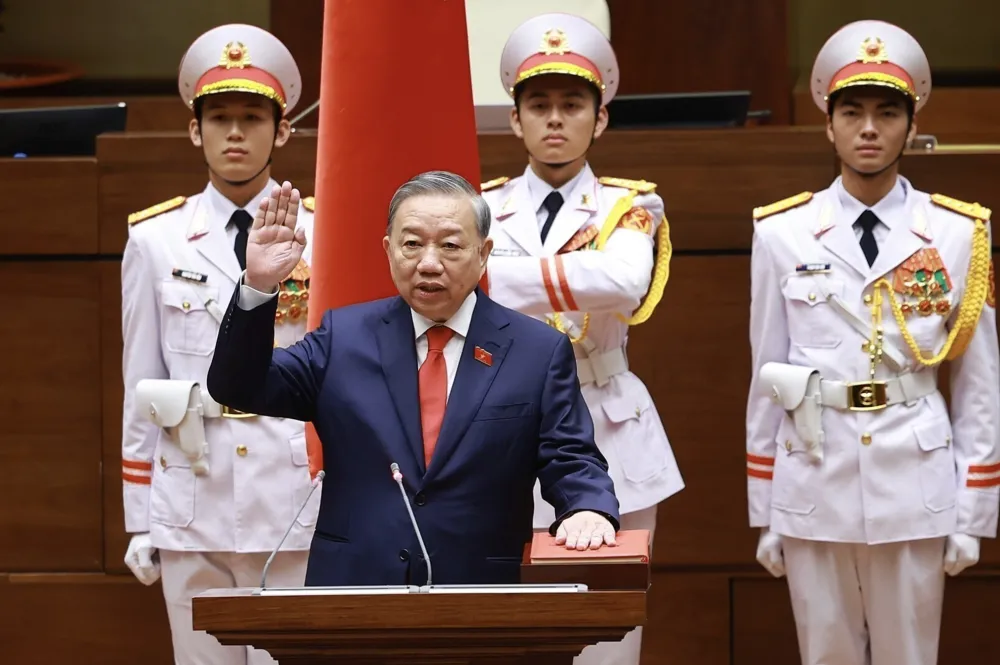
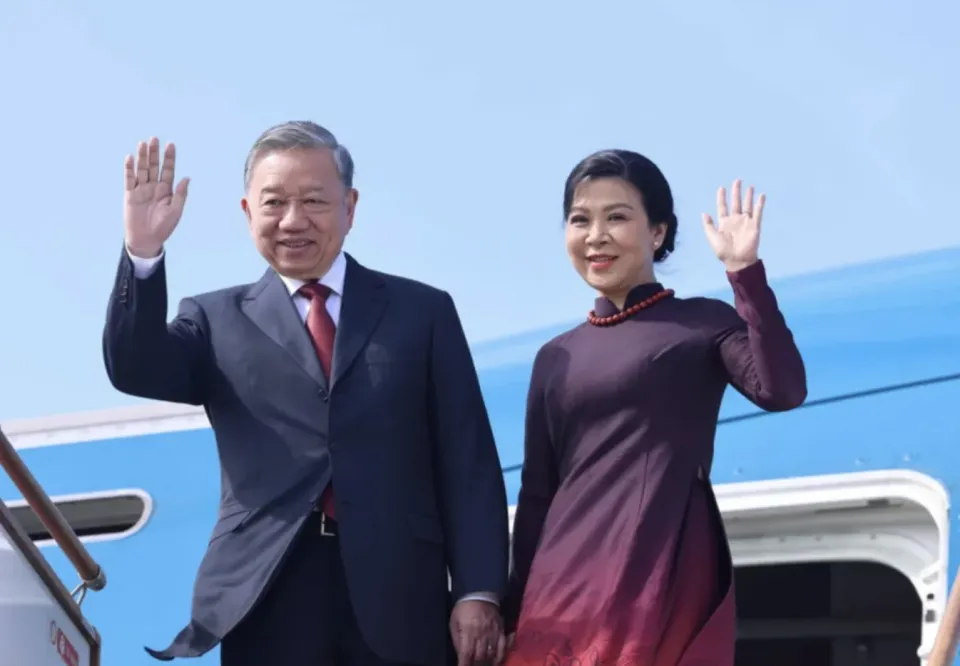
Vietnam, a Southeast Asian country, has elected a new senior leadership team, which heralds the basic end of the power transition initiated by the 14th National Congress of the Communist Party of Vietnam. A key change in the leadership structure of the Vietnamese party and state this time is that the General Secretary of the Communist Party of Vietnam Su Lin also serves as the president of the country, which means that the "four carriages" power structure that Hanoi insisted on in the past has been broken. This not only consolidates To Lam's position as Vietnam's most powerful leader, but will also have a profound impact on this rapidly developing country.

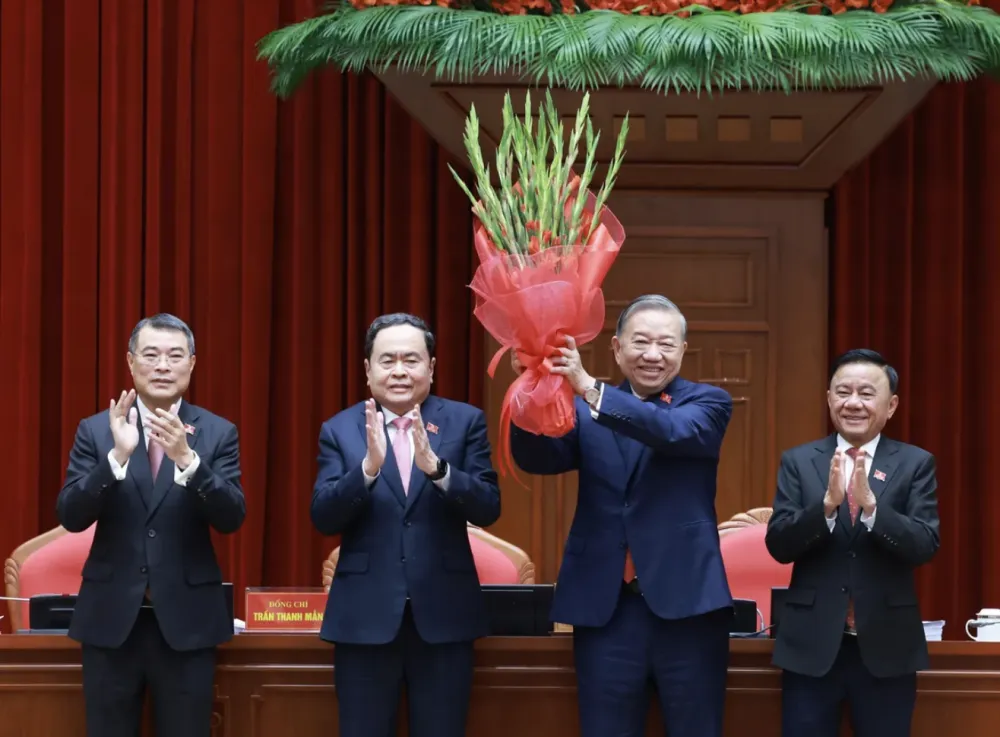
The first session of the 16th National Assembly of Vietnam opened on Monday (April 6). A new senior leader has been elected. They are: President Su Lin, Prime Minister Lim Hing, and National Assembly Chairman Tran Thanh Min. Among them, Su Lin is the General Secretary of the Communist Party of Vietnam, Lim Hung is a member of the Political Bureau of the Central Committee of the Communist Party of Vietnam and the Minister of Organization of the Central Committee, and Tran Thanh Min is a member of the Political Bureau of the Central Committee of the Communist Party of Vietnam and will serve as the Chairman of the 15th National Congress from May 2024. According to Vietnamese regulations, the current standing secretary of the Secretariat of the Communist Party of Vietnam Central Committee, Chen Jinxiu, also belongs to this level of leaders.

当前越南权力结构解读_越南权利_

Toulin is the first person to hold the top leadership positions of the Party and the country through the normal leadership election process within the Viet Cong Party, rather than by appointing a successor. The General Secretary of the Communist Party of Vietnam is the most powerful person, and the President is the ceremonial head of state. This situation of holding two positions is very rare in Vietnamese history. Former General Secretary of the Communist Party of Vietnam Nguyen Phu Trong once held these two positions at the same time (October 2018-April 2021), when Vietnamese President Tran Dai Quang suddenly passed away in office. Su Lin briefly held these two positions after Nguyen Phu Trong's death in July 2024, but resigned from the position of President of Vietnam more than two months later.

Toulin's dual role could weaken the institutional checks and balances that Vietnam's leadership insists on. The leadership core of Hanoi's party and government has long adhered to the "four carriages" structure, namely the general secretary of the Communist Party of Vietnam, the president of the country, the prime minister of the government and the chairman of the National Assembly. In September last year, the Communist Party of Vietnam promoted the permanent secretary of the Central Secretariat to the same level. It seems that it may have been preparing for changes in the power structure at that time, because even if the general secretary of the Communist Party of Vietnam and the president of the country are served by one person, the familiar "four carriages" structure can be maintained in form.

The last president of Vietnam was Liang Qiang, who had a military background. He and Su Lin, who came from the public security system, seemed to have reached a subtle power-sharing agreement. This arrangement maintains a relative balance between the two major forces in Vietnam. Now Su Lin holds two positions means that the two parties have reached a certain tacit understanding in private. According to earlier media reports, if Sulin succeeds in serving as president of the country, the military will use this to demand greater autonomy in the promotion of senior officers, and they will also negotiate "safeguards" to limit Sulin's power.

_越南权利_当前越南权力结构解读

The 68-year-old Su Lin was re-elected as the General Secretary of the Communist Party of Vietnam on January 23. He took over this key position in August 2024 after the death of Nguyen Phu Trong. Since then, he has been performing his duties with a "mission-oriented" attitude, leading major changes in Vietnam's domestic and foreign affairs, and has attracted much attention from the outside world. Internally, he drastically reduced the number of provinces, cities, ministries and commissions, laid off more than 100,000 civil servants, and changed the administrative unit from a three-level province-county-township system to a two-level system of province-township, aiming to "downsize" the system and speed up development. He is also focused on improving economic performance and promoting private sector growth, aiming to move Vietnam away from a labor- and export-led economic model.

In the field of diplomacy, unlike his predecessors who left international affairs to other leaders in the past, Su Lin has always taken the lead and placed himself at the forefront of diplomacy. After serving as General Secretary of the Communist Party of Vietnam, he visited dozens of countries intensively and led the establishment of the highest-level diplomatic relations with many countries such as France, the United Kingdom, and New Zealand. This shows that while Hanoi maintains its main traditional partners, it also pays attention to achieving a strategic balance among major countries around the world. Through a series of high-profile visits, To Lam exerted huge influence and established himself as Vietnam's de facto international spokesperson, projecting himself as a pragmatic and decisive leader.

_越南权利_当前越南权力结构解读

Now that Surin has greater political space to pursue his own agenda, this will obviously lead to faster, more coherent and decisive policymaking, and a greater chance of pushing forward difficult reforms at a critical moment. In his inauguration speech, Sulin admitted that his first priority is to maintain peace and stability, because this is the basis for achieving rapid and sustainable growth. "Our goal is to improve people's lives and allow everyone to share in the fruits of development."

To Lam set goals and visions for Vietnam at the 14th National Congress of the Communist Party of Vietnam: striving to achieve an average annual growth rate of gross domestic product (GDP) of 10% or more from 2026 to 2030, and per capita GDP of approximately US$8,500 by 2030. Successfully achieve the goal of building a modern industrial upper-middle-income country by 2030 and a high-income developed country by 2045. This is significantly higher than the unfulfilled growth target of 6.5% to 7% from 2021 to 2025, and is said to be a strong signal reflecting Sulin’s urgency and willingness to reform.

Some people believe that if we look at the leadership’s ambitions and Vietnam’s development potential that has not yet been fully unleashed, there are still opportunities for rapid growth, but there is little room for mistakes. At the same time, we must avoid the politicization of growth targets, otherwise it may affect Vietnam’s economic stability and sustainability. However, Vietnam's economic growth in the first quarter of this year was 7.8%, lower than the 8.4% in the previous quarter and lower than the growth target of at least 10%.

当前越南权力结构解读__越南权利

Hanoi's new leadership structure comes as the effects of the war in Iran are already being felt. Vietnam imports 87% of its oil from the Middle East, but it has not established a complete strategic oil reserve system. Currently, domestic oil reserves can only support energy needs for about 20-30 days. Such weak reserves make Vietnam highly vulnerable to long-term energy disruptions and could pose serious challenges to its ambitious economic growth plans. Vietnam has adopted a series of energy rationing measures and used emergency funds to subsidize fuel prices. Some think tank figures make no secret that the Iran war is a severe test for Vietnam's energy security and foreign policy adaptability.

At the same time, after U.S. President Trump returns to the White House, he will impose a high tariff of 46% on Vietnam, which threatens its export-dependent economy. Although the agreement signed in October last year to reduce the tax rate to 20% seems to have alleviated the urgent needs of the Hanoi authorities, the record trade surplus with the United States may still anger Washington. This means that the fragility of Vietnam's export-oriented economic growth model is an urgent problem that needs to be solved.

In short, with the emergence of Vietnam's new senior leaders, the power change initiated by the 14th National Congress of the Communist Party of Vietnam will come to an end. They will promote ambitious reforms and higher growth goals, which may leave a mark in the history of Vietnam's reforms.

Sign In

Forgot Password

Sign Up