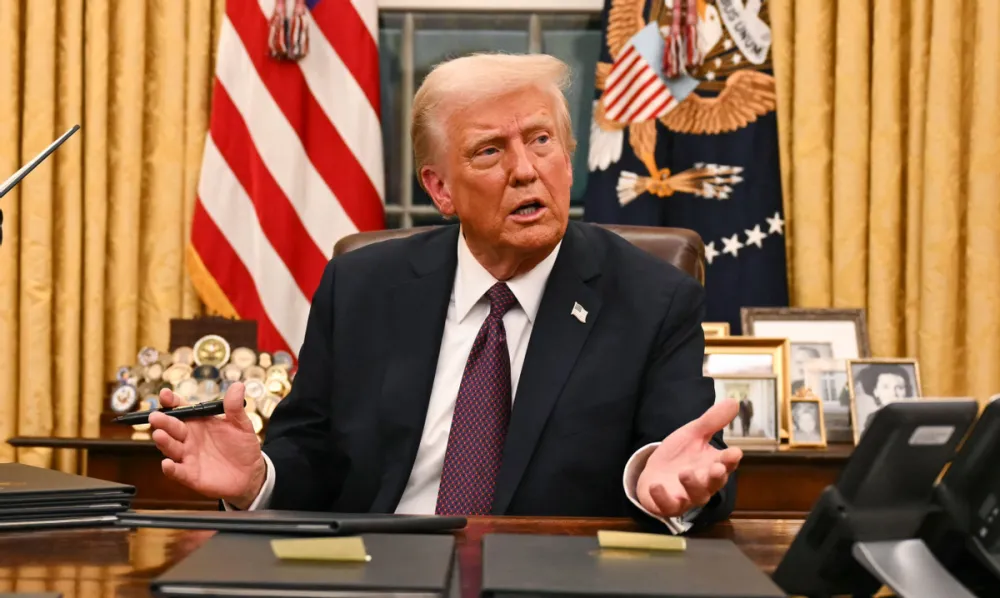
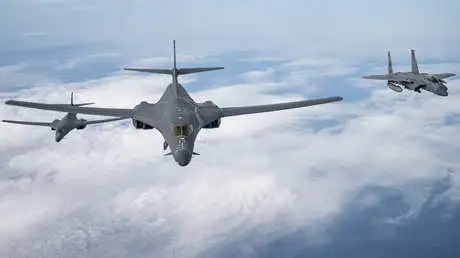
Trump's threat to occupy Greenland triggered a wave of condemnation among European allies and frustrated Congress. On Sunday, a Republican senator who has often criticized Trump on foreign policy issues said the president's threats to Greenland were a mistake.
Senator Thom Tillis told US media it would be "irresponsible" for the president to pursue anything other than reaffirming a previous agreement that allowed the United States to project naval power in the Arctic. "The reality is, to me, it would be irresponsible for the United States to acquire anywhere else other than figuring out the 1951 agreement, under which Greenland and Denmark agreed to give us more or less unrestricted access in Greenland to project power in the Arctic," the senator said.
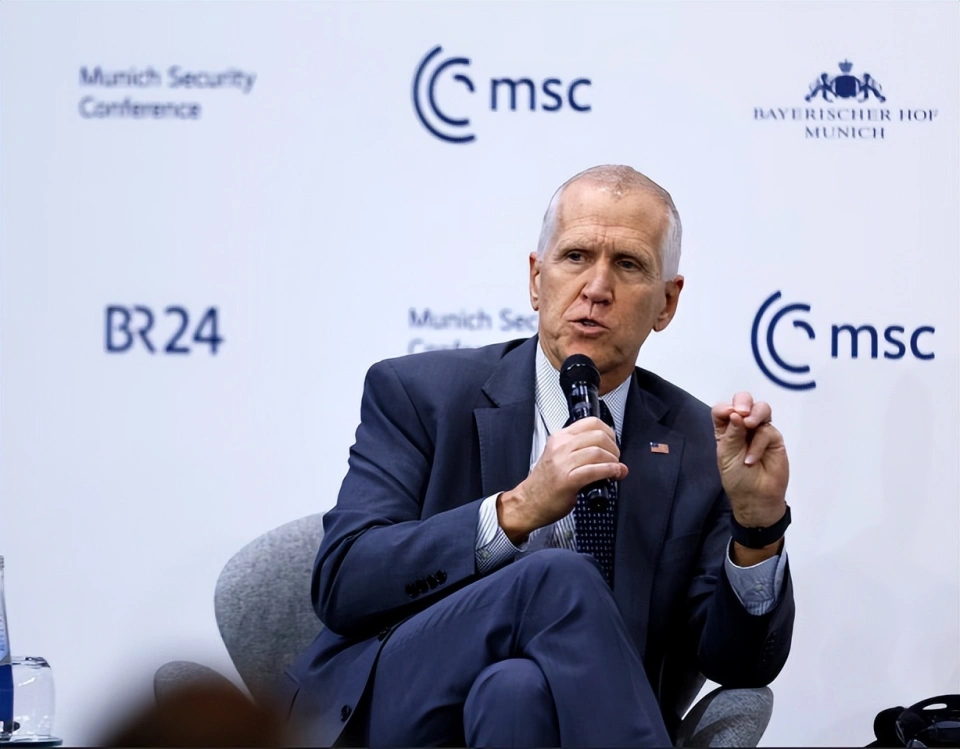
Tillis was interviewed by reporter Ed O'Keefe last Sunday. In the interview, he accused Trump and European leaders of using "exaggerated language" to describe the situation in Greenland and NATO. This was in response to German Chancellor Mertz declaring that the postwar liberal international order "is over" in a speech at the Munich Security Conference, declaring that "this order, which was flawed even in its heyday, no longer exists." Tillis responded: "It will only end when the chancellor allows it (to end)."
The North Carolina senator's relationship with Trump broke down in 2025 over the passage of the Republican "Big and Beautiful Act." He has since become one of Trump's strongest critics on issues such as his support for Europe and the NATO alliance, in addition to the mass deportations led by Kristi Noem and Tom Homan.
On Sunday, he asserted that the United States and its European allies could achieve a more amicable dynamic on NATO and Greenland if NATO countries admitted that their failure to meet the 2% of GDP benchmark for defense spending over the years was a mistake. The benchmark wasn't required until 2024 and was only a loose guideline until 2014, but now every country in the alliance has met it, according to NATO.
"If the NATO countries that have been underachieving for decades would admit that that was a mistake and redouble and redouble their efforts, I think this would go away like the hyperbole surrounding Greenland, pointing out past shortcomings and they're not wrong," Tillis said. "Let's just have an honest discussion with family members and straighten out the family relationships."
Trump's threat to Greenland was revived in January and quickly triggered a political earthquake on both sides of the Atlantic. He told Norway's prime minister in a letter that he was considering using force to seize the territory because he had not won the Nobel Peace Prize. He later told reporters aboard Air Force One: "If we don't take Greenland, Russia will. I'm not going to let that happen."
He also said the territory would become U.S. property "one way or another," declining to elaborate. In the days that followed, his aides Stephen Miller and Carolyn Levitt caused further consternation by refusing to rule out the use of military force when asked directly by reporters. Trump also threatened to impose a unified 10% import tariff on the UK and other European countries unless Greenland is formally traded to the United States.
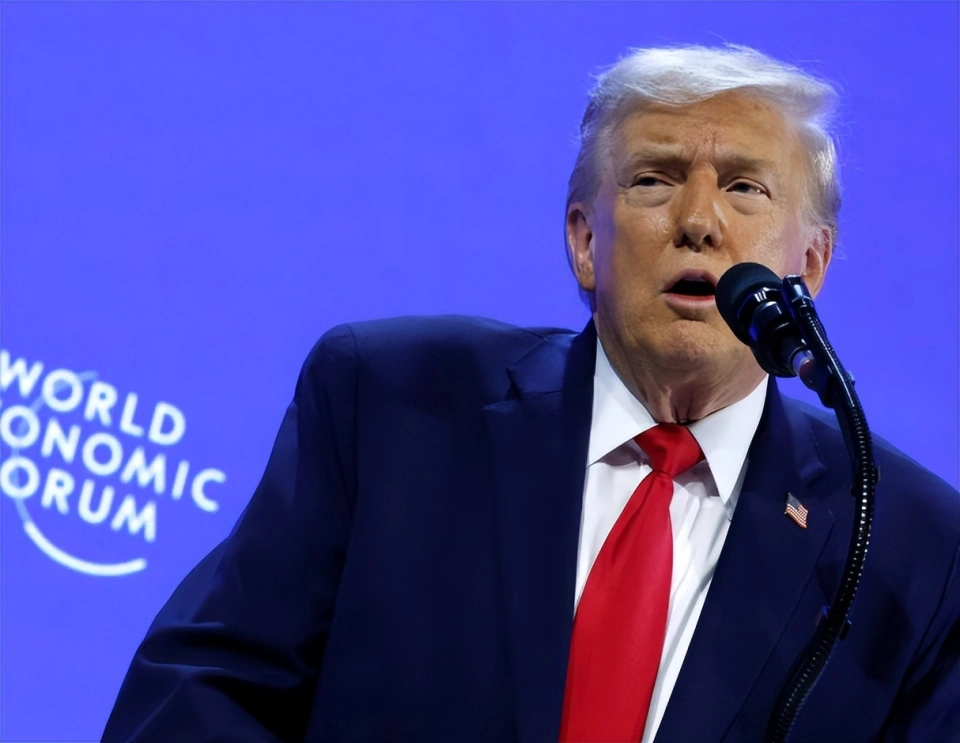
But speaking at the World Economic Forum in Davos, he later backed down, vowing that military force was no longer on the table as an option. His announcement brought relief but also concern that the damage to U.S. relations with its NATO allies was severe enough. The White House also walked back its threat to impose new tariffs.
During Trump's second term last year, the NATO alliance committed to a new defense spending benchmark of 5% of GDP by 2025. At least one country, Spain, said it might not be able to meet the new target. Last year, the United States spent about 3.2% of its GDP on defense spending.