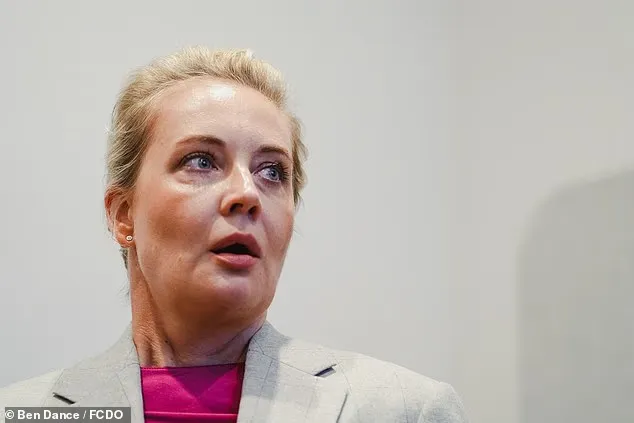
On February 14, local time, Yulia Navalnaya appeared after a long absence and participated in the Munich Security Conference held in Munich, Germany. The Russian activist showed a prison photo to the foreign ministers of Britain, France, Germany, Sweden and the Netherlands and revealed the cause of death of her husband, Russian opposition leader Alexei Navalny.
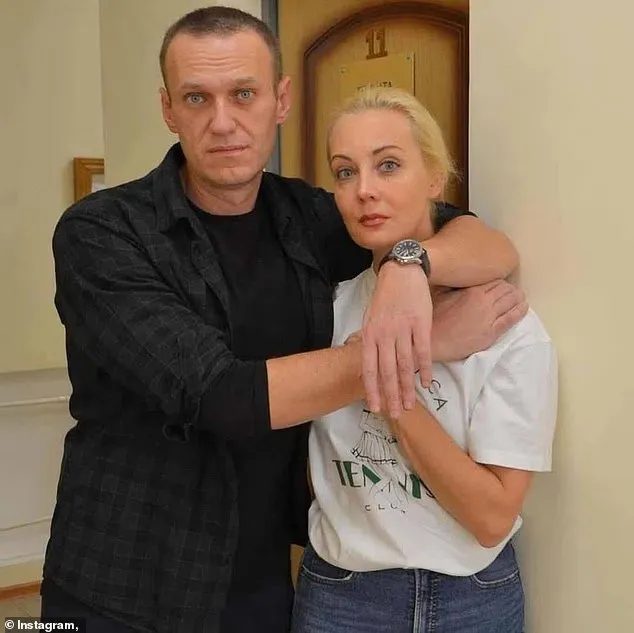
Navalny, 47, died in a prison north of the Arctic Circle two years ago. According to the Russian Federal Prison Service, he suddenly fell to the ground while walking and "despite the efforts of ambulance personnel to save him, he almost immediately lost consciousness and died."
Navalny's mother Lyudmila and her lawyers arrived at the prison the next day and were told that Navalny died of "sudden death syndrome", a condition considered to cause unexplained death in healthy adults and may be related to heart problems.
Yulia publicly stated that she could not agree with this explanation of the cause of death, and further stated that her husband was poisoned by a nerve agent. She claimed that Navalny was poisoned by the nerve agent "Novichok".
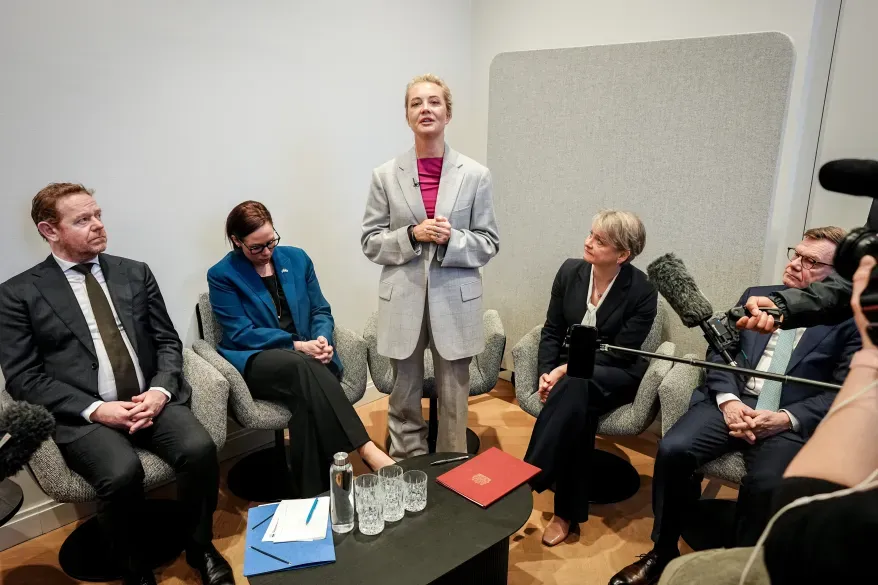
But two years later, a new account emerged. A statement was released on the same day, saying: "The United Kingdom, Sweden, France, Germany and the Netherlands are convinced that Alexei Navalny was poisoned by a deadly toxin. This is the conclusion reached by our governments based on the analysis of Alexei Navalny's samples. These analyzes have conclusively confirmed the existence of epibactin." "Epibatin is a toxin found in poison dart frogs in South America. It does not occur naturally in Russia."
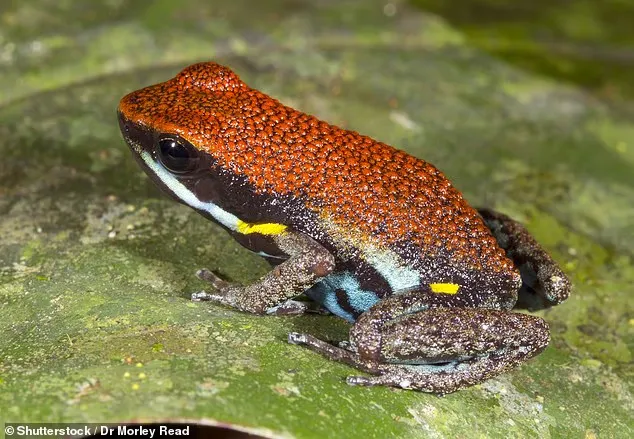
Yulia, 48, later posted on social media, "Scientists from five European countries have confirmed that my husband Alexei Navalny was poisoned by epibatin (a neurotoxin, one of the deadliest poisons on earth). In nature, this toxin is found on the skin of Ecuadorian poison dart frogs. It can cause paralysis, respiratory arrest and painful death."
It is unclear how Navalny was given the frog poison called epibatin. It is worth noting that this neurotoxin is classified as a "chemical weapon" and the poison dart frog's deadly venom is 200 times more potent than diacetylmorphine.
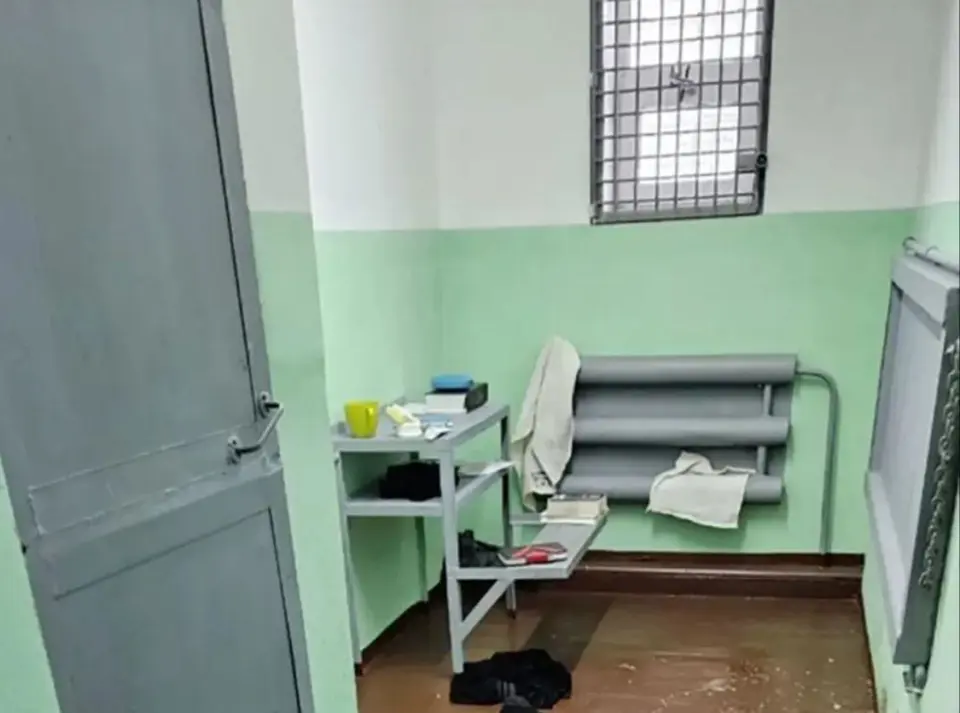
Yulia also showed the foreign ministers of the five countries a photo of her husband's cell on the day of his death. There was a lot of vomit on the floor (which had been removed to prevent discomfort). This seems to further prove that Navalny died of poisoning and not "sudden death syndrome."
Yulia was obviously emotional that day and tried to hold back tears. She said she attended the same meeting in 2024 when news of her husband's death came. "It was difficult for me to find the right words, it was the worst day of my life." "I went up to the podium and said that my husband Alexei Navalny had been poisoned…"

Russia has firmly denied the claim that Navalny died from poisonous dart frog poison. The Kremlin called this a "propaganda war" by Western countries and called the accusation "ridiculous." It also questioned the possibility that dart frog toxin exists in Russia and emphasized that the Russian government was not involved in any poisoning against Navalny.