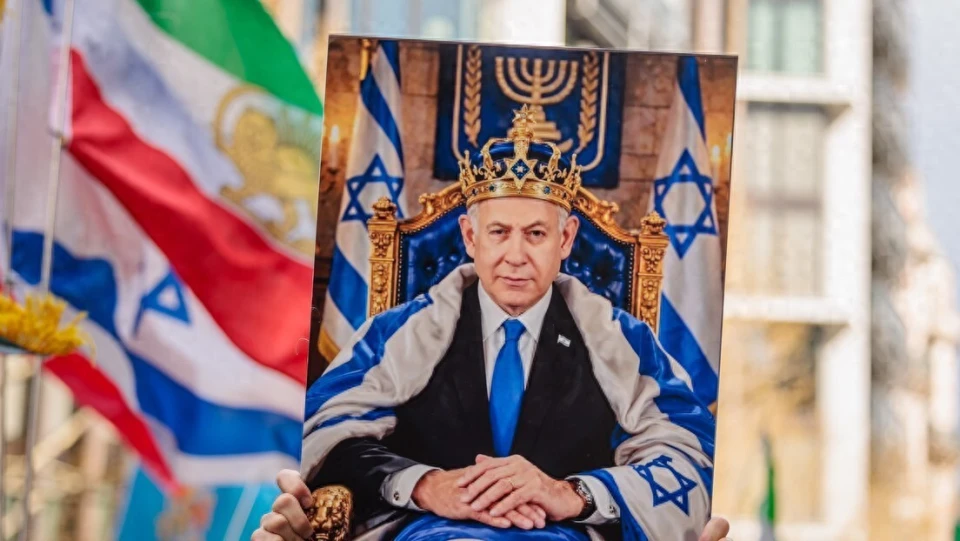
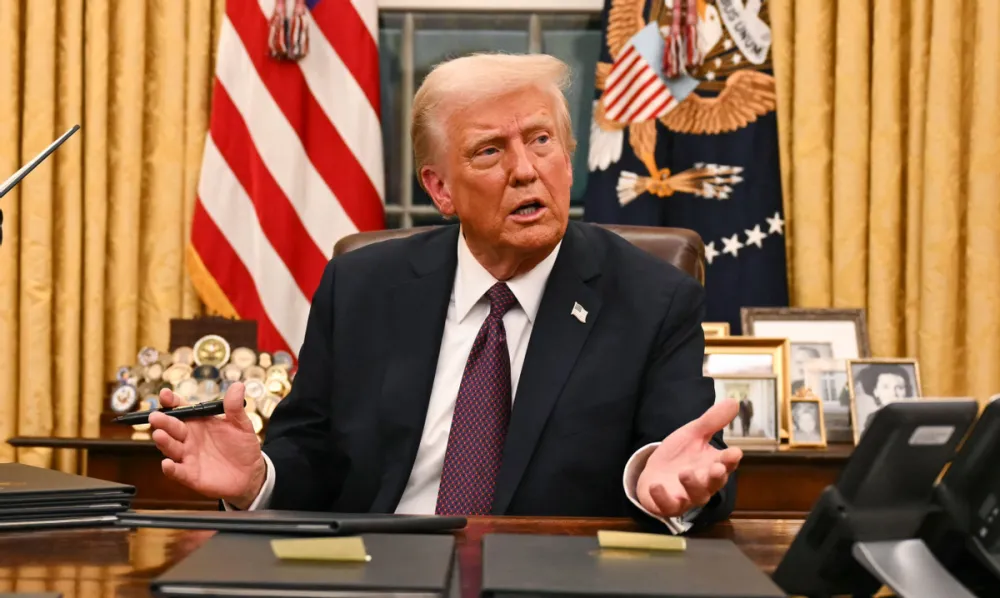
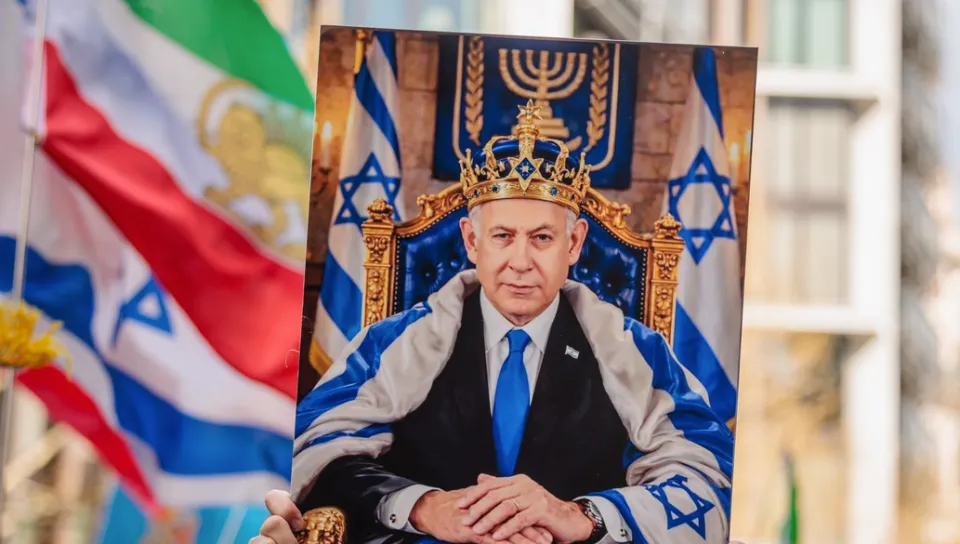
U.S. President Trump met with Israeli Prime Minister Netanyahu at the White House on the 11th to discuss a series of issues such as Iran, Gaza, and the situation in the Middle East.
Experts and media generally believe that Netanyahu's visit to the United States is intended to influence the negotiations between the United States and Iran and persuade the United States to increase its asking price for Iran. The United States and Israel have deep overlapping strategic interests on the Iran issue, but there are also policy differences. Israel's calculations may become an "uncertain factor" in the US-Iran negotiations.
However, some people believe that the two men's meeting at this moment may be a "confrontation" about military operations.
Going to the United States urgently with “private goods”?
The U.S.-Israeli leaders' meeting lasted about three hours and was closed entirely. No media was seen and no joint statement was issued.
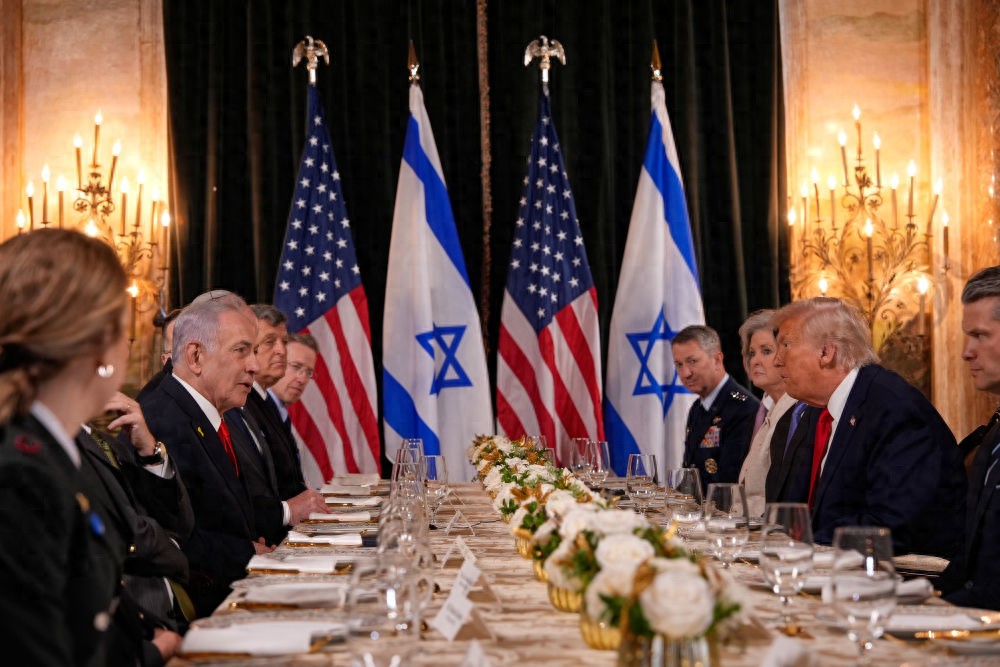
The picture shows US President Trump meeting with visiting Israeli Prime Minister Netanyahu at Mar-a-Lago in Florida on December 29, 2025. Xinhua News Agency/AP
Trump later stated on social media that he insisted that the United States and Iran continue negotiations and that the United States' "first choice" was to reach an agreement. The Israeli Prime Minister's Office issued a statement saying that Netanyahu emphasized Israel's security needs during the meeting with Trump, and the two sides agreed to continue to maintain close coordination.
U.S. and Iranian representatives held indirect talks in Oman last week. The two sides signaled that they would continue negotiations, but did not reach consensus on key issues. Iran has always stated that it will not give up uranium enrichment and will not negotiate with the United States on its own missiles. Negotiations are limited to its nuclear program.
Before his visit to the United States, Netanyahu said that his "primary" goal in going to the United States was to promote the negotiation between the United States and Iran to reach an agreement that "not only involves Iran's nuclear program." Multiple media revealed that Netanyahu originally planned to visit the United States on the 18th. Israeli media analyzed that he visited the United States in advance because he was dissatisfied with the status quo of US-Iran negotiations and hoped to "influence the negotiations." He lobbied and urged Trump to include the Iranian ballistic missile issue in the negotiations.
According to the Israeli media, Israel maintains that any agreement reached by the United States and Iran must ensure that Iran does not possess nuclear weapons, completely eliminate the possibility of uranium enrichment, limit its ballistic missile capabilities, and stop its support and financing of "regional proxies", thereby comprehensively weakening Iran's military influence in the Middle East. Sima Shine, a senior researcher at the Israeli National Security Institute, believes that if Iran only exchanges the "nuclear agreement" for the United States to relax sanctions on Iran, it can rearm itself and its "proxies" and pose a serious threat to Israel.
However, an article in Afghanistan's "8 O'clock Daily" analyzed that the issue that the United States is most concerned about is containing Iran's nuclear capabilities. For Trump, Iran's missile program and regional influence, while important, cannot be compared with the nuclear issue.
Iranian Foreign Ministry spokesperson Bagaei said on the 11th that Iran is willing to discuss its uranium enrichment level and enriched uranium stockpile on the premise that its rights under the Treaty on the Non-Proliferation of Nuclear Weapons are truly respected. Public opinion believes that Iran hopes to make concessions on uranium enrichment in exchange for the United States relaxing sanctions.
Russia's "Independent" analyzed that for Israel, now is the best time to attack Iran. If the Iranian regime collapses, Israel's growing military activity in the Middle East will no longer be checked.
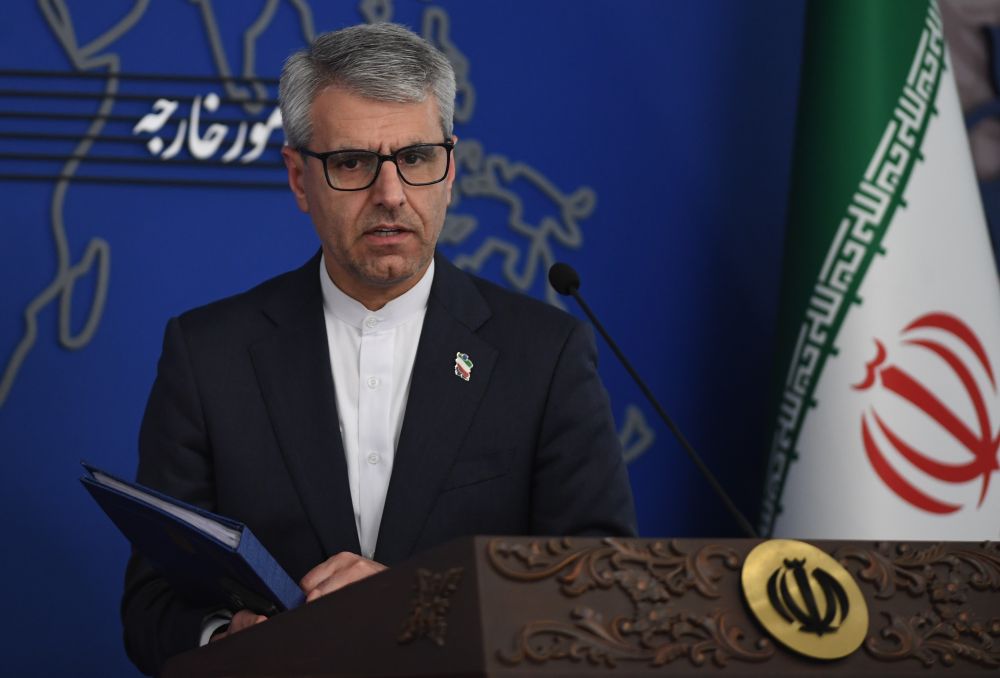
On February 10, 2026, Iranian Foreign Ministry Spokesperson Bagaei attended a press conference in the capital Tehran. Photo by Xinhua News Agency reporter Shadati
"Check the table" for military operations?
According to Israeli media reports, the meeting between Netanyahu and Trump was aimed at formulating a "common action plan" between Israel and the United States if negotiations between the United States and Iran fail to produce results. The New York Times analyzed that Netanyahu hopes to lobby Trump to pressure Iran to limit its missile program and convince Trump to launch another military strike against Iran if it refuses.
Although Trump avoided taking a position on Israel's demands after the meeting, he said in an interview with US media the day before that the possible agreement between the United States and Iran "must be a good agreement – no nuclear program, no ballistic missiles."
Analysts pointed out that although on the surface there are subtle differences between the United States and Israel on the pace and scope of US-Iran negotiations, there is no fundamental conflict in the positions of the two sides. In addition, Israel is regarded by the United States as the "unsinkable aircraft carrier" in the Middle East, and it is impossible for the United States to completely ignore Israel's demands. Moreover, some people in the United States and Israel pointed out that Iran is using negotiations to "delay time."
In fact, the United States has not relaxed its military pressure while negotiating with Iran. The USS Abraham Lincoln aircraft carrier strike group has previously been deployed in the Middle East waters. Trump said on the 10th that he was considering sending a second aircraft carrier strike group to the Middle East in preparation for military action if negotiations with Iran failed.
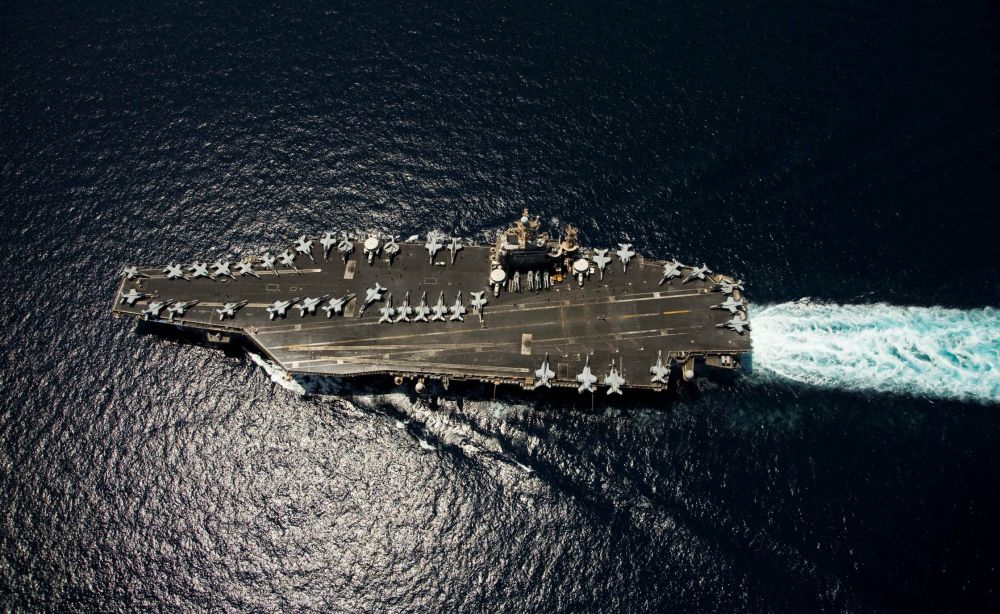
This is a file photo of the USS Lincoln aircraft carrier sailing in the Arabian Sea on April 5, 2012. Xinhua News Agency/AFP
Experts and media interprets that the United States continues to increase its troops in the Middle East, and the United States and Iran have not yet determined the time, location, and content of the next round of negotiations. The prospects for negotiations are highly uncertain, and the risk of the United States using force against Iraq remains high.
Some analysts pointed out that it is not clear whether the Trump administration's true intention of increasing troops in the Middle East is "forcing talks" or "preparing for war." The negotiations may be just a smokescreen, designed to provide cover for the United States and Israel to once again join forces to launch military strikes against Iran, and also help convince the public that military intervention is the last option.
Trita Parsi, an Iran expert at the Quincy Institute of Statecraft, a US think tank, believes that advocating for Iran's "zero enrichment of uranium", limiting ballistic missiles and not supporting regional armed organizations "may still be Trump's true bottom line." If the price demanded by the United States and Israel is too high, sooner or later the negotiations between the United States and Iran will break down.