It has only been a week since Toulin was elected as the President of Vietnam, and he has set the destination of his first visit to Beijing. This is not a courtesy visit, but a "clarification" trip. The new leader wants to tell the world which side of Vietnam's game of chess will be played first.
1. What does it mean to be elected unanimously?
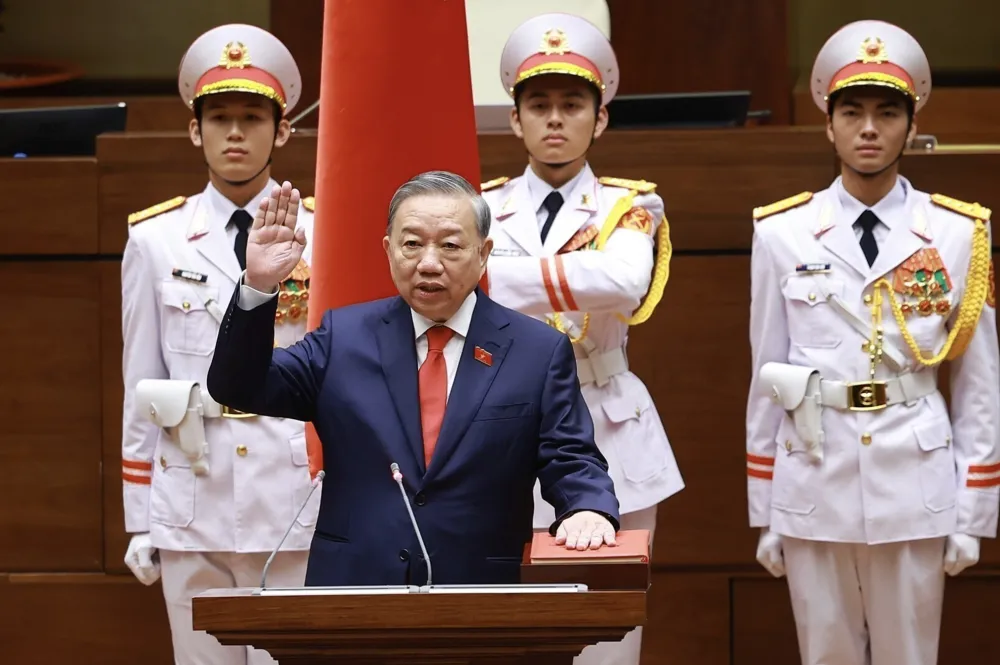
On April 7, the Vietnamese Congress unanimously approved Su Lin as president of the country. The unanimous vote meant that there was not a trace of noise within the Vietcong. The factional game in Vietnam's political circle has always been complicated. What can silence everyone is either overwhelming strength or overwhelming consensus. Su Lin obviously has both.
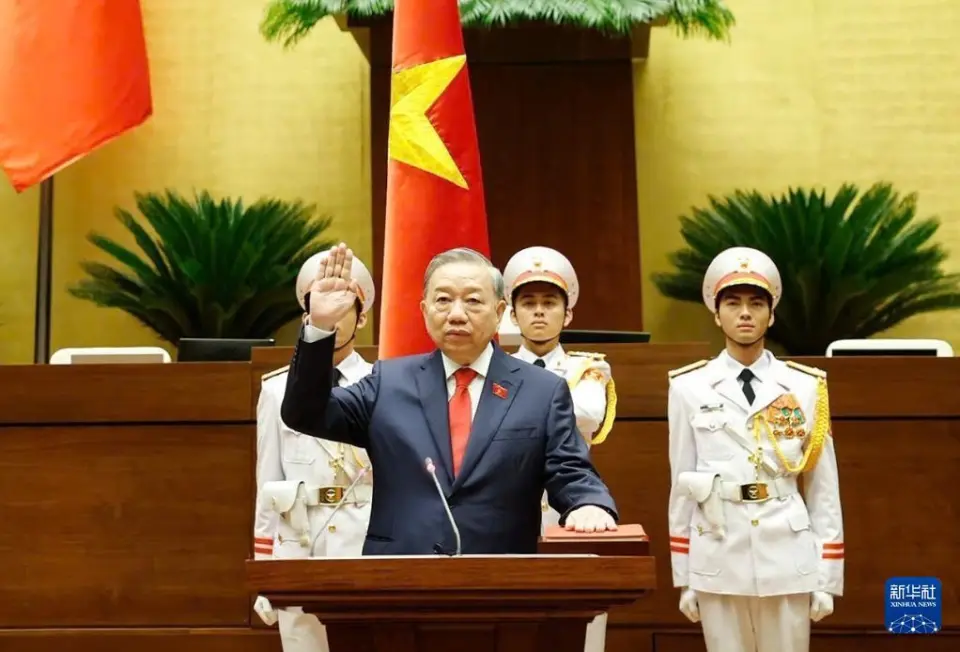
What deserves more attention is the power structure. Su Lin serves as the General Secretary of the Central Committee of the Communist Party of Vietnam and the President of the country at the same time. This formal and long-term "shoulder shoulder" has only been achieved by Nguyen Phu Trong in the history of Vietnam. This means that Vietnam's highest power structure has undergone a qualitative change, from traditional decentralized checks and balances to centralized leadership.
Vietnam's political structure was originally the famous "four carriages" – the general secretary, the president, the prime minister, and the president of the National Assembly, with checks and balances. Now it has become a "five-horse carriage", with the addition of the permanent secretary of the Secretariat, but the actual core is only four people, with Su Lin standing at the top. This power structure is the first of its kind in Southeast Asian countries.
2. Where does the confidence for 10% growth come from?
Su Lin made a harsh statement: From 2026 to 2030, the economic growth rate will reach over 10%. Vietnam’s current per capita GDP is just over US$5,000, so it’s no surprise that it’s not in a hurry.
But it is easy to shout slogans but difficult to fulfill them. What will it take for Vietnam's economy to reach a higher level? Rely on the United States? Trump’s tariff stick continues to hit. By Europe? Far water cannot quench near thirst. Accumulate by yourself? Too small and too slow. There is only one answer: China.
Last year, the bilateral trade volume between China and Vietnam exceeded US$290 billion, and China has been Vietnam's largest trading partner for many consecutive years. For many things Vietnam exports, the parts and components come from China, are assembled and then sold. The entire industrial chain cannot be transferred without China. Vietnam is like a mirror in its mind – who is the real economic backer and who cannot be offended.
This image may have been generated by AI
3. What did you get in exchange for currying favor with the United States?
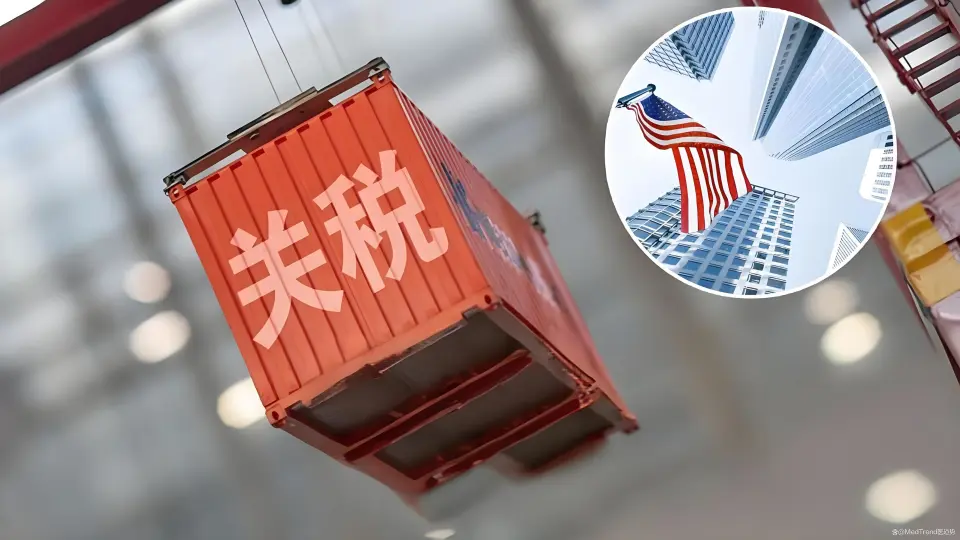
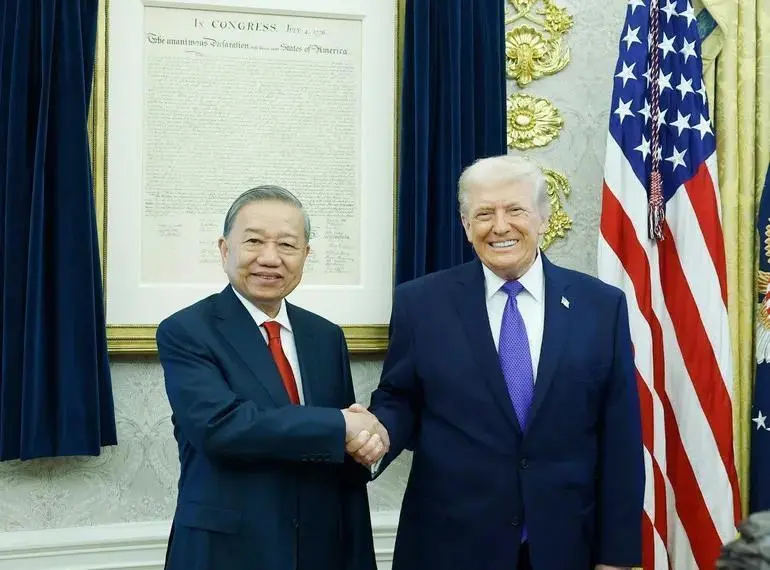
In order to stabilize the United States, Vietnam promised to open its zero-tariff market to American goods. Do you think you can get a good look this way? The result? Trump still imposed a 20% tariff on Vietnamese exports to the United States, showing no mercy at all.
Zero tariffs gave way to the market, but what they got in return was rip-offs. Vietnam has completely figured it out – flattery cannot be exchanged for respect, and the United States only sees interests and no friends. In 2023, Vietnam and China will build a strategic China-Vietnam community with a shared future. This positioning is a solid strategic choice, not a polite word.
Su Lin's two first visits were all focused on China. Economic development is tied to China, and even if he was deceived by the United States, he would always turn to China. Vietnam illustrates with actions: You can talk about "bamboo diplomacy" without offending both sides, but wherever your feet go, your body is more honest than your words.
4. Vietnam’s choice, China’s opportunity
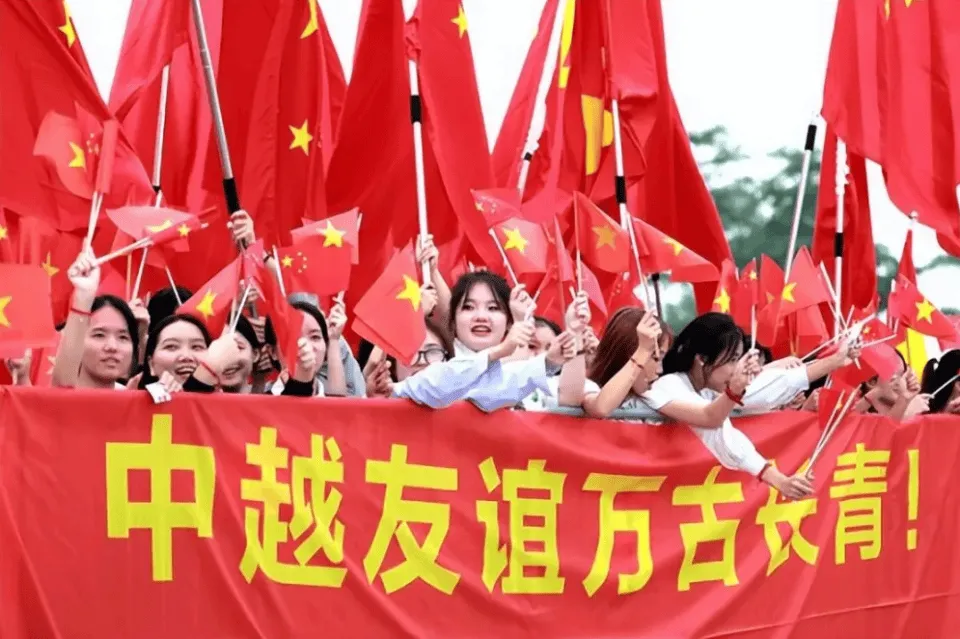
When Su Lin comes here this time, he will definitely talk about hard-core content such as economic cooperation, infrastructure, and industrial chain docking. If Vietnam wants to take off, the runway can only be built here in China.
For China, it is a good thing no matter how you look at it, Vietnam, as its neighbor, is stable, developing and close to us. Some people worry that Vietnam will become a competitor of China. This view is narrow-minded. Two socialist countries, one with a large economy and strong manufacturing industry, and the other with a small size and fast growth, are far more complementary than competitive. China's industrial chain is moving to the high end, and Vietnam is undertaking the shift to the mid-to-low end. This is not a threat, but a win-win situation.
Vietnam finally understands who its real hope is. This trip to Beijing is very important.
What do you think China and Vietnam can negotiate during Su Lin’s visit to China? Chat in the comment section.