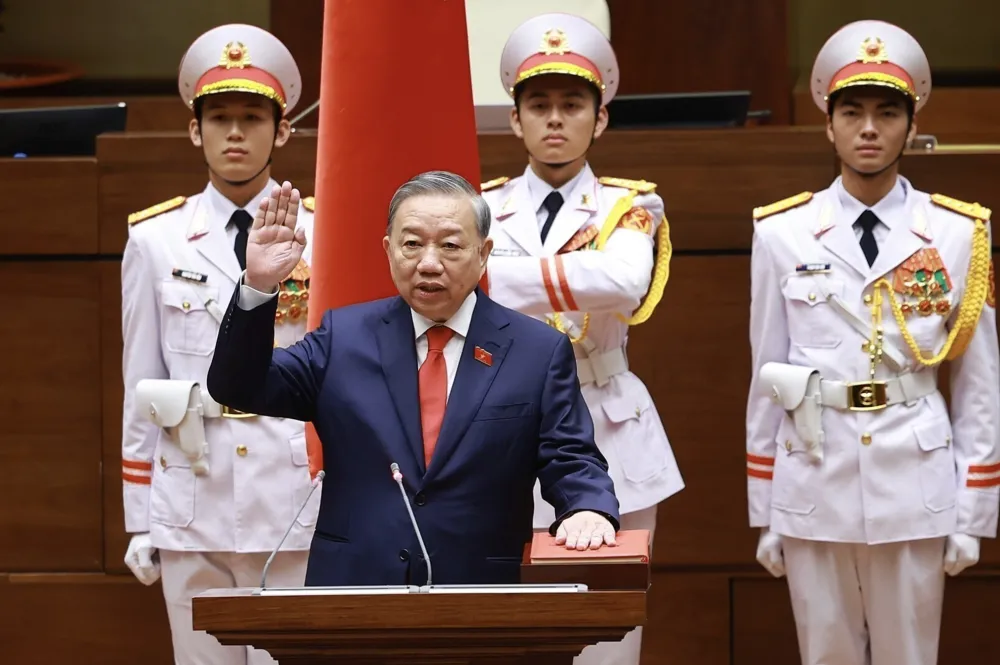
Vietnam, a Southeast Asian country, has elected a new senior leadership team, which heralds the basic end of the power transition initiated by the 14th National Congress of the Communist Party of Vietnam. A key change in the leadership structure of the Vietnamese party and state this time is that the General Secretary of the Communist Party of Vietnam Su Lin also serves as the president of the country, which means that the "four carriages" power structure that Hanoi insisted on in the past has been broken. This not only consolidates To Lam's position as Vietnam's most powerful leader, but will also have a profound impact on this rapidly developing country.
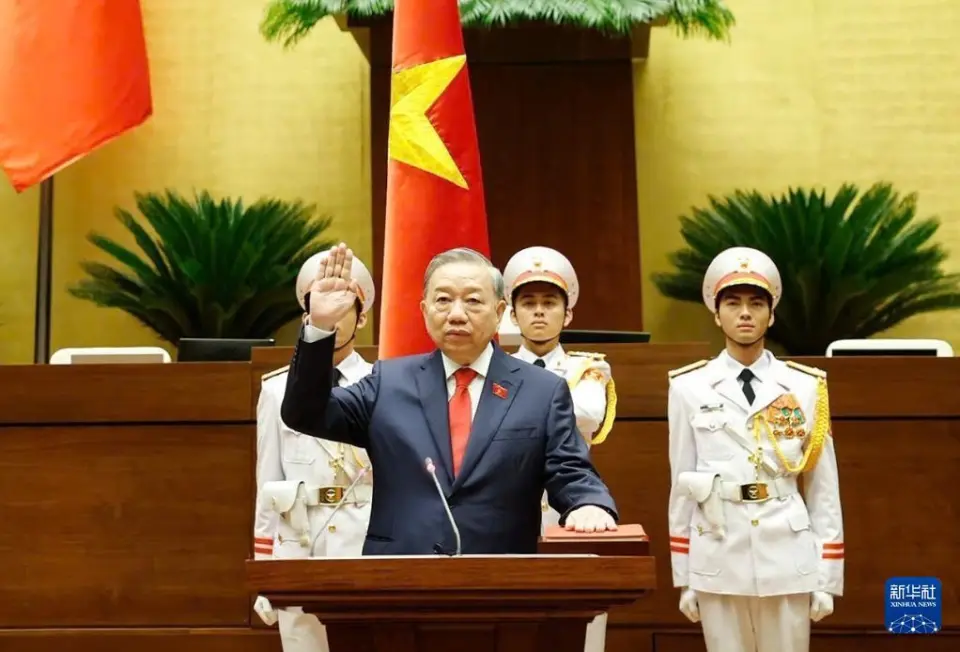
The first session of the 16th National Assembly of Vietnam opened on Monday (April 6). A new senior leader has been elected. They are: President Su Lin, Prime Minister Lim Hing, and National Assembly Chairman Tran Thanh Min. Among them, Su Lin is the General Secretary of the Communist Party of Vietnam, Lim Hung is a member of the Political Bureau of the Central Committee of the Communist Party of Vietnam and the Minister of Organization of the Central Committee, and Tran Thanh Min is a member of the Political Bureau of the Central Committee of the Communist Party of Vietnam and will serve as the Chairman of the 15th National Congress from May 2024. According to Vietnamese regulations, the current standing secretary of the Secretariat of the Communist Party of Vietnam Central Committee, Chen Jinxiu, also belongs to this level of leaders.
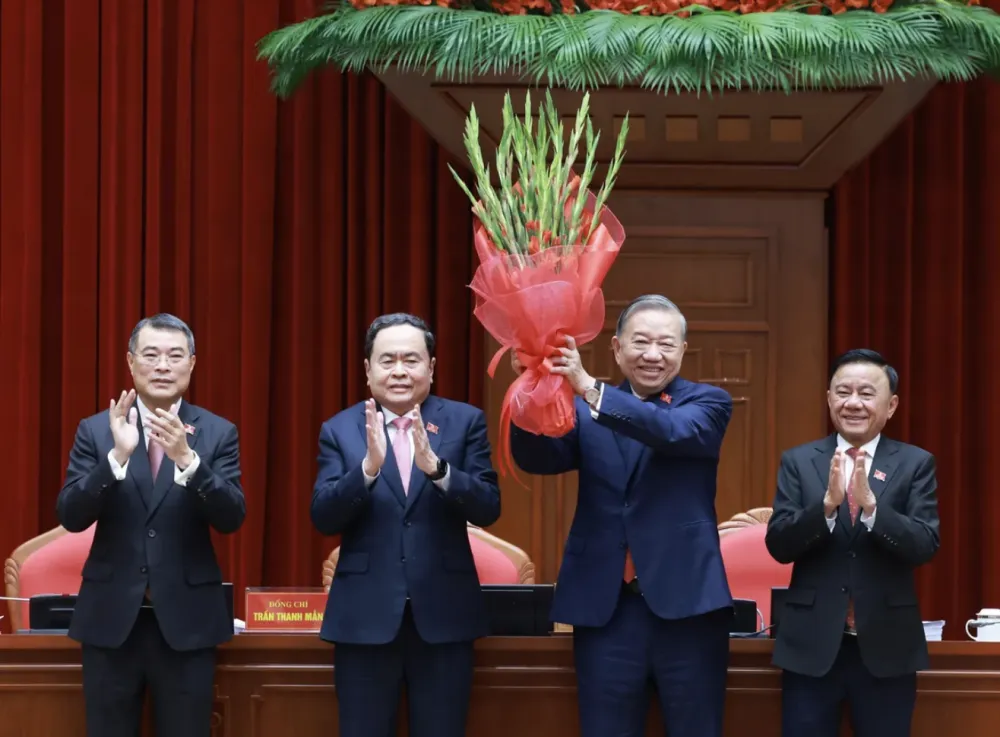
Toulin is the first person to hold the top leadership positions of the Party and the country through the normal leadership election process within the Viet Cong Party, rather than by appointing a successor. The General Secretary of the Communist Party of Vietnam is the most powerful person, and the President is the ceremonial head of state. This situation of holding two positions is very rare in Vietnamese history. Former General Secretary of the Communist Party of Vietnam Nguyen Phu Trong once held these two positions at the same time (October 2018-April 2021), when Vietnamese President Tran Dai Quang suddenly passed away in office. Su Lin briefly held these two positions after Nguyen Phu Trong's death in July 2024, but resigned from the position of President of Vietnam more than two months later.
Toulin's dual role could weaken the institutional checks and balances that Vietnam's leadership insists on. The leadership core of Hanoi's party and government has long adhered to the "four carriages" structure, namely the general secretary of the Communist Party of Vietnam, the president of the country, the prime minister of the government and the chairman of the National Assembly. In September last year, the Communist Party of Vietnam promoted the permanent secretary of the Central Secretariat to the same level. It seems that it may have been preparing for changes in the power structure at that time, because even if the general secretary of the Communist Party of Vietnam and the president of the country are served by one person, the familiar "four carriages" structure can be maintained in form.
The last president of Vietnam was Liang Qiang, who had a military background. He and Su Lin, who came from the public security system, seemed to have reached a subtle power-sharing agreement. This arrangement maintains a relative balance between the two major forces in Vietnam. Now Su Lin holds two positions means that the two parties have reached a certain tacit understanding in private. According to earlier media reports, if Sulin succeeds in serving as president of the country, the military will use this to demand greater autonomy in the promotion of senior officers, and they will also negotiate "safeguards" to limit Sulin's power.
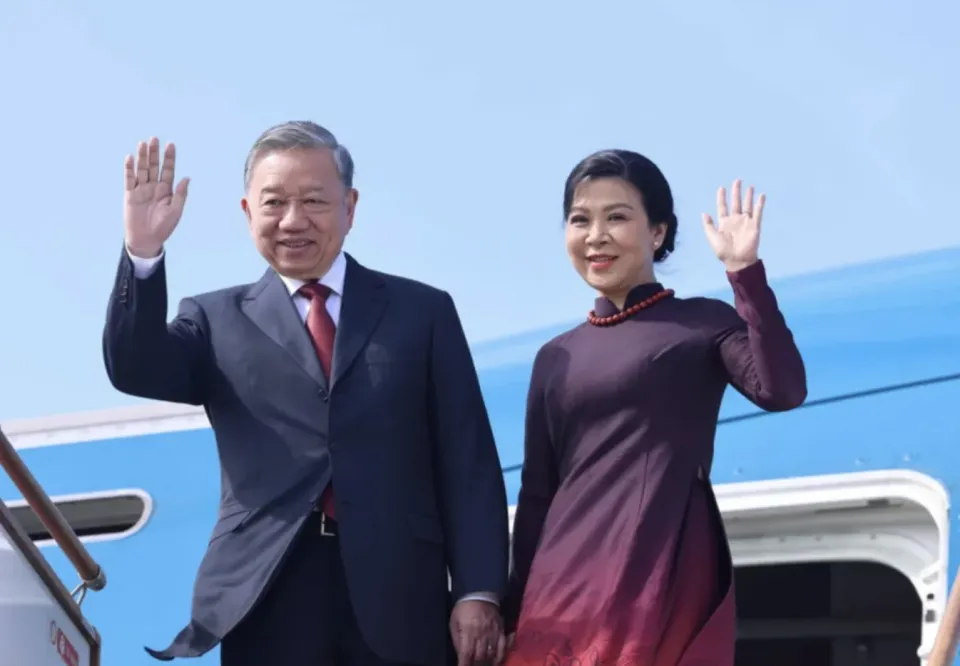
The 68-year-old Su Lin was re-elected as the General Secretary of the Communist Party of Vietnam on January 23. He took over this key position in August 2024 after the death of Nguyen Phu Trong. Since then, he has been performing his duties with a "mission-oriented" attitude, leading major changes in Vietnam's domestic and foreign affairs, and has attracted much attention from the outside world. Internally, he drastically reduced the number of provinces, cities, ministries and commissions, laid off more than 100,000 civil servants, and changed the administrative unit from a three-level province-county-township system to a two-level system of province-township, aiming to "downsize" the system and speed up development. He is also focused on improving economic performance and promoting private sector growth, aiming to move Vietnam away from a labor- and export-led economic model.
In the field of diplomacy, unlike his predecessors who left international affairs to other leaders in the past, Su Lin has always taken the lead and placed himself at the forefront of diplomacy. After serving as General Secretary of the Communist Party of Vietnam, he visited dozens of countries intensively and led the establishment of the highest-level diplomatic relations with many countries such as France, the United Kingdom, and New Zealand. This shows that while Hanoi maintains its main traditional partners, it also pays attention to achieving a strategic balance among major countries around the world. Through a series of high-profile visits, To Lam exerted huge influence and established himself as Vietnam's de facto international spokesperson, projecting himself as a pragmatic and decisive leader.
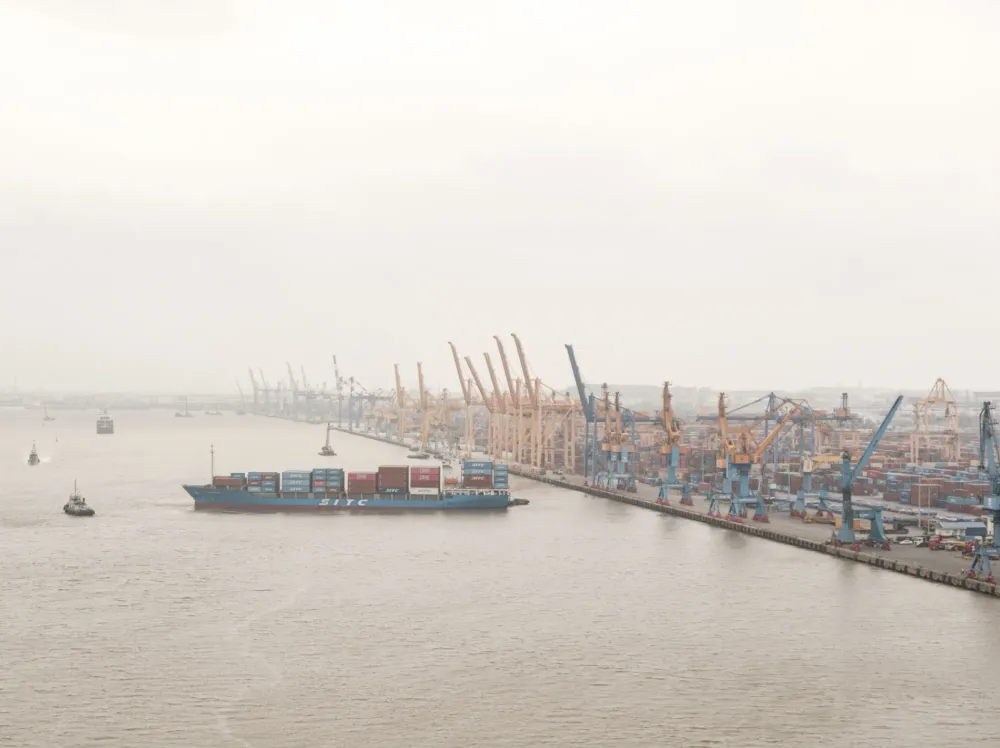
Now that Surin has greater political space to pursue his own agenda, this will obviously lead to faster, more coherent and decisive policymaking, and a greater chance of pushing forward difficult reforms at a critical moment. In his inauguration speech, Sulin admitted that his first priority is to maintain peace and stability, because this is the basis for achieving rapid and sustainable growth. "Our goal is to improve people's lives and allow everyone to share in the fruits of development."
To Lam set goals and visions for Vietnam at the 14th National Congress of the Communist Party of Vietnam: striving to achieve an average annual growth rate of gross domestic product (GDP) of 10% or more from 2026 to 2030, and per capita GDP of approximately US$8,500 by 2030. Successfully achieve the goal of building a modern industrial upper-middle-income country by 2030 and a high-income developed country by 2045. This is significantly higher than the unfulfilled growth target of 6.5% to 7% from 2021 to 2025, and is said to be a strong signal reflecting Sulin’s urgency and willingness to reform.
Some people believe that if we look at the leadership’s ambitions and Vietnam’s development potential that has not yet been fully unleashed, there are still opportunities for rapid growth, but there is little room for mistakes. At the same time, we must avoid the politicization of growth targets, otherwise it may affect Vietnam’s economic stability and sustainability. However, Vietnam's economic growth in the first quarter of this year was 7.8%, lower than the 8.4% in the previous quarter and lower than the growth target of at least 10%.
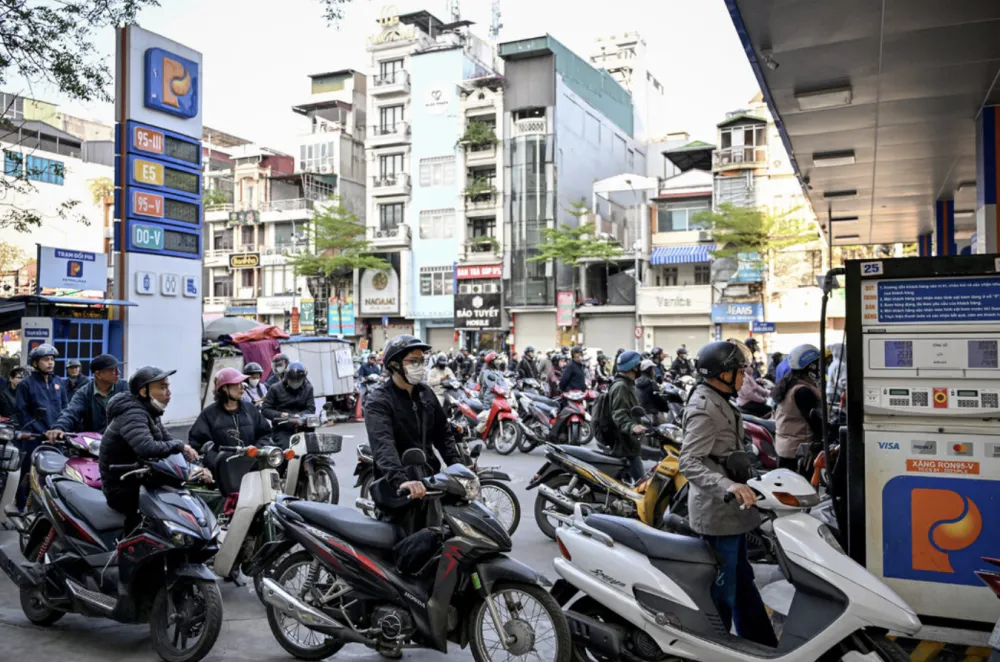
Hanoi's new leadership structure comes as the effects of the war in Iran are already being felt. Vietnam imports 87% of its oil from the Middle East, but it has not established a complete strategic oil reserve system. Currently, domestic oil reserves can only support energy needs for about 20-30 days. Such weak reserves make Vietnam highly vulnerable to long-term energy disruptions and could pose serious challenges to its ambitious economic growth plans. Vietnam has adopted a series of energy rationing measures and used emergency funds to subsidize fuel prices. Some think tank figures make no secret that the Iran war is a severe test for Vietnam's energy security and foreign policy adaptability.
At the same time, after U.S. President Trump returns to the White House, he will impose a high tariff of 46% on Vietnam, which threatens its export-dependent economy. Although the agreement signed in October last year to reduce the tax rate to 20% seems to have alleviated the urgent needs of the Hanoi authorities, the record trade surplus with the United States may still anger Washington. This means that the fragility of Vietnam's export-oriented economic growth model is an urgent problem that needs to be solved.
In short, with the emergence of Vietnam's new senior leaders, the power change initiated by the 14th National Congress of the Communist Party of Vietnam will come to an end. They will promote ambitious reforms and higher growth goals, which may leave a mark in the history of Vietnam's reforms.