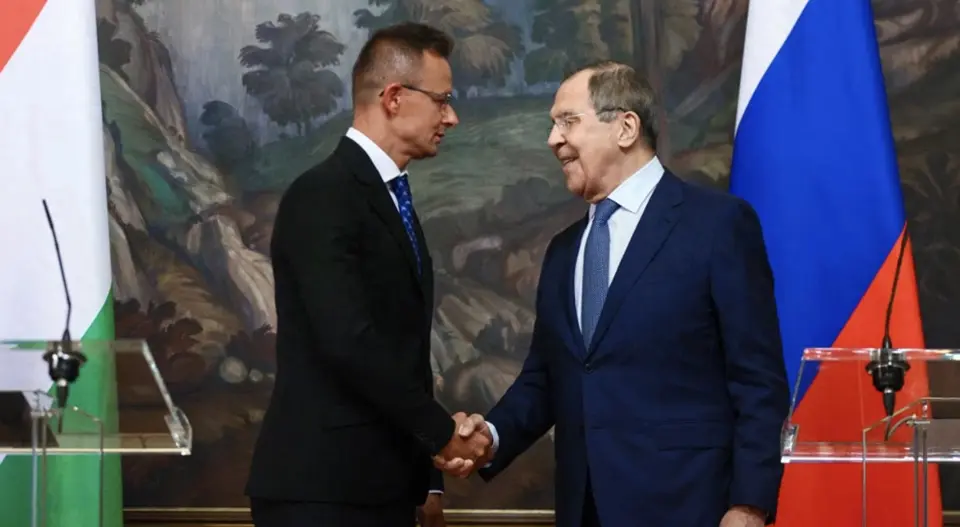
According to Japan, "the scale of this visit is unprecedented" and almost all NATO member states will join the delegation. Sources revealed that the only NATO member not to participate in this visit is Hungary because it will hold parliamentary elections on the 12th.
The NATO delegation is expected to meet with a number of Japanese cabinet ministers, visit defense-related companies, and visit the Yokosuka U.S. military base in Kanagawa Prefecture. At present, the itinerary for talks between the NATO delegation and Japanese Defense Minister Shinjiro Koizumi, Foreign Minister Toshimitsu Motegi and other cabinet ministers is still being coordinated. In addition, a NATO delegation also plans to visit South Korea.
European member states want to take the opportunity to ease relations with the United States
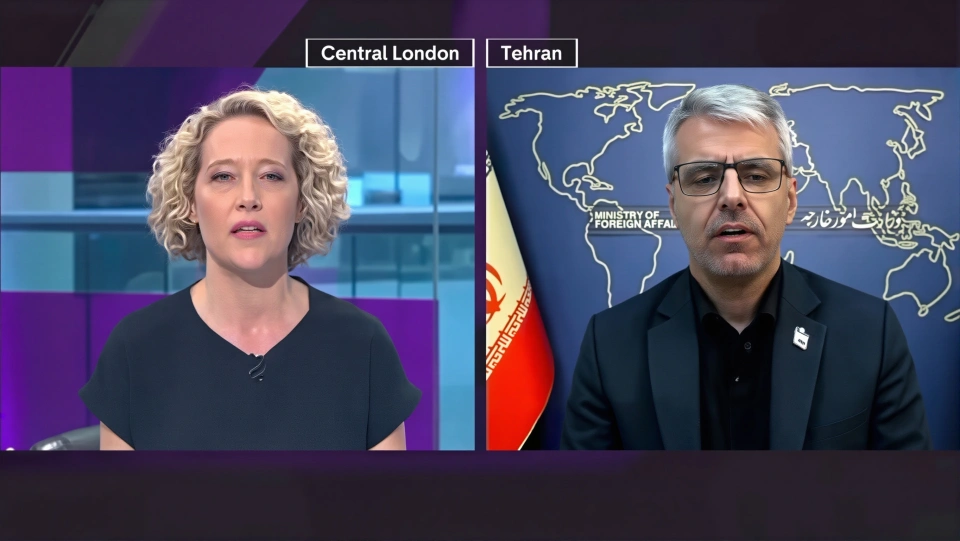
Recently, U.S. President Trump has repeatedly criticized NATO's European allies for failing to provide sufficient support to the United States in the war in Iran.
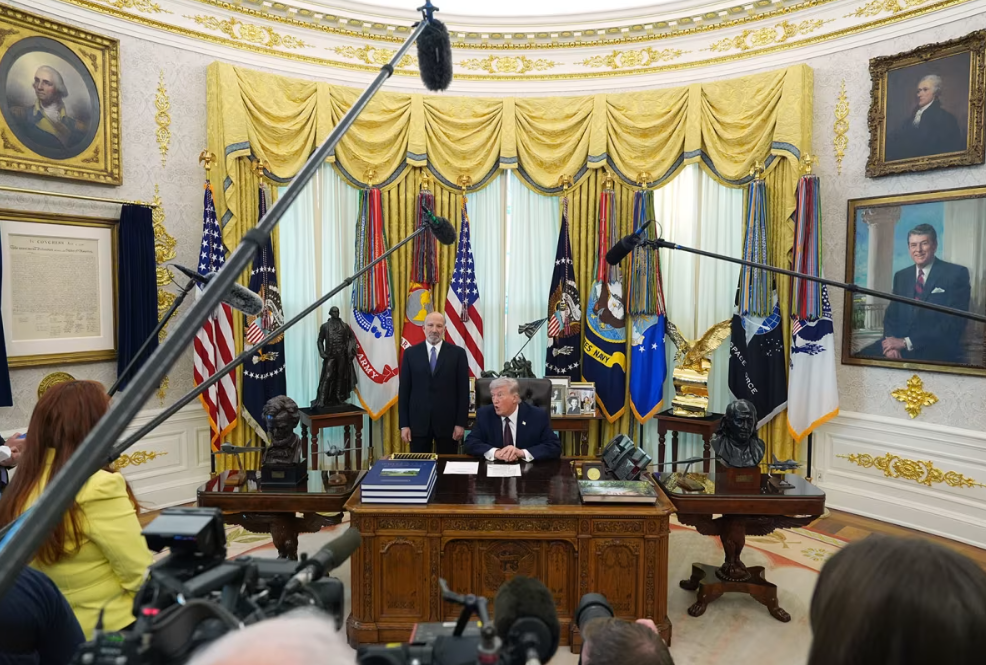
US President Trump: We have some very bad allies in NATO. You know, we have trillions of dollars invested in NATO, and when we need them, they say, "Mr. President, we're not sure we can do it."
A NATO representative said that NATO members wanted to understand "how Japan responds to various requests from the United States and hope to maintain good relations with the United States."
Japan and NATO are accused of "motivating each other" to intervene in regional affairs
In recent years, Japan and NATO have accelerated their approach and interacted frequently. As one of NATO's "global partners", Japan not only frequently exchanges high-level visits with NATO, but also continues to deepen cooperation between the two sides. Since the outbreak of the Russia-Ukraine conflict in 2022, Japan has taken the opportunity to strengthen its strategic ties with the Western camp and signed partnership plans in multiple fields. In 2024, Japan and NATO also established a secret intelligence sharing channel. In 2026, the Japanese government applied to NATO to join its "Defense Innovation Accelerator" project, intending to further deepen cooperation in the field of military technology. Analysts pointed out that in the process of Japan and NATO getting closer, NATO's "Asia-Pacificization" and Japan's attempts to "become a great power" are driving each other. Japan hopes to use NATO to enhance its geostrategic influence and accelerate "remilitarization"; while NATO seeks to use Japan as a springboard to deeply intervene in regional affairs.