Orban: "One man can't stop ten thousand people"? 26 countries gathered in Kiev, but no good news came out. Zelenskiy’s request was rejected by the EU.
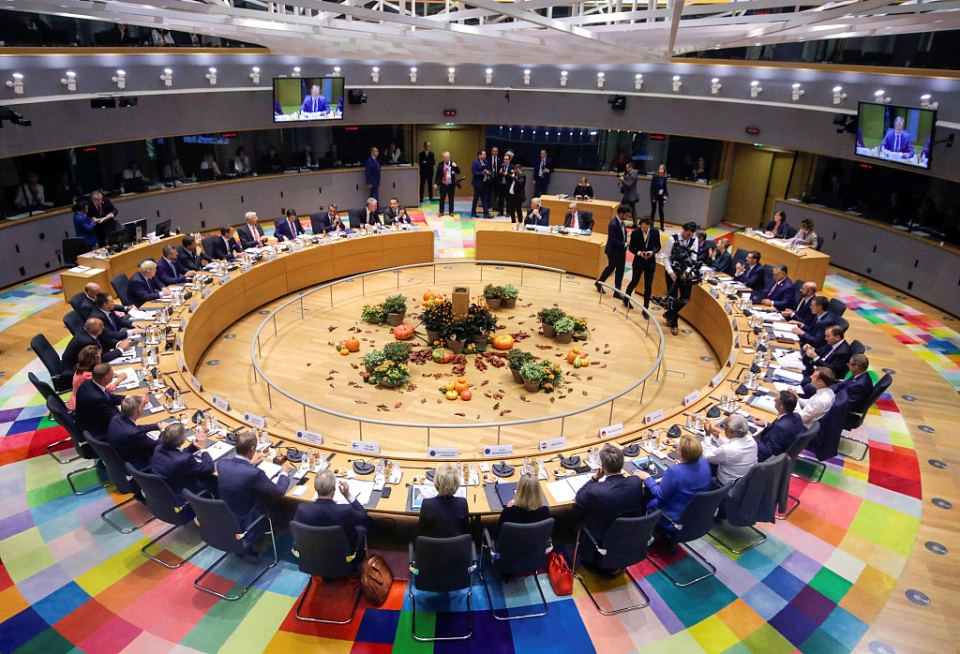
EU meeting
On March 31, EU High Representative for Foreign Affairs and Security Policy Karas led many foreign ministers and diplomats to visit Ukraine, held an EU informal foreign ministers' meeting in Kiev, and commemorated the fourth anniversary of the "Bucha massacre" and reiterated support for Ukraine.
Ukrainian President Zelensky attended the meeting and held talks with Karas and others, focusing on discussions on 90 billion euros in loans to Ukraine, pressure on Russia and negotiations on Ukraine's accession to the EU.
The atmosphere of this meeting was very strange. On the one hand, the EU promised to provide 90 billion euros in loan assistance to Ukraine, but on the other hand, the EU was unable to give Ukraine a clear funding time. On the one hand, the EU expressed support for Ukraine's entry into the EU, but on the other hand, the EU refused to clarify Ukraine's timetable for joining the EU. On the one hand, the EU claims to support providing assistance to Ukraine, but on the other hand, about half of the foreign ministers of EU member states who participated in the meeting did not attend.
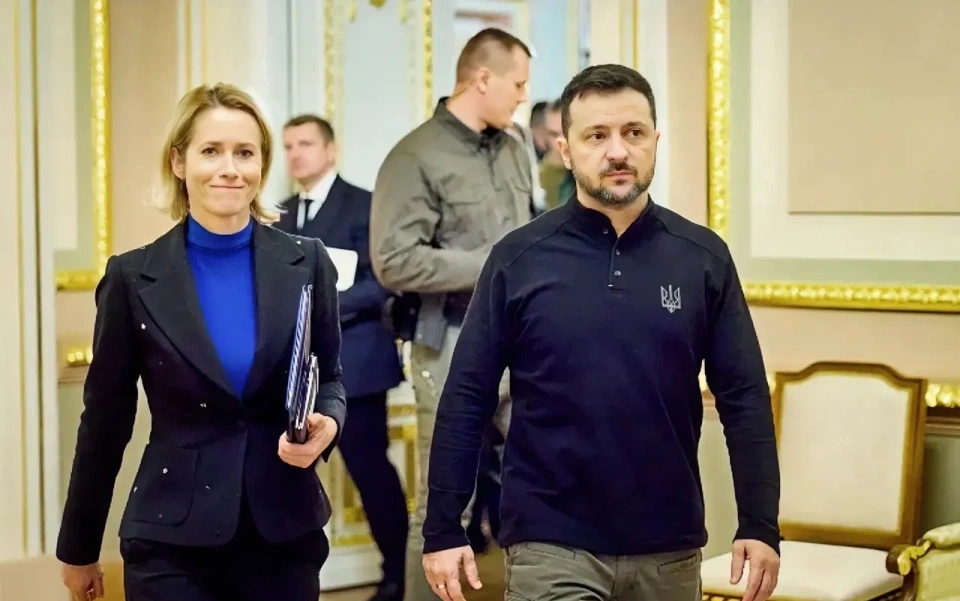
Zelensky and Karas
This is an informal EU foreign ministers' meeting, but as a member of the EU, Hungary's Foreign Minister Szijjarto explicitly refused to visit Ukraine and attend the meeting. The US "Political News Network" also pointed out that about half of the EU member states either did not participate in the visit, or only sent diplomats instead of foreign ministers.
Zelensky and Karas focused on the issue of the EU passing 90 billion euros in aid to Ukraine as soon as possible, but Karas also said in an interview that the EU "has some obstacles" in providing 90 billion euros in loan assistance to Ukraine and passing the 20th round of sanctions against Russia, and "cannot announce any good news." At the same time, she also said that the EU will provide Ukraine with another 80 million euros in aid from the proceeds of Russia's frozen assets, but it is currently unable to give a clear date for Ukraine to join the EU.
From the above information, it is almost easy to see that the EU's commitment to Ukraine is more of a commitment than actual assistance.
EUR
So why is this situation happening now?
First, there are the EU’s institutional knots and the equal sharing of responsibilities and powers. Major financial and diplomatic matters of the EU require the unanimous consent of all members, and any country's objections can directly block the process.
When the EU proposed this 90 billion euro loan aid plan at the end of 2025, Hungary, Slovakia, the Czech Republic and other countries firmly disagreed. Later, the EU conducted separate negotiations with these countries and promised that the loan did not need to be provided by these countries, which prompted the proposal to be passed without objection within the EU.
However, in February 2026, news suddenly came out that the Ukrainian section of the Russia-EU "Friendship" oil pipeline was bombed. Ukraine claimed that Russia had attacked the pipeline, and Russia claimed that Ukraine had destroyed the pipeline. In view of the situation where both sides insist on different opinions, Hungary and Slovakia, as the biggest victims of this incident, naturally do not believe Ukraine's rhetoric.
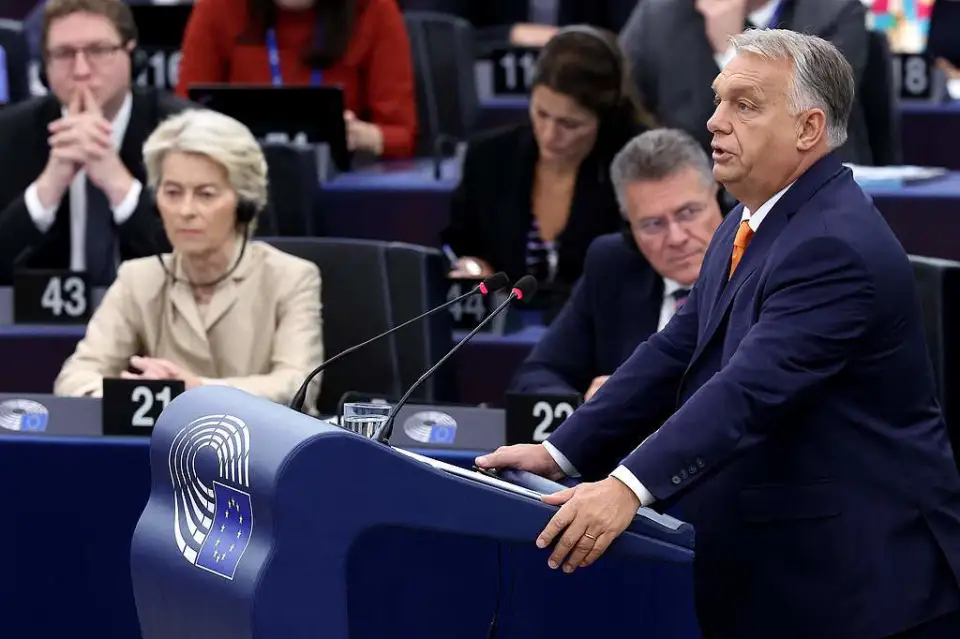
Orban and von der Leyen at EU summit
Therefore, the two countries directly announced that if Ukraine does not repair the oil pipeline as soon as possible, the EU will not pass the 90 billion loan assistance plan for Ukraine. Faced with threats from both countries, Zelensky chose to be tough and refused to repair the pipeline.
So we see now that the EU is in trouble over the 90 billion euros in loan assistance to Ukraine. To put it bluntly, the fundamental reason for the failure of the European aid plan to Ukraine is the EU's institutional shortcomings. Hungary and Slovakia have stayed out of the EU's aid to Ukraine, but they can control the overall decision-making to satisfy their own interests.
Secondly, there is a serious imbalance of interests within the EU. Hungary and Slovakia are highly dependent on Russian oil. Now that their oil pipelines have been blown up, the EU has failed to provide effective solutions to these two countries. Instead, it has blindly pressured the two countries to pass aid plans for Ukraine. This kind of "parents" who do not solve the problem but instead put pressure on the victims will naturally be opposed and disgusted by Hungary and Slovenia.
In addition, what everyone is more concerned about is that since other EU countries want to assist Ukraine so much, why don't they provide peer-to-peer assistance themselves? This question is a good one, but it also ignores the reality.
It is not that EU member states have provided point-to-point assistance to Ukraine, and they have continued to do so. It can be said that a large part of the assistance Ukraine has received so far has been provided by individual countries to assist Ukraine.
Regarding this 90 billion euro loan assistance, the EU chose collective action for a very practical reason, that is, to avoid uneven responsibility. EU member states range from large to small, and some have a positive attitude towards Ukraine and some have no interest in Ukraine. If EU countries are allowed to provide this loan assistance to Ukraine on their own, then large countries such as Germany and France will bear more, while Hungary, Slovakia and other small countries and countries that have no interest in Ukraine will bear less.
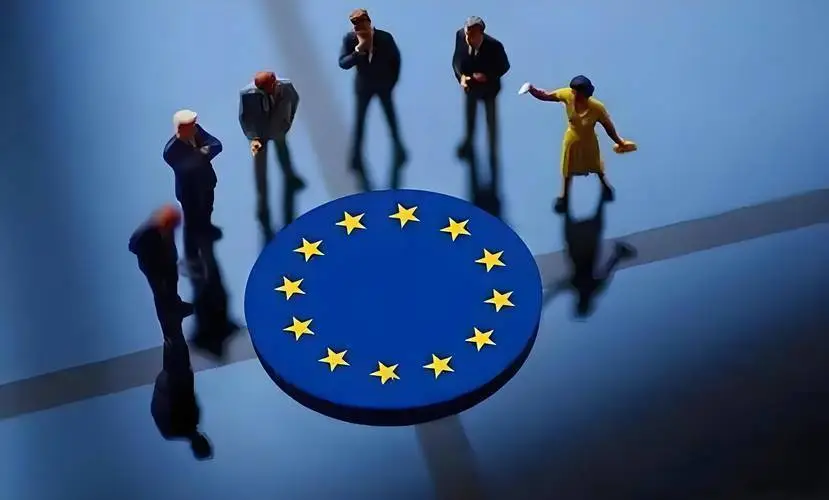
Conflicts within the EU
In addition, this 90 billion euros of aid to Ukraine is mandatory from the EU in the form of low-interest loans or interest-free loans. If member states are allowed to provide it on their own, there may be different loan interest rates, different loan amounts, different aid times, etc., which will make Ukraine unable to make financial planning at all.
Therefore, the EU must allocate loan quotas according to the GDP of member states in a mandatory low-interest or no-interest manner. All member states are forced to provide loan assistance to Ukraine on time, according to the quota, and at accurate interest rates. This can ensure that the Ukrainian regime can continue for a long time.
Finally, the EU as a whole has two sides to the Russia-Ukraine conflict. The reason why the EU rejected Zelensky's request for a clear timetable for EU entry is largely due to the EU's overall dual understanding of the Russia-Ukraine conflict.
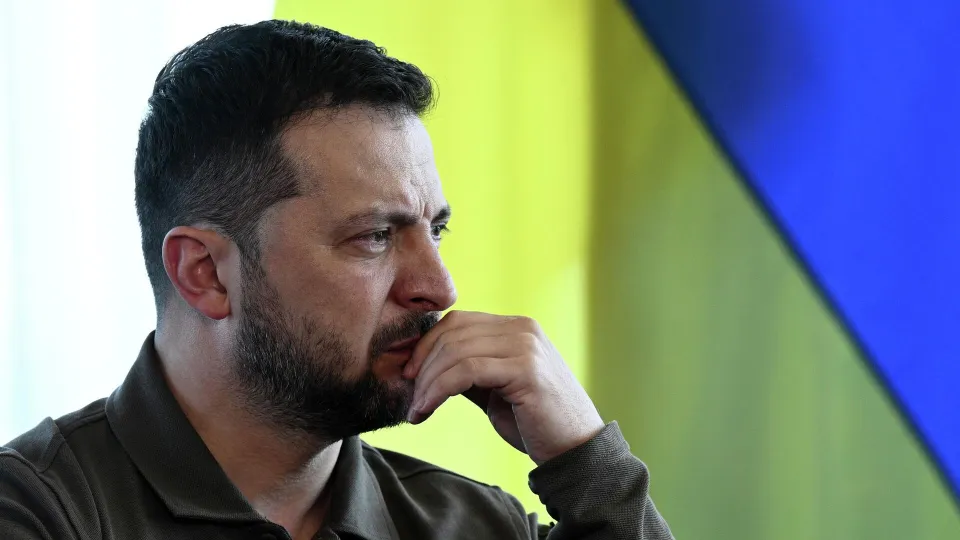
Zelensky
For example, German Chancellor Mertz has publicly stated that it is absolutely impossible for Ukraine to join the EU in 2027. Ukraine must meet the "Copenhagen standards" (democracy and rule of law, anti-corruption, economic transformation, etc.) before it can join the EU.
The European Commission's report clearly stated that Ukraine has lagged behind in reform areas such as anti-money laundering and national risk assessment and will not be able to meet the standards in the short term.
Countries such as Hungary clearly oppose Ukraine's rapid accession to the EU, believing that accepting Ukraine in a state of war is tantamount to "introducing conflict into the EU" and poses security risks.
France and other core EU countries are also cautious about Ukraine joining the EU and are considering letting Ukraine complete reforms and end the war before discussing a timetable for EU accession.
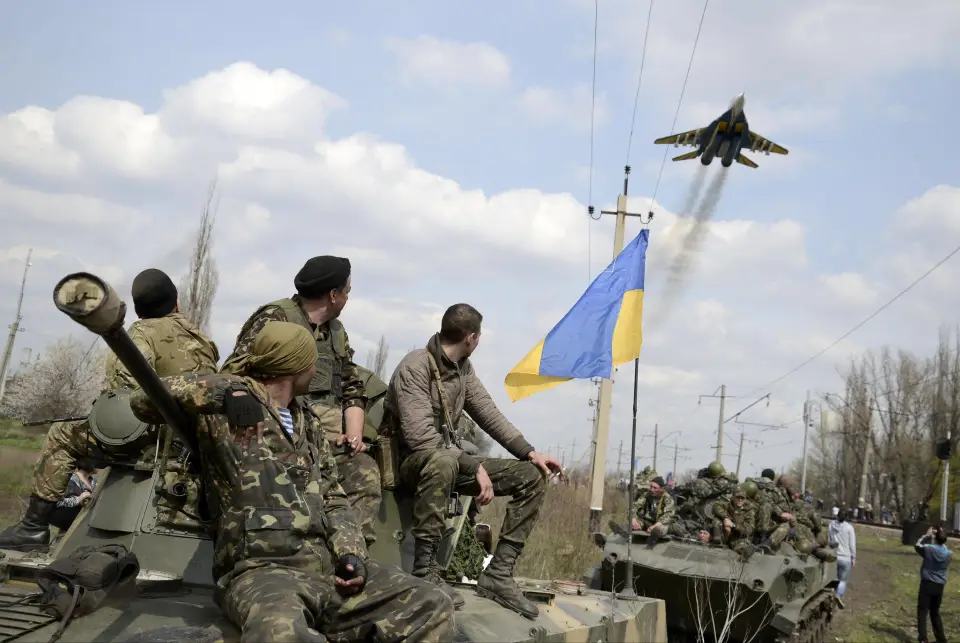
Russia-Ukraine conflict
To put it bluntly, although the EU supports Ukraine joining the EU, it also understands that Ukraine in a state of war will only bring more trouble and division to the EU, which is by no means a good thing.
Therefore, this time the 26 EU countries gathered in Kiev and failed to come up with a piece of good news, this is not accidental but inevitable.