While the dawn of peace still seemed to be shrouded in smoke, the internal rifts in the European continent were suddenly illuminated after a secret diplomatic operation was exposed. The ambition to seek strategic independence has collided with the cold geographical reality.
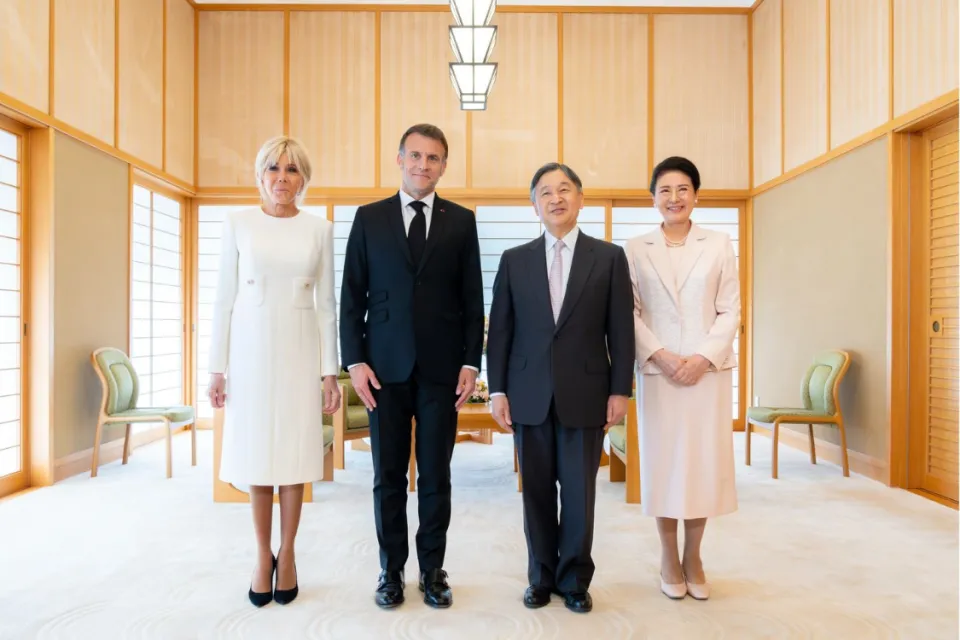
On February 11, 2026, a phone call that was supposed to be full of goodwill ended in sharp public criticism. After communicating with French President Macron, Ukrainian President Zelensky bluntly pointed out to the media that any unilateral dialogue with Moscow that bypasses Kyiv will ultimately become a tool for Russia to humiliate Europe. This statement is like a bucket of cold water poured on Paris, which is trying to find a new way out for European diplomacy.
Zelensky’s anger is well-founded. Just a week ago, on February 5th and 6th, senior officials of the French Ministry of Foreign Affairs made a secret trip that was not publicly reported, and the destination was Minsk, the capital of Belarus. It is believed that the core purpose of this trip is to test the possibility of restarting the EU-Russia dialogue channel by contacting Belarus, a close ally of Russia. This “secret trip” exposed by the media quickly caused an uproar in Eastern Europe and even the entire European Union.
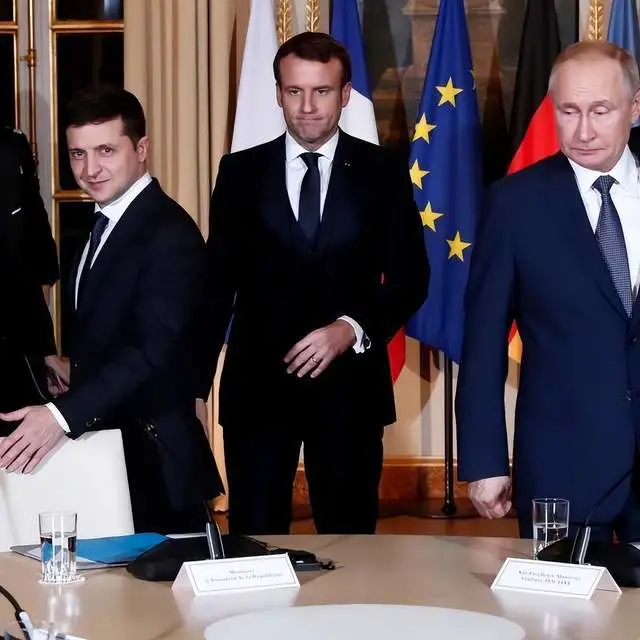
1. Macron’s “Lonely Charge”: Looking for a “Plan B” for Europe
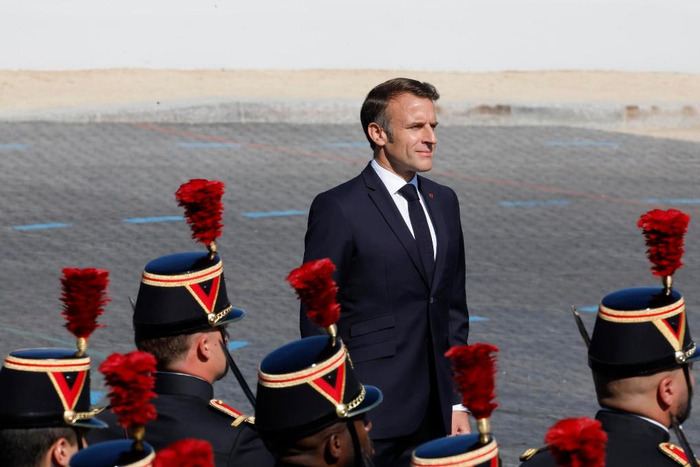
Macron’s initiative is not a whim. Since the end of 2025, the French leader has proposed on different occasions that Europe must be responsible for its own security and cannot place its fate entirely on the “unpredictable” United States. The picture he painted was of a strong Europe that could independently talk to Moscow and defend its interests.
In an interview with Le Monde and other media on February 10, Macron defended this. He recalled the failure of contact with Putin three years ago but stressed that the environment was different today. He explained that the core logic is not to put pressure on Ukraine, but to establish a “orderly” dialogue framework to ensure that Europe has the initiative on matters related to its own security, rather than just being a spectator or follower of Washington’s decision-making.
Cypriot President Nicos Christodoulides expressed limited support during a visit to Paris. He asked a pointed question: Since the current de facto negotiations are with Putin through the US envoy, why can’t Europe have its own direct channel? This precisely hits the strategic core of Macron’s initiative—Europe’s strategic autonomy.
However, the ideal is full and the reality is skinny. Tatiana Kastoeva-Jean, a Russia expert at the French Institute of International Relations, pointed out the risks sharply: Russia has not shown any intention to make substantive concessions and is extremely good at exploiting the differences of its opponents. If Europe rushes into battle, it is likely to be manipulated by Moscow. Instead of promoting peace, it will weaken its own unity.
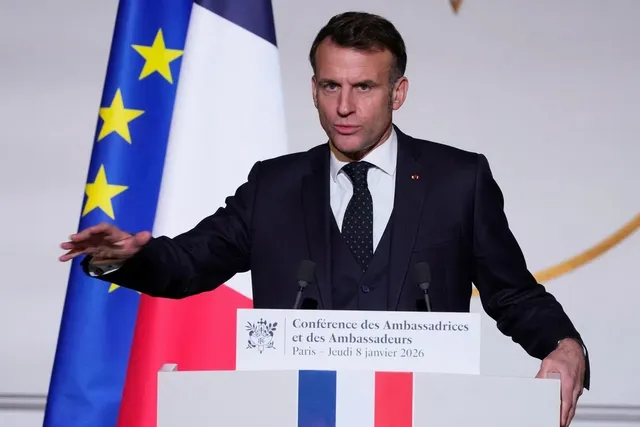
2. Monolithic? The boycott and internal rifts in the twelve Eastern European countries
Macron’s “Minsk secret trip” was like a touchstone, instantly testing the true temperature of Europe on the Russian issue. The most violent reactions came from Central and Eastern European countries, especially the “frontline countries” bordering Ukraine.
Poland’s response has been described as a “security alert.” Warsaw made it clear that it was “extremely dangerous and inappropriate” to resume dialogue with Putin when the current war has not subsided and Russian troops still occupy large areas of Ukrainian territory. A Polish diplomat bluntly said that he could not see any guarantee that such dialogue would accelerate peace, but might instead be seen as a disguised endorsement of aggression.
Subtle differences emerged among the three Baltic countries. Latvian Prime Minister Silina believed that Europe “should be present”, and Estonian President Karis also agreed that Europe needs to have its own voice. However, Foreign Minister Chachner’s condemnation was extremely strong. He called the move “catastrophic” to Ukraine and directly damaging European security. Lithuanian President Nauseda was more direct in his criticism, accusing that such unilateral actions would only “weaken Europe’s overall position.”
Britain is a key European force outside the EU, and the skepticism of its Foreign Minister Koop represents another force. She emphasized that there is currently no evidence that Putin has real sincerity for peace and that restarting dialogue may be just wishful thinking.
Even Germany, which Macron initially hoped to unite with, is cautious. Although German Chancellor Mertz admitted to maintaining coordination with France, he firmly stated that any dialogue must be conducted within the existing framework reached with the United States and Ukraine, and clearly rejected “parallel channels.” Although there are calls within the ruling coalition to take the initiative, they cannot change the government’s official position.
Italian Prime Minister Meloni’s warning is quite representative: If Europe cannot speak with one voice and instead contacts Moscow in a chaotic manner, it will simply be “doing Putin a favor.”
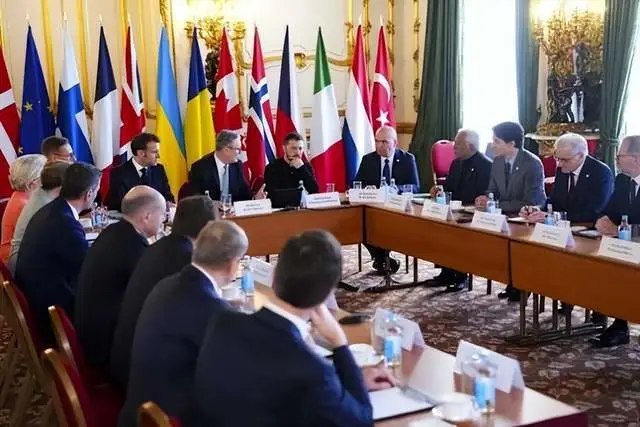
3. Zelensky’s bottom line: Before the ceasefire, there is no need to discuss anything
Faced with the surging trend of dialogue within Europe, Zelensky, who is in the eye of the storm, has drawn a clear red line. His position is based on two basic judgments about the current situation.
First, military realities are the basis for negotiations. Zelensky stressed that only after a real ceasefire is achieved will it be possible to discuss the political process, including elections. He dismissed rumors that it would hold elections and a peaceful referendum before May under U.S. pressure, pointing out that these reports were “false” and aimed at disrupting Ukrainian society.
Secondly, negotiations require bargaining chips. Zelensky warned Europe that it must ensure it has sufficient “pressure chips” before considering dialogue with Russia. In his view, Russia is currently not under enough pressure to force it to come to the negotiating table, and dialogue at this time is tantamount to a prelude to surrender. Ukraine’s concern is that certain European moves could be interpreted by Moscow as a signal of weakness and fragmentation in the Western alliance, encouraging it to adopt a tougher military posture.
4. Analysis: Paradoxes and dilemmas of European strategic autonomy
This diplomatic turmoil has exposed the deep paradox in Europe’s pursuit of strategic independence.
First, the contradiction between autonomy and unity. Macron’s actions were intended to demonstrate Europe’s ability to act independently, but instead failed to fully coordinate its allies, and instead exposed and exacerbated divisions within the EU. Without a unified stance, the power of “autonomy” is scattered and easily exploited.
Second, there is a disconnect between idealism and geographical reality. The logic behind the French initiative is a kind of “great power politics” thinking, in which conflicts are managed through dialogue between major powers. However, the essence of the Ukrainian war is a local hot war involving the survival of territorial sovereignty. Ignoring the will and sense of security of the country directly involved, Ukraine, any “peace architecture” between major powers lacks moral legitimacy and practical foundation.
Third, there is a hasty response to the anxiety of the “post-American era”. European concerns about U.S. policy uncertainty are real, but the rush to find a “Plan B” could lead to strategic mistakes. True strategic autonomy should be based on strong common defense capabilities, solid internal unity and a clear and coherent strategy towards Russia, rather than just an independent diplomatic channel.