The spring is warm and the festival is joyful. At such a festive moment, we have joined forces with teachers and students from Xi'an Academy of Fine Arts, Tianjin Academy of Fine Arts, China Academy of Art, Shanghai University Shanghai Academy of Fine Arts, Lu Xun Academy of Fine Arts and Guangzhou Academy of Fine Arts to combine calligraphy, folk customs, paper-cutting, illustrations, prints, wood carvings and other art forms to perform a variety of "Fu" designs to send blessings to readers and friends in the New Year and add a unique artistic color to the Spring Festival. May the readers and friends walk with you with "luck", and in the Year of the Horse, the "luck" star shines brightly, and you will achieve success immediately.
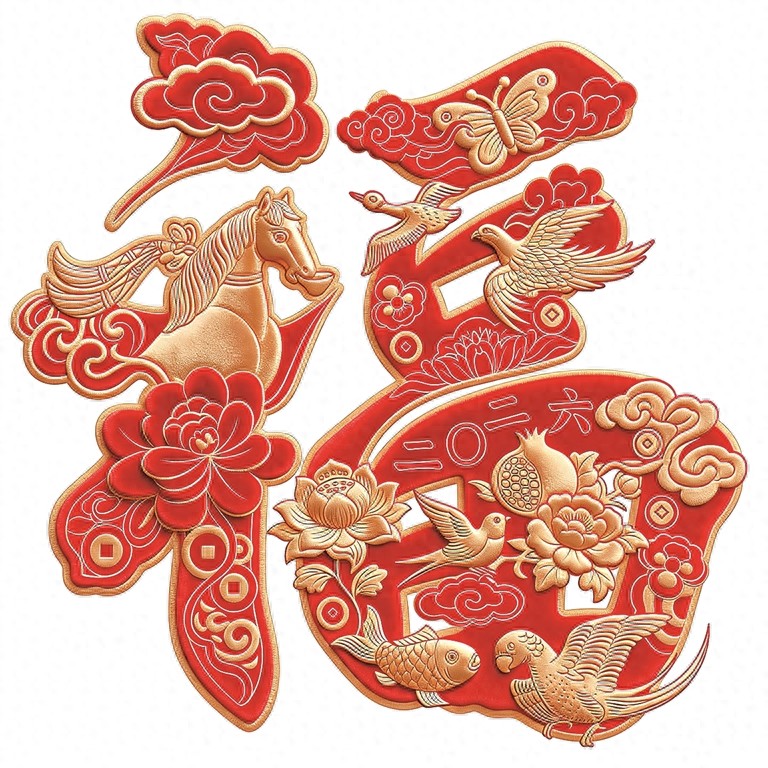
Hongfu of the Tang Dynasty. Jing Wei
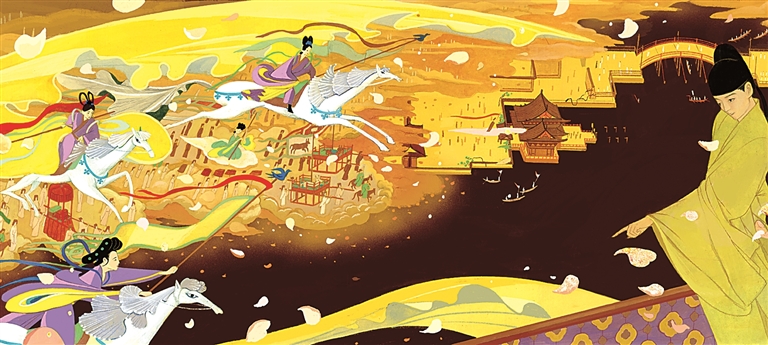
Jin Ji sends Ruihua. Zhang Yi
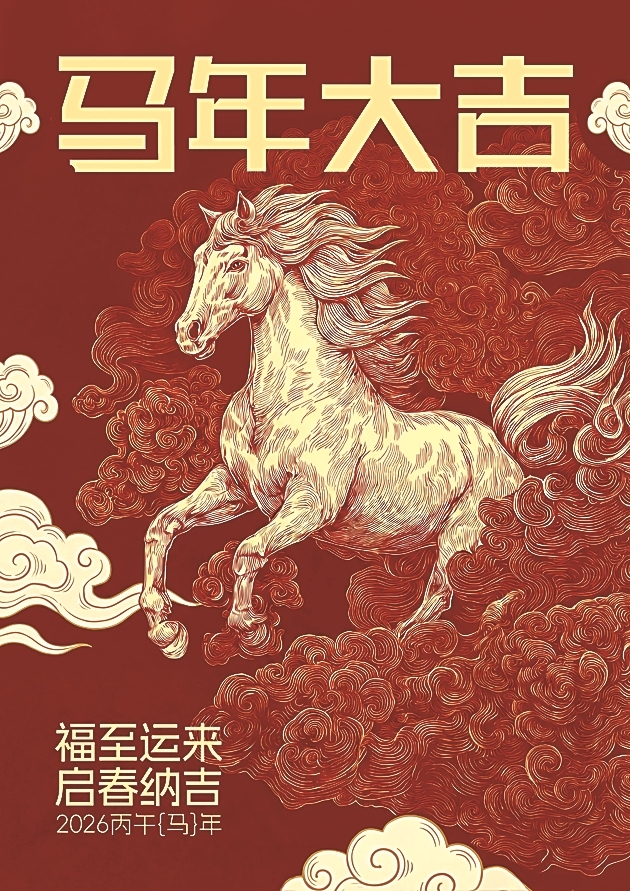
Yunxiang Golden Horse·Fu Qi Bingwu. Guan Xin, Li Xiang
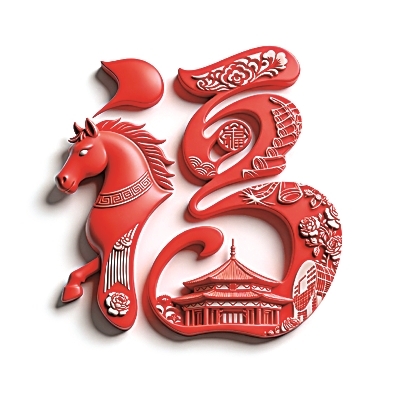
Fuma new rhyme. Guan Xin, Chen Jianning
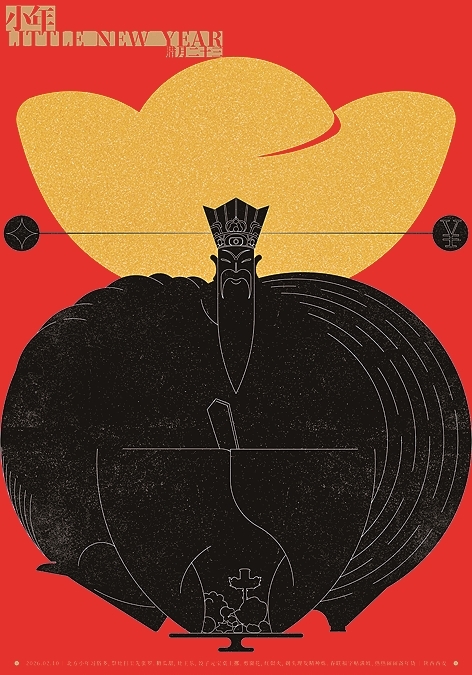
Little year. Ke Nan
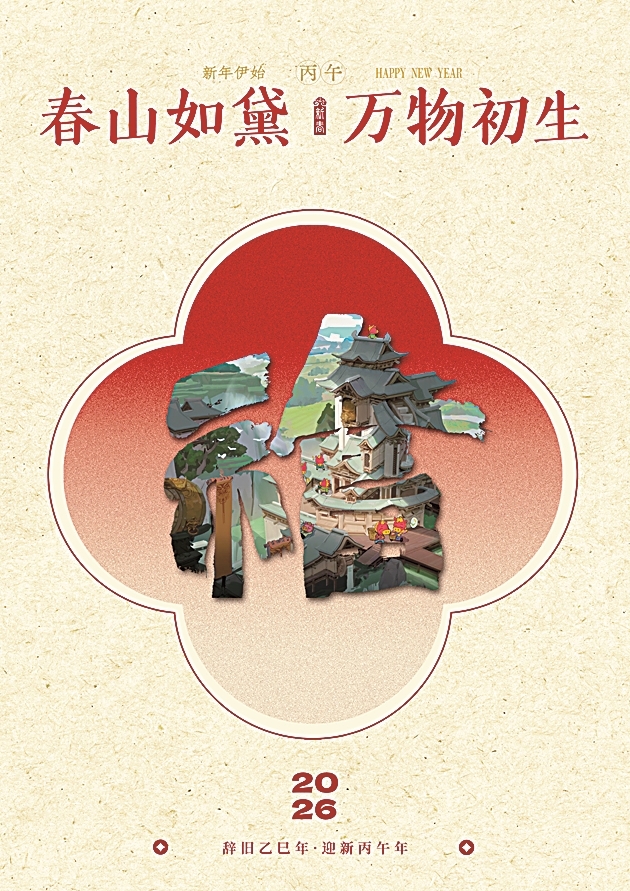
The spring mountain is like Dai. Shen Hao (Fu character), Tie Zhichao (illustrator)
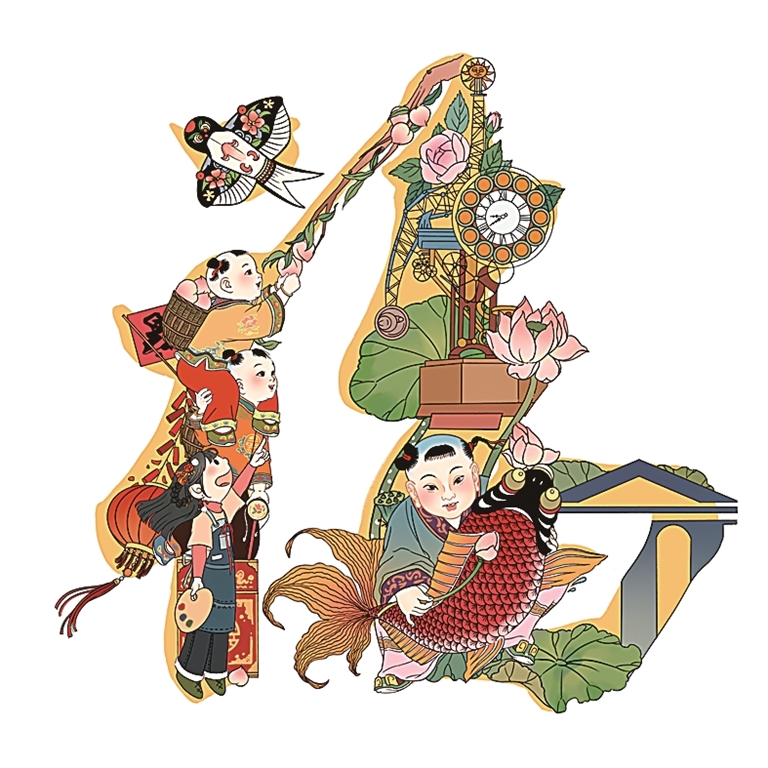
Jinmen is blessed. Xu Miaoyan, Zhang Xinkai
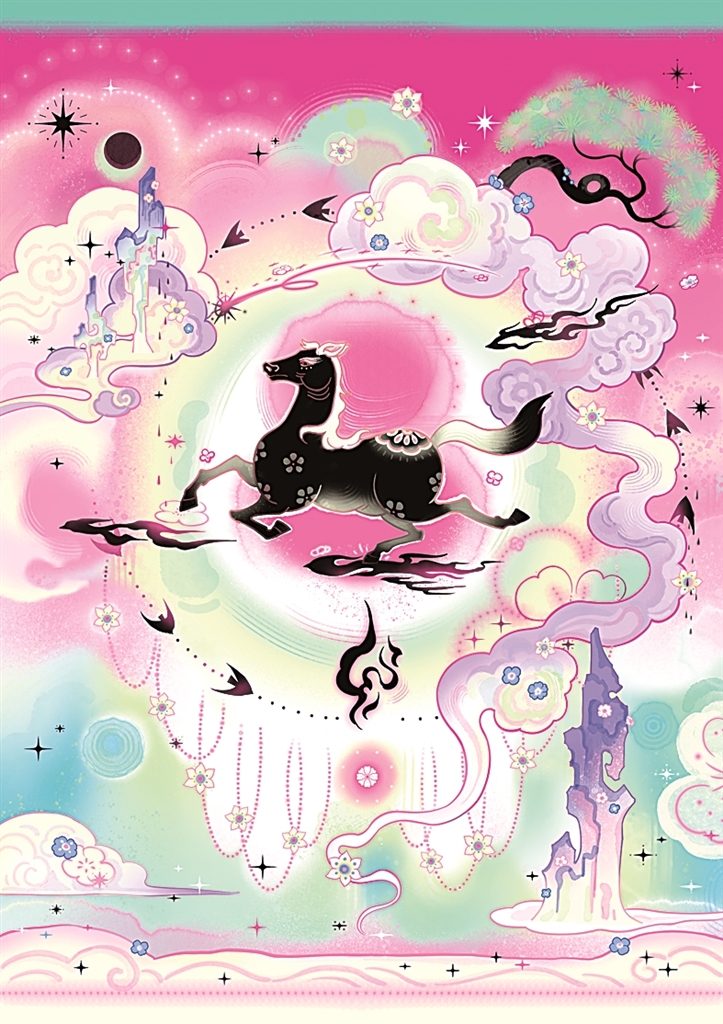
The horse rides on the clouds. Li Yilan
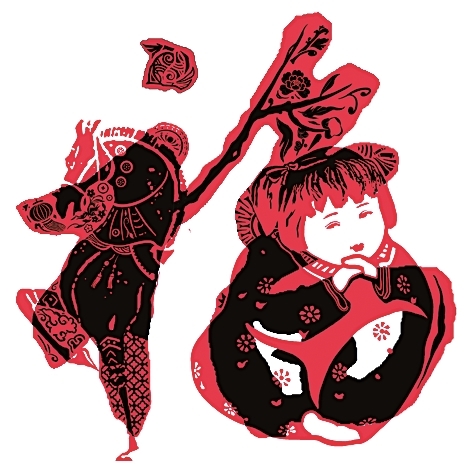
Good luck accompanies the horse. Guo Ziyang, Zhang Xinkai
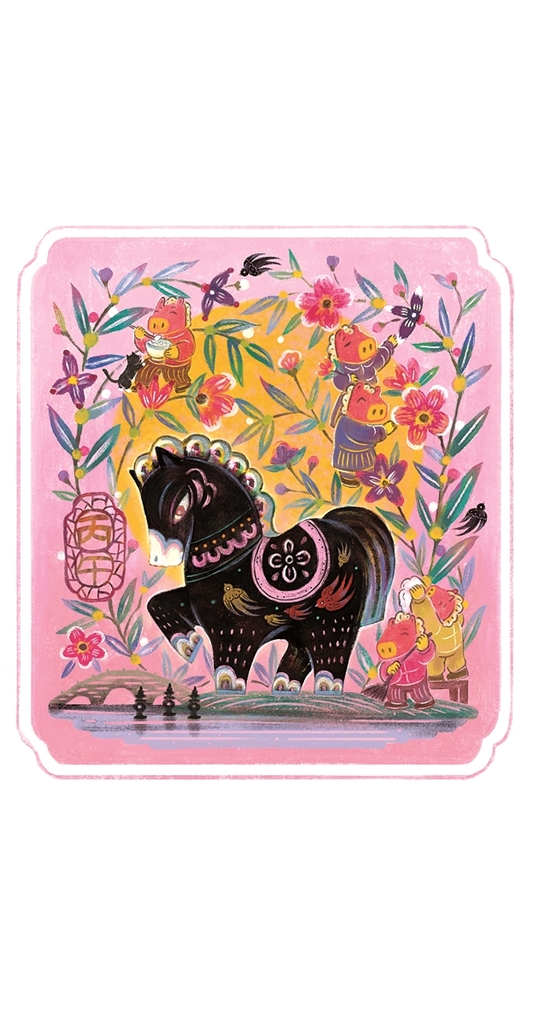
Bingwu welcomes the new year. Jin Xingjia, Zeng tide
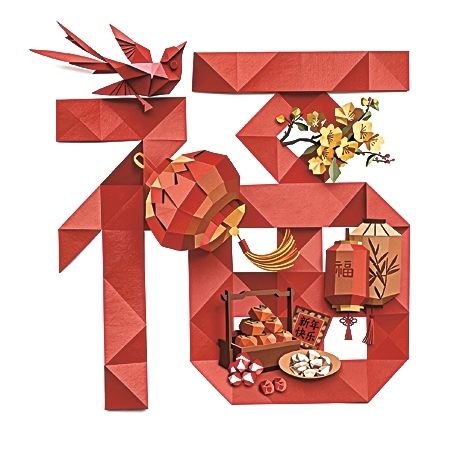
Zhiyun Happy Year·Horse comes to happiness. Guan Xin, Li Xiang
The Spring Festival has arrived, and every household has the word "福" posted on its doors and walls. This indispensable ritual reflects people's yearning and pursuit of happiness. As a traditional Chinese folk culture, Fu culture has a long history. "Shangshu" contains: "The five blessings: the first is longevity, the second is wealth, the third is well-being, the fourth is good virtue, and the fifth is longevity." The ancients gave the blessing culture the meaning of longevity, wealth, well-being, benevolence, and a good death, and placed everyone's hope for a better life. When the traditional word "福" meets the brushes of art students, what kind of brilliance will it bring to the era?
Xi'an Academy of Fine Arts is the first to present "Hongfu of the Tang Dynasty" to everyone. The work adopts the gilding, engraving and relief techniques of the gold and silverware collected in Hejia Village in the Tang Dynasty. It is paved with red velvet texture and outlined with gilt lines. The red color symbolizes the joy of the New Year and reunion, and the gold replicates the luxurious texture of the gold and silverware of the Tang Dynasty, conveying the good wishes of good fortune and lasting blessings in the Year of the Horse.
The Northern New Year is the prelude to the Spring Festival. On this day, people take the custom of "sacrifice to the stove" as the core. Every family sweeps the dust, cuts window grilles, prepares New Year's goods, steams steamed buns, and welcomes the New Year with busyness and laughter. The design of "Little Year" takes the image of the Stove Lord as the core, summarizing his body through the outline of a sugar melon, and incorporating tribute elements such as fruits to reflect the custom of worshiping the stove. The shape of the horse is combined with the texture of the sugar melon and the details of the mane to show that the Stove Lord has received tribute, echoing the auspicious meaning of "God speaks good things, and the lower world ensures peace."
Tianjin Academy of Fine Arts designed two works with the word "福" that are unique to Jinwei, transforming the delicate observation of the flavor of the hometown into warm narratives. "Tinmen Na Fu" cleverly weaves Tianjin's urban memory into the skeleton of the word "Fu". On the left, the strokes of the word "福" are transformed into peach-picking children and flying kites, evoking the audience's childhood memories; a young painter who stops and stares is an observer and recorder of the city; on the right, the landmark century clock is juxtaposed with the blooming rose city flower, implying that this eternally blooming "city of roses" is the guardian of traditional culture. The work combines the rich composition of Yang Liuqing's paintings with the smooth lines of modern illustrations. The colors seek harmony in strong contrast, making the word "Fu" not only carry auspicious meanings, but also become a cultural slice that condenses Tianjin's historical heritage and contemporary vitality. Another piece of work, "Blessings Accompanying the Year of the Horse," is based on paper-cutting art and creatively integrates the Year of the Horse zodiac and the classic "Dream Baby" image of Tianjin Clay Figurine Zhang into the structure of the word "Fu". On the left side, next to the word "Shi" is transformed into a galloping horse like an ink painting; on the right side, the "Tian" part is embedded with a naive "Mengwa", and the begonia flower pattern on its skirt is delicate and exquisite. Surrounded by firecrackers, lanterns, carps, peonies and other patterns, it is like spreading out a lively scroll of Jinmen New Year customs. The contrasting color combination of red and black shows a strong sense of modern design.
On the bank of the West Lake, the golden horse rides on the auspicious horse. The design team of the China Academy of Art presents a visual feast that spans ancient and modern times with New Year pictures that blend traditional aesthetics and modern creativity. The overall design of "Spring Mountains Like Daisy" takes "Spring Mountains Like Daisy, All Things Are Born" as the core. It combines national aesthetics with New Year blessings, conveying the beautiful expectations of bidding farewell to the old and welcoming the new. The word "福" uses collage art techniques to show a New Year picture of horses gathering happily and leisurely among the mountains and rivers. Against the backdrop of the cascading terraced fields, the cute ponies are chatting comfortably, fishing by the water, or diligently cleaning their homes. The background is outlined with a plum blossom-shaped red frame and matched with the texture of antique rice paper, which combines traditional New Year flavor with artistic texture. "Horse on the Clouds" takes the image of a black horse adorned with petals as the visual core. The overall picture has soft colors and an ethereal and romantic artistic conception. The black horse leaps among the dreamy clouds, echoing the magnificent poetic scene of "the iron horse enters the glaciers into the dream". It has both agile momentum and poetic beauty, and embodies the best wishes of chasing dreams and traveling thousands of miles when the Year of the Horse arrives. In "Golden Horses Sending Auspiciousness", a group of immortals ride on horses and soar into the clouds over the ancient city, with elegant and agile postures; golden auspicious petals are scattered all over the sky, just like the auspicious sign of the New Year. The fairy spirit blends with the flavor of the new year, and the overall artistic conception is elegant and magnificent, implying that in the Year of the Horse, the golden horse is riding auspicious, the city is full of blessings, and everything is radiant.
Lu Xun Academy of Fine Arts sent warm wishes and blessings from Northeast China. "Yunxiang Golden Horse·Fuqi Bingwu" adopts the classic color scheme of red and gold to enhance the festive atmosphere of the New Year. The main body of the painting is a white horse leaping above auspicious clouds. Its high-spirited posture is depicted with delicate lines. Combined with traditional auspicious cloud patterns, it conveys the auspicious meaning of "horse brings success" and "good fortune comes". "Paper Rhymes for the Year of the Blessed – The Horse Comes to Happiness" displays the zodiac imagery and traditional folk symbols through modern three-dimensional paper art, and materializes the auspicious meaning of the word "福" and the lively atmosphere of the New Year. It not only continues the festive core of folk art, but also adapts modern design language to contemporary visual aesthetics. "New Rhythm of Fuma" adopts the new Chinese-style relief texture to anchor the regional cultural coordinates, integrating the Shenyang Forbidden City and Fangyuan Building into the outline of the Chinese character "Fu"; at the same time, it is embellished with the city flower rose and the pattern of back and branches to connect traditional aesthetics and urban memory. The entire picture is laid out in Chinese red, achieving the triple integration of regional characteristics, zodiac culture and New Year blessings, conveying Shenyang’s unique auspicious charm of the Year of the Horse.
Instructor:
Cheng Yiqi, Lu Dandan, Shanghai Academy of Fine Arts, Shanghai University
China Academy of Art Tie Zhichao
Zhang Li, Xi'an Academy of Fine Arts
Lu Xun Academy of Fine Arts Guan Xin, Fang Meiqiao, Li Hansen
Wu Jie and Han Xian of Tianjin Academy of Fine Arts
Guangzhou Academy of Fine Arts Cai Yonghua, Liang Diyu, Chen Liyu
(Organized by Guangming Daily reporters Zhang Yumei and Xu Xinyi)
"Guangming Daily" (Page 03, February 17, 2026)


![[Netherlands] France Turns To The Netherlands To Support Its Military Operations-Lijin Finance](https://www.erbetc.com/wp-content/uploads/2026/03/1773277663261_0.webp)