Who would have thought that in the serious National Assembly, a defense minister would use "toilet paper" to describe his country?
In the past two days, Pakistani Defense Minister Asif's speech directly dropped a bombshell in the field of international public opinion. He did not shy away from blaming Washington, saying that the United States has been "using" Pakistan for its own strategic interests, and once the goal is achieved, it will kick this ally away mercilessly like throwing away a ball of toilet paper.
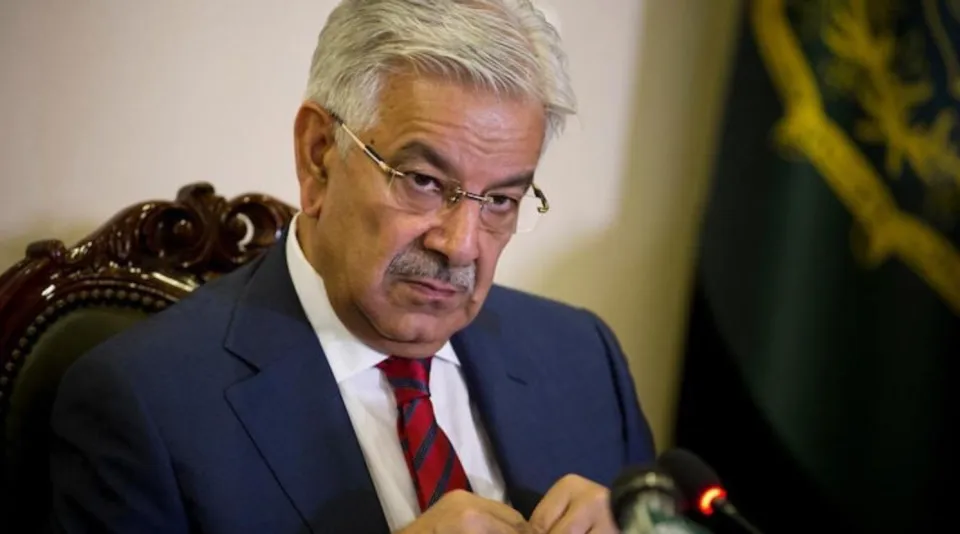
That such words can come from the mouth of a country's defense minister shows how deep Pakistan's pent-up resentment is. In his speech, Asif was not only bombarding the United States, but also conducting a "self-destructive" reflection on Pakistan's foreign policy in the past few decades. He bluntly acknowledged that Islamabad's past denials of its history of terrorism were "serious mistakes made by past dictators."
Asif focused on the two Afghan wars that have plunged Pakistan into a quagmire. He believes that whether Pakistan chooses to realign its alliance with Washington after 1999 or after the "9/11" incident in 2001, the cost will be devastating. In order to please this superpower, Pakistan not only took the lead in the war in Afghanistan, but also turned against the Taliban.
The result? The Americans withdrew, leaving Pakistan with long-term violence, radicalism and devastated economic difficulties. The most sharp point is that Asif exposed the official lies of the year in public. He said that the official claim that participation in the war was out of so-called "religious obligation" or "holy war" was completely misleading and even extremely harmful.
He named Haq and Musharraf, two former military dictators, and criticized them for joining the war in Afghanistan not because of their beliefs but purely to please the United States. The current counterattack of terrorism is the bitter result of the wrong decisions made back then.
Asif's final words were heartbreaking, saying the losses suffered by Pakistan could never be undone and the mistakes were irreversible. This is not only the anger of a defense minister, but also a painful confession of a country after realizing that it has become a consumable in the game between great powers.