Professional virtual currency information station welcome
We have been making efforts.

24-hour news update Page 77

24-hour cryptocurrency news update

China's Childcare Subsidy Exceeds 100 Billion, The Two Sessions Focus On Fertility-friendliness And The Plight Of Rural Childcare

China News Service, Beijing, March 8 (Reporters: Zhang Ni, Liu Meiling, Chang Tao, Chen Wentao) More than 33 million families in China receive child care subsidies. The central and local governments have invested more than 100 billion yuan in child care subsidies, with a total of 6.6 million child care places.

During the National Two Sessions, this heart-warming data about family well-being attracted attention. Behind this is the fact that China is focusing on building a child-friendly society during the "15th Five-Year Plan" period.

How can ordinary families dare to have children, be able to raise them, and raise them well? Zheng Gongcheng, deputy to the National People's Congress and president of the China Society of Social Security, expressed concern for "mothers". He noted that although childbirth has been included in medical insurance, only female employees who have participated in maternity insurance are eligible to receive maternity benefits, and some women who have given birth have not enjoyed it. "This situation needs to change as soon as possible."

Zheng Gongcheng also suggested the establishment of a "mother's pension" system, which would treat the time of raising a baby (such as one or two years) as payment time to ensure that the pension benefits of women who give birth are not affected by childcare. "This system design links fertility contribution with security in later life, which reflects the institutional recognition of the social value of women's fertility."

"Infants aged 0 to 3 years old in rural areas face difficult problems such as 'no one to take care of them' and 'not taking care of them properly.'" Fu Qingmei, deputy to the National People's Congress and deputy head of Hezhang County, Bijie City, Guizhou Province, called attention to the "parenting dilemma" faced by grassroots rural areas.

Fu Qingmei believes that infant care services in rural areas face problems such as resource shortages, talent shortages, and lack of standards. She recommends promoting the construction of a rural infant care service system so that rural infants aged 0 to 3 can grow and develop in a scientific, standardized, and reasonable nurturing environment.

In response to social concerns, the draft outline of the "15th Five-Year Plan" has included content such as "expanding the coverage of the maternity insurance system" and "accelerating the construction of an inclusive child care service system", and clearly proposes "optimizing fertility support policies and incentives to effectively reduce the cost of family fertility, childcare and education."

"In the past, everyone was concerned about whether they could afford to have children, but now they are more concerned about whether they can raise children well and whether they can be supported." Yao Jinbo, deputy to the National People's Congress and chairman and CEO of 58.com, believes that fertility support depends on system design and building a comprehensive support system covering the growth cycle from 0 to 18 years old. Supporting every aspect of marriage, pregnancy and parenting can make families more confident and more predictable when making fertility decisions.

Zheng Gongcheng said that the "15th Five-Year Plan" period is a critical period for establishing and improving the policy system for childbirth and childcare. Sharing childbirth costs and resolving childcare anxiety with the help of the system can provide a solid foundation for every family to "dare to have children and be able to raise children." (over)

Transportation Bottlenecks Impact The Gold Market. How Will The Geopolitical Situation And Price Fluctuations Be Affected?

Transportation Bottlenecks and the Price of Gold

Since the beginning of this year, gold prices have risen by about 20%, and once hit a record high above $5,595 per ounce in late January. Ongoing geopolitical and trade tensions, as well as concerns about the independence of the Federal Reserve, have combined to support gold demand.

However, in Hu Jie's view, before this round of relevant situations escalates, "this round of emotional resonance spurred by geopolitical turmoil is coming to an end. On the one hand, the price of gold is at a high level, and on the other hand, the previous geopolitical situation has shown signs of easing, including the relative calm of the Palestinian-Israeli conflict and the possibility of easing the Russian-Ukrainian conflict. When the intensity of this macro narrative weakens, the market's emotional resonance will show weakness."

Now, the resurgence of the situation in the Middle East has added various unexpected variables to this decline in sentiment.

As mentioned earlier, the situation in the Middle East has led to the interruption of air transportation in and out of Dubai, and global gold and silver circulation is suffering a major impact. Traders believe the move could exacerbate precious metals prices that have been volatile this year.

According to reports, as a global gold transportation hub, Dubai carried about 20% of global gold circulation last year. This includes both gold refined in the UAE and the Eurasian gold trade transiting there.

Traders and analysts believe that a prolonged disruption to gold and silver shipments could push up regional prices in Asian markets and exacerbate recent volatility in the precious metals market.

There are also signs that refiners are facing challenges in sourcing semi-refined gold bars that are typically minted at mines. Samit Guha, CEO and managing director of MMTC-PAMP, India's largest precious metal refiner, said that about 10% of the company's gold ingots come from a mine in the Middle East, but the supply has been interrupted. He said logistics costs for new contracts sourced from other regions have soared by 60% to 70% since the conflict began.

John Reade, senior market strategist at the World Gold Council, said: "After the grounding of flights in the Middle East, gold supply issues have caused concerns. This is the reason for the sharp fluctuations in domestic gold prices in India."

Data shows that Dubai will be the world's second largest gold exporter in 2024, and India will be its largest export destination. Rhona O'Connell, director of market analysis at StoneX, also believes that India may be most affected by the disruption in Dubai, as Dubai is a key transit point for precious metals shipped to India.

"In the short term, people can still manage to cope, but if it lasts for too long, everything will be unpredictable." O'Connell said.

Chirag Sheth, chief consultant for South Asia at Metals Focus, an analysis agency, believes that in India, one of the largest consumers of gold in Dubai, local buyers still have room to wait. Its recent demand is relatively weak, and large imports in January have inflated inventories. "But if transportation delays continue for several months, problems will emerge."

There is still a lot of gold blocked

Since the outbreak of this round of conflicts in the Middle East, most commercial flights in the Gulf region have been suspended. Although a small number of passenger flights took off from Dubai on the 3rd, people familiar with the matter revealed that these flights did not carry gold, and perishable cargo was given priority. As of the 6th, there was still a large amount of gold transportation blocked, although some gold had been loaded onto departure flights in mid-week.

As mentioned earlier, transportation bottlenecks have caused gold prices to fall further, with the spot price of Dubai Good Delivery standard gold last trading at around US$5,172 per ounce. According to people familiar with the matter, many gold buyers have suspended new orders because they cannot ensure timely delivery and the cost of transportation insurance is too high. To avoid bearing storage and financing costs indefinitely, gold traders are offering a discount of $30 an ounce to London's global benchmark price.

However, China Business News specifically asked a local resident in Dubai that the prices of gold jewelry she saw in gold stores were the same as before, and the above-mentioned "discount" behavior did not appear on the consumer side.

As a gold refining and export hub in Asia, the UAE also undertakes gold transportation from Switzerland, the United Kingdom and many African countries. Gold is usually transported in the cargo hold of passenger aircraft. Even though flights in the United Arab Emirates are severely restricted, traders and logistics companies are still reluctant to transfer high-value goods by land to airports in Saudi Arabia, Oman and other countries because of the risks and complicated procedures involved, especially when crossing land borders.

“There is currently no gold that can be transported by air,” one gold trader said, adding he hoped the disruption would not last long. Gold is usually transported as cargo on passenger planes, with a single transport volume of up to 5 tons, worth approximately US$830 million at current prices.

Some logistics carriers say they are busy processing gold cargo that has been delivered to airlines at London Heathrow Airport because airlines have been unable to transport the cargo, which has resulted in a large number of "blocked export cargo", that is, cargo that has been submitted for customs clearance but must be formally withdrawn before it can be rerouted.

Looking forward to the market outlook, Hu Jie told reporters that whether recent emergencies will inject new excitement into the geopolitical narrative is still a matter of debate. "If the conflict becomes protracted, the previous expectations of calm in the conflict area will be subverted; but on the other hand, if this conflict can be resolved in some form in the short term, the market's perception of global instability may change."

Specifically, some analysts pointed out that if the key waterway in the Strait of Hormuz continues to be blocked, the obstruction of shipping and the contraction of energy supply will form a dual drive of risk aversion and inflation, pushing the price of gold to a breakthrough upward, denying that the impact of this fluctuation on the overall inflation and macroeconomic situation will be small, and the market hedging premium will also retreat.

"It can be seen that the key to the problem is not short-term fluctuations, but the duration of the conflict. The current focus is whether the oil output channel of the Strait of Hormuz will be substantially cut off." Hu Jie explained that although news of the blockade has been spread, the actual impact on the crude oil market is still mainly expected changes at the psychological level, and there has not yet been a price surge directly caused by supply interruption. However, once the strait blockade becomes a reality and becomes long-term, it will inevitably cause a periodic shortage of crude oil supply, thus driving up substantial price increases.

He also emphasized that, therefore, there are three core variables in the current situation: first, the duration of the conflict; second, whether it will directly impact crude oil supply; third, how long the supply shortage will last. If the superposition of these three factors leads to long-term high oil prices, then a series of subsequent chain problems will be self-evident. At that time, the Fed's policy path must be re-evaluated, including the previously expected two interest rate cuts during the year, which may need to be comprehensively sorted out and adjusted based on inflationary pressures. (Reporter Gao Ya also contributed to this article)

The Draft Of The 15th Five-Year Plan Of The National Two Sessions Has Many Highlights, And People’s Livelihood Indicators Have Attracted Much Attention

Reading deliberation: Representative members analyze the people's livelihood and economic indicators in the "15th Five-Year Plan" in detail_Reading deliberation: Representative members analyze the people's livelihood and economic indicators in the "15th Five-Year Plan" in detail_Reading deliberation: Representative members analyze the people's livelihood and economic indicators in the "15th Five-Year Plan" in detail_Reading deliberation: Representative members analyze the people's livelihood and economic indicators in the "15th Five-Year Plan" in detail

Build an employment-friendly development model, reduce the cost of childbearing, childbirth and education for families, plan to increase the income of urban and rural residents, expand the capacity of high-quality higher education resources, strengthen the medical and health base, and implement high-quality insurance…

During this year’s National Two Sessions, the draft outline of the 15th Five-Year Plan, which has attracted much attention, was unveiled. This "mission statement" of over 70,000 words lays out the layout for economic and social development in the next five years. The draft outline sets 20 indicators, of which more than 1/3 are people's livelihood indicators, and makes a series of deployment arrangements in education, medical and health, social security and other aspects.

The five-year plan is both a "state matter" and a "family matter." Faced with the development environment of profound and complex changes, the draft outline has a series of pragmatic measures that have reached the hearts of the people. It is full of "fireworks and warmth" that touches thousands of families, and triggered heated discussions among the representatives and committee members.

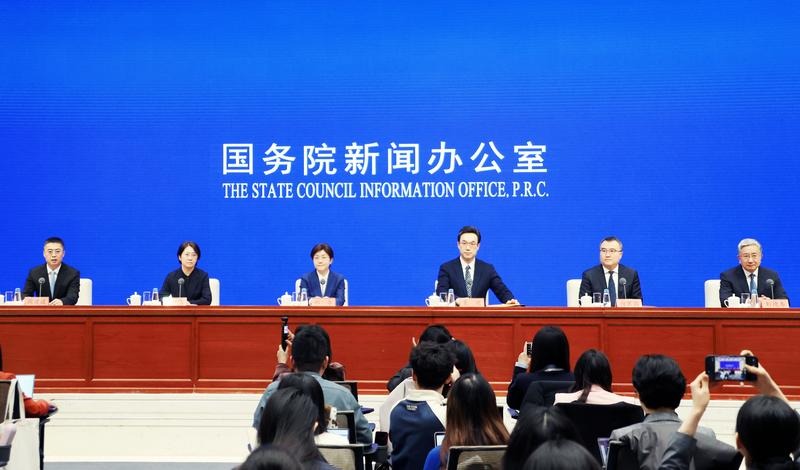
Zheng Bei, deputy director of the National Development and Reform Commission, said at a briefing of the State Council Information Office on March 7 that the draft outline insists on doing our best and within our capabilities to solidly promote the common prosperity of all people, and highlights the people's livelihood orientation of development in the main indicators, major tasks, and major projects. All measures are closely focused on solving urgent, difficult and troublesome issues of concern to the people, and strive to put people's livelihood matters into the "hearts" of the people.

People's livelihood topics arouse heated discussions

The draft outline lists 20 main indicators, with people's livelihood and welfare indicators accounting for the highest proportion. It sets 7 indicators from the aspects of employment, income, education, medical care, elderly care, childcare, etc., to guide the continuous upgrading of people's livelihood security from "have" to "excellent".

The average life expectancy has increased from 79.25 to 80 years; the "basic pension insurance participation rate" indicator in the "14th Five-Year Plan" outline has been adjusted to the "proportion of nursing beds in nursing homes" indicator, and the expected proportion has increased from 68% to 73%; the "infants under 3 years old per 1,000 population" has been adjusted The indicator of "number of nurseries" is adjusted to "increase in the enrollment rate of infants under 3 years old", which is expected to increase by 6 percentage points; the indicator of "number of licensed (assistant) physicians per 1,000 population" is refined into the number of licensed physicians and registered nurses per 1,000 population, which are expected to reach 3.7 and 5.1 respectively…

Huang Qunhui, a member of the National Committee of the Chinese People's Political Consultative Conference and a researcher at the Institute of Economics of the Chinese Academy of Social Sciences, said that the setting of these indicators focuses on people's concerns, grasps the pain points of people's livelihood, and promotes the optimization of medical services, elderly care and child care supply. The continuous optimization of indicators will make people's lives better, healthier, and of higher quality.

Liu Dechun, director of the Department of Social Development of the National Development and Reform Commission, said that public services are the most concerned, direct and practical interests of the masses. Our country has determined to achieve equalization of basic public services by 2035, which is an important goal requirement for the country to basically realize socialist modernization. The draft outline makes a series of arrangements in education, medical and health, social security and other aspects.

For example, in terms of education, we will accelerate the improvement of the educational resource allocation mechanism that adapts to population changes, and promote the average number of years of education for the working-age population to increase by another 0.4 years, from the current 11.3 years to 11.7 years. Among them, basic education focuses on expanding quality and improving quality, vocational education focuses on integrating industry and education, and higher education focuses on improving quality and expanding capacity.

In terms of social security, we will steadily promote the expansion of social security coverage and raise standards, and effectively ensure the bottom line of people's livelihood. The focus of "expansion" is to expand the coverage of unemployment and work-related injury insurance, establish and improve the occupational injury protection system, and increase the insurance participation rate of flexible employees, migrant workers, and people with new employment forms. The focus of "raising standards" is to improve the basic pension insurance benefit determination and adjustment mechanism, gradually increase the basic pension for urban and rural residents, and reasonably increase the medical insurance subsidy standards for urban and rural residents.

Yu Li, deputy to the National People's Congress and chairman of Ruzhou Jiajialiang Housekeeping Service Co., Ltd., said that the draft outline of the "15th Five-Year Plan" proposes a series of policies and measures for elderly care, housekeeping, etc., which will continue to inject strong impetus into the development of the industry. She truly felt that the country places elderly care, childcare, and housekeeping in important positions in ensuring people's livelihood, and policy dividends are constantly turning into powerful driving forces for enterprises to dare to invest, develop, and be sustainable, making grassroots entrepreneurs more stable, more energetic, and with a wider road.

Ma Li, a deputy to the National People's Congress and Party Branch Secretary of the First Branch of the Yinchuan Jinfeng District Taxation Bureau of the State Administration of Taxation, also believes that the concept of people first runs through the plan, from effectively reducing the cost of family birth, childcare, and education to improving the elderly care service system covering urban and rural areas, from improving the digital intelligence level of government governance to actively creating a first-class business environment, from improving the flexible employment social security system to protecting the development rights and interests of various groups. These statements are not empty slogans, but accurate responses to the urgent needs and worries of the people.

Economic indicators attract attention

In addition to people's livelihood indicators, economic indicators have also attracted much attention. The draft outline places “remarkable results in high-quality development” at the top of the seven major goals during the “15th Five-Year Plan” period. "High-quality development" is mentioned in 37 places in the full text, involving key manufacturing industry chains, population, real estate and other key areas.

The draft outline sets the GDP growth target as “maintaining it within a reasonable range and proposing it in each year as appropriate, laying a solid foundation for doubling per capita GDP by 2035 compared to 2020 and reaching the level of moderately developed countries.”

When answering a question from a reporter from China Business News at the briefing, Zheng Bei said that the setting of this indicator target adopts the method of containing quantitative requirements in the qualitative statement, which is consistent with the goal of "maintaining economic growth within a reasonable range" put forward by the Party Central Committee's "Recommendations", and is also in line with the expression of the "14th Five-Year Plan" outline. It fully embodies the clear orientation of promoting high-quality development, guides all parties to pursue real growth, leaves room for changing methods, adjusting structures, and promoting reforms, and provides support for residents to increase employment and income.

At the same time, "doubling" implies a stable expectation for the average annual GDP growth in the next 10 years, which is in line with the long-term positive development trend of China's economy. "Laying a solid foundation" refers to striving for better results in actual work during the "15th Five-Year Plan" period and laying a more solid foundation for the development of the "16th Five-Year Plan".

The government work report proposed that this year’s annual GDP growth target is 4.5% to 5%. The two sessions of each locality also determined local economic growth targets based on their own realities. This well reflects the organic connection between annual plans and medium- and long-term plans, as well as local plans and national plans.

Jiang Ying, a member of the National Committee of the Chinese People's Political Consultative Conference and chairman of the board of directors of Deloitte China, believes that these indicators not only connect with the long-term goals of 2035, but also take into account the uncertainty of the current external environment, reflecting the policy orientation of balancing development and security in economic growth. In the context of weak global economic recovery and domestic economic transformation and upgrading, "gross domestic product growth is maintained within a reasonable range and proposed in each year as appropriate", leaving room for industrial upgrading and structural optimization, and guiding local governments to pay more attention to the quality of growth.

How to promote high-quality development in the next five years? Zheng Shajie, director of the National Development and Reform Commission, said at the economic press conference of the Fourth Session of the 14th National People's Congress on March 6 that a number of high-growth industries will be gaining momentum during the "15th Five-Year Plan". Through incremental creation and existing potential, several trillion-level or even larger markets will be formed, promoting the industrial system from large to strong, from quantitative change to qualitative change, and becoming a new engine for high-quality development.

From building a modern industrial system, accelerating the construction of a new development pattern, to accelerating self-reliance in high-level science and technology, and leading the development of new productive forces, the draft outline accurately grasps the key points of economic and social development during the "15th Five-Year Plan" period, deploys a number of major strategic tasks from 16 aspects, clarifies the phased goals of building a manufacturing power, a trading power, and other powerful countries, and highlights the promotion of high-quality development.

When talking about development in the next five years, the word "confidence" is the most talked about by the representatives and committee members. Liu Jieyi, deputy secretary-general of the Fourth Session of the 14th National Committee of the Chinese People's Political Consultative Conference, said that my country's economy has always been moving forward in the face of hardships and growing stronger in the baptism of wind and rain. Although it still faces some old problems and new challenges, it has a stable foundation, many advantages, strong resilience, and great potential. The supporting conditions and basic trends for long-term improvement have not changed. As long as we strengthen our confidence, make good use of our advantages, and respond to challenges, we will surely be able to continuously consolidate and expand the momentum of stability and improvement, and promote our country's economy to move forward through waves and achieve steady and long-term development.

The Damaged Waterfront Greenway In Miaoxing Town, Baoshan District Is In Urgent Need Of Repair, Affecting Residents’ Leisure And Fitness

Pavement Repair Implementation Plan_Road Aging_

_Road Aging_Pavement Repair Implementation Plan

A section of waterfront greenway along the Zongzao Bang in Miaoxing Town, Baoshan District is originally a good place for surrounding residents to relax and exercise. However, recently some citizens reported to the People's Voice Express of Jiefang Daily and Shangguan News that the greenway near the Intelligent Park has fallen off stones and sandy roads, which not only affects the look and feel, but also brings inconvenience to citizens running and walking.

The reporter visited the site and found that this section of the greenway, which was built about five years ago, has indeed suffered varying degrees of damage. In some areas, the stones are loose and the road surface is uneven, and it is in urgent need of maintenance and repair.

In recent years, with the advancement of the shoreline improvement and reconstruction project in the Baoshan section of Zhongzaobang, continuous waterfront public spaces have gradually been formed along both sides of the river. Among them, the Miaohang section starting from the Gonghe New Road Viaduct in the east and ending at Kangning Road Bridge in the west is one of the earliest sections to be completed. This waterfront greenway is about 1.4 kilometers long and will be officially opened in June 2021. The greenway is close to Zhaizaobang, and to the north is the Intelligent Park and surrounding corporate parks. After its completion, this greenway quickly became a popular place for nearby residents to exercise, walk, and walk.

On March 4, reporters went to the scene and found that the greenway was wide and the overall environment was comfortable and pleasant: the river flowed slowly, and reeds and other plants planted on the bank swayed gently in the wind. The greenway laid along the river bank is more than 3 meters wide. The blue area is a jogging track and the gray area is for walking. At the scene, some people were jogging with headphones on, some residents were walking together in twos and threes, and some parents were pushing strollers slowly forward.

After walking along the greenway for a certain distance, you can see that the surface of the greenway, which was originally uniform in color, has become patchy with light-colored mottled areas. If you look closely, you will see that these light-colored patches are traces of falling stones. The reporter squatted down and gently moved his hands on the surface of the greenway, and found that the small stones on the surface had obviously loosened or fallen off. When you step lightly with your feet, you can feel the gravel rolling slightly under the soles. With a few kicks, many small stones are picked up and rolled towards the grass on the roadside.

_Road Aging_Pavement Repair Implementation Plan

The fine stones on the surface of the green road have been significantly loosened or fallen off.

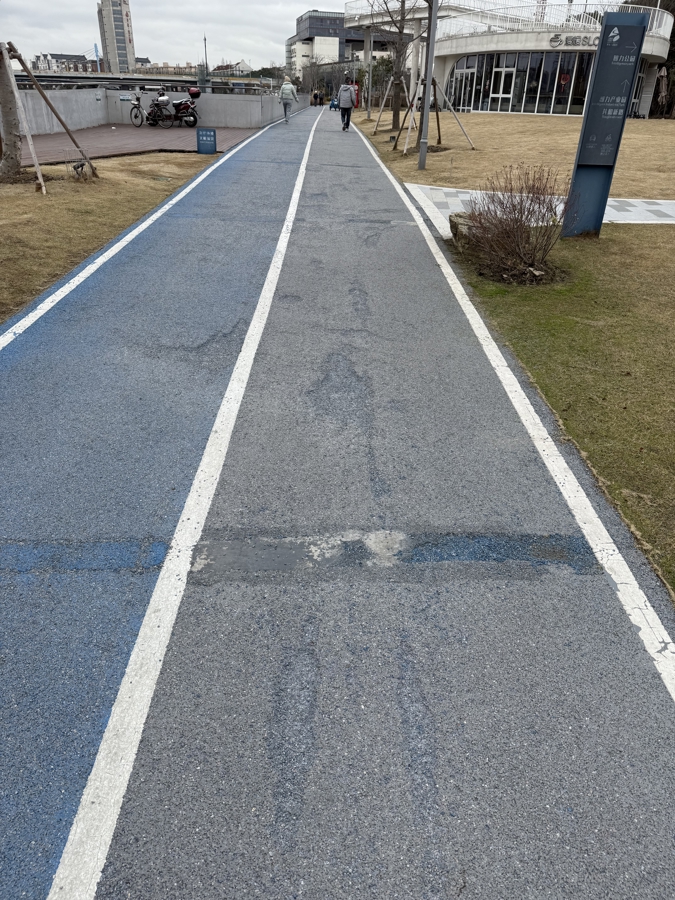
Continuing forward, the damage on the green road surface gradually increases. Irregular light-colored patches can be seen from time to time on the runway, some are only the size of a palm, and some extend into a strip of one or two meters long. In some areas, the stones have fallen away to reveal a smooth base, in stark contrast to the rough surrounding surfaces. The originally flat feeling of the greenway has disappeared in these places, leaving only shallow depressions in the center of the road. When walking, you can feel the unevenness of the road surface when you step on it.

Road Aging__Pavement Repair Implementation Plan

The central joint of the road surface has fallen off more seriously.

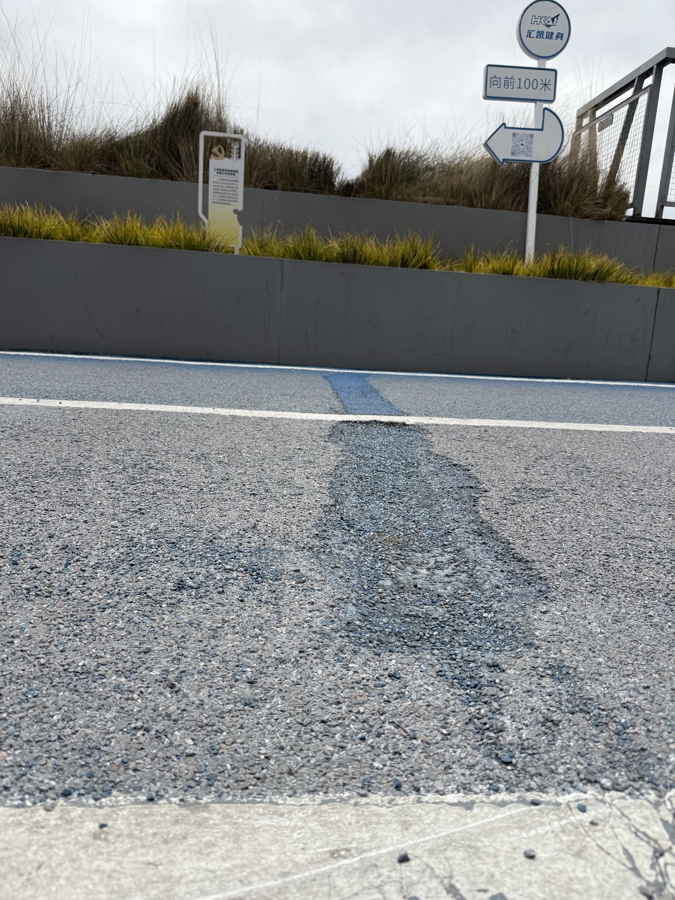
The road surface damage is particularly serious in the section near the entrance and exit of the greenway. The stones here are falling off in pieces, making the surface rough and uneven. The reporter stood on the spot and stomped his feet gently. A few gravels immediately rolled out from the edge of the soles and fell aside. At the same time, the white dividing lines originally used to separate the greenway areas are also showing signs of aging. Some of the lines have cracked and peeled, while in other places there are only intermittent traces left. Dark patch-like repair marks can also be seen locally, creating a color difference from the surrounding road surface.

Pavement Repair Implementation Plan__Road Aging

Potholes and dark patch-like repair marks can also be seen locally, creating a color difference from the surrounding road surface.

An old man who was walking along the river told reporters that he lived nearby and walked here almost every day. "It was very smooth when it was first repaired. Now the road surface is completely broken in some places. Walking is better, but you may have to be careful when running." Near a turn on the greenway, a parent who was taking his child skateboarding also noticed the changes in the road surface. "There are potholes in some places. I will remind the children to slow down when they walk."

The reporter noticed that there was a "Shanghai Greenway" sign on one side of the greenway, with "Non-motorized vehicles prohibited from entering" clearly marked below. However, people were still seen riding shared bicycles passing on the greenway from time to time. Some residents believe that these cycling behaviors will also have a certain impact on the road surface, "the wear and tear on the road surface is relatively large."

Road Aging_Pavement Repair Implementation Plan_

The situation of falling stones is particularly serious near the entrance and exit of the greenway.

The reporter consulted industry insiders and learned that in a rainy and humid environment, if the base treatment of the greenway is not smooth enough, or the bonding force between the aggregates is insufficient, problems such as scattered stones and sand on the surface may occur after a few years of use. Generally speaking, for local small areas where stones are scattered, reinforcement materials can be applied and aggregates can be added; if the road surface is seriously aged, some road sections need to be re-paved.

Therefore, many citizens hope that relevant departments can strengthen subsequent daily maintenance and inspections while paying attention to the construction of the greenway, so that this waterfront greenway can not only maintain a good landscape effect, but also provide citizens with a safer and more comfortable leisure and sports space.

Pan Jianwei Calls For: Significantly Increase The Proportion Of Open Questions In Key Exams Such As The College Entrance Examination

According to The Paper: On the afternoon of March 8, the third plenary session of the fourth session of the 14th CPPCC National Committee was held in the Great Hall of the People. Pan Jianwei, a member of the National Committee of the Chinese People's Political Consultative Conference, Vice Chairman of the Central Committee of the Jiusan Society, and Executive Vice President of the University of Science and Technology of China, said in a speech on behalf of the Central Committee of the Jiusan Society that there is still a lack of systematic cultivation of students' pioneering spirit, and called for a significant increase in the proportion of inspiring and open-ended questions in key examinations such as the college entrance examination.

Pan Jianwei said that the journey of Chinese-style modernization is historically intersecting with a new round of scientific and technological revolution and industrial transformation. At this critical stage, comprehensively enhancing independent innovation capabilities and seizing the commanding heights of technological competition have become "must-answer questions" that must be completed and cannot be missed.

Pan Jianwei said that the scientific spirit is the inner driving force for seeking truth and pragmatism, rational criticism, and bravely climbing to the top, and is the "soul" of scientific undertakings. Innovation culture is a social atmosphere and basic conditions that encourages exploration, tolerates failure, and is open to cooperation. It is the "soil" that nourishes innovation. The two complement each other and together form an indispensable cultural foundation for achieving high-level scientific and technological self-reliance. However, we must also clearly realize that there are still some problems that cannot be ignored.

First, there is still a lack of systematic cultivation of students' pioneering spirit, and the talent foundation that supports self-reliance and self-reliance in science and technology from the source needs to be consolidated; second, the utilitarian tendency of the scientific research ecosystem needs to be reversed urgently, and the reform of "breaking the four only" (only papers, only professional titles, only academic qualifications, and only awards) needs to be deepened, and there is insufficient support and guidance for dedicated research; third, the failure of exploratory research. The inclusive mechanism has not yet been perfected, which inhibits the original innovation courage of scientific researchers "from 0 to 1"; fourth, the exploration, transformation and dissemination of innovative genes in China's excellent traditional culture are not sufficient; fifth, open cooperation in science and technology has encountered challenges, and the long-term effect of foreign scientific and cultural exchanges and mutual learning is insufficient. The international influence of our country's innovation culture needs to be improved.

To this end, he suggested that education reform should be used to build a solid foundation for scientific spirit. Promote the educational paradigm from knowledge dissemination to literacy development, and systematically cultivate students' scientific thinking and exploration abilities. Significantly increase the proportion of inspiring and open-ended test questions in key examinations such as the college entrance examination, and guide teaching to shift from knowledge transfer to problem exploration and thinking. Strengthen teachers' inquiry-based teaching ability training to ensure that students' empirical thinking, critical thinking and creative thinking are systematically cultivated in the main classroom position. In social science popularization work, more attention should also be paid to the education and popularization of scientific spirit.

Release innovation vitality through evaluation reform. Effectively implement the principle of "whoever employs, evaluates", and give employers more rights to formulate and evaluate talent standards. Government departments need to further strengthen macro policy guidance and services, weaken direct micro-evaluation of talent projects, encourage and guide social forces such as enterprises and foundations to set up talent awards with strong professionalism and high credibility, so that talent evaluation can be more closely integrated with industry needs and scientific frontiers. Establish a long-term evaluation mechanism to encourage scientific researchers to be indifferent to fame and fortune, willing to sit on the "cold bench" and devote themselves to long-term research on key problems.

Use institutional design to accommodate failure in exploration. In major frontier projects, a "failure tolerance" mechanism with "due diligence and compliance" as the core should be established. For explorations that have not achieved the goal but have fulfilled their responsibilities, we must be tolerant based on reality, incorporate experience into the knowledge base, and provide institutional guarantee for challenging "no man's land".

Absorb innovative wisdom through cultural heritage. Systematically sort out the philosophical ideas and scientific methods contained in Chinese civilization, such as "investigating things to gain knowledge", "renovating old things and innovating new things", and "heavenly work opens things up", and develop and sublimate them in the scientific research practice of promoting Chinese modernization. Integrate their essence into scientific research ethics, general courses and talent training systems to create a Chinese innovation culture with profound foundation and distinctive characteristics.

Cultivate a culture of innovation through mutual learning among civilizations. Be more proactive in integrating into the global innovation network and promote in-depth dialogue between scientific spirit and innovation culture in exchanges. Focus on learning from the effective systems and cultural essences of other countries that cultivate scientific spirit and encourage exploration and innovation; at the same time, in the process of solving common challenges of mankind, we should demonstrate and enhance the conceptual appeal and international influence of our country's innovative culture.

Pan Jianwei finally called for the joint efforts of all sectors of society to make advocating science and pursuing innovation a common practice throughout society, and to inject the deepest and most lasting innovation power into the grand cause of Chinese-style modernization.

_Representatives of Jiusan Society suggest: Significantly increase the proportion of enlightening and open-ended test questions in college entrance examinations and other examinations_Representatives of Jiusan Society suggest: Significantly increase the proportion of heuristic and open-ended questions in college entrance examinations and other examinations

Guardianship Will Become The Focus Of The Two Sessions To Solve The Problem Of Custody And Property Of Children With Autism

Zhou Yanfang, a deputy to the National People’s Congress and director of the China Pacific Insurance Strategic Research Center (ESG Office), initially paid attention to the discretionary guardianship system. It was the care needs raised by some older families with mental disabilities when the insurance industry was developing insurance trust business.

"Trust companies usually ask about the family situation of their clients. For example, parents of some autistic children are worried that after they become mentally disabled or pass away, their adult children without full capacity for civil conduct will have no one to take care of them. The guardianship system may be the only way out for these families at this stage." Zhou Yanfang told China Business News.

Specifically, this "way out" is to solve the problem of social guardianship and property management of children with autism or other mental disabilities after the death of their parents, as well as the use of property for long-term care, medical treatment and other needs scenarios, through the method of "willed guardianship + will-specified guardianship".

Faced with the intertwined issues of aging and disability, during this year's National Two Sessions, many representatives and committee members focused their attention on the discretionary guardianship system. “Decided guardianship is highly dependent on notary agencies, but nearly 45% of notary agencies across the country have not handled this business”, “social guardianship is ‘difficult to find and do’”, and “prominent cross-department information barriers” have become their concerns.

In addition, in response to the "support gap" problem of family care for special groups in adulthood, some representatives also called for increasing inclusive financial support, promoting special needs trusts, and expanding the coverage of long-term care insurance.

Three shortcomings on the supply side: guardianship, notarization and care

Can a suitable guardian be found? After the guardianship agreement comes into effect, who will supervise the guardian to protect the legitimate rights and interests of the ward?

According to industry insiders, these are the two major difficulties in implementing the discretionary guardianship system. Behind these two major problems, they both point to shortcomings in supply-side capacity building and the trust relationship between supply and demand that still needs to be established.

Voluntary guardianship is an arrangement made in advance by adults with full civil capacity for their future guardianship affairs according to their own wishes. When the adult loses or partially loses his or her capacity for civil conduct, a pre-selected guardian (including natural persons and organizations) will perform guardianship duties.

As a new system, voluntary guardianship first appeared in the "Law of the People's Republic of China on the Protection of the Rights and Interests of the Elderly" revised in 2012. The new "General Principles of the Civil Law" implemented in 2017 expanded the scope of application of the guardianship system from the elderly to all adults with full capacity for civil conduct.

"Families for the elderly and disabled" are a special and more complex type of subjects with voluntary guardianship needs that are applicable to the law. These families are faced with two generations of guardianship problems – elderly parents are worried that their children will not be able to provide for them when they are old, and they are also worried that after their death, the lives of their autistic or mentally disabled children will not be guaranteed. Once they have large medical needs, no one will be able to dispose of their property in a timely manner.

"About 40% of families with intellectual disabilities are unable to find relatives to assume guardianship responsibilities, and social guardianship faces the dilemma of 'difficult to find and difficult to do' due to high risks." Feng Fan, a representative of the National People's Congress and a lawyer at Guoco Law Firm (Nanchang), believes that currently 20 million families of individuals with intellectual and mental disabilities face multiple "double elder" care dilemmas.

Cai Sheng, chairman of Guangzhou Liwan District Harmonious Society Guardianship Service Center, also said in an interview with China Business News that the biggest obstacle to the implementation of the guardianship system is the lack of suitable and reliable guardians. "Especially when we are dealing with some elderly clients who are around 70 years old, they may not have much time left to find a guardian, and their relatives of the same generation may not be able to assume guardianship responsibilities."

Shanghai is a city where there are many demands and implementation practices for the guardianship system, and local laws and regulations are relatively complete. Before the two sessions this year, Zhou Yanfang conducted a survey on the implementation of Shanghai's voluntary guardianship system. During this period, Zhou Yanfang discovered that even in Shanghai, there was a serious shortage of local professional social guardianship organizations. “In Shanghai, there are only three social organizations engaged in voluntary guardianship.”

There are also opinions in the industry that at present, social guardianship service organizations do not have strong credibility. Since there are very few social guardianship service organizations approved by the civil affairs department, most of which are private, non-enterprise units. At the same time, the attitude of some places to support the socialization of guardianship is still unclear, and there are no specific policies to encourage and guide. Both supply and demand parties have a wait-and-see attitude.

But for families with autism or mental illness, the situation may be different. Some people in the autism field interviewed said that in recent years, blood guardianship has been difficult to find, and the unwillingness of relatives to take over guardianship responsibilities has increased. Related families are even more willing to make "social guardianship" the first choice.

"Reliable social guardianship agencies" are difficult to find, and the notarial force that supervises the implementation of guardianship responsibilities also has certain shortcomings.

Zhou Yanfang observed that in foreign practice, notarial intervention is not necessarily required for intended guardianship. However, under China's national conditions, guardianship is highly dependent on notary institutions. However, due to complex notarization procedures and high liability risks, nearly 45% of notary institutions across the country have not handled voluntary guardianship services, and service resources are mainly concentrated in a few municipalities and provincial capitals.

In addition to notary agencies, the Civil Code also gives relevant responsibilities to neighborhood (village) committees, which can, to a certain extent, make up for the insufficient number and capacity of notary agencies in some areas. However, during Zhou Yanfang’s research in Shanghai, she found that the willingness of neighborhood (village) committees to play the role of “supervisors” in the voluntary guardianship system is not sufficient.

"First, there is a lack of professional capabilities; second, it requires a lot of time and energy; third, once disputes and public opinion occur, the village committee cannot bear responsibility." Zhou Yanfang believes that due to unclear division of powers and responsibilities, funding guarantees, and operating specifications, under ideal conditions, it is difficult for the village committee to effectively perform its functions of witnessing, supervising, and providing information in the guardianship system.

For families with autism or mental disabilities, even if they find a guardian and have a notary agency or neighborhood (village) committee as the guardian supervisor, they still face a large supply gap in fulfilling their intended guardianship needs – it is difficult to find professional institutions to provide long-term care services.

Sources from autism-related charities told reporters that at present, even in first-tier cities, there are few service institutions or elderly care institutions that can accommodate the care needs of elderly parents and disabled children at the same time. The "respite services" provided by some communities at the grassroots level cannot meet the round-the-clock needs of this group of people who require the intervention of professional medical care providers.

How to protect rights and interests during medical treatment and property disposal?

Property management is the most likely issue to cause disputes when conferring guardianship.

Behind this problem is not only the fact that the intended guardianship recipients are usually disabled and demented people, and the trustee's power boundaries are infinitely enlarged, which leads to risks such as property misappropriation and lack of care, but also because there is another completely opposite situation – the trustee may not be able to dispose of the property in a timely manner.

Regarding the former, Shanghai has piloted a "three separations of property" regulatory scheme to explore the balance between ensuring financial security and enhancing the ward's right to independent life.

A case in Jiading District, Shanghai, was mentioned in the special program "I Suggest" for the Two Sessions broadcast on the CCTV Social and Legal Channel on March 6: 44-year-old Si Lin (pseudonym) suffers from mental illness. His current guardian is a social guardianship institution in Shanghai, and this institution was chosen for him by his mother, Ms. Sun, during her lifetime. In February last year, Ms. Sun died of illness. The guardianship organization applied to the Shanghai Jiading District People's Court to change Si Lin's custody. In the end, the local government implemented the aforementioned "three-separation" plan regarding Si Lin's property management: small-amount properties were kept by Si Lin himself; fixed medical funds were kept by the guardianship organization; and large-amount funds were supervised by the notary office. If a guardian needs to use a large amount of funds, he or she must apply to the notary office. After approval, the notary office will allocate the funds directly to the corresponding institution.

Regarding the latter, Zhou Yanfang mentioned that this is partly because the current unified authoritative filing platform for guardianship agreements at the national or provincial levels has not yet been established. Information among notary offices, civil affairs, courts, medical institutions, neighborhood (village) committees, and financial institutions are not connected to each other, which has created "information islands."

"On the one hand, it makes it difficult for guardians to self-certify, and they cannot quickly prove their identity in emergency treatment, property disposal and other scenarios, which affects the protection of rights and interests; on the other hand, it can easily lead to guardianship conflicts, and courts or grassroots organizations may appoint separate guardians without knowing it, leading to conflicts between voluntary guardianship and legal guardianship, weakening the authority of the system." Zhou Yanfang said.

In this regard, Zhou Yanfang suggested that the civil affairs department should take the lead and cooperate with judicial administration, health, financial supervision, courts and other units to build a nationwide or province-wide unified registration and sharing platform for voluntary guardianship information to achieve unified collection and dynamic management of full-cycle information such as the conclusion, change, and cancellation of guardianship agreements, identification of civil capacity, and initiation and termination of guardianship.

The top-level design also needs to be improved urgently. Sun Jie, a member of the National Committee of the Chinese People's Political Consultative Conference and School of Insurance at the University of International Business and Economics, told reporters that she brought a "proposal on establishing a multi-level protection system for the guardianship plight of people living alone" at this year's National Two Sessions. Sun Jie suggested that relevant laws and policy systems should be improved to lower the implementation threshold of voluntary guardianship.

She proposed in the proposal that at the legal level, the legislative body and the Supreme People's Court should take the lead, through supplementary legislation or the issuance of special judicial interpretations, to clarify the legal validity and enforcement boundaries of guardianship or entrustment agreements in key areas such as medical care, financial payments, and government affairs processing, focusing on resolving practical stuck points such as identity recognition, medical signature rights, and property disposal rights, to eliminate compliance concerns of important service institutions such as hospitals and banks from the legal level, and ensure that guardianship or entrustment agreements can be "signed" and "worked."

In addition, Sun Jie suggested that the professional advantages of insurance companies and other commercial entities in long-term funding, risk management, and medical and elderly care industry layout should be given full play, allowing them to serve as intended guardians or provide customized services through entrustment, focusing on meeting the complex needs of people living alone in medical decision-making, disability and dementia care, property management, and posthumous affairs processing, etc., and filling the blind spots in the supply of inclusive public welfare services. Including building a national, cross-field professional service system.

In recent years, Beijing, Shanghai and other places have opened up real estate trust property registration channels, allowing non-financial assets such as real estate and equity to be included in special needs trusts to expand the scope of property used to protect people with special needs. In this context, Feng Fan believes that within the framework of the Trust Law, the reform of the national real estate trust registration system should be promoted, a unified trust registration information inquiry platform should be established, and the independence of trust property should be clarified. At the same time, special preferential tax policies have been introduced to provide tax exemptions or deferrals for real estate placement trusts, transforming trust services from "exclusive for high net worth" to universally accessible, and solving the problem of property management for families with special needs.

In order to allow more care resources to accurately reach special groups, Feng Fan also suggested expanding the coverage of long-term care insurance, effectively reducing the cost of care for families with special needs, building a multi-level payment system of "government subsidies + long-term care insurance + family payment", implementing differentiated subsidies based on differences in disability levels and care needs, and guiding social forces to participate in the provision of care services for disabled people.


Iran Announces That Mujtaba Has Been Elected As Its New Supreme Leader. US-Israeli Threats Receive A Tough Response From Iran

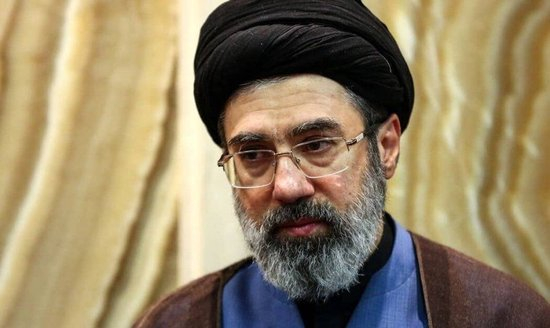
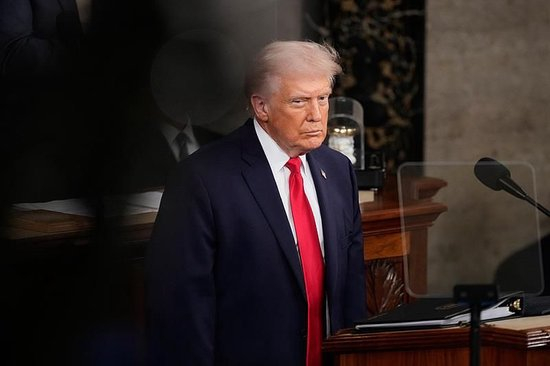
On the 9th local time, Khamenei’s second son Mujtaba Khamenei was elected as Iran’s new supreme leader. Previously, U.S. President Trump issued a severe threat, claiming that Iran’s new leader without his approval “won’t last long.” The Israel Defense Forces also announced on the 8th that it would target Iran’s new supreme leader and all members of the Expert Council.

Faced with the increasing pressure from the United States and Israel, Iran responded strongly, saying that its armed forces are capable of sustaining a high-intensity war for at least six months and that it has sufficient missile reserves.

Iran announces new supreme leader

US threatens Israel

Mujtaba elected Iran's new supreme leader

Trump's policy towards Israel__Trump announces Israel's capital

Mujtaba Khamenei (file photo)

On the 9th local time, the Iranian expert meeting overwhelmingly elected Mujtaba Khamenei as the third supreme leader of the Islamic Republic of Iran. Public information shows that Mujtaba Khamenei was born in 1969 and is the second son of the late Iranian Supreme Leader Ali Khamenei.

Qalibaf, Speaker of the Iranian Parliament, said that the decision of the Iranian Expert Council to elect Mujtaba Khamenei as the Supreme Leader was "precise and clear." Qalibaf pointed out that this is a leader who is loyal, revolutionary, trusted by the people, possesses administrative ability and the ability to integrate resources. He understands the context of the times, understands the enemy's situation, and has a simple style.

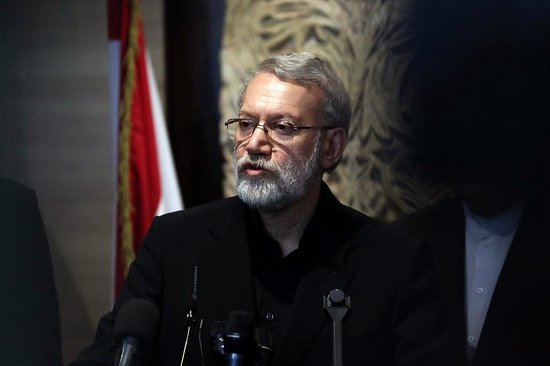
Larijani, secretary of Iran's Supreme National Security Council, said that despite the special situation and external threats, the Iranian expert meeting was successfully convened and the selection of the supreme leader was completed, and we should be grateful for this.

Iran's Islamic Revolutionary Guard Corps issued a statement congratulating Mujtaba Khamenei on his election as Iran's supreme leader and expressing support for the decision of the expert meeting. The statement stated that this election marks a new stage in the Iranian revolution and proves that the operation of the Islamic system does not depend on individuals, and that the revolution and the country will continue to move forward. The Revolutionary Guards stated that they will strictly obey the instructions issued by Mujtaba Khamenei, defend the values ​​of the Islamic Revolution, and protect the precious legacy left by the former imam and leader of the Islamic Revolution. The Revolutionary Guards emphasized that they will make every effort to protect the command authority of the Supreme Leader and the security of the country.

Trump threatens Iran's new leader 'won't last long'

Trump announces Israel's capital__Trump's policy towards Israel

U.S. President Trump threatened on the 8th that the new leader appointed by Iran "must get our approval" otherwise "he will not last long." Trump also said that people with ties to Iran's "old regime" could be considered as Iran's new leader, and "many of them may qualify."

Trump claimed on the 5th that he "must personally participate" in selecting Iran's next leader, and threatened that he would not accept the son of Iran's late Supreme Leader Ayatollah Ali Khamenei as Iran's new leader. He said that if Iran produces a new leader who "continues Khamenei's policies", it will force the United States to return to war "within five years."

Israeli military says it will "hunt" Iran's new supreme leader

The Israel Defense Forces stated on the 8th that the Israeli army will "hunt and kill" the successor of the late Iranian Supreme Leader Ayatollah Ali Khamenei.

An Israeli military spokesman posted in Farsi on social media that the Iranian regime was "trying to reorganize its internal order" and elect a new supreme leader. "We want to tell everyone that Israel will continue to pursue any successor and anyone who attempts to appoint a successor."

The spokesman also said that all persons participating in the Iranian expert meeting will be targeted by Israel "without hesitation". "This is a warning."

Iran says it can fight high-intensity war for six months

On the 8th, Iran’s Islamic Revolutionary Guard Corps spokesperson Naini said that Iran’s armed forces have the ability to continue a high-intensity war at the current pace for at least 6 months. Naini said that Iran has been equipped with heavy missiles, ballistic missiles, cruise missiles, various types of drones and attack ships and other weapons and equipment in accordance with the requirements of a large-scale and long-term war. At present, Iran mainly uses first- and second-generation missiles. In the next few days, it will launch new attack methods and use advanced and less used long-range missiles to "strike the enemy more painfully and targetedly."

Larijani: Iran’s missile reserves are sufficient and ready for combat

_Trump's policy towards Israel_Trump announces Israel's capital

Larijani (data map)

On the 7th, Secretary of Iran’s Supreme National Security Council Larijani refuted the statement that “Iran’s missile capabilities have been destroyed” in an interview. He said that Iran's missile reserves are sufficient and ready for combat at any time. The continued missile attacks on the United States and Israel have precisely proved this.

Iran: The main strategic goal is to withdraw the United States and close its Middle East bases

On March 8, local time, Iran’s First Vice President Aref stated that Iran’s main strategic goal is to promote the complete withdrawal of the United States from the Middle East and close its military bases in the region.

Aref also said that the current situation is a test for Iranian officials. He said that as long as rear protection is strengthened, Iranian combatants will fight the enemy with greater determination.

Iran says it destroyed 4 US military THAAD anti-missile system radars within 24 hours

Iran's Islamic Revolutionary Guard Corps issued a statement on the 8th stating that it had hit and destroyed four THAAD anti-missile system radars deployed by the US military in the Middle East in the past 24 hours. Satellite images released by Iran's Islamic Revolutionary Guard Corps showed that a THAAD anti-missile system AN/TPY-2 radar was hit.

Several U.S. military transport planes have left South Korea one after another

US does not rule out sending special forces to seize Iran's enriched uranium

Some equipment of the US military stationed in South Korea may be transferred to the Middle East

A reporter from the main station learned from the real-time flight tracking website and the news announced by the South Korean military on the 8th that as the war in the Middle East escalates, a large number of large US military transport aircraft have been leaving South Korea from the Osan Air Force Base of the US military stationed in South Korea in recent days.

South Korean media reported that at least two C-5 transport aircraft arrived at Osan Air Base at the end of February and left on February 28 and March 2 respectively. The U.S. military has not disclosed the destination of these transport planes to the outside world, but relevant flight records show that they flew for more than 14 hours and may be heading to the United States or the Middle East. According to the US military, C-5 transport aircraft are used to transport heavy equipment such as "Patriot" missile systems.

According to South Korean media, it is speculated based on the above content that the US military may have shipped some of the "Patriot" missile systems out of South Korea.

There is a precedent for some equipment of the US military stationed in South Korea being transferred to the Middle East. In June last year, in order to cooperate with the US air strikes on three nuclear facilities in Iran, two "Patriot" missile systems of the US military in South Korea were temporarily deployed to the Middle East and were later transferred back to South Korea in October of the same year.

Trump: Not ruling out the possibility of sending special forces to seize Iran's enriched uranium

Trump announces Israel's capital_Trump's policy towards Israel_

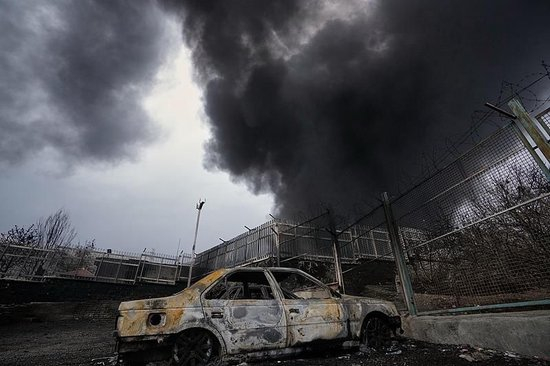
An oil depot in Tehran, the capital of Iran, was attacked

Trump said on the 8th that he had not ruled out the possibility of sending special forces to seize Iran's enriched uranium and that "all options are under consideration." When pressed on how long the war would last, he said he would not make predictions. Trump said not long ago that the war is expected to last 4 to 5 weeks.

Trump also said that he did not want the United States to face the same situation again in a few years, or allow Iran to obtain nuclear weapons, and expressed the hope that relevant problems could be fundamentally solved through current actions.

According to news from the United States on the 7th, the United States and Israel are considering sending special forces into Iran to seize high-purity enriched uranium in the later stages of their military operations against Iran. The operation faces two major practical challenges. One is to determine the specific location of enriched uranium, and the other is how to reach the location of enriched uranium and gain control.

According to sources, this operation is not a "ground force operation" in the traditional sense, but more like a small-scale special operations raid rather than a large-scale troop entry.

U.S. President Trump said on the 7th that it was "possible" that U.S. ground troops would be sent to Iran, but there must be "a very good reason."

Dissatisfied with Israel’s attack on Iran’s fuel storage facilities

U.S.-Israel differences appear for first time

On March 8, local time, CCTV reporters learned that multiple sources said that the U.S. government was dissatisfied with Israel’s recent attack on Iran’s fuel storage facilities. This was the first clear disagreement between the United States and Israel since the outbreak of the Iran War.

It is understood that the Israeli Air Force launched air strikes on about 30 fuel storage facilities in Iran on the 8th, causing fires in many oil depots in Tehran and thick smoke covering the city. Israel said the facilities were used by the Iranian government to provide fuel to various agencies, including the military.

People familiar with the matter said that Israel had notified the United States before the operation, but the United States was surprised by the scale of the attack. A senior U.S. official said that the United States believes that this move is "not a good idea" and is worried that attacking civilian infrastructure may be strategically counterproductive. Instead, it will unite Iranian society to support the government and push up global oil prices.

Iran warned that if the attacks on Iran's energy infrastructure continue, Tehran may retaliate against regional energy facilities, saying that oil prices may rise to US$200 per barrel.

People in many countries protest against US-Israeli military attack on Iran

On March 7, people from the United Kingdom, Canada, South Africa and other countries held demonstrations and rallies to protest against the military strikes launched by the United States and Israel against Iran, and demanded that the U.S. and Israeli governments stop their war actions against Iran.

A number of anti-war groups held large-scale demonstrations in London, England, on the 7th to protest against the United States and Israel's bombing of Iran, calling for an end to relevant military operations as soon as possible to avoid further escalation of the conflict.

According to statistics from the event organizers, approximately 20,000 to 30,000 people participated in the protest that day. London police said at least 5,000 people took part in the demonstration.

On the same day, hundreds of protesters held a rally called "No to Unjust Wars" in front of the U.S. Consulate General in Toronto, Canada, to protest the U.S. military strike against Iran and demand that the U.S. and Israeli governments stop the war against Iran. Outside the U.S. Consulate General in Johannesburg, South Africa, people gathered to protest against the U.S. and Israel's use of force against Iran.

Director System丨Tang Yi

Producer丨Zhao Xinyu

Editor-in-Chief丨Cui Chong

Wang Yi Asked "Four Questions" On Sino-Japanese Relations, Pointing Out The Crux Of The Relationship And China's Position

China News Service, Beijing, March 8 (Reporter Zhang Su) The Fourth Session of the 14th National People's Congress held a diplomatic-themed press conference on the 8th. Wang Yi, member of the Political Bureau of the CPC Central Committee and Minister of Foreign Affairs, raised "four consecutive questions" when answering questions about China-Japan relations.

These four questions are: Taiwan affairs are China’s internal affairs. What qualifications does Japan have to intervene? If something goes wrong in China's Taiwan region, what right does Japan have to exercise its right of self-defense? Does the so-called right of collective self-defense mean that the pacifist constitution stipulates the renunciation of the right to belligerent? Where is Japan going?

Scholars interviewed by reporters from China News Service said that the Chinese Foreign Minister accurately pointed out the crux of the difficulties in Sino-Japanese relations with four interlocking rhetorical questions.

2025 marks the 80th anniversary of the victory of the Chinese People’s War of Resistance Against Japanese Aggression. In this special year, Japan has not only failed to reflect deeply on the wrong path it has taken in the past, but its current leaders have even blatantly published fallacies related to Taiwan, claiming that if something happens in Taiwan, it will constitute an "existential crisis" for Japan, and it can exercise the so-called right of collective self-defense accordingly.

Wang Guangtao, an associate researcher at the Japan Studies Center of Fudan University, said that exercising the right of self-defense is predicated on the country being attacked by an armed attack. Back then, Japanese militarists used the "existential crisis" as an excuse to launch aggression. Japan's erroneous remarks related to Taiwan reveal its intention to promote military expansion and blatantly violate the core principles of international law and the consensus between China and Japan.

The Taiwan issue is China's internal affairs and the core of China's core interests. "Foreign Minister Wang Yi's four consecutive questions not only affirmed China's position and red lines, but also echoed the international community's demands for fairness and justice, and demonstrated China's consideration of bilateral relations, peripheral security and regional situations as a responsible major country," said Wang Jiaxi, associate professor at the School of International Relations at Dalian International Studies University.

This year marks the 80th anniversary of the opening of the Tokyo Trial. 80 years ago, judges from 11 countries went through a two-and-a-half-year trial and exposed the numerous crimes of Japanese militarism with irrefutable evidence.

"The Tokyo Trial provided key support for the victim countries in Asia to expose and liquidate the crimes of Japanese militarism and colonial expansion." Wang Jiaxi said that commemorating the Tokyo Trial not only remembers that justice will be upheld and evil deeds will be punished, but also clarifies the authoritative status of the international order based on international law.

Lu Yaodong, a researcher at the Institute of Japanese Studies at the Chinese Academy of Social Sciences, said that for a long time, Japan's right-wing forces have tried to overturn the history of aggression. At the special moment of the 80th anniversary of the opening of the Tokyo Trial, China emphasizes taking history as a mirror, never forgetting the past, and reminding Japan not to forget history. This is of practical significance and is also the essence of remembering the just verdict of the Tokyo Trial.

Scholars believe that Japan must face up to and reflect on its history of aggression and take concrete actions to win the trust of its Asian neighbors and the international community.

Currently, China-Japan relations have fallen into the most severe and difficult situation since the normalization of diplomatic relations, and the responsibility lies entirely with Japan. The direction of China-Japan relations depends on Japan's choice.

At this meeting, Wang Yi pointed out, "I hope that the Japanese people can keep their eyes open and will not allow anyone to overestimate their own capabilities and make the same mistakes today." He also emphasized that China and its 1.4 billion Chinese people, which have grown stronger, will never allow anyone to stand up for colonization or overturn the verdict of aggression.

Lu Yaodong said that the Chinese Foreign Minister stated the Chinese people’s strong determination, firm will, and strong ability to defend national sovereignty and territorial integrity. Japan should take concrete actions to completely break away from militarism and show its sincerity in safeguarding the political foundation of China-Japan relations. (over)

'Technology Women·Flowers On Both Sides Of The Taiwan Strait' March 8th Festival Event, Women From Both Sides Of The Taiwan Strait Talk About Family Ties In Hefei

China News Service, Hefei, March 8 (Reporter Zhao Qiang) The "Women of Science and Technology·Flowers on both sides of the Taiwan Strait" "March 8th" International Women's Day themed event was held in Hefei on the 8th. Nearly 40 female representatives from both sides of the Taiwan Strait gathered together to use science and technology as a link, to spread warmth through flower arrangements, and to express the family ties between compatriots.

The event was hosted by the Hefei Institute of Physical Sciences of the Chinese Academy of Sciences, the Anhui Taiwan Compatriots Association and the Anhui Provincial General Branch Committee of the Taiwan League. In the science and technology innovation exchange session, female representatives from both sides of the Taiwan Strait shared and talked about topics such as technological innovation and job achievements.

After retiring, Taiwan compatriot Qiu Xianglan started a new career journey in the mainland and currently serves as the principal of the primary school of Kangqiao School in Hefei Xinzhan High-tech Zone. Talking about her development in the mainland, Qiu Xianglan said: "While working in Kunshan and Hefei, I have always felt the warmth and support from all parties." She said that the transportation in the mainland is convenient, and she can return to Taiwan to visit her family every two months or so to take care of her career and family; her family will also travel to the mainland during the holidays to experience the development achievements of the mainland.

On March 8, the "Women of Science and Technology·Flowers on Both Sides" and "March 8" International Women's Day theme activities were held in Hefei. The picture shows Taiwan compatriots experiencing flower arrangement. Photo by China News Service reporter Zhao Qiang

During the ikebana experience session, female compatriots from both sides of the Taiwan Strait sat around a long table covered with a blue tablecloth, carefully pruning the branches and leaves, concentrating on conceiving the layout, and softly exchanging their experiences.

Wang Yujing, full-time vice president of the Taiwan Compatriots Association of Anhui Province, said: "Culture is the cultural context and roots of the two sides of the Taiwan Strait. Although flowers are speechless, they carry the common cultural memory of compatriots on both sides of the Taiwan Strait, and the philosophical wisdom contained in flower arrangements can bring the spiritual distance closer. Anhui is accelerating the construction of science and technology industry clusters, and Hefei's new energy vehicles, artificial intelligence and other industries are booming, creating a broad cooperation platform for compatriots on both sides of the Taiwan Strait, especially female compatriots."

Chen Ruohan, a Taiwanese compatriot who has been based in Hefei for five years, said that Hefei has strong scientific and technological innovation capabilities and strong support for the cultural and creative industries, providing sufficient development space and guarantee for compatriots on both sides of the Taiwan Strait to start and innovate. "I hope that the two sides of the Taiwan Strait can conduct more in-depth exchanges in the cultural and technological industries, so that talents from both sides of the Taiwan Strait can communicate with each other, and more Taiwanese young people will be willing to enter the mainland and understand the mainland." (End)

On March 9, The Fourth Session Of The 14th National People's Congress Held Its Second Plenary Session And Related Activities

China News Service, Beijing, March 9th. On the 9th, the Fourth Session of the 14th National People's Congress will hold its second plenary session to hear the work report of the Standing Committee of the National People's Congress and the "Two Highs" work report.

At 9 a.m. on the 9th, the Fourth Session of the 14th National People's Congress held its second plenary meeting in the Great Hall of the People. It heard the report of Zhao Leji, Chairman of the Standing Committee of the National People's Congress, on the work of the Standing Committee of the National People's Congress, the report of Zhang Jun, President of the Supreme People's Court, on the work of the Supreme People's Court, the report of Ying Yong, Chief Prosecutor of the Supreme People's Procuratorate, on the work of the Supreme People's Procuratorate, and the report of the Standing Committee of the National People's Congress on the legal cleanup work and opinions on the handling of relevant laws and decisions.
In the afternoon, the Fourth Session of the 14th National People's Congress held a representative group meeting to review the work report of the National People's Congress Standing Committee, the National People's Congress Standing Committee's report on the legal cleanup work and opinions on the handling of relevant laws and decisions.

In addition, according to the National People's Congress News Center, from 8:00 to 8:40 on the 9th (before the second plenary session), the second "Delegates Channel" concentrated interview event of the Fourth Session of the 14th National People's Congress was held on the north side of the Central Hall of the Great Hall of the People, and some National People's Congress deputies were invited to be interviewed.

After the second plenary meeting on the morning of the 9th, the second "Minister's Channel" concentrated interview event of the Fourth Session of the 14th National People's Congress was held in the North Hall of the Great Hall of the People. Some of the principal persons in charge of relevant departments of the State Council who attended the meeting were invited to be interviewed.

Regarding the CPPCC meeting, on the morning of the 9th, members of the National Committee of the Chinese People's Political Consultative Conference who attended the fourth session of the 14th National People's Congress attended the second plenary session of the fourth session of the 14th National People's Congress; in the afternoon, the fourth session of the 14th National Committee of the Chinese People's Political Consultative Conference held a group meeting to discuss the "Two Highs" work report and review various resolutions and draft reports. (over)

Sign In

Forgot Password

Sign Up