Professional virtual currency information station welcome
We have been making efforts.

24-hour news update Page 53

24-hour cryptocurrency news update

The US Commander Said He Was Closely Monitoring China's 23 Ports And 12 Space Facilities In Latin America, Making Unreasonable Accusations

On March 17, local time, Francis Donovan, commander of the U.S. Southern Command, revealed during an inquiry that the military is closely monitoring China's 23 port projects and 12 aerospace-related facilities in Latin America, and has labeled them all as so-called "potential dual-use assets", claiming that these facilities may "provide support to China's military operations" in the future, thereby posing "risks" to the United States. Analysts believe that this is just another manifestation of the U.S.'s "Tang Luo Doctrine" hegemonic thinking.

According to the Hong Kong English-language media South China Morning Post, Donovan disclosed the relevant information at a hearing held by the House Armed Services Committee on the U.S. military posture in the Western Hemisphere.

A senior U.S. military official said: China has 23 ports in Latin America and they are all watching it_ A senior U.S. military official said: China has 23 ports in Latin America and they are all watching it

Francis Donovan, commander of U.S. Southern Command

When asked by U.S. Rep. Lance Gooden, Republican of Texas, whether China’s commercial projects in Latin America “may be used for military purposes,” Donovan said that no matter how these projects are constructed, the U.S. Department of Defense regards them all as “dual-use facilities.”

“I think they are all dual-use,” Donovan said. “To be specific, whether they are built in the context of military infrastructure or just as a functional facility, they may be used to support Chinese operations.”

He also exaggerated that China's growing influence in the mining and processing of key minerals in Latin America poses "long-term risks" to the U.S. defense industrial base. Donovan said that 12 aerospace-related facilities are concentrated in the southern region of South America, but did not disclose the specific names of these facilities and the countries where they are located.

The hearing comes as the Trump administration has cited China's infrastructure development in the region as a major security concern.

In December last year, the White House released a national security strategy, promising to prevent non-Western countries from expanding their foothold in the Western Hemisphere. The document lays out what officials call the "Donno Doctrine," asserting that the United States will prevent rivals outside the Western Hemisphere from owning or controlling strategically important assets in the region.

Joseph Hummel, the U.S. Department of Defense’s senior civilian official for Western Hemisphere affairs, echoed this statement. He also said at the hearing that the US policy is to prevent opponents from entering key areas from Alaska and Greenland to the Panama Canal and surrounding countries.

When talking about Brazil, Donovan said that the United States is intentionally pushing the Brazilian military to distance itself from China.

In September 2024, in the "Operation Formosa", one of the largest amphibious exercises in Latin America led by the Brazilian military, the US military and the Chinese army jointly participated in the exercise for the first time. This was also the first time that the two militaries trained side by side since 2016. The following year, the United States withdrew from the exercise, citing its unwillingness to share training grounds with Chinese troops.

Donovan said that this year, China will be excluded and the United States will participate in the exercise. The Brazilian Ministry of Defense has not yet responded to whether China will be invited.

Donovan said that strengthening the relationship between the United States and the Brazilian military is the direction of advancement for the United States, and that broader diplomatic issues will be handled by the U.S. State Department.

Analysts pointed out that the above-mentioned stance reflects that the United States is making full efforts to restrict China's infrastructure layout in Latin America.

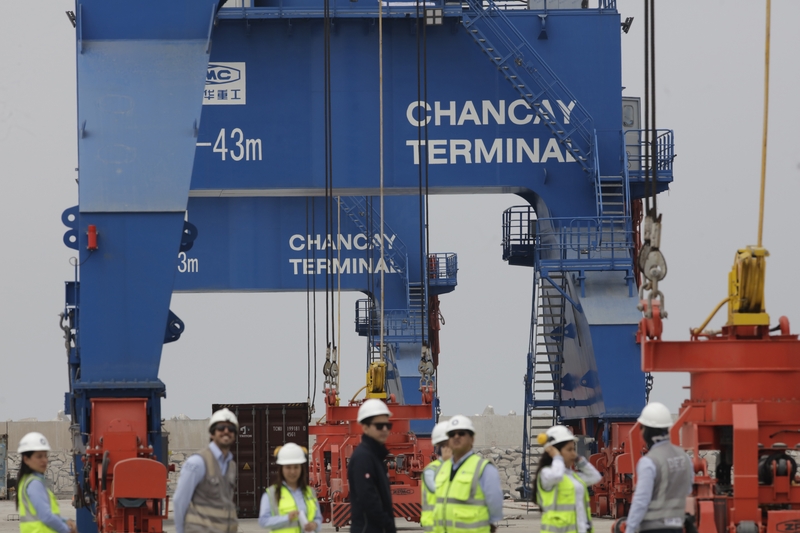
Port of Chancay, PeruIC Photo

The South China Morning Post reported earlier that a U.S. diplomat had put pressure on Brazilian port executives in Santos, saying that the U.S. did not want Chinese companies to obtain the main container terminal concession in Latin America’s largest port. The U.S. Consulate General in Sao Paulo later confirmed that the U.S. was concerned about Chinese companies participating in the bidding.

During the hearing, Rep. Jennifer Keegans, a Republican from Virginia, mentioned the advancement of the Belt and Road Initiative in Central and South America and asked whether governments in the region were becoming increasingly skeptical of China’s infrastructure proposals.

Donovan responded that the United States is "still concerned" about China's ability to deploy "military and civilian dual-use projects" in the region, and compared it with Djibouti, claiming that China established its first overseas military base in Djibouti through port financing.

Donovan and Gen. Gregory Gilot, commander of U.S. Northern Command, also confirmed that U.S. Northern Command and Southern Command are cooperating through a series of joint exercises called "Elite Constellation" to coordinate the assessment of the so-called "China threat" from the level of joint combat commands in each theater.

In fact, these arguments do not exist in isolation, but are concrete manifestations of the Trump administration's pursuit of the "Tang Luo Doctrine" and its attempt to exclude China's influence in Latin America. Recently, the United States has been increasingly pressing on Latin American countries through China-related issues.

The Bureau of Western Hemisphere Affairs of the U.S. State Department hyped on social media in February that it was "concerned" about Peru's possible inability to supervise the Port of Chancay operated by Chinese companies, and said: "We support Peru's sovereign right to supervise critical infrastructure within its own territory. This should serve as a warning to the region and the world: cheap Chinese funds come at the expense of sovereignty."

In the face of the US's hegemonic policy of exclusion in the name of competition, China has always adhered to an open attitude of equal cooperation.

China has emphasized many times that China maintains friendly exchanges and cooperation with Latin American and Caribbean countries. No matter how the situation changes, we will continue to be a friend of Latin American and Caribbean countries and develop cooperation with Latin American and Caribbean countries. We will continue to support each other on issues involving national sovereignty, security, territorial integrity and other core interests and major concerns, continue to support each other in pursuing development paths that are in line with their own national conditions, jointly oppose power politics, and jointly safeguard peace and stability in this region.

50 Years Of Apple: Remembering Steve Jobs, Cook Talks About The Apple Shaped By His Soul And Principles

On April 1, 2026, Apple will be 50 years old.

In the words of Confucius, you have reached the age of knowing the destiny of heaven.

At this special moment, technology columnist David Pogg wrote a new book "Apple: The First 50 Years" to review Apple's 50-year history and, at the same time, commemorate Steve Jobs.

Today, there is no one like Steve Jobs. Beliefs, principles, ideals…these fires of the soul that shape Silicon Valley are slowly extinguishing, replaced by unprecedented competition, plunder, and criticism.

In order to commemorate Steve Jobs and that wonderful era, Apple CEO Tim Cook had a rare in-depth conversation with David Pogg, taking us through the original flavor of Apple.

Tim Cook said that he thinks of Jobs almost every day, not about what he would do, but about his forward vision and firm principles.

Cook believes that Jobs' greatest invention was not a product, but Apple itself, which he injected into the soul.

His principles are Apple's DNA.

Jobs has always believed that "collaboration" can bring great results, "1+1 equals 3, not 2."

As long as an idea is shared and debated, it will become bigger and better. Bringing people together with different perspectives and ideas is like putting stones in a roller and constantly rolling and colliding with each other. In the end, something extraordinary will be polished.

Conditions for the occurrence of deflagration_What are the causes of deflagration

Of course, everyone has to be focused enough.

In Steve's eyes, you have to say "no" to a thousand things before you can say "yes" to the one thing that really matters.

What you do must be excellent. It is not enough to be good, you must be "unbelievably good".

Cook said that these things are the spiritual core of Apple, which have existed since the day Apple was born, and they still are like this now.

People should have values, and companies should also have them.

Corporate values ​​make companies more important, because only in this way can we see the direction clearly and always move towards the North Star in a world that is constantly changing and shaking.

Cook will never forget the gift of life that Jobs gave him:

Never ask "What would I do if it were me (Jobs)?" Just do the right thing.

David Pogg said that at Apple, people don’t look back, they only look forward.

This sentence applies to each of us.

The North Star is always there, and hope is always before our eyes.

Energy is king

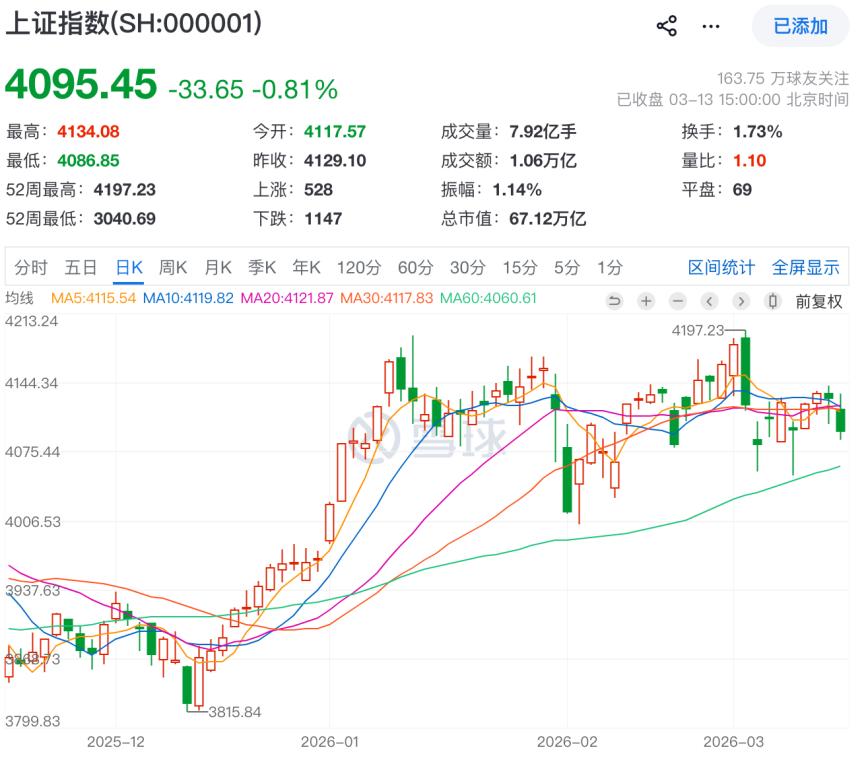
The panic has temporarily come to an end, and the market has returned to volatility. This week, the market has repeatedly competed around 4100 points. It is difficult to go up and it is not easy to come down.
What are the causes of deflagration_Conditions for the occurrence of deflagration

The point is still that point, but the capital structure has changed.

The broad-based ETFs that will shine in 2025 are no longer at their peak as GJD reduces its holdings. Instead, commodity ETFs have taken an independent stance.

According to the Economic Information Daily on March 11, in 2026, all market ETFs will shrink by nearly 1 trillion yuan compared with two months ago. As of March 8, the total size of 1,446 funds in the market was 5.30 trillion yuan.

In terms of major categories, the largest declines in the past two months were stock ETFs and bond ETFs, which fell by 990 billion and 200 billion respectively.

Commodity ETFs and currency ETFs have become rare "winners", bucking the trend and growing by 90 billion and 20 billion respectively in two months.

The market sentiment of broad-based ETFs is obviously negatively affected by GJD. More and more funds are choosing gold and other commodity-themed ETFs, such as Huaan Gold ETF, Cathay Gold ETF, and Bosera Gold ETF, which "attracted gold" of 33.288 billion yuan, 17.466 billion yuan, and 13.840 billion yuan respectively during the year.

Despite market volatility, private equity has not been hit too hard.

According to a report from the Financial Associated Press on March 9, as of the date of publication, the number of tens of billions of private equity companies has reached 126, setting a new record high. In February, four private equity firms broke into the tens of billions list.

Judging from the filing and registration status, enthusiasm for private equity is high. Compared with January, 1,296 private equity funds across the market completed registration in February, a 100% month-on-month increase.

Quantitative private equity, which was criticized by Dan Bin, has become a major new force.

I still remember that Liang Wenfeng said in his 2019 speech "The Future of China's Quantitative Investment in the Eyes of a Programmer" that quantitative investment has already made money from the technical school, and will also snatch the money from the fundamental school in the future.

Conditions for the occurrence of deflagration_What are the causes of deflagration

A few years later, the prediction seemed to come true. In the current market, apart from index products, the most profitable products are quantitative ones.

It is difficult for ordinary investors to maintain complete independence. Most people's choice is to join instead of fighting.

After talking about capital changes, let’s look at structural hot spots.

There are two main directions leading the market this week, one is energy, and the other is AI applications – stir-fried "lobster".

Let’s talk about energy first. As oil prices strengthen and AI is extremely hungry for energy, new and old energy sources have once again become the focus.

Needless to say, the oil price factor is like snowflakes, flying all over the sky.

Regarding AI’s thirst for energy, Huang Renxun recently published a special article:

Looking at AI from an industrial perspective, its architecture can be broken down into five layers, with energy at the bottom. As the most basic level, energy is the primary consideration for AI infrastructure and is also the bottleneck factor that restricts how much intelligence the system can generate.

New energy and old energy have become popular at this time.

Among the old energy sources, coal focuses on independence and controllability, and oil emphasizes price increases, both of which have reasons for rising prices.

What about new energy? More excitement.

Recently, many domestic and foreign institutions predict that in order to ensure energy security, global demand for new energy will surge, and the expected growth rate of household storage installed capacity has been repeatedly raised. There are frequent calls for short-term sales in Europe, the Middle East and other places.

According to the Daily Economic News on March 11, the British Department of Commerce and Trade announced that import tariffs on 33 wind power components will be canceled starting from April 1, and the tax rates on core components such as blades and cables will be reduced from 6% and 2% to 0 respectively, aiming to release 22 billion pounds of investment.

Faced with high oil prices, Europe has even temporarily abandoned tariff barriers and accelerated the deployment of new energy sources.

While overseas demand is boosting, CATL, the overall leader in the entire new energy sector, has also released major benefits.

On March 9, CATL announced its 2025 results, and all indicators exceeded market expectations.

In 2025, CATL's annual revenue will reach 423.7 billion, a year-on-year increase of 17%, and the net profit attributable to the parent company will be 72.2 billion, a year-on-year increase of 42%.

The performance in the fourth quarter of 2025 was particularly impressive, with single-quarter revenue increasing by 37% year-on-year and 35% month-on-month. In terms of profit attributable to parent companies, it increased by 57% year-on-year and 25% month-on-month.

When the growth rate of new energy sources gradually slows down or even becomes excessive, CATL can still maintain a profit growth rate of more than 40%, which is really impressive.

Many organizations describe the Ningde era as saying that elephants can fly.

Japan and South Korea have always paid close attention to CATL, and Nikkei News immediately conducted an in-depth analysis of CATL’s business situation.

Data from South Korean research company SNE Research shows that CATL’s vehicle battery installation volume will increase by 35.7% in 2025 compared with 2024. The global market share reached 39.2%, an increase of 1.2 percentage points from the previous year, maintaining the first place in the world.

Like BYD, overseas markets have become the main source of growth. In 2025, CATL's overseas vehicle installation volume will grow by nearly 40%, exceeding the domestic market's 34% growth rate.

_Conditions for deflagration_What are the causes of deflagration

In terms of photovoltaics, although oversupply is still the main problem, some inverter and energy storage companies that use Europe, Australia and other places as their main markets have reached record highs.

The wind of energy has even blown up big state-owned enterprises such as China Energy Construction Co., Ltd., and it has risen again and again.

Stir-fried lobster is another hot spot at the market this week. As long as you are in the self-media, I believe you have received relevant information about OpenClaw.

OpenClaw has been popular overseas for a while, why did it suddenly become popular in China? It is inseparable from the official media and local governments.

On March 10, Cailian News Agency reported that recently, Shenzhen, Foshan, Wuxi, Changshu and other places have intensively introduced support policies and encouraged "lobster farming" with real money.

Chancheng District of Foshan City has launched a free "crayfish" deployment service for the public; Hefei High-tech Zone has launched 15 hard-core measures for "lobster farming" with a maximum subsidy of 10 million yuan; Changshu has stopped "lobster farming" and plans to support "one-person companies" with up to 6 million yuan…

Various localities have issued policies, and many official media are also actively "cooperating" and vigorously publicizing them.

Capital markets responded quickly.

On March 10, Hang Seng Technology, which had been dormant for a long time, rebounded sharply under the leadership of Tencent, with the index rising by 2.4% that day. Tencent’s increase was even more exaggerated, exceeding 7% in a single day.

Tencent founder Ma Huateng did not expect that free installation of OpenClaw would become so popular.

Perhaps because of the craze for nationwide applications, there are constant rumors in the market that Tencent’s Family Bucket will be connected to OpenClaw or build an intelligent agent.

Compared with the established Internet companies, large model companies are the first to try "lobster". Companies such as MiniMax deployed early, and their stock prices rose again and again.

What is disappointing is that the founder of MiniMax, who once worked at Baidu, made the company's market value exceed that of his old employer in just 4 years.

In the AI ​​​​era, disruptive changes are indeed too fast.

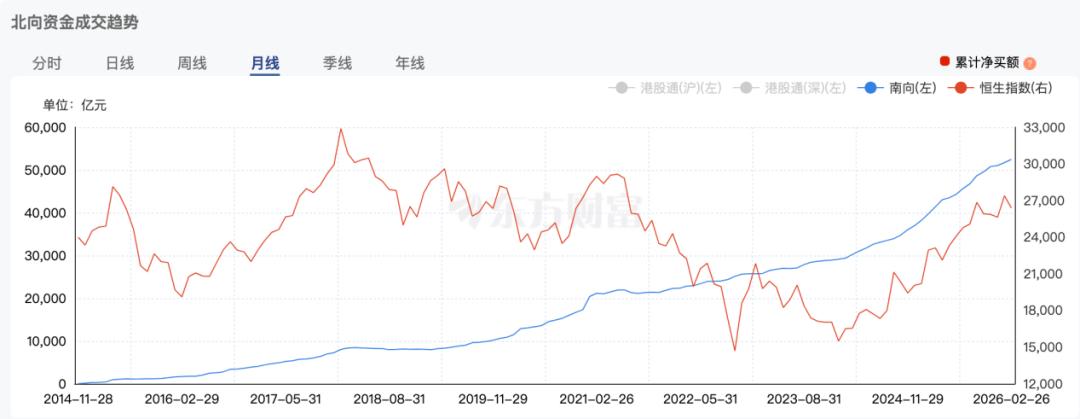
The southbound funds that had started to leave the market not long ago also made a comeback under the stimulation of OpenClaw. The single-day net selling record was followed two days later by the single-day net buying record.

According to data from Oriental Fortune, on March 10, southbound funds bought HK$36 billion in net, setting a record for the highest single-day net purchase in history.

However, not everyone is suitable for OpenClaw, and installing it rashly is extremely risky.

On March 10, the National Internet Emergency Center issued a risk warning about the security application of OpenClaw, recommending relevant units and individuals to take security measures to prevent personal information from being leaked.

_What are the causes of deflagration_Conditions for deflagration

The National Internet Emergency Center puts forward several guidelines:

1. Strengthen network control, do not give OpenClaw too high permissions, and do not directly expose OpenClaw to the public Internet (where personal information is involved)

2. Strengthen certificate management and avoid storing keys in clear text in environment variables;

3. Strictly manage plug-in sources, disable the automatic update function, and only install extensions from trusted channels;

On March 10, Cailian News reported that in order to ensure the security of the company's network and information, a number of securities companies prohibited employees from installing and using OpenClaw in company computers and other asset environments.

On March 11, Bloomberg reported, citing people familiar with the matter, that government agencies and state-owned enterprises, including large banks, have received notices not to install OpenClaw software on office equipment due to security concerns.

Another person familiar with the matter said that this ban has also been extended to military families.

No matter how good the lobster is, it must be washed and cooked before tasting, otherwise, it is better to let it jump again.

AI automates white-collar jobs, and future jobs will be "bluer". American Wall Street giants are subsidizing blue-collar workers.

According to the Associated Press of Finance on March 10, BlackRock, the world's largest public fund management company, announced that it will invest US$100 million in technical worker training projects, which will benefit technical workers including electricians, plumbers, HVAC technicians and steel workers.

The plan aims to benefit 50,000 workers over the next five years to fill the growing shortage of skilled workers in the United States.

BlackRock CEO said that by 2033, the United States is expected to need US$10 trillion in infrastructure investment to upgrade old systems and build new energy, digital and artificial intelligence infrastructure. But funding alone is not enough. Talent is the core of building America’s future.

Yes, talent is the core, both white and blue are needed.

As oil prices rise, the probability of the Federal Reserve cutting interest rates has dropped again and again.

According to Sina Finance news on March 13, the latest probability from FedWatch shows that traders in the federal funds futures market have basically ruled out the possibility of an interest rate cut in September, and now believe that the Federal Reserve may only cut interest rates once in December.

Even though Lao Chuan hopes that the Federal Reserve will cut interest rates immediately, this demand is destined to not be realized until the new person takes office.

If inflation rises, it depends on how Lao Chuan performs.

Made in China explodes

This week, the most exciting news is that the import and export data exceeded expectations.

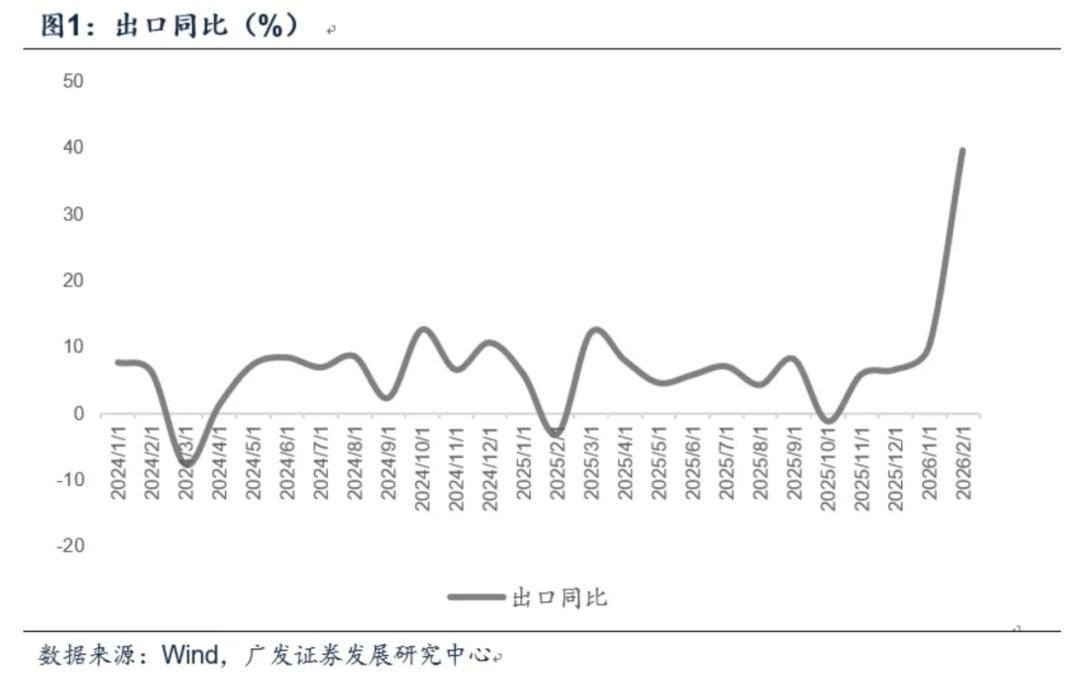
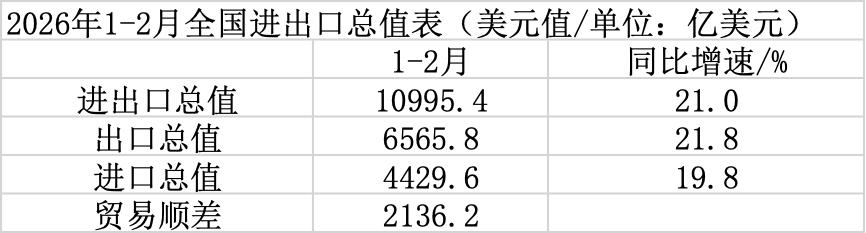
On March 10, data from the General Administration of Customs showed that in the first two months, my country exported US$656.58 billion in goods, a year-on-year increase of 21.8%, and imported US$442.96 billion, a growth rate of 19.8%.

Although the import growth rate was fast enough, it still failed to catch up with exports. As a result, the trade surplus increased by 26.2% in the first two months, reaching

US$213.62 billion.
What are the causes of deflagration_Conditions for deflagration_

_Conditions for deflagration_What are the causes of deflagration

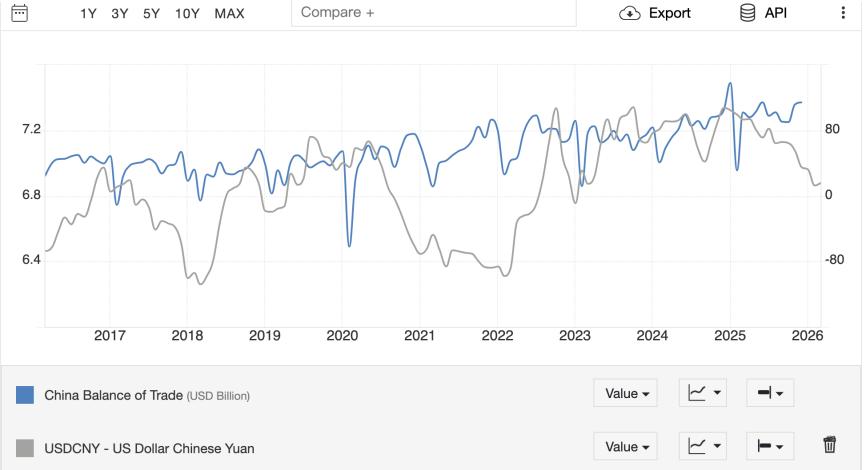
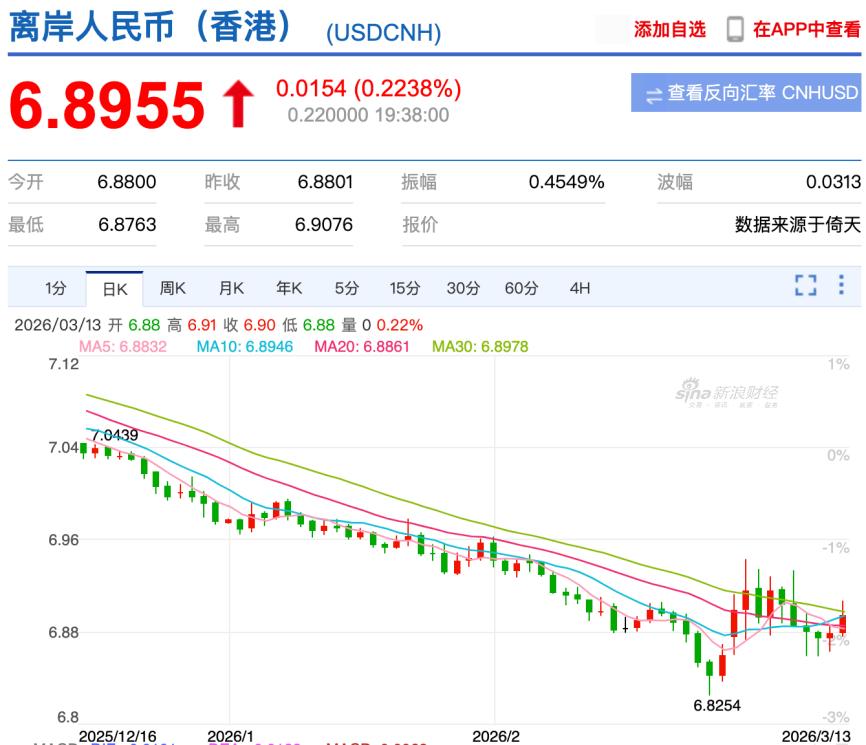
You know, in the past two months, the RMB has been appreciating against major currencies such as the US dollar and the euro. Against this background, it is very impressive that import and export can still be so strong.
_Conditions for deflagration_What are the causes of deflagration

Just like our reaction, as soon as the import and export data came out, domestic and foreign institutions unanimously agreed that it exceeded expectations!

According to statistics from Caixin.com, 13 domestic and foreign institutions had previously predicted that China's export growth rate from January to February would be 6.3% (average), with the most optimistic forecast seeing 12%, and the average import growth forecast being 5.7%.

Some people say that this is the result of adjusting export tax rebates for some products to compete for exports. Little did they know that agencies had already included this in their forecasts, but it still far exceeded expectations. Why?

From the perspective of export areas, non-U.S. regions have experienced a collective outbreak.

In the first two months, China's export growth to Africa was 49.9%, to ASEAN was 29.4%, to the EU was 27.8%, to Russia was 22.7%, and to South Korea was 27.0%, all significantly higher than the overall level.

As of February 2026, China's exports to ASEAN, Africa, and Latin America combined accounted for 31.2% of China's exports.

Made in China is playing a central role in the urbanization process in less developed regions.

In the first two months, exports declined mainly from the United States. According to data from the General Administration of Customs, the growth rate of China's exports to the United States fell by 11%, and the two sides' direct trade dependence further declined.

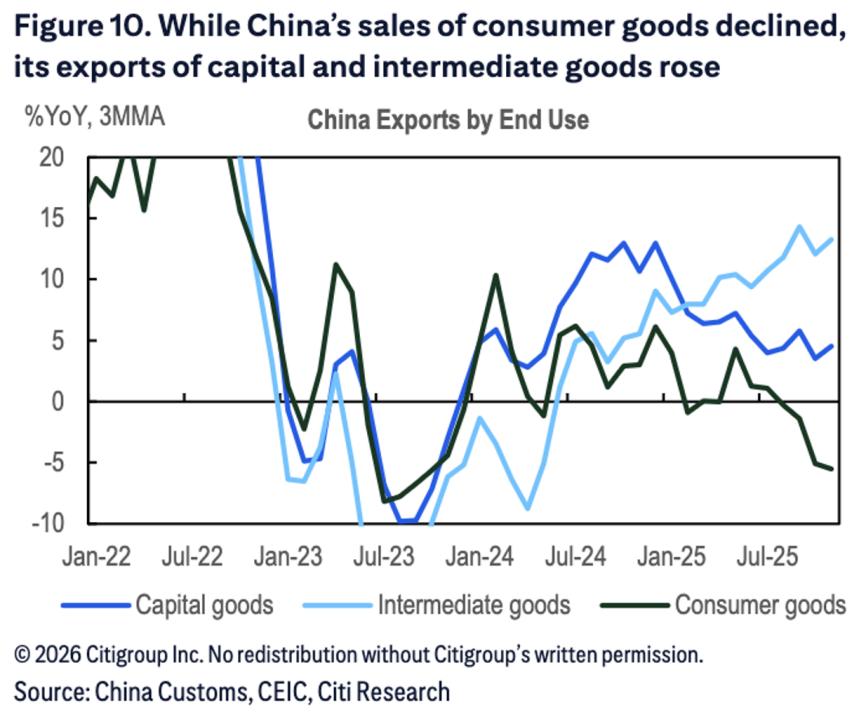
Exports are not affected by a stronger exchange rate, proving that the export structure is increasingly less sensitive to exchange rates.

Judging from the structure of export commodities, this is indeed the case.

According to GF Securities and other institutions, in the first two months, the export growth rate of the four major labor-intensive products (textile yarn, bags, clothing, toys) was 16.1% year-on-year, which was lower than the overall level.

The export of mechanical and electrical products and high-tech products is the core driver of exports. In the first two months, exports of mechanical and electrical products and high-tech products increased by 27.1% and 26.9% respectively year-on-year.

Among them, exports of integrated circuits and automobiles surged, with growth rates of 72.6% and 67.1% respectively; ship exports were also very impressive, with growth rates of 52.8%.

Exports have always been top students. In contrast, imports have exceeded expectations and are even more surprising.

Overall, the reason why imports can grow so fast is because of the low base. In the same period of 2025, the import growth rate was -8.4%.
Conditions for the occurrence of deflagration and combustion_What are the causes of deflagration and combustion_

Apart from the base effect, many imported categories are surprising.

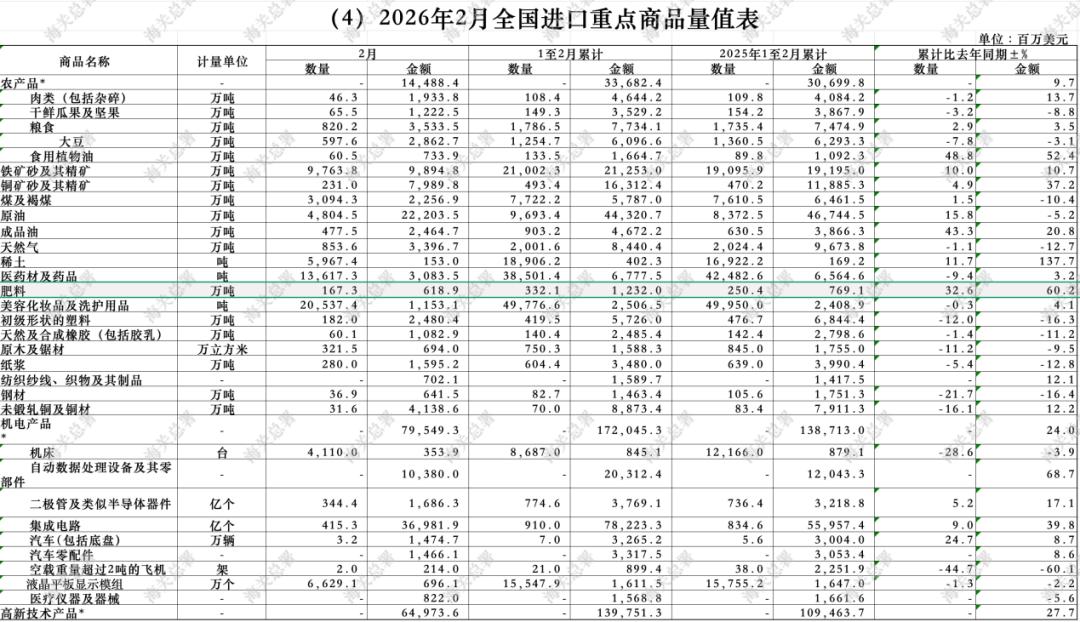
In terms of quantity, the fastest growing imports were edible vegetable oil (48.8%), natural gas (43.3%), and fertilizers (32.6%). Crude oil, iron ore, rare earths, and automobile chassis also grew rapidly, all above 10%.

More than half of the above categories are related to petrochemical energy. Before the conflict between the United States and Iran, petrochemical products were imported so quickly, which was a great way to prepare for a rainy day.

March is the beginning of the conflict between the United States and Iran. What changes will occur in the import of petrochemical resources at this node deserves special attention in the future. If it can still grow significantly, it means that China's import capacity (pipeline) is indeed strong.

In terms of amount (excluding the above-mentioned categories with rapid growth), integrated circuits accounted for 39.8%, automation equipment accounted for 68.7%, and high-tech products accounted for 27.7%.

Most of these categories are related to AI, which once again proves that AI products are extremely prosperous.

Among imported categories, rare earths, soybeans, and iron ore deserve special attention.

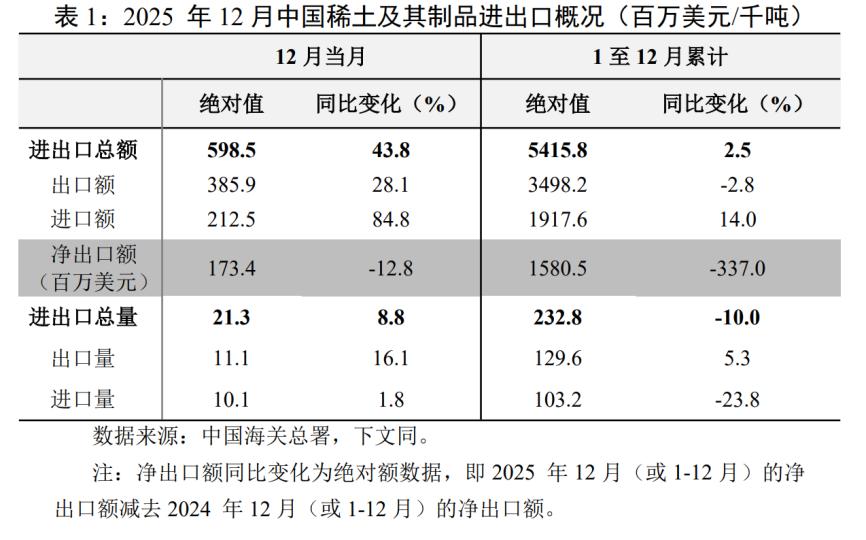
Let’s talk about rare earths first. As we all know, China’s rare earths are mainly exported.

In 2025, China's rare earth exports amounted to US$3.5 billion, about double its imports.
What are the causes of deflagration_Conditions for deflagration_

However, at the beginning of 2026, there was a strange situation in which imports of rare earths surged and exports declined.

According to data from the General Administration of Customs, in the first two months of 2026, the export value of rare earths dropped by 15.9%, but imports soared by 137.7%, the fastest growth among all import items.

The surge in imports may be due to hoarding raw materials and further gaining control over rare earths. After all, China's strongest strength in the field of rare earths is not its resource capacity, but its processing capacity.

Soybeans are also very interesting. Lao Chuan is coming in more than half a month. To save face, we should speed up imports. To prevent emergencies, we should reduce imports and increase our chips.

What is the actual situation?

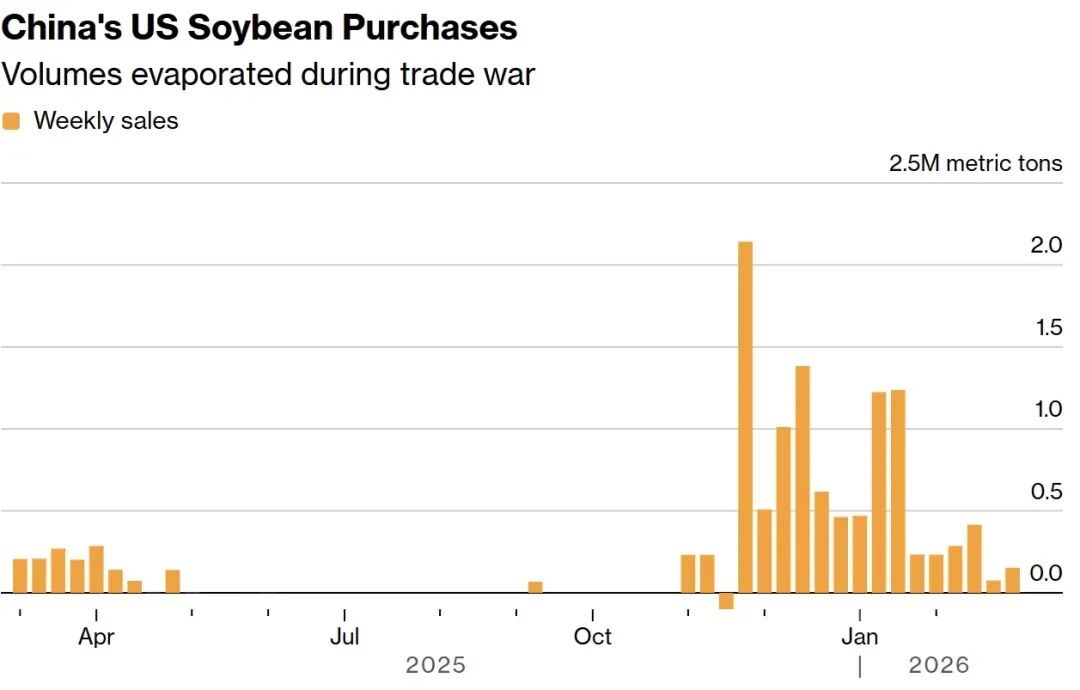
China's choice is to reduce soybean imports. In the first two months, soybean imports decreased by 7.8%, and the import value decreased by 3.1%.

According to Bloomberg, after completing the purchase of 12 million tons of soybeans in January, China’s purchases of U.S. soybeans have basically stalled.

American media analyzed that this may be preparation for the leadership meeting. U.S. traders expect that Chinese buyers may wait until September when the new season of U.S. soybeans becomes available and prices become more advantageous to resume purchases.
Conditions for the occurrence of deflagration_What are the causes of deflagration

Let’s look at iron ore.

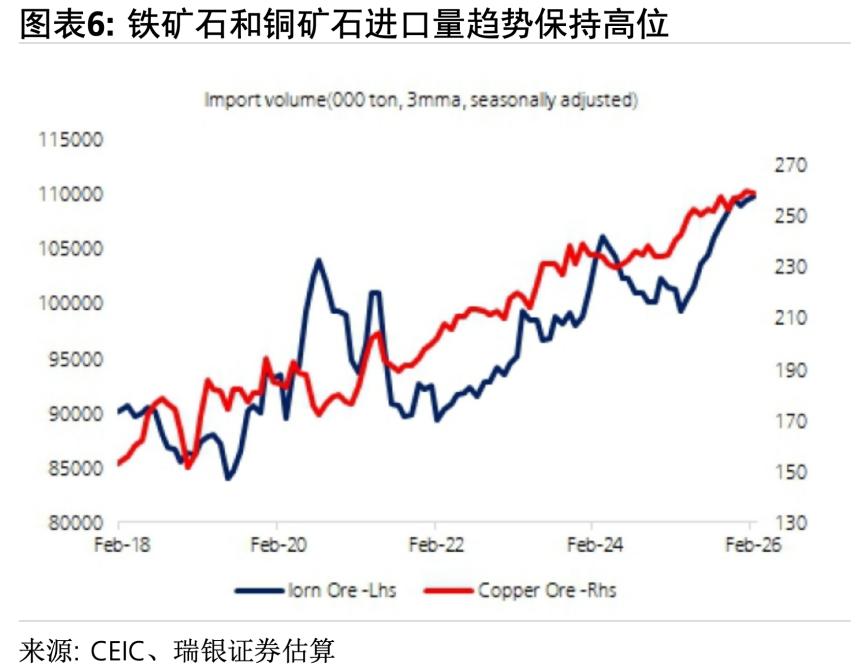
In the first two months of 2026, China's iron ore import growth rate was 10%, which is not eye-catching among all categories, but it still remains at the highest level in history.
What are the causes of deflagration_Conditions for the occurrence of deflagration

China's steel industry is restricting supply, and crude steel production even experienced a historic decline in 2025. According to data from the Bureau of Statistics, China's crude steel output in 2025 will be 960.812 million tons, a year-on-year decrease of 4.4%.

Steel production has declined, and iron ore is still being imported in large quantities. China seems to be hoarding materials in various categories to prevent problems before they happen.

What is surprising is that iron ore from Middle Eastern customers began to flow into China due to conflicts.

According to Lianhe Zaobao, ship tracking agency Kpler pointed out that after the conflict between the United States and Iran, four iron ore ships originally destined for the Middle East were diverted to China with full iron ore.

After talking about iron ore, let’s focus on two countries, one is Japan and the other is India.

China has an export ban on Japan, but Japan does not have an export ban on China.

What's the result? Many companies are worried about changes in Sino-Japanese relations and have begun to compete for Japanese exports.

In the first two months of 2026, China's imports from Japan grew at a rate of 26.5%, and exports at a rate of 8.9%.

What is imported from Japan? According to media reports such as Nikkei Chinese, as of January, Japan's exports of semiconductors and other electronic components to China have surged by more than 50%.

As the core supplier of AI upstream components and materials, China’s computing power is probably indispensable for Japanese factors.

Thanks to Lao Chuan, Sino-Indian relations have changed subtly, and import and export data are the best indicator.

In the first two months of 2026, China's exports to India increased by 20%, and India's exports to China increased by more than 40%.

According to Nikkei Asia, India’s exports to China have grown significantly, mainly due to seafood and electronic products.

Conditions for the occurrence of deflagration and combustion_What are the causes of deflagration and combustion_

According to a report released by the Indian think tank "Global Trade Research Initiative" at the end of 2025, India's electronic products from China have experienced an unusual increase.

In the first seven months of fiscal year 2025, India's printed circuit board exports to China surged by more than 2,000%, with a total value reaching US$418 million. Exports of mobile phone parts increased by 82% to US$362 million.

In the past, India imported the above products from China, but now India has begun exporting them to China.

According to analysis by Indian scholars, on the one hand, this may be due to a short-term surge in demand in China; on the other hand, it may also be that China has begun to give up production in some categories.

China also has downstream industries, which have already begun globalization.

External demand has exploded and domestic demand has stopped. How will the automobile industry develop?

On March 11, China Automobile released its vehicle production and sales data for February.

The results showed that in February, China's automobile production reached 1.672 million units and sales were 1.805 million units, down 20.5% and 15.2% respectively year-on-year.

Combining January and February, China produced a total of 4.122 million vehicles and sold 4.152 million vehicles, down 9.5% and 8.8% respectively year-on-year.

At the end of 2025, we kept mentioning that the auto market will be under pressure in 2026. Continuous large-scale stimulus has overdrawn purchasing power, and the subsidy fading will undoubtedly put more pressure on the auto market.

The sales volume in the first two months basically confirms this.

Behind the overall decline of the auto market is the huge gap between domestic and foreign demand.

In the first two months, China's automobile exports reached 1.352 million units, a year-on-year increase of 48.4%. Without the rapidly growing export demand, the automobile manufacturing industry has entered winter.

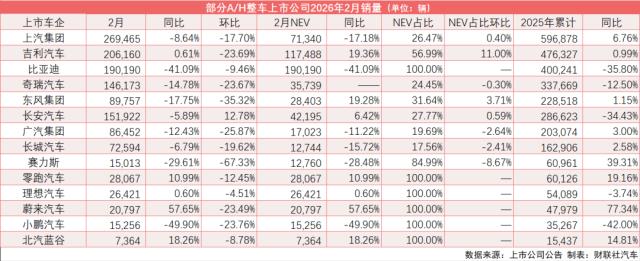
The overall auto market has declined and its structure has begun to diverge. BYD, which has been the most eye-catching company in the past few years, has seen a clear decline and has been continuously surpassed by competitors such as SAIC and Geely. The gap between it and Chery and Changan is not big.
Conditions for the occurrence of deflagration and combustion_What are the causes of deflagration and combustion_

Seeing that domestic demand is weak, exports have become a battleground for military strategists.

In February, BYD, Chery, Great Wall and other car companies all reported that export sales exceeded domestic demand.

Take BYD as an example. Since February, it has sold more than 100,000 vehicles overseas, but only sold more than 90,000 vehicles domestically. This is the first time in history that the internal and external demand has been reversed.

In order to accelerate overseas car sales, BYD may establish the first F1 team of Chinese origin.

On March 11, according to Lianhe Zaobao, people familiar with the matter revealed that Chinese electric vehicle giant BYD is studying to enter competitive motor sports including Formula One (F1) and endurance racing to enhance the brand’s appeal in the global market. Current options include forming its own team or acquiring existing teams.

Although car companies have pinned their hopes overseas, it has to be said that competition in overseas markets is becoming increasingly fierce.

The reason is that the main battlefields of the German and Japanese forces cannot be lost.

On March 10, Volkswagen announced its 2025 results. The result was that revenue was flat and profits dropped sharply.

According to Volkswagen's official website, Volkswagen's full-year sales in 2025 will be 321.9 billion euros, basically the same as the previous year, and approximately 9 million vehicles will be delivered globally, which is also roughly the same as the previous year.

Revenue and sales were solid, but profits were breathtaking. In 2025, Volkswagen's operating profit will drop to 8.9 billion euros, a 53% year-on-year drop.

Revenue remained unchanged and profits dropped sharply, resulting in an operating profit margin of only 2.8%.

Volkswagen explained on its official website and in a conference call that the pressure on profits in 2025 is mainly due to the impact of U.S. tariffs, the impairment of Porsche's goodwill, and intensifying competition in the Asian market.

In 2025, Volkswagen will deliver 2.7 million cars in China, 500,000 more than in 2024, and continue to be the sales champion of foreign-funded car companies in China.

Increased sales did not result in greater profits. In 2024, Volkswagen's operating profit in China will be 1.7 billion euros, the lowest performance in the past ten years.

Once it breaks through the normal state, there is often no lowest, only lower. According to cover news, in 2025, Volkswagen's operating profit calculated using the equity method will be 958 million euros, setting a new record low.

Whether to gain share or maintain profits has become an unprecedented problem that global car companies have to face.

In order to obtain more profits, Volkswagen's choice is to lay off employees and move its R&D institutions eastward.

Volkswagen said it will lay off 50,000 people in Germany by 2030.

Coincidentally, Honda, a Japanese car company that announced its results on March 12, gave almost the same reason for the decline in performance.

_Conditions for deflagration_What are the causes of deflagration

According to Xinhuanet, Honda issued a performance warning saying that the company will face its first annual loss since its listing.

The net profit attributable to the parent company of the main business will turn from the previously expected profit of 300 billion yen to a net loss, with the maximum loss reaching 690 billion yen.

Like Volkswagen, Honda expects revenue in 2025 to be basically the same as in 2024.

Honda cited changes in U.S. tariffs, slowing demand growth in the North American electric vehicle market and intensifying competition in the Chinese market as the reasons for the loss.

To sum up, the current situation is that BYD hopes to speed up its overseas expansion and save the country, while overseas competitors hope to maintain local share. In order to survive, no one will give in.

The car market in 2026 will be very tragic.

Are Koreans buying cheap Chinese innovative drugs?

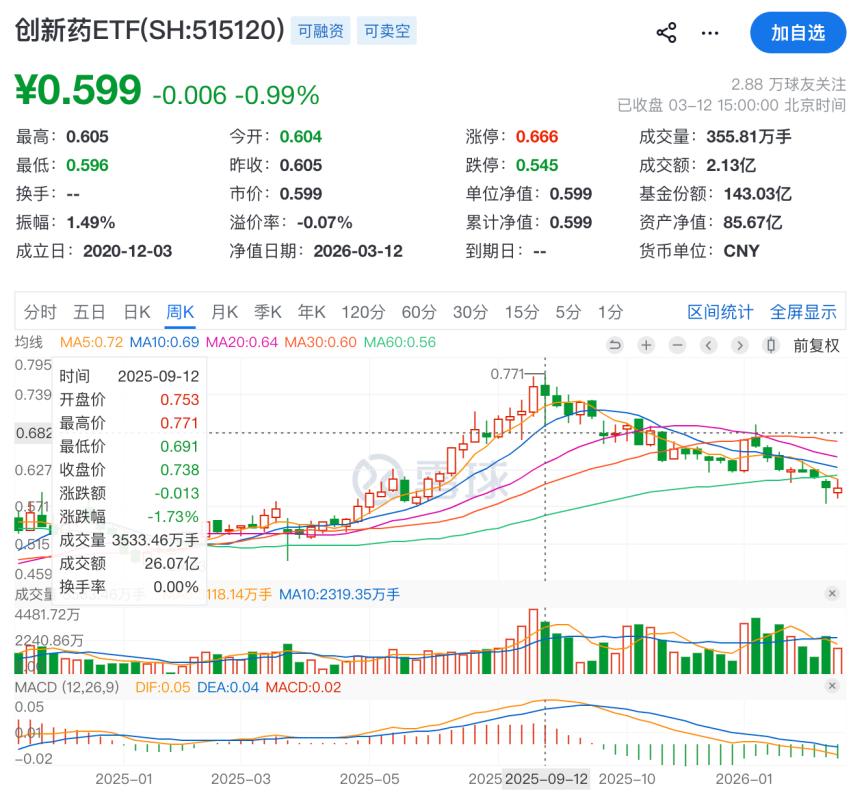
Since September 2025, innovative drugs have basically not risen much and have been abandoned by the technology bull market.

Taking the innovative drug ETF as an example, the net value has dropped from 0.771 in September 2025 to less than 0.6 currently.
_What are the causes of deflagration_Conditions for deflagration

Even though the scale of innovative drug BD in Shanghai and Shenzhen stock exchanges is getting larger and larger, and new drugs are being launched faster and faster, they cannot reverse the bias of investors.

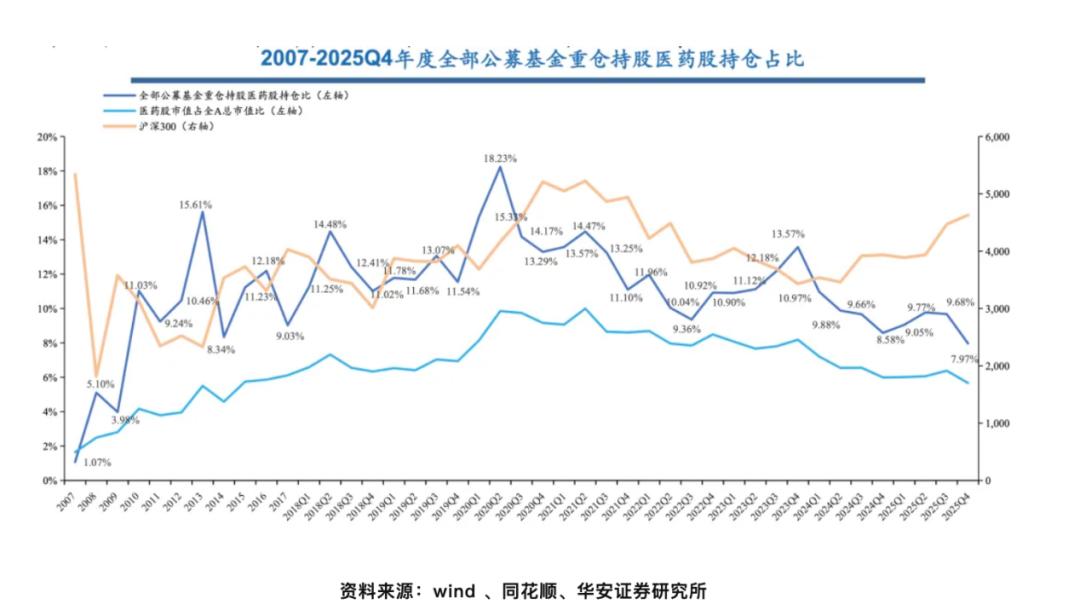
The proportion of pharmaceutical stocks held by public offerings in the market continues to hit new lows, and the proportion of market value has also fallen again and again.
_Conditions for deflagration_What are the causes of deflagration

When popularity is bleak, there will always be news about leaving the land of dreams.

After spending many years as a pharmaceutical analyst, a certain pharmaceutical chief chose to give up everything and study for a master's degree in Buddhism at the University of Hong Kong.

She said: Medicine is the sword that can save the world, but the longer I work, the more I feel that physical health is not enough. Human being is a whole body and mind and cannot be cut off. Over the years, in addition to the pain caused by the disease itself, I have also seen people who are in good health, well-educated, and wealthy, mired in mental exhaustion and pain.

The experience of nothingness in the extreme involution has shaken the business logic and life creed that I firmly believed in in the past. She decided to change the underlying system and re-understand the world.

Just when domestic investors and researchers fell into despair, Korean investors bucked the trend.

According to the Financial Associated Press, in the past month, Korean investors have been using ETFs to allocate Chinese assets.

Among them, a certain innovative pharmaceutical industry ETF was the largest net purchase by Korean investors, with a purchase amount of nearly 10 million yuan.

Sometimes, the darkness you are in is the dawn in the eyes of others.

Sooner or later, dawn will break.

As I write this, news has come out from the Chinese and African markets.

Starting from May 1, 100% of the tax items of the 53 African countries that have diplomatic relations with China will not have to pay tariffs when entering the Chinese market. Previously, China had implemented a zero-tariff policy for 33 African countries.

In September 2025, the US AGOA (African Growth and Opportunity Act) expires.

In the past 25 years, the United States has provided tariff-free access to more than 1,800 African products, supporting an export market of US$9.7 billion. I guess what Lao Chuan is thinking is that I want to increase tariffs.

Sometimes, as long as you don't make any mistakes, just wait for the other person to go crazy.

985 Clinical Medicine Master And Doctorate Students Are On The Front Line When Suffering From Cancer And Seek Advice To Get Out Of The Predicament

As I write this letter to you, my heart is full of helplessness and confusion.

You have always been my role model on the way forward. Your tenacity, transparency and calmness always give me strength when I am in trouble. After thinking about it, I can only confide in you, and I sincerely ask for your guidance to help me get out of the predicament.

I am a graduate of a well-known 985 clinical medicine school in Wuhan with a master's and doctoral degree. I have worked in the nephrology department of a well-known tertiary hospital in Wuhan for nine years.

I once stayed at the fever clinic and isolation ward during the epidemic, and I still stayed at my post when I was infected with COVID-19. I never slacked off at all. He was also approved for the National Natural Science Foundation of China Youth Fund Project and published several SCI papers.

But fate was particularly harsh on me. I was diagnosed with early-stage breast cancer (June 2023) and early-stage invasive lung cancer (November 2025). I have undergone surgery, chemotherapy, and targeted therapy, and I am still taking medication for treatment.

Nowadays, I still stick to the clinical front line. Although I no longer work night shifts after lung cancer surgery, my physical strength has long been exhausted, my memory has declined, my immunity is extremely poor (it is easy to be infected by patients), I frequently catch colds that do not recover for a long time, I suffer from insomnia for a long time, I can’t sleep all night, and I am physically and mentally exhausted.

My family urged me to transfer to another clinical position, and even had to communicate with the leader in person. My colleagues in the department took care of me, but I often felt guilty that I could not help the department share more tasks.

In 2025, I was assigned to work in the emergency department for several months. Three patients failed to be rescued. I couldn't let go for a long time. I always felt that my compression force was not strong enough and caused their death. I was always reviewing the scene at that time (I developed lymphedema due to continuous compression at the time, and I have not recovered yet).

Is it an idiom to be willing to help others? Is it an idiom to be willing to help others? Is it an idiom to be willing to help others? Is it an idiom to be willing to help others?

Now I am nervous every day, afraid of making mistakes, afraid of increasing the patient's pain, and the pressure is very high. Years ago, I made a request to the director for a job transfer to ensure medical safety, but I have yet to receive a reply.

I am extremely confused at the moment: I insist on staying on the clinical front line, but my body is already overwhelmed; I voluntarily leave my job, but I am reluctant to stick to my nine-year career and original intention. More importantly, I am a person who cannot take any time off. Once I have nothing to do, I will feel extremely anxious inside. The feeling of emptiness is more torturous than physical exhaustion.

The transfer was not in sight and I didn't know whether to continue waiting or give up decisively.

My current idea is that if the job transfer cannot be realized, I want to devote myself to charity and do something for breast cancer patients who are in the same predicament as you and me.

Recalling that during chemotherapy and targeted therapy, I had to figure out a lot of discomforts by myself. At that time, I also took the initiative to lend a helping hand and helped patients who were undergoing chemotherapy together solve many practical problems. In my daily clinical work, I am also used to actively communicating with patients and patiently helping them. I often receive letters of thanks from patients. This feeling of being needed makes me feel very valuable.

But I don’t know how to start and how to land.

Long-term insomnia and mental internal consumption have brought me to the verge of collapse. I don’t know how to adjust myself or how to advance my current choices.

Please give me some advice, tell me how to choose now, how to adjust my state and go on firmly.

A confused internal medicine doctor Zhu

Confused Dr. Zhu:

A doctor like you is truly a blessing to our patients.

But now, you are tired. Through the words, I can feel your confusion. You dragged your tired body, wanting to take good care of every patient and share the worries of your colleagues. This sense of responsibility engraved in your bones makes me admire and feel sad.

But, sometimes, letting go is the responsibility.

To those who love you, live well and your existence itself is a gift that can encourage more people.

A doctor who knows how to cherish himself may be able to teach patients how to cherish life. If you are exhausted, those patients who rely on you and trust you will have a large vacancy in a corner of their hearts.

If you take a good rest with a calm mind, you will send a message of goodwill and warmth to the surroundings, and will encourage people who are on the same wavelength as us to put down their baggage, slow down, and move forward slowly. This is value.

If you continue to work hard on the front line, you will convey anxiety to your colleagues. If you forcefully control yourself, that is the greatest unkindness to yourself.

Seeing you is like seeing myself in the past, always shouldering excessive responsibilities, carrying everything that should be carried and shouldn't be carried, and I feel ashamed if I make any mistakes. Because of an excessive sense of responsibility, because I cannot meet my own requirements, because I cannot meet the standards of others, I can't sleep all night.

This is also a kind of arrogance.

Let the world change because of my existence. Why? Why? The world has its own laws of operation. The sun rises in the east and sets in the west, and fireworks in various houses continue. This will not change because of our existence.

Don’t talk about us, no matter how great the heroes are, after Cyrus, Napoleon, and Kangxi, the earth will still turn and history will continue.

Let us remain humble to the world, forget ourselves, look up at the stars, and regard ourselves as a small part of everything.

If you can, if you can, give the world a little blessing of goodwill and good deeds, and send out a little glimmer of light, which will be gathered into the torrent of love in the universe, fireflies will also have power.

If you don’t have the strength for the time being, you might as well put it down for a while. If you still don’t have the strength, put it down for a while. slow down time

Come naturally.

I guess you grew up in a harsh educational environment. You went to medical school and entered well-known hospitals. You faced extreme loads year after year. You didn't allow yourself to make any mistakes. You were overly demanding on yourself and easily felt sorry for others. All your patience was given to others.

In fact, true kindness is not about burning yourself to illuminate others, but about being kind to yourself and also being kind to others. Before burning yourself, fill up your little oil lamp from time to time.

Many people, including you, Dr. Zhu, think that I am transparent and calm.

I am very ashamed. It is true that I have experienced a lot of ups and downs, but frankly speaking, I am often neither transparent nor calm now. I still often worry about trivial matters in life and work, such as the definition of family affection and the value of society.

The more I cared about people and things, the deeper they hurt me.

Fortunately, we have experienced so much and faced life and death issues head-on.

Although I admit that I am not calm, I am not at all ashamed of my lack of transparency and lack of calmness. I accept that I have not practiced well enough, and I will not force myself to accept those things that make me feel moved and create a bad aura as long as I cannot resolve them.

That's how people are, accept everything about themselves calmly, practice step by step, and practice slowly.

I know that I am troubled, so I don’t force myself to accept it. I know that I am tired and let myself stop.

Sometimes, slow is fast, not doing is doing. Even if we do nothing, the world will still exist, and compassion will still exist.

I suggest that you slow down your work pace and find a suitable position. Otherwise, given your personality, your dreams at night will inevitably be connected to the hard work during the day, and you will be unable to get rid of anxiety and insomnia.

Communicate candidly with your leaders, or even with higher-level leaders. When our own attitude is very firm, others can feel it.

It's great to be involved in charity and do something for breast cancer patients who are in the same situation as you and me. Life has no beginning and no destination. Helping other lives will make us feel comfortable physically and mentally. It is a small drop in the world of nothingness.

The glimmer of good we generate for good can resonate with the universe at the same frequency.

You have special advantages.

You are a doctor and a patient, and the choices you make are both a doctor's professional rationality and a patient's empathy. You have taken the initiative to lend a helping hand and helped patients who were undergoing chemotherapy together to solve many practical problems, which shows that you have love and experience. You stuck to your job during the most difficult time in Wuhan, which shows that you are not afraid.

Sometimes, external gains may not be truly valuable. Altruism can make us happy. I write replies to you and friends. On the surface, I am giving, but in fact, I have received too much energy, so I am peaceful and happy.

If possible, you can be a self-media to help patients; you can also leave a private message in the background and leave your contact information. If there are patients in Huazhong, they can find you, seek help, and keep each other warm.

Please remember that I am a comforter and cannot be responsible for your life. I am not the pillar of your life. The only real pillar of a person is yourself.

But we can be a little thought for others, a ray of spring breeze blowing at the end of winter, allowing us to feel the love and pass on the compassion.

You are already great, you don’t have to force yourself to be the star that burns alone and lights up the night sky. Dim once in a while to give the stars time to rest.

Even if you do nothing, you are worthy, you are unique.

I love you, Sister Tan

Saturday, March 14, 2026

(Sister Tan’s email address: yetanbusiness@163.com. The letter authorizes Yetan Finance to use the content of the email. If you reply, the reply will only be made public and will be commented by readers. At the same time, you are authorized to use it for book compilation. Please be careful when writing.)

The US-Israel-Iraq War Hits The First Island Chain, And The Defense Issues Of Japan, South Korea, The Philippines And Taiwan Are Highlighted

The impact of the U.S.-Israeli war on the first island chain is that the deterrence of the United States has declined rapidly, but the energy business has benefited. Japan, South Korea, the Philippines, and Taiwan have been hit by double impacts on the economic and security levels. However, under the shock, energy diversification, armed defense, and even "nuclear possession" issues will quickly surface.

Regardless of economy, trade and energy, this article focuses on armed defense.

In the third week of the US-Israel war, Trump may be the only one who has not yet realized, or refuses to believe, that this Middle East war will have far-reaching consequences. Not only is it far from the beautiful imagination when he decided to start the war – the United States and Israel jointly manage the Middle East – on the contrary, the deterrence power that the United States originally relied on to maintain the basis of hegemony has been seriously overdrawn, and it is known to the whole world.

Not to mention other areas, in the first island chain in our field of vision, every node is very frightened. The suzerain country's tough words and soft fists have long been a deep concern for the vassal countries. However, in the past, at least on the surface, it was still able to show off its strength, because the weaknesses exposed by the United States were still in a "mosaic" state, and its deterrence power could still be maintained. But now, Iran has revealed the answer to the mystery. Once the United States personally takes action, there is no guarantee that it can defeat a single region or even a single country, let alone global deterrence.

What the first island chain fears most is not the decline in US deterrence, but the fact that this truth has become global evidence.

Yan Mo: The “demosaicization” of U.S. deterrence is a shock to the first island chain_Yan Mo: The “demosaicization” of U.S. deterrence is a shock to the first island chain_

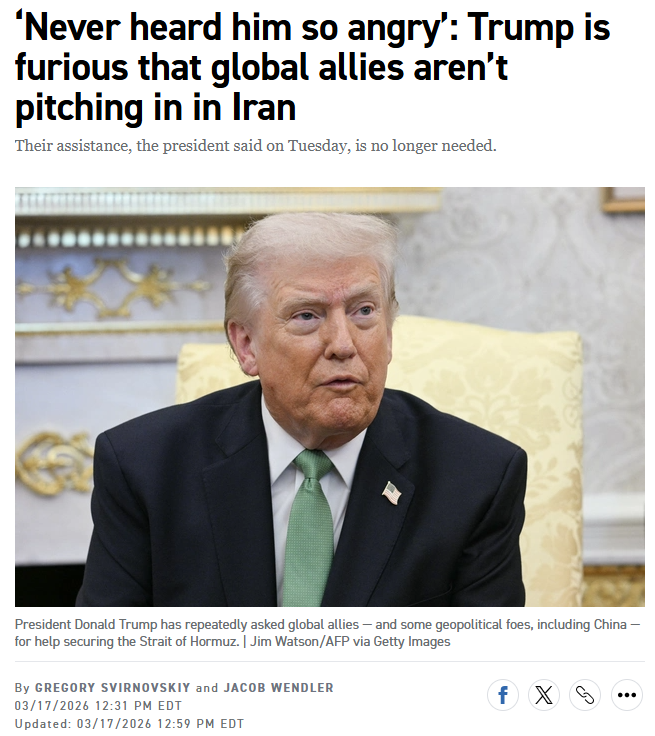
“I’ve never seen him so angry”: Trump is furious because global allies have not contributed to the Iran issue. Screenshot of Politico’s report on March 17

The disillusionment and qualitative change of "security depends on the United States"

It is less than 10 years since the “Return to Asia and Rebalancing” and “Free and Open Indo-Pacific” policies at the end of Obama’s administration, but they still seem like the false pride and empty promises of a century ago. The “Indo-Pacific Quartet” that also recalled Gong Jin’s year is now completely bankrupt. Even Trump’s strategy of retracting in a feinting posture after entering the White House—“focusing on the Western Hemisphere”—was shattered in the US-Israel war, leaving nothing but feathers on the ground.

Since Washington withdrew from the Asia-Pacific economic and trade strategy such as the TPP, military deterrence is the only remaining presence of the United States in the Western Pacific. If you don’t look at anything else but Singapore’s stance in the past 10 years, you will know that the so-called “only one left” is not an exaggeration. For Beijing, the two-sided choice of "depending on China for its economy and relying on the United States for its security" is not necessarily a bad thing, because as long as time is extended, the former will erode the latter, and this is one of the sources of "strategic concentration."

Trump's performance since entering the White House has gradually made "relying on the United States for security" untenable. The first island chain has borne the brunt and has been forced to arm itself and spend money to expand its military. This has only confirmed the necessity of "relying on China for the economy." The most obvious example at this point is the Philippines. There are constant petty quarrels in the South China Sea and rampant vassalism, but its economic and trade dependence on China has only increased.

Until the U.S.-Israeli war broke out, the experiences of the entire Gulf country group turned the fantasy of "security dependent on the United States" directly into the nightmare of "disaster." Security guarantees were out of the question. Instead, they became collateral damage to the U.S. military bases, which immediately affected the economic arteries. Now ask the Gulf countries, what is the deterrent power of the United States? The answer may make people laugh – the deterrence of the United States is the deterrence of Iran.

When US military bases become a nuisance, the vassal dividend disappears overnight, especially in the first island chain, because as mentioned above, deterrence is the only sensible presence of the United States in East Asia. In the same way, US deterrence is China’s deterrence. Japan, South Korea, the Philippines and Taiwan have long been aware of this truth, but the bad thing is that now it has become known to the whole world.

Ryukyu was the first to show anxiety, which is reasonable. It is the United Arab Emirates Zafra Air Force Base in East Asia. If a war breaks out in the Taiwan Strait, Ryukyu will be the most conspicuous missile target and the next "huge crater." The Taiwan Strait, Bashi Strait, and Miyako Strait are today’s Strait of Hormuz.

Yan Mo: The “demosaicization” of U.S. deterrence is a shock to the first island chain_Yan Mo: The “demosaicization” of U.S. deterrence is a shock to the first island chain_

In November 2025, Japanese people from Tokyo, Okinawa and other places held a protest rally in Tokyo to oppose the Japanese government's forcible advancement of the construction of the US military base in Okinawa and to protest against the Japanese government's strengthening of military deployment in the southwest region.

What is worth pondering is, for whom does "asymmetric warfare" make more sense now?

Iran's "asymmetric warfare" is almost identical to the "asymmetric warfare" envisaged by the United States for Taiwan. Responsible Chinese public opinion has long predicted that Iran's "porcupine" situation today will be the tragic situation of Taiwan in the future. However, Iran's asymmetric warfare has severely damaged the United States, Israel, the Middle East, and even the global economy, but it has a completely different meaning.

The expensive missile defense network is no match for the cheap unmanned suicide drones. How can the existing Israeli "Iron Dome", the imaginary American "Golden Dome", the "Taiwan Shield" and Ryukyu's "Missile Islands" deal with the most powerful PLA drone swarm on earth? The object and content of the so-called "asymmetry" may have completely different meanings after the US-Israel-Iraq war.

The above is only the first level of anxiety about "security depends on the United States". There is also the second level of anxiety – US military assets in East Asia are regarded as "surplus" during other regional wars.

To meet the needs of the US-Israel-Iraq War, the United States mobilized US military assets from other regions. The largest number and scale of mobilization was in the Indo-Pacific region, followed by Europe, and then the United States.

Overall, this troop surge in the Middle East is the largest concentration of U.S. military forces since the 2003 Iraq War, totaling more than two aircraft carrier strike groups, more than 13 destroyers, hundreds of fighter planes and a large number of missile interceptors, with the largest amount of military resources coming from the Indo-Pacific theater.

Aircraft carrier strike groups, amphibious ships, Marines, fighter planes, carrier-based aircraft, THAAD high-altitude defense system, Patriot medium-range surface-to-air missile system, aerial oil aircraft, etc., the Indo-Pacific US military assets have been transferred to the Middle East battlefield one after another without notifying the client countries. South Korea couldn't help complaining, Japan didn't dare to say anything, Philippine officials pretended to be fine, and opposition forces started an anti-U.S. trend.

As one of the most peaceful regions in the world, East Asia is naturally regarded as having "military surplus". However, the US military's diligence in mobilizing resources in the region to the Middle East exactly reflects the US's over-exaggeration of the military crisis in East Asia and its bellicose nature and militarism.

On the one hand, American hawks brag that "the US-Israeli war will severely damage China", and on the other hand, they panic that "the US-Israeli war is an opportunity for China." However, observers who know the region believe that it is neither. The war in the Middle East does not mean China's strategic losses, nor does it mean that China will "take advantage of the opportunity" in East Asia.

China has already diversified its energy sources, and Iran will not cut off its main source of income. Moreover, the United States and Israel will definitely lose, and we will not suffer any strategic losses. This one. If China takes advantage of the large-scale movement of U.S. troops to the Middle East and "conquers cities and territories" in the Taiwan Strait, East China Sea, and South China Sea, it will undoubtedly help the United States find a way out in the Middle East, stop wars and losses, and then mobilize global forces to East Asia. If the mainland has no intention of achieving reunification this year, defeating Japan and eradicating the South China Sea issue, then "taking advantage of the opportunity" is a bad idea. This is the second one.

It is true that the US-Israel war contributes to the "China narrative" and it is true that it makes the first island chain tremble. However, even if the mainland wants to "charge a wave" of specific attacks, it will have to wait until the US divisions in the Middle East are exhausted or resources are exhausted before attacking. During the period of standing still, our mere launch of diplomatic war is enough to make the United States suffer so much that it will be unable to move.

Observers in the first island chain can easily draw this conclusion. The American hawks simply "told a lie three times and even believed it themselves." They are completely unable to divert the current embarrassment and predicament of the United States.

China's temporary standstill is tantamount to denying the current self-arming of the first island chain and accumulating evidence for the elimination of militarism in the region in the future. In other words, "temporary" is the key word, because the decline in US deterrence also means the rationality of military expansion in the first island chain and even nuclear possession.

This has triggered a third layer of anxiety, the ineffectiveness of the first island chain’s self-armed deterrence, and the theory of the necessity of nuclear weapons.

Japan’s Ministry Of Foreign Affairs Promotes Its Own Culture, While The Influence Of Chinese Culture Rises Through Popular Popularity Among The People

According to a report by the Hong Kong English media "South China Morning Post" on the 18th, Japan's Ministry of Foreign Affairs has recently launched a plan to promote its own culture. It plans to hold events in more than 20 countries by the end of this month to showcase the development of Japanese tea ceremonies, comics and animation.

Japan's "Yomiuri Shimbun" compared the relevant measures of Japan's Ministry of Foreign Affairs with China's efforts to expand its influence through cultural communication, saying that the move aims to "strengthen Japan's diplomatic capabilities by increasing the number of people around the world who understand Japan."

Some analysts said that the continued rise of China's cultural influence has increasingly highlighted the distinctive characteristics of "bottom-up" – no longer relying on government leadership, but relying on private enterprises as the core driving force and relying on the extensive participation of ordinary people to achieve the natural penetration and spread of cultural exchanges.

At present, the popularity of Chinese culture continues to rise in many fields.

In August 2024, the game "Black Myth: Wukong" based on the image of Sun Wukong became popular all over the world as soon as it was released. Sales exceeded 10 million copies in less than 4 days, and sales exceeded 20 million copies in the first month. The animated film "Nezha" series, which is also based on Chinese mythological characters, has also caused a sensation in the global market. The costume fantasy drama "The Legend of the Hidden Sea", which combines shadow puppetry, Kunqu opera and other traditional art forms, also performed well and topped the lists of many overseas streaming platforms.

Breakthroughs in literature are equally impressive. Liu Cixin's science fiction novel "The Three-Body Problem" won multiple international awards and sold millions of copies worldwide, attracting many international fans including former U.S. President Obama and "Game of Thrones" creator George RR Martin. In 2024, this work was adapted into a series by Netflix, further expanding the global influence of Chinese science fiction.

This craze has also extended to the field of toys. The Bubble Matera doll became popular around the world last year, with long queues outside stores and fans rushing to buy it.

The annual "Global Soft Power Index" released by the Brand Financial Consulting Company shows that in 2025, China surpassed the United Kingdom and ranked second in the world after the United States; in 2026, China firmly maintained this ranking and became the only country in the top ten to improve its soft power score. The gap with the United States narrowed to less than 1.5 points, while Japan surpassed the United Kingdom and rose to third in the world.

The report states that the improvement of China’s soft power is due to the coordinated efforts of multiple factors: the enhanced attractiveness of cities, cultural heritage and leisure projects, the promotion of visa facilitation policies, and the deepening of people-to-people and cultural exchanges. The tourism industry plays an increasingly important role in improving soft power. In order to boost the tourism industry, China has continued to expand the scope of visa-free entry countries in recent years, allowing citizens of relevant countries to stay for up to 30 days. According to data from the National Immigration Administration, more than 30 million foreign citizens entered China visa-free last year, a year-on-year increase of nearly 50%.

At the same time, China uses technology to empower cultural communication, vigorously promotes the digital construction of museums, and uses modern technology to bring ancient history to life. The report mentioned that "Cultural phenomena such as Rabbu, which will become popular around the world in 2025, coupled with the high international recognition of Chinese brands such as Huawei and TikTok, as well as the continued growth of electric vehicle exports, will further expand China's influence."

_Chinese culture popular in Japan_Japanese living culture

Game character model IC photo in "Black Myth: Wukong"

It is worth noting that the two major trends of "Chinamaxxing" and "Becoming Chinese" have emerged on overseas social media, allowing Chinese culture to further penetrate into the daily lives of overseas people. Young people in the United States are pursuing Chinese health care methods, imitating Chinese people in drinking hot water and seeing traditional Chinese medicine.

Zou Sheng, a professor of cross-media studies at Hong Kong Baptist University, analyzed that the rise of these two trends may be related to the popularity of the Chinese social platform Xiaohongshu in the United States after the United States planned to ban TikTok.

Zou Sheng also said that American YouTube bloggers have played an important role in spreading a positive image of China. For example, teacher Aleese Lightyear’s Chengdu life video was reported by the American Consumer News and Business Channel (CNBC) and “triggered discussions among American audiences about the rapidly changing China.”

"But more importantly, China's progress in the fields of culture and science and technology will inevitably be seen by people around the world." Zou Sheng said.

He added that the role of private enterprises in cultural dissemination is becoming increasingly prominent. “When it comes to soft power, people have traditionally focused more on government entities and top-down initiatives, but bottom-up cultural exchanges involving non-governmental entities and even individuals are happening every day, and their influence is constantly increasing.”

Yuan Shaoyu, a soft power research expert at New York University, also said that China has got rid of its reliance on official image management. "Now China has cultural products that attract global attention, from popular games and collectible brands to creator-led lifestyle content, which are all chosen independently by people."

In his view, China has shifted from a top-down image-building model to cultivating cultural industries and narrative communication. Global culture is increasingly influenced by social media and is "more fragmented and no longer controlled by a few Western gatekeepers, creating more space for Chinese cultural products to spread on their own strength."

He further explained, "The rise of Chinese cultural influence stems from the growth of the domestic content ecosystem and the fact that the global environment is more open to non-Western cultural forces than before."

However, Yuan Shaoyu reminded that China still needs to think about how to create a lasting global image. "Trends such as 'Becoming Chinese' or 'Ultimately Sinicised' can make Chinese health habits and daily aesthetics more approachable, but if this intimacy cannot be developed into deeper interactions through travel, education, language learning, long narratives and continuous communication, its impact will remain on the surface."

Zou Sheng gave suggestions from the perspective of industrial development. He said that in order for China to transform into innovative and high-value-added cultural products, it needs to "strengthen copyright protection, encourage original design, strictly control quality, and provide more space for artistic exploration and cultural creation."

Under the wave of globalization, competition between countries has never been limited to the hard power competition of economy and technology, but also contains a deep game of cultural value. Cultural self-confidence is not only the spiritual code for the great rejuvenation of the Chinese nation, but also the core support for China to gain a firm foothold and continue to move forward in the global soft power competition.

The RMB Will Rise Strongly In 2026, And Domestic And Foreign Institutions Are Bullish

How strong will the RMB be in 2026?

This is not only a matter of concern to the Chinese people, but also a topic of concern to the global market.

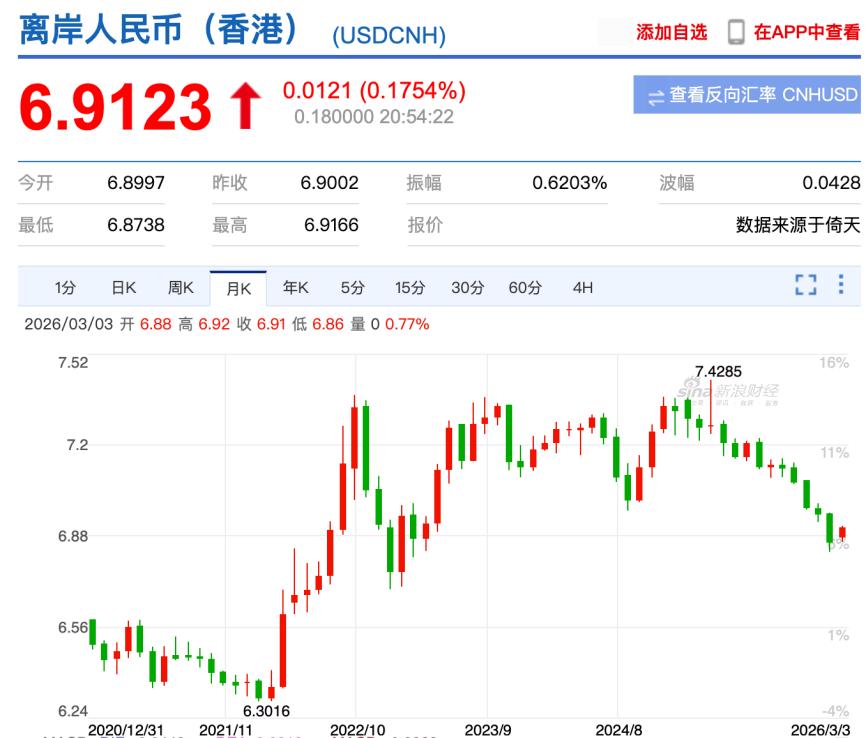
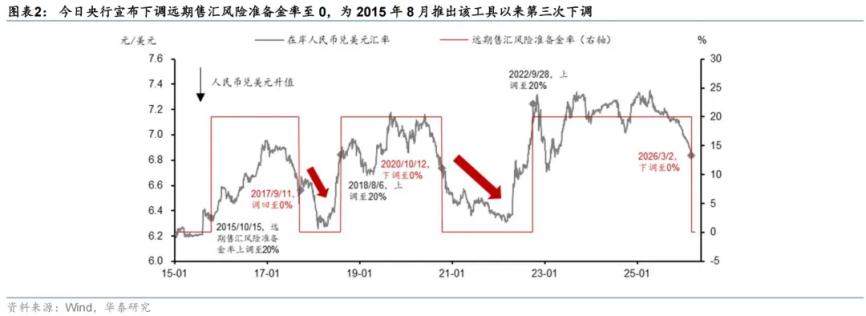
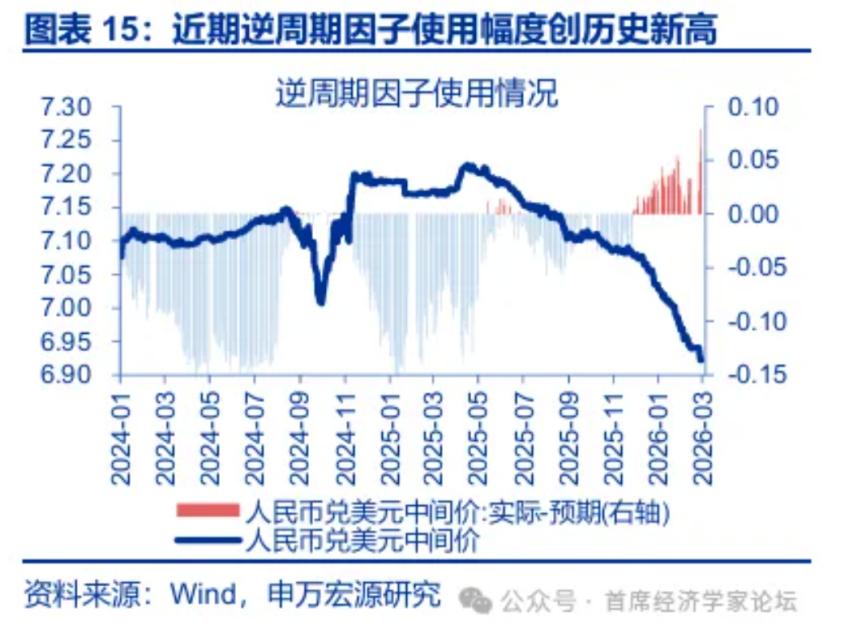
Unconsciously, the offshore RMB has hit a new high against the US dollar in more than three years and has risen for five consecutive months, approaching the level of 6.3 in 2020.

The world where order has collapsed _ The world where order has collapsed

It is different from the past situation where the US dollar depreciated and the RMB passively appreciated. This time, the RMB is obviously more "active".

According to Shen Wanhongyuan’s article, since January 27, the appreciation of the RMB has been achieved against the background of the rise of the US dollar. During this period, the U.S. dollar appreciated by 1.9%, and the RMB rose by 1.5% against the U.S. dollar.

Such a trend is a sign of strengthening from strength to strength.

The world where order has collapsed _ The world where order has collapsed

We once wrote an article analyzing that as the gold content of the RMB continues to increase, it is no longer possible to effectively measure the strength of the RMB by looking at changes against the US dollar, and a more diverse perspective is needed.

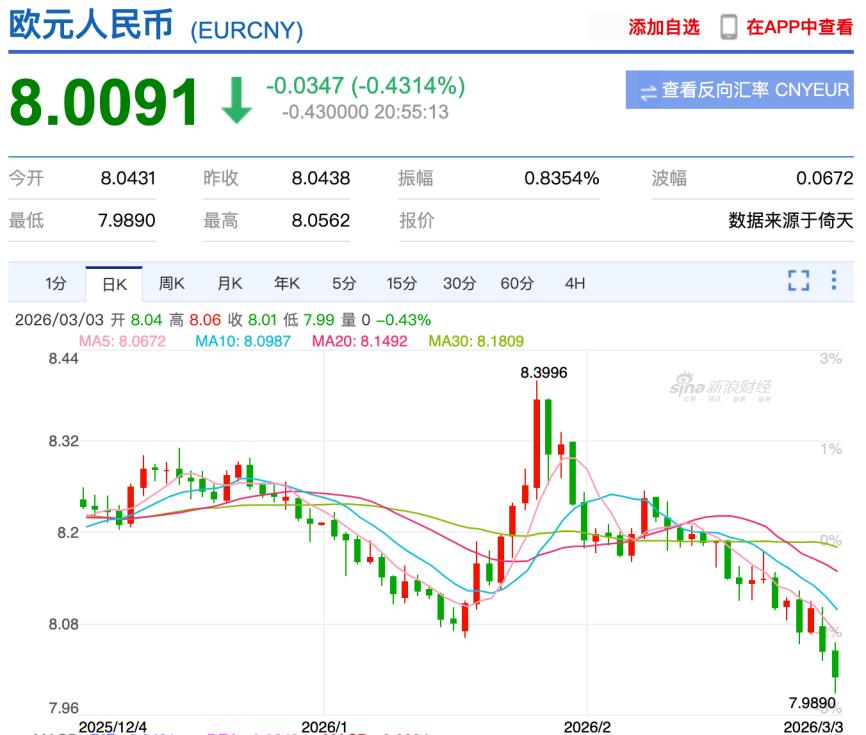
If you open the K-line chart of the RMB against the Euro, you will find that starting from February 2026, the RMB against the Euro has also been rising substantially. In one month, it rose from 8.37 to 8.06, an increase of more than 4%.

_ The world where order has collapsed _ The world where order has collapsed

Even after the US-Iran incident broke out, the RMB still appreciated against the euro, which shows the high value of its appreciation.

Seeing that the RMB is so strong, more and more domestic and foreign institutions are tearing up their previous forecasts and becoming bullish on the RMB.

Goldman Sachs’ latest forecast is that the RMB exchange rate against the U.S. dollar is expected to rise to 6.7 by the end of 2026. In the long run, a rise of 25% is not impossible.

In the eyes of Goldman Sachs, the RMB is one of the most certain transactions in 2026. Institutions with similar views to Goldman Sachs are supporting this judgment with practical actions.

According to Wall Street News on February 26, data from the American Securities Depository and Clearing Corporation showed that the trading volume of USD/CNY options has surged significantly recently, and even became the second largest options variety in the world on February 26.

Options bets on the yuan's appreciation have been twice as high as those on its decline.

The world where order has collapsed _ The world where order has collapsed

RMB long forces quickly gathered

Against the background of AI panic and the collapse of US dollar credit, the cheap (low interest rates) and stable RMB is being favored by more and more countries.

According to Lianhe Zaobao report on February 25, Indonesia plans to issue government bonds denominated in offshore RMB for the first time.

Bloomberg reported that the Indonesian government hopes to use the low cost of RMB financing to improve its debt structure and will issue 3-year, 5-year and 10-year offshore RMB bonds in the future.

_ The world where order has collapsed _ The world where order has collapsed

The situation in Indonesia is by no means an isolated case.

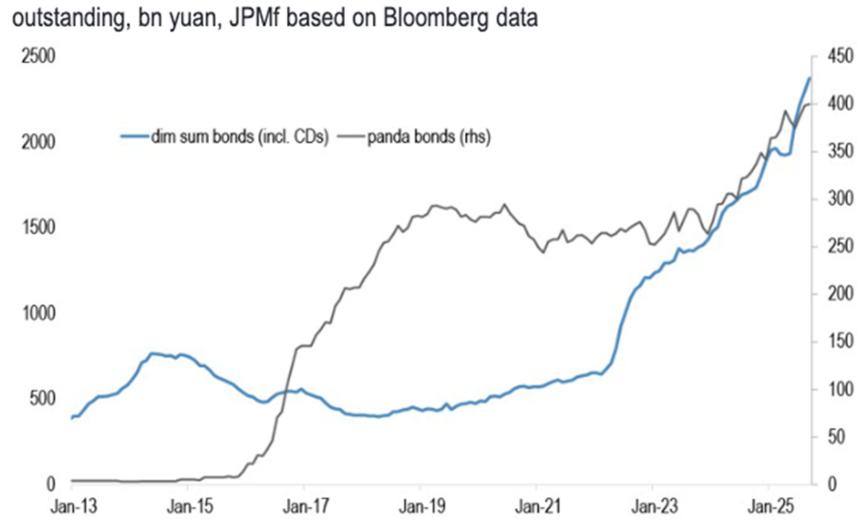
On February 7, according to the official account of Shunzhi Middle East, Abu Dhabi National Oil Company is also planning to issue RMB-denominated offshore bonds (dim sum bonds) for the first time, with a fundraising scale of up to 14 billion yuan.

We have written many times in the past that dim sum bonds have developed rapidly and have become the main form of RMB overseas financing.

The world where order has collapsed_The world where order has collapsed_

In 2026, this trend will continue. As of February 3, the issuance scale of dim sum bonds during the year has reached a record of 57.6 billion yuan.

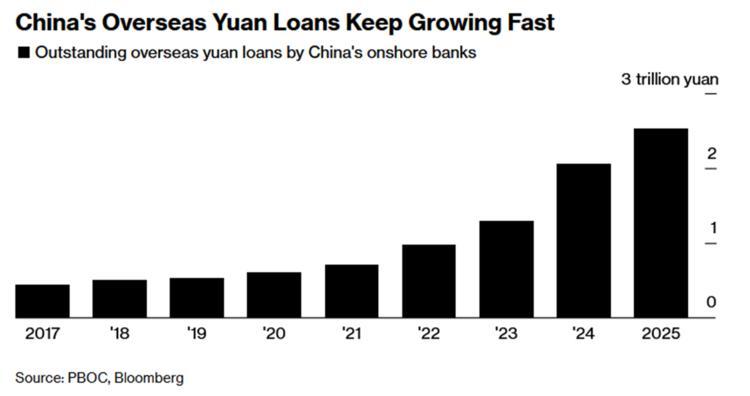
In addition, overseas loans from Chinese banks are also growing rapidly. According to Bloomberg statistics, the stock of overseas RMB loans issued by China's onshore banks has exceeded 2.5 trillion yuan by the end of 2025.

The world where order has collapsed _ The world where order has collapsed

In Africa, the application scope of RMB is also expanding rapidly.

According to a report by Bloomberg on March 2, due to the capricious tariff policies of the United States, Africa has reduced its dependence on the U.S. dollar and instead explored the use of RMB and local currencies for trade settlement.

According to media sources such as Mobile Payment Network, in February 2026, the pan-African payment and settlement system PAPSS reached a cooperation with the Kenyan instant payment system Pesalink, allowing African companies to bypass the U.S. dollar and directly use local currencies to complete settlements. This can not only reduce dependence on U.S. dollar foreign reserves, but also improve settlement efficiency.

As the technology provider of the pan-African payment and settlement system PAPSS, Kenya also plans to convert part of its debt to China from U.S. dollars to RMB, which is expected to save US$250 million in annual costs.

There are more and more countries like Kenya. It is foreseeable that the demand for overseas RMB will rise rapidly, and Hong Kong, the offshore RMB center, is also speeding up its response.

On January 26, 2026, the Hong Kong Monetary Authority announced that in order to cope with the surge in demand for RMB, it would double the total quota for RMB business funding arrangements in 2026 to 200 billion yuan.

At the same time, the Hong Kong Monetary Authority announced the status of RMB deposits. Compared with Hong Kong dollars (1.3%) and foreign currency deposits (-1.1%), RMB deposits increased the most, at 3.5%.

Domestically, the forces that are long on the RMB are also gathering.

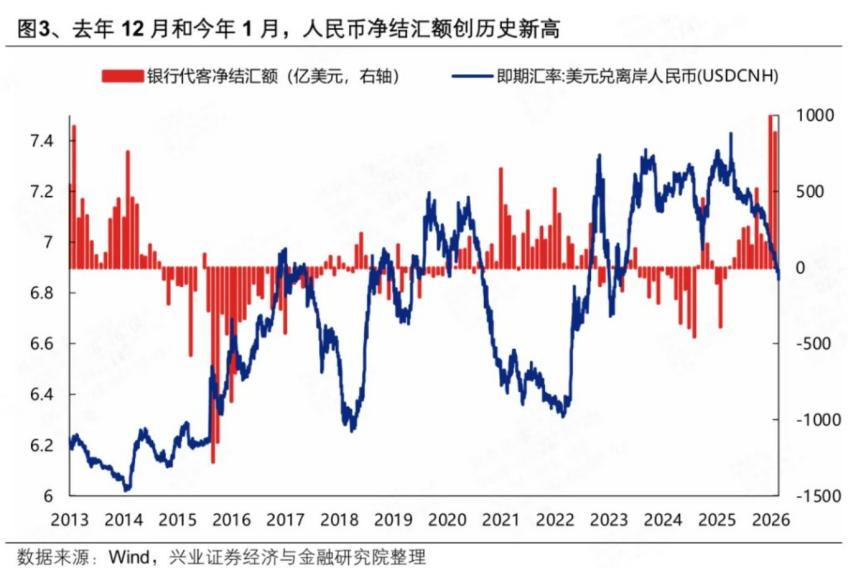
According to statistics from Industrial Securities and other institutions, from the end of 2025 to the beginning of 2026, the net amount of RMB foreign exchange settlement has repeatedly hit record highs. Among them, the net foreign exchange settlement amount reached US$99.9 billion in December 2025 and US$88.8 billion in January 2026.

The world where order has collapsed_The world where order has collapsed_

GF Securities believes that this may not be a short-term behavior, but the beginning of the substantial transformation of the large trade surplus accumulated in the early stage into buying orders.

According to GF estimates, the proportion of trade surplus turning into favorable revenue has increased to 77.6% in 2025, the highest level in the past 10 years.

_The world where order has collapsed_The world where order has collapsed

The RMB borrowed from the donkey under the slope will rise naturally.

From the perspective of time points, the pace of this round of RMB rise is quite artistic.

The accelerated pace of appreciation began in December 2025, when leaders from France, Ireland, Finland, and the United Kingdom visited China one after another.

At the end of February 2026, German Chancellor Mertz visited China, and the appreciation of the RMB accelerated again. It is difficult to explain all this by coincidence.

Overseas media such as Lianhe Zaobao and Bloomberg believe that the RMB began to rise when European leaders visited China, perhaps to ease conflicts and balance trade.

Analysts at TD Securities believe that German Chancellor Mertz welcomes the continued appreciation of the renminbi because it will help solve the problem of competitive distortions.

From the perspective of the relationship between trade and exchange rates, the vulnerability of low value-added exports in the past has long since disappeared, replaced by high value-added products and exchange rate derailments.

The blue line (right axis) in the figure below is China's goods trade surplus, and the gray line (left axis) is the exchange rate of the US dollar against the RMB. The two have basically lost the relationship between each other, and even rose together in certain time periods.

The world where order has collapsed _ The world where order has collapsed

In October 2025, Goldman Sachs clearly pointed out that China's exports have achieved a level jump. Among them, from the product perspective, the share of traditional commodities such as toys, textiles and furniture is declining, while high-tech products represented by new energy are rising rapidly.

Recent research from Citibank reached similar conclusions.

In the second half of 2025, China's exports of consumer goods will continue to shrink, while capital goods and intermediate goods will continue to grow rapidly.

Changes in the global trade pattern have instead intensified dependence on China's basic industrial products. China is gradually transforming from a supplier of final consumer goods to a supplier of key equipment and raw materials for the global production system.

The world where order has collapsed _ The world where order has collapsed

The past anxiety about RMB appreciation is slowly disappearing, and the RMB can become more independent and valuable.

The world where order has collapsed _ The world where order has collapsed

We don’t want the value to appreciate too quickly, nor should we appreciate it too quickly

Although there is a growing consensus on RMB appreciation, the determination of the Chinese central bank remains the core variable.

The central bank's recent statements on various occasions have been consistent with those in the past, insisting on dispelling the market's excessive unilateral consensus expectations.

The subtext may be that appreciation is okay, but not too fast, and don’t bet on any points. I have the final say in everything.

On February 26, the RMB (against the U.S. dollar) was about to break through 6.82, and the central bank took decisive action. Early in the morning on February 27, a notice to adjust the foreign exchange risk reserve ratio was posted on the official website.

The central bank stated that starting from March 2, 2026, the foreign exchange risk reserve ratio for forward foreign exchange sales business will be reduced from 20% to 0.

In the next step, the People's Bank of China will continue to guide financial institutions to optimize exchange rate hedging services for enterprises and maintain the basic stability of the RMB exchange rate at a reasonable and balanced level.

_ The world where order has collapsed _ The world where order has collapsed

As soon as the news came out, the offshore RMB fell 0.25% that day, reversing the five consecutive days of rising trends.

The foreign exchange risk reserve ratio tool can immediately change the cost of forward foreign exchange purchases by enterprises. When the RMB depreciates, raising the foreign exchange risk reserve ratio is equivalent to going long in the RMB; when the RMB appreciates, lowering the foreign exchange risk reserve ratio is intended to prevent the RMB from appreciating too quickly.

According to calculations by Huatai Securities, after lowering the risk reserve ratio by 20%, the cost of forward foreign exchange purchases will be reduced by 60 to 80 basis points.

The last time the central bank used the foreign exchange risk reserve ratio was three years ago, when expectations for RMB depreciation were strongest.

The question is, can the central bank completely change the exchange rate trend with just one tool? The answer is clear, no.

According to agency statistics, the central bank has adjusted the forward foreign exchange risk reserve ratio five times in history. Each time, it was effective in the short term and followed the trend in the long term.

The world where order has collapsed_The world where order has collapsed_

This time will be no exception.

Even with the double "bad news" of the US-Iran incident and the foreign exchange risk reserve ratio, the offshore RMB still remained strong on March 3.

In fact, if combined with another tool in the central bank's toolbox – countercyclical factors, the trend of the RMB is even more unusually strong.

_ The world where order has collapsed _ The world where order has collapsed

According to statistics from Shenwan Hongyuan, since November 27, 2025, the central bank’s countercyclical factor has quietly turned from positive to negative.

As of February 27, the countercyclical factor has been raised to 793 basis points, the highest level in history. Such strong stabilization tools have not been able to prevent the RMB from accelerating its appreciation.

The world where order has collapsed _ The world where order has collapsed

The world where order has collapsed _ The world where order has collapsed

Ordinary people's problems

Every time the RMB appreciates, all walks of life will worry about traders and exporters. In fact, after years of hard work, exchange rate issues are no longer the main problem for traders.

Those traders who were unable to withstand exchange rate fluctuations have long since withdrawn from the stage of history, and those who remain on the stage are experienced veterans, or in other words, old heroes.

At present, it is actually some ordinary people who are really struggling with the appreciation of the RMB.

According to a report by China Business News on February 27, with the rapid strengthening of the RMB, investors who had previously bought U.S. dollar deposits under the logic of "high interest + exchange difference" began to intensively review their income accounts. The results surprised many people: the interest may not be able to cover the exchange rate losses, and there may even be a shrinkage of principal.

An investor said that at the beginning of 2025, he purchased US$50,000 at an exchange rate of 7.23 and opened a one-year US dollar time deposit with an annual interest rate of 4.5%.

A year later, he received US$2,250 in interest as promised, and made a loss when calculating the general ledger. According to the current exchange rate of about 6.8, he can only get back 355,300 yuan, which is 6,000 yuan less than the original investment.

At present, one-year US dollar deposits are still around 3%, which is still attractive to many people in the low interest rate environment, but the exchange rate issue has become a decisive factor that must be considered.

What to do? Perhaps lowering your rate of return expectations and diversifying your investments as much as possible is a safer choice.

In today's era of collapse of order, safety and security come first.

The world where order has collapsed _ The world where order has collapsed

AI Erodes The Brain! Long-term Use May Damage Learning Ability. Young People Especially Need To Reduce Dependence.

In the AI ​​era, what should we do most?

The answer may be a bit counterintuitive. What we should do most is reduce our dependence on AI and maintain the independence of our brains and minds.

Because many studies have proven that AI is eroding our brains.

Dark business novel__Is the Legend of the American Business Tycoon good?

In 2025, MIT released a 206-page research report pointing to the impact of long-term use of AI on the brain.

The study recruited students from prestigious universities such as Harvard and MIT to analyze brain changes by writing reports.

The experiment is divided into three groups:

One group can only rely on pure brain activity without the help of AI; the other group can use search engines such as Google; and the third group is the AI ​​group, which can complete the project with the help of ChatGPT.

What was the result? The pure brain students had the strongest brain activity and the widest and tightest neural network connections, followed by the Google group, and the AI ​​group had the weakest brain coupling.

Is the Legend of the American Business Tycoon good_dark business novel_

MIT researchers vividly described the brain activity process of the pure brain group as being like several people discussing in a room, with you coming and going, and information constantly colliding.

The AI ​​group, on the other hand, was more like a person talking to a universal microphone, with a lonely brain, as if it was lying flat.

The researchers also said that when the AI ​​team wrote the report, they obviously had no sense of belonging and had little impression of the article afterwards. More than 83% of people could not even quote previously written content.

The conclusion is a bit cruel. If AI is used for a long time, it may damage the user's learning ability, especially young people. According to Guyu Planet’s article, there are many similar studies at home and abroad, and the conclusions are also consistent.

The director of the Black Hole Project at Harvard University said worriedly that what he is most worried about is not that AI will take away jobs, but that it will reduce human cognitive abilities.

We must find a way to protect the human brain’s most valuable assets: critical thinking, empathy, imagination for the future, and innovation.

Dark business novel__Is the Legend of the American Business Tycoon good?

If we can't find it, human thought will be completely homogenized, just like the situation in the American TV series "The Rejoicers," which is the end of thought.

Professor Avi Loeb of Harvard University paints a picture of what a sci-fi apocalypse might look like.

There may once have been a very brilliant civilization in a corner of the universe, which also created extremely advanced AI. Gradually, this civilization became addicted to the virtual world built by AI and instant gratification, became self-isolated, and eventually lost its ambition to reach the stars and the sea.

When the spark of thought is extinct, when homogeneity reaches its peak, there will be no more civilization, everything will fall into deathly silence, and only perfect AI will remain.

Global stock markets surged, but Hong Kong stocks fell behind?

Since the Spring Festival, Asia-Pacific stock markets have hit new highs repeatedly, but Hong Kong stocks have been a little lonely.

Even though funds from the south are still pouring in, with the inflow reaching a huge scale of 5.26 trillion, the trend of the Hang Seng Index has not improved accordingly.

_Dark business novel_Is the Legend of the American Business Tycoon good to read

In addition to the byte effect and AI fear we have analyzed before, the market pressure caused by too many IPOs is also an important reason.

According to Wind data quoted by the Associated Press, as of February 24, 24 companies have completed Hong Kong IPOs, with a total financing amount of HK$89.226 billion, 10 times that of the same period last year.

In 2 months, Hong Kong stocks have completed 25% of the funds raised in 2025.

According to a report from China.com on February 23, as of the first trading day after the Spring Festival, the Hong Kong Stock Exchange disclosed that 488 companies were queuing up for listing.

According to the current trend, 2026 may become the double record-breaker for the amount of funds raised and the number of listed companies in the history of Hong Kong stocks.

_Dark Business Novel_Is the Legend of the American Business Tycoon good to read

From an industry perspective, corporate financing is a good thing, but from a market perspective, an imbalance in supply and demand will cause Hong Kong stocks to fall into weakness, ultimately affecting their ability to raise funds.

Dark business novel__Is the Legend of the American Business Tycoon good?

In addition, many people have observed that the trend of Hong Kong stocks, especially Hang Seng Technology, is highly consistent with Bitcoin. Both reached highs in early October 2025, and then adjusted all the way to the present (as of February 27, the price of Bitcoin dropped from a high of 120,000 to 68,000).

Apart from the wind direction preference of international capital, there is not much substantive evidence for the correlation between Bitcoin and Hong Kong stocks. However, the convergence of trends proves that funds going south do not have a say in Hong Kong stocks.

Let’s talk about A shares. Recently, the trend of A-shares has been divided, the rotation of technology stocks has accelerated, and some traditional industries have been relatively strong.

Why did traditional industries begin to rise? In addition to lower valuations and style switching, expectations in traditional fields are also changing.

According to a report by Securities Daily on February 25, policy interest rates may be lowered in the second quarter of 2026, which will push LPR lower.

The report also said that perhaps supervision will separately guide the 5-year LPR, which means that the mortgage interest rate will be lowered, and the government will also provide targeted interest discounts.

If the above-mentioned measures are implemented, they will undoubtedly be more beneficial to the property market.

On February 25, Shanghai issued the "Shanghai 7 Measures" without warning, further relaxing the threshold for home purchases and increasing the amount of provident funds. The stimulus in Shanghai breaks the regulatory practice of Guangzhou and Shenzhen first and then Beijing and Shanghai, and there is a strong trend of increasing stimulus.

After Shanghai, big news also came from the Guangzhou property market.

On February 25, according to China News Agency, a new land king was sold at the Machang site in Tianhe District, Guangzhou. After 243 rounds and nearly nine hours of fierce bidding, the wholly-owned subsidiary of Yuexiu Group finally obtained the land at a premium rate of 26.6%, a price of 23.60365 billion yuan, and a floor price of 85,500 yuan per square meter.

The reason why Tianhe District Racecourse is so difficult to grab is mainly because it is located in the core area of ​​Guangzhou CBD, the geometric center of Zhujiang New Town, Pazhou CBD, Guangzhou International Financial City and other landmarks.

According to the plan, the future positioning of the racecourse site is mainly to meet the improvement needs of high-net-worth individuals.

In this round of property market downturn, improved houses and luxury homes in first-tier cities have relatively resisted the decline, and some have even risen against the trend. The performance of the racecourse in Tianhe District, Guangzhou has further consolidated the structural characteristics of the property market.

Before the Two Sessions, real estate boom continued, causing many people to change their expectations for the Two Sessions.

For example, Morgan Stanley pointed out in its latest research report that although more than 60% of provinces have lowered their GDP growth targets in 2026, the government may still anchor at 5% during the upcoming two sessions.

_Dark Business Novel_Is the Legend of the American Business Tycoon good to read

To this end, the broad fiscal deficit rate may be maintained at 11.6% of GDP. If the economy slows down, more fiscal policies may be added.

According to Wall Street News, as of February 25, the scale of local government bond issuance nationwide has reached 2.28 trillion yuan, a year-on-year increase of more than 20%.

The ability to maintain rapid growth despite a high base in 2025 shows that policy will not tolerate a slowdown in economic growth.

In addition to changes in overall expectations, brokerages, the engine of the bull market that is closely related to the index, are also quietly working hard.

According to reports from Brokerage China, the scale of bond issuance by brokers in 2025 will reach 1.89 trillion, a year-on-year increase of nearly 40%.

Galaxy Securities, Huatai Securities, CITIC Securities, China Merchants Securities, GF Securities and other bond issuance scales have exceeded 100 billion yuan, becoming the main force in bond issuance financing for securities companies.

The situation in 2026 is even more exaggerated. According to media reports such as the Financial Associated Press, as of February 24, in two months, securities firms had issued 426.04 billion yuan in bonds, a significant year-on-year increase of 243.97%.

The amount of approved and unissued bonds currently exceeds 300 billion, and huge financing is on the way.

According to Dongcai Choice, similar to 2025, leading securities firms are still the main force in bond issuance, with 12 securities firms issuing a total of 321.64 billion yuan in bonds, accounting for 75.5%.

Among them, Cathay Haitong topped the list with a bond issuance of 54.5 billion yuan, and the second place, CITIC Securities, also issued a bond of 46.8 billion yuan during the year.

Behind the large-scale financing by securities companies, in addition to taking advantage of the low interest rate environment to improve their financial situation, they may also be optimistic about the market outlook and hope that their self-operated business and financing business will benefit.

Seeing the changes in China's expectations, many major foreign banks have raised their stock market tone.

On February 26, according to Bloomberg, UBS Securities Asia predicted that as rising inflation expectations translate into improved corporate profits, China’s stock market may rise another 20%.

In addition to UBS, major international banks such as Goldman Sachs, JPMorgan Chase, Morgan Stanley, and HSBC have all expressed optimism about A-shares in 2026, with the lowest growth forecasts being more than 6%.

In the technology war, why are South Korea and Japan the big winners?

The most distinctive feature of the recent global market is that hardware is king and software is the bandit. All markets dominated by AI hardware have performed very well.

The Korean stock market has experienced an abnormal trend, with the index rising nearly 50% in 2 months. Although Japan is slow, it continues to hit new highs.

Dark business novel__Is the Legend of the American Business Tycoon good?

On February 25, AI hardware leader Nvidia’s performance exceeded expectations again, further strengthening the market’s confidence in AI hardware.

In the fourth quarter of 2025, data center revenue surged 75% year-on-year, with network revenue increasing by more than 260%. As Blackwell's volume and yield rate increased, gross profit exceeded 75%, hitting a one-and-a-half-year high.

For the first quarter of 2026, Huang Jiaozhu also gave optimistic guidance. Revenue in the first quarter is expected to grow by 77%, exceeding the market's most optimistic expectations by 4%.

_Dark Business Novel_Is the Legend of the American Business Tycoon good to read

In today's market, it is a consensus that Nvidia's performance is good. Only when it stabilizes can other younger brothers have room to take off.

As for Nvidia itself, it is too difficult for a 5 trillion whale to fly. Just one day after the results were released, Nvidia's stock price fell 5%, and the performance stimulus came to an abrupt end.

From the perspective of capital flow, the market clearly prefers the Korean and Japanese stock markets, where AI hardware is concentrated, rather than the U.S. market, where software accounts for a higher proportion.

Bank of America cited data from EPFR Global that the U.S. stock market's share of net inflows into global equity funds has fallen to its lowest point in 2020.

Europe, Japan and other regions have taken over the funds that flowed into the United States in the past, with annual net inflows reaching US$125 billion.

_Dark Business Novel_Is the Legend of the American Business Tycoon good to read

This trend has become more obvious recently. According to Bank of America statistics on February 23, global equity funds have experienced record inflows into the Korean stock market in the past four weeks, with inflows reaching US$17.7 billion.

The boom in the Korean stock market has made the whole of South Korea crazy. According to a report by Phoenix Finance on February 26, the number of retail accounts opened in South Korea has reached 100 million. Considering that South Korea has a population of only 50 million, this means that one person has at least two accounts.
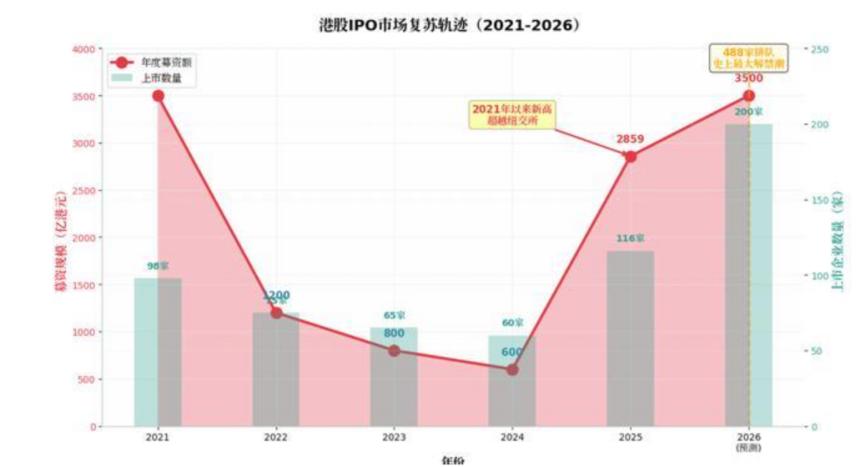
Another statistics shows that active retail investors in South Korea currently account for about one-third of the population, which is four times higher than before the special period.

Imagine if everyone in China had two accounts and one-third of the people were trading in the stock market, what would the stock market look like?

Having said that, why do global funds look down on the United States and favor South Korea and Japan? The main reasons are the intensifying panic about AI and the unprecedented uncertainty of the competitive landscape.

Recently, Citrini Research released an in-depth scenario report called "2028 Global Intelligence Crisis".

The report looks at AI changes from the perspective of June 2028 and believes that the disruptive impact of artificial intelligence will lead to a large number of white-collar job losses, a drop in consumer spending, a large number of defaults on loan businesses supported by software companies, and eventually the economy will fall into contraction.

In the future painted by Citrini Research, Asia is the structural winner.

With its intensive layout in advanced chip manufacturing, semiconductor foundry and packaging and testing, Asia is becoming increasingly attractive to global capital.

Almost at the same time as Citrini Research published its article, Anthropic, a big short seller in the US stock market, once again made shocking remarks.

Anthropic said that in the field of COBOL, IBM's main battlefield, workflow diagrams that took several years to draw in the past can now be completed quickly with the help of automation tools such as Claude Code.

COBOL is a high-level programming language born in the 1960s. It is mainly used for data processing and is the core infrastructure of key industries such as aviation, banking, and insurance. Currently, the vast majority of hosts running COBOL in the world are manufactured and provided by IBM.

Is the Legend of the American Business Tycoon good_dark business novel_

Citrini Research also mentioned in its doomsday report that software will change from an “asset” to a “commodity”. In 2025, it will take hundreds of engineers a year to develop a complex CRM system. By 2027, top AI architects will simply dictate requirements and millions of lines of code will be generated in minutes.

If AI can easily replace the core businesses of giants such as IBM, the impact will be violent.

As a result, it is not difficult to imagine that IBM was sold off violently.
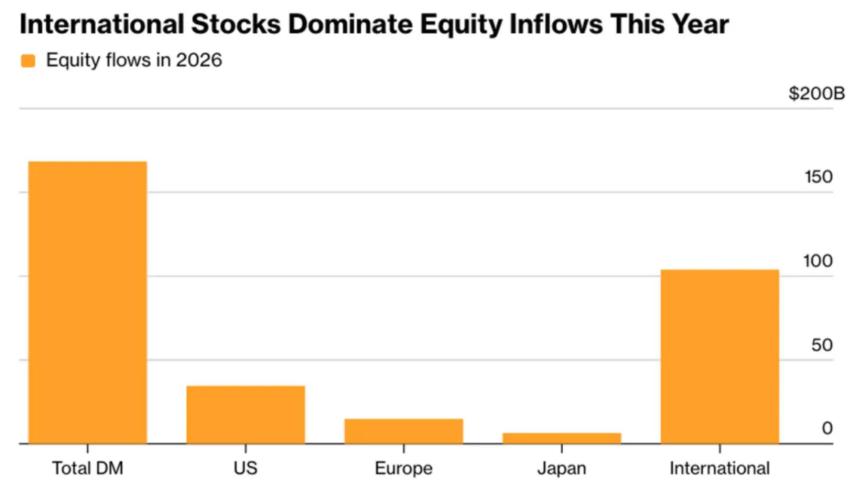
_Dark business novel_Is the Legend of the American Business Tycoon good to read

Defending its leading position, the United States is increasingly anxious

The technological competition between China and the United States is intensifying, and the United States is increasingly anxious about all technological fields.

The latest anxiety comes from the biopharmaceutical industry.

According to China Business News, on February 19, US Food and Drug Administration Commissioner Marty Macari publicly stated that the United States has lagged behind China in early drug development of innovative drugs and called for thorough reform to simplify the procedures for testing new treatments.

Macari emphasized that the process of submitting and approving investigational new drug applications in the United States is too lengthy. The process from preclinical research (pre-IND) to formal human clinical trials (IND) takes 520 days, while this process in China only takes about 200 days and will be further shortened to 60 days.

China also currently has more clinical trials underway than the United States, accounting for nearly a third of global new drug approvals, according to Morgan Stanley.

Changes in innovative drug BD are also a source of anxiety for American pharmaceutical manufacturers.

According to articles from organizations such as Medical Rubik's Cube, since the beginning of 2026, China's innovative BD drugs have clearly focused on the early research and development stage. Of the 39 transactions as of the end of February, more than 50% were preclinical projects.

In the past, the market has been worried about whether China's BD can be sustained. Judging from the current situation, sustainability is still possible.

According to an article in The Paper on February 24, since 2026, companies such as Rongchang Biology have continued to receive large BD orders.

As of February 15 (there are no new transactions during the Chinese New Year holiday), 39 cases of BD have occurred for innovative drugs in China, with down payments of approximately US$2.953 billion and a total amount exceeding US$49 billion.

The down payment level of nearly US$3 billion has exceeded 1/3 of the full-year level in 2025.

It is foreseeable that due to the lagging behind in early R&D by large American pharmaceutical companies, more mid- to early-stage varieties from Chinese pharmaceutical companies will be snapped up.

Unconsciously, the development of innovative drugs in China has reached a new stage.

Many innovative drug companies that have suffered losses for a long time have begun to make profits. On February 26, BeiGene, the leader in innovative drugs, released its results. The announcement showed that BeiGene’s revenue in 2025 exceeded US$5 billion (specifically US$5.343 billion), a year-on-year increase of 40%.

In terms of profits, non-GAAP operating profits for the full year of 2025 will reach US$1.1 billion, soaring more than 23 times from US$45.36 million in 2024.

In terms of cash flow, BeiGene will earn US$942 million in free cash flow in 2025, which is a substantial improvement from the negative US$633 million in 2024.

In addition to the significant increase in revenue, the company's operating quality has begun to make a qualitative leap, and the performance in 2025 is not a flash in the pan.

BeiGene has given optimistic guidance for its 2026 performance, with revenue expected to reach US$6.2 billion to US$6.4 billion and expected GAAP operating profit of US$700 million to US$800 million.

Although China has made great progress in the field of biomedicine, the United States is also developing and will not stop and wait for China.

On February 3, Harvard University geneticist David Sinclair said at the World Government Summit that the FDA had unprecedentedly allowed his team to conduct human clinical trials of "rejuvenation".

Musk has previously said that death is an easily solvable programming problem, and David Sinclair agrees, believing that aging has a relatively "simple" explanation and is reversible.

According to the Beijing News, in 2020, Sinclair's team successfully regenerated the optic nerve of elderly blind mice and restored vision. This result was called "turning back time" evidence by Nature magazine.

Although there is still a long way to go to completely conquer death, the pursuit of anti-aging technology between China and the United States is about to begin again.

Fiscal revenue decreased for the first time in five years, a big game

According to Lianhe Zaobao report on February 26, after China’s fiscal revenue decreased for the first time in five years, fiscal targets for various regions in 2026 are not very optimistic.

According to estimates from a research report by Guangdong Securities, after the local two sessions, the weighted average growth of fiscal revenue targets in 31 provinces was only 2.7%, a decrease of 0.1 percentage points from 2025, the lowest level in four years.

The pragmatic attitude of various places has also completely broken the inconsistency between GDP and finance that has lasted for many years.

Lianhe Zaobao believes that with the slowdown in local fiscal revenue, the process of debt reduction may be affected.

Unconsciously, the systematic project of localized debt started in 2018 has reached its eighth year.

According to the provisions of a number of debt reduction documents such as the "Guiding Opinions of the General Office of the State Council on Resolving Debt Risks of Financial Support Financing Platforms", June 2027 is the "deadline" on the policy side. This means that 2026 will be a critical year for localized debt.

What is the current progress of debt repayment?

_Dark business novel_Is the Legend of the American Business Tycoon good to read

Huatai Securities has an in-depth analysis that details the current situation of debt repayment.

In September 2025, the Minister of Finance stated that by the end of 2024, the scale of local government implicit debt would have shrunk to 10.5 trillion yuan, a decrease of 3.8 trillion yuan compared with 2023.

According to Huatai's calculations, existing arrangements show that from 2026 to 2028, there will be 4 trillion special bonds and other funds to replace or repay implicit debts, and the remaining 6.8 trillion may include additional special special bonds.

All provinces are accelerating the urban investment platform that requires withdrawal before June 2027. In October 2025, the governor of the Central Bank stated that as of the end of September 2025, the number of financing platforms nationwide had dropped significantly by 71% from the end of March 2023.

The hardest nut to crack is operating financial debt.

According to data from the central bank, as of the end of September 2025, the country's existing operating financial debt dropped by 62% from the end of March 2023.

Is 62% more or less?

According to data from the central bank, at the end of 2024, the operating financial debt of financing platforms was approximately 14.8 trillion yuan, a decrease of about 25% from the beginning of 2023.

Based on the linear decline in monthly debt, as of the end of September 2025, the country's existing operating financial debt will remain approximately 7.3 trillion yuan.

Judging from the speed of pressure reduction, operating financial debt has the slowest progress.

On February 23, Caixin quoted financial institutions as saying that financialized debt became easier at first and then more difficult. Basically, those that could be replaced were replaced, and the remaining ones may not meet compliance requirements. Compared with implicit debt, it is more difficult to resolve existing operating debt risks. Even if banks can cut interest rates and make profits, they cannot bear compliance risks in order to restructure debt.

Another veteran of local debt said that operating debt can be roughly divided into three types:

The first category is those who have debts but no assets, and can only rely on borrowing to repay the old;

The second type of debt can correspond to assets, but the assets have no cash flow;

The third type of debt has assets and a certain amount of cash flow, and can be continued in a market-oriented manner.

It’s the first two situations that cause headaches.

_Dark Business Novel_Is the Legend of the American Business Tycoon good to read

In order to deal with the problem, the main measures taken by local governments are to issue high-interest non-standard products and revitalize state-owned assets in their hands. Among them, revitalizing state-owned assets has become the main focus.

_Dark business novel_Is the Legend of the American Business Tycoon good to read

I still remember that Hubei was the first to propose the "three modernizations": "to capitalize all state-owned resources as much as possible, securitize all state-owned assets as much as possible, and leverage all state-owned funds as much as possible." One of the main purposes is to deal with the debt problem.

According to the "Comprehensive Report of the State Council on State-owned Asset Management in 2024", as of the end of 2024, the total state-owned capital equity of local state-owned enterprises was 85.3 trillion yuan, corresponding to the total assets of local state-owned enterprises of 278.1 trillion yuan and the total liabilities of 176.8 trillion yuan.

Total local administrative state-owned assets are 61.6 trillion yuan, total liabilities are 10.7 trillion yuan, and net assets are 50.9 trillion yuan.

This does not include the large number of minerals, water conservancy and other resources that have not been confirmed or evaluated. If the above-mentioned assets can be securitized, the apparent level is actually sufficient to cope with the current debt.

In addition to revitalizing state-owned assets, we found that there is currently a hidden line unfolding silently.

The "Guiding Opinions on Resolving Debt Risks of Financial Support Financing Platforms" issued in 2023, known as "Document No. 35", clearly stipulates restrictions on the financing of local state-owned enterprises, with the exception of industrial state-owned enterprises.

What are industrial state-owned enterprises? As the name suggests, the main business is to develop industrial business, with the core of operating physical products or serving the real economy.

According to a report by CSI Pengyuan, currently, industrial state-owned enterprises are not subject to strict policy constraints and do not need to consider financing red lines such as regional debt ratios. They are the best channel for local financing.

Financing is pouring in.

Is the Legend of the American Business Tycoon good_dark business novel_

According to a report by The Paper at the end of 2024, more than 200 urban investment companies will transform into industrial investment companies in 2024. Among the newly established state-owned enterprises, about 2,000 have names or businesses covering the field of industrial investment.

Once the financing path is opened, supporting industry directions must also keep up to form a closed loop.

Traditional industries, mainly the real estate chain, have long been restricted from investment. In the field of science and technology, new energy and other slots are also occupied, making it impossible to accept more funds. Against this background, creating a new technology track has become a top priority.

What a coincidence, just when urban investment companies are undergoing transformation, industries such as robotics suddenly explode. Even if there are currently no implementation scenarios, even if they show up and dance, they must go all out.

From top-level design to public opinion propaganda, from policy introduction to the Spring Festival Gala offensive, everyone is working together to make robotics and other industries bigger and stronger.

In the secondary market, starting from 2024, the entire robotics track has risen again and again, and primary market financing has continued to rise.

Behind the soaring valuation of the robotics industry is the shadow of state-owned enterprises. In October 2025, an article in the Financial Associated Press pointed out that China's robot industry is ushering in a "state-owned assets moment."

The article stated that in 2025, special funds in Shanghai, Beijing, Shenzhen, Hubei and other places were intensively announced and put into operation quickly. The scale of the funds is often billions or even tens of billions, and they are all led by local core state-owned assets platforms.

In the third quarter of 2025, among the top 20 robotics companies by financing amount, 75% (i.e. 15) were backed by state-owned institutions.

According to the Science and Technology Innovation Board Daily, local state-owned assets have shifted from the preparatory stage to active substantive investment, and the delivery speed is very fast. A circular ecological model of "fund + industrial park + industrial side" has been formed in various places.

As the value of the technology industry in the hands of various state-owned enterprises increases exponentially, whether it is exit or refinancing, it can form strong support for localized debt.

I still remember that we wrote in several articles before that the name of science and technology innovation debt is science and technology innovation, and the actual financing party is local state-owned enterprises. One of the ultimate uses is to convert the debt.

According to reports from the Daily Economic News and other media, the issuance of science and technology innovation bonds in 2025 will exceed 1.7 trillion. Among the issuers, state-owned enterprises occupy an absolutely dominant position. Among them, the scale of science and technology innovation bonds of central state-owned enterprises accounts for 44%, and the scale of local state-owned enterprises accounts for 44.32%.

It can be inferred that behind China's great development of science and technology in recent years, in addition to technological attributes, there are also debt attributes.

This may be an unprecedented move.

In the era of real estate, no amount of money is too much for China to invest in real estate. In the era of technology, no amount of money is too much for China to invest in the field of science and technology.

There may be waste and idling, but the effect is obvious: scientific and technological achievements have exploded and debt pressure has dropped.

According to Caixin’s report on February 25, the weekly use volume of China’s large AI models has surpassed that of the United States, and its lead continues to expand.

The report cited data from OpenRouter, the world's largest AI model API aggregation platform. Data from the platform shows that from February 16 to 22, the weekly call volume of Chinese models surged to 5.16 trillion Tokens, a 127% increase in three weeks, while the U.S. model fell to 2.7 trillion Tokens during the same period.

‌‌Among the top five models with the most calls on the platform, four are from China, namely MiniMax’s M2.5, Dark Side of the Moon’s Kimi K2.5, Zhipu’s GLM-5 and DeepSeek’s V3.2.

Still on February 25, Reuters reported that before DeepSeek released its next-generation flagship model V4, it broke industry practice and did not provide early access to the model to U.S. chip manufacturers such as Nvidia. Instead, it allowed Chinese chip manufacturers such as Huawei to carry out software adaptation processor optimization work several weeks in advance.

Such changes indicate that some changes have occurred, which is quite meaningful.

Just as China's AI is making great strides, bad news comes from the American AI model.

According to an article by Unexhausted Research on February 28, Lao Chuan issued a blocking order on his social account, calling on the US government to completely ban all technologies of cutting-edge AI company Anthropic.

The reasons are very extreme.

Lao Chuan said that the lunatics in Anthropic made a catastrophic mistake. They tried to force the Department of War and force it to abide by Anthropic's terms of service instead of abiding by the Constitution. Anthropic’s selfish actions are putting American lives at risk, putting U.S. troops at risk, and U.S. national security is at stake!

… (To put) America’s national destiny in its own hands — not by extreme artificial intelligence companies run by guys who have lost control and don’t understand the real world! Thank you for your attention to this matter. Make America Great Again!

As soon as Lao Chuan's tweet came out, many people commented: This is the darkest day in the history of American business.

For investors, does Lao Chuan’s statement count as a bailout for the market?

After all, Anthropic has already become a big short seller of U.S. stocks.

On March 17, Trump Met With The Prime Minister Of Ireland And Said That NATO Allies’ Attitude Towards The Operation In Iraq Has Been Criticized.

On March 17, local time, when Irish Prime Minister Micheal Martin visited the United States during St. Patrick's Day, Trump said when meeting with him in the Oval Office of the White House that most NATO allies had informed the United States that they were unwilling to be involved in the U.S. military action against Iran. The U.S. president described the move as "a very foolish mistake."

Trump first insisted in a "respectful" manner that although NATO member states are unwilling to be directly involved in the war, they "express support" for the US-Israeli joint military operation, which is now entering its third week.

"I think NATO is making a very stupid mistake," he said later. "Everyone agrees with our position, but they are unwilling to assist. And we, you know, as the United States, have to remember that because we think it's pretty shocking."

However, Reuters reported that day that Trump showed no signs of "punishing" NATO allies when answering reporters' questions. Regarding whether he would launch "retaliation" because of NATO allies' "stand-by", he said, "Currently there is no such plan."

Trump has repeatedly threatened to "withdraw the United States from NATO" before, but in his speech that day, he did not mention this threatening statement again.

_Trump slams NATO allies_Trump NATO summit video

On March 17, local time, U.S. President Trump met with Irish Prime Minister Michel Martin at the White House POLITICO

According to reports, in response to the brazen military actions launched by the United States and Israel, Iran also responded to the attacks by the US-Israeli coalition forces.

Previously, Iran blocked the Strait of Hormuz, an important global waterway, which effectively paralyzed the Strait and affected global oil prices and even economic activities.

Since 20% of the world's oil transportation passes through this strait, Trump also issued an "appeal" on March 14, local time, asking all countries to help maintain navigation safety in the strait.

According to the British "Guardian" report on March 15, local time, in the face of Trump's call, the United Kingdom stated that it was consulting with its allies on plans to send unmanned boats to clear mines. Although senior Japanese officials did not rule out sending warships, they admitted that the actual deployment threshold was "extremely high," which was tantamount to a polite rejection. South Korea stated that it would communicate closely and make careful assessments; France clearly refused to send ships and only planned to carry out purely defensive escorts after the conflict eased. At the same time, India emphasized that direct negotiations with Iran are the effective way to reopen the strait.

Seeing that allies responded coldly to the call for escort, Trump was frustrated. In an interview with the Financial Times on the same day, Trump publicly warned that if allies were indifferent to helping the United States open the Strait of Hormuz, NATO would face a "very bad" future. Analysis points out that Trump is clearly and unabashedly asking European countries to join the U.S. war in Iran.

"Countries that benefit from the Strait of Hormuz should help ensure that there is no trouble in the region. This is only reasonable." Regarding the trouble he caused, Trump fantasized about dragging other countries into trouble. He said that unlike the United States, Europe is highly dependent on oil from the Gulf region.

"If there is no response, or a negative response, it means that NATO will face a very bad future." He added.

"We have protected you for 40 years, and you don't even do this little favor?" On March 16, local time, when Trump delivered a speech in the Oval Office of the White House, he was once again full of resentment at his allies for refusing to participate in the escort.

Disappointed, he pretended to be calm. "We don't need anyone, we are the most powerful country in the world." Trump hinted that calling on allies to help reopen the Strait of Hormuz is actually a loyalty test to U.S. allies.

"I do it, in some cases not because we need them, but to see how they react."

Nonetheless, Trump said the countries that would agree to help the United States reopen the Strait of Hormuz would be announced “soon.”

"There are several countries, and we will announce the list soon," he said in the Oval Office. "Some countries are very positive."

Earlier on March 17, local time, Trump angrily wrote on his self-created social media "Truth Social": "Given that we have achieved great military success, we no longer 'need' nor desire the assistance of NATO countries; in fact, we have never needed it!"

In addition to NATO countries, in this post, he did not forget to "name" Japan, Australia and South Korea, three non-NATO countries.

Guangxi Weather Trend In March: Cold And Warm Air Clash, Temperature Fluctuations And Frequent Rainfall

In March, the warm and humid air currents from the ocean began to become stronger. At the same time, the cold air that has been entrenched for a winter is at the end of its strength. After several "contests" between cold and warm air, it has brought frequent precipitation to many places in our country.

It is cloudy and rainy every day in northern Guangxi, and the sunshine in southern Guangxi is "online for a limited time and in a limited amount". The Guangxi Meteorological Observatory predicts that in the next week, there will be a lot of shortwave trough and weak cold air activity, and low-level shear lines and stationary fronts will swing in northern Guangxi. Light rain will occur every day in northern Guangxi, with occasional moderate rain "blind boxes" in local areas. Southern Guangxi will be cloudy to overcast with scattered light rain.

In terms of temperature, in the next week, the average temperature will be 1°C to 2°C higher in northwest Guangxi and 2°C to 4°C higher in other areas. In terms of rainfall, rainfall in Baise, Hechi and the northern parts of Guilin and Liuzhou cities was 30% to 80% higher, and locally the rainfall was more than double, while other areas were 40% to 90% lower.

The temperature in Guangxi gradually rises, showing the characteristics of "warm during the day and cool in the morning and evening". From the 18th to the 21st, the maximum temperature in most parts of Guangxi was 23°C to 27°C; from the 22nd to the 23rd, the temperature in parts of western and southern Guangxi was 27°C to 28°C, and locally it would soar to 29°C to 32°C. Warm weather is coming.

Before the 20th, most of the lowest temperatures were still hovering around "1", and the temperature difference between morning and evening was obvious. Everyone should pay attention to adding or removing clothing in a timely manner.

Warm and cold air "fight"! The weather in Guangxi is "blind", with the highest temperature soaring to 32°C__Warm and cold air are "fighting"! The weather in Guangxi is "blind", with the highest temperature soaring to 32°C

The Nanning Meteorological Observatory predicts that from the evening of the 17th to the day of the 18th, urban areas of Nanning will be overcast with localized light rain, with temperatures ranging from 19°C to 24°C and southerly winds of magnitude 2 to 3. Occasionally there will be light rain, so be sure to bring rain gear when traveling.

According to the national spring mask map launched by China Weather Network, the temperature fluctuations in Guangxi, Hainan and other places are generally not large. The highest temperature in some places may reach above 20°C. The body feels warm and comfortable, and there is no need for spring mask. You can flexibly adjust your outfit according to your own conditions.

Nanning Media Center Reporter Zhao Jinling/Wen Song Yankang/Photo Guangxi Meteorology Nanning Meteorology

Don't Be Fooled By Appearances! An In-depth Analysis Of Japan’s Current Situation And Future Potential?

After living in Japan for five years, many people will come to an extremely pessimistic conclusion: this country has no future. However, this view often only sees the silence of the surface, but ignores the unfathomable resilience of the underlying layer. When we want to discuss a country's future, we cannot rely on intuition; we must see through its cold and hard-core data.

First of all, please put away your misconceptions about Japan’s “poverty”. Even after experiencing the so-called "lost thirty years", Japan's per capita nominal GDP still remains at US$35,000. If you include the huge income from overseas assets (GNP), this number is actually US$38,000. More importantly, Japan is an extremely "average" country, with the median annual income of ordinary people ranging from 150,000 to 200,000 yuan. Among all G7 countries, Japan's tax system does not encourage sudden wealth. It is more like a "socialist country" disguised as capitalism. Although this system has stifled the enthusiasm of a very small number of geniuses, it has built an extremely thick anti-risk cushion for the entire society.

Misunderstood Japan: A dying empire or an invisible fortress? __Misunderstood Japan: A dying empire or an invisible fortress?

Let’s talk about the automobile industry, which everyone loves to pessimize. Yes, the rise of China's electric vehicles is indeed unstoppable, but has Japan really lost? The profits of Toyota alone exceed the combined profits of all new energy vehicle manufacturers in China. In terms of stability and quality control of internal combustion engines, Japan still holds absolute hegemony. New energy is a big gamble, and Japan has chosen to bet long on hybrid, hydrogen and traditional energy. This kind of "conservatism" seemed outdated in the era of fanaticism, but when the energy crisis broke out, it became the most stable safe haven.

What is even more terrifying is Japan’s “invisible hegemony”. In the fields of semiconductor upstream materials, high-precision equipment and robots, Japan has already deeply embedded itself in the marrow of the global industrial chain. It does not seek to compete with the United States in terms of originality from 0 to 1, but in terms of ultimate craftsmanship from 1 to 100, it is the "gatekeeper" of the global industry. Looking at Japan's five major trading companies, they account for 20% of Japan's output value. In the past thirty years, they have used extremely cheap Japanese yen financing to harvest minerals, farmland and core assets around the world, recreating an "invisible Japan" overseas.

Of course, Japan's terminal illness lies not in external competition, but in its internal "rigid paradox." Its aging has penetrated deep into its bones, and more than 30,000 century-old companies are facing the dilemma of having no successors. Last year, hundreds of companies were forced to close down simply because they could not recruit workers. An extremely absurd logic emerges here: Japan's economy is desperate for foreign labor and global talent, but Japanese society is permeated by an extremely narrow-minded xenophobic sentiment. This tear between demand and cognition is Japan’s real fatal wound.

But we cannot conclude that Japan has no future. Japan is experiencing a "deep precipitation" similar to Thailand. Thailand seemed to be stagnant after the 1998 financial crisis, but it has developed world-class standards in the fields of cultural creativity, design and advertising. The same is true for Japan. It still has strong defense capabilities in terms of hardware support and cultural industry output in the AI ​​era.

Therefore, Japan is not "dying", it is just transforming from an "expansionary empire" to a "defensive fortress." It has a profound heritage, a very high social lower limit, and an irreplaceable industrial status. Its future may no longer see turbulent growth, but it has more “dry food” reserves in the dark than most countries. Looking at the bottom of data and logic, Japan's current situation and structure tell us: you can laugh at its slowness, but you absolutely cannot underestimate its ability.

_Misunderstood Japan: A dying empire or an invisible fortress? _Misunderstood Japan: A dying empire or an invisible fortress?

Sign In

Forgot Password

Sign Up