Professional virtual currency information station welcome
We have been making efforts.

24-hour news update Page 55

24-hour cryptocurrency news update

The US-Israel Conflict Has Caused An Oil Shortage In Southeast Asia, And Vietnam Has Asked Japan And South Korea For Help To Increase Crude Oil Supply.

The military conflict between the United States and Iran has triggered a global "oil cutoff" crisis, causing worries in Southeast Asian countries that rely heavily on energy imports from the Middle East.

According to the Vietnam News Agency, on March 17, Prime Minister Pham Minh Zheng of the Vietnamese government met with Japanese Ambassador to Vietnam Naoki Ito and expressed his clear hope that Japan would provide support to Vietnam in the energy field. Fan Mingzheng revealed that he has written to Japanese Prime Minister Takaichi Sanae to request help.

The day before (16th), Vietnam’s Ministry of Industry and Trade stated that Vietnam had asked Japan and South Korea to help it increase crude oil supplies.

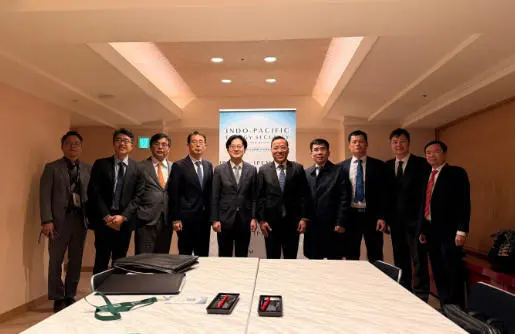
The Ministry of Industry and Trade of Vietnam said in a statement that day that from March 14 to 15, Deputy Minister of Industry and Trade Nguyen Hoang Long led a delegation to Tokyo, Japan to participate in the "Indo-Pacific Energy Security and Business Forum" jointly organized by the National Energy Council of the United States and the Ministry of Economy, Trade and Industry of Japan. During the period, Nguyen Hoang Long held bilateral talks with partners from Japan, South Korea and the United States.

On the afternoon of the 14th, Nguyen Hoang Long met with Takehiko Matsuo, Japan’s Economic and Trade Commissioner (Deputy Minister level), to discuss specific areas of cooperation, as well as promoting Japan’s construction of energy projects such as liquefied natural gas power plants and nuclear power plants in Vietnam, and discussed long-term cooperation plans in the energy field.

Nguyen Hoang Long mentioned that in view of Japan’s important role in the field of petroleum resources and its abundant crude oil reserves, he “requests Japan to support Vietnam in finding and acquiring crude oil resources to meet Vietnam’s domestic needs.”

Later, Nguyen Hoang Long met with Kim Jung Kwan, Minister of Industry and Trade of South Korea. During the talks, Nguyen Hoang Long reiterated that South Korea has always been an important partner in Vietnam’s energy infrastructure, energy industry and energy transformation development. The candid exchanges between the two parties laid the foundation for future cooperation projects in the energy field, such as liquefied natural gas power generation, nuclear power human resources training and technical cooperation.

"Amidst the complex and volatile situation in the Middle East, Nguyen Hoang Long requested South Korea to assist Vietnam in obtaining crude oil resources to promote crude oil imports," the statement said.

The next day, Nguyen Hoang Long met with US representatives. He reiterated that Vietnam attaches great importance to its relations with the United States and appreciated the role of the U.S. Department of Energy in promoting strategic cooperation between the two countries in the energy field. "The two sides had a very positive exchange, committed to cooperate in a transparent, open and substantive manner, and were willing to facilitate strategic cooperation projects in the energy field."

_Letter of request for assistance from the unit_Letter of request for assistance

Letter of request for assistance__Letter of request for assistance from the unit

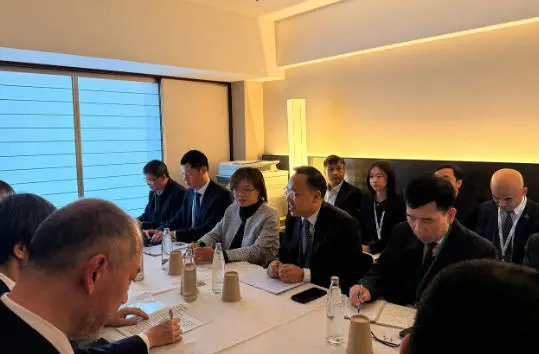
On the 14th, the Vietnamese delegation met with the Japanese and Korean delegations and the Vietnamese Ministry of Industry and Trade

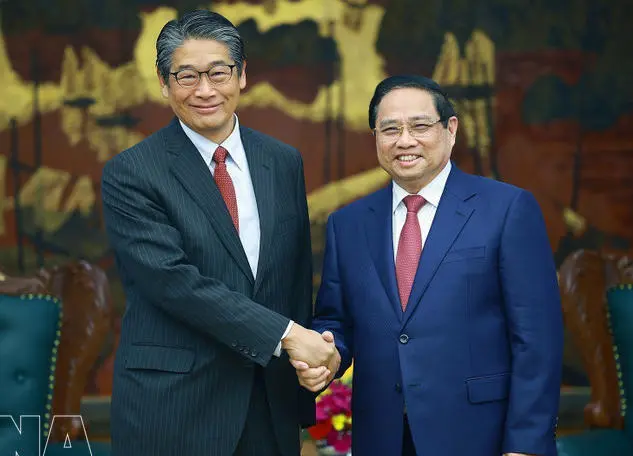
According to the Vietnam News Agency, on the 17th, Pham Minh Zheng met with Japanese Ambassador to Vietnam Naoki Ito in Hanoi. In the context of conflicts in the Middle East affecting the crude oil supply chain, Pham Minh Ching hopes that Japan will provide support to Vietnam in the energy field to jointly overcome difficulties.

When talking about the increasingly complex security situation in the Middle East and the global energy crisis, Fan Mingzheng said that he has sent a letter to Japanese Prime Minister Sanae Takaichi, hoping that Japan will consider taking appropriate support measures. Specifically, Japan can provide support by directly providing a certain amount of crude oil from its reserves to Vietnam, or indirectly allow Vietnam's Nghi Son refinery to diversify its sources of crude oil from other partners.

In addition, Fan Mingzheng also hopes that Naoki Ito will promote the restructuring of the Yishan Refinery in terms of finance and production of raw materials.

Nghi Son Refinery is the largest refinery in Vietnam. It is a joint venture between Japanese energy giant Idemitsu Kosan, Kuwait Petroleum International Company, Japan's Mitsui Chemicals and Vietnam Oil and Gas Group, with a total investment of US$9 billion.

According to the report, based on the spirit of the comprehensive strategic partnership between the two countries, Pham Minh Zheng hopes that Japan will create conditions for Vietnam to obtain Japanese oil reserves in an appropriate form and for Vietnam to purchase aviation fuel from Japan, so as to reduce the impact of conflicts in the Middle East on fuel prices.

According to Vietnamese officials, Vietnam has two refineries: Nghi Son Refinery and Ping Son Refinery, but it still relies heavily on imports. Vietnam imported 14.2 million tons of crude oil last year, an increase of 5.3%, but Vietnam's total domestic oil consumption is expected to reach approximately 28.6 million tons.

Naoki Ito emphasized that Japan is actively consulting with relevant Vietnamese institutions on bilateral cooperation relations and expressed sympathy for the energy difficulties Vietnam is currently facing. He said Japan has decided to open its oil reserves and called on G7 countries to jointly release reserves to increase market supply. Japan is also actively considering making financial arrangements for Japan's liquefied natural gas thermal power project in Vietnam, thereby helping Vietnam ensure energy security.

Letter of request for assistance from the unit__Letter of request for assistance

On the 17th, Prime Minister Pham Minh Zheng (right) of the Vietnamese government met with Japanese Ambassador to Vietnam Naoki Ito (VNA)

As Vietnam seeks help from Japan and South Korea, the Japanese and South Korean governments are also busy stabilizing their domestic energy markets.

According to Yonhap News Agency, South Korean President Lee Jae-myung asked government departments to prepare a supplementary budget as soon as possible on the 17th and formulate energy-saving countermeasures such as car restrictions to effectively respond to the crisis caused by the situation in the Middle East. Li Zaiming said that we should prepare for the worst and deal with the protracted crisis in the Middle East.

Previously, Kim Yong-beom, director of the Policy Office of the Blue House of South Korea, said that South Korea’s current oil reserves are 190 million barrels, which can guarantee supply for 208 days.

According to Japan's Kyodo News Agency, on the 12th, the Japanese government carried out comprehensive work to release oil reserves equivalent to 45 days' consumption. According to reports, the scale of the release will be the largest in history, reaching 1.8 times that after the Great East Japan Earthquake.

Data shows that at the end of 2025, Japan's oil reserves will be approximately 470 million barrels, equivalent to 254 days of consumption. Among them, the national reserve is equivalent to 146 days, the private reserves of refiners and trading companies are equivalent to 101 days, and the joint reserves of oil-producing countries held in Japan are equivalent to 7 days.

On the 17th, relevant sources in the Japanese government revealed that the Japanese government has begun coordination and plans to propose the purchase of crude oil produced in Alaska in the United States at the summit meeting between Prime Minister Takaichi Sanae and U.S. President Trump to be held in Washington, the United States, on the 19th local time. Kyodo News said that in view of the tense situation in the Middle East, Japan hopes to diversify the sources of crude oil imports.

The Central Propaganda Department And The Ministry Of Natural Resources Release The Most Beautiful Nature Guardian Stories

In order to further study and implement Xi Jinping’s Thought on Ecological Civilization and guide the whole society to firmly establish and practice the concept of “lucid waters and lush mountains are invaluable assets”, the Central Propaganda Department and the Ministry of Natural Resources recently publicized and released “The Most Beautiful Nature Guardian” to the whole society.

Some of them resolutely guard cultivated land, permanent basic farmland, and ecological protection red lines, contributing to consolidating the foundation of national food security; some patrol mountains, rivers, and forests day and night, using their hard work and sweat to ensure ecological safety; some focus on mineral resource exploration and development research, and use science and technology to promote the green development of natural resources; some innovate to solve the problem of resource registration and confirmation, and practice their original aspirations with heart; some have fought on the front line of geological disaster prevention and control for many years, protecting the safety of people's lives and property…

This issue invites 9 "Guardians of the Most Beautiful Nature" to share their stories of measuring mountains and rivers with their footsteps, watering green with sweat, and solving problems with wisdom.
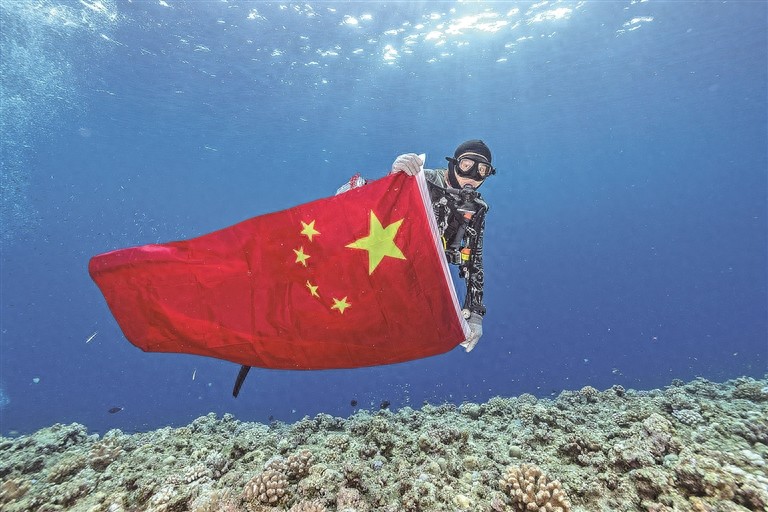
Put mountains and rivers in your heart and turn your love into action_love mountains and rivers_

Shi Xiaojun took a photo with the national flag after completing the underwater mission. bright pictures
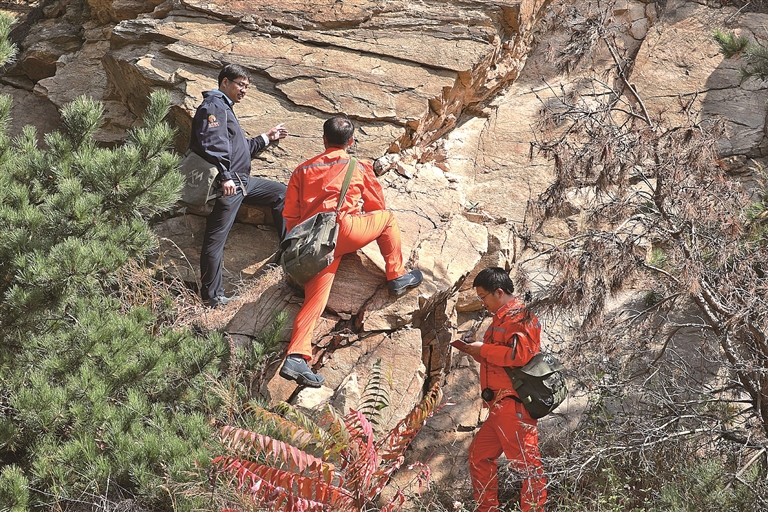
_Put mountains and rivers in your heart and turn your love into actions_love mountains and rivers

Ding Zhengjiang (first from left) is looking for gold mines. bright pictures

_Love mountains and rivers_Put mountains and rivers in your heart and turn your love into actions

Wang Weimin (second from right) is planting rice in the field. bright pictures
_Put mountains and rivers in your heart and turn your love into actions_love mountains and rivers

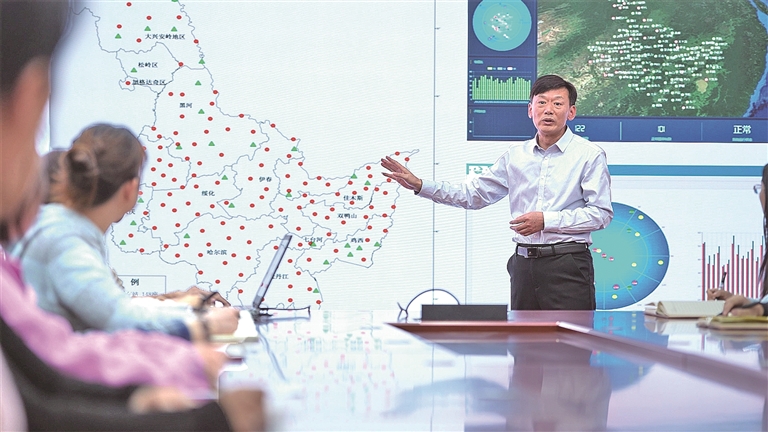
Liang Anbao teaches during a skills training. bright pictures

Understand the secret language of mountains and rivers through persistence

Narrator: Ding Zhengjiang, Captain of the Sixth Geological Brigade of Shandong Provincial Geological and Mineral Exploration and Development Bureau

I have been fighting on the geological front for 26 years, and on average I spend more than one-third of my time in the wild each year. If you want to be serious about geological prospecting, you must go to the wild and get first-hand information.

The Liujia beryllium mine project in Datuan, Shandong Rongcheng is the first project for which I independently carried out systematic exploration. Prospecting is like searching for missed sweet potatoes in a sweet potato field: sometimes you find a bulge in a place, and there may be sweet potatoes underneath; in some places, sweet potato seedlings are exposed, and if you dig down along the seedlings, you might find a surprise. With this persistence of "following the lead", a new beryllium ore body was discovered in this project. We systematically evaluated this beryllium deposit, which is currently the only one in Jiaodong area. The moment the results were verified, it was like digging out a treasure from the ground, and my feeling about geology changed from "interest" to "love".

In 2014, I led the team to achieve a historic breakthrough in prospecting in eastern Jiaodong – the discovery of the Liaoshang deep gold mine in Muping, Rushan, with a gold resource of 69 tons. It was the first extra large gold mine in eastern Jiaodong. One day, while inspecting the core, I noticed something "odd" about the mineralized veins. After repeated comparisons and careful combing, it was found that the gold-bearing veins in this mining area are not mainly filled with pyrite and quartz, but are mainly filled with pyrite and carbonate minerals.

This discovery conflicts with previous industry practices and conventional understandings of mineral exploration. Why? I boldly put forward a hypothesis and based on this preliminary construction of the corresponding mineralization model. Facing pressure, I organized a team to re-catalog all the rock cores and keenly captured the close relationship between carbonate (dolomite) veins and gold mineralization, which pointed out a new direction for subsequent mineral exploration. Finally, after exploration, the first extra-large gold mine in eastern Jiaodong—the Liaoshang deep and peripheral gold mine—was discovered. This breakthrough expanded the scope of prospecting in the Jiaodong mining area and opened up a new prospecting direction.

Over the past 20 years, I have presided over and participated in more than 100 geological exploration projects. Geological prospecting requires not only stepping on the soil and taking root in practice, but also looking up to the stars and daring to innovate. I know that as deep mineral prospecting becomes more and more difficult today, traditional experience and hard work alone are far from enough. We must rely on technological innovation to lead prospecting breakthroughs. My team and I will continue to work hard.

Vow to be a coral guardian deep in the blue sea

Narrator: Shi Xiaojun, senior engineer of the South China Sea Ecological Center of the Ministry of Natural Resources

In order to protect the beautiful corals, we have poured our youth and sweat on the vast expanse of blue waves in the South China Sea. Over the years, from Dongshan, Fujian, to the offshore coasts of Guangdong, Guangxi, and Hainan, our survey footprints have extended southward step by step, covering the broader hinterland of the South China Sea.

If frontline investigation is “measured with feet,” then technological innovation is “guarded with brains.” In the face of increasingly complex ecological challenges, innovative thinking and advanced technology must be used to give wings of wisdom to coral reef protection.

Before building a three-dimensional monitoring system and early warning model, we must first solve the most basic question: What are the names of those underwater corals?

You must know your own coral best. Due to the lack of systematic and authoritative coral identification data in China, scientific research work is often restricted by others.

After five years, my team and I completed the first professional illustrated guide of Nansha coral species in China, which included more than 170 types of reef-building corals. This will not only help with coral survey and monitoring work, but also allow the public to better understand corals.

We also established the country's first coral reef ecological database and a national coral reef monitoring and supervision system, which eventually produced the country's first high-precision "one map" of the coral reef ecosystem. Finding out the status of coral reef resources marks that my country's coral reef protection has entered a new stage of "active early warning and smart management" from the traditional "passive response". In addition to the innovation of technical means, I also took the lead in building a complete coral reef survey and assessment system, and presided over or participated in the formulation of a series of standards such as the "Technical Guidelines for Survey and Assessment of the Current Status of Coastal Ecosystems Part 5: Coral Reefs", which filled the gap in domestic standards in this field.

Years of persistence stem from a pure wish: to make every reef complete and every cluster of coral alive. I will continue to stay on the front line of coral reef surveys and develop underwater robots, AI recognition systems, etc., to make protection more accurate and cover a wider area.

Turn rural land into a "treasure pot"

Narrator: Wang Weimin, Member of the Party Committee and Deputy Director of the Natural Resources and Planning Bureau of Anji County, Zhejiang Province

Standing in the fields, I felt at ease. Since I started working in 1994, I have been on the front line of cultivated land protection and comprehensive rural land consolidation. I have participated in the transformation of land consolidation in Anji to comprehensive land consolidation and ecological restoration in the entire region, and witnessed the transformation of beautiful resources into beautiful industries and rural land into a "treasure pot" for farmers.

In the past, Anji used to be a piece of land in front of the house and behind the house, with half-divided fields on the mountain slopes, and cultivated land scattered here and there. It was not uncommon for agricultural production to be "mismatched in space and function." How to break the situation? The fundamental method is to optimize the spatial layout of agriculture and achieve concentrated and contiguous cultivated land by "replacing mountains with mountains and merging small fields with large fields."

In 2012, Anji County fully implemented the comprehensive land consolidation project. After several months of visits and surveys in batches, continuous coordination with towns and villages, data comparison, and planning and demonstration, we finally formed an executable, forward-looking and constructive plan, which has also become the cornerstone of the rapid advancement of land remediation in Anji.

As one of the first batch of pilot villages for the comprehensive land consolidation and ecological restoration project in the entire region, Zhugenqian Village is a typical representative. In the past, Zhugenqian Village had a disordered land spatial layout, dispersed and disordered industries, imperfect infrastructure, and a weak village collective economy. Now, 3,000 acres of land in the core area of ​​​​the village have been connected into one area, and transplanting, fertilizing, and harvesting are fully mechanized, ensuring that grain planting costs are reduced, efficiency is increased, and production is stably increased.

I have also begun to "addition" to the comprehensive land improvement work in the entire region, so that while "each has its own beauty" in the countryside, "beauty and beauty are shared". Up to now, Anji County has implemented a total of 143 comprehensive land improvement projects of various types, reclaimed more than 10,000 acres of construction land, and added more than 30,000 acres of cultivated land.

I firmly believe that there are no villages with poor resource endowments, only misallocated resources. What we hope is not only to solve the problems of fragmentation, disorder and inefficiency of land use, but also to help one village after another find a new engine for its own development.

Go deep into the earth to find light and heat

Narrator: Wang Guiling, researcher at the Institute of Hydrogeology and Environmental Geology, Chinese Academy of Geological Sciences

I have always had a geothermal dream in my heart: let the energy from the depths of the earth penetrate the rock formations, turn into light and heat, and enter the homes of thousands of people.

After working, the first project I participated in was the "Survey and Evaluation of Geothermal Resources in Eastern my country", which was a systematic geothermal resource mapping of the vast land east of 106 degrees east longitude. At that time, without the assistance of systems such as Beidou and GIS, most data did not even have complete records of longitude and latitude. I go out every day to collect materials, come back to check literature, write reports, check information one by one, calculate locations, and mark the locations of scattered hot springs and geothermal wells on the map one by one.

Over the past five years, I manually marked the locations of more than 2,000 hot springs and geothermal wells on a large-scale map to form a geothermal resource distribution map. This gave me a systematic understanding of my country's geothermal resources for the first time. Since 2011, the China Geological Survey has launched national geothermal resource survey and evaluation projects. I have taken the lead in organizing hundreds of technicians from more than 30 units across the country to conduct systematic surveys of geothermal resources in various provinces. This survey allowed us to truly understand this treasure house of resources buried under our feet. In April 2017, after the establishment of Xiongan New Area, I led the team to the site and took the lead in sounding the charge to build a "global model of geothermal utilization" in Xiongan New Area.

Xiongan is one of the areas with the best conditions for geothermal resource development in the country. At the beginning of the project, everyone thought that the geological conditions in the Xiongan New Area were relatively simple. However, with the in-depth geophysical exploration and subsequent drilling verification, the actual situation was far more complicated than expected. In order to ensure the accuracy of drilling locations, I decisively decided to significantly increase geophysical exploration work and revise my understanding of the distribution of geological structures through comprehensive analysis. In the end, with detailed data and accurate judgment, we completed a total of 26 geothermal survey wells in Xiongan New Area, all of which achieved the expected goals, with a survey accuracy of 1:50,000.

Geothermal energy has the advantages of cleanness, stability, safety and efficiency. Nowadays, the picture of beautiful China is slowly unfolding, and I am also thinking about how to layout geothermal work during the "15th Five-Year Plan" period and even in the longer term. Our voice of asking the earth will echo in the magnificent journey of green development.

Accurately "settling" mountains, rivers and lakes

Narrator: Bianba Zhuoma, a fourth-level researcher from the Natural Resources Bureau of Lhasa City, Tibet Autonomous Region

I have always felt that it is a blessing to be able to measure this land with my own hands.

I walked on the grassland with surveying and mapping instruments on my back, verified plots in the farmland under the scorching sun, and recorded data by the river valley under the snow… When I first started working, I followed my old colleagues and traveled all over the mountains and rivers of Lhasa.

In the work of natural resources, the confirmation and registration of real estate rights are related to the vital interests of the people. Every bright red real estate certificate is not only a legal document, but also a family's peace of mind.

To facilitate and benefit the people, information construction is indispensable. In recent years, the real estate registration work in Lhasa has realized informatization and digital management. In order to turn "sleeping resources" into "visible asset ledgers", we took the lead in building a display module for the results of the unified confirmation and registration of natural resources in Lhasa. The boundary range, resource type, quantity and quality of each registration unit are clear at a glance, and the ownership relationship and ownership subject are clearly identifiable. The originally professional and obscure results have become intuitive, easy to understand, and easy to use, providing precise guidance for subsequent management and protection.

When promoting the confirmation of rights to nature reserves, I found that some villagers in marginal areas had a vague understanding of the boundaries of the protected areas, so I immediately organized the production of a Tibetan-Chinese bilingual brochure. The team members were active in the fields and at the village entrance. We explained the policy in the most down-to-earth language and explained the protection requirements over and over again to the rights confirmation draft.

In the final analysis, our job is to accurately "settlement" the mountains, rivers, lakes and forests that nurture us, so that every inch of land and every piece of water has its own "identity file", and to protect this "ecological property" for future generations – because every "ecological ID card" contains the expectations of the masses and hides the future of this land.

"Going towards danger" among thousands of mountains and valleys

Narrator: Xu Liang, Director of the Geological Disaster Prevention and Control Division of the Sichuan Provincial Department of Natural Resources

For more than 20 years, I have been "walking towards danger" day by day, drilling into ravines, checking for hidden dangers, conducting monitoring, eliminating dangers, making plans, and carrying out governance. My footprints have spread to more than 100 geological disaster-prone counties in Sichuan… It is my mission to protect lives. This responsibility and responsibility is my mission.

Earth disaster prevention and control must not only face the immediate danger, but also take a long-term perspective and use systems to weave a disaster protection network covering the entire region. In response to the key difficulty of weak grassroots geological disaster prevention and control capabilities, my colleagues and I created the first full-time monitoring system for geological disaster mass detection and prevention, further consolidating the job responsibilities of monitors and tightening the chain of responsibility for mass monitoring and prevention. At the same time, professional and technical personnel are promoted to be stationed in counties, villages, and villages to provide technical services for disaster prevention and control, ensuring that 21 cities (states) and 175 disaster-prone counties (cities, districts) in the province have professional forces to provide technical support. During the flood season every year, more than 200 professional teams are stationed on the front line in the province. This system has been implemented since 2008 and has played a key role in supporting scientific disaster prevention and reduction at the grassroots level.

In order to bring the knowledge of disaster prevention and reduction to thousands of households, we, together with the Youth League and Provincial Committee, took the lead in exploring and implementing the "Youth Volunteers, Protecting Life" earthquake volunteer service action. We formed nearly 4,000 volunteer service teams and carried out more than 69,000 publicity and education, emergency drills, hidden danger investigation and other activities, with a total of more than 1.1 million participants. We carefully edited and produced publicity and warning educational films, animated videos, movies, popular science books, and picture books, and extensively promoted activities such as "Little Hands Holding Big Hands" for the first lesson of the school year. After years of infiltration, the awareness and practical capabilities of grassroots cadres and masses in disaster prevention, disaster reduction, and risk avoidance have been continuously improved.

In the past two years, we have explored and promoted the "unveiling and leading" work of technology-empowered disaster prevention, reduction, and relief, tested the effectiveness of technology-empowerment with actual combat scenarios, and further improved comprehensive prevention capabilities such as refined investigation and evaluation, precise monitoring and early warning, and precise "wake-up calls and responses," making technology a "hard-core force" to protect lives.

Just because the thousand-year-old county is green

Narrator: Xu Hui, Secretary of the Party Committee of Ruichang Natural Resources Bureau, Jiangxi Province

Ruichang is "the first city where the Yangtze River enters Jiangxi Province". Backed by the Yangtze River, environmental protection is the "hard lever"; mining is the cornerstone of "strengthening the county industrially". How to balance the relationship between protection and development tests the determination and wisdom of the government and natural resource management departments.

In November 2013, I became the head of the former Ruichang City Bureau of Geology and Mineral Resources. At that time, quarries were everywhere, the mining industry was in chaos, and the environment was seriously polluted… In order to improve the ecological environment and make people live and work in peace and contentment, we focused on the mines in the county to "reduce points and control volume, iron-fist rectification, and comprehensive improvement." After five years of hard work, the number of open-pit quarrying companies in the city was controlled to less than 10, and the number of mines was reduced by two-thirds.

In order to straighten out the natural resources supervision path, I have thought of many ways and explored and implemented supervision measures such as the installation of mining rights signboards, wire fences in mining areas, floor markings, drone law enforcement, and mine video surveillance. At the same time, it also actively promotes the establishment of a "joint approval, joint law enforcement, joint inspection, and joint case handling" mechanism in Ruichang City, effectively changing the current situation of "alone" law enforcement by the natural resources department, and more effectively protecting mineral resources.

After many years of work, I know that cracking down on disordered mining and closing mines is not the end of mine management. How to scientifically and rationally realize the value of resources and serve economic and social development is the correct answer to the development and utilization of mineral resources. After investigation, in 2015, Ruichang City formulated and promulgated relevant measures for "clean ore" transfer, taking the lead in implementing the "clean ore" transfer work model in the province, and exploring the construction of a "collection-storage-cleaning-supply-management" full chain system for mining resource development. Up to now, Ruichang City has successfully listed three mineral rights for sale, with a total transfer price of 3.56 billion yuan, effectively promoting the transformation and upgrading of local mining companies in Ruichang, making the mining economy bigger and stronger, and providing new ideas for the appreciation of national resource assets.

Next, I will continue to protect this thousand-year-old county with my heart and soul, and accompany it to become green and prosperous.

"Mobile Sentinels" sow green seeds

Narrator: Huang Weugu, a full-time ecological ranger from Jingang Town, Liuyang City, Hunan Province

In 2008, I became a forest ranger and started spending time with the mountains and forests. As a full-time ecological ranger, my area of ​​responsibility is in Pingwan Village and Dangui Village, Jingang Town, managing and protecting 8,441.43 acres of forest land, including 53 listed ancient trees.

Once, I discovered an ancient camphor tree growing abnormally during patrol. I promptly reported the situation to the forest chief's office, which helped the public security organs successfully crack the "6·06" case of endangering national key protected plants, eliminated five ancient tree poisoning gangs, and saved more ancient and famous trees. This case was also selected as a typical case of the Supreme People's Court punishing crimes that destroy forest resources in accordance with the law.

Over the years, I have measured mountains and forests with my feet, and my total patrol mileage has exceeded 130,000 kilometers. During the day-to-day patrol, I also accumulated my own set of "local methods." In order to prevent fire, some old people in the mountains want to burn grass and ash to fertilize their fields, and often light a fire beside the fields. In this regard, I realized that not only should we dissuade in time, but we should also strengthen prevention. Therefore, my mountain patrol route also has a focus.

The protection of forest resources in Jingang Town faces extremely special pressures. The forest land here is often closely adjacent to fireworks production companies, folk temples, and family cemeteries, so fire hazards are everywhere. Every year during the Spring Festival, Qingming Festival, Ghost Festival, and during the busy farming period, I will go to households to preach about the ban on straw burning, patrol along fields and mountains and forests, and persuade villagers who plan to burn straw.

Now, when you open the Forest Chief App on your mobile phone, you can see the management grid, patrol routes, and patrol point distribution at a glance. With the help of technology, our work can be carried out better.

In Hunan, there are 54,000 ecological rangers like me who are on the front line of forest protection all year round. We measure our responsibilities with our steps and protect the green with our sweat. We are the "mobile sentinels" of forest and grass resource protection. Nowadays, I have another identity – a public welfare preacher. In the future, I will go into enterprises, schools, communities, and villages to convey the concept of ecological protection to more people, so that this green seed can take root and bear fruit in a wider area of ​​land.

The promise of "walking and measuring accurately" will never change

Narrator: Liang Anbao, President and Party Secretary of the Second Geographic Information Cartography Institute of the Ministry of Natural Resources

Use footsteps to measure mountains and rivers, and use data to record times. The road we surveyors take is never a smooth one, but every step counts.

From 1:50,000 and 1:10,000 to today’s high-precision maps, from traditional flat-panel meters to satellite remote sensing and UAV aerial survey, the technical methods are changing, but the commitment of surveyors to “reach and measure accurately” remains unchanged.

At the end of 2012, the first national geographical census was launched. The Heilongjiang Surveying, Mapping and Geographic Information Bureau is responsible for the census tasks in parts of the western part of the country and Heilongjiang Province, covering nearly 20% of the land area, involving mountains, rivers, forests, fields, lakes, cities and towns, transportation and many other elements. At that time, I had just finished 17 years of field work and was transferred from the current second largest geological survey team of the Ministry of Natural Resources to work in the Basic Surveying and Mapping Division of the Heilongjiang Bureau of Surveying, Mapping and Geographic Information.

The geography and national conditions census operation has a wide scope, involves many industries, has high technical requirements, and is difficult to organize and implement. When checking the pattern determination of a province in the west, due to the phase and resolution of the image, the boundaries in some places were not clear, and the results were inconsistent with the collected data. Although it was within the allowable range of national regulations, I requested that it be re-verified to find more powerful evidence to ensure the accuracy of the data. After the project team collected information from multiple sources and verified it on the spot, we solved this problem.

It would be better to take one more test than lose an inch. Through this census, Heilongjiang Province has established a complete geographical census background database to find out the current status and spatial distribution of natural elements such as mountains, rivers, forests, fields and lakes, and humanistic elements such as towns and transportation. These data were later used for ecological monitoring of the Northeast Forest Belt and the Northern Sand Control Belt, analysis of changes in the main agricultural product-producing areas of the Sanjiang Plain and Songnen Plain, and research on urban spatial patterns. The “simultaneous census, side monitoring, and side application” model has been promoted and practiced across the country by gathering the practical experience of surveying and mapping brother provinces and jointly exploring and forming it.

In addition, I also participated in the preparation of technical regulations and production plans for the National Geographic National Census, researched and formed a set of mature technical routes, achieved a leap from "0" to "1", and laid a solid foundation for the comprehensive rollout of the National Geographic National Census work.

The responsibility that surveyors shoulder is to provide data support for the harmonious coexistence of humans and nature. It is this kind of protection that makes green waters and green mountains measurable, recordable and inheritable. We will continue to use our persistence day after day to protect the future of future generations.

"Guangming Daily" (Page 07, March 17, 2026)
Israel Airstrikes Tehran Oil Depots And Other Facilities, Causing Strange Acid Rain And Health Problems In The Area

"It's like there's tear gas in the air, and war has entered our throats," said a Tehran resident who chose to remain anonymous.

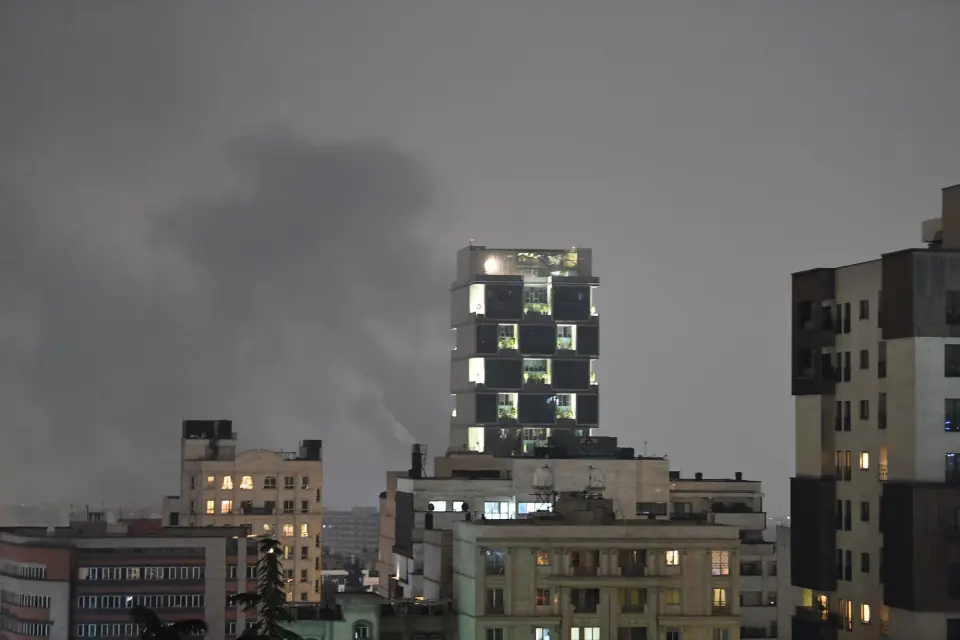
After multiple oil depots and oil plants were bombed, Tehran, the capital of Iran, looked like a engulfed city.

The first thing someone noticed was the rain. It was a strange rain. Black raindrops fell on rooftops and streets, leaving paint-like splotches on cars and window sills. Local residents said that when the rain stopped, the entire street turned greasy and black.

Damaged vehicles and thick smoke photographed near an oil storage facility in Tehran, the capital of Iran, on March 8/Source: Xinhua News Agency

Soon, people begin to feel changes in their bodies. Headache, dizziness, sore throat, persistent cough.

On the night of March 7, local time, Israel airstriked major oil depots and infrastructure in Tehran’s Shahran, Aghdasiya and Shahrrai neighborhoods, as well as in the nearby city of Karaj. A dazzling orange light first lit up on the horizon, and then huge reserves of fuel sparked fires that burned all night long.

The Iranian Red Crescent Society warned residents to stay indoors as much as possible, saying "toxic hydrocarbons, sulfur oxides and nitrogen oxides" had spread in the air and any precipitation could turn into corrosive acid rain. Soil and water resources around Tehran already show signs of contamination. It's unclear how far the toxic smoke will spread. Iran's Foreign Ministry said the act amounted to genocide.

The target of the war has shifted to oil and gas facilities and other infrastructure, and no one can stay away. What deserves more attention is that in a mistake that was simplified as a "target recognition error", a primary school in southern Iran was instantly wiped out, and 180 people were killed (most of them were female students).

An attacked primary school taken in Minab, Iran, on February 28/Source: Xinhua News Agency

On March 11, local time, US media said that a US military investigation found that the US military may be responsible for the fatal missile attack on an Iranian girls' elementary school. Although Trump had previously denied it and claimed that Iran should be responsible, a preliminary investigation showed that the Tomahawk cruise missile strike was caused by a "misjudgment": when the US military used outdated data provided by the Defense Intelligence Agency, it misjudged a building that had long been converted into a school as part of an Iranian military base.

This raises a new question: Can we say "mistake" to avoid responsibility for such a hasty attack on civilian facilities?

For those who live far from a war zone, war is often still understood as a conflict that takes place somewhere. But in the Middle East, ordinary people are facing two different forms of consequences simultaneously: one from the contamination after the explosion, and the other from the increasingly chaotic and out-of-control nature of the war itself.

Pollution has begun to enter the air circulation, water system and food chain; and the mistakes, hastiness and loss of control of the war itself are also spreading to the broader international system.

This is a damaged vehicle and thick smoke taken near an oil storage facility in Tehran, the capital of Iran, on March 8/Source: Xinhua News Agency

Iran has launched a new round of attacks on global energy supplies and neighboring countries, with six ships attacked in the Persian Gulf in just two days. Fuel tanks and tankers also started catching fire at sea, and oil prices rose again. At the same time, the Israeli military said it had begun launching "large-scale" attacks against Iran, targeting the regime's infrastructure across the country. Netanyahu even bluntly stated that he was "destroying the Iranian regime."

This war has moved towards the ultimate chaos sweeping the world, far from being a regional conflict.

Like an earthquake

Since the US-Israeli attack, Tehran residents have gradually become accustomed to the roar of fighter jets in the night sky. But most people still believe that it is still a safe distance away from their lives.

Until March 7th at 10:30pm.

According to the independent media Drop Site News, 24-year-old Sagar (pseudonym) was staying at home in northeastern Tehran with his parents and sister. That night, three huge explosions suddenly sounded.

This is the thick smoke produced after an air strike in Tehran, the capital of Iran, on March 7/Photo by Xinhua News Agency reporter Shadati

“The house was literally shaking, worse than an earthquake,” she recalled. "I still remember the earthquake in Tehran in 2020, but this time it was much stronger."

The windows in the kitchen and living room were instantly shattered, and the chandeliers swung violently like pendulums. Her mother was standing at the sink washing dishes when the explosion occurred. The shock wave knocked her to the ground, and her head hit the floor hard.

They called the emergency number and waited for the ambulance to arrive under the guidance of the phone. About 15 minutes later, paramedics arrived at the scene and took her mother to a nearby hospital. The doctor finally confirmed that it was just a head injury and there was no serious injury.

On March 7, a fire broke out at an oil storage facility in Tehran, the capital of Iran/Source: Xinhua News Agency

It was when the Sagar family returned to their apartment from the hospital to pack their belongings the next day that they truly realized the traces left by the explosion.

"Everything was covered in soot," she said. "Our white refrigerator was completely black. I scratched my finger on the table and my fingertips were immediately covered in black oil." She and her sister spent two hours trying to clean the room. The wet rag quickly became saturated with thick black sludge, and detergent and paper towels had little effect.

“When we finally packed up to leave, our fingernails were covered in black dirt,” she said. “Just breathing in the living room made my lungs hurt.”

The acute symptoms they experience are just the beginning of pollution exposure.

Professor Andrea Serra, professor of inorganic chemistry at University College London, said burning crude oil releases a complex cocktail of toxic chemicals, including substances such as aromatic compounds that are known to interact with DNA and are linked to cancer risk. In Tehran, a city of more than nine million people, "people are actually exposed to a real chemical 'cocktail'."

On March 8, pedestrians walked near an oil storage facility with thick smoke coming out of Tehran, the capital of Iran/Source: Xinhua News Agency

As storage tanks and pipelines are damaged, fuel and residues can also seep into the soil and spread to wider areas under the influence of precipitation, and even risk contaminating drinking water systems.

The Conflict and Environment Observatory, an organization that studies the environmental impact of conflict, has documented hundreds of incidents in and around Iran that may pose environmental risks. Doug Weir, the agency's director, noted that this number is likely an underestimate due to Internet restrictions and delays in obtaining satellite imagery.

Sagar said she never expected that the oil depot next to a residential area would be bombed.

There are many things that Iranians "didn't expect". Attacks over the past two weeks have damaged civilian facilities in Tehran and other cities. The Iranian Red Crescent Society stated that so far, nearly 20,000 civilian buildings have been affected, including at least 16,000 residential units, 77 medical institutions, and 65 schools.

Among them, the explosion at a girls' primary school in Minab, a port city in southern Iran, has particularly attracted attention.

On March 12, in Tehran, the capital of Iran, citizens searched for daily necessities from damaged buildings/Photo by Xinhua News Agency reporter Shadati

Iranian officials have repeatedly emphasized the scale of civilian casualties caused by the conflict. Ali Jafarian, Iran's deputy health minister, said in an interview with Al Jazeera that most of the 1,250 confirmed dead so far are civilians, including about 200 children and 200 women, and more than 12,000 people were injured.

The United Nations Refugee Agency says 3.2 million people have been displaced in Iran.

At the same time, some facilities that may cause greater disasters if destroyed have also become targets.

The entrance building to the Natanz uranium enrichment facility related to Iran's nuclear program was severely damaged in the air strike. The International Atomic Energy Agency said some key structures at the facility had been damaged.

These locations are neither front lines nor "battlefields" in the ordinary sense of the word.

But in this war, launched haphazardly by the Trump administration and always lacking clear strategic goals, chaos has become the norm. And the way Israel behaves in its operations increasingly looks like a comprehensive strike that disregards the boundaries of international humanitarian law.

systematic destruction

If these attacks are simply understood as "accidental attacks", it will not be enough to explain the shape of this war.

In many conflicts over the past few decades, the Israeli military has gradually developed a way of fighting that is different from traditional warfare. The targets are no longer just the military or military installations, but broader social systems: energy, communications, transportation, and urban infrastructure.

This strategy is summarized in military discussions as the "Dahiya Doctrine". This concept originated from the conclusion of the large-scale bombing of the Dahiya area south of Beirut after the 2006 Lebanon War. Its core idea is to force the opponent to bear unbearable costs at the social and political levels through overwhelming destruction.

Under this logic, collateral damage is no longer regarded as a risk that needs to be avoided. This type of collateral damage, which has been repeatedly debated in international humanitarian law, has become a strategic goal of the Israeli military.

On March 12, in Tehran, the capital of Iran, citizens stood in front of building ruins/Photo by Xinhua News Agency reporter Shadati

In recent years, automated target recognition systems have further amplified this method of warfare. In the Gaza War, the artificial intelligence system "Lavender" used by the Israeli military was able to quickly screen a large number of "potential combatants" and mark them as targets for attack. Intelligence agents then pursue the target in a pattern known as "Where's Daddy" – attacking when the target returns to the family home, when the location is easiest to pinpoint.

In this model, the assassination targets are often shot at moments when they are reunited with their families, and those subsequently involved in the attack include their family members, neighbors, or more unrelated civilians nearby.

But what Iran faces is not just this cruel logic of war.

In U.S. military operations, risks come from another dimension—sloppiness and confusion in the strategic decision-making system.

An investigation into the missile attack on an Iranian elementary school revealed that Central Command officers responsible for developing the target coordinates used outdated data provided by the Defense Intelligence Agency to mark the elementary school as a military target. The apparent error went undetected even though multiple agencies, including the Defense Intelligence Agency, the National Geospatial-Intelligence Agency and Central Command, were involved in the review process.

Human Rights Watch analyzed satellite images and noted that the building had been isolated from the military base for at least a decade and had a separate entrance. By 2017, the football field markings could even be clearly seen in the campus courtyard.

Rescue scene of an attacked primary school in Minab City, Iran/Source: Xinhua News Agency

“If anyone takes one look, they know it’s a school,” said Michael Page, deputy Middle East director at Human Rights Watch.

Currently, there is still a lot of important information waiting to be disclosed in this investigation, but Trump seems not to care.

Even though there is evidence that a Tomahawk cruise missile "accidentally" hit the elementary school, and the United States is the only country in this conflict that possesses Tomahawk missiles, Trump still suggested at a press conference that Iran had Tomahawk missiles without evidence.

If Israel’s problem lies in its cruel and reckless war logic that has no regard for collateral damage, Trump brings huge risks due to hasty, chaotic, and haphazard decision-making and execution.

If it is finally confirmed that the girls' elementary school was accidentally hit by the US military, it will become one of the most serious civilian casualties of the US military in recent decades.

community

The chaos caused by the war did not stay in Iran.

Iranian military spokesman Ebrahim Zolfakari warned after the attack: "Be ready for an oil price of $200 per barrel, because oil prices depend on regional stability, and it is you who undermined this stability."

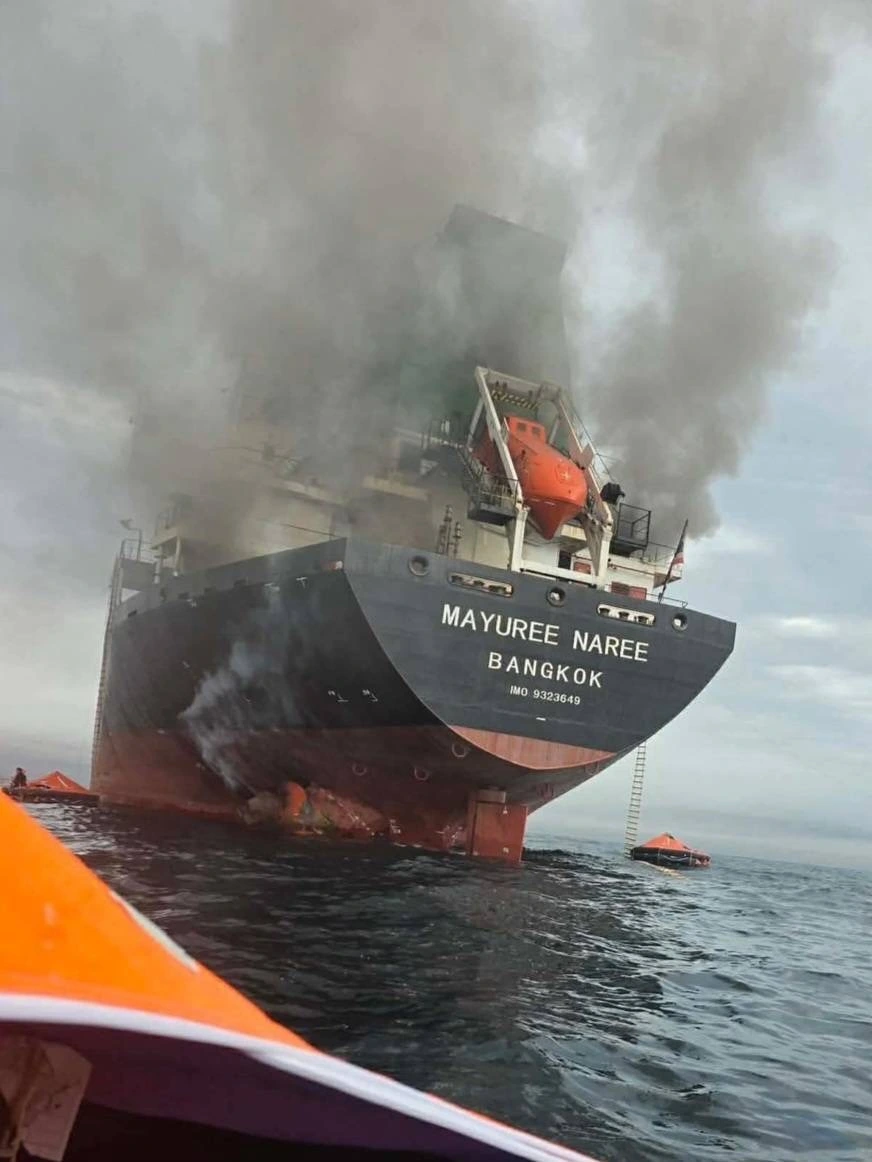
As the conflict escalates, shipping security in the Gulf deteriorates rapidly. On March 11, local time, three merchant ships were attacked one after another near the Strait of Hormuz. Among them, the Thai bulk carrier Mayuree Naree caught fire and forced the crew to abandon the ship. Japanese and Marshall Islands-registered ships were also damaged.

On the same day, a foreign oil tanker was attacked by an explosive unmanned boat in the waters near Basra, Iraq, and caught fire. One crew member died.

This is an attacked oil tanker taken in the waters near Basra Province, Iraq, on March 12/Source: Xinhua News Agency

So far, there have been at least 13 attacks on commercial ships in the Gulf waters.

Behind this unknown attack seems to be a more dangerous signal-Iran is not afraid to expand the conflict in the Strait of Hormuz. U.S. intelligence agencies revealed to the media that Iran has begun laying mines in the Strait of Hormuz. The U.S. Central Command announced that the U.S. military had "annihilated" 16 Iranian mine-laying ships in the waters. Later, Iran denied it.

Sources of threats at sea are becoming increasingly difficult to identify. The British Maritime Trade Action Agency reported that a ship was hit by a suspected unknown projectile about 25 nautical miles northwest of Ras Al Khaimah, United Arab Emirates. The specific situation is still under investigation.

The Strait of Hormuz handles about one-fifth of the world's oil traffic. When conflict enters this waterway, war no longer belongs to just one country.

The geographical location of the Strait of Hormuz/Source: CCTV News

A spokesman for the Iranian Armed Forces' Hatam Anbia Central Command later announced that the previous "reciprocal counterattack" phase had ended. Next, Iran will implement a sustained "serial strike" and will no longer maintain a one-on-one retaliation rhythm.

Some shipping insurance institutions have begun to increase war risk premiums for routes through the Gulf, and shipping companies are also reassessing whether to continue using the waterway.

Faced with rising risks, the energy ministers of the G7 Group issued a joint statement on the 11th local time, stating that countries are discussing the possibility of providing escort for commercial ships and are prepared to use strategic energy reserves when necessary to stabilize the global energy market.

Currently, 32 member countries of the International Energy Agency have formally agreed to provide a total of approximately 400 million barrels of strategic oil reserves to the market. This is the largest joint reserve release operation in the history of the agency.

On March 11, member states of the International Energy Agency unanimously agreed to release 400 million barrels of strategic oil reserves to cope with the tight global oil supply caused by the US and Israeli military attacks on Iran/Xinhua News Agency (Photo by Ahmed Goma)

As the risks of the situation become higher and higher, various countries have begun to frequently discuss the issues of oil supply security and energy prices. But in the various joint statements, people can barely see another set of facts that are also happening: the school that was hit, the oil depot that burned for days, and the missile strike that is still under investigation.

At the same time, the conflict is spreading to new fronts.

On March 12, local time, the Israeli military announced the launch of a new round of large-scale air strikes on "regime infrastructure" in Iran.

At almost the same time, Israeli warplanes also launched a "widespread strike" against Hezbollah targets in southern Beirut, Lebanon, and explosions were heard in many parts of the city. Previously, the death toll from Israel's continued attacks on Lebanon had risen to 634, including 91 children and 47 women, and 1,586 others were injured.

This is a location shot by Lebanese Hezbollah rockets in Hanil, central Israel, on March 12/Xinhua News Agency (Photo by Gil Cohen Magen)

Over the past two weeks, the war has rapidly spread to more dimensions.

For a long time, people have been accustomed to understanding this interdependent world as a cooperative structure—trade networks, energy markets, and supply chain systems constitute a community.

But in this war, the same system is channeling something else: pollution, panic, energy shocks, and ever-expanding security risks.

When war enters these interconnected systems, it eventually enters everyone whose lives depend on these systems.

Author|He Yi

Vivo India Launches T5x 5G Mobile Phone, The New Favorite In The Mid-range Market, With Powerful Configuration And Long Battery Life

IT House reported on March 17 that vivo today launched the T5x 5G mobile phone in the Indian market, focusing on the mid-range market, equipped with Dimensity 7400 Turbo chip, 7200mAh battery, and equipped with a 6.76-inch 1080P LCD screen.

Domestic mobile phone battery management chip manufacturers__Foreign mobile phone chip rankings

According to reports, this phone measures 166*78.43*8.3mm and weighs 219g. It is equipped with a center-perforated screen on the front and a thick chin. The screen panel is made of LCD material with a resolution of 1080P. It supports 120Hz high refresh rate and has a peak brightness of 1200 nits. It is available in starry silver and cyber green colors.

In terms of parameters, this phone is equipped with MediaTek Dimensity 7400 Turbo chip and is built using a 4nm process. It is equipped with up to 8GB LPDDR4X memory, 256GB UFS 3.1 storage, has a 50-megapixel f/1.8 main camera, a 2-megapixel f/2.4 depth-of-field lens, and a 32-megapixel front camera.

In addition, this phone is equipped with a large 7200mAh battery, supports 44W wired fast charging, has a battery life of up to 2 days under light to moderate use, supports Wi-Fi 6 and Bluetooth 5.4 connections, is equipped with a USB Type-C 2.0 interface, is pre-installed with the OriginOS 6 operating system based on Android 16, and provides 2 years of major version updates and 4 years of security updates. The 6+128GB version is priced at 18,999 Indian rupee (IT House Note: The current exchange rate is approximately 1,418 yuan).

Introduction To Sony IMX820 Full-frame CMOS Sensor Information And Related Technology

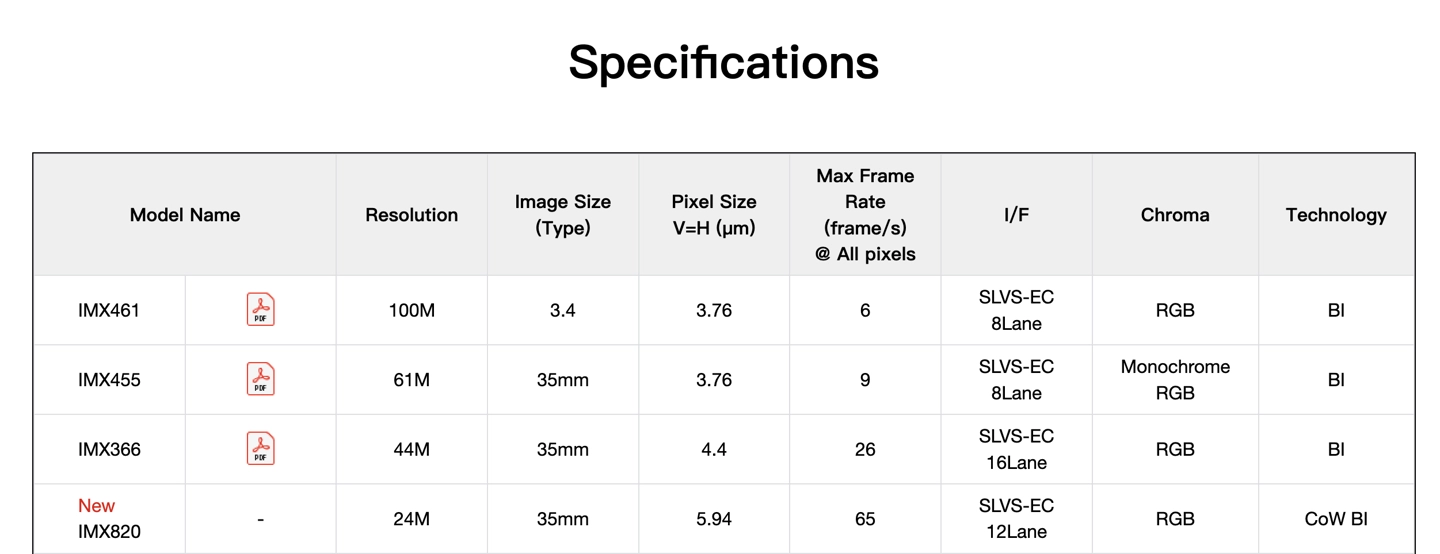
IT House reported on March 17 that Sony Semiconductor’s official website has now listed the IMX820 full-frame CMOS sensor, which uses a 24-megapixel partially stacked design, but the detailed specifications are not listed in the white paper.

_Which one is better, Sony sensor or Panasonic_Sony camera sensor ladder chart

According to source SonyAlpha Rumors the day before yesterday, this sensor is currently used in products such as Nikon Z6III and Panasonic Lumix S1II. However, Soban does not list the 33-megapixel partially stacked sensor on the Alpha 7 V camera. Currently, this CMOS is only used exclusively by Sony, and the benefits do not flow to outsiders.

Sources said that this 33-megapixel partially stacked sensor will be exclusive until 2027. After that, manufacturers such as Nikon are also expected to get the same CMOS.

It is worth noting that the IMX820 sensor is equipped with "CoW BI" technology, so we have reason to speculate that the 33-megapixel CMOS of the Alpha 7 V also uses the same technology.

For reference, semiconductor manufacturers usually use WoW (IT Home Note: Wafer-on-Wafer, wafer to wafer) technology to package CMOS, laminating the entire pixel wafer with the entire logic circuit wafer, and then cutting it into individual sensors.

The CoW (Chip-on-Wafer) technology is different. One of the wafers is first cut into individual chips, and then these independent chips are attached to another entire uncut wafer. This technology can bring many advantages.

One of these advantages is the reduction of silicon wafer waste, because the pixel layer area of ​​the full-frame/medium-frame sensor is very large, and the traditional WoW solution requires that the size of the logic circuit wafer bonded under the pixel wafer exactly matches, resulting in a lot of silicon wafers being wasted. CoW can attach small logic wafers to larger sensors without completely matching the size, greatly improving resource utilization.

Moreover, the yield rate of WoW packaging technology is not high. If the logic wafer is defective, the intact pixel wafer above will be scrapped. CoW, on the other hand, can screen out good-quality wafers before laminating them, significantly improving yield and reducing manufacturing costs.

In addition, CoW technology can also apply microscopic copper-to-copper (Cu-Cu) hybrid bonding technology to attach A/D converters, DRAM, etc. directly on top of the pixel wafer, which can bring higher parallel data processing capabilities and achieve a global shutter without jelly effect.

Baili Technology Has Added New Litigation And Arbitration Information, With Full Disclosure Of The Amount Involved And Progress.

Hunan Baili Engineering Technology Co., Ltd. (stock code: 603959, securities abbreviation: Baili Technology (rights protection)) recently issued an announcement, disclosing the cumulative number of new litigation and arbitration matters since the previous announcement of litigation and arbitration. The announcement shows that from February 11, 2026 to the date of this announcement, the company and its holding subsidiaries have accumulated new passive litigation and arbitration cases totaling 18,771,092.97 yuan, which is approximately 18.7711 million yuan.

The announcement pointed out that the above-mentioned new cases mainly include 12 contract dispute litigation and arbitration cases involving a single amount of less than 10 million yuan.

At the same time, Baili Technology also disclosed the progress of previously disclosed litigation and arbitration matters. Among active litigation and arbitration matters, the company was involved in 4 cases with a total amount involved of 8,335,780.40 yuan, and some cases have received awards or have been held in court. In terms of passive litigation and arbitration matters, it involves a number of construction project construction contract disputes, sales contract disputes and financial loan contract disputes, among which the single cases with relatively large amounts include an 86 million yuan construction project construction contract dispute case filed by Shandong Tengzhou Ruida Chemical Co., Ltd., an 85.6001 million yuan financial loan contract dispute case filed by Jiangsu Bank Changzhou Branch, etc. Many cases have set court dates or are in the trial stage.

Baili Technology stated that the cases that have been judged and entered into the execution stage may have a certain impact on the company's current or subsequent profits; for the remaining cases that have not yet been judged and come into effect, the actual impact on the company's current or subsequent profits will be subject to the court's final judgment and annual audit results. The company is actively promoting relevant litigation and arbitration work, and will perform its information disclosure obligations in a timely manner based on the progress of the case. Investors are kindly requested to invest rationally and pay attention to risks.

Click to view the original announcement >>

LG Electronics Will Participate In The 2026 AWE Exhibition, And A Variety Of High-end Home Appliances Will Be Unveiled

On March 12, the 2026 China Home Appliances and Consumer Electronics Expo (AWE) opened in Shanghai. This exhibition adopted the "one exhibition, two zones" model for the first time.

LG Electronics, the world's leading smart home appliance brand, also participated in the exhibition for the first time in the form of a joint exhibition between the New International Expo Center and the Oriental Hub International Business Cooperation Zone. They were respectively built around "LG AI Innovation in tune with you" and displayed a variety of high-end home appliances.

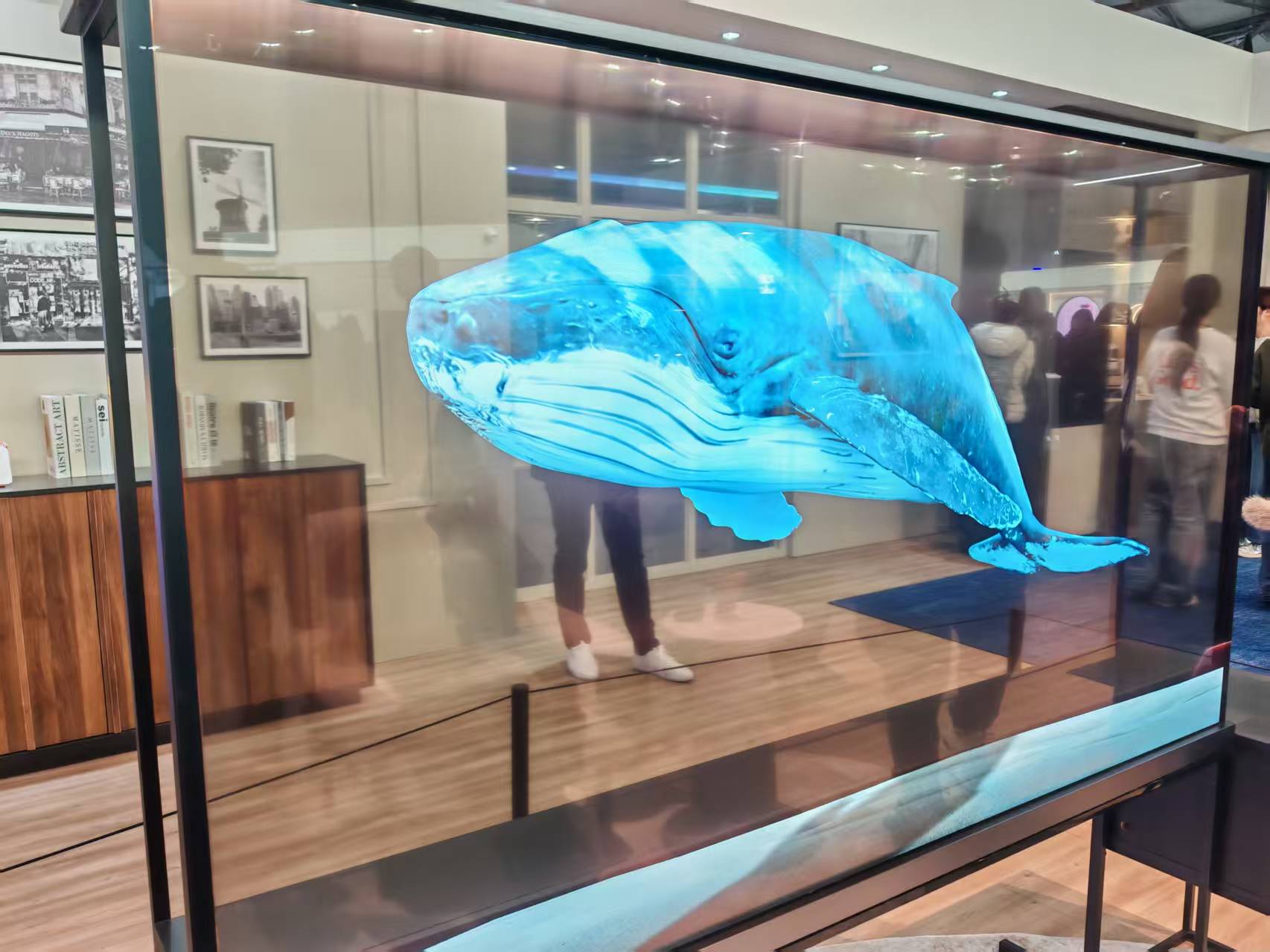
Located in the center of the LG Exhibition Hall of the New International Expo Center is its latest research and development of a large transparent screen TV. The images played seem to be floating in the air, attracting a large number of viewers.

Among the good things that are truly targeted at the mass market, the world's first LG OLED evo G6 TV has been upgraded with AI functions in the high-end display field where the brand has traditional advantages, and the LG WashTower provides Chinese families with convenient, efficient, and intelligent clothing care solutions.

As a brand deeply involved in the field of high-end home appliances, LG's participation in this exhibition not only continues its core direction of technology research and development, but also further implements product innovation for the Chinese market.

LG brings the best fried products in dual halls to the 2026AWE_LG brings the best fried products to the double halls to appear in 2026AWE_

OLED evo G6 TV, new AI full-link audio and video optimization

In the field of high-end displays, LG OLED technology has ranked first in global sales for 13 consecutive years. The world's first LG OLED evo G6 TV is positioned as an 83-inch 4K high-end large screen. Based on the original flagship display configuration, the core new AI full-link audio and video optimization function has become the core highlight of its debut.

At the hardware level, this product is equipped with Hyper Radiant color technology and an anti-reflective Premium screen verified by Intertek, which can present pure black images and vivid color levels in complex lighting environments. It is also equipped with Eyesafe eye protection certification, which can reduce harmful light output related to visual fatigue.

LG brings the best fried products in dual halls to the 2026AWE_LG brings the best fried products to the double halls to appear in 2026AWE_

The α11AI audio/picture chip Gen3 it carries is the core carrier for the implementation of AI functions. On the picture quality side, the chip supports AI HDR restoration, dynamic tone mapping Ultra, brightness enhancer Ultra and other technologies, which can intelligently adjust the brightness of the mid-tones of the picture, optimize light and dark details and color transitions, and improve the screen luminous efficiency; on the sound effect side, the chip is linked to 60W4.2 channel audio output, through α11 AI Sound Effect Pro realizes virtual 11.1.2-channel mixing, and cooperates with Dolby Atmos and video synchronized surround sound technology to complete the intelligent optimization of sound effects in different scenes.

In terms of gaming performance and smart interaction, the LG OLED evo G6 TV is equipped with a 120Hz native panel, supports 40-165Hz VRR dynamic refresh rate, has a response time of 0.1 milliseconds, and is compatible with Free Sync technology, which can reduce screen tearing and stuttering; the interface is equipped with 4 HDMI2.1 ports, paired with Wi-Fi6 and Bluetooth 5.3, to meet the connection needs of multiple devices.

On the smart system, the product is equipped with web OS26 and supports far-field voice control, which can realize voice command operations such as content search and device control. At the same time, it continues LG’s interactive design logic in the field of smart TVs.

Overall, the upgrade direction of this product not only meets the high requirements of high-end consumer groups for audio and video experience, but also takes into account diversified usage scenarios such as gaming and daily control. It is LG's first implementation of combining AI technology with mature display hardware in the field of high-end TVs.

Integrated washing, drying and care solution

Compared with high-end TV products that have long been recognized by the market, LG has not been well-known by most Chinese consumers even though it has been deeply involved in the field of laundry and drying care for many years.

The LG WashTower 25 on display this time adopts an all-in-one flat design, has large capacity and advanced AI washing and drying technology. It aims to provide convenient, efficient and intelligent clothing care solutions, and solves the installation space limitations caused by traditional large-sized washing and drying products.

The biggest difference from traditional washing and drying sets is that LG WashTower is a steam clothes care machine that integrates multiple care technologies on the basis of the original washing machine and dryer, which impressed many consumers at the AWE site.

This care machine uses a dual steam care system. The steam generated through two heating tubes can penetrate deep into the fabric of clothing and effectively remove 99.9% of bacteria, mites and viruses on clothing. It also eliminates odors, smooths wrinkles, and achieves gentle care throughout the year.

The clothes hanger can flexibly swing up to 350 times per minute, providing multiple rotation and swing modes to powerfully remove dust and fine dust, reduce wrinkles in clothes, improve the shaping effect, and make clothes fluffy and stretchable.

Trouser Line Management 2.0 helps clothes restore clear trouser lines and keep them tidy through a simple three-step operation. This model is designed with a capacity of 5 pieces of clothes and 1 pair of pants, which can meet the daily care needs of the family.

In terms of washing and drying functions, LG WashTower 25 has a washing capacity of 20kg and a drying capacity of 20kg, achieving the same large capacity for washing and drying.

This allows large items of clothing such as quilts and winter clothes to be conveniently washed and dried at home, minimizing labor and space occupation.

The product adopts an embedded integrated appearance and a flat body design, with dimensions of 635 width x 755 depth x 1840mm height.

Its one-piece flat exterior design emphasizes straight lines and edges, allowing it to blend harmoniously with any space in the home to create a perfect space.

In addition, WashTower 25 provides a comprehensive AI washing experience and achieves full AI care through deep learning artificial intelligence technology.

AI smart sensing (AI DD™ 2.0) can detect the moment clothes are put in, and automatically activate 6 washing actions (including clean tapping, fluffing, penetrating squeeze, soaking kneading, strong cleansing kneading, and gentle shaking) based on the weight, material and dirtiness of the clothes to ensure thorough washing. The turbidity sensor can detect the degree of dirt and automatically determine the amount of detergent.

AI technology can also automatically set drying time and temperature, and supports AI customized programs, analyzes users’ common washing and drying modes, and creates exclusive personalized programs.

The AI ​​intelligent time sensing function can instantly estimate and display the estimated washing or drying time after the clothes are put in. After washing and drying, the AI ​​washing and drying report will provide detailed reports from basic information such as time consumption and procedures to energy consumption and detergent usage.

Focus on high-end technology research and development + localized innovation

Judging from the layout of the exhibition area and the logic of product display, LG's participation in the 2026 AWE continues its long-standing high-end brand route, and its core products are centered around "technology research and development + scene adaptation".

The New International Exhibition Hall has created multiple real-life experience areas such as clothing washing and care, embedded home appliances, and LG AI Home, integrating G6 TVs and washing and drying machines into family life scenes; the Oriental Hub Pavilion uses AI galleries, AI core technology areas and other sections to display the technology research and development logic behind the products, as well as the integrated application of AI and hardware.

This layout method not only demonstrates LG’s technological accumulation in the fields of display, washing and care, but also reflects its local adaptation ideas for the Chinese market. Whether it is the G6 TV’s response to consumer needs such as games and eye protection, or the targeted design of the washing and drying machine for compact space, they are all product innovations based on the usage scenarios and demand characteristics of the Chinese consumer market.

As one of the first foreign home appliance brands to enter the Chinese market, LG has always combined high-end technology research and development with local market demand as its core development logic.

This dual-hall exhibition is not only a concentrated display of its high-end product matrix, but also another implementation of its deep penetration into the Chinese market.

In the context of AI technology becoming an important development trend in the home appliance industry, LG combines AI functions with traditional advantageous products, and at the same time completes localized innovation of cleaning and care products based on the characteristics of Chinese homes. It not only continues its technology-driven product concept, but also further meets the needs of China's high-end consumer groups, laying a more market-friendly product foundation for its layout in China's high-end home appliance market.

The Annual Production Capacity Of My Country's Largest Coal And Gas Field Exceeds 4 Billion Cubic Meters, And Mining Technology Has Been Innovative

Guangming Daily, Beijing, March 16 (Xinhua) Reporter Zhang Yi learned from PetroChina on the 16th that the annual production capacity of my country's largest coal and gas field, PetroChina Daji Gas Field, exceeded 4 billion cubic meters, and its output accounted for more than three-quarters of the country's total coal and gas production. It has become an important replacement resource for the growth of my country's natural gas production.

Coal gas is an unconventional natural gas resource that is adsorbed or free in deep underground coal seams. It is usually buried at a depth of more than 1,500 meters and has broad prospects for exploration and development. Research results from PetroChina’s Key Laboratory of Coal and Rock Gas show that my country’s coal and rock gas geological resources can reach 50 trillion cubic meters, of which the resources in the Ordos Basin exceed 25 trillion cubic meters. The country's first coal and rock gas demonstration area project, Daji Gas Field, is located in the southwest of Shanxi Province on the eastern edge of the Ordos Basin. Since the beginning of this year, PetroChina Coalbed Methane Company has drilled 16 new wells and built a new production capacity of 250 million cubic meters, pushing the daily gas production of the gas field to exceed 11 million cubic meters, a year-on-year increase of 32%.

Compared with conventional natural gas, coal and rock gas has deep burial depths, complex geological conditions, and high mining technical thresholds. PetroChina Coalbed Methane Company continues to deepen theoretical innovation in coal gas exploration and development, build a coal gas enrichment theoretical system, and accurately reveal the "adsorption-free" two-phase occurrence law of gas in deep coal formations. Adhere to using technological innovation as the engine, make every effort to promote the speed and efficiency of coal and rock gas development, and successfully develop a number of key core technologies to strongly support the large-scale and efficient development of coal and rock gas. In 2019, the first coal gas well, Well Daji 3-7, received industrial gas flow. In December 2021, the daily output of Jishen Well 6-7 exceeded 100,000 cubic meters, becoming my country's first "breakthrough well" for efficient coal and rock gas development. From 2023 to 2025, it took only three years for the Daji Gas Field to achieve a step-by-step rapid growth in coal and rock gas production, continuing to lead the development of my country's coal and rock gas industry. At present, the second phase of the Daji Gas Field production capacity construction project is being steadily advanced. After the project is completed, it will add an annual production capacity of 1.5 billion cubic meters.

"Guangming Daily" (page 10, March 17, 2026)
Navigation Vessels In The Strait Of Hormuz Return To Zero, And The International Energy Agency Urgently Releases Oil Reserves

Maritime data shows the number of ships operating in the Strait of Hormuz fell to zero for the first time

How much is the oil price for ships per ton __ China's average oil price in 2017

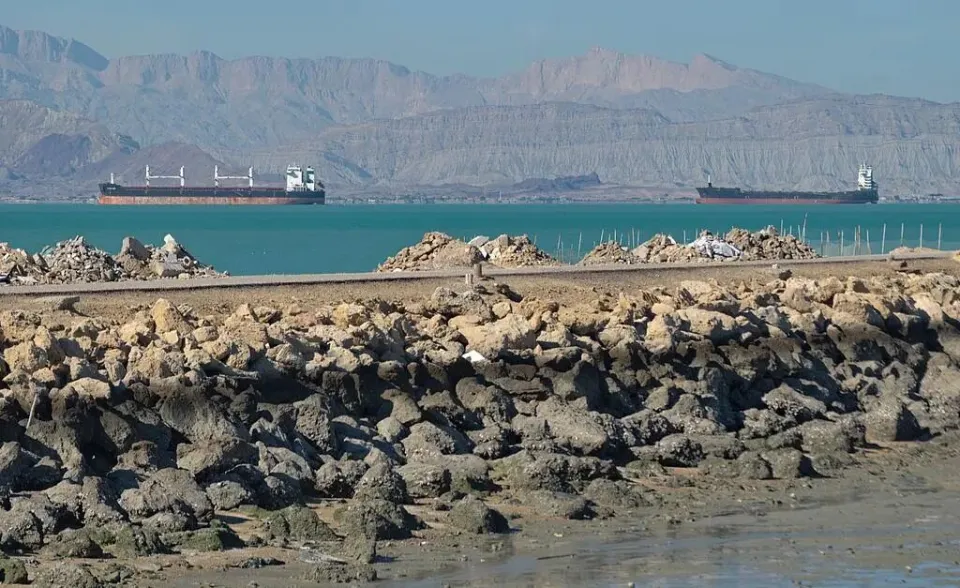
Strait of Hormuz (data map) According to British news on the 16th, there were no ships in the Strait of Hormuz, the global energy shipping hub, on the 14th. This is the first time since the United States and Israel launched military operations against Iran. Data from the maritime data analysis service company "Windward Company" wrote: "On the 14th, the number of ships navigating the Strait of Hormuz dropped to zero for the first time since the conflict began. Before the war, an average of 77 ships passed through the strait every day."
As geopolitical tensions continued due to attacks by the United States and Israel on Iran, on the evening of the 15th, international crude oil futures prices once again exceeded the US$100 per barrel mark when they started a new week of trading. As of 7:50 p.m. Eastern Time on the 15th, the price of light crude oil futures for April delivery on the New York Mercantile Exchange rose to a maximum of $101.32 per barrel.

International Energy Agency: Emergency oil reserves will soon be on the market

According to news from the International Energy Agency on the 15th, emergency oil reserves of member states will soon be put on the market to ease the current tension in international oil supply.

It is reported that each member country has submitted specific implementation plans to the International Energy Agency. According to the arrangement, members in Asia and Oceania will be the first to release reserves, while oil inventories from members in the Americas and Europe will be put on the market one after another from the end of March.

_ Average oil price in China in 2017 _ How much is the oil price for ships per ton

International Energy Agency (data map)

The International Energy Agency previously issued a statement saying that 32 member countries unanimously agreed to release 400 million barrels of strategic oil reserves. The latest data showed that 271.7 million barrels came from member government reserves, 116.6 million barrels came from industry reserves, and 23.6 million barrels came from other sources. About 72% of the oil planned to be released is crude oil and 28% is refined oil.

The International Energy Agency pointed out that the global oil market is facing the most serious supply obstruction in history. This emergency collective action is the largest so far and provides an important buffer for the market. But to truly restore stability to trade flows, the key still lies in restoring normal shipping in the Strait of Hormuz. Among them, improving the insurance mechanism and strengthening the safety protection of ships are the keys to promoting the recovery of trade flows.

U.S. oil companies urge the resumption of shipping in the Strait of Hormuz to stabilize oil prices, and the U.S. government responds negatively

How much is the oil price for ships per ton __ China's average oil price in 2017

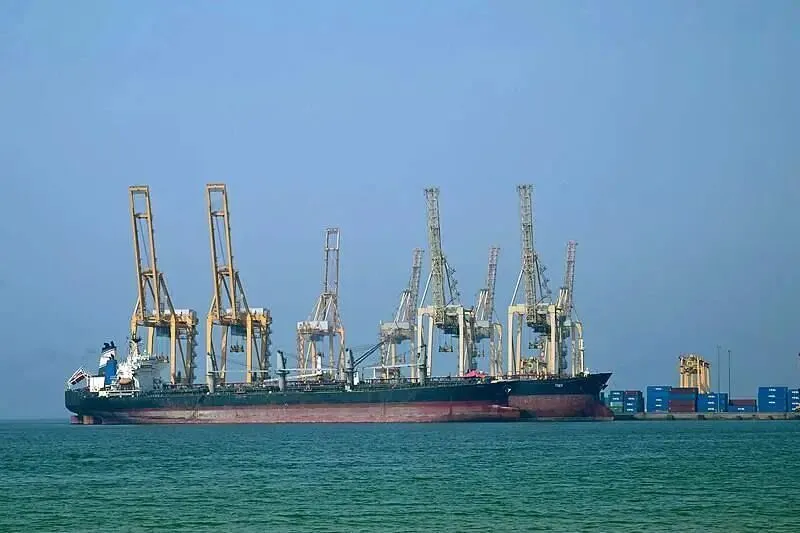
Oil tanker in the Strait of Hormuz (data map)

Executives of several U.S. multinational oil companies recently stated in meetings with U.S. government officials that continued obstruction of shipping in the Strait of Hormuz may lead to further increases in international oil prices, bring volatility to the global energy market, and put pressure on the global economy. U.S. government officials said that "there is nothing that can be done at this time."

According to U.S. news on the 15th, the U.S. government previously held a series of meetings. Energy Secretary Wright and Interior Secretary Burgum met with a number of oil company executives to discuss the impact of the current situation on the economy. These business executives believe that the energy market is affected by the tension. Considering that U.S. oil production will not increase significantly in the short term, the only way to resolve the market turmoil is to promote the restoration of traffic in the Strait of Hormuz.

It is reported that Exxon Mobil CEO Darren Woods warned during the meeting that market volatility may lead to continued rise in oil prices and supply shortages of refined oil. In addition, executives from oil companies Chevron and ConocoPhillips also expressed concerns about current supply disruptions during the meeting.

An unnamed senior administration official said the U.S. government knew oil prices would continue to rise but "there's nothing that can be done right now."

Chevron CEO Mike Wirth previously said that the market is currently "full of volatility and uncertainty and difficult to predict."

The crude oil transported through the Strait of Hormuz accounts for about one-fifth of the world's total oil transportation. As one of the world's top three exporters of liquefied natural gas, Qatar's liquefied natural gas is almost entirely shipped through the Strait of Hormuz, accounting for about 20% of the global supply.

Trump Puts Pressure On NATO Allies: Failure To Facilitate Navigation In The Strait Of Hormuz Will Have Serious Consequences

Xinhua News Agency, Beijing, March 16 (Xinhua) U.S. President Trump put pressure on NATO allies on the 15th, claiming that if NATO cannot assist the United States in normalizing navigation in the Strait of Hormuz, it will face "very bad" consequences. The Trump administration has previously called on many countries to participate in escort operations, but has received little public response so far.

According to US media, the White House plans to announce the formation of the so-called Strait of Hormuz Escort Alliance in the next few days.

Iran shouted to Trump from the air __ Trump inspected the Navy

This is the thick smoke after the air strike in Tehran, the capital of Iran, taken on the evening of March 13. Photo by Xinhua News Agency reporter Shadati

Threaten NATO

Trump gave an eight-minute phone interview to the Financial Times on the 15th, during which he sent a "tough message" about European countries' involvement in military operations against Iran. He said that Europe is an important beneficiary of navigation in the Strait of Hormuz and should help ensure that "nothing happens there." If Europe does not respond or responds negatively, "I think that would be very bad for the future of NATO."

Trump asked for all the assistance the United States needs. He also specifically asked allies to send minesweepers, and he also hoped that Europe would send drones and mines.

In Trump's view, the United States does not need to help Ukraine, which is thousands of kilometers away from the United States, in the Russia-Ukraine conflict. It only does so because of the existence of NATO as a military alliance. "Now we have to see if they help us." He also said that he had long said that NATO is "a one-way street", that is, the United States provides support to its allies, but the allies may not come to help when the United States needs it.

Shipping in the Strait of Hormuz has been nearly completely disrupted since the United States and Israel launched military strikes against Iran. Later on the 15th, Trump reiterated to reporters that about seven countries were interested in participating in the escort, but he did not disclose specific information.

Iran shouted to Trump from the air __ Trump inspected the Navy

This photo released by the Thai Navy on March 11 shows a Thai cargo ship being attacked and on fire in the Strait of Hormuz. Published by Xinhua News Agency (Photo courtesy of the Thai Navy)

Very few respond

According to the Financial Times, Trump had a phone call with British Prime Minister Starmer on the 15th and was particularly frustrated with the British response. He said that the United Kingdom is often regarded as the United States' "number one ally" and "the longest-standing ally", but when the United States makes requests, the United Kingdom is "reluctant to come." According to the New York Times, British Energy Security and Net-Zero Emissions Minister Ed Miliband said on the 15th that the British government was exploring "all options" for air navigation and was discussing related matters with allies, but Miliband did not disclose details.

Takayuki Kobayashi, the political affairs investigation chairman of Japan's ruling Liberal Democratic Party, said on the same day that relevant issues may be discussed when Japanese Prime Minister Sanae Takaichi meets Trump in Washington on the 19th. The South Korean Presidential Office only stated that it "will maintain close communication with the United States" but made no commitment. France has yet to respond publicly.

Australian Minister of Infrastructure, Transport, Regional Development and Local Government Catherine King said on the 16th that Australia would not send naval ships to the Strait of Hormuz. On the 15th, German Foreign Minister Waldful expressed doubts about the possible expansion of EU escort operations to the Strait of Hormuz, believing that there is no need for Germany to participate in it. Wadful also said that Germany requires the United States and Israel to maintain information sharing and clearly inform them of the specific goals of military operations against Iran, "and then discuss with us how to end this war."

According to informed U.S. officials’ disclosure to the Wall Street Journal, some countries have agreed to escort ships through the Strait of Hormuz. However, many countries have not made public commitments due to the risks of escort, but hope to wait until the conflict subsides before intervening. The White House may announce the formation of a so-called convoy alliance as soon as this week, and the timing may change depending on the battlefield situation. Currently, the United States and some countries are still discussing whether escort operations should be launched before or after the conflict ends.

_Iran shouted to Trump from the air _ Trump inspected the Navy

On March 10, in Washington, the capital of the United States, White House Press Secretary Levitt attended a press conference. Levitt told a news conference that the U.S. Navy is currently not escorting any tankers or other ships through the Strait of Hormuz. Published by Xinhua News Agency (Photo by Li Yuanqing)

facing difficulties

According to the "Wall Street Journal", the Trump administration faces difficulties in its military operations against Iran, including strategic-level problems such as increasing instability in the Middle East, the global energy crisis and negative domestic political consequences in the United States, all of which have proven difficult to solve through bombing alone. According to data from the American Automobile Association, the average price of gasoline in the United States surged 26% on the 15th compared with a month ago, and the average price of diesel surged 36% during the same period. Within the Republican camp, some people hope that the conflict will end immediately, while others advocate continuing to attack Iran.

Some U.S. officials and analysts speculate that the Trump administration now has three "imperfect options": first, withdraw from the war to avoid the expansion of the conflict, but this will embolden the power of Iran's hardliners; second, continue to act to further weaken Iran's military capabilities, but will also cause the United States to bear the risk of more casualties and high energy prices; third, the United States and Israel suspend bombings and switch to regular military attacks on Iran in the future, but this will fall into an endless cycle of war.

Trump told reporters on the evening of the 15th that Iran was eager to negotiate and that Iranian Foreign Minister Araghchi’s statement that he had never requested negotiations was “false news.”

Earlier in the day, Araghchi told the US media that Iran had "never asked for a ceasefire or even negotiations" and was "ready to defend itself at all costs." "We don't see any reason why we should talk to the Americans" after negotiations with the United States failed, he said. (ocean)

Sign In

Forgot Password

Sign Up