Professional virtual currency information station welcome
We have been making efforts.

24-hour news update Page 51

24-hour cryptocurrency news update

2026 Shanghai Global Investment Promotion Conference, New Opportunities For Investment And Business Development By Overseas Chinese From Hong Kong, Macao And Taiwan

Is the information about Shanghai Hong Kong and Macao true_Shanghai-Macao cooperation_

"Shanghai, as the forefront of China's reform and opening up and an international metropolis that is deeply connected to the world, is taking the construction of the 'Five Centers' as a guide and making every effort to create a new highland for high-level opening up. The vast number of compatriots from Hong Kong, Macao and Taiwan, as well as overseas Chinese at home and abroad, are a unique and valuable resource for the improvement of Shanghai's urban energy level, an important bridge link between China and the world, and an indispensable advantage in promoting high-quality development and expanding high-level opening up."

Recently, during the 2026 Shanghai Global Investment Promotion Conference and "Invest in Shanghai" event week, the "Gathering in Shanghai to Create the Future" cooperation and exchange meeting between Hong Kong, Macao, Taiwan and overseas Chinese enterprises and Shanghai enterprises was successfully held. Wang Xiaohan, vice president of the Shanghai Overseas Friendship Association and director of the Municipal Overseas Chinese Affairs Office, made the above statement in his speech.

"Shanghai has new changes and new surprises every day, and is full of vitality and profound vitality." Pu Yapeng, deputy director of the Shanghai Municipal Economic and Information Commission, introduced at the exchange meeting that Shanghai's GDP will exceed 5.6 trillion yuan in 2025, ranking first among Chinese cities and fifth in the world. As China's largest economic center city, Shanghai has outstanding advantages in opening up to the outside world. From the development and opening of Pudong, to the Shanghai Free Trade Zone, Lingang New Area, Hongqiao International Open Hub, and then to the Oriental Hub International Business Cooperation Zone, Shanghai has always been at the forefront of China's reform and opening up, and has continued to deepen reform and continuously expand new market space.

From government-level policy empowerment and resource aggregation to a complete and mature industrial ecology and a world-class business environment, Shanghai is leveraging its multiple unique advantages to continue to attract compatriots from Hong Kong, Macao and Taiwan to invest, develop, and share opportunities.

Empower

Currently, Shanghai has achieved multiple breakthroughs in its opening-up measures. Pu Yapeng introduced that Shanghai has completely abolished foreign investment access restrictions in the manufacturing sector, effectively breaking through the barriers for foreign-invested enterprises to carry out value-added telecommunications, cell and gene therapy and other businesses, and successfully opening up new business channels such as bonded remanufacturing and bonded maintenance, creating a more open and convenient development environment for various market entities. As a new highland for global resource allocation, Shanghai's total foreign trade volume exceeds 1.6 trillion US dollars, ranking first in the world's ports, and its container throughput ranks first in the world for 16 consecutive years, providing solid support for enterprises to participate in global trade.

Shanghai-Macao cooperation_Is the information about Shanghai Hong Kong and Macao true_

Overlooking the Shanghai Yangshan Port Phase IV unmanned terminal from the control tower. Xinhua News Agency data map

At the same time, Shanghai is also the first choice for multinational companies to invest. Pu Yapeng introduced that the cumulative actual use of foreign capital in Shanghai exceeds 380 billion US dollars, accounting for one-tenth of the country's total. It has gathered more than 1,000 regional headquarters of multinational companies, 600 foreign-funded R&D centers, and more than 80,000 foreign-funded enterprises are flourishing in Shanghai, forming a good ecology of high concentration and coordinated development of foreign-funded enterprises.

"Shanghai is also a city of science and technology that is full of innovation and vitality, with significant advantages in scientific and technological innovation, and the gathering of innovative entities is accelerating." Pu Yapeng said that the R&D investment intensity of Shanghai's entire society has reached 4.5%, ranking fifth in the world's "Best Science and Technology Clusters" for two consecutive years. In key areas such as life sciences, energy technology, ocean engineering, artificial intelligence, and photonic science, Shanghai has laid out and built a number of national important tools and major scientific and technological infrastructure to provide strong ecological support for scientific and technological innovation and industrial innovation.

Facing the future, Shanghai will continue to safeguard the development of enterprises from Hong Kong, Macao and Taiwan with its long-term policy planning and institutional innovation. At the exchange meeting, Hong Leong Galaxy Co., Ltd. of Singapore injected RMB 500 million into the Shanghai Science and Technology Innovation Center Equity Investment Fund to support technology research and development and industrial implementation of Shanghai science and technology innovation enterprises. This capital injection has set a precedent for foreign investors to set up QFLP funds in their own names to participate in the construction of Shanghai Science and Technology Innovation Center, and has become a landmark case of foreign investment in Shanghai's science and technology innovation field.

As the first QFLP fund pilot city in the country, Shanghai has formed a mature policy system and efficient approval process. Yang Bin, President of Shanghai Science and Technology Innovation Fund, introduced at the scene that the cooperation between Shanghai Science and Technology Innovation Fund and Hong Leong Galaxy of Singapore only took 76 days from the determination of intention to the fund registration, and the approval process only took 12 working days, making it a demonstration sample for overseas capital to conveniently participate in Shanghai Science and Technology Innovation investment.

"China's science and technology innovation is shifting from model innovation to hard technology innovation. Investing in Shanghai's science and technology innovation is investing in the forefront of China's innovation." Yang Bin, president of Shanghai Science and Technology Innovation Fund, said that Shanghai ranks at the forefront of the country in terms of policy maturity, efficiency of the approval process, and facilitation of cross-border capital flows, providing the best institutional guarantee for foreign capital to participate in science and technology innovation investment. At the same time, Shanghai gathers top scientific research institutes and high-end talents, has a complete industrial chain and rich application scenarios, and is a high-quality soil for the transformation of scientific and technological achievements and the development and growth of enterprises.

Deep cultivation

With policy empowerment and ecological support, many Hong Kong, Macao and Taiwanese enterprises have been deeply involved in Shanghai for many years, resonating and growing together with the city. They have become participants and promoters of Shanghai's high-quality development, and have also achieved leapfrog development in global layout with Shanghai's all-round empowerment.

Xie Chengrun, CEO of China National Biopharmaceuticals and Chairman of Chia Tai Tianqing Pharmaceutical Group, shared at the meeting that as a global investment partner of Shanghai and a world-class biopharmaceutical industry cluster partner, China Biopharmaceuticals has invested 1.8 billion yuan to build a global R&D headquarters in the Minhang South Hongqiao section of Shanghai, which will be officially opened in June 2026. At the same time, the Pudong Pharmaceuticals headquarters is also under planning and construction, forming a "dual-zone synergy" development pattern.

"Shanghai's biopharmaceutical full-chain innovation policies, innovative drug green channels, and top medical research resources have strengthened companies' determination to deploy in Shanghai." Xie Chengrun said that Shanghai is an important gathering place for international innovation resources and high-end talents, and is also the core base for China's biopharmaceuticals to promote innovative research and development and achieve industrial upgrading.

In terms of industrial ecological construction, Shanghai is accelerating the construction of a "2+3+6+6" modern industrial system with advanced manufacturing as the core, including accelerating the development of the three leading industries of integrated circuits, biomedicine, and artificial intelligence.

Pu Yapeng introduced at the exchange meeting that the scale of Shanghai's biopharmaceutical industry exceeds 140 billion US dollars, the manufacturing output value exceeds 29 billion US dollars, and there are more than 2,000 regulated biopharmaceutical companies. Eighteen of the top 20 global pharmaceutical companies and 19 of the top 20 global medical device companies have their Chinese regional R&D or production headquarters in Shanghai, leading the world in industrial agglomeration.

Looking forward to the future layout in Shanghai, Xie Chengrun said that in 2024, the company's first innovative drug, Gsolexed Tablets, will be approved for marketing in Shanghai; in 2026, 13 blockbuster innovative drugs at different stages will be transferred to Shanghai for research and development. Relying on Shanghai's open platform advantages, the company has reached in-depth cooperation with international pharmaceutical companies such as Boehringer Ingelheim, Merck, and Sanofi. In 2026, relevant products will be launched and commercially cooperated in more than 50 international markets, moving towards a new level of global development.

Shanghai has also become an important automobile production base in China and even the world. Pu Yapeng said that the city has 9 complete vehicle companies and more than 600 core component companies. It is the city with the highest output of new energy vehicles and the most complete industrial chain in China. The Toyota Lexus pure electric vehicle project has landed in Shanghai, which fully demonstrates the high recognition of foreign-funded enterprises in Shanghai's automobile industry ecology.

Pu Yapeng took Tesla's Shanghai Gigafactory as an example. The project has achieved the Shanghai speed of "starting construction, completing construction, putting into production, and delivering within the same year." The local supply rate of parts within a 4-hour drive around the factory exceeds 95%. The highly collaborative and highly concentrated industrial ecology has the world's top competitiveness. Behind this is the strong support of Shanghai's efficient and pragmatic government services and first-class business environment.

Is the information about Shanghai Hong Kong and Macao true_Shanghai-Macao cooperation_

Tesla Shanghai Gigafactory. Visual China data map

In terms of optimizing the business environment, Shanghai has implemented more than 1,200 reform measures since 2018. Key enterprise services have covered more than 30,000 companies, and a total of 26,000 companies have been helped to solve various development needs, effectively allowing companies to operate with peace of mind and develop steadily in Shanghai.

Taiwan-funded enterprise USI also regards Shanghai as the core fulcrum of global development. Chen Changyi, director of ASE Investment Holdings and chairman of USI Electronics, introduced that USI Electronics was established in 2003 and is headquartered in Pudong, Shanghai. The company's global revenue will reach 60 billion yuan in 2025, nearly half of which will come from Shanghai. Currently, the company's flagship manufacturing base in Zhangjiang is making every effort to promote the construction of smart factories and continue to set new standards for smart manufacturing efficiency.

"The key to Shanghai becoming the core of the company's global layout lies in its complete industrial chain system, highly concentrated R&D talents, and stable and predictable business environment." Chen Changyi said that the industrial collaborative ecology formed between Shanghai and the Yangtze River Delta region provides full-chain support for high-end manufacturing; the company's R&D team of nearly a thousand engineers in Shanghai has become the core force of technological innovation; and the long-term and stable policy environment allows companies to continue to increase investment in R&D.

Talent is the core driving force for innovation and development, and Shanghai is continuing to provide a steady stream of key talents and platforms for the growth of cutting-edge industries. According to Pu Yapeng, currently, Shanghai’s higher education population is close to 10 million, more than 300,000 talents who have returned from overseas studies have started their own business and developed in Shanghai, and there are more than 180 academicians in the two academies of science and technology in Shanghai. 70% of the country’s civil aviation talents, 50% of 5G talents, 40% of integrated circuit talents and 33% of artificial intelligence talents are gathered in Shanghai. 69 universities and 120 national-level R&D institutions form a strong innovation matrix.

Chen Changyi also pointed out that the high-end manufacturing industry has the characteristics of high investment and long cycle, and relies more on long-term and stable manufacturing environment and institutional guarantees. The steady growth of enterprises in the city will also drive the upgrading of the entire industrial chain. If the leading enterprises are stable, the supply chain will be stable. "Our investment in Shanghai is not just an investment in a market, but also an investment in a future-oriented manufacturing standard."

As a Taiwanese businessman who has lived in Shanghai for 26 years, Chen Changyi said frankly that Shanghai's urban order, administrative efficiency, and mature and complete education and medical facilities have given enterprises and individuals a deep trust in this city. Enterprises not only deploy their core capabilities in Shanghai, but also make Shanghai their "home".

At the new starting point of the "15th Five-Year Plan", opening up on both sides of the Pujiang River is booming. The global capital, advanced technology and international vision brought by enterprises from Hong Kong, Macao and Taiwan have injected continuous vitality into Shanghai's high-quality development. With its open and inclusive urban spirit, pragmatic and efficient government services, and complete and mature industrial system, Shanghai continues to become the preferred place for investment and business development by enterprises from Hong Kong, Macao and Taiwan.

Ma Huateng Pays Attention To The Popular "lobster" AI Application, Tencent's AI Business New Progress And Financial Report Interpretation

The "lobster" AI application that has exploded across the Internet recently has become the focus of Tencent CEO Ma Huateng.

"After the 'lobster' type application was launched at the beginning of this year, the industry quickly realized that in addition to the two major directions of ToC-side chat robots and ToB-side AI programming, AI has opened up a new office scene track. When the office scene is deeply integrated with various terminal hardware, a new decentralized entrance will be created, and the corresponding AI use demand will be generated for ordinary consumers and office groups at the same time." On March 18, at the performance exchange meeting after the release of the annual report, Ma Huateng said.

In Ma Huateng's view, "lobster" applications do not require users to stay in front of the screen waiting for feedback results. At the same time, they have continuous memory capabilities and distinctive personalized features. They are more like a real assistant and have a vivid "feeling of a living person". The new AI implementation scenarios opened up by "Lobster" have also opened up more business fronts for Tencent to explore.

Ma Huateng shared his thoughts on "shrimp farming" for the first time: AI must have a "feeling of a living person", and WeChat will implement an AI intelligent agent__ Ma Huateng shared his thoughts on "shrimp farming" for the first time: AI must have a "feeling of a living person", and WeChat will implement an AI agent

On March 18, Tencent Holdings (0700.HK) officially released its fourth quarter and full-year performance report for 2025. Data show that in the fourth quarter of 2025, Tencent achieved revenue of 194.37 billion yuan, a year-on-year increase of 13%; adjusted operating profit was 69.52 billion yuan, a year-on-year increase of 17%. From a full-year perspective, Tencent's total revenue in 2025 will reach 751.77 billion yuan, a year-on-year increase of 14%; adjusted net profit will be 259.626 billion yuan, a year-on-year increase of 17%.

This year, the core focus of the industry is almost entirely in the field of AI. Regarding the layout and planning of this track, Ma Huateng and Tencent executives gave detailed responses at the performance meeting.

What has the "lobster" craze brought to Tencent?

Ma Huateng said that in the past, most of the core entrances to AI applications were chatbots, and many underlying capabilities could not be fully released. However, after new scenarios emerge, Tencent can reintegrate the PC-side product matrix and Tencent Cloud's various capabilities to give full play to its own product matrix and ecological advantages. At the same time, "lobster" applications also provide new ideas for the WeChat AI functions that Tencent is planning and developing. In the future, every small program can be intelligent and "lobster-like" transformed, and can be called through API interfaces or command lines.

The previously launched Yuanbaopai product also allowed Tencent to see that there is still room for improvement in the context understanding efficiency of current agents in processing complex tasks, especially in multi-person scenarios. It needs to complement the file system, local database and memory parameter capabilities of "lobster" applications. Tencent's technical team will also fully absorb new technologies and achievements in the industry and continue to optimize products.

Talking about the relationship between the decentralized nature of "lobster" applications and the centralized nature of WeChat itself, Ma Huateng said frankly that WeChat itself is a centralized App, but its internal ecosystem is completely decentralized and currently accommodates hundreds of thousands of active mini program merchants. How to integrate the decentralized concept of "lobster" applications into the WeChat ecosystem in the future is a proposition that the team needs to focus on.

"All ecological service providers are worried about being 'short-circuited' and 'channelized' by AI agents – if the agents only call the underlying atomized services and no longer guide users to enter merchants' stores and mini-programs, service providers will inevitably be unable to accept such a model. They would rather retain their own traffic and entrances. Therefore, we must fully consider this core appeal when doing ecological design." Ma Huateng made it clear that the layout of centralization and decentralization needs to be promoted simultaneously in the future.

Tencent President Liu Chiping also disclosed at the meeting that Tencent has formulated a clear AI strategic plan and will implement a number of key actions in the next two to three quarters, and will also release quantifiable business progress in the future. At the large model level, Tencent has completed intensive team adjustments and upgrades in the past few months, reconstructing the organizational structure and work processes to make the organizational operation efficiency more suitable for the pace of AI R&D; at the same time, it has rebuilt the pre-training and reinforcement learning infrastructure to comprehensively improve data quality. Based on these layouts, Tencent is confident in creating large models with stronger intelligence in the future and further speeding up the overall iteration speed. In addition, Tencent will continue to deepen its efforts in the fields of video models and world models.

Liu Chiping said that the promotion effect of Yuanbao during the Spring Festival far exceeded expectations, and it achieved considerable new installations. Next, the team will improve user retention and activity through continuous product iteration, focusing on optimizing core capabilities such as voice dialogue. The current data has clearly shown that the upgrade of Yuanbao's capabilities will directly drive positive growth in user activity and retention rates. In addition to the existing functions of Yuanbao Pai, more differentiated features will be launched for Yuanbao in the future. In fact, WeChat has already implemented a number of AI-related layouts: search scenarios have been intelligently upgraded, AI technology has been deeply used in content recommendation and product recommendation, mini program developers can use AI tools to complete programming work, Yuanbao Dialogue Assistant has also accumulated a stable user group in WeChat, and many AI functions have completed preliminary testing in the WeChat ecosystem.

Liu Chiping made it clear that one of Tencent’s next core plans is to create an exclusive AI agent within WeChat. This agent will rely on the WeChat ecosystem to form a deep connection with users, opening up full-link capabilities such as mini programs, social networking, and payment. It can not only achieve natural dialogue with users, but also complete various complex scenario-based tasks.

Ma Huateng shared his thoughts on "shrimp farming" for the first time: AI must have a "feeling of a living person", and WeChat will implement an AI agent_ Ma Huateng shared his thoughts on "shrimp farming" for the first time: AI must have a "feeling of a living person", and WeChat will implement an AI agent_

AI investment will double in 2026

Liu Chiping revealed that Tencent will continue to increase investment in the AI ​​field: Tencent's investment in the research and development of new AI products will reach 18 billion yuan in 2025, and this number will at least double in 2026.

The steady growth of Tencent's core business provides sufficient financial support for increased investment in AI. Liu Chiping said that due to the procurement gap of computing hardware such as GPUs in 2025, Tencent will make greater efforts in stock repurchases; in 2026, if the procurement of computing hardware can be successfully completed and capital expenditures meet the company's expectations, the scale of repurchases may be moderately reduced. Overall, the repurchase budget will maintain flexible room for adjustment. As long as there are sufficient resources to support the long-term development of the AI ​​business, Tencent will prioritize investment, which will also create more considerable long-term returns for shareholders in the future.

Talking about the supply of chips and related hardware, Tencent executives said that in addition to GPUs, core hardware such as CPUs and storage are currently facing tight supply. Suppliers usually give priority to ensuring the supply of large-scale procurement partners. Tencent Cloud has previously signed multiple long-term procurement contracts. Leading cloud vendors have a greater probability of obtaining scarce hardware resources and further subletting them to customers. Because of this, domestic cloud service prices have continued to decline for a long time. It was not until the industry-wide supply shortage occurred that cloud service prices began to rise. If the supply chain tension continues, cloud service prices are likely to undergo further adjustments in the future.

It is worth noting that Tencent also revealed at the media communication meeting after the release of the financial report that the HY3.0 version of its Hunyuan large model is currently in the internal business testing stage and is planned to be officially released in April this year.

It is understood that HY3.0 is a major upgrade of Tencent's Hunyuan large model. Compared with the HY2.0 version, the overall effect has greatly improved, and the reasoning ability and agent capabilities have been significantly improved. Since the second half of 2025, Tencent Hunyuan team has completed a comprehensive reorganization of the team and R&D process, focusing on optimizing data quality, while rebuilding the core infrastructure of pre-training and reinforcement learning. These layouts will greatly improve the efficiency of model iteration and help create a base model with a higher level of intelligence.

In the future, AI will not be “one size fits all”

Talking about the fierce competition faced by Hunyuan, Tencent management said frankly that the future AI world will not be a one-size-fits-all monopoly, but a diversified world with multiple models and professional division of labor. Just as the evolution from PC Internet to mobile Internet has given rise to countless applications, the AI ​​era will also move towards distributed and decentralized technology. Different models will have their own strengths in different areas such as code, long text, multi-modality, etc.

Under this pattern, Tencent's core advantage lies in its ability to reach users across PC, mobile, and cloud, as well as its in-depth coverage in diverse scenarios such as social networking, games, and content. The hybrid model will be closely integrated with decentralized ecosystems such as mini programs, allowing agents to have the ability to autonomously perform complex tasks, thereby providing unique value to users.

Tencent management said that with its strong ecosystem and application scenarios, Hunyuan can become one of the excellent models that users and enterprises can choose based on cost-effectiveness and performance needs.

On the day of the results release, topics related to Tencent employee salary also appeared on the hot search list.

Financial report data shows that as of December 31, 2025, Tencent's total number of global employees reached 115,849, compared with 110,558 employees at the end of 2024, with 5,291 new employees throughout the year. At the same time, the financial report disclosed that Tencent's total salary cost in 2025 will be 130.7 billion yuan, a year-on-year increase of 15.87%; based on this calculation, the per capita annual salary cost of Tencent employees in 2025 will be approximately 1.128 million yuan.

On The 18th Day Of The US-Israel War, Iran's No. 2 Figure Was Assassinated, And The Situation Fell Into Crisis

| This article was first published in Tencent News

On March 18, the US-Israel-Iraq war entered its 18th day. With the assassination of Iran's No. 2 figure, the "meat grinder" at the military level is still running at high speed.

However, what really worries Washington is the unprecedented resignation protests within its intelligence system and the serious rift between the two sides of the Atlantic over the issue of "paying for escorts." According to many strategic analysts, this military operation, which was originally intended to be a quick victory, is facing a huge disaster that will backfire on its own strategy.

Iran’s No. 2 figure is assassinated, US and Israel’s “desperate assessment” leaked

Iranian experts were attacked_Iran finally told the truth_

In a series of attacks on Iran's command center, Israel announced the successful assassination of Ali Larijani, secretary of Iran's Supreme National Security Council and a core figure of the pragmatists. This news was subsequently confirmed by Iranian officials and Larijani’s social accounts. Israeli Prime Minister Netanyahu tried to package this as a decisive victory that completely shaken the Tehran regime, and continued to incite the Iranian people in public to launch an uprising to overthrow the government.

However, an Israeli diplomatic cable leaked to the US Embassy in Jerusalem shattered this political propaganda. In this top-secret assessment, Israeli officials privately admitted that Iran’s Islamic Revolutionary Guard Corps (IRGC) is in complete control of the domestic situation, and that the regime not only “does not have any cracks” but is fully prepared to “fight to the end.”

This not only exposed the gap in Tel Aviv's strategic expectations, but also confirmed that Iran still maintains strong systemic resilience and defensive determination after experiencing continuous extreme pressure.

Tel Aviv attack, UN warns of 'war crimes'

Iran finally told the truth__Iranian experts were attacked

Retaliation on the battlefield is spiraling in ways that continue to break the mold.

At midnight, Iran launched a ballistic missile carrying a cluster warhead into central Israel, severely damaging the Ramat Gan area around Tel Aviv. At the same time, Iran's long-range firepower network continues to extend to Jerusalem and the West Bank. The U.S. Embassy in Baghdad was attacked intensively by suicide drones for two consecutive nights.

On the northern front, Israel's indiscriminate bombing of dense residential areas in southern Lebanese cities (such as Tyre) has led the United Nations Human Rights Office to officially issue a warning that its actions may constitute "war crimes."

In order to regain control of the strategic waterway, the U.S. Central Command (CENTCOM) dropped extremely destructive 5,000-pound heavy ground-penetrating bombs along the Strait of Hormuz in an attempt to completely destroy Iran's anti-ship cruise missile positions. This use of strategic-level deterrent weapons to attack tactical targets highlights the deep anxiety of the US military in the face of a long-term blockade of the Strait. However, the indiscriminate pouring of firepower did not bring the expected security, but instead accelerated the evolution of the living environment in the entire Middle East into a "scorched earth".

Counter-terrorism chief resigns, uncovering 'war hoax'

Iranian experts were attacked__Iran finally told the truth

Compared with the smoke of war in the Middle East, the turbulence in the inner circle of Washington's politics is equally intense.

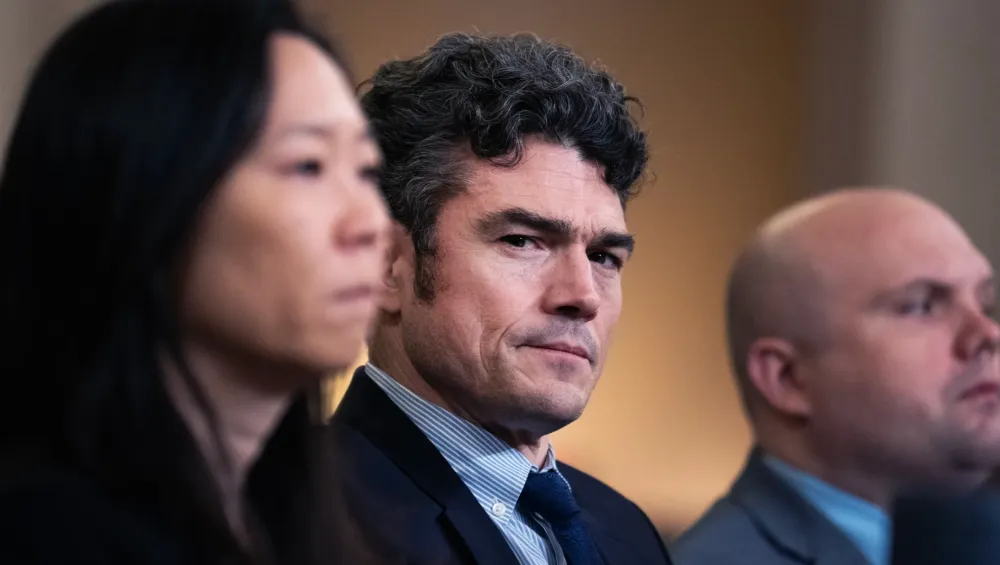
Joe Kent, director of the National Counterterrorism Center (NCTC), suddenly announced his resignation and made serious accusations against the Trump administration in his resignation letter. Kent bluntly pointed out that Iran did not pose the so-called "imminent threat" at all, and that the war was completely a hoax carefully concocted by Tel Aviv and its US lobby through disinformation to induce the United States to repeat the mistakes of the Iraq War.

This accusation was immediately confirmed by high-level British intelligence. According to British National Security Advisor Jonathan Powell, during the final negotiations in Vienna two days before the war began, Iran had made substantial concessions on its nuclear program, and a "peace agreement that could avoid war is within reach." However, just 48 hours later, missiles from the US-Israeli coalition roared in. This deliberate stifling of opportunities for peace is not only untenable under international law, but has also plunged the U.S. national security apparatus into deep moral and strategic divisions.

This counterattack from the top of the intelligence community severely weakened the legitimacy narrative of the war. Although Trump angrily countered in front of the media that Kent "has always been weak on security issues" and the White House spokesperson also tried his best to defend him, this resignation has inevitably opened a huge rift within the Republican Party and American society.

This military operation not only faced severe scrutiny under international law, but also encountered subversive doubts within the US national security apparatus.

The final bankruptcy of Hegemonic Escort

On the diplomatic battlefield, Trump’s relations with his European allies have dropped to a freezing point.

According to senior Republicans, after many countries refused to participate in escorting the Strait of Hormuz, Trump expressed strong dissatisfaction and posted a fierce message on social media, declaring that the United States, as the most powerful country, "does not need the help of NATO and Europe at all." However, this emotional statement did not change Europe's strategic stance.

British Foreign Secretary Cooper made it clear in the House of Commons that the UK will never "outsource" foreign policy to Trump, and that the Royal Navy may participate in maintaining order only after a comprehensive ceasefire agreement is reached. French President Macron even directly declared that under the current background, France will never participate in any military operation to reopen the strait.

At the same time, the economic backlash caused by the war was spreading to Europe. German Chancellor Friedrich Merz was forced to issue an emergency decree limiting gas stations across the country to only raise fuel prices once a day to curb panic inflation caused by the Channel blockade. Kaya Callas, the EU's high representative for foreign affairs, even bluntly called on the United States and Israel to end the war as soon as possible to "preserve dignity."

Guangxi Pubei County Responds To Netizens’ Reports On Pollution Issues At Garbage Dumps And Transfer Stations

On March 18, the Guangxi Pubei County Agriculture and Rural Affairs Bureau issued a situation report:

On March 17 and 18, 2026, some netizens posted videos reflecting the pollution at the garbage dump site in Xintang Village, Zhanghuang Town, our county, and the pollution at the garbage transfer station in Quanshui Town, among other related issues. The Pubei County Party Committee and County Government attached great importance to it and immediately established a joint working group involving agriculture and rural areas, comprehensive law enforcement, housing construction, ecological environment, relevant towns and other units to carry out on-site verification and rectification of the problems reflected in the video. The relevant situation is now reported as follows.

1. Regarding the reported issue of “pollution from the garbage dump in Xintang Village”. After verification, the location involved in the problem is located in Xintang Village, Dapo Village Committee, Zhanghuang Town, Pubei County, with more than 40 tons of garbage piled on site. The working group immediately mobilized forces to conduct a comprehensive cleanup of the dump site, and standardized the transfer to the county waste incineration power plant for disposal. The problem has been resolved.

2. Regarding the reported issue of “pollution from the Quanshui Town Garbage Transfer Station”. After verification, the location involved in the problem is located at the waste transfer station in Quanshui Town, Pubei County, which is used for temporary storage of domestic waste before being transferred to the county waste incineration power plant for disposal. More than 160 tons of untransferred garbage were piled on site. The working group immediately mobilized forces to transfer and dispose of the garbage at the transfer station. 24 poultry discarded on site were treated harmlessly. The problem has been dealt with.

3. Regarding the reported issue of “the poster was blocked from filming the rectification scene”. After verification, it was found that at the time of the incident, garbage removal and mechanical operations were being carried out at the Xintang Village garbage dump site of Dapo Village Committee, Zhanghuang Town. In order to ensure site safety and smooth construction, temporary persuasion was provided to those entering the site. Due to the simple working methods of the on-site staff and insufficient explanations, misunderstandings occurred. The Zhanghuang Town People's Government has severely criticized and educated the relevant personnel.

The problems exposed by netizens this time reflect that we still have shortcomings and loopholes in domestic waste disposal. We humbly accept criticisms and suggestions from all walks of life, draw inferences from one example, and make strict rectifications. We organize and carry out investigation and rectification of hidden dangers in domestic waste disposal throughout the county, continue to strengthen the construction of domestic waste collection, transfer, and disposal systems, and continuously improve the rural living environment.

Thanks to the general public and netizens for their concern, support and supervision.

Source: "Pubei Release" WeChat official account

I Started Reading Katherine Jamie’s Prose In 2016 And Started My Journey Of Exploring Contemporary British Nature Literature.

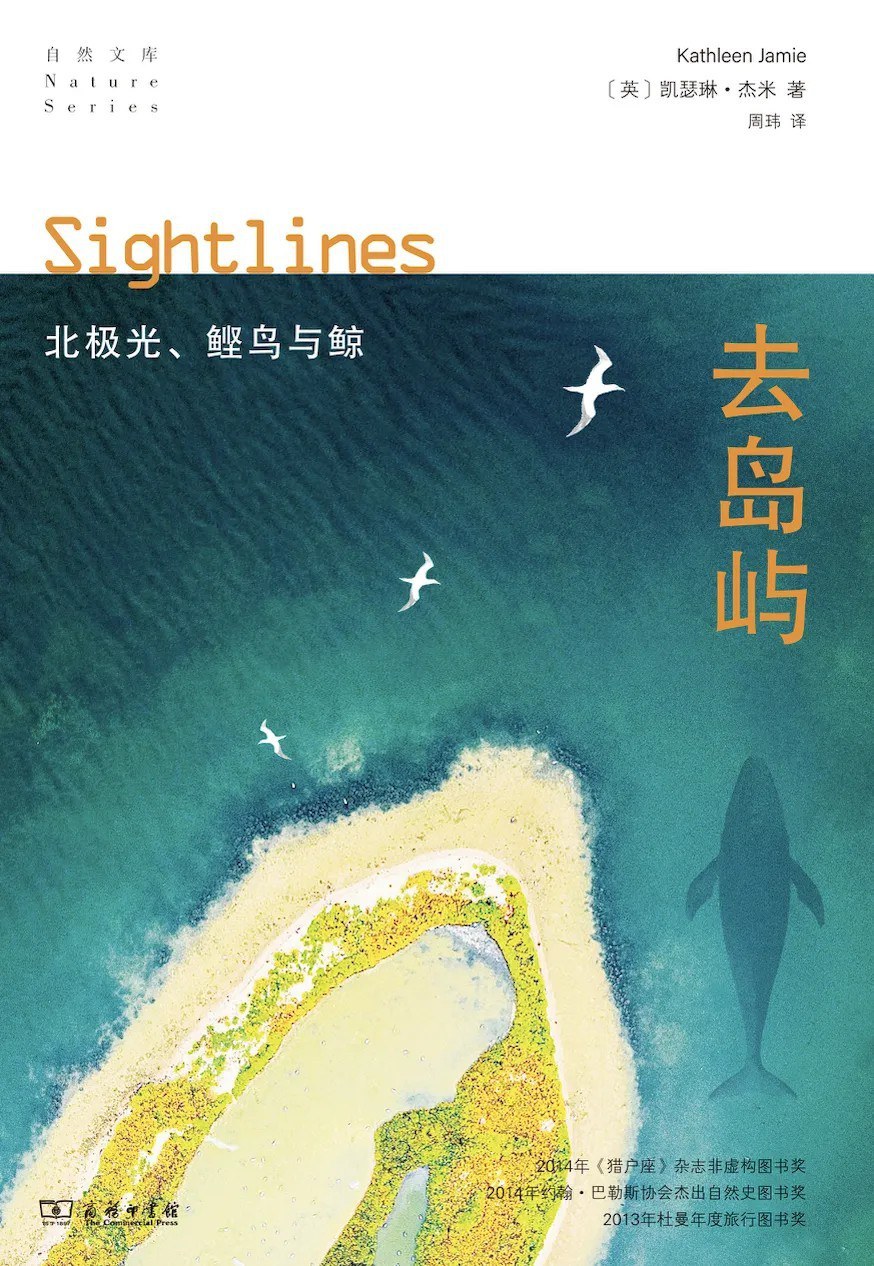
In 2016, I read the prose works of Scottish poet Kathleen Jamie for the first time. I was a visiting scholar at Oxford University at the time, and while browsing the bookstore, I noticed two collections of essays published by Jamie: Findings and Sightlines. The cover of the former showed a peregrine falcon, soaring over the Scottish Highlands, while the latter showed a group of seabirds flying in the blue sky. Their snow-white bodies and black wingtips contrasted sharply. The postures of these flying birds were so relaxed and free that it was fascinating. I remembered this writer's name, and later encountered him repeatedly in relevant reviews of "New Nature Literature," so I began to dabble in representative works of contemporary British nature literature.

The label "new nature literature" was first proposed by Jason Cowley, editor-in-chief of the famous British literary magazine "Granta". In 2008, "Granta" magazine published the 102nd "Special Edition", which included 18 contemporary British and American authors. Among them, British writers include Richard Maby, Roger Deakin and Robert MacFarlane who have been translated and introduced in China in recent years. Catherine Jamie's essay "Sickness" was also published for the first time in this special issue, and was later included in her collection of essays Sightlines (the Chinese translation is called "Going to the Island"). In the preface, Cowley classifies the lyrical pastoral tradition of British Romantic writers as "old-school nature literature" and points out that contemporary creators no longer only enthusiastically praise and indulge in nature, but also view it with a "scientific eye" and write with "literary techniques", so it is a new nature literature. Although this distinction is too simplistic, the label was still used by British academics and media. In short, "new nature literature" corresponds to the prosperity of contemporary British nature literature creation in the past two decades. Its typical creations are non-fiction works, usually using personal narratives, focusing on meticulous observation of field scenes, focusing on exploring the intricate relationship between nature and culture, and reflecting on the impact of human activities on the ecological environment.

Scots language __ Scots dictionary

Catherine Jamie

Among the important writers of the "new nature literature" genre, Catherine Jamie is the only poet. Her perspective is the most unique and her writing style is distinctive. She once wrote in her autobiography: "My thoughts have what Robert Louis Stevenson called a 'strong Scottish accent'". Let’s first review her creative career.

Scots dictionary _ Scots language _

"Going to the Islands: Northern Lights, Boobies and Whales"

Catherine Jamie was born in Renfrewshire, Scotland on May 13, 1962, and grew up in Currie, Midlothian. Currie is located in the western suburbs of Edinburgh, with the city center at one end and the Pentland Mountains at the other, only a few kilometers away from home. Jamie mentioned in later interviews that this was her footing, somewhere between the city and the mountains. Her mother is a law firm clerk and her father is an accountant. Catherine is the eldest daughter in the family, with one younger brother and one younger sister. This is a family with no literary background. The only books in the family are Robert Burns' poetry collection and the Bible, and Jamie began writing poetry at the age of fifteen.

Writing poetry was an odd thing to do in such a family, so Jamie always wrote secretly. Writing poetry is a "real and liberating" creation for her. She cherishes it extremely and has inexplicable confidence in her creation. After graduating from high school, she volunteered to join an archaeological excavation project (the article "Women in the Wild" in "To the Island" recalls this past). The exam results were not ideal, but she was unwilling to consider the librarian position or secretarial college suggested by her mother. Later, she persuaded her parents to repeat her studies at night school, and finally entered the University of Edinburgh to major in philosophy. If Deakin, MacFarlane, and Mabey, the other representative writers of the "new nature literature", can be counted as the "East Anglia Gang", they all live in the seaside lowlands in the east of England, including Norfolk, Suffolk, and Cambridgeshire, which were once full of swamps and had a long farming tradition. Jamie is a native resident of the Scottish Highlands.

During her undergraduate studies, Catherine completed her first collection of poems, Black Spider, which was published in 1982 and won the Eric Gregory Poetry Award and the Scottish Arts Council Book Award. At the age of 20, she decided to drop out of school and took her prize money to travel to distant places, across Eurasia, and in northeastern Pakistan. She later wrote a travelogue, The Golden Peak (1992). After returning to China, her scholarship ran out and she soon found it difficult to make a living writing poetry. She was always in financial straits, and twice she finally decided to sit down and write a novel. However, after writing 30,000 words, she put down her pen and asked herself: "What are you doing? I can do it with a twenty-line poem…"

So she continued to write poetry. In the next thirty years, she published seventeen collections of poems and won many national poetry awards. In 2021, Catherine Jamie was elected as Scotland's national poet (Scots Makar). She is the fourth poet selected by the Scottish Parliament since this honor was established in 2004.

The themes of Jamie's early poetry were closely linked to Scottish national identity. The collection of poems Queen of Sheba (1994) occupies an important position in the history of modern Scottish poetry. This is a collection of poems written in English and Scots. One of them, "Mr and Mrs Scotland Are Dead", is a representative poem of this period. This poem was originally translated and introduced by Professor Zhang Jian from the School of English at Beijing Foreign Studies University and included in his translation book "Modern Scottish Poetry". In the preface, he introduced the revival of Scottish poetry in the 20th century and talked about how Jamie's poem raised the issue of how to treat Scotland's cultural heritage through the death of the two old men, "Mr. and Mrs. Scotland." "The old man's relics include industrial, agricultural, cultural and tourism products, which are being piled up in garbage dumps and facing the danger of being bulldozed away. As a contemporary Scotsman, the poet believes that the death of her country depends on whether future generations can inherit and carry forward the above-mentioned heritage."

The 1999 collection of poems "Jizzen" (Jizzen, 1999) marked a change in the poet's creative focus. In her thirties, she became a mother for the first time. Her complex feelings about the birth experience, her reflections on her childhood life, and her thoughts on culture and nature, existence and belonging were all written into this slim collection of poems. Childbirth won the Jeffrey Faber Memorial Prize, and she soon had her first teaching position, teaching creative writing at the University of St. Andrews. Her colleagues include Robert Crawford, John Burnside and Don Patterson, all of whom were a new generation of Scottish poets active in the 1980s and 1990s.

In the later poetry collections "The Tree House" (2004) and "The Overhaul" (2012), the poet's sensibility and philosophy more frequently rested on all things in the world – alders, swallow's nests, daisies, seabirds moulting, stags, the moon, and even a puddle. She pays attention to nature and also thinks about human beings' place in the world. There is a group of poems in the collection of poems called "Comprehensive Overhaul", called "Five Sonnets on the River Tay". The last one talks about the exposed sand embankment and thin trickle of water on the river bank after the tide recedes. It is the charming scenery on her commute, which can be reached by walking through two fields. , but such a walk away from daily life has never been realized. She just plays with an idea and lurks a suspense at the end of the poem: "One day I will drive to the meeting place a mile away from home and park the car there/When they find out, the engine buzzes softly." Jamie's poetic style often reminds me of William Carlos Williams. The poems are written in concise spoken language, derived from daily poetic thoughts, and the clear and direct images seem to be those decisive moments captured by Cartier-Bresson's lens.

In 2015, Jamie published a collection of poems, The Bonniest Companie, which included the results of her "Poetry Weekly" in 2014. Since 1979, there have been increasing calls for the devolution of legislative power to the Scottish Legislature, and the 1997 referendum produced substantial results: after 300 years of vesting legislative power in the Kingdom of Great Britain, the Scottish Parliament would reconvene. On September 18, 2014, Scotland launched an independence referendum. In the end, 45% of the citizens voted in favor and 55% voted against. Scotland failed to leave the United Kingdom. The poet called it a "year of tremendous energy" in Scotland, and she threw herself into it creatively. Reading these 47 short and concise poems is like following the poet's footsteps through spring, summer, autumn and winter, through the cities and wilderness of Scotland, and sometimes following the poet's memory to salvage history and myths.

Some important themes are written repeatedly, and poetry and prose form an intertextuality. For example, the change of light at the turn of winter and spring in mid-February is the earliest sign of spring for northern residents with long and cold winters, and a joyful "day when the light returns." The essay "Light" in "To the Island" writes about this momentous moment.

The prose "Light" was exactly the passage that editor Hu Xiaokai sent me for trial translation. At that time, we already realized that this was a prose written by a poet, and the translation of such text must not be abrupt. I remember the careful state of mind when I repeatedly considered the words, sentence structure and tone. I also remember being shocked when I read the original sentence "The sun is like a razor, slowly moving across the grass, willow branches, apple trees and birch trees." Jamie writes that in the third week of February, a certain point has been reached where the sun suddenly rises and the light returns. I have a similar experience. I also live in the north. I am also very sensitive to the changes in light at the turn of winter and spring. For two consecutive years, I wrote the same diary in the second week of February because I noticed that the sunshine at five o'clock in the evening was so bright, as if I had gotten rid of the sluggishness of the long winter and had a new look. I'm reminded of a passage in Jamie's first collection of essays, Findings, from "Darkness and Light," in which she writes that she "loves the precise gestures of the sun at this time of year. When the sun finally rises over the mountain peaks, the sun shines directly through our kitchen window. A beam of light hits the dining table and illuminates the entire living room. However, within an hour, south to the southeast, the sun will once again set behind the mountains, leaving only a few hours of gradually dimming twilight." These paragraphs describing light were the beginning of my interest in Jamie’s prose.

Jamie began to try non-fiction writing when she was forty years old. She mentioned in her autobiography: "I remember standing in the Scottish literature and nature/outdoor writing area of ​​a bookstore, looking through works, and thinking: 'There are no books I want to read here, they don't exist.'" In the next two years, she completed her first collection of essays, Findings, which was published by the independent publishing organization Sort of Books in 2005. At first neither the publisher nor the media could grasp the style of this collection of essays. Travel literature may be the closest label, but in addition to bird watching, whale watching, and salmon migration watching, other destinations are unexpected, such as going to experience darkness and light in the prehistoric tombs of Meshowe, "investigating" the Edinburgh skyline in the field of telescope, and even viewing pathological specimens in the College of Surgeons Museum. These proses are composed of fragments connected one after another, with jumping narrative and calm tone. They are completely different from the style of nature literature that I am used to reading before.

There is an essay in the book titled "Peregrine Falcon, Osprey, Crane", which forms a meaningful contrast with J.A. Baker's masterpiece "Peregrine Falcon". There was a pair of peregrine falcons on the cliff near Jamie's residence. On a dry April day with little rain, she listened to the female falcon's call every day and heard the male's response two weeks later. Peregrine falcons rarely have breeding pairs in the local area. Throughout the spring and summer, she continued to pay attention, using a telescope by the window to observe the peregrine falcons mating, preening, and bringing prey back to their nest sites. The light of the sunny day after the heavy rain is bright and clear, and the male falcon looks so real: "smooth gray back, beak and claws as bright as buttercup flowers." Jamie bought Baker's "The Peregrine Falcon" and read it from the beginning, gradually realizing that the lone man's obsession with birds and the narrative that accompanied it had almost become a tradition, while her bird-watching experience was very different: "In between doing the laundry and picking up the kids from school, birds entered my life. I listened. Car Oystercatchers when the stream takes a break. On the primary school playground, there are only a few sparrows left – chirping in the corners of the eaves… Birds exist on the edge of my life." In just a few strokes, Jamie reveals a common and real female situation, and opens up a "bird watching" narrative that is different from the traditional model.

Jamie's prose writing is similar to her poetic style, with concise language and less use of adjectives and adverbs. She keeps a distance from the subject of her writing and does not stare with all her strength. This kind of viewing is not rough, but seems to be a sense of prudence and propriety. Sometimes I feel a little dissatisfied with her plain descriptions, but I am also curious about the direction of the text. If I read it calmly, I will suddenly be struck by the wonderful imagery. As Adam Nicholson said: "Very few people write about nature and travel in this way: they achieve the precision and sensitivity of poetry, but the basis of writing is always ordinary everyday life."

One day Jamie rode her bicycle to the Tay River and saw ospreys and a large group of swans. When she was satisfied and ready to go home, she noticed a large bird flying in the sky that she had never seen before. She hurriedly took out her binoculars. The big bird flew directly overhead. She knelt on the ground and looked up carefully, relying entirely on her eyesight and memory: "Look at the wings… straight, rectangular, with black, fingertip-like feather tips. Look at its flight – it's not like a heron. The flapping of its wings seems not strong enough or confident enough, but… trembling." "I was like a medieval farmer who had received divine enlightenment, kneeling in a field, locked by this mysterious cross in the sky. Then, the big bird slowly flew out of my sight, and I rushed home like an excited child, carefully holding its image in my mind like a bowl full of clear water – never spilling a drop." This description portrays the mentality of a birdwatcher very vividly, and the metaphors used are unforgettable.

In 2012, Sightlines, a companion volume to Findings, was published. Jamie's second collection of essays continues the style and themes of his first book. This book won the Royal Geographical Society's Nice Prize. The award citation called it "writing at the intersection of nature, culture and travel." Jamie's thoughts on this were: "It is indeed true. Nature, culture and travel, written by a Scottish woman with a young son. (Sometimes 'travel' means going to the post office, or the end of the park! But there are also islands and archaeological excavation sites." Seven years have passed. Jamie's children have gradually grown up, and the restrictions on time and space have become much looser. She still roams around Scotland most of the time, such as visiting the isolated island of St. Kilda west of the Hebrides, but her footprints also extend to more distant places, such as Greenland and Spain. We named the Chinese translation of Sightlines as "Going to the Island" because the island travel notes are the most important and more representative.

In the process of translating this book, I once again noticed Jamie’s tendency to de-romanticize and suppress lyricism when describing nature. Also writing about icebergs, Barry Lopez has an affectionate tone and gorgeous diction ("Arctic Dream"), while Jamie looked at the slowly approaching icebergs and "felt a huge and frozen indifference." Her associations are sometimes quite personal: the "heavy, eerie green" of the water evokes the "shameful" memory of a rubber mat in her mother's hand as a child. Modernity and nature sometimes overlap: the green color of the aurora "is exactly the same as the green color flashed by the radar when the information reader on the ship displays the longitude and latitude", and the gorgeous and changing aurora "is more like a grand event presented by technology". Making the grand everyday is also a strategy: "If Green Aurora could be tasted, it would fizz on the tongue and taste like mint cream." But the poet's sensibility is divergent and he is not obsessed with one moment or one experience. The next moment, "The aurora turned into a long trail falling down, reminding me of whale baleen. Sieve, what to sift? Stars, souls or particles? Let's imagine that the aurora is a huge whale, and our ship is sailing into its jaws." Such a deep, boundless, and grand image appeared. I was surprised by this explosion of poetic imagination, and there was no trace of the leap from heaviness to lightness.

Jamie's concern for seabirds and cetaceans became more and more profound. She was no longer content to just watch, but devoted herself to volunteer work. The prose "Island of Rona" describes Jamie's experience with the expedition team investigating the white-rumped petrels on Rona Island. This is a rare bird species that is in decline and has a breeding colony on the island. She personally participated in the counting and recorded the calls of petrels in the cracks of the stone wall. She also helped clean whale bones in the Whale Hall of the Natural History Museum in Bergen, Norway, using small toothbrushes, toothpicks and cotton swabs to handle the giant skeletons, while thinking about the past and present lives of whales – "from exploding darts, cutting off skin, flesh and fat, to soft sponges and toothpicks – this is how they have withstood all aspects of human attention." In these essays, Jamie vividly records the work sites of field investigators and specimen preservation experts, and does not forget to restore those interesting conversations. She is an excellent listener. When she thinks about the relationship between humans and nature, her favorite word is negotiation. “It’s arrogant to think you can influence the world; it’s also arrogant to think you can’t influence the world” – Jamie’s position is somewhere in the middle.

Jamie's interest in archeology dates back to her teenage years, and "Women in the Wild" spans thirty years, revisiting the sites where she volunteered on archaeological digs after graduating from high school. The excavation site of the Neolithic megalithic site, the life of a semi-hippie volunteer group, the atmosphere of the 1960s, and her own unresolved future are all tied to this turning point (pun intended) in the discovery of Stonehenge. "Opening the tomb in the sound of thunder shook the mind, as if it were beyond the bounds. Writing poetry, in its calm way, also achieves this purpose. The weight of a word, the arrangement of rhyme, carefully reveal a certain reality, an artifact that does not always show 'meaning'." This field work experience seems to be the point at which Jamie decided to pursue poetry as his career.

The nature described by Jamie is nature in the broad sense and in the plural form. The article "Symptoms" focuses on the discussion of the definition of nature and continues her focus on humanistic medicine. Jamie wrote that after her mother died of lung cancer, she went to an environmental conference and was troubled by the speeches of the writers at the conference. She talked about the simplified definition of "nature" with her acquaintance Dr. Frank, "Nature is not just primroses and otters, but also the inner nature that is closely related to us… There are other species, but they are not dolphins that jump out of the water, but bacteria that destroy us." In the pathology lab, Jamie noticed that the inside of the colon sample was "light brown and ribbed, a bit like a beach at low tide." Starting from this metaphor, the nature inside the human body goes hand in hand with the nature outside. She once again came to the pathology laboratory and observed the magnified cells and bacteria under the doctor's double-headed microscope. Following the doctor's instructions, she took a bird's-eye view of "river deltas, wetlands, peninsulas and atolls". Helicobacter pylori became "six or seven extremely black elliptical spots, which were still very small after magnification, scattered in the blue valley, looking down from a high distance like musk oxen on the tundra." Jamie follows the lens of the microscope as he roams, "enters", "overlooks", "transfers" and "drops", exploring the landscape inside the human body. It can be said that in this way, significant natural experiences do not need to be "externally sought". The individual's flesh and blood body – the hidden land of mountains and rivers is probably a more remote wilderness. Human beings have extremely limited understanding of this wilderness and are full of prejudice against some of its components. Jamie uses his experiences and words to expand the boundaries of 'wilderness'. It also reminds me of a quote from Thoreau's diary: "It is futile to dream of a wilderness far away from ourselves. No such place has ever existed. It is the swamp in our brains and guts, the wild and primitive energy in us, that inspires this dream."

_ Scots language _ Scots dictionary

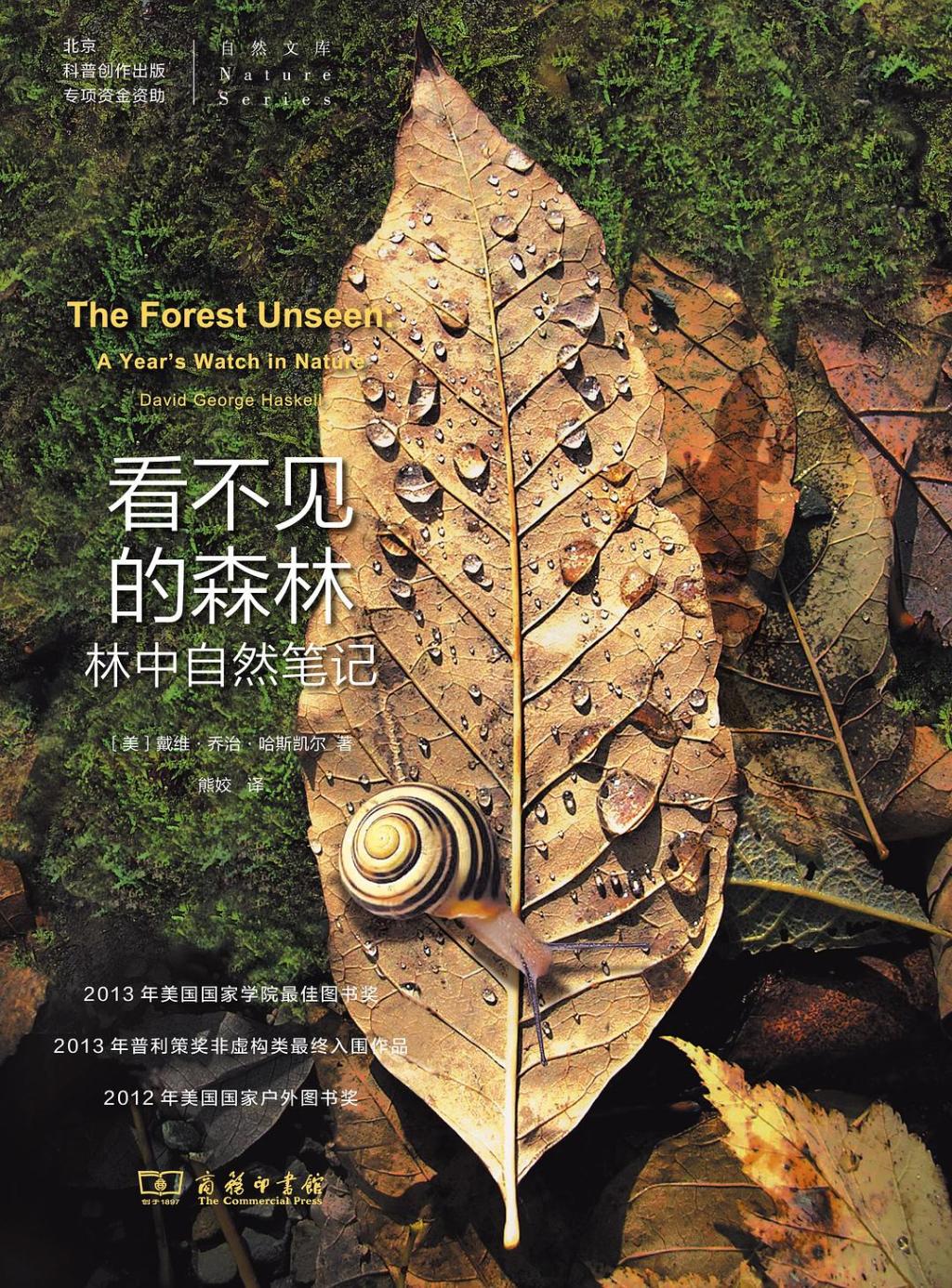
Nature literature writer David Haskell (represented as "The Invisible Forest") evaluates Jamie's writing from another perspective: "She…eliminates the boundaries between the so-called 'nature' and the human world. Eliminating or blurring this boundary is particularly important in the case of Scotland. Writers from other places have repeatedly relied on romantic naturalists She describes Scotland from a different perspective, pursues the solace of 'wilderness', and even claims that this land belongs to them, but she believes that this view is offensive to those who have lived on this land for generations." In the article "Three Ways of Seeing St Kilda", Jamie constantly revised her understanding of "wilderness" through the experience of three trips. Her third trip to St. Kilda was with an exploration team from the Royal Commission on Ancient and Historic Scotland, who were planning to map the entire "cultural landscape" of the archipelago. Every man-made structure on the island will be surveyed using the latest GPS satellite devices. Jamie admitted that she was "slightly uncomfortable with this level of precision survey", and "what was equally uncomfortable was observing a landscape that others had created and then abandoned behind them, while realizing that there were invisible satellites quietly patrolling high in the sky at any time." She realized that St. Kilda was definitely not the escape that visitors from far away were looking for.

From this perspective, Jamie's writing is a "counter-narrative" that deliberately breaks the mainstream narrative of "wilderness". As a native Scottish writer, she focuses on the relationship between local residents and the surrounding environment, emphasizing that "wilderness" and "wildness" are not the daily experiences of Scottish residents. Jamie later also noted in the foreword to her edited volume Antlers on the Water: Selections of Scottish Environmental Literature: “Our experience of land and nature is not possessive”. Her nature writing is intended to correct the perspective of outsiders, who often measure everything on this land by their own standards, ignoring its original history, traditions, and the way of life shaped by the interaction between people and the local environment for thousands of years.

In an interview, Jamie mentioned that he paid special attention to the first-person "I" when writing. "After writing a page, I read it and found that I had been used 17 times. I went back and deleted two-thirds of the 'I'." Why do you want the first person to be absent? Jamie admits that “I am the perceptual center of the experience,” yet is acutely aware that too much self is “tiring.” She wanted to try to make others actually see things in their reading. This style of writing is indeed "non-possessive". Jamie's writing made me realize that the intoxicating and long-lasting "gaze" may be inseparable from the projection of personal emotions and desires, and the "enough" and "enough" that often appear in Jamie's writings are not an inability to focus, but a kind of departure when enough is enough. In this way, I can better understand why John Berger likes Jamie's work: "The discoverer has not disturbed the discovered thing, and this requires courage and consideration."

Reading Jamie's "To the Island" carefully, you can better understand why she calls her prose "expanded poetry." She once said that her prose is created in the same way as writing poetry: "Unique. Delicate. Cautious. Attention." She ponders the language of prose as she ponders the language of poetry: "sound, rhyme, rhythm, tone, syntax, imagery, balance, association, when the prose flows and when it suddenly turns." The fourteen essays included in this book even pay attention to the alternation of length and length. The fifth chapter "Light", the tenth chapter "Magpie Moth", and the fourteenth and final chapter "Wind" are all short in length, and the refined prose poems are like rests between musical sections, but the lingering sound is endless. Haskell has an apt comment about Jamie's prose form: "Reading Jamie's prose, one feels like a needle in a tapestry that is taking shape, the direction of the needle being determined by a skilled and sometimes mischievous weaver." As soon as I started reading Jamie's sentences, my reading speed immediately slowed down. Because I had listened to the poetry read by Jamie, her voice sounded in my mind, with a soft and melodious Scottish accent.

Finally, I would like to conclude with a poem by Katherine Jamie entitled “Here Lies Our Land”

This is our land, under the flowing clouds

Every direction, the sunshine shining happily

It belongs only to itself.

We are just passers-by, singing

West wind and fern-covered hillsides

Northern lights and silvery waves…

Visit The Ancient Ming Dynasty Stele At Jinsu Temple In Haiyan And Learn About The Chinese Tea Culture Of "ordinary Tea"

"On a hot day in May, the sun is rising, and the tea shed is high beside the green shade. A bowl of tea soup relieves the heat, and the villagers give alms without asking for compensation." – This anonymous poem on bamboo branches spread among the people in eastern Zhejiang. In just a few strokes, a picture of tea giving in the past has been slowly unfolded: an ancient summer road, a thatched tea shed, villagers passing by, and a thick bowl of tea.

"Shicha" means giving tea soup, which is the "mortal tea" of Chinese tea. In the long days of traveling by foot, "giving tea" was often juxtaposed with "giving medicine" and appeared in classics, documents and inscriptions. It was the daily kindness and compassion of the ancient ancestors. Tea service places are mostly located near bridgeheads, ferries, on mountains, at the entrance of temples, and at street corners of thoroughfares in villages and towns. Tea pavilions, tea sheds, and roadside corridors are the most common ones. They have a few large pottery bowls and a bucket of hot tea for porters, merchants, scholars rushing to take exams, and passers-by to drink for free and take shelter from the wind and rain. This bowl of tea is not for elegance, but for resting one's feet and quenching one's thirst. The compassion of the world is the "book of tea" written between the mountains and the sea, on the earth.

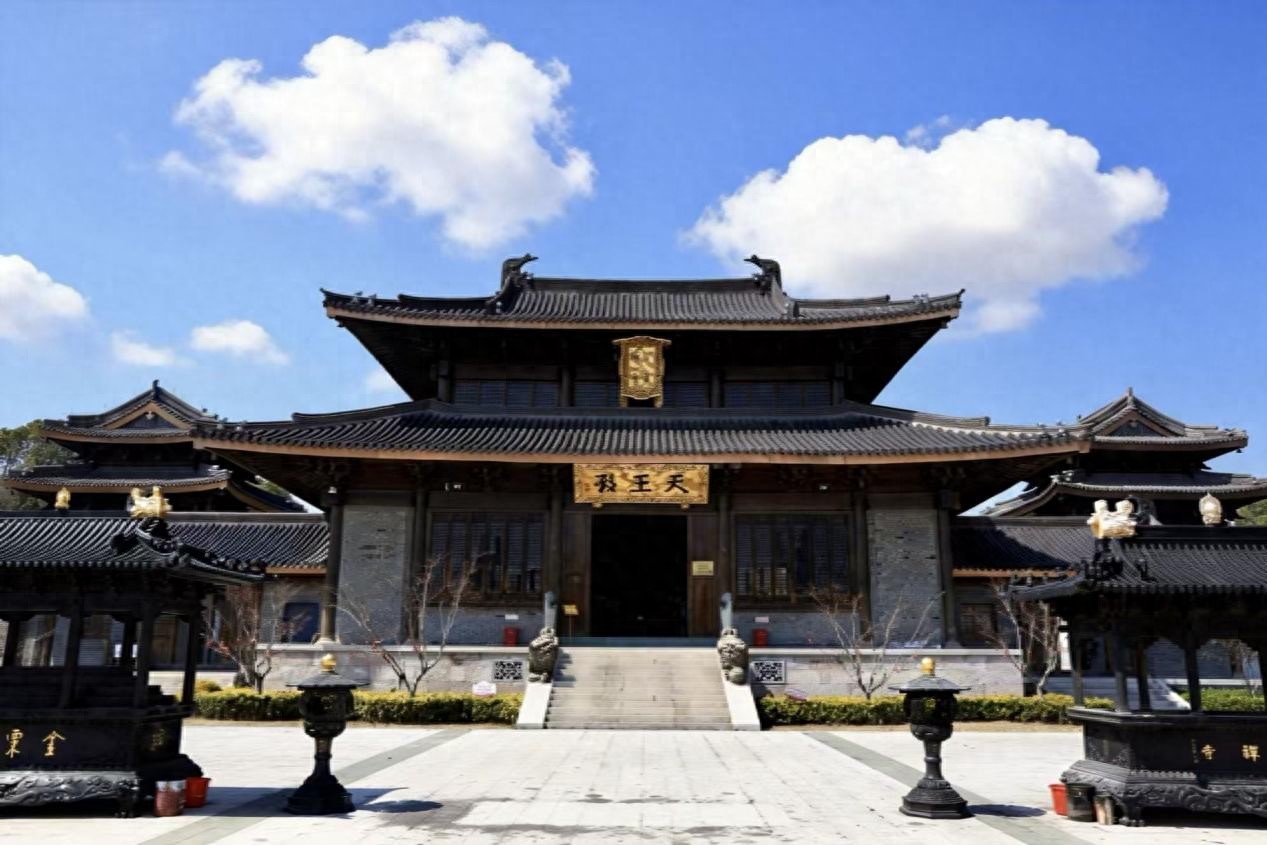
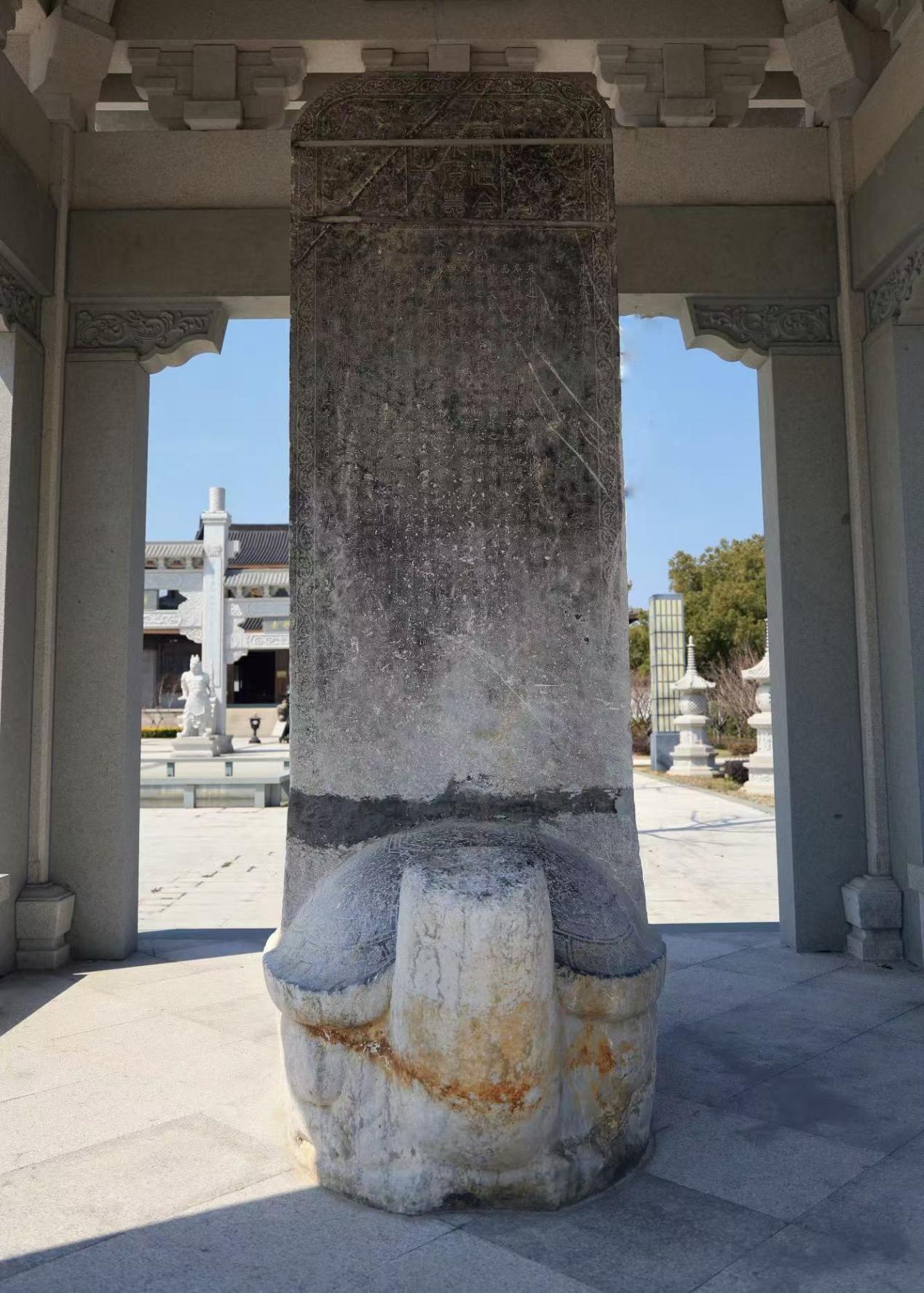
The Jinsu Temple at the foot of Jinsu Mountain in Haiyan, Zhejiang was founded by the Kang Senghui, a group of eminent monks who lived in Kang during the Chiwu period of the Three Kingdoms period. It is located next to the Hangjia Ancient Road and is one of the earliest temples in the south of the Yangtze River. Kang Senghui not only preached Dharma here, but also "constructed a pavilion and served tea" here. The stone tablet "Reconstruction of Jinsu Guanghui Zen Temple" erected in the 14th year of Zhengtong in the Ming Dynasty (1449) specifically records this event, leaving important relics of "giving tea".

Shicha: The temperature of a bowl of tea - Exploring the Chinese tea culture in ancient inscriptions_Shicha: The temperature of a bowl of tea - Exploring the Chinese tea culture in ancient inscriptions_

Photo by Zhu Hong from Jinsu Temple in Haiyan

After the Lantern Festival of the Year of the Horse, we chose a beautiful spring day to go to Haiyan Jinsu Temple to look for this ancient monument from the Ming Dynasty. In history, Jinsu Temple has experienced several ups and downs, honors and disgrace. When Jinsu Temple was rebuilt in 2008, a stele "Reconstruction of Jinsu Guanghui Temple" was unearthed at the site. Jinsu Temple is majestic and majestic, and transport ships often pass by at the Tea Garden Harbor outside the temple. In order to protect this precious monument, a stone pavilion with overhanging eaves and four corners was built beside the "Kangseng Bridge" bridge to protect the monument from wind and rain.

The ancient stele is made of bluestone, with a height of 2.22 meters, a width of 0.98 meters, and a thickness of 0.27 meters. The inscription was written by Hu Ying, the Minister of Rites of the Ming Dynasty. The article records: "Kang Monk traveled to Jinsu Mountain in Haiyan. It was a hot summer day and he built a pavilion to serve tea to relieve his thirst. The court heard about it and gave it the name of Tea Garden." The lineage of Jinsu Temple has thus become an important source of tea-serving culture in the south of the Yangtze River.

_Shicha: The temperature of a bowl of tea - Exploring the Chinese tea culture in ancient inscriptions_Shicha: The temperature of a bowl of tea - Exploring the Chinese tea culture in ancient inscriptions

The Ming Dynasty Monument and the Inscription at Jinsu Temple, photographed by Zhu Hong

When it comes to "giving tea" at Jinsu Temple, the most legendary protagonist is Qian Liu, the founding monarch of the Wuyue Kingdom in the Five Dynasties and Ten Kingdoms. Qian Liu, a hero in troubled times, possesses the domineering spirit of "a sword that freezes fourteen states", the tenderness of "the flowers bloom on the road, she can slowly return home" to his poor wife Wu, and the Buddhist compassion of "nurturing the people with kindness".

At the end of the Tang Dynasty, Huang Chao's army rose up and the world was in chaos. Qian Liu separated the two Zhejiang provinces and established the Wuyue Kingdom to protect himself in the southeast. It is said that when Qian Liu was young, he trafficked illegal salt to make a living and traveled along the two Zhejiang Salt Roads. The tea served at Jinsu Temple became the sweet rain in Qian Liu's mouth when he was hungry and thirsty.

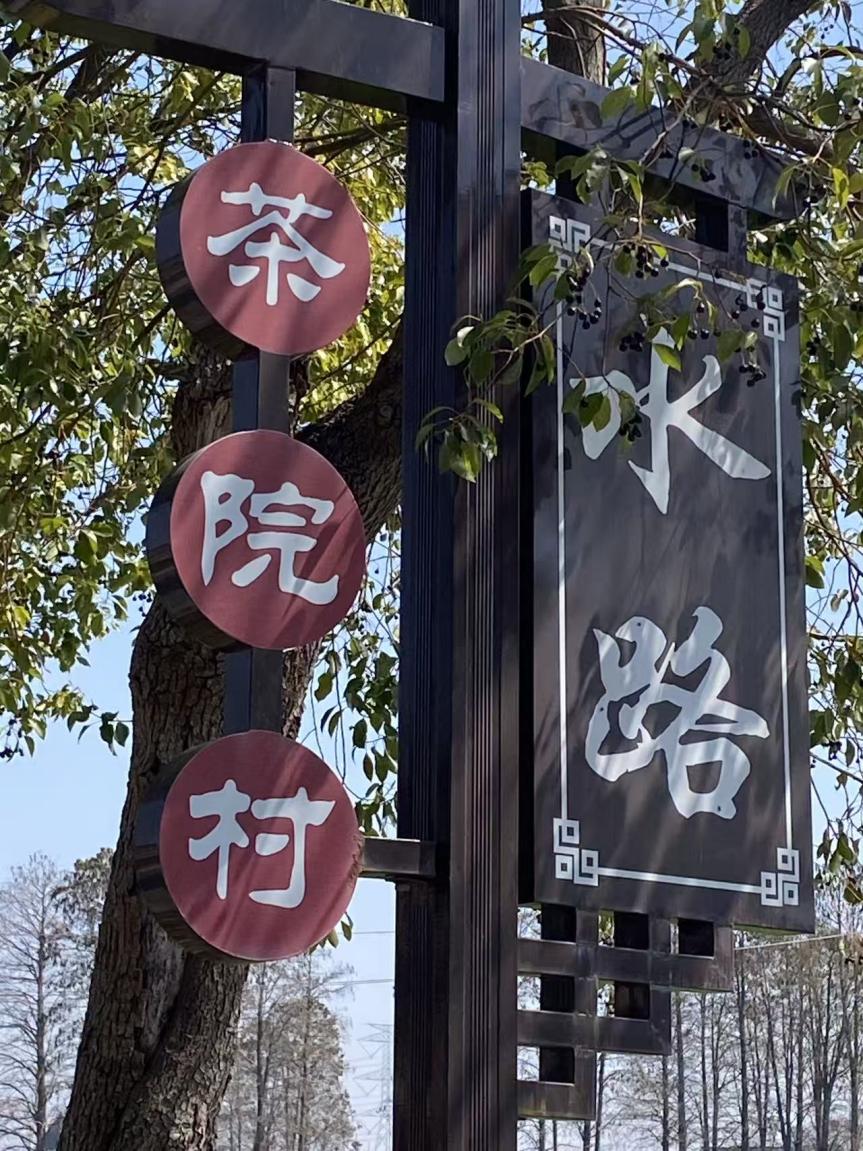
In order to repay the kindness of giving tea, some scholars have verified that in the second year of Kaibao in Song Dynasty (969), Qian Liu, the king of Wuyue Kingdom, named Jinsu Temple "Tea Giving Garden". This is the earliest record of the term "tea service" in literature. The place name "Chayuan Village" where Haiyan Jinsu Temple is located has been used ever since.

Shicha: The temperature of a bowl of tea - Exploring the Chinese tea culture in ancient inscriptions _ Shicha: The temperature of a bowl of tea - Exploring the Chinese tea culture in ancient inscriptions

Chayuan Village road sign photo by Zhu Hong

Looking back even further, tea sage Lu Yu also had an indissoluble bond with tea serving in temples. In the mid-Tang Dynasty, tea service gradually became popular in monasteries, combining Buddhist compassion with daily practice, and became a way for monks to spread Buddhism.

Lu Yu lost his parents at a young age and was a helpless orphan. He was adopted by Zen Master Zhiji of Longgai Temple in Jingling, Hubei Province. He made tea, drank water and learned to read in front of the Buddha, which nourished his initial perception of the nature of tea and introduced this stubborn young man who stuttered, argued and had "many intentions" to the mysterious world of tea. Without the initial habit of giving tea soup in the temple, it may be difficult to have the depth of the "Tea Sutra" that connects heaven and earth and integrates human feelings.

Different from the general "tea party" gatherings, along with the popularity of the custom of "serving tea", the "tea party" once had a unique meaning in the history of Chinese tea. "Tea parties" are usually organized voluntarily by local gentry, businessmen and ordinary people. Those who have land, money, and strength set up tea pavilions and corridors on official roads and post roads to provide tea for free. It is a kind of folk charity embedded in the rural social structure. The "Tea Party" steles scattered on the tea pavilions and corridors of the ancient Ming and Qing roads in eastern Zhejiang are precious imprints of the "Tea Party" in the past.

After the beginning of spring this year, I made an appointment with my friend Wang Qun from Xiangshan, Zhejiang, and climbed to the top of the local ancient Qing Dynasty trail walker Lingtou, where I saw the Qing Dynasty "Tea Party" monument that I had longed for. Wang Qun is tall and burly, and he was originally a good figure for sailing on the seaside. When he was young, he pioneered bamboo carving with a pair of big trawling hands, and became famous in the world of bamboo root carving for his skillful carving of ancient ladies. In recent years, when launching the "Xiangshan Ancient Ferry Tracking Tour" activity, we found the Qing Dynasty stone tablet at the Lingtou Tea Pavilion.

We walked from the Crab Claw Ferry by Sanmen Bay on the ancient moss-covered slickstone path. As soon as we climbed up to Walker Ridge, we saw a small tea pavilion with a green tile roof standing quietly among the mountains and trees. Wang Qun pointed to the tea pavilion from a distance and told me that the ancient stele was in the tea pavilion.

_Shicha: The temperature of a bowl of tea - Exploring the Chinese tea culture in ancient inscriptions_Shicha: The temperature of a bowl of tea - Exploring the Chinese tea culture in ancient inscriptions

Photographed by Wang Qun at Xingzhe Lingtou Tea Pavilion

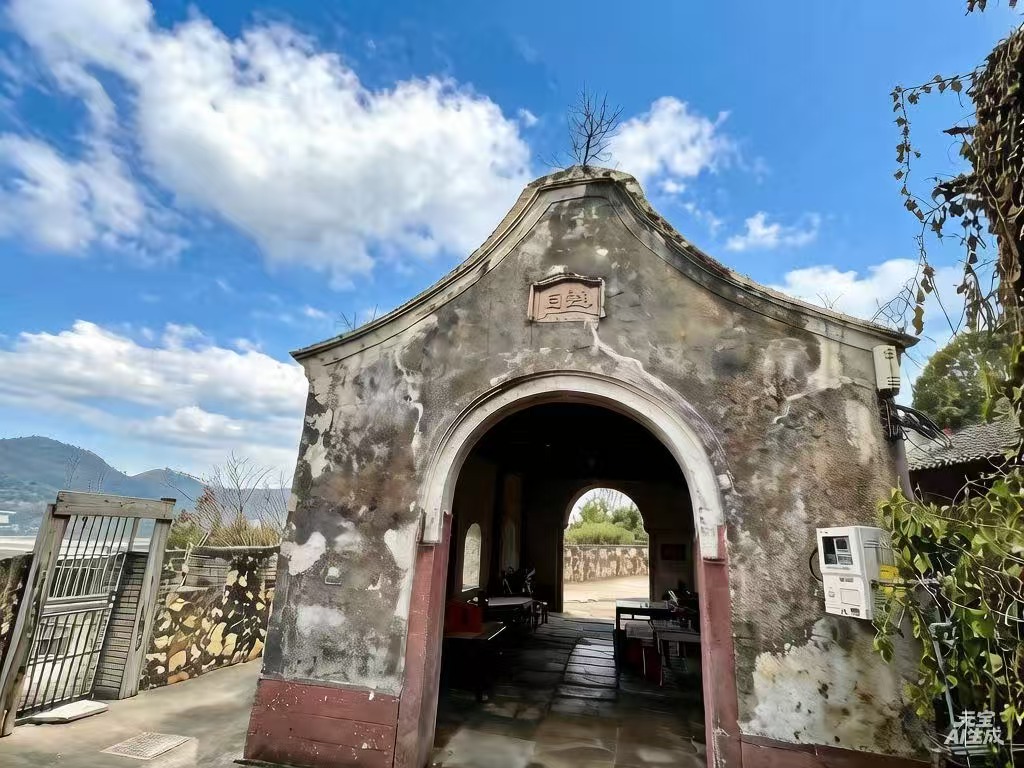
The tea pavilion runs from east to west and is a three-bay corridor-style building. There is a small temple in the north. There are four ocher red square stone beams in the pavilion. There are stone benches built on the north and south sides for pedestrians to rest. There are two stone steles embedded in the north and south walls respectively. In the south are the Qianlong and Guangxu steles, and in the north are the Daoguang and Xianfeng steles.

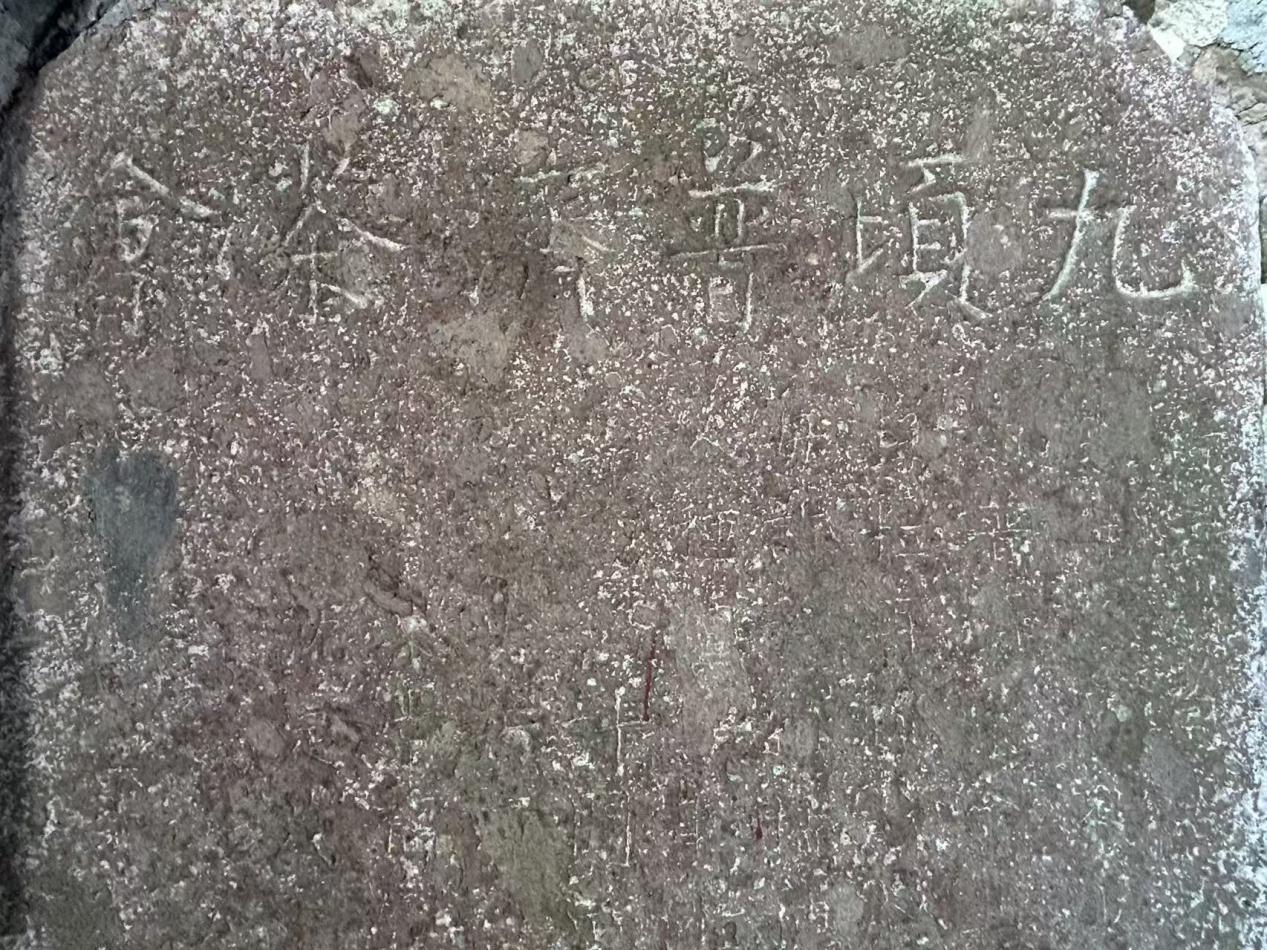
Among the ancient steles, the Guangxu Stele is the most complete, with clear text on the surface, "Xingzhe Ling Pavilion" horizontally engraved on the forehead, and "Rebuilt by Wang Hengli in the 19th year of Guangxu" vertically engraved below. The words "Jiuqing Tea Party" remain on the forehead of the Daoguang stele. "Jiuqing" is the name of the village here. The word "Tea Party" is very precious. Unfortunately, the two characters in the middle and the rest of the text on the stele are unclear. The characters on the Xianfeng Monument are blurred and cannot be read.

Shicha: The temperature of a bowl of tea - Exploring the Chinese tea culture in ancient inscriptions_Shicha: The temperature of a bowl of tea - Exploring the Chinese tea culture in ancient inscriptions_

"Jiuqing Tea Party", the words are shown in the Daoguang Monument of the Qing Dynasty, photographed by Wang Qun

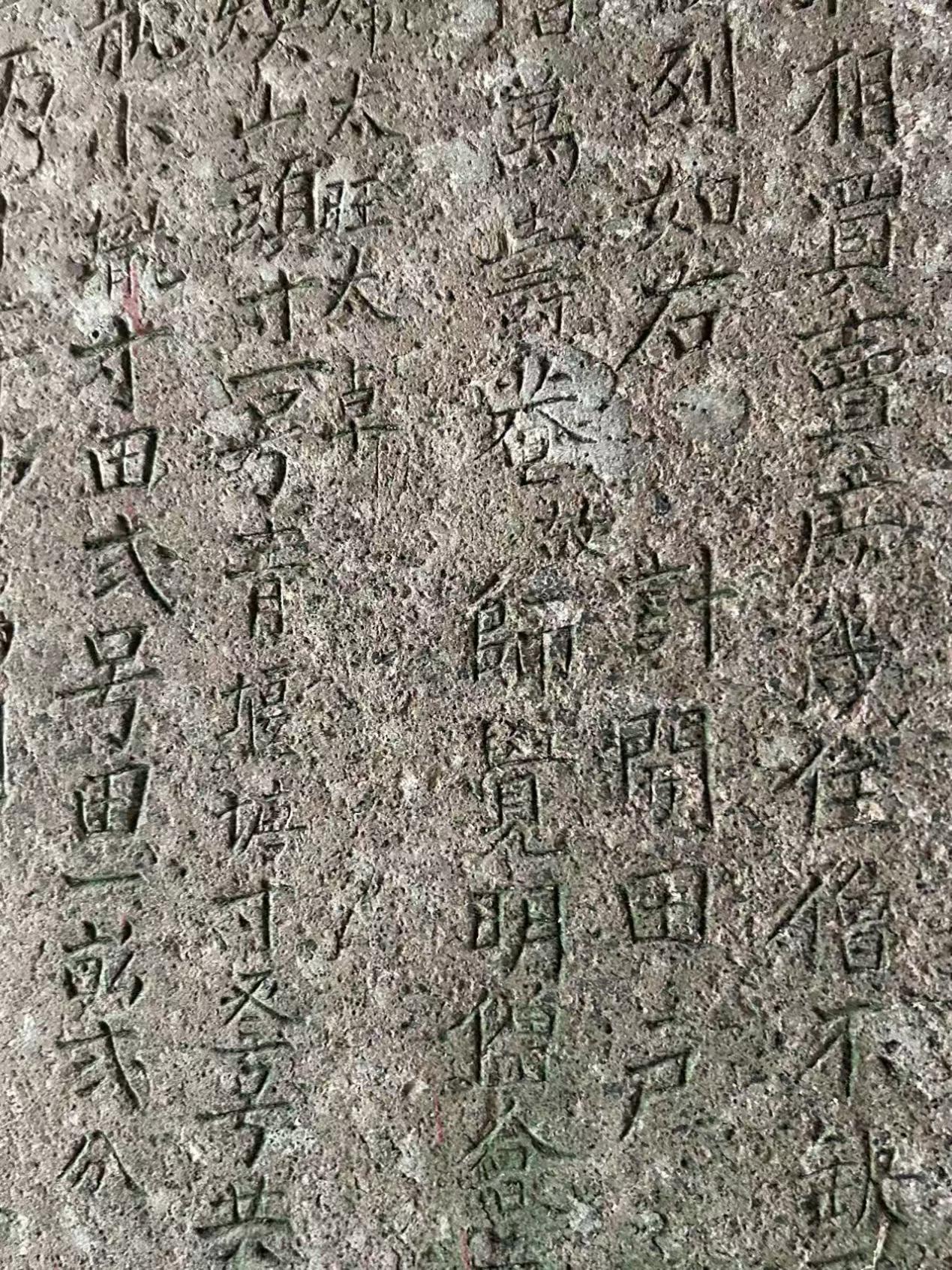
The Qianlong "Tea Party" stele was erected in the fifth year of Qianlong's reign. The inscription is written in a bold and free-spirited style, recording the origin of the stele, the name of the donor, the donated mountain land, the area of ​​the land, and the management details. In front of the monument, there is a tea pavilion built at the head of the pedestrian ridge. The resident monk Jueming of Wanshou Temple next to the pavilion is responsible for the daily supply of tea to quench the thirst of travelers during the summer heat. Local villagers donated fields to the temple and rented the fields to pay for the monks' tea, firewood and daily expenses. The monks felt that they were "not short of food" and the tea pavilion was operating normally.

Shicha: The temperature of a bowl of tea - Exploring the Chinese tea culture in ancient inscriptions_Shicha: The temperature of a bowl of tea - Exploring the Chinese tea culture in ancient inscriptions_

Photo by Wang Qun of the "Tea Party" Monument of Emperor Qianlong of the Qing Dynasty

As time went by, the original tea fields were "privately sold", and the temple life could not be maintained. For this reason, the villagers erected this monument and made an agreement on the donor and the number of acres of land "as engraved on the right". The inscription can reveal the general contents of the donation of Lingtou Mountain and Qingyantang fields by Zheng Taihuan and four other brothers, as well as the donation of fields by Li Yuanlong. Unfortunately, due to the passage of time, the number of acres cannot be clearly identified.

The small temple outside the north wall of the tea pavilion may be the "Wanshou Temple" in the Qianlong Monument, and is now called "Huiyun Temple". There are five or six red and yellow-edged silk banners hanging on the walls of the nunnery, one of which is printed with the words "Worship the Empress of Suzhou, Suzhou Bodhisattva and Marshal Ma". It can be seen that although this place is remote, the incense is constant.

Since the Kangxi and Qing Dynasties of the Qing Dynasty, the world has been at peace, and tea drinking places are spread all over the countryside and famous mountains and rivers. Mount Tai is the "first of the five mountains". Emperor Qianlong climbed Mount Tai for the sixth time and ordered the abolition of the incense tax on Mount Tai, so that people could freely enjoy incense. In order to rush to the top of the mountain at dawn to burn "first incense", pilgrims from all over the world often choose to set off in the middle of the night. Mount Tai has "ten thousand lights" at night, and is known as the "Mountain that never sleeps".

Ten years after the "Tea Party" monument of the Qing Emperor Qianlong in Lingtou, Xiangshan Walker, was built, Hou Yihe, a Shanxi merchant who was doing business in Tai'an Prefecture, where Mount Tai is located, Shandong Province, and others initiated and united with fellow villagers to donate more than 300 taels of silver to build a tea pavilion opposite the Guandi Temple located at the "toe of Mount Tai" to provide free tea to climbers to relieve the thirst of passers-by. Local official Wan Sinian specially wrote the "Inscription of the Creation of the Tea Pavilion" to record this good deed. "Each year there are hundreds of thousands of people who climb mountains to offer incense, and they rarely take a rest." The pilgrims are so tired from toiling that "suddenly there is a pavilion to stop, and there is tea to quench their thirst."

China's tea-giving custom, which began with religious compassion in the Middle Tang and Five Dynasties, gradually evolved into the "road corridor tea pavilion" culture that was filled with the Confucian "Jianji" spirit and spread all over the world during the Ming and Qing Dynasties. Its meaning is just like what is said in Wan Si Nian's inscription: "If a man is good, how can he be divided into big and small?"

When I was in elementary school, not far from my home was Ru River, which leads to the sea. A five-hole stone bridge "Wuyan Bridge" spanned the stream. After crossing the bridge, there was a tea pavilion with a corridor named "Wuli". After walking for five miles from "Wuli Pavilion", we arrived at Shipu Town and Yanchang Primary School where we studied.

"Wuli Pavilion" is a happy teahouse where adults from nearby villages talk about the past and present, a roadside market for small businessmen and vendors, and a youth paradise for me and my playmates. There is a long stone bench against the wall of the tea pavilion, with a large stoneware vat in the middle, and two semi-round wooden covers placed on top to block dust and flying insects. Every day after school, we walked along the dirt road beside the Yanchang Citrus Field and played the game of "field war" all the way home.

When we arrived at the tea pavilion, we drank a few bowls of tea to quench our thirst. I remember that Prunella vulgaris is added to the tea soup in summer, and sometimes ginger slices, platycodon, etc. are also added. Lu Yu advocated tea drinking, from sencha in the Tang Dynasty, ordered tea in the Song Dynasty to loose tea in the Ming and Qing Dynasties, pursuing the purest flavor of this magical leaf, and eventually became the mainstream of the tea world. Interestingly, Lu Yu did not agree with the inclusion of ginger, orange and other flowers and plants in tea in the "Tea Classic". In the vast rural China, they are like clear springs flowing freely in the mountains, continuing the origin of tea drinking as "medicine and food come from the same source". Regardless of the pungency of ginger, the fragrance of orange, the sweetness of dates, or the bitterness of grass, they can all be used in tea, with thousands of mountains and valleys, and a variety of flavors.

In the tea pavilion, we played tops, made bets on folded pieces of paper from cigarette boxes, and the most exciting thing was pulling sugar cane shreds. Sugar cane is sold at a roadside stall outside the tea pavilion. Sections of sugar cane are placed on the small table. The green skin is refreshing and the purple skin is sweet and thick. The price varies from one cent to two cents. Pick a section of sugar cane and ask the master to gently cut a circle in it with a sugar cane knife. My playmate and I each hold one end and use our skills to break the sugar cane. Whoever has the longest sugarcane silk in his hand wins, and the loser pays.

Shicha: The temperature of a bowl of tea - Exploring the Chinese tea culture in ancient inscriptions_Shicha: The temperature of a bowl of tea - Exploring the Chinese tea culture in ancient inscriptions_

Sugar cane knife picture taken from the Internet

On the Ming and Qing ancient road from "Wuli Pavilion" to the town, the most famous tea pavilion is the "Zhongxi Pavilion" halfway up the Hougang Mountain. It was rebuilt in the 1920s and is called "Sanwan Road Corridor" by the locals. The "Sanwan Corridor" is built across the road, facing east from the west, overlooking the boundless East China Sea.

During the Spring Festival this year, I walked to this corridor that I often walked through when I was young. The corridor has been abandoned for a long time. Fortunately, it is located in the middle of the mountain and its overall appearance is still there. It has been listed as a county-level cultural protection unit. The corridors have gabled Guanyin gables in the north and south. The square stone pillars in the corridors are cinched up and the ground is paved with stone. The Lulang Bodhisattva "Sangha Bodhisattva", also known as "Sizhou Bodhisattva", is enshrined in the west wall of the corridor. It is regarded as the male incarnation of Guanyin Bodhisattva. It is a god who prays for wind and rain among the people along the coast of Zhejiang and Fujian.

_Shicha: The temperature of a bowl of tea - Exploring the Chinese tea culture in ancient inscriptions_Shicha: The temperature of a bowl of tea - Exploring the Chinese tea culture in ancient inscriptions

"Sanwan Road Corridor" in Shipu, Xiangshan. Photo by Gao Zihua

The couplets on the stone pillars on the left and right of the shrine express the meaning of enlightenment: "The grace of Sishui River lasts through the ages; the rain of Dharma in Lijiang River spreads to all people."

There is another couplet on the two stone pillars in front of the shrine, which integrates the customs, mountains and sea scenery of Shipu Ancient Town, giving it a unique flavor. Unfortunately, like the couplets above, they are in disarray, and we have to consult local literature to complete them. The left couplet is: "The tide of copper tiles is coming, and I stand still to listen to several fishermen's songs. A sky supports the river, and the illustrious gods always protect it." The right couplet is: "When Shijiang enters the city, you can see thousands of dragons and lins. Three bays lead to Shizhen, and old and old passers-by are temporarily connected."

There are two arched doors on the west wall of the corridor, which are narrow on the outside and wide on the inside. This design can reduce the intrusion of wind and rain when the seaside climate is unexpectedly stormy. The round stone plaque above the lintel is embossed with four characters in a ring, which are: "It's okay to sit down; come when you go." The words are simple and straightforward, which is very consistent with the character of the fishermen on the seaside.

Walking out of the corridor, the fishing port in front of you is densely packed with steel fishing boats returning to the port during the Spring Festival. The boats are lined with masts and colorful flags are flying. In the distance, the sea and the sky meet in the vast expanse. All kinds of emotions suddenly come to my heart.

This is the philosophy of serving tea: rooted in secular life, simple and gentle, whether you are a nobleman or a commoner, it is a bowl of water when you are thirsty and a comfort after a tiring journey. A bowl of tea soup can reveal people's hearts, equality and compassion. Just like the earth bearing the dew, it doesn’t fight or reveal itself, but it spreads in all directions, realizing the eternity of the moment.

Post-90s Entrepreneur Writes To Ye Tan: He Has A Successful Career But Neglects His Wife, Please Give Me Some Advice

Teacher Ye Tan:

I am a post-90s entrepreneur, please call me Liangzi. I have been following you silently and admire you for remaining calm and transparent in the face of illness. You are like a beam of light, allowing us in the darkness to see persistence and hope.

Today, I mustered up all the courage to write this letter, telling you the deepest suffering and helplessness in my heart, and asking you to give me and my wife some guidance.

I have been in love with my wife since high school, and it took me ten years to marry her into my family. My father left me when I was in high school. At that time, my family was poor and my future was unclear. Her appearance illuminated my gloomy youth and gave me the courage to fight hard. After marriage, I focused on my career and tried my best to provide a stable world for her.

After ten years of hard chasing, we finally found the girl of our dreams. We were once so happy, but now, the sky has fallen!丨Ye Tan’s reply__After ten years of hard pursuit, I caught the girl of my dreams. We were once so happy, but now, the sky has fallen!丨Ye Tan's reply

We are deeply involved in smart lock installation and after-sales service, and have gone through ups and downs along the way, and have achieved many achievements: 58.com ranked first in Kunming for 8 consecutive years, Meituan ranked first for 4 consecutive years, and JD.com ranked first for two consecutive years. Later, it undertook official installation and after-sales service for many well-known brands such as Samsung, Bosch, Cadiz, Deschmann, EZVIZ, Haier, and Lucker, laying out the entire Yunnan service market and making its service the best in the province.

I just ran forward, but forgot about my wife who was silently supporting me behind me.

As the official service provider of many brands, my wife always walks side by side with me. She supports the entire family and the entire team, taking orders, communicating, and coordinating every day, facing countless customer emotions and trivial disputes, and working overtime until one or two in the morning all year round. Day after day, she is physically and mentally exhausted. But I was immersed in the glory of my career, ignoring her increasingly tired body and her silent hard work.

October 8, 2025, is an unforgettable day in my life. My wife, who was only 32 years old, was diagnosed with breast cancer with bone metastasis. At the age of 32, it is the right age for flowers to bloom. The sudden bad news made my life instantly press the pause button, and the whole world collapsed.

I took her to many hospitals and sought medical treatment everywhere. He was initially diagnosed at the First People's Hospital of Yunnan Province, and then went to the Yunnan Provincial Cancer Hospital and West China Hospital of Sichuan University. Everywhere I went, I held the greatest hope, just to find a glimmer of hope for her.

In the past few months, we have insisted on regular treatment. Although the breast mass has shrunk, the bone metastasis is still progressing. Just today, I accompanied my wife for another review. The moment I took the report sheet, I felt anxious and at a loss.

Later I learned that the Affiliated Hospital of Southwest Medical University has Lu177 that can be used to treat bone metastases. When I heard that one injection costs 50,000 yuan, I realized: in the face of life and health, all industry firsts, career achievements, wealth and glory are as light as dust.

_After ten years of hard chasing, I caught up with the girl I like. We were once so happy, but now, the sky has fallen!丨Ye Tan's reply_After ten years of hard pursuit, I caught the girl I like. We were once so happy, but now, the sky has fallen!丨Ye Tan's reply

In order to focus on taking care of her, I took the initiative to shut down the platform operation this year and only retained the most basic smart lock installation and after-sales service. I have to support the family, have a stable income, treat her illness, and protect her.

Now I try my best to take good care of her. Every morning, I accompany her for a walk in the park; at seven o'clock in the evening, I get her off work on time; I encourage her to take a break at noon over and over again. However, years of busyness have long been engraved in her bones. Although she has tried hard to change, it is still difficult for her to develop the habit of taking a lunch break.

To outsiders, everything seemed normal except that she couldn't exercise strenuously. Only I know that every re-examination and every report keeps me awake all night and makes me feel heartbroken.

I was calm on the outside, but inside I was full of helplessness and suffering, and fell into deep regret. I once thought that starting a business successfully would mean giving her the best life. But in the end, instead of allowing her to enjoy peace and happiness, she was forced to stay up late and work hard with me, carrying heavy loads, and eventually her body collapsed from exhaustion. This guilt gnaws at my heart day and night.

Teacher Ye Tan, you are the most tenacious and powerful role model I have ever seen on this difficult road. Your calmness and openness in facing the pain gave me the courage to carry on.

I really hope to get some advice from you, it will be a great comfort to our family to see the light of the future.

I sincerely wish you safety and health, success and worry-free, and always be treated gently by time.

Sincerely, Ryoko

March 2, 2026

Dear Ryoko:

Thank you for the warmth you bring to this world.

The world has a cruel side and a gentle side. I have seen couples who were in love with each other in the ward, and I have also seen couples who announced their divorce just a few months after suffering from cancer.

The world of illness is extreme, and everything is compressed to the extreme, including extreme tenderness and extreme indifference, and patients and their families strive to find a balance between the two ends.

After ten years of hard pursuit, I caught the girl I like. We were once so happy, but now, the sky has fallen!丨Ye Tan's reply_After ten years of hard pursuit, I caught the girl I like. We were once so happy, but now, the sky has fallen!丨Ye Tan's reply_

After spending nearly four years fighting cancer, I have always advocated that we should not mythologise family ties, friendship, or let patients have hallucinations, so that we can live peacefully.

There is no life-long contract that must be fulfilled in this world, because we are sentient beings with seven emotions and six desires, full of compassion, but also full of shortcomings. Most of us are afraid of trouble, dislike the old, and cannot withstand long-term pressure.

Accept ordinary human nature, calm your mind, watch flowers become flowers, see trees become trees, be grateful when you receive love, and be indifferent when you lose love.

Although I can usually accept the changes in this world calmly, seeing that gentle glimmer of light in a broken world still makes me moved to tears.

Looking at you is like looking at a boy and girl walking hand in hand with a smile, and a hole in my heart is filled.

The moment you hold the hand of your beloved girl, your heart must be filled with flowers, just like the grassland in spring. Doesn’t it feel like the sky is getting brighter? You have worked hard to start a business after marriage, hoping to have a warm and wealthy home in the future. You are constantly traveling for business, and your wife is constantly answering the phone. This kind of hard work is the daily sweetness that ordinary people cannot ask for.

You are like a big tree struggling to take root, trying to flourish and protect your loved ones from the wind and rain – you have always done this, and you have done it, and you have done so well.

After ten years of hard chasing, we finally found the girl of our dreams. We were once so happy, but now, the sky has fallen!丨Ye Tan’s reply__After ten years of hard pursuit, I caught the girl of my dreams. We were once so happy, but now, the sky has fallen!丨Ye Tan's reply

If you want to continue to take good care of your wife in the future, please first say to yourself, I did it, and I did it well.

Did you know? Sometimes, when faced with great fear, people will instinctively want to grab something or blame something, as if this can regain a sense of control in an out-of-control world.

Regret is one such emotion.

But it's not your fault that your wife is sick. Life is very random. We never know when a card will fall from the sky and hit us on the head, which happens to be the one we fear the most.

In the past, you and she worked happily for the future. That is not wrong, it is a form of love. You have created that ordinary but happy little family together. It is the result of your more than ten years of hard work and perseverance. It is her willingness to marry you. It is the hardships you have endured together and the sweetness of laughing together. It is the hands you are holding in front of the hospital bed now, and it is the tears you shed late at night.

There is nothing wrong with this love, and there is nothing wrong with you desperately trying to give her a future.

Try to forgive yourself for being busy, even if only for a moment. We are all mortals, we are all groping forward in life, we are all working hard according to mortal methods, and we cannot see the script of fate in advance.

Now, love has changed into a form, it has become companionship, it has become a rush on the road to seek medical treatment, it has become your steady look when she wakes up, and your punctual shoulder at seven o'clock in the evening.

You did everything you could – put down your work, take her everywhere to seek medical treatment, and be her most solid support. Don't be hard on yourself.

You love her so much that you turn your love into confession.

If you repent all the time, how can you be worthy of such a good woman? Love her self so much?

Even in the most difficult times, you have to give yourself time to be grateful. Thank God for making me so happy every day in the past. Even if we lose today, our happiness is eternal; thank God for allowing us to walk hand in hand and giving me the opportunity to take care of the people I love.

If you are in pain and tired right now, just lean against me for a while and don't say anything.

Ryoko, be fully mentally prepared. Taking care of patients may take a very long time, five, ten, twenty, or thirty years. If you can't hold on anymore, stop and take a breath, find a place where no one is, cry, and talk to someone.

Only by turning the turbulent waves in your heart into calm, daily gratitude, and daily medical expenses can you go a long way.

There are also some things that, although mundane and vulgar, are important.

Calculate the cost of living and treatment, see how much money you have saved before, and how much income you can earn every month now to maintain cash flow; don't hide your illness from each other, and be deliberately optimistic.

Allow your wife to be afraid, and allow yourself to be nervous, look into her eyes, and say to her: "I know you feel uncomfortable and scared right now, and so do I. But it doesn't matter, fear is normal, we are afraid together, and we will face it together."

When you catch her fear, you catch your own fear.

In terms of treatment, there are now many treatment options and drugs. It is recommended to find a reliable doctor in a large tertiary hospital and establish a long-term relationship. In this way, the doctor will know your situation very well and your mind will be settled.

Ryoko, you are great. You are not superman and don’t need to solve every problem. You are the one who, no matter what, is there for her, has the solution, and holds her hand.

Live a good life day by day, take the current path step by step, without looking back at the past or looking at the future. Stay in the present moment.

Please, please, definitely take care of yourself. You two are everything to this family.

Your sister Tan

Saturday, March 7, 2026

(Sister Tan’s email address: yetanbusiness@163.com. The letter authorizes Yetan Finance to use the content of the email. If you reply, the reply will only be made public and will be commented by readers. At the same time, you are authorized to use it for book compilation. Please be careful when writing.)

A Friend Gave Me A 'lobster', But OpenClaw, Open Source And Free, Actually Has This Trick

A friend gave me a "lobster".

In late February, when OpenClaw began to break out of the circle, I was still standing on the shore. On March 1, the first Sunday after the holiday, I made up my mind to spare an afternoon, prepare strategies, and prepare to go into the water to raise shrimps myself. As a result, WeChat rang first.

"How about I give you a lobster?"

OpenClaw is open source and free. Where can I get it? I later found out that the service was for installation. His technical partner remotely connected to my Mac mini, which was commandeered as a lobster plane, and struggled for an hour and a half. After installing it, the person asked me to give it a name. I was hungry at the time and blurted out: "Steamed."

"Steamed" has settled in my home.

Later I learned that people who move quickly are already making money from this. This remote installation service is clearly priced at 199 yuan at the seafood market. A friend gave it to me as a favor. When installing, you need to select the model source. The default is to go to the installer's transfer station – of course you can change the settings, but most lazy people like me will most likely keep the default. This is the first steady stream of income.

After pretending, he was pulled into the group and entered the private domain. In addition to exchanging shrimp farming experiences, the group also posts cases from time to time. I've used the "steamed" version a few times, and it's indeed different, but I was busy with work and didn't bother to look into it. However, within a week or two, the screen was full of lobster work notes: some people used it to automatically process Excel reports, some people used it to crawl data and write emails, some people created automated workflows, and some people used it to batch generate short video scripts. People use lobster to fly, but I'm still stuck in the "steamed, push me a briefing at eight o'clock every morning" stage.

This is a great time to launch your course.

At this point, the business model of "one shrimp and more" has been formed: you can earn one time by selling installations, you can earn turnover by transferring, you can earn added value by selling courses, and the community can be monetized again.

I give my friend a thumbs up: he is indeed a veteran in the community and a model of win-win. And what about their technical team? In addition to the full-time founder, the other main engineering staff are part-time programmers – working at Internet companies during the day and working remotely for people at night.

This reminds me of those ghost stories about AI causing programmers to lose their jobs. Programmers may indeed be laid off, but with a flexible mind, they can make money wherever they go.

During this period, OpenClaw continued to explode. I ate several meals, and every time someone asked: Have you raised shrimps? According to the current popular saying on the Internet, a large number of small, medium and old enterprises have begun to ride on the popularity of lobster. According to communication theory, this is the diffusion stage—the stage of spreading from early adopters to the early majority.

Then the wind changed direction.

Security issues exploded. Some people compare it to the panda burning incense, directly changing the household registration date to a virus. Finally, at another party, a friend came over and asked me: "How do you remove the crayfish? Make sure not to leave any shrimp skin and shrimp lines, and delete them completely."

At this point, it's only been two weeks since I installed it.

From raising shrimp to unloading shrimp, public opinion only took 14 days, but I believe that there will be a wave of "crayfish upgraded to king shrimp" in the future. In fact, this is the normal situation when new technologies emerge – technology moves too fast, people's hearts catch up too quickly, and the two sides collide. When the Internet entered China, wasn't it first touted as an information superhighway and then criticized as a spiritual opium?

OpenClaw will not be the end of AI, I’m sure of that. But the significance of its popularity is that it allows ordinary people to experience the possibilities of AI beyond just asking and answering at the low cost of a hot pot meal. It starts operating your computer, clicking the mouse, typing the keyboard, and filling out forms for you. It is indeed one step closer to Jarvis in "Iron Man".

Of course, it has a lot of problems: the threshold is still high, ordinary people don’t understand it, and professional services are likely to be needed; security is questionable, and who can guarantee that it will not mess up; the economic accounts have not been settled, and the accumulation of API call fees is not a small amount. But this is normal. Technology always precedes supervision and ordinary people’s understanding.

This is not the unique fate of OpenClaw, it is the inevitable path for every underlying technology iteration. From electricity to the Internet, when was it not first treated as a toy, then scolded as a scourge, and finally quietly grown into infrastructure?

Interestingly, after this public outburst, I saw more people discussing in the circle of friends and in the community: how to make good use of it, how to tame it, and how to make it really help? Fear is a form of attention. After the scolding, you still need to learn what you need to learn.

I looked at the people in the group who were flying with lobsters, and then thought about those people who were in a hurry to unload the shrimps, and suddenly I realized: the same tool means two completely different worlds to different people. Does it give more people opportunities, or does it make people who already understand run faster? "

I think: it is magnifying the gap, not flattening it.

Also using AI, someone asked, "Write a plan for me." Someone raised 8 shrimps, each performing its own duties, and started collecting money. The former gets mediocre templates, the latter gets commercial value. There is a huge difference in output between people who can ask good questions, understand the deep needs of the scene, and dismantle efficient workflows, and those who are ignorant and lack of thinking.

This gap existed before, but AI has magnified it exponentially. In the past, the difference in output between an excellent copywriter and a mediocre copywriter could be twice or twice as much. Now, the gap is geometric.

Here I would like to propose a concept: cognitive arbitrage.

AI is essentially a cognitive lever, but it is not an evenly distributed lever. People who know how to use it can use it to leverage more cognitive resources, and these cognitive resources can in turn be used to better use AI – this is a positive cycle. People who don't know how to use it can't even lift the first brick. Therefore, those who understand understand better, and those who do not understand become more confused.

In recent years, more and more people have worried about being replaced by AI, and I have also worried about it. But now, I feel like maybe the question shouldn’t be asked that way. The question to ask is: If AI can do more and more things, what should humans do?

I think people should do things that AI cannot do.

AI can write a plan, but it doesn't know why it writes this plan. AI can process data, but it does not understand that there are real people behind the data. AI can optimize processes, but it doesn’t know what value this process serves. These things ultimately need to be defined by people.

As long as the value standards of this world are still defined by people, and as long as people are still the center of consensus, then people's position will still exist. It's just that this position is changing – from executor to definer, from operator to questioner, from producer to judge.

Some people say this is idealism. I say this is realism: you can only do things that AI cannot do, because what it can do, it is already doing.

OpenClaw is called a virus by some people, but a virus is also a form of life. It is parasitic on the existing system and uses the system's resources to complete its own replication. The same is true for AI. It is parasitic in our workflow and uses our data, computing power, and needs to complete its own evolution. This process will bring discomfort, panic, and new opportunities.

The key is, are you the one who is parasitized, or the one who learns to live with it?

As for regulation, it will definitely come and it will definitely lag behind. This is the normal state of technological development. Lagging supervision is not a problem. The question is whether the direction of supervision is reasonable and whether it can protect public interests without leaving too many dead ends for innovation. I believe there will be a solution.

Looking back, it has only been half a month since I installed the "steamed" one. In 15 days, I watched with my own eyes as a thing transformed from a geek toy to a popular topic, from a technical experiment to a business model, from free software to the center of controversy. The network effect brought about by social media has greatly accelerated the pace of the impact of new technologies. Such a fast pace has never been seen before, and it may be even faster in the future.

AI will not stay in the chat window. Today it operates your computer, tomorrow it will operate the smart devices in your home, and the day after tomorrow it may take over your company's backend system. It is not an App, it is the underlying facility and a new operating system. What we are experiencing is not a product iteration, but a bottom-level switch.

My goal this month is: try to raise a few more shrimps and build a real division of labor and collaboration system. From individual combat to small team collaboration. From experiencer to builder.

After all, it’s not enough to just eat shrimps. You have to learn how to raise shrimps, use shrimps, and make shrimps work.

"Steamed" learned last week to arrange study tasks for me on time every day, give me grades, and encourage me to rise up in middle age. It's done well, I'm going to add a drumstick to it. Of course, the chicken legs are also virtual.

(The author Wang Chengwei is a worker in the technology industry)

The Famous American Actor Cody Lange Died Suddenly, Or He May Have Relapsed Due To Alcoholism

On February 11, bad news came from the foreign entertainment industry. Some media reported that the well-known American actor Cody Lange unfortunately passed away at home at the age of 34. Unexpectedly, he passed away suddenly in his prime, which was extremely shocking. After the news spread, many netizens also posted condolences.

The 34-year-old actor died at home! He was an alcoholic for many years and was sent to rehab. His youngest son was only 1 year old. The 34-year-old actor died at home! He was an alcoholic for many years and was sent to rehab. His youngest son was only 1 year old

According to media reports, Cody Lange died suddenly at home before his death. His wife was very sad when facing reporters. She burst into tears that day and was heartbroken. She bluntly said that she was heartbroken and it was very heartbreaking.

The 34-year-old actor died at home! He was an alcoholic for many years and was sent to rehab. His youngest son was only 1 year old. The 34-year-old actor died at home! He was an alcoholic for many years and was sent to rehab. His youngest son was only 1 year old_

It is reported that the news of Cody Lange's death came out on Wednesday. His wife called the police for help after she could not contact him and asked the police to come to check. When the police arrived at his home, they found that Cody Lange had died on the bed in the bedroom at home. The police immediately sealed off the scene and notified the man's wife, but the specific cause of death was not announced by the police.

The 34-year-old actor died at home! He was an alcoholic for many years and was sent to rehab. His youngest son was only 1 year old. The 34-year-old actor died at home! He was an alcoholic for many years and was sent to rehab. His youngest son was only 1 year old_

However, Cody Lange's family revealed that his sudden death was caused by the recurrence of an old disease. It is reported that Cody Lange did not have any serious illness, and he was only 34 years old in the prime of life and was in very good health. However, his family revealed that he had a bad habit of drinking frequently, and would often get a hangover from drinking when nothing happened. For this reason, his wife asked him to go to an alcohol rehab center, which shows that his death should also be related to alcoholism.

_The 34-year-old actor died at home! He was an alcoholic for many years and was sent to rehab. His youngest son was only 1 year old. The 34-year-old actor died at home! He was an alcoholic for many years and was sent to rehab. His youngest son was only 1 year old

As a well-known American actor, Cody Lange has appeared in many film and television works, including "Money", "Gymnastics Princess", "Piranha 3D", etc., and also appeared in the American drama "Days of Our Lives". You must know that this drama has been broadcast in the United States for many years, and the role he played in it is also deeply rooted in the hearts of the people.

_The 34-year-old actor died at home! He was an alcoholic for many years and was sent to rehab. His youngest son was only 1 year old. The 34-year-old actor died at home! He was an alcoholic for many years and was sent to rehab. His youngest son was only 1 year old

His sudden death when his career was on the rise caused an indelible blow to the family. It is really a pity to know that his youngest son was only one year old. I hope he will be well in heaven and free from illness.

What Is A Bubble? Looking At Human Nature From The Hype Of U.S. Stocks, Skyrocketing Prices And Plummeting Prices Have Become The Norm

What exactly is a bubble?

_The headlines are forwarded to WeChat and cannot be opened_The headlines are forwarded to where are they

In short, when there are too many people on a certain asset, a bubble will occur.

Richard Thaler also gave a vivid real-life case.

In the United States, a closed-end mutual fund called the Hertzfeld Caribbean Fund (trading code: CUBA) has been ignored for a long time and has been significantly undervalued by the market, often at a discount of 90%.

It was such a fund that suddenly skyrocketed on December 18, 2014, turning from a discount to a substantial premium. The premium rate even exceeded 70% at one time.

what happened?

It turned out that at that time, US President Obama announced that he would ease diplomatic relations with Cuba, and the trading code of the fund was very similar to the name of Cuba.

This is similar to the name speculation in the A-share market. In other words, speculation in U.S. stocks also depends on the name of the dish.

Of course, the ending is similar, ashes to ashes, dust to dust, where they came from, retail investors who follow the trend become the price of the bubble.

With the rise of the Internet, especially in the AI ​​​​era, the ability to generate and spread short essays has been infinitely amplified. Similar situations are becoming more and more frequent, and skyrocketing prices and plummeting prices have become the norm.

However, everything remains true to its roots, and the essential thing is still human nature.

In the book "Common Knowledge", the famous cognitive psychologist Stephen Pinker calls its essence the self-realization psychology of human common knowledge.

_The headlines are forwarded to where_The headlines are forwarded to WeChat and cannot be opened

That is, everyone is using their own wisdom to anticipate the mainstream views expected from the mainstream views.

But reality is often cruel. Except for a few people who can deduce mainstream expectations to the fourth, fifth or even higher levels, most people tend to focus on media hot spots and predict other people’s predictions through hot topics, which is the least complicated and most accessible way.

Keynes believed that when most investors began to listen to the news "beauty contest", speculative investment would intensify.

Ultimately, it triggers a "Super Bowl" advertising effect.

The so-called "Super Bowl" advertising effect means that once a certain technological innovation is heavily advertised in the "Super Bowl", it often indicates that the bubble is about to burst. This is true for technology and Internet stocks in 2000 and cryptocurrencies in 2022.

In 2026, who will place the most Super Bowl pitches? AI accounts for a quarter, which can be called the first year of AI advertising.

It’s the Year of the Horse, the old American horse – Mark Twain once said that history does not repeat itself, but it does rhyme.

As long as human nature remains unchanged, the ups and downs of bubbles will not change.

When we see that a certain industry is in a period of "extreme prosperity", we must pay attention. This may be a re-enactment of the historical cycle.

Global stock markets continue to strengthen, are A-shares stable?

During the A-share market closure period, the global stock market was generally improving, with a structural decline.

In Asia, South Korea’s stock market continues to surge forward and, led by AI hardware companies, continues to hit record highs. As of February 20, the Seoul Composite Index has exceeded 5,800 points, with an increase of nearly 35% during the year, ranking first in the world.
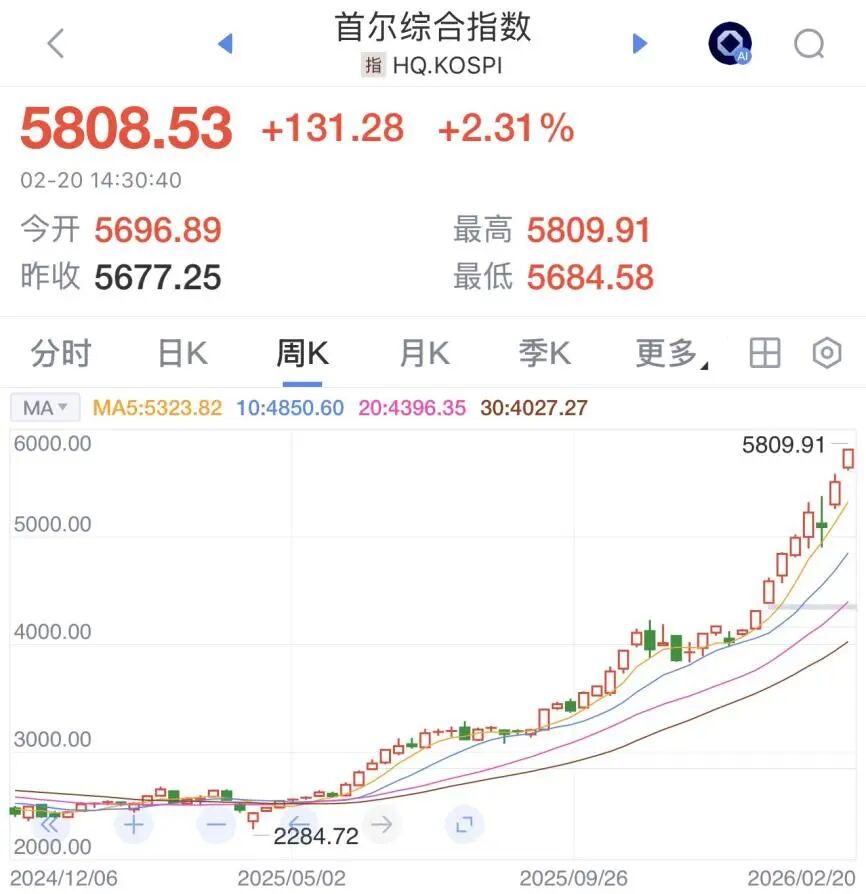
_The headlines are forwarded to where_The headlines are forwarded to WeChat and cannot be opened

After experiencing the "high market stimulus" rise, the Japanese market began to enter the adjustment stage, with little change during the Spring Festival.

In the U.S. market, the impact of AI continues, but the negative impact is slowly narrowing, and the three major indexes such as Nasdaq have little change.

Among technology giants, except for Nvidia, whose stock price is relatively stable, most technology leaders are still bottoming out. Google, which was previously strong, has also corrected by 10%.

The European stock market has gone through a completely different trend from that of the United States. The indices of the United Kingdom, Spain and other countries have hit new highs continuously, and the stock markets of Germany and France are also quite strong.
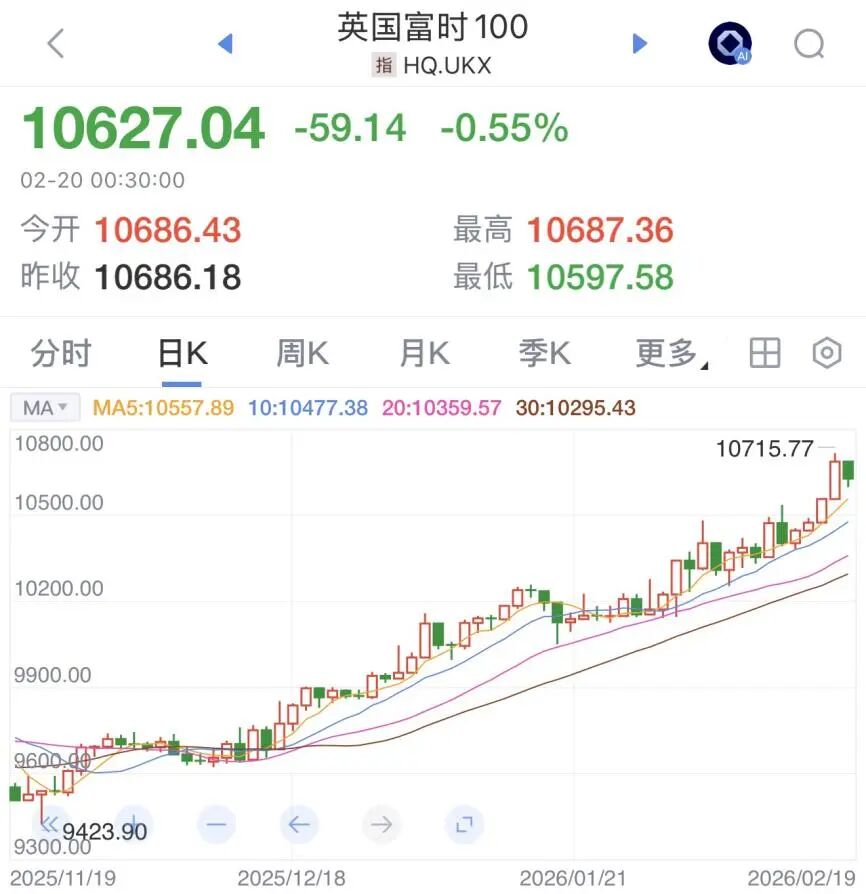
The headlines are forwarded to WeChat and cannot be opened. The headlines are forwarded to WeChat and cannot be opened. The headlines are forwarded to WeChat and the headlines cannot be opened. The headlines are forwarded to WeChat and cannot be opened. The headlines are forwarded to WeChat and cannot be opened. Where are the headlines forwarded? Where are the headlines forwarded? Headlines are forwarded to WeChat and cannot be opened.

On February 10, Xinhua News Agency and other media reported that France’s Amundi Asset Management, Europe’s largest asset management company, with 23 trillion yuan in assets, made it clear that it would reduce its investment in U.S. dollar assets and increase its exposure to Europe and emerging markets.

If European investors collectively switch gears, the Eurasian market will undoubtedly benefit the most.

On February 20, the U.S. Supreme Court announced its ruling that the U.S. International Emergency Economic Powers Act did not authorize the president to impose large-scale tariffs. This means that Laochuan’s tariffs are illegal.

As soon as the news came out, gold and silver began to rise.

As of the close on February 21, London silver rose more than 7% and gold rose more than 2%.
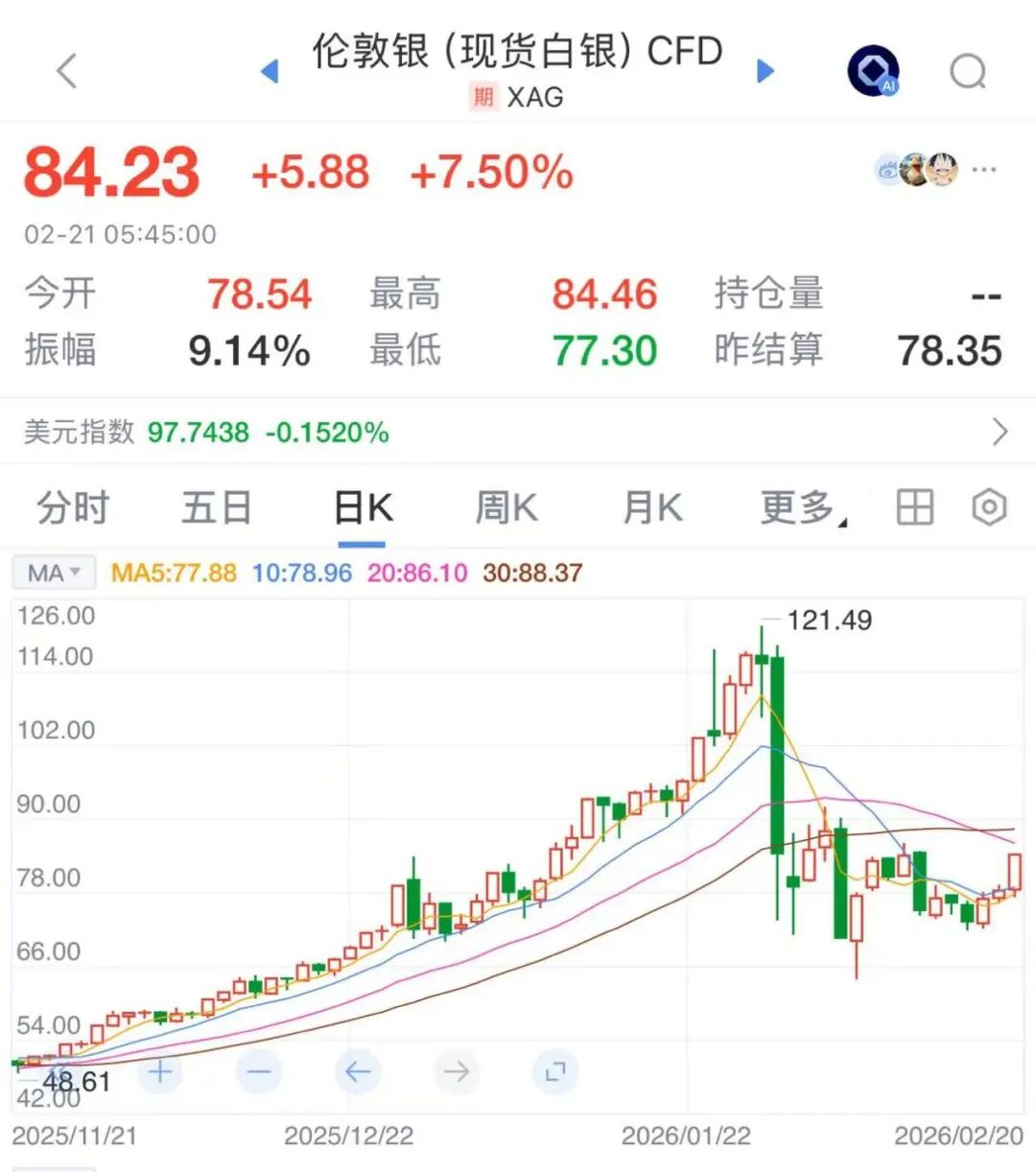
The headlines are forwarded to WeChat and cannot be opened. The headlines are forwarded to WeChat and cannot be opened. The headlines are forwarded to WeChat and the headlines cannot be opened. The headlines are forwarded to WeChat and cannot be opened. The headlines are forwarded to WeChat and cannot be opened. Where are the headlines forwarded? Where are the headlines forwarded? Headlines are forwarded to WeChat and cannot be opened.

Unconsciously, the annual increase in crude oil has exceeded that of gold, becoming the most powerful bulk asset in recent times.
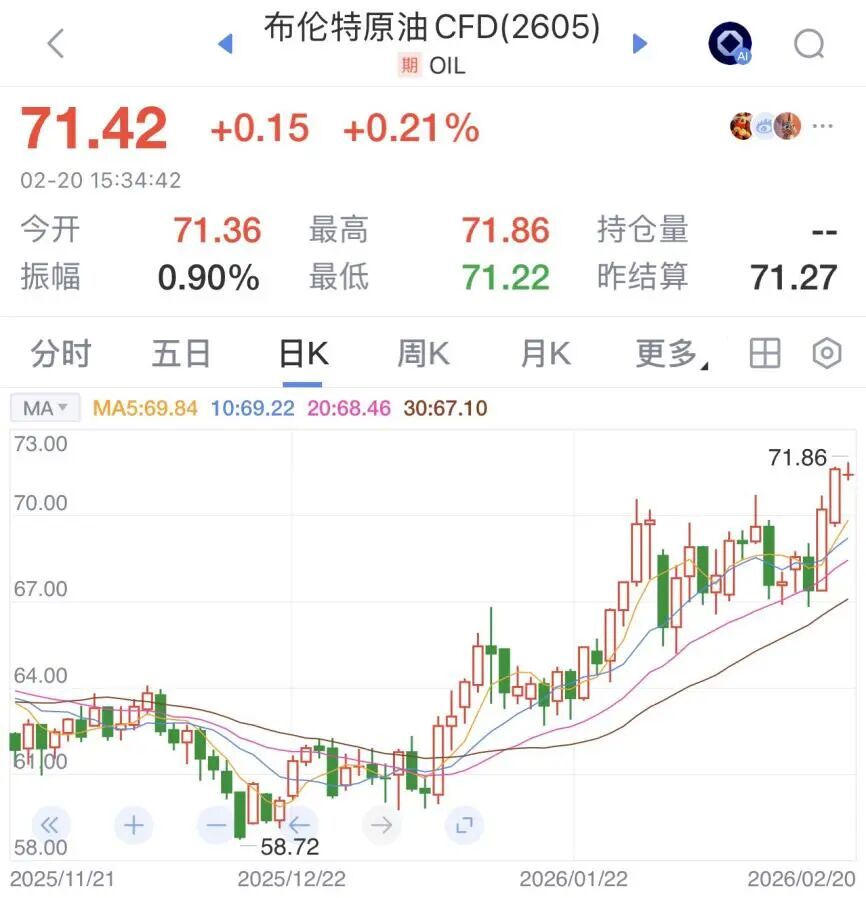
As of February 20, Brent crude oil has risen by 17% this year, exceeding gold's 15%.

Markets related to Chinese assets have been relatively weak.

On February 20, when the Hong Kong market opened, the Hang Seng Index fell more than 1% and fell back to the 60-day line again. Hang Seng Technology fell more than expected, falling nearly 3%, hitting a new low since July 2025.

Looking at the market, traditional technology stocks represented by Tencent and Baidu continue to weaken, while technology upstarts such as large models + robots continue to strengthen.

Affected by the CCTV Science and Technology Spring Festival Gala, robot and large-scale model companies have exploded. Companies such as Yuexian, Sagitar Juchuang, and UBTECH have experienced increases ranging from 6% to 20%.

Large model companies Zhipu and MINIMAX also achieved super performance of more than 10% or even 40%.
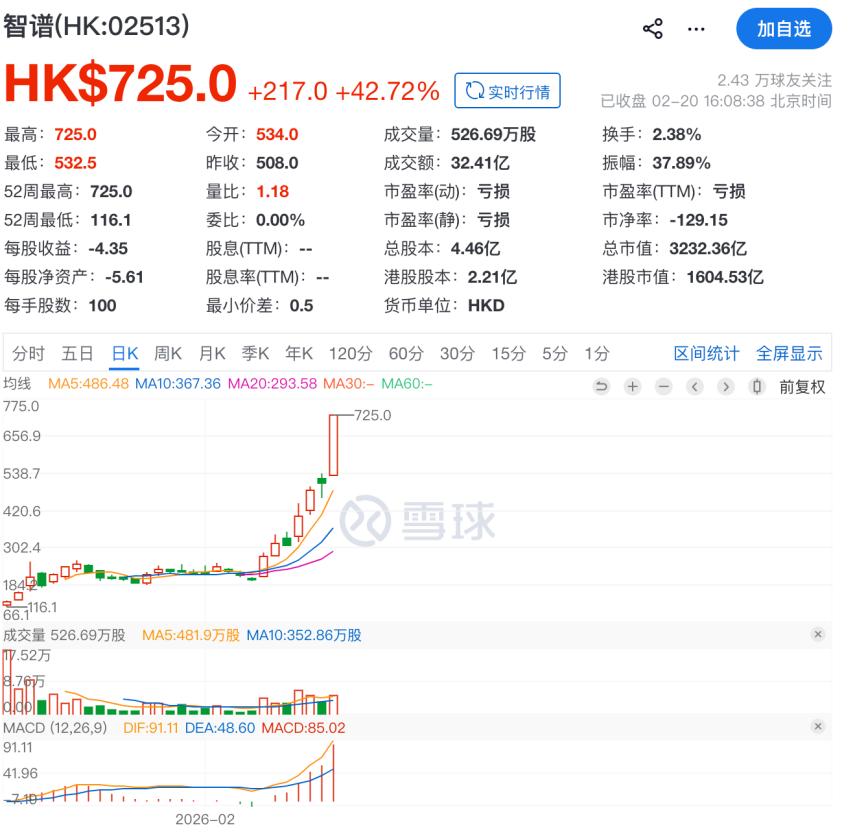
These concept companies do not make money, but their stock prices are high, and traditional technology and Internet stocks such as Alibaba continue to be in the doldrums. Because traditional businesses continue to burn money and AI business is fiercely competitive, the market has lost patience and imagination due to multiple factors.

More and more investors are joking that Byte is the biggest short seller of Hang Seng Technology. There is some truth to this joke.

Byte's current AI business is making the fastest progress and is also the most recognized by the market.

After bean bags became popular in 2025, Seedance will also become popular in 2026. Byte's leading advantage in the post-video era has not only not diminished, but is likely to be further expanded.

In the future, once there are disruptive changes in traffic entrances or traffic methods, it may seriously impact traditional giants such as BAT.

What is embarrassing is that Byte is not listed on Hong Kong stocks or A-shares. The positive significance it brings not only boosts the stock market, but the negative impact is becoming increasingly profound.

What to do? Letting Byte be listed in the country or Hong Kong may be the best way to hedge.

In 2022, Byte Hong Kong changed its name to Douyin Group, which was once considered to be preparing for listing. However, four years have passed, and the voice of Byte's IPO has become weaker and weaker.

The last time it was reported that Byte would go public was on September 25, 2025. Foreign media revealed that Byte may raise funds in Hong Kong, but the rumor was quickly refuted by Douyin Group executives.

During the Spring Festival, the currency that performed the most stably was the RMB. In the days when Chinese funds were absent, the increase was almost zero, and people seemed to be looking forward to the return of Chinese funds.

In 2026, will various funds continue to enter the market?

Have the deposits been moved?

In an era when interest rates continue to fall, this is a topic on everyone's mind.

Investors hope that deposits will continue to move so that the market can rise; banks have a tangled mentality. If they move too much, they will have no bottom; if they move too little, they will have no business; regulators are also very complicated. They are afraid of moving too fast and the index will be too strong and it will be difficult to end. They are also worried that too many deposits will accumulate and investment and consumption will be sluggish for a long time…

In 2026, before the Spring Festival, the central bank gave an official answer: the deposits moved but did not leave the bank.

How to interpret this statement?

The central bank explained in the "China Monetary Policy Implementation Report" for the fourth quarter of 2025:

Since 2024, as bank deposit interest rates continue to decline, the return rate of cash management financial products with deposit-like characteristics over the same period is still generally higher than the bank deposit interest rate, while the return rate of other asset management products is higher than that of cash management financial products.

Against this background, the asset allocation of residents and enterprises is turning more and more to wealth management, funds and other asset management products.

According to data from the central bank, from the beginning of 2024 to the end of 2025, the capital of asset management products from residents and enterprises increased by 9.4 trillion yuan, and the growth rate was 2.4 percentage points higher than deposits in the same period.

However, considering that residents still purchase financial products through banks, their destination has not changed. This is why the saying goes, deposits have moved, but they have not left the bank.

Many people have forgotten that during the Guo Shuqing era, asset management products were once synonymous with risk.

After years of adjustments, the large asset management industry is no longer what it used to be, and its appeal to residents has become more diverse.

The "Domestic Asset Management Industry Report (2025)" released by CITIC Financial Holdings shows that as of the end of 2025, the overall scale of China's asset management industry reached 184.53 trillion yuan, an increase of 13.1% from the end of 2024.

The growth rate of 13.1% is much higher than GDP, indicating that Chinese people have strong demand for wealth management.

Among various asset management directions, public funds and insurance funds have surpassed bank financial management to become the two largest forces.

As of the end of 2025, the scale of public funds was 37.71 trillion yuan, the balance of insurance funds used was 37.46 trillion yuan, the scale of bank wealth management was 33.29 trillion yuan, the scale of trust assets of trust companies was 32.43 trillion yuan, and the scale of private equity funds was 22.15 trillion yuan.

Previously, we analyzed financial management, public offerings, and private placements, but here we will expand on insurance funds.

According to statistics compiled by China Merchants Securities and other institutions, as of the end of the fourth quarter of 2025, the total assets of insurance companies and insurance asset management companies have reached 41.3 trillion yuan, a significant increase of 15.1% from the beginning of the year.

Among them, personal insurance companies ranked first in terms of absolute size and growth rate.

In 2025, the scale of personal insurance companies will be 36.4 trillion yuan, an increase of 15.4% from the beginning of the year; the scale of property insurance companies will be 3.1 trillion yuan, an increase of 7.5% from the beginning of the year; the scale of reinsurance companies will be 857.3 billion yuan, an increase of 3.5% from the beginning of the year;

From the perspective of capital operations of insurance funds, the stock assets of both personal insurance companies and property and casualty insurance companies have grown significantly. Among them, the stock assets of personal insurance companies have increased by more than 50%, reaching a scale of 3.5 trillion yuan; property insurance companies have increased by more than 40%, with a scale of 220 billion yuan.
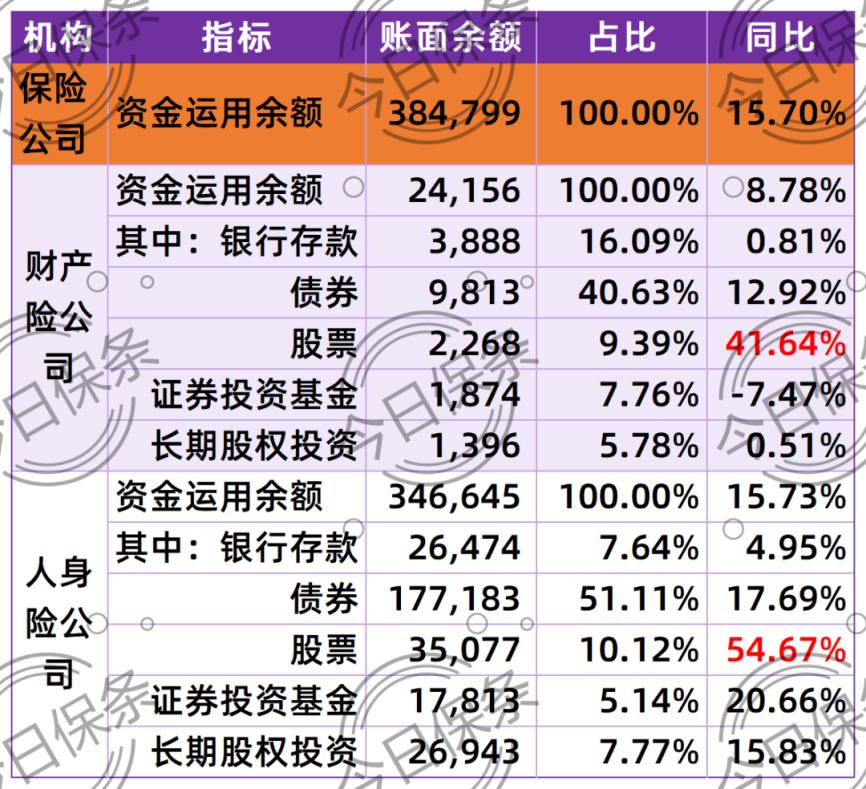
As of the end of 2025, the proportion of stocks in insurance companies’ equity investments hit a four-year high.

What exactly did the insurance money buy? Banking is the core direction.

According to statistics, in 2025, insurance companies held placards in the Shanghai and Shenzhen stock markets a total of 41 times, a 10-year high. Among the 41 placards raised, 20 were H-share listed companies, six of which were banks.

Ping An Capital is a typical representative of active insurance capital. Since 2025, Ping An Life has purchased H shares of Agricultural Bank of China 16 times, increased its holdings of H shares of China Merchants Bank 15 times, increased its holdings of H shares of Postal Savings Bank of China 12 times, and increased its holdings of H shares of Industrial and Commercial Bank of China twice.

After massively increasing its holdings, Ping An Life now holds 20% of Agricultural Bank of China's H shares, 20% of China Merchants Bank's H shares, and 16% of Postal Savings Bank's H shares.

In addition to banks, there are also internal mutual purchases of insurance funds.

In mid-to-early August 2025, Ping An Life successively bought China Pacific Insurance H shares and China Life H shares, both of which reached the mark-up line (5%).

After reaching the mark-up line, Ping An Life not only did not slow down its investment pace, but instead further increased its investment. As of February 3, 2026, Ping An Life holds 10% of China Life's H shares.

Although insurance funds continue to increase their holdings in bank stocks, the stock prices of bank stocks are still adjusting.

Taking the leading Agricultural Bank of China as an example, it has continued to weaken since peaking in November 2025. As of February 12, the stock price has fallen by more than 20% from its high, just one step away from the annual line.
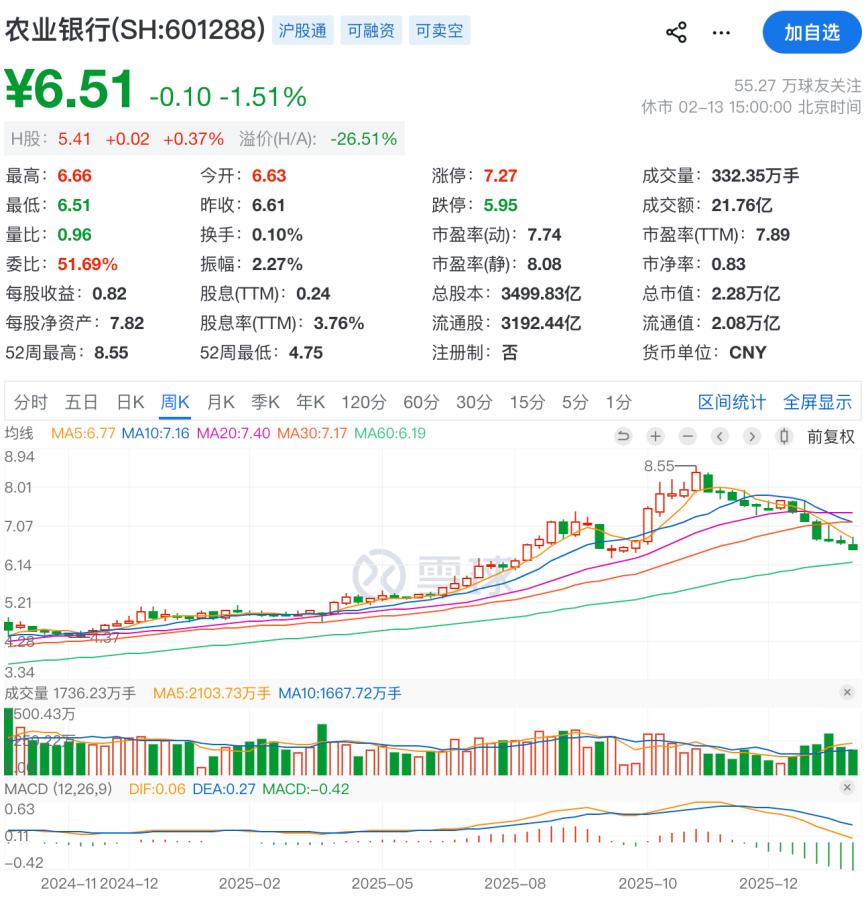
Why is Shantou so popular during the Spring Festival of 2026?

From a policy perspective, 2026 will definitely be a big year for domestic demand.

On February 16, New Year's Eve, "Qiushi" published the leader's important article "The Key Tasks of Current Economic Work," which once again placed domestic demand in the most important position.

The article emphasizes that there will be many clues for economic work in 2026, and we must grasp the key points and outline the outline. Adhere to the dominance of domestic demand, build a strong domestic market, coordinate the promotion of consumption and expand investment, and make full use of my country's ultra-large market advantages.

We will deepen the implementation of special actions to boost consumption, formulate and implement plans to increase the income of urban and rural residents, expand the supply of high-quality goods and services, optimize the implementation of the "two new" policies, clean up unreasonable restrictive measures in the consumption field, and release the consumption potential of cultural tourism and other services.

History tells us that stimulating consumption is not easy.

What is the situation like during the 2026 Spring Festival as the most important consumption window at the beginning of the year?

According to Lianhe Zaobao, data from the Ministry of Commerce showed that in the two days before the holiday, the average daily sales of key retail and catering companies across the country increased by 10.6% compared with the two days before the Spring Festival in 2025.

In comparison, retail catering sales increased by 4.1% during the entire Spring Festival in 2025.

On February 15, the passenger flow and turnover of 78 pedestrian streets (business districts) monitored by the Ministry of Commerce increased by 23.2% and 33.2% respectively compared with the first day of the holiday last year.

As of the 15th, New Year’s Eve dinner bookings on key platforms increased by 80.7%, hotel accommodation transactions increased by 32.7%, car rental orders increased by 54%, ice and snow tourism consumption increased by 1.2 times, and winter vacation consumption increased by 68%.

_The headlines are forwarded to where_The headlines are forwarded to WeChat and cannot be opened

The rise in domestic demand during the Spring Festival is partly due to the misalignment and extension of the holiday, and on the other hand is closely related to changing trends.

According to media reports such as CCTV Finance, the 2026 Spring Festival will focus on "reverse New Year celebrations", that is, celebrating the New Year from small cities to big cities, and parents celebrating the New Year with their children.

According to Voice of China, online travel platform data shows that during the 2026 Spring Festival holiday, many "reverse New Year" routes to Beijing, Shanghai, Chengdu, Guangzhou and other places are popular, and air ticket bookings have doubled.

Among them, among the passengers flying to Beijing, the number of passengers aged 60 and above increased 1.6 times compared with the same period during the Spring Festival holiday in 2025.

Guangdong tourism is particularly popular this year. According to Yangcheng Evening News, according to the latest data released by an online travel service platform, during the 2026 New Year period, the number of orders from tourists to Guangdong increased by 44% year-on-year.

According to information from the "Guangzhou Railway" WeChat public account, on February 13, Guangdong sent 1.909 million passengers, an increase of 165,000 passengers or 9.5% year-on-year; 1.426 million passengers arrived, an increase of 316,000 passengers or 28.4% year-on-year.

In Guangdong, Shantou is considered popular.

According to media reports such as Red Star News, the prices of some hotels in Shantou have exceeded those on the Bund in Shanghai. House prices at Home Inns and other hotels have generally jumped to more than 1,000 yuan, and some hotels in scenic spots have even exceeded 6,000 yuan.

Compared with usual times, many have doubled, and the most have even increased by nearly five times.

In this regard, the Price Monitoring Center of Shantou Municipal Development and Reform Bureau stated that this is caused by a short-term surge in market demand, and prices will gradually fall after the fifth day of the new year.

However, many media believe that such a price increase is abnormal and irrational, and that merchants are suspected of raising prices.

Objectively speaking, in today's consumer environment, it is a miracle that hotels in Shantou can maintain such high prices.

Obviously, this cannot be explained by simply raising prices.

We checked Shantou’s Spring Festival tourism situation in recent years and found that it is growing explosively.

During the 2024 Spring Festival, Shantou received a total of 5.0716 million tourists, an increase of 43.4%, and tourism revenue was 4.37 billion yuan, a surge of 133.03%.

During the Spring Festival of 2025, Shantou received more than 6.3 million tourists, and tourism revenue exceeded 6 billion for the first time, with a year-on-year growth of more than 40%.

In 2026, the popularity of Spring Festival tours in Shantou is still growing. According to The Paper, on February 16 (New Year’s Eve), Shantou received a total of 1.1507 million tourists, more than 30% year-on-year.

Why do people want to go to Shantou and other Chaoshan areas to celebrate the New Year?

According to an article by Mirror Studio, this is the result of looking for the flavor of the year. Since two or three years ago, folk activities such as English singing and dancing in Guangdong and Wandering Gods in Fujian have been on the hot search in turn. Through short videos, many folk customs that originally existed only in local memories were quickly spread.

People from all over the country poured in, and Shantou was overcrowded. You know, Shantou has a population of only 5.5 million, but the number of tourists has increased by one to two million in two to three years.

Without major expansion of local hotels, there will be no choice but to raise prices.

According to top news reports, hotel bookings in Shantou during the 2026 Spring Festival surged 186% year-on-year. There are only more than 100 local mid-to-high-end hotels in total, with about 20,000 guest rooms. The number of guest rooms is 20,000. Even if three people are accommodated in a single room, it can only accommodate 60,000 people, which is a drop in the bucket.

Labor costs during the Spring Festival were three times higher than usual, and conflicts broke out intensively, creating a price miracle.

Shantou tourism is so popular, why not expand it? The answer is, on the road.

The Paper reports that mid-to-high-end hotels in Shantou will enter a frenzied expansion wave in 2024, with as many as 20 hotel projects planned to be put into construction (or under construction) that year.

According to an article on the Kilou public account, in 2025, more than 20 large-scale hotel projects will enter the construction or opening stage, with many projects exceeding RMB 100 million each.

Starting from 2027, it will be the first wave of expansion of Shantou hotels, and prices may fall back by then.

In 2025, in addition to the reverse tourism craze among Chinese people, inbound tourism by overseas tourists will also continue to be popular.

According to predictions from the National Immigration Administration, the average daily number of entries and exits at ports across the country during the 2026 Spring Festival holiday will exceed 2.05 million, a year-on-year increase of 14.1%.

According to Phoenix Finance and other media reports, during the 2026 Spring Festival, the number of air tickets booked by foreigners to China increased more than four times year-on-year.

Singapore, Australia, and Canada are at the forefront. Bookings in European countries such as the Netherlands, Spain, and the United Kingdom have more than doubled, and Argentina has increased by more than 9 times.

In addition to tourism, overseas tourists may have other purposes.

On February 10, according to the 21st Century Business Herald, dental, physical examination, and traditional Chinese medicine physiotherapy have become the "new three-piece package" for overseas tourists entering China.

The National Health Commission's 2025 foreign-related medical services report shows that key foreign-related hospitals received 1.28 million international patients throughout the year, an increase of 73.6% from three years ago, of which the number of European and American patients doubled.

We have analyzed many times before that if China can continue to expand the scale of inbound tourism, it will be extremely beneficial to domestic demand.

On February 15, the Ministry of Foreign Affairs officially announced that Canada and the United Kingdom would be unilaterally exempted from visas, and the circle of friends was once again expanded.

Inbound travel is very popular, and outbound travel is not bad either.

On February 20, according to PR Newswire, the number of Chinese outbound tourists in 2026 is expected to exceed 225 million, not only surpassing the pre-epidemic level, but also marking that the market has transcended a simple "recovery period" and entered a new structural growth stage.

Liquor has always been an important indicator of consumption during the Spring Festival. Liquor consumption during the Spring Festival in 2026 will be polarized, and there is a big difference between Moutai and non-Moutai.

According to Caixin reports, in the nearly three weeks before the Spring Festival (January 25 to February 10, 2026), Moutai's sales increased by 32.3% month-on-month. The wholesale price of Feitian Moutai increased moderately from 1,680 yuan per bottle on February 9 to 1,715 yuan per bottle on February 13.

According to agency tracking, the current shipment progress of Moutai dealer channels has reached more than 30% of the annual sales target, compared with about 25% in the same period last year, and channel inventory is low.

A Moutai dealer said that sales in 2026 will be better than in 2025, but dealers dare not stock up on wine.

However, the rising consumption of Moutai cannot maintain the overall popularity of the product line. According to Jiemian News, the current market is "hot in Feitian and sluggish in MaMao", and the Year of the Horse zodiac wine is not as popular as in the past.

Generally speaking, this year’s Spring Festival consumption is better than last year, but whether this can be reversed remains to be seen.

On February 19, the IMF issued a document titled "How China's Economy Shifts to Consumption-led Growth", proposing several major measures.

The article points out that China's current household savings rate is much higher than the OECD median, and private consumption and social security expenditures are significantly lower than the OECD level.
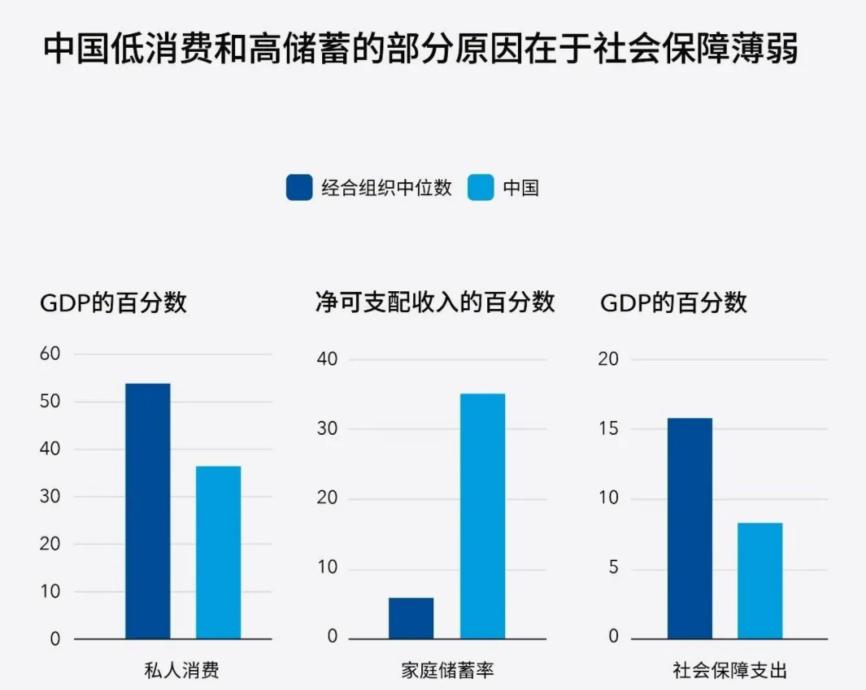
How to convert savings into consumption may start with strengthening social security.

The IMF proposed that if measures such as expanding social welfare and household registration reform for residents in rural areas are adopted, China's consumption may be greatly improved.
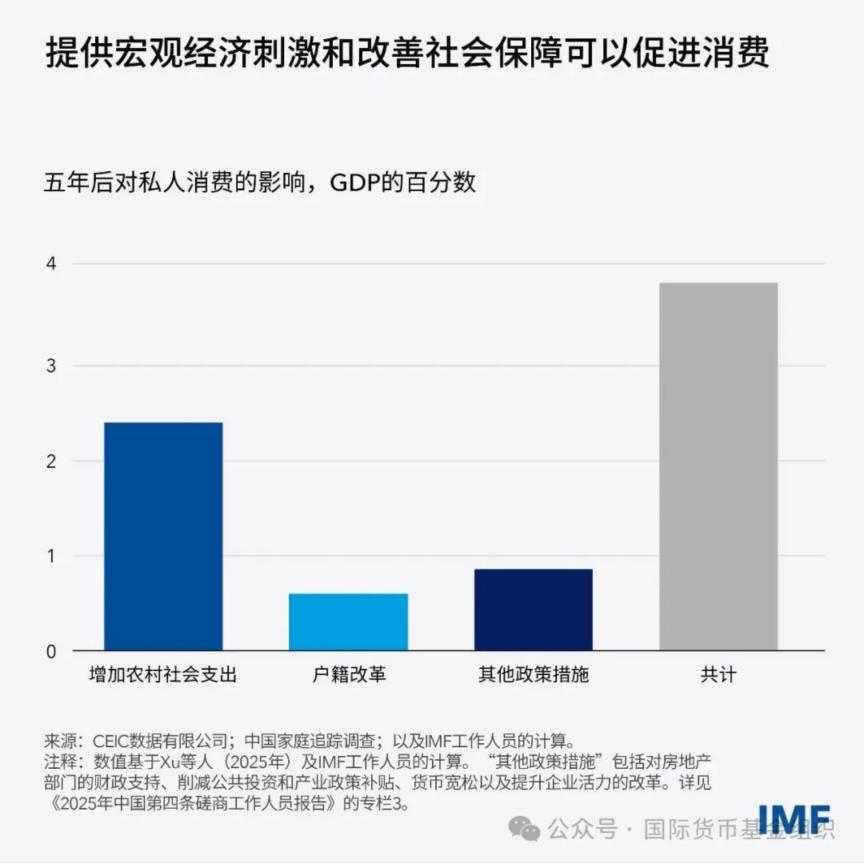
The headlines are forwarded to WeChat and cannot be opened. The headlines are forwarded to WeChat and cannot be opened. The headlines are forwarded to WeChat and the headlines cannot be opened. The headlines are forwarded to WeChat and cannot be opened. The headlines are forwarded to WeChat and cannot be opened. Where are the headlines forwarded? Where are the headlines forwarded? Headlines are forwarded to WeChat and cannot be opened.

Consumption cannot be afforded, and inflation is likely to remain at a low level.

Regarding China's 39 months of negative PPI growth, the IMF has recently conducted a special analysis and dismantling.

According to the Rick Notes public account, the IMF paper states that historically, in areas where real estate prices have been declining for a long time, CPI has tended to continue to decline, and China is no exception. In 2021, after the adjustment of China's property market, CPI has also entered the era of deflation.

The IMF further dissected it and found that provinces in mainland China with greater housing price declines tended to have greater CPI declines.

Prudent consumption caused by the wealth effect forms a perfect link.
From this perspective, if you want to increase prices, you must stabilize housing prices. Housing prices have become a prerequisite for the rise of consumption.

The louder the trade war, the better will China’s exports become?

In the past few years, foreign trade has been the most important support for China's economy.

No matter how European and American countries block it, China's global share of exports remains at a historically high level. In 2025, China's export share will hit a new record high.
In 2025, various data prove that the United States' attempt to use tariff barriers to reverse the world trade pattern has completely failed. This is not only reflected in China's trade data, but also in the changes in U.S. trade.

On February 19, data from the U.S. Department of Commerce showed that the U.S. trade deficit in goods and services expanded to $70.3 billion in December 2025, far exceeding market expectations.

At this point, the United States has accumulated a total trade deficit of more than 900 billion U.S. dollars in 2025. Although it has narrowed slightly compared with the historical record in 2024 (less than 2 billion U.S. dollars), it is still at the highest level in history.
The headlines are forwarded to WeChat and cannot be opened. The headlines are forwarded to WeChat and cannot be opened. The headlines are forwarded to WeChat and the headlines cannot be opened. The headlines are forwarded to WeChat and cannot be opened. The headlines are forwarded to WeChat and cannot be opened. Where are the headlines forwarded? Where are the headlines forwarded? Headlines are forwarded to WeChat and cannot be opened.

According to reports from Reuters and other media, data from the U.S. Department of Commerce also showed that the U.S. trade deficit with China narrowed from $295.5 billion in 2024 to $202.1 billion in 2025, a significant year-on-year decrease of nearly 32%.

The direct trade deficit with China has declined, but the overall deficit has remained unchanged. This is the result of the structural adjustment of China+ (ASEAN, Latin America, and Africa).

The Sino-US trade pattern continues to move forward while the other continues to move backward. The general trend seems to be difficult to stop.

However, as China's trade surplus continues to expand, there are more and more doubts. As China celebrates the Spring Festival, major global economic and trade institutions continue to speak out, calling on China to change the current trade imbalance.

On February 13, World Trade Organization Director General Iweala said in Germany:

China has used exports to promote economic growth in the past 40 years, but this trade model cannot drive China's growth in the next 40 years. The $1.2 trillion trade surplus held by China will be unsustainable because the rest of the world cannot absorb it. If China takes no action, we will see more new trade barriers emerge.

On February 18, the IMF warned that China's current economic policies have caused resource misallocation domestically and produced negative spillover effects overseas, and called for adjustments to the development model and a shift to a growth model dominated by domestic demand and consumption.

In Europe, high-wall trade protection measures are still increasing.

On February 17, the Financial Times reported that the European Commission is planning to amend the relevant provisions of the soon-to-be-announced Industrial Accelerator Act (IAA). It plans to require that at least 70% of the "non-battery components" of electric vehicles (EVs), hybrid vehicles, and fuel cell vehicles must be produced in the EU, and the final assembly must also be completed in the EU before they are eligible to apply for support from EU countries or participate in public procurement.

These changes are clearly targeted at China.

The Financial Times also revealed that according to the draft of the Industrial Accelerator Bill it has seen, the European Commission will also stipulate that at least 25% of aluminum products and 30% of plastic doors and windows in the construction industry must be manufactured in the EU to qualify for public subsidies.

We have been tracking EU policies for a long time, and industrial policies plus carbon tax barriers have jointly formed an increasingly deep trade gap. Going to the EU to start production and build factories has gradually become the only way.

In terms of China's foreign trade, there has been a very paradoxical change recently.

As Sino-Japanese relations continue to be tense, Japan's exports to China have bucked the trend and surged.

According to Wall Street Insights, Japan's export growth reached 17% in January 2026, which was not only significantly higher than the 5.1% growth in December last year, but also significantly exceeded market forecasts, marking the best start since 2023.

Which regions contribute to Japan's exports? China.

According to reports, in January 2026, Japan's exports to China increased significantly by 32%, while exports to the United States decreased by 5%. Because of China's strong demand, Asia has become the largest contributor to Japan's external demand.

From a category perspective, products such as machinery and chips have the fastest growth rates, with growth rates of 14.3% and 27.3% respectively. It seems that Chinese customers are hoarding Japanese equipment to prevent further changes in the relationship between the two countries.

Cursing the Supreme Court, Lao Chuan lost on tariffs for a while?

On February 20, Lao Chuan’s special treatment at the U.S. Supreme Court came to an end. The U.S. Supreme Court ruled that the relevant large-scale tariff measures implemented by the Trump administration lacked clear legal authority.

The Supreme Court made the ruling by a vote of 6 to 3. Of the nine justices on the Supreme Court, six were appointed by Republicans, three of whom were appointed by Trump.

Lao Chuan scolded the other party for being unpatriotic and disloyal.

Chief Justice Roberts said he was defending judicial independence, "We don't have an 'Obama judge' or a 'Trump judge,' a 'Bush judge' or a 'Clinton judge. What we have is a group of extraordinary and dedicated judges who do their best to deliver justice to every person who comes before them."

Lao Chuan chose to be tough and announced at the press conference that day that in accordance with Article 122 of the 1974 Trade Act, an additional 10% global import tariff will be imposed on the existing tariffs for 150 days.

It seems that there are many difficulties for Lao Chuan to get involved in the independent judicial and Federal Reserve systems.

Economically speaking, these farces will have many implementation difficulties. For example, how will customs enforce them? Also, how to deal with the hundreds of billions of dollars in tariffs paid by U.S. companies after Trump significantly increased global tariffs last year.

Economists at the University of Pennsylvania's Wharton Budget Model estimate that more than $175 billion in tariffs imposed under the International Emergency Economic Powers Act are at risk of being refunded.

With tariffs removed, the three major U.S. indexes happily rose.

So, what impact will this move have on Chinese goods? A friend sent an analysis, which is very detailed and can be used for reference.

1. What has the Supreme Court struck down?

What has been canceled is the global "reciprocal tariff" imposed by Trump in accordance with the International Emergency Economic Powers Act (IEEPA), in which the tax rate on Chinese goods ranges from 10% to 34% (it was even pushed up to 125% at one time).

This part of the tariff was found to be illegal and was immediately stopped.

2. What else did Trump add?

In accordance with Section 122 of the Trade Act of 1974, he imposed an additional 10% temporary tariff on global imported goods for 150 days.

This 10% is superimposed on the original legal tariffs (such as Section 301 tariffs on China and Section 232 steel and aluminum tariffs).

3. Comprehensive results: Are tariffs increased or reduced?

Let’s look at two situations:

Situation 1: Ordinary Chinese goods (Section 301 tariffs apply)

Before: Section 301 tariff (7.5%–25%) + IEEPA reciprocal tariff (10%–34%)

Now: Section 301 tariff (7.5%–25%) + new 10% temporary tariff

Estimate the median:

The previous comprehensive tax rate ≈ 16.25% + 22% = 38.25%

The current comprehensive tax rate ≈ 16.25% + 10% = 26.25%

Tariffs are down for most Chinese goods, but are still well above normal levels.

Scenario 2: Specific commodities such as steel and aluminum (Article 232 tariffs apply)

Before: 232 tariff (25%) + IEEPA reciprocal tariff (10%–34%)

Now: 232 tariff (25%) + new 10% temporary tariff

Estimate the median:

Previous comprehensive tax rate ≈ 25% + 22% = 47%

The current comprehensive tax rate ≈ 25% + 10% = 35%

For steel, aluminum and other commodities, tariffs have also dropped, but they still remain at high levels.

One sentence summary:

For the vast majority of goods exported from China to the United States, the tariff level has dropped, but this is not a "return to the original", but a reduction from an extremely high illegal tariff level to a still high legal tariff level.

The essence of Trump's operation is to replace the previously illegal 10%-34% global tariffs with a legal 10% temporary tariff, while retaining all other legal tariffs on China.

The first few articles of the Year of the Horse are over. Those of us who can read this far during the Spring Festival, we admire the energy of learning.

During the Chinese New Year this year, many areas can set off firecrackers. There is a strong flavor of the New Year in the air again, and the gorgeous memory of fireworks streaking across the sky is back.

Starting from New Year's Eve, the ground is red, the Sky Monkey is flying, the God of Thunder is ringing in the clouds…these names that only appear during the New Year gradually turn from vague to realistic and vivid, and the long-lost excitement, excitement, and little fear arise spontaneously.

The year seems to be how it should be spent.

The return trip from the Spring Festival is coming soon. I wish everyone a happy Year of the Horse and a healthy return trip.

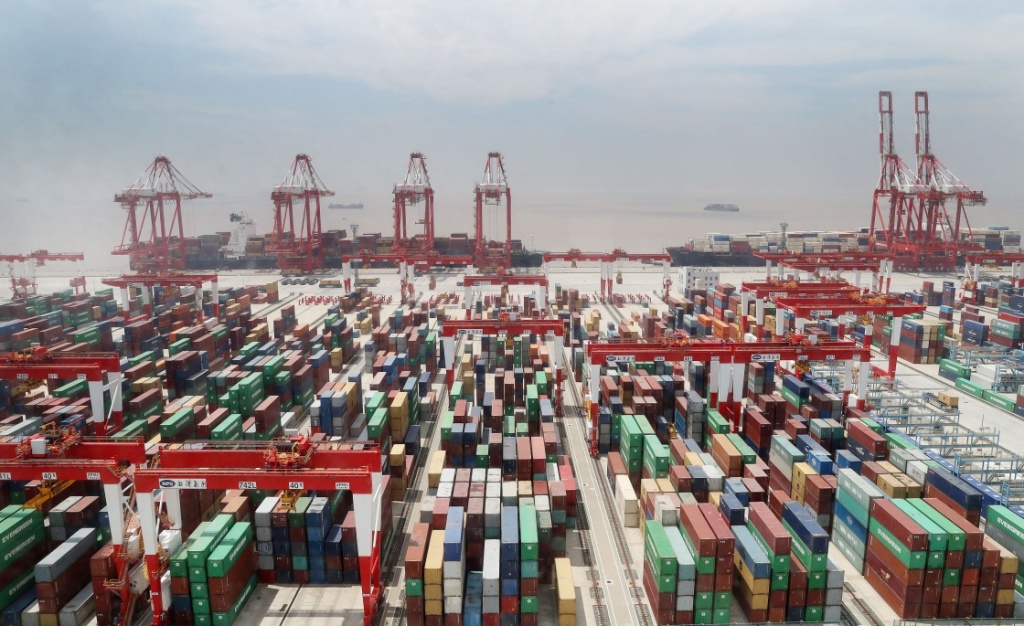
Sign In

Forgot Password

Sign Up