Professional virtual currency information station welcome
We have been making efforts.

24-hour news update Page 26

24-hour cryptocurrency news update

If The Gate Of Tears Is Cut Off, Global Oil Transportation Will Face Big Trouble

In Arabic, Mandeb means "Gate of Tears", which is intended to describe the danger of traveling through this place.

This strait is about 100 kilometers long and 32 kilometers wide. About 6 million to 7 million barrels of oil pass through it every day. It is one of the busiest straits for global oil trade and is generally regarded as the world's second largest energy chokepoint.

Especially after the Strait of Hormuz was effectively closed, Saudi Arabia and other Gulf oil-producing countries were forced to use the Bab el Mandeb route as the only remaining export channel.

Today, this "door" is completely within the range of Houthi armed missiles and drones.

What is even more worrying is that if the two major throats of Hormuz and the Bab el-Mandeb Strait are cut off at the same time, the impact will be far beyond imagination.

"Hormuz itself is one of the most critical energy channels in the world, and once the Bab el-Mandeb Strait fails again, the efficiency of the Gulf-Red Sea-Suez trunk line will collapse significantly." Wang Lei, an assistant researcher at the Institute of World Economics and Politics, Chinese Academy of Social Sciences, told Sanlihe.

He analyzed that this will push the market to a stage of "close to panic, but still constrained by fundamentals". The focus of market pricing is no longer just how much oil the world produces, but whether the oil can safely reach buyers.

In other words, the system will not "return to zero in an instant", but will shift from mainline transportation to a state of "few bypasses, higher costs, and lower efficiency"; the oil market will shift from traditional production logic to the logic of accessibility, insurability, and shipability.

If this route is disrupted, ships will be forced to take longer detours. According to an analysis by the UAE's "The Nation", this will extend the voyage by 10 to 15 days, resulting in significant additional costs.

Wang Lei analyzed that the additional costs mainly come from four parts-fuel consumption caused by longer voyages, chartering costs caused by longer turnovers, insurance costs caused by higher risks, and inventory financing costs caused by goods staying at sea for longer.

"If the four rise together, oil prices will easily slide from fundamental pricing to pricing driven by sentiment and liquidity."

The market is paying for safety and detours with real money.

The most intuitive manifestation is that the global energy market has been hit again.

On March 30, the price of Brent crude oil futures in London exceeded US$116 per barrel, approaching the highest intraday record since the outbreak of the US-Israeli war.

Experts warn that oil prices could soar to as high as $150 a barrel if the Bab el-Mandeb Strait is blocked or severely disrupted.

However, if the Bab el-Mandeb crisis strikes, it will affect far more than just oil.

"The entire Red Sea Corridor carries about 30% of the world's container traffic." Kieran Tolat, a trader at GMS, a world-renowned shipping agency, said that as the southern gate of the Red Sea and Suez Corridor, the threat to the Bab el-Mandeb Strait will affect container transportation, bulk and dry cargo transportation, insurance premiums, and overall shipping operations in Asia and Europe.

According to the Associated Press, about 12% of global merchandise trade passes through the strait, with major commodities ranging from cereals to toys to electronic products.

For many shipping companies, this route is the fastest and most cost-effective link between the Indian Ocean and the Mediterranean.

Right now, the items in ordinary consumers’ shopping carts may be stuck on this route. When the "Gate of Tears" really sheds tears, the numbers on consumer bills around the world are the most authentic proof.

("Sanlihe" Studio)

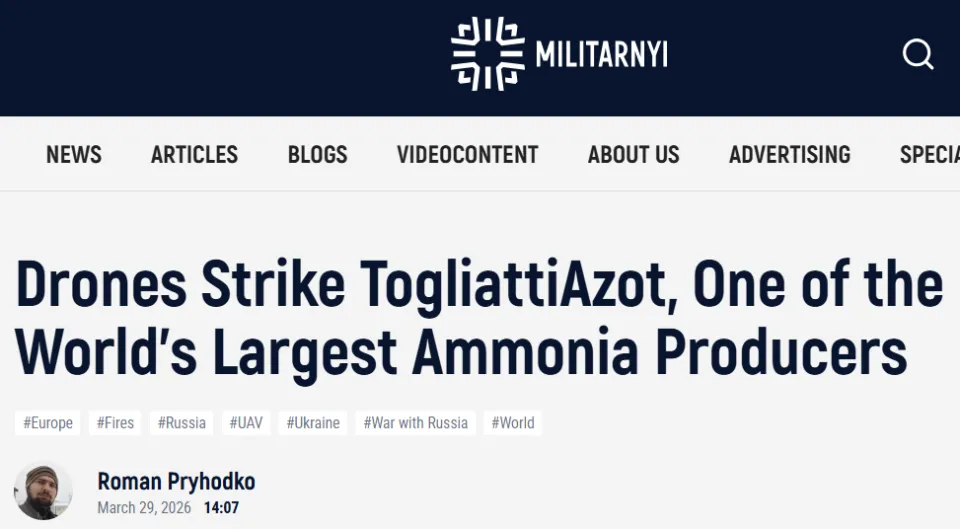
Russian Military Factory Attacked: The World's Largest Ammonia Plant Exploded, Destroying All Fertilizers And Explosives

Content summary:

Ukrainian drones attacked the Kuibyshev Azote chemical plant in the Russian city of Samaratolyati on Saturday night and early Sunday. The plant is one of the world's largest ammonia producers and is used for the production of civilian fertilizers and military explosives and rocket fuel raw materials. The attack caused multiple explosions and multiple fires at the plant. Russian chemical companies have become a key target of Ukraine's attacks. In March, Ukraine's attacks on Russian-related chemical companies were publicly reported more than 14 times.

_乌克兰袭击了全球最大的氨生产商之一俄罗斯托利亚蒂亚佐化工厂_乌克兰袭击了全球最大的氨生产商之一俄罗斯托利亚蒂亚佐化工厂

A massive Russian military-civilian factory was targeted in a massive drone attack on Sunday and suffered heavy losses – both in fertilizer production and exports and in military explosives.

On March 29, the "Military" media reported that a large number of attack drones attacked the Kuibyshev Azote Chemical Plant in the Tolyati Industrial Zone in the Samara Region of Russia that morning.

The attack began late at night on March 28 and lasted until the morning of the 29th. Multiple drones flew to the Kuibyshev Azote chemical plant one after another. Throughout the night, locals were disturbed by the sound of shelling from air defense systems and explosions from drones, making it difficult to sleep.

Fedorishev, the governor of Russia's Samara region, confirmed the attack. On Sunday afternoon, he posted on the Telegram channel: "Dear residents of the Samara region, this morning the Ukrainian armed forces attacked an industrial enterprise in Tolyati with a drone. According to preliminary information, there were no casualties. Operational services are functioning. Let me remind you that it is prohibited to take and publish photos and videos of drones, as well as the consequences of their use. It is dangerous to get close to the wreckage of a drone. If discovered, you should call the emergency number: 112."

乌克兰袭击了全球最大的氨生产商之一俄罗斯托利亚蒂亚佐化工厂_乌克兰袭击了全球最大的氨生产商之一俄罗斯托利亚蒂亚佐化工厂_

Russian online media Astra reported that in the early morning of Sunday, the city of Tolyati in the Samara region was attacked by a large-scale drone. The main target of the attack was the Kuibyshev Azote chemical plant. During the hours-long attack on the company, multiple drones hit the factory, and local residents reported multiple explosions and multiple unusual fires at the factory. Some of the explosions may have been the sound of local air defense systems intercepting the drones, indicating that Russian mobile fire teams were in action during the drone strikes.

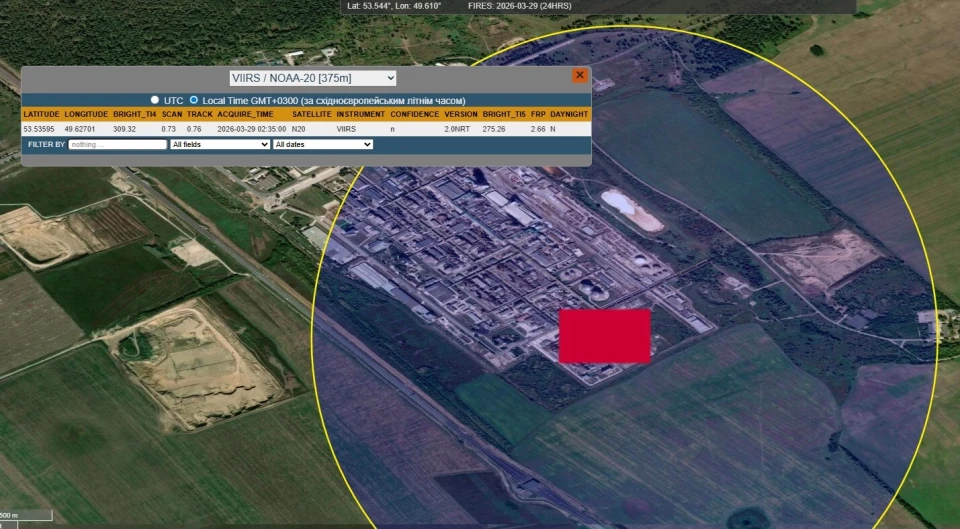
Subsequently, at 2:35 a.m., NASA's FIRMS satellite fire monitoring service recorded an abnormally high temperature in the Kuibyshev Azote chemical plant area.

Kuibyshev-Azot Chemical Plant is a major Russian chemical plant located in the city of Tolyati in the Samara region, specializing in nitrogen chemistry and polymer production, and one of the largest ammonia producers in the world.

The plant's main products include ammonia, urea and other chemical products, which the manufacturer mainly uses to make mineral fertilizers. However, ammonia and nitrogen compound derivatives also serve as basic raw materials for a variety of industrial and military processes. In particular, companies can use it in the production of explosives, rocket fuel and other chemical components.

In addition, the plant produces polyamide plastics and synthetic fibers, which are widely used in the automotive industry, textiles and electronics. Overall, this is a full industry chain enterprise that converts raw materials into basic chemicals and finished products.

_乌克兰袭击了全球最大的氨生产商之一俄罗斯托利亚蒂亚佐化工厂_乌克兰袭击了全球最大的氨生产商之一俄罗斯托利亚蒂亚佐化工厂

It has become normal for Ukrainian drones to attack manufacturing companies or military warehouses involving military purposes in Russia or in areas occupied by Russia.

"Military" recently reported that in March, 14 attacks on Russian chemical companies in Ukraine were publicly reported by the media. The targets of the attacks were all companies related to the production of fertilizers and military components.

For example, on March 11, a Ukrainian drone attacked the Kuibyshev Azote chemical plant in Tolyati, Samara region. This attack caused a fire in the plant.

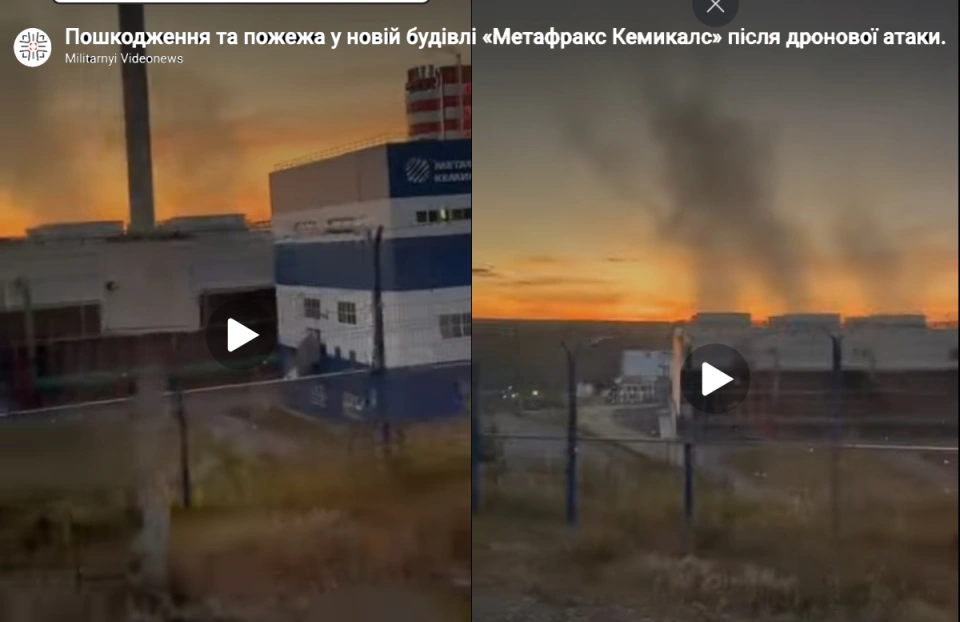
On the morning of March 11, Ukrainian attack drones simultaneously attacked the chemical plant of Metafrax Chemicals Joint Stock Company in Gubaha, Perm Territory. The news was announced by the region's administrative head Dmitry Mahonin.

Mahoning posted on Telegram that afternoon that "the enemy drone arrived at an industrial enterprise in Gubaha," but no one was injured and the operations department is currently handling the incident on site. In the post, the Russian official did not specify which company was targeted by the drone strike or the extent of the damage.

Russian online media SHOT reported that the chemical plant of Metafrax Chemicals Co., Ltd. was attacked that morning. The company mainly produces urea, a chemical element used in ammonium nitrate and ammonium nitrate mixtures (ANFO), which can be used as a raw material for industrial explosive devices and, theoretically, in artillery shells or land mines.

Although Metafrax Chemicals is not publicly linked to the Russian military-industrial complex, its parent company Roskhim is one of the main suppliers of chemical products to various Russian military-industrial complexes. The factory is approximately 1,600 kilometers from the Ukrainian border.

Kweichow Moutai Will Adjust Prices Starting From March 31! Why Is The Ex-factory Price Increase Restrained?

On the evening of March 30, Kweichow Moutai issued an announcement on major matters. Starting from March 31, 2026, the sales contract price (ex-factory price) of Feitian 53% vol 500ml Kweichow Moutai (2026) will be adjusted from 1,169 yuan/bottle to 1,269 yuan/bottle, and the retail price of the self-operated system will be adjusted from 1,499 yuan/bottle to 1,539 yuan/bottle. It has only been two and a half years since the last time the ex-factory price was raised to 1,169 yuan/bottle.

The reporter of "Daily Economic News·Jianjin Liquor" noticed that the company's actual production capacity has been stable at 56,000 tons for three consecutive years from 2022 to 2024, with almost no increase; the market approval price of Feitian Moutai has continued to decline since last year. With volume unable to increase and prices under pressure, raising prices seems to be an inevitable choice, but the price increase of less than 9% is obviously "restrained" compared to the last time.

On the other hand, this announcement clarified that the self-operated retail price of Feitian Moutai will be adjusted to 1,539 yuan/bottle. From i Moutai changing the guide price to retail price, and then raising it from 1,499 yuan to 1,539 yuan, it not only announced that the 1,499 yuan "guide price" that had been in use for 8 years was completely broken, but also meant that the price of Feitian Moutai has officially entered the "follow the market" stage.

Since the terminal selling price of the dealer system is not specified this time, does this mean that dealers can also set prices freely? How much increase can this price increase bring to this year's performance? After breaking the 1,499 yuan ceiling, where will the market pricing go? Has Moutai’s repeatedly emphasized market-oriented reform really taken a critical step? What impact will it have on the industry?

Ex-factory price restrained increase by nearly 9%

Price adjustment at the end of the first quarter covers full-year results

But the contribution may be limited

"Insured prices can control volume, and this year's performance is guaranteed." When talking about Kweichow Moutai's price increase, a brokerage analyst got straight to the point.

Distilleries usually raise prices during the off-season, but Moutai chose the end of the first quarter this time. The last price increase occurred in November 2023. At that time, the impact on the performance of the year was limited, and the real dividend release will be in 2024. This time, the price increase comes directly at the end of the first quarter of the year, which means that the effect of the price increase will completely cover the full-year performance, and its boost to the income statement is obviously more direct.

In 2024, the first full year after the last round of price increases, Kweichow Moutai achieved total operating income of 174.144 billion yuan, a year-on-year increase of 15.66%; net profit attributable to the parent company was 86.228 billion yuan, a year-on-year increase of 15.38%. On a high base, the company has maintained double-digit growth in revenue and net profit for the eighth consecutive year.

But the chill of industry adjustment has not dissipated. In 2025, the company lowered its total operating income growth target to 9%; in the first three quarters, the actual growth rates of the company's revenue and net profit were only 6.32% and 6.25%.

On the other hand, the market price of Feitian Moutai has continued to fall since last year, while the company's actual production capacity has stabilized at around 56,000 tons from 2022 to 2024, with almost no increase for three consecutive years. Volume cannot increase and prices are under pressure. To achieve the set performance goals, it seems that the only way is price.

However, this price increase may have limited contribution to performance.

After the last price increase, many brokerages calculated that this alone would increase the company's profits by more than 4.5 billion yuan in 2024, but this time the intensity has been significantly reduced.

Looking back at the nine ex-factory price increases of Moutai since its listing, the range has never been less than 15%, and the amount of a single price increase ranged from 50 yuan to 200 yuan per bottle. This round of price increases only increased by 100 yuan per bottle, which was less than 9%. Compared with the previous round of 200 yuan/bottle and 20% increase, it is slightly "restrained".

The above-mentioned brokerage predicts that the price increase is expected to bring about 2% performance growth.

But the logic of price adjustment never stops at the profit account. Some analysts in the industry believe that for manufacturers, price adjustment itself is not simply the pursuit of profit growth, but to make product prices closer to real market conditions and make price signals more transparent and effective. Through precise selection of price adjustment timing and scientific adjustment of the profit distribution mechanism, Moutai has not only further consolidated its long-term development foundation, but also set a benchmark for the industry that is undergoing cyclical adjustment. Instead of internal friction in price wars, it is better to reshape a transparent and stable price system through channel changes and digital tools.

"Guide price" changes to "retail price"

Feitian Moutai truly welcomes the price "following the market"

For the market, the performance flexibility brought about by this price adjustment may not be as good as before, but the more important point is that it has taken a key step in Moutai's market-oriented reform. In addition to raising the ex-factory price, the company also clarified that the retail price of the self-operated system will be increased by 40 yuan to 1,539 yuan/bottle.

"The essence is marketization of prices, and you follow the market." A dealer told reporters that the ex-factory price adjustment itself is not marketization, but the elimination of the 1,499 yuan guide price that has been used for many years is the core change. This is the first time since 2018 that Moutai has adjusted its market guidance price.

In his view, Moutai has raised its ex-factory price many times in the past few years, but it has always been "pegged" at 1,499 yuan as a guide price in the face of the market. In January this year, when iMoutai launched Moutai products, it had already changed the past "guide price" to "retail price", but the price of Feitian Moutai was still fixed at 1,499 yuan/bottle.

This increase in the retail price, officially bidding farewell to the 1,499 yuan/bottle unit price that has been implemented for 8 years, will be a landmark move for Feitian Moutai's price to "follow the market". It may also mean that its price will be adjusted at any time in the future based on market supply and demand.

In addition, what deserves special attention is that this time the company only clarified the retail price of the self-operated system and did not make rigid regulations on the terminal selling price of the dealer system. This move may give dealers the freedom to set prices based on market conditions.

Since the market-oriented transformation was proposed at the end of last year, one of Moutai's important actions has been to clearly mark the prices of all products as "retail prices" on the "iMoutai" platform. Defining the terminal selling price by "retail price" is Moutai's intention to regain market pricing power, avoid abnormal price fluctuations, and at the same time delineate a reasonable range for channel profits.

Breaking the guide price of 1,499 yuan is equivalent to opening up a new price space for dealers. The above-mentioned dealer further explained that in the past, they were not allowed to sell below the guide price, but now there is no such restriction, and in the future, they will decide how much to sell based entirely on market demand. In the future, it is not ruled out that Moutai will adjust according to market dynamics. At the same time, the company can also control the volume through i Moutai to maintain price stability.

Moutai executives have repeatedly emphasized the need to ensure reasonable profits for dealers. In the announcement on January 14 this year, the company clearly stated that under the distribution model, it will scientifically and reasonably calculate and dynamically adjust the sales contract price based on the operating costs, operating difficulties, operating risks, service capabilities, etc. of different products and different channels.

Industry analysts pointed out that this series of actions shows that the purpose of Maotai's reform is not to eliminate dealers or impact the existing channel system, but to clarify the functional division of labor and profit distribution between manufacturers and dealers through a more transparent pricing mechanism and dynamic adjustments, and ultimately ensure reasonable returns at the channel end.

Leading wine companies generally adjust prices “downwards”

Why did Moutai buck the market trend and “go up”?

The timing of Moutai's price adjustment is also in sharp contrast with its peers.

Since 2025, China's liquor industry has entered a deep-water zone where three phases of "policy adjustment, consumption transformation, and stock competition" overlap. High channel inventories and price inversions have generally become the norm in the industry, and dealers have meager profits or even losses.

According to the "2025 China Liquor Market Mid-term Research Report", in the first half of 2025, the three price bands with the most serious price inversions are 800 yuan-1,500 yuan, 500 yuan-800 yuan, and 300 yuan-500 yuan. Among them, products in the 500 yuan-800 yuan price range have the most difficulty in surviving. The reporter noticed that the price range of 500 yuan to 800 yuan is the core position of sub-high-end liquor, and it is also the main product price range where leading liquor companies have concentrated on adjusting ex-factory prices.

In order to effectively reduce channel pressure, since last year, many leading liquor companies such as Wuliangye, Xijiu, and Langjiu have adjusted downward the ex-factory prices of their core products, or achieved "disguised price reductions" through channel subsidies, quota adjustments, etc., covering multiple price bands such as high-end and sub-high-end.

The industry generally adjusts prices "downwards", but Moutai chooses to "upwards". What logic is this based on?

Industry analysts believe that unlike other wine companies that rely on channels to increase goods, Moutai's production capacity has been stable at 56,000 tons for three consecutive years, with little room for growth. Although terminal demand has fluctuated due to the impact of the general environment, the rigidity of core scenarios such as high-end gifts, collections, and banquets still exists. When the supply side cannot expand and the demand side still has support, raising prices is no longer a risk, but a repricing of scarcity.

Liquor expert Xiao Zhuqing believes that from an industry perspective, Moutai's price adjustment against the trend sends a clear signal: leading brands still have the ability to adjust supply and demand and optimize the price system through market-based means, injecting confidence into leading the industry out of the adjustment period.

When prices become more transparent, channels become healthier, consumption becomes more real, and development becomes more certain, the high-quality development path of the liquor industry will become more stable. Moutai's move is expected to lead the industry from "cyclical anxiety" to "value cultivation" and provide a reference path for the industry to get out of this adjustment cycle.

daily economic news

On March 30, Youyou Food’s Share Price Plummeted, And Non-net Profit After Non-profit Fell Sharply In The Fourth Quarter Of 2025.

On March 30, the stock price of Youyou Food (SH603697, stock price 10.19 yuan, total market value 4.358 billion yuan), the first stock of pickled pepper and chicken feet, fell all the way from the opening, falling more than 9% at one time and closing down 6.94%.

In terms of news, the company disclosed its 2025 annual report on the evening of the previous trading day (March 27). Although both full-year revenue and net profit attributable to the parent company achieved growth, the single-quarter performance in the fourth quarter "stalled" significantly: non-net profit after deduction fell by 82.4% year-on-year, and the month-on-month decline was as high as 93.93%.

At the same time, the exposure of the "bleached chicken feet" chaos at this year's "March 15" party also pushed the chicken feet industry chain to the forefront of public opinion. Youyou Food, as the industry leader, once attracted much attention. With internal and external factors intertwined, can the company get out of the shadow of its fourth-quarter performance and regain its growth momentum?

Net profit excluding non-profits will decline sharply in the fourth quarter of 2025

Youyou Food is mainly engaged in the research, development, production and sales of pickled pepper and chicken feet as its core product.

According to the company's 2025 annual report, the company's annual revenue was 1.589 billion yuan, a year-on-year increase of 34.39%; net profit attributable to the parent company was 186 million yuan, a year-on-year increase of 17.94%.

It seems that the performance is good, but on March 30, Youyou Food's stock price plummeted, reaching a low of 9.94 yuan per share, which is also the company's new low stock price this year.

Looking at a single quarter, in the fourth quarter of 2025, Youyou Food achieved revenue and net profit attributable to the parent company of 344 million yuan and 11.7571 million yuan respectively, while deducting non-net profit was 3.6956 million yuan. Among them, revenue in the fourth quarter increased by 16.4% year-on-year, and net profit attributable to the parent company and net profit after non-deductions fell sharply by 67.4% and 82.4% year-on-year respectively. If you look at it from a quarter-on-quarter basis, Youyou Food's single-quarter net profit after non-profit deductions fell by 93.93% quarter-on-quarter in the fourth quarter of 2025.

Regarding the fourth quarter performance issue, on March 30, 2026, a reporter from "Daily Economic News" called Youyou Food Securities Department, but the call could not be connected.

According to a research report by Huatai Securities, Youyou Food's performance growth in the fourth quarter of 2025 has declined mainly due to the impact of the Spring Festival, while profits are under pressure mainly due to an increase in manufacturing expenses due to one-time investment in process equipment, and an increase in expenses due to one-time settlement of personnel salary performance at the end of the year.

Judging from the data, in the fourth quarter of 2025, Youyou Food's gross profit margin was 19.93%, which was significantly lower than the gross profit margin level of 26%-29% in the first three quarters. Under this circumstance, Youyou Food's gross profit margin in 2025 will be 25.78%, a decrease of 3.45 percentage points from 29.23% in 2024.

Just went through a change of general manager at the end of last year

On March 15, CCTV's "March 15" party exposed the shady story of chicken feet processing in Sichuan and Chongqing. The appearance is fair and plump, but behind the scenes are messy production workshops and illegal bleaching processes.

As the “first stock of pickled pepper chicken feet”, Youyou Food has also attracted attention from the outside world. So, under the background of pressure on performance in the fourth quarter of 2025 and tightening industry rumors, can Youyou Foods quickly get rid of the haze?

At the end of last year, Youyou Food just experienced a change of leadership. According to the announcement, the company held an extraordinary general meeting of shareholders on November 17, 2025, to elect the fifth board of directors. On the same day, the board of directors meeting elected Lu Youzhong as chairman and appointed Lu You as general manager. Lu Xin, the daughter of Lu Youzhong who previously served as a director, no longer appears on the list of the new board of directors.

This change of leadership has been speculated by the outside world as a succession-related arrangement. However, the company responded that the change of board of directors was a normal arrangement based on the company's strategic development. The appointment of the new general manager Lu You is a prudent decision made by the board of directors based on the company's long-term development needs and the rejuvenation and professionalization of the management. The company's operation and management team remains generally stable.

Public information shows that Lu You is 38 years old. He graduated from Southwest University with a bachelor's degree in food science and engineering. He once worked in the company's R&D department and later obtained a master's degree in food science from Illinois Institute of Technology in the United States. From 2019 to 2025, he served as the company's deputy general manager.

Regarding the company's future development, in the performance briefing for the third quarter of 2025, Lu You replied that after assuming the new position, the team and I will continue to adhere to the company's established strategic direction, strengthen strategic execution, and on the basis of consolidating the advantages of the main business, actively promote product innovation and channel expansion, and explore new performance growth points to inject new impetus into the company's long-term stable development.

The annual report of Youyou Food stated that in 2026, the company will further optimize the synergy efficiency of the supply chain, continue to deepen the national market layout, continuously enrich the product matrix, cultivate diversified growth drivers, and steadily improve its comprehensive competitive strength and risk resistance capabilities.

daily economic news
In The First Year Of The Change Of Ownership Of ST Renfu, The Leading Anesthetic Drug Company: Net Profit Increased By Nearly 40%, Revenue Fell Slightly

On March 30, ST Renfu (SH600079, formerly known as Renfu Pharmaceutical), a leading company in the field of domestic anesthetics, disclosed its 2025 annual report: net profit increased by 39.53% year-on-year, and revenue fell slightly by 5.79%.

The "Daily Economic News" reporter learned that the reason behind ST Renfu's "increased profits but not revenue" last year was the core subsidiary, Yichang Renfu Pharmaceutical Co., Ltd. (hereinafter referred to as Yichang Renfu, ST Renfu holds 80% of the equity), which performed strongly last year: net profit was approximately 2.748 billion yuan in 2025, almost supporting all of ST Renfu's net profits.

In fact, under the background that profits are highly concentrated in the anesthetic drug business, ST Renfu has accelerated the "core focus" strategy, which is also the key reason for the slight decline in the company's revenue last year. Entering 2026, ST Renfu stated that it will continue to deepen this work and further optimize its asset structure and business layout.

Actively promote the "centralization and focus" work in 2025

Public information shows that ST Renfu was founded in 1993 and listed on the Shanghai Stock Exchange in 1997. For a long time, ST Renfu has been under the control of Contemporary Group. In July 2025, China Merchants Biotech completed the reorganization of the board of directors of ST Renfu and other procedures. The controlling shareholder of ST Renfu was changed to China Merchants Life Technology (Wuhan) Co., Ltd. (hereinafter referred to as China Merchants Biotech), and the actual controller was changed to China Merchants Group Co., Ltd.

In the first fiscal year after the change of ownership, that is, in 2025, ST Renfu achieved operating income of 23.962 billion yuan, a year-on-year decrease of 5.79%; net profit attributable to the parent company was 1.855 billion yuan, a year-on-year increase of 39.53%. Among them, Yichang Humanfu, the core subsidiary of ST Renfu, achieved revenue of 8.810 billion yuan and net profit of 2.748 billion yuan. This means that ST Renfu's net profit last year was basically contributed by Yichang Renfu, and it also shows that the anesthetic business is still ST Renfu's main source of profit.

In fact, in 2025, ST Renfu will actively promote the "centralization and focus" work, that is, continue to sell assets to "downsize".

ST Renfu's 2025 annual report shows that during the reporting period, the company completed the sale of equity interests in Yichang Renji Maternal and Infant Health Management Co., Ltd., Renfu Pharmaceutical Group Medical Supplies Co., Ltd., Hangzhou Nuojia Medical Equipment Co., Ltd., and canceled Yichang Renfu Medical Equipment Co., Ltd., Wuhan Zhiying Xincheng Enterprise Consulting Co., Ltd. and other subsidiaries.

ST Human Welfare's "increasing profits but not increasing revenue" in 2025 is also closely related to "returning to core focus". ST Renfu explained in its annual report that the company's revenue reduction in 2025 is mainly due to the impact of structural reforms on the payment side of the pharmaceutical industry, as well as the company's implementation of "centralization and focus" work and continued optimization of business structure.

It is worth noting that driven by the "centralization and focus" strategy, the comprehensive gross profit margin of ST Renfu's main business will be 48.21% in 2025, a year-on-year increase of 3.69 percentage points.

The fixed increase will be announced after the Spring Festival in 2026

"Daily Economic News" reporters learned that after the Lunar New Year in 2026, the first major event announced by ST Renfu is the private placement issue: the company plans to issue shares to its controlling shareholder, China Merchants Biotech, with the total amount of funds raised not less than 3 billion yuan and no more than 3.5 billion yuan. The net proceeds after deducting relevant issuance expenses are planned to be used for innovative drug research and development (Yichang Renfu project and headquarters research institute project), construction of gender health and complex preparation manufacturing bases, digital construction, and supplementary working capital.

ST Renfu's announcement shows that based on the issuance cap, after the issuance is completed, China Merchants Biotech and its concerted parties will increase their shareholding ratio in ST Renfu from 28.30% to a maximum of 37.29%.

Regarding matters related to the progress of this issuance, a reporter from "Daily Economic News" contacted the company on the evening of March 30, 2026, but as of press time, no reply was received.

Judging from the announcement issued by ST Renfu, the company stated that it will continue to promote the work related to "centralization and focus" this year. Specifically, the company will continue to clean up non-core assets and use transfer, integration, exit and other market-oriented methods to optimize allocation, thereby focusing on resource development in business areas with competitive advantages and synergies; at the same time, the company will also comprehensively sort out and streamline the equity hierarchy and management structure to improve management efficiency; in addition, the company will closely focus on traditional areas of advantage and key shortcomings in the industrial chain, actively carry out investment target reserve work, and push the "acceleration button" for the company's high-quality development through the dual-wheel drive of connotative growth and extensional mergers and acquisitions.

daily economic news
South Korean President Lee Jae-myung Was Criticized For Talking About Independent National Defense And Taking Back Wartime Operational Command Authority

South Korean President Lee Jae-myung recently made it clear when presiding over a meeting of major military commanders that “independent national defense” must be achieved and “promote the recovery of wartime operational command authority as soon as possible.” He emphasized that a stable South Korea-US alliance is an essential element for peace on the peninsula, but over-reliance should be avoided and the South Korean military should play a leading role in the defense of the peninsula.

At the same time, when attending the "West Sea Guardian Day" commemoration ceremony, Lee Jae-myung reiterated that "peace is food, people's livelihood, and the highest security guarantee." However, in response to the request of the families of the dead Korean soldiers to "demand an apology from the North," he responded with "Will the North apologize?"

This series of statements was immediately criticized by former conservative lawmaker Liu Chengmin, who accused him of "blindly adopting a posture not to irritate the north" as the military commander. Lee Jae-myung’s speech and the criticism he encountered precisely reflect the core rift and the most realistic dilemma in South Korea’s current national security path.

Li Zaiming's speech is actually a consistent and logical extension of the political line of his progressive faction, which reflects real security anxiety and a pragmatic stance in the face of a rare strategic window. The ultimate goal of pursuing greater national defense autonomy is to regain wartime operational command authority, which itself is one of the core political demands of South Korean progressives. After Lee Jae-myung came to power, he did not follow the traditional path of "pro-North Korea and détente." Instead, he talked about "strengthening the military" and "independent national defense." This attitude is not accidental.

Its underlying motivation stems from deep concerns about South Korea's passive position in the unequal relationship between the United States and South Korea. Previously, the US military fighter jets almost "walked alone" in the sensitive airspace of the Yellow Sea, triggering China's reaction, but the South Korean military failed to grasp the details in advance. This incident was generally regarded by South Korean public opinion as "a hard blow on the most sensitive nerves of the progressives." It is living proof that it is extremely dangerous to rely entirely on an ally that may act on its own for national security. Therefore, Lee Jae-ming’s current emphasis on “avoiding over-reliance” and promoting the transfer of command is a response to reasonable internal security demands and an attempt to take advantage of the “window of opportunity” of U.S. strategic contraction.

朝鲜黄海北道发生的一起吃人__朝韩海军黄海交战

The U.S. "2026 National Defense Strategy" has also clearly recognized that South Korea "has the ability to assume primary responsibility for containing North Korea" and the United States will provide "critical but more limited support." This "burden-shedding" strategic adjustment, combined with Li Zaiming's desire to "be the master of the country," formed a "two-way rush." His speech confirmed and accelerated this process.

Liu Chengmin’s criticism exposed the deep-rooted ideological opposition and discourse traps in South Korea’s domestic politics on North Korea-related issues. Liu Chengmin accused Lee Jae-myung of "failed to explain for whom the heroes sacrificed" and "blindly adopted a posture of not irritating the North" at the commemorative ceremony. This argument is a typical manifestation of South Korea's conservative forces' long-term instrumentalization and ideologicalization of national security issues.

Their logic is based on the narrative of completely "demonizing" North Korea, and they maintain the political correctness of "the supremacy of the US-ROK alliance" by continuing to exaggerate threats, thus consolidating their base. However, this kind of political operation that ignores reality and only pays attention to rhetoric often causes damage to South Korea's national interests.

Lee Jae-myung's predecessor, Yoon Seok-yue, made the so-called "unification by absorption" a national policy and fantasized about replicating the German annexation model. As a result, North Korea directly revised its constitution and clearly defined South Korea as the "number one enemy country." The relationship between North Korea and South Korea fell to a freezing point. Yin Xiyue's line was essentially an internal political performance that could only cater to the sentiments of the basic base and did no good at all in promoting the resolution of the problem. However, it ultimately triggered a fierce reaction in the north.

_朝鲜黄海北道发生的一起吃人_朝韩海军黄海交战

Everyone knows that today, when North Korea possesses nuclear weapons and is strategically supported by major powers, it is completely impossible to achieve reunification by South Korea's force. Lee Jae-myung's current statement that "it will be a blessing as long as war does not break out" only puts the tacit reality of many Koreans on the table.

In this reality, deliberately naming and provoking North Korea in a high-profile manner at a memorial ceremony aimed at remembering the deceased and praying for peace has no practical significance except to satisfy the conservatives' desire for performance and destroy the already fragile atmosphere of detente. Lee Jae-myung's response to the martyrs' families, "Will the North apologize?" Although it sounds direct and even cold, it is precisely based on a clear understanding of North Korea's position.

"West Sea Guardian Day" was established to commemorate the South Korean officers and soldiers who died in the three conflicts in the Yellow Sea between North Korea and South Korea. To South Korea, they are "martyrs", but to North Korea, they are enemies that invaded its territory. What reason is there for an apology?

Kim Yo-jong, deputy minister of the Workers’ Party of Korea, has made it clear many times that inter-Korean relations have “completely broken away from the time zone of homogeneous concepts.” In short, “don’t come to me for good or bad things.”

Asking a country that has defined you as an "enemy country" to apologize for historical events is tantamount to seeking fish from a tree. Li Zaiming's response was to refuse to fall into such a trap of words that are unrealistic and only inflame emotions. He was both pragmatic and helpless.

_朝鲜黄海北道发生的一起吃人_朝韩海军黄海交战

Lee Jae-myung defines "peace" itself as "the highest security guarantee" and is committed to promoting national defense reform and "intelligent military strength." This may seem contradictory, but it is actually unified with his overall national security strategic concept. His goal has been downgraded from the illusory "unification" to the realistic "prevention of war" and "peaceful coexistence."

This means that the primary purpose of South Korea's pursuit of strong national defense power is "self-protection" and "deterrence", rather than the risk of active attack or "absorbing unification." A South Korea with complete operational command authority and enhanced autonomy in defense decision-making, if in the hands of a relatively pragmatic progressive government, may be more of a "treasure" for deterrence and self-protection. This will help reduce the risk of South Korea being "kidnapped" by the United States and passively involved in major power conflicts.

In recent years, the United States has been trying to expand the mission of the US military in South Korea to "deter China." This is a nightmare that Lee Jae-myung is very worried about. When command power is more in South Korea's own hands, the possibility of blindly following U.S. strategies and sacrificing its own interests to become "anti-China cannon fodder" will decrease. At the same time, promoting the "smart military" and national defense reform is also a reserve of capabilities for the eventual takeover of command.

In the past few decades, the "brain" of this joint command has been installed in the US military stationed in South Korea. The South Korean military is more of the "limbs" that follow orders and execute them. Lee Jae-myung needs to prove to the United States that South Korea not only has strong weapons, but also has enough "brains" to operate a complex war machine. This itself is a long process full of internal resistance, and many Korean military generals lack confidence in whether they can take over this heavy responsibility. Li Zaiming's speech also clearly sent a signal to the army to unify its thinking and promote reforms.

朝韩海军黄海交战__朝鲜黄海北道发生的一起吃人

However, all of Lee Jae-myung’s plans face a fundamental dilemma stemming from South Korea’s political system: the extreme discontinuity of policies and the deep tearing of domestic politics. The violent swings in South Korea's political spectrum have led to the lack of minimum continuity and consistency in its foreign policies, especially its policy toward North Korea. Every change of government means an almost 180-degree turn on North Korea's course.

The legislation banning air balloons during the Moon Jae-in period was abolished by Yun Xiyue; the "unification by absorption" advocated by Yun Xiyue and the high-intensity provocative military exercises between the United States and South Korea were moderated by Lee Jae-myung, but what about the next president?

From North Korea's perspective, this "pancake-turning" policy cycle fully proves that South Korea is far from forming a solid national will on core issues involving the fate of the peninsula. This is also one of the core reasons why North Korea is completely disappointed with the South Korean government and characterizes it as a "hostile country."

Therefore, even if Lee Jae-myung has made a series of unilateral detente actions, as long as a small drone crossing the border has exposed the flaws in his domestic control, any "goodwill" North Korea has towards him will be marked with huge question marks. Whether Lee Jae-myung can "resolutely" pursue those far-right forces in the country who are deliberately "troublesome" has been regarded by the outside world as a touchstone to test his sincerity. From this perspective, the criticisms of Liu Chengmin and others have become a vivid footnote to verify North Korea's judgment that "South Korea's political situation is not trustworthy."

Li Zaiming's speech demonstrated the pragmatic efforts of a leader of a medium-sized country caught between major powers to strive for strategic independence under the coexistence of a sense of crisis and opportunity. He is trying to walk a tightrope between strengthening independent national defense capabilities and maintaining a "cold peace" on the peninsula. The conservative criticism represents the kind of old thinking that is hijacked by ideology and may eventually drag the country into the abyss. Its purpose is just to gain votes for its own party and to claim credit in front of Americans.

朝鲜黄海北道发生的一起吃人__朝韩海军黄海交战

The tragedy of South Korea is that its national security framework has been embedded in the underlying code of the United States since its establishment, and has a group of loyal "security procedures" guarding it at all times to prevent any deviation from the track. To put it bluntly, this one of the top dozen economies in the world is not really completely autonomous in its national affairs.

Li Zaiming saw the historical opportunity, and he should also be fully aware of its complexity and danger. His phrase "peace is food", to put it bluntly, is an admission that South Korea can no longer withstand the torment of any war, and developing the economy and improving people's livelihood is the last word.

But this truth is particularly harsh to the ears of those political forces that rely on inciting confrontation to survive. Although this group of people is not currently on stage, they are still lurking and growing in the hustle and bustle of Korean public opinion, waiting for the day when the progressives make a mistake and make a comeback.

The Space Hospital Is Coming! Five Medical Projects In Shenzhen Universities Are Put Into Space Experiments

China News Service, Shenzhen, March 30 (Suo Youwei Wang Zhikang) At 19:00 on the 30th, five cutting-edge medical projects from the Future Space Hospital of Shenzhen University of Technology were successfully launched into space on a test spacecraft at the Jiuquan Satellite Launch Center. In the next three years, the on-orbit (test) test was completed, marking an important step for the world's first future space hospital to move from idea to reality.

Shenzhen University of Technology is the first university in the world to propose the concept of "future space hospital" and put it into practice. In July 2025, it signed a contract with the Microsatellite Innovation Institute of the Chinese Academy of Sciences to build a future space hospital. It aims to improve the health protection of astronauts and human health, expand on-orbit medical health monitoring and life system support capabilities, focus on advanced disease prevention and treatment, break the limitations of aerospace, medicine, biology, etc., carry out research and development in the fields of cutting-edge space life and health protection, and prepare space health support for non-astronaut space travel, galaxy exploration and other space health protection.

Comprehensive plasma therapy device for refractory wounds. Photo courtesy of Shenzhen University of Technology

"In the context of increasingly fierce competition in global space exploration, China continues to exert efforts in this field and continues to fill technological gaps. The health challenges faced by astronauts in space have also become a key direction for scientific research." Zhu Di Jian, Secretary of the Party Committee of Shenzhen University of Technology, said that the school brings together the aerospace science and technology power of medical devices, biomedicine, innovative medical technology and the Microsatellite Innovation Institute of the Chinese Academy of Sciences to build a future space medicine platform in order to help China occupy the initiative and dominant position in this field.

Xu Zhiming, executive director of the Future Medicine Center and dean of the Clinical School of Medicine at Shenzhen University of Technology, was the first person to put forward the idea of a future space hospital. According to him, the construction of the future space hospital will be divided into three steps: in the early stage, cutting-edge medical projects will be transformed into aerospace engineering and placed on a light boat cargo spacecraft, plus this successful launch The first step is to conduct subsequent on-orbit (test) tests; the second step is to build a future space hospital post station after the on-orbit (test) test is successful, and carry out space emergency rescue and space scientific research practices; the third step is to build a future space hospital medical cabin on the moon or other planets to explore the health protection of human beings on the moon and space travel.

Contact ultraviolet non-invasive phototherapy device. Photo courtesy of Shenzhen University of Technology

The contact ultraviolet non-invasive phototherapy device is one of the projects undergoing on-orbit testing this time. It was developed by Gu Ying, an academician of the Chinese Academy of Sciences and director of the Future Medicine Center of Shenzhen University of Technology. It can simulate the specific waveband in sunlight that promotes the synthesis of vitamin D. It is regularly used by astronauts on the space station or deep space vehicle, and can safely and efficiently maintain vitamin D levels in the body and prevent deficiency diseases. At the same time, in a microgravity environment, the reduction of bone load leads to rapid loss of bone density (about 1%-2% per month). Maintaining appropriate vitamin D levels through this phototherapy device can directly support calcium metabolism and form a synergy with space exercise and drug intervention to form a more comprehensive bone health protection system.

The comprehensive plasma treatment device for refractory wounds, jointly developed by Xu Zhiming and Chen Zhitong, a researcher at the Shenzhen Institute of Advanced Technology of the Chinese Academy of Sciences and the National High-Performance Medical Device Innovation Center, was also launched simultaneously for on-orbit (test) testing.

"In the microgravity environment of space, the distribution of human body fluids and abnormal blood circulation may cause the wound healing speed to be significantly slowed down, and it is easy to develop into chronic wounds." Xu Zhiming said that the plasma comprehensive treatment device for refractory wounds can directly promote cell proliferation and collagen synthesis by releasing reactive oxygen/nitrogen particles, accelerate tissue regeneration, and combat delayed healing caused by microgravity. The equipment does not need to rely on liquid or gel media. The plasma acts on the wound surface in the form of gas to avoid liquid splashing or contaminating the cabin environment in a weightless environment. At the same time, the equipment can not only treat skin ulcers, but also be used for surface disinfection of instruments, achieving "one machine for multiple purposes."

In the future, Shenzhen University of Technology will continue to use the Shenzhou spacecraft to carry out on-orbit experiments to serve the four major scenarios of the space station, moon landing, Mars exploration and future space travel, and promote the extension of space medical achievements from aerospace-specific to people's livelihood empowerment. (over)

Tianyu Shares And Many Other Companies Disclosed Mergers And Acquisitions And Reorganizations, Involving The Acquisition Of Equity And Assets

Mergers and Acquisitions

Tianyu Shares: Plans to acquire 87.82% equity of Shanghai Xingke for RMB 334 million

Tianyu Shares announced that the company plans to acquire 87.8173% equity of Shanghai Xingke High Purity Solvent Co., Ltd. by paying cash at a price of 334 million yuan. After the completion of this transaction, Shanghai Xingke will become the company's holding subsidiary.

Shunfa Henneng: Plans to acquire 49% equity of Shunfa Deneng and 100% equity of Puxing Jingxing

Shunfa Henneng announced that the company and relevant parties signed equity transfer agreements respectively to acquire 49% of Shunfa Deneng’s equity for 113 million yuan; and 100% of Puxing Jingxing’s equity for 147 million yuan. After the transaction was completed, Shunfa Deneng and Puxing Jingxing became the company's wholly-owned subsidiaries.

Gaoling Information: Plans to acquire 89.49% shares of CareStar

Gaoling Information announced that the company plans to purchase 89.49% of CareStar shares from 20 counterparties by issuing shares and paying cash, and raise supporting funds. After the acquisition, the company will realize a complete product chain covering terrestrial communications, satellite communications, security and data services.

Increase or decrease holdings

Mingyang Electric: Shareholder Huahui Consulting plans to reduce its holdings by no more than 1.23% of the company’s shares

Mingyang Electric announced that shareholder Zhongshan Huahui Enterprise Management Consulting Partnership (Limited Partnership) plans to reduce its holdings of the company's shares by no more than 3.84 million shares through centralized bidding or block transactions, accounting for no more than 1.23% of the company's total share capital.

Uni-President Shares: Shareholder Rongsheng Investment plans to reduce its holdings by no more than 3% of its shares

Uni-President Shares announced that shareholder Rongsheng Investment plans to reduce the total number of shares held by no more than 5.7606 million shares through centralized bidding or block transactions, and the reduction ratio shall not exceed 3% of the company's total share capital.

performance disclosure

SF Holding: Net profit attributable to parent company will increase by 9.31% year-on-year in 2025

SF Holding released its annual report, showing that in 2025, it will achieve operating income of 308.227 billion yuan, a year-on-year increase of 8.37%; net profit attributable to the parent company is 11.117 billion yuan, a year-on-year increase of 9.31%.

Montage Technology: Net profit attributable to parent company will increase by 58.35% year-on-year in 2025

Montage Technology released its annual report, showing that in 2025, it will achieve operating income of 5.456 billion yuan, a year-on-year increase of 49.94%; net profit attributable to the parent company is 2.236 billion yuan, a year-on-year increase of 58.35%.

Yonghui Supermarket: Loss of 2.55 billion yuan in 2025

Yonghui Supermarket released a performance report for 2025. In 2025, it achieved operating income of 53.508 billion yuan, a year-on-year decrease of 20.82%; the net profit attributable to the parent company was a loss of 2.550 billion yuan.

Risk matters

Hongxing Shares: Director Su Qiwen was sentenced to two months’ detention in accordance with the law for dangerous driving.

Hongxing Co., Ltd. announced that it recently received a notice from the company's director Su Qiwen. According to the "Criminal Judgment" issued by the People's Court of Yuexiu District, Guangzhou City, Su Qiwen was sentenced to two months of criminal detention in accordance with the law, suspended for three months (the probation period is from March 17, 2026 to June 16, 2026), and was fined 3,000 yuan.

Gimpu Titanium: A wholly-owned subsidiary received the "Notice of Transfer for Review and Prosecution" from the Yizheng City Public Security Bureau

Gimpu Titanium announced that its wholly-owned subsidiary Nanjing Titanium Dioxide Chemical Co., Ltd. received the "Notice of Transfer for Review and Prosecution" from the Yizheng City Public Security Bureau on the afternoon of March 27. The "Notice" stated that the environmental pollution case involving Nanjing Titanium Dioxide has been transferred to the Yizheng City People's Procuratorate for review and prosecution. The company learned from Nanjing Titanium Dioxide that due to the solid waste accumulation incident in Fangniu Mountain, Qingshan Town, Yizheng City, Nanjing Titanium Dioxide was suspected of environmental pollution. The case has been transferred by the Yizheng City Public Security Bureau to the People's Procuratorate for review and prosecution.

*ST Xingnong: fined 2.5 million yuan for false records in the 2023 annual report

*ST Xingnong announced that on March 30, the company received the "Administrative Penalty Decision" issued by the Zhejiang Securities Regulatory Bureau. In 2023, Xingguang Zhiyuan, a wholly-owned subsidiary of *ST Xingnong, carried out false cotton harvesting, consulting services, promotion services and other businesses, resulting in false records in the 2023 annual report. The Zhejiang Securities Regulatory Bureau decided to give the company a warning and impose a fine of 2.5 million yuan.

The Profits Of Public Funds In 2025 Are Exposed: E Fund’s Revenue Is Nearly 13 Billion, China Post’s Per Capita Salary Has Soared

As the 2025 financial reports of shareholders of listed public fund companies are successively disclosed, the annual operating picture of the industry is gradually becoming complete. On the evening of March 30, many fund companies such as E Fund, GF, and Nanfang released profit data. The leading companies had a solid scale advantage, and industry growth and profit pressures coexisted.

It is worth noting that the 2025 annual report disclosed by China Post Fund has revealed the mystery of salary. The per capita salary has increased significantly year-on-year. Against the dual background of significant growth in performance and streamlining of personnel, it reflects the development trend of the public equity industry to reduce costs, increase efficiency, and focus on core talents.

The profits of nine public equity companies in 2025 are exposed

On the evening of March 30, the 2025 profitability of nine public funds including CICC Fund, Founder Fubon Fund, Cinda Australia and Asia Fund, GF Fund, E Fund, Huatai-PineBridge Fund, Southern Asset Management, Yinhua Fund, and Vanguard Fund were exposed.

From the perspective of leading public offerings, E Fund's operating income in 2025 is 12.996 billion yuan, a year-on-year increase of 7.33%; net profit is 3.806 billion yuan, a slight decrease of 2.42% year-on-year. The operating income of GF Fund was 8.541 billion yuan, a year-on-year increase of 17.64%; the net profit was 2.753 billion yuan, a year-on-year increase of 37.70%. Southern Fund's operating income was 8.767 billion yuan, a year-on-year increase of 16.55%; net profit was 2.705 billion yuan, a year-on-year increase of 15.05%.

It is worth noting that CICC Fund’s operating income in 2025 will reach 608.0478 million yuan, a significant increase from 458.3653 million yuan in 2024, a year-on-year increase of more than 32%, second only to the 36% increase of Hongta Red Earth Fund that previously disclosed its performance. The above two public funds are also the only two companies among the 28 public funds that have announced profits so far, with an increase of more than 30%.

At the same time, there are five public fund companies with declining revenue in 2025, including Shenwan Lingxin and Guohai Franklin.

In addition, the net profits of three fund companies, Founder Fubon, Cinda Australia and Huatai-PineBridge, will drop significantly in 2025. Specifically, Founder Fubon Fund achieved operating income of 275.0474 million yuan in 2025, a year-on-year increase of 3.55%; net profit was 17.8214 million yuan, a year-on-year decrease of 30.46%. Cinda Australia Asia Fund's operating income in 2025 is 616.2231 million yuan, a year-on-year decrease of 4.33%; net profit is 66.0871 million yuan, a decrease of nearly 35% from 100 million yuan in 2024.

China Post Fund’s per capita salary will reach 692,200 yuan in 2025

As China Post Fund, a fund company listed on the New Third Board, disclosed its 2025 annual report, its employee salary levels attracted market attention. As a rare public offering in the industry, China Post Fund disclosed detailed salary-related data in its annual report, providing a rare window for the outside world to observe the labor costs of the public offering industry.

According to data calculations, the per capita salary of China Post Fund employees in 2025 will be approximately 692,200 yuan, an increase of 26.4% from 547,500 yuan in 2024. The calculation process of this salary level is as follows: the total salary is calculated using the formula of "cash paid to and for employees + employee benefits payable at the end of the period – employee benefits payable at the beginning of the period".

The 2025 annual report of China Post Fund shows that in 2025, China Post Fund will pay 163 million yuan in cash to employees. The employee compensation payable at the end of the period is 46.755 million yuan, and the employee compensation payable at the beginning of the period is 32.0458 million yuan. From this, the total compensation is approximately 178 million yuan.

_又有9家公募“年度账本”出炉:易方达去年营收近130亿元,中邮基金人均薪酬涨至69万元_又有9家公募“年度账本”出炉:易方达去年营收近130亿元,中邮基金人均薪酬涨至69万元

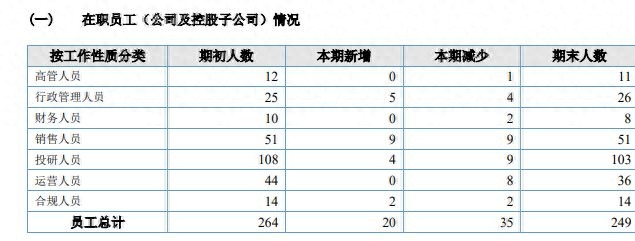
The number of employees is the average of the beginning and end of the period. In 2025, there were 264 employees at the beginning and 249 at the end of the period, with an average of approximately 257. After calculating the above data, we found that the per capita salary is 692,200 yuan.

In 2024, China Post Fund will pay 166 million yuan in cash to employees, the employee benefits payable at the end of the period will be 32.0458 million yuan, and the employee benefits payable at the beginning of the period will be 49.2141 million yuan. From this, it can be concluded that the company's total salary in 2024 will be approximately 149 million yuan, with an average of 272 employees, corresponding to a per capita salary of 547,500 yuan.

From the perspective of salary structure, although the company's overall number of employees will decrease by 15 in 2025 compared with 2024, and business positions such as investment research and operations have been reduced, the total salary has increased by nearly 29 million yuan, showing that the company's salary resources are further concentrated on core personnel in the context of cost reduction and efficiency improvement.

Wind data shows that China Post Fund achieved a net profit of 53.8608 million yuan in 2025, of which the net profit attributable to shareholders of the parent company was 51.4023 million yuan, a significant increase of 758.5% compared with 2024. Investment income will significantly increase from 22.55 million yuan in 2024 to 136 million yuan, becoming a key factor in driving profit growth. Management fee income is approximately 370 million yuan, accounting for 94.76% of operating income, and represents a year-on-year increase of 6.46% from 347 million yuan in 2024.

Industry insiders pointed out that although per capita salary has increased significantly, this salary data includes the costs of five insurances and one housing fund borne by executives and enterprises, and the actual income of ordinary employees may be far lower than this level.

daily economic news
Guangzhou Advanced Medical Exhibition Focuses On Brain-computer Interface, With Broad Application Prospects In Many Fields And Challenges To Be Solved

China News Service, Guangzhou, March 30 (Reporter Cai Minjie) As the core cutting-edge technology that connects the brain and external devices, brain-computer interface is breaking the communication barriers between humans and machines, opening up new paths for the rehabilitation treatment of neurological diseases such as stroke, ALS, and spinal cord injury, and becoming an innovation hotspot in the field of medical technology.
The 10th Guangzhou International High-end Medical Equipment Exhibition (High-end Medical Equipment Exhibition) kicked off in Guangzhou on the 30th. With its broad application prospects in medical rehabilitation, disability assistance and elderly care, the brain-computer interface industry has become the focus of the exhibition. Many companies presented their non-invasive brain-computer interface core technologies and products.

By wearing a headband to collect brain waves, the core algorithm is used to analyze the user's intentions, enabling functions such as wheelchair operation without manual control. This technology can be widely used in medical, education, scientific research and other scenarios.

In response to the signal accuracy, stability and power consumption issues of non-invasive brain-computer interface technology that the industry is concerned about, Chen Yan, co-founder and general manager of Lizhi Intelligent Technology (Guangzhou) Co., Ltd., said that the current core challenge lies in the insufficient accumulation of EEG data in scenarios, and more clinical and home application data are needed to support algorithm optimization. "AI large models are the key to technology upgrades and can help build clinical standardization paths. Combined with on-site data collection, they can provide support for the application of non-invasive brain-computer interface scenarios and the consistency verification of efficacy."

Talking about the future layout, Chen Yan believes that brain-computer interfaces will move from hospitals to health management and home scenarios, not only serving patients with brain diseases, but also covering sub-healthy groups such as mood and sleep problems, and expanding to education, industry and other fields. "In the future, brain-computer interfaces will be integrated with humanoid robots and other technologies to realize the interconnection of all things through brain control. This era is accelerating."

According to He Guanfeng, head of the South China Brain Control Marketing Department, brain-computer interfaces have been applied in psychology and mental health, but in fields such as psychosurgery and neurology, it is still necessary to continue to deepen scientific research cooperation with medical institutions to further expand and deepen application scenarios.

From the perspective of global competitiveness, He Guanfeng believes that China's non-invasive brain-computer interface technology is at the leading level. The core advantage lies in the massive training data provided by its huge population base, which can effectively improve the accuracy of the model and the breadth of application scenarios. At the same time, with the support of national and local policies, companies can connect with more medical resources and accelerate technological breakthroughs and industrial implementation.

Since 2025, the development of brain-computer interfaces in China has accelerated significantly, and many types of technologies have entered the application verification stage with impressive results. Although the industry is in the ascendant, industry experts believe that the current brain-computer interface still faces many challenges in terms of scientific principles, technology, ethics and other aspects. With the deep integration of AI large models and big data technology, brain-computer interfaces will further improve recognition accuracy and interaction fluency, and promote the development of medical and health care toward precision, intelligence, and personalization. (over)

Sign In

Forgot Password

Sign Up