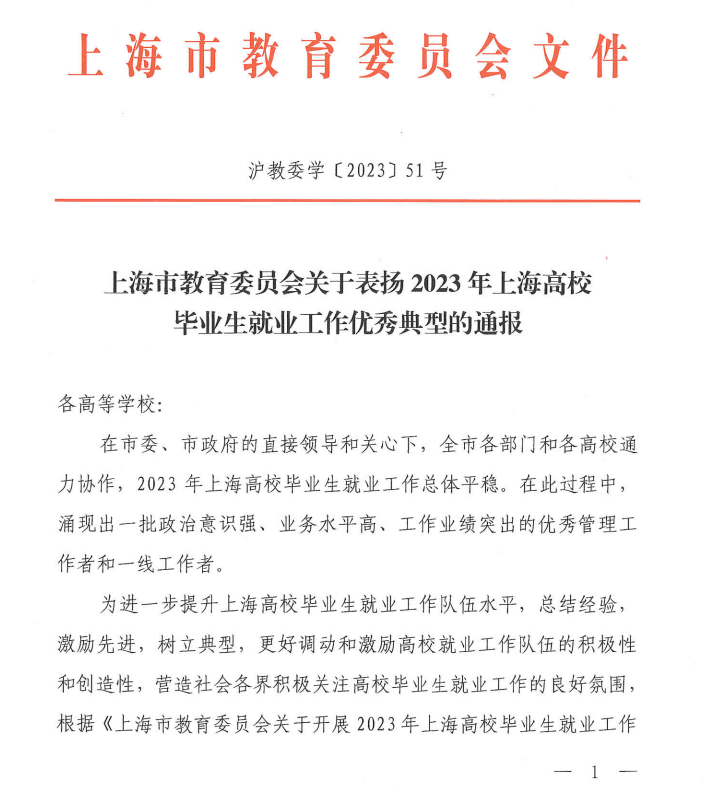
Wen Youbao, Yang Li, And Li Tingwei Won The Title Of Outstanding Employment Model Of Shanghai College Graduates In 2023
Shanghai Zhongqiao Vocational and Technical University Home Page
Shanghai Zhongqiao Vocational and Technical University Home Page
According to Kankan news reports, a shocking case broke out in Serbian politics recently. The local police took decisive action in the city of Kraljevo and thwarted a "genocide-style" assassination plot against President Vucic and his family. Two suspects involved were arrested on the spot. This carefully planned bloody plot failed. According to the Serbian police report, the two suspects are local residents. Two of them also have military service backgrounds and have professional combat and counter-reconnaissance capabilities. This also makes this assassination plan more professional and dangerous than ordinary civilian revenge.
The details further disclosed by the police are even more chilling. The two men began plotting in December last year and prepared for two months. The core goal was very clear - to purchase weapons to assassinate Vucic, then to attack his wife and children, and then to attack government officials. In the end, they attempted to seize power through violent means and subvert Serbia's existing constitutional order. What is even more outrageous is that in this assassination plan, there are clear and cruel arrangements for Vucic's youngest son Vukan Vucic, who is only 8 years old. Not only will he beat him, but he will also torture and kill this child who has no ability to resist.

Vucic personally confirmed all this at an emergency press conference. He held the complete evidence held by the police and emotionally denounced the murderer's cruelty. He admitted that he still has lingering fears when he saw the details of the plan. The president, who has been in the political whirlpool all year round, has long been accustomed to danger, but he did not expect that his opponents would be so despicable as to attack innocent children. What made him even more angry was that after the case was exposed, 70 people came forward publicly and advocated the release of the two suspects whose hands were about to be stained with blood. Vucic said implicitly that if the reasons behind these people were told, no one would believe it, and the root cause of all this is lies deliberately spread by certain forces.
Anyone familiar with Serbian political situation knows that this is not the first time Vucic has faced death threats. There are at least two clear attempted assassinations in public records, each of which was extremely dangerous. In 2016, the police found a large number of heavy weapons, including anti-tank missiles, grenades, and automatic rifles, in the jungle near Vucic's parents' home. This was the only way Vucic could visit his parents. Anyone with a discerning eye could see that this was a long-planned assassination ambush.
A year later, in September 2017, Vucic was maliciously hit by a car. Fortunately, he was not injured. Three suspects were subsequently captured. Public opinion in Serbia almost unanimously concluded that this was a premeditated political assassination. In addition to these clear attempts, Vucic has also been subject to death threats for a long time. He once had no choice but to laugh at himself, saying that he received no less than 200 death threats every day. But this time it was different. The opponent completely broke through the bottom line and expanded the target from himself to the whole family. He even refused to let go of his 8-year-old son. This viciousness has long gone beyond the scope of ordinary political struggles.

Many people wonder, how could two ordinary local residents plan such a meticulous and dangerous assassination plan? Why can you have the confidence to approach Vucic's family? The answer is actually very simple. There is a high probability that these two people are just "pawns", and there must be greater forces behind them to support, finance, and direct. Without strong financial and resource support, it would be impossible for just two people to prepare for two months and purchase weapons, let alone find out Vucic’s travel trajectory and family situation.
To talk about the forces behind this, we cannot avoid Western countries led by the United States. Since the disintegration of Yugoslavia, Serbia has become a geopolitical pawn that must be captured in the eyes of the West. They are obsessed with turning this country into their own puppet. The dirty things they have done behind the scenes in recent years are countless. The most typical example is the "Bulldozer Revolution" in 2000. The National Endowment for Democracy directly funded tens of millions of dollars to the Serbian opposition, helping them train key members and plan street movements. It eventually overthrew the Milosevic regime through violent means and officially opened the prelude to Western intervention in Serbia's internal affairs.
Since then, the West has never stopped infiltrating Serbia, funding non-governmental organizations, supporting pro-Western opposition, spreading false information, and manipulating public opinion. They have done everything they can to force Serbia to abandon its independent foreign policy and completely turn to the West. After Vucic came to power, this kind of infiltration and subversion intensified, because he always insisted on balanced diplomacy, wanting to integrate into Europe without giving up traditional friendship with China and Russia. This disobedient attitude completely angered the West.
In May 2023, two shooting cases occurred in Serbia. The Vucic government introduced a gun control bill to maintain law and order. This was an understandable measure, but the Western-backed opposition seized the opportunity to make a fuss and incited large-scale protests. The topic turned directly to calling for Vucic to step down. In December of the same year, after the Serbian parliamentary election, the opposition directly attacked the Belgrade City Council building and launched a riot. Vucic pointed out on the spot that this was an attempted "color revolution" controlled by the West.
Statistics show that in the past 10 years, external forces have invested billions of dollars in the Serbian opposition. None of this money has been spent on people's livelihood. All of it has been used to engage in political sabotage and subvert the regime. Vucic is their biggest stumbling block. To put it bluntly, this assassination plan is the product of the extreme penetration of the West. It was either directly inspired by the West, or pro-Western forces took risks with the tacit approval of the West.

Now the two suspects have been handed over to the procuratorate for investigation according to law, and the police are also making every effort to trace the organizers and sponsors behind it. However, the security threat faced by Vucic has never really disappeared. Serbia is caught between major powers. The Kosovo issue remains unresolved. It is difficult to maintain the balance between joining the EU and maintaining friendship with China and Russia. The domestic pro-Western faction and the pro-Russian faction are severely opposed. These contradictions are intertwined and make Vucic's road to power full of thorns.
This attempted assassination was not only a personal survival crisis for Vucic, but also a real dilemma for small countries caught in the middle. The West keeps preaching "human rights" and "democracy", but secretly supports extremist forces, incites violence, and plots assassinations, even on innocent children. Such double standards and despicable behavior have long exposed their hypocrisy. Vucic's tough response is not only to safeguard the rights of himself and his family, but also to protect Serbia's sovereignty and independence. It’s just that in the future, as long as Western infiltration does not stop, the chaos in Serbia will be difficult to calm down, and the death threat faced by Vucic will probably always exist.
Tianjin Railway Engineering School
City: Tianjin
Reason for recommendation: Tianjin Railway Engineering School, also known as Tianjin Railway Engineering School, is a full-time general higher vocational college located in Tianjin, China. The school is approved by the Tianjin Municipal People's Government and registered with the Ministry of Education. Tianjin Railway Engineering School covers an area of 280 acres. It is a professional school featuring urban rail transportation, civil construction, and highway transportation, and also takes into account the development of communications, computers, public services and other professional categories. 【Expand】

Tianjin Building Materials Industry School
City: Tianjin
Reason for recommendation: Tianjin Building Materials Industry School is a public school located in Tianjin, China. It is affiliated to the National Building Materials Administration and China New Building Materials Corporation. It is a large-scale secondary vocational school in the national building materials industry. Tianjin Building Materials Industrial School was founded in 1964. It covers an area of more than 122 acres and has a construction area of approximately 40,000 square meters. The school mainly trains secondary professional and technical talents in the building materials industry. 【Expand】
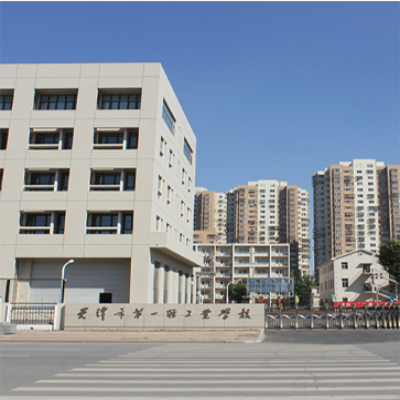
Tianjin No. 1 Light Industry School
City: Tianjin
Reason for recommendation: This Tianjin No. 1 Light Industry School, founded in 1958 and located in Hongqiao District, is mainly a national key technical secondary school focusing on engineering and covering economics, trade and art. It now has 17 majors covering 7 professional categories. Since its development, the school has been rated as an advanced collective in Tianjin’s education system, an advanced collective in moral education among national secondary vocational schools, and many other honorary titles. 【Expand】

Tianjin Garden School
City: Tianjin
Reason for recommendation: Tianjin Garden School is a secondary vocational school located in Tianjin, China. Its competent authority is the Tianjin Urban Management Committee. It is the training base of the Tianjin Landscaping Industry Association and mainly focuses on cultivating secondary professional and technical talents in gardening. Tianjin Garden School is a national key secondary vocational school at the provincial and ministerial levels. The school integrates academic education, adult higher education and other functions into one, and also has complete teaching and practical training facilities. 【Expand】

Dagang Petroleum School
City: Tianjin
Reason for recommendation: Dagang Petroleum School is a school located in Tianjin, China. It was born in 1978. Its predecessor was Dagang Petroleum Technical School. Later, in 1086, the school moved to the No. 3 Oilfield Center Courtyard and merged with the Oil and Oil Teachers School a year later. Dagang Petroleum School offers 13 majors, including well logging, enterprise power, secondary school teachers, kindergarten teachers, and foreign-related accounting. It is a school that focuses on engineering and combines science and engineering. 【Expand】

Tianjin Radio Mechanical School
City: Tianjin
Reason for recommendation: Tianjin Radio Mechanical School is a technical secondary school located in Tianjin, China. Its original name is 291 School and it is affiliated to the Ministry of Electronics Industry of China. Tianjin Radio Mechanical School was founded in 1953. In 1994, it was renamed as a national key general secondary vocational school after review and approval by the State Education Commission. The school mainly trains secondary professional and technical talents engaged in modern mold design and manufacturing technology. 【Expand】
Tianjin Labor Economics School
City: Tianjin
Reason for recommendation: Tianjin Labor Economics School is a national key technical secondary school located in Yangxiqing District, Tianjin. The school not only has first-class school conditions and complete equipment and facilities, but also has a strong teaching staff. It now has 14 majors, including four national demonstration key majors of mechanical and electrical, auto repair, accounting and computer network technology. It has also been rated as a national secondary vocational education reform and development demonstration school. 【Expand】

Tianjin Building Materials School
City: Tianjin
Reason for recommendation: Tianjin Building Materials School, whose full name is Tianjin Building Materials Industry School, is a secondary vocational school located in Tianjin, China, affiliated to the National Building Materials Administration and China New Building Materials Corporation. Tianjin Building Materials School is a large-scale secondary vocational school in the national building materials industry. It mainly trains and transports secondary professional and technical talents in the building materials industry for all parts of the country. Most of the school's graduates are assigned to engage in technical and management work in enterprises and institutions in the national building materials industry. 【Expand】
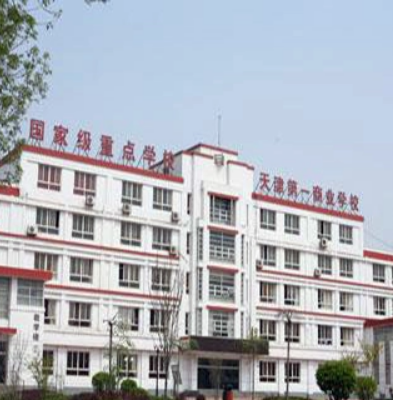
Tianjin First Commercial School
City: Tianjin
Reason for recommendation: Tianjin No. 1 Commercial School is a full-time state-run key technical secondary school located in Hedong District, founded in 1960. The entire school covers an area of 103 acres. Now it not only has a dual-qualified teaching staff, but also has a history of cooperating with more than 60 domestic medium and large enterprises, with a historical employment rate of over 98%. 【Expand】
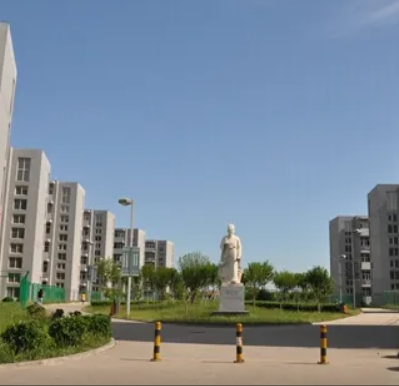
Tianjin Pharmaceutical Secondary Vocational School
City: Tianjin
Reason for recommendation: Tianjin Pharmaceutical Secondary Vocational School is a provincial and ministerial key technical secondary school founded in 1959 that mainly cultivates secondary professional and technical talents. The entire school covers a total area of more than 50 acres. Now it not only has rich teaching equipment, but also has historically cultivated a large number of outstanding graduates for the society, and has been highly praised by enterprises. 【Expand】
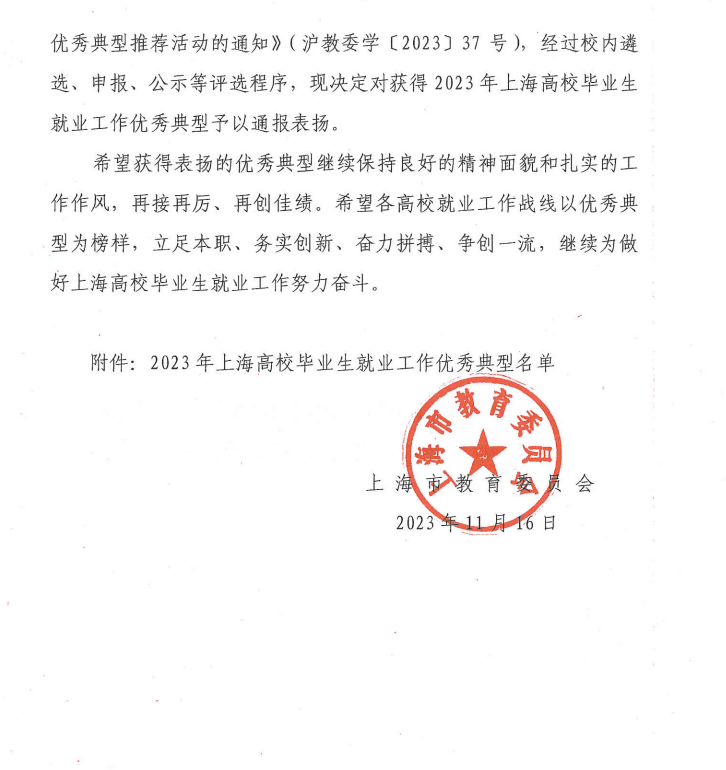
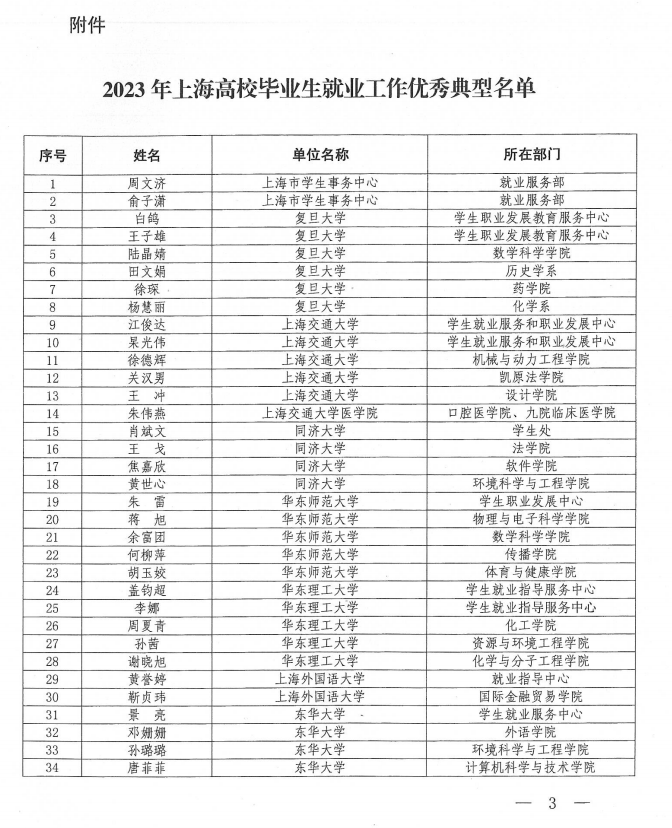
Recently, the Municipal Education Commission announced the list of outstanding employment models for Shanghai college graduates in 2023. Wen Youbao, Deputy Secretary of the Party Branch directly under the School of Intelligent Manufacturing of our school, Yang Li, Deputy Secretary of the Party Branch of the School of Art, and Li Tingwei of the Employment Office were awarded the title of Excellent Model for the Employment of Shanghai College Graduates in 2023.
As the only vocational school in Shanghai that has entered the national undergraduate-level vocational education pilot program, Shanghai Zhongqiao Vocational and Technical University attaches great importance to the employment of 2032 graduates. In the employment work of our school's 2023 graduates, under the leadership of the school party committee and with the strong support of Zhida Group, all teachers in the school worked together to achieve good results and achieve the expected goals. After receiving the "Notice on Carrying out the Recommendation Activities for Excellent Model Employment of Shanghai College Graduates in 2023" (Shanghai Education Commission [2023] No. 37), the school followed the spirit of the document, followed the principles of "fairness, impartiality, openness, and merit selection" and combined with the actual situation of employment work this year, completed the recommendation work through on-campus selection, application, publicity and other selection procedures.
Employment is the largest people's livelihood project, people's support project, and basic project. General Secretary Xi Jinping attaches great importance to this and has made clear requirements on many occasions: to do a solid job in the "six stability" work and implement the "six guarantees" task. The school has always placed the employment of graduates in a prominent position and regards helping students achieve precise employment and high-quality employment as the largest livelihood project. In the future, the school will continue to summarize the typical experience of outstanding work, provide students with higher-quality vocational education, so that the increasingly diversified and personalized educational needs can be better met, and the beautiful vision of "everyone can become a talent and everyone can display their talents" will accelerate to become a reality.

Tianjin's high school entrance examination mathematics difficulty is moderately difficult in the country, and the test questions cover basic knowledge, thinking ability and practical problem-solving ability. In exams, more difficult questions often test students' comprehensive abilities. Candidates need to have a good mathematical foundation and problem-solving abilities.
1. Difficulty distribution of test papers
The mathematics test paper of Tianjin High School Entrance Examination is divided into two parts. The first part is multiple choice questions and fill-in-the-blank questions. The difficulty is relatively low. Most of the questions involve basic knowledge of mathematics. The second part is subjective questions, which are relatively difficult. The test questions cover a large number of practical problem-solving abilities and thinking skills. In recent years, the difficulty of mathematics in Tianjin's high school entrance examination has shown an overall trend of difficulty, but the difficulty distribution of the test papers is still relatively even, and the various types of test questions are relatively balanced, covering all aspects of mathematical knowledge.
2. Difficulty: practical problem-solving ability
In the mathematics test paper of Tianjin High School Entrance Examination, there are many questions involving practical problem-solving ability, which is also one of the contents of the analysis of hot and difficult points for candidates. To master this knowledge, you need to practice more exercises and strengthen the learning of practical problem solving methods. In addition, you should also pay attention to accumulating experience in solving practical problems in order to obtain higher scores in the exam.
3. The difficulty: test of comprehensive ability
Some of the Tianjin High School Entrance Examination Mathematics papers involve the test of comprehensive abilities, including the language expression in the questions and the grasp of problem solving ideas. Candidates need to improve their comprehensive ability and problem-solving ability in their daily studies, and enhance their language expression and thinking abilities.
4. Improvement strategies: Do more questions, check more and fill in the gaps
The questions in the Tianjin High School Entrance Examination Mathematics Paper cover a wide range of mathematical knowledge. Candidates need to strengthen their mastery of different knowledge points in their daily studies and improve their problem-solving abilities by doing more questions. At the same time, you also need to pay attention to common error-prone and blind spots, and check for more omissions and fill in the gaps to avoid losing points due to details.
The mathematics test papers of Tianjin High School Entrance Examination are generally difficult, involving basic mathematical knowledge, thinking ability and practical problem-solving ability. Candidates need to strengthen their mastery of different knowledge points in their daily studies and improve their problem-solving abilities by doing more questions. At the same time, it is necessary to strengthen the study of practical problem solving methods, pay attention to language expression and enhance comprehensive ability in the exam.
Cost of studying abroad in Japan
1. Tuition fees
Graduate students at public universities in Japan: 173,400 yen for half a year, approximately 10,404 RMB
Japanese public university monks: 535,800 yen/year, about 32,148 RMB
Tuition fees at public universities in Japan are generally the same, with individual differences depending on the major. However, private universities have different tuition fees according to different majors and different schools. Therefore, private colleges cannot determine specific prices. Generally speaking, tuition fees for art majors and medical majors are more expensive.
2. Living expenses
1.Meal expenses
It's best to cook your own meals to save the most money. It is recommended to go to the supermarket to buy ingredients after 8:00 pm. There are usually discounts and promotions at this time, and the monthly expenditure is about 1,500 yuan.
If you don’t want to do it yourself, you can go to a restaurant or canteen to eat. The price difference for simple meals is not that big. Generally, a meal costs about 30 yuan, so the monthly expenditure will be about 3,000 yuan, which is still relatively expensive.
2. Travel expenses
Even for public travel, the cost will be several times higher than domestically. This is mainly due to the different social nature of the two countries. Therefore, you must take this issue into consideration when renting an apartment, and do not stay too far from the school.
It's cheaper to apply for a monthly or annual pass. You just need to charge it regularly. The subway charges based on mileage, ranging from 10 yuan to 20 yuan; the bus fare is fixed, about 15 yuan one way.
3. Shopping fees
In normal times, everyone has various expenses, of which shopping accounts for a large proportion. There are many small stores in Japan with good quality and cheap prices. If your requirements are not high, you can consider these stores. If you have enough budget, you need to prepare at least 2,000 yuan every month.
4. Accommodation fee
The dormitories provided by the school are very limited, and you generally cannot get them if you apply for dormitories. However, you can choose apartments that are slightly more expensive but in good condition. Generally there will be a separate bathroom and kitchen to meet everyone's needs. The monthly cost is 3,000-5,000 yuan.
Students with a relatively small budget can choose from various forms of shared housing. In such a situation, everyone needs to share public space, but can share various expenses, which can greatly reduce the financial pressure of studying abroad, which costs 2,000-3,000 yuan per month.
①University dormitories: only available at National University, ranging from 5,000-20,000 yen/month
②Small apartment: Generally a wooden structure building with less than 3 floors, ranging from 30,000 to 60,000 yen/month
③High-end apartments: Generally large buildings with more than 4 floors, ranging from 70,000 to 120,000 yen per month
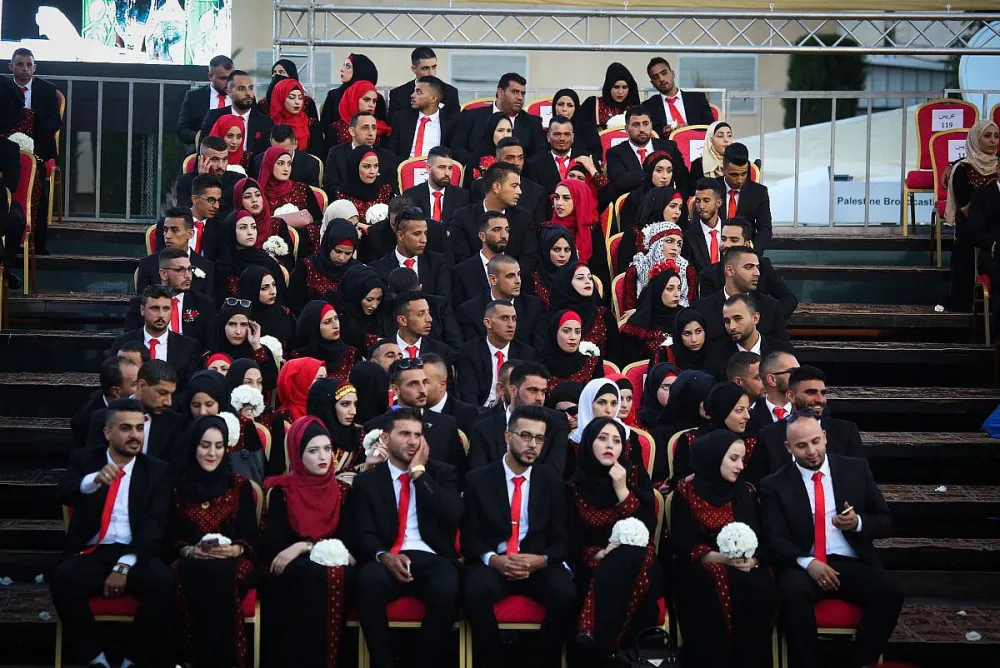
The worsening economic crisis, dwindling job prospects and movement restrictions in Israel are putting marital relationships under severe strain and shaking the foundations of families.
Rana was only twenty-three when she fell in love with Mahmoud. They met six years ago at Al-Quds University on the outskirts of Jerusalem. In the crowded classroom, the two shy eyes met by chance, and then quickly evolved into a long conversation about anything. Their exchanges extend from the classroom to the hallways, often late into the night.
Rana is from Ramallah, while Mahmoud is from Jenin. After college, Mahmoud found a government job in Ramallah to be closer to Rana, although he still had to return to Jenin every day to live. By 2023, the couple was officially engaged.
However, under the shadow of the Israeli military occupation, the pressure of life and the free fall of the economy soon pushed this relationship to the brink of collapse. As the war in the Gaza Strip spread and the financial crisis in the West Bank intensified, Mahmoud's salary suffered a steep decline and was cut by nearly two-thirds to about $650 per month.
In Ramallah, the cost of maintaining the most basic life is as high as US$900 to US$1,500. The sharp reduction in wages makes it impossible for them to maintain their originally planned life blueprint. Mahmoud can no longer afford to visit his fiancée regularly, let alone dining out, buying gifts, and even plans to purchase items for a new home have been put on hold. The cost of commuting between Jenin and Ramallah alone is enough to drain his entire meager salary.
To escape the daily trek through checkpoints, Rana kept urging Mahmoud to rent a house in Ramallah. She hoped that the two of them could spend more time together. Lana said helplessly in an interview that distance is quietly breeding a sense of alienation.
"I feel that Mahmoud is getting further and further away from me, and the relationship between us gradually becomes weaker. The original longing eventually evolved into endless quarrels." Lana confided.
Mahmoud also tried to meet his fiancée's expectations, but he was caught in a dilemma between the cruel economic reality and heavy family responsibilities. "My mother lives in Jenin, and I am the youngest child in the family," he said frankly. "My mother doesn't want any of her children to stay away from her, and I can't bear to leave her alone."
The emotional rift quickly deteriorated under the pull of reality, and soon evolved into an unbridgeable gap. In January 2025, the two finally broke off their engagement sadly.

The tragedies of Rana and Mahmoud are not isolated cases. Their stories reflect a common trend that is spreading in Palestinian society. According to data released by the Palestinian Central Bureau of Statistics, the number of divorces in the West Bank and Gaza Strip surged by 45% in the ten years from 2012 to 2022, with the increase in the West Bank alone being as high as 41%.
Not only that, but Sharia court reports further reveal the fragility of marriage. Between 2018 and 2023, about half of all engagements broke down before the wedding ceremony could take place. Although the number of divorces registered in Sharia courts in the West Bank fell slightly by 8.5% between 2022 and 2023, the number of marriage contracts registered during the same period suffered a sharp decline of 11.7%.
While detailed comprehensive national data for the past two years have not yet been released, local data from the Palestinian Bureau of Statistics clearly show that this upward trend in marriage breakdown continues to spread.
According to Sheikh Mohammed Qasim Salameh, president of the sharia court in the northwestern city of Kaliliya, the city's divorce rate has soared to 27.6% in 2025, setting a record in the past four years.
Across the Arab world, divorce and breakups are also on the rise. However, many Palestinian youth pointedly point out that the unique social pressure brought about by Israel's long-term military occupation is the core culprit of this phenomenon.
Shrinking job opportunities, falling wages, and strict travel restrictions have made even the most basic day-to-day interaction between couples a luxury. Many people are even forced to live apart in two places for a long time, unable to get together at all.
Naim Najim, a family counselor in Nablus, bluntly pointed out in an interview that the sharp deterioration of the political and economic situation is undoubtedly the driving force behind the increase in divorce rates. He recalled that when the situation was relatively stable in 2017, the marriage rate once showed an upward trend. However, since the conflict broke out on October 7, various marriage data began to decline sharply.
Sheikh Atta Mohtassib, a judge at the Supreme Sharia Court of Palestine, provided a relatively macro perspective. He noted that even with the recent surge in divorce rates, the absolute divorce rate in Palestine remains relatively low across the region. “Divorce rates are actually higher in some Arab countries, such as Qatar and Jordan,” he explains.
However, a lower divorce rate than some Arab countries does not necessarily mean that Palestinian marriages are more stable. Instead, it may reflect the huge social pressure, heavy economic constraints, and complex political factors that make it difficult for couples to easily choose to separate or divorce even if their relationship breaks down. Mohtaseeb also admitted that the divorce rate in Palestine has always been closely linked to the overall mood swings in society.
Nada Sabane, a family counseling officer at the Jeninka Patia Court, strongly agrees. "Structural pressures such as the overall collapse of the economy and severe movement restrictions have had an extremely significant destructive effect on family stability," she analyzed profoundly. "The huge economic pressure on families has directly led to people's deep psychological and social insecurity."
“When a man has no money, he becomes a different person.”
Sana and Nader were caught in the vortex of this storm of the times. They live with their two young daughters in the quiet village of Safa on the outskirts of Ramallah.
Before October 7, Nadel worked as a burger chef at a restaurant in Israel. He works up to fourteen hours a day. Although it is extremely hard and rarely has time to go home to accompany his wife and daughter, his generous monthly salary of about US$3,000 provides the family with solid financial security.

However, the outbreak of the war completely shattered the family's tranquility. Israeli authorities quickly revoked the Palestinians' work permits, and Nader lost his job overnight. For a whole year, he could only stay at home depressed all day long. His mood became increasingly closed and irritable, and he often even cursed his children uncontrollably.
Watching her husband sink, Sana tried to persuade him to risk his life by returning to Israel without a permit, as so many other Palestinians had done. But Nader decisively rejected the proposal. Sana still clearly remembers his answer at that time: "I will never abandon you mother and daughter to risk death just to make money."
As regional tensions continue to escalate, the burden of the family falls entirely on Sana's shoulders. She was forced to become the family's sole breadwinner and had to work two full-time jobs every day. Five days a week, she works hard in the government's archives department in exchange for a meager monthly salary of about $800; and on the other six days, she works part-time as a fitness instructor, earning an additional $650.
The hard-earned income can barely cover her daughters’ tuition and the family’s basic daily expenses. The heavy burden made her breathless.
"Once a man loses his source of income, he will become a completely different person," Sana said with tired eyes. "I tried my best to support him and accompany him through difficulties, but in the end I was disappointed to find that he had changed beyond recognition."

Disputes between husband and wife become more and more intense as the stress of life increases. When Sana once again tried to discuss the dire financial situation facing her family with her husband, Nadel lost control and forcefully ordered her to move out of the home immediately.
Faced with a broken marriage, Sana initially insisted on a divorce. However, her father severely rejected her request out of concern for maintaining the family's traditional reputation. After suffering in pain for two years, at the end of 2025, Sana finally plucked up the courage and formally filed a "Kula" (a woman's initiative to file for divorce) to the court in accordance with Sharia law.
At the first hearing, the court supported her legitimate claims in accordance with the law. Today, Sana rents an apartment alone in Ramallah. Although life is still difficult, it is closer to her work and her daughters’ school.
In response to this phenomenon, senior family consultant Najim pointed out in depth that the eventual breakdown of this kind of marriage often deeply reflects the reality that the psychological defenses of both spouses have completely collapsed in the face of a long-term, high-pressure social environment. "In such a difficult situation, mutual understanding is the only lifeline to maintain family stability." He explained earnestly.
“I gave up everything just to make life easier”
For other Palestinian couples, long-term restrictions on travel that are ubiquitous in daily life in the occupied territories have quietly become a huge and insurmountable gap in their marriages.
In the summer of 2024, Rawan, a Muslim woman from Nablus, entered into marriage with Nadim, a Christian man from Nazareth. In order to be able to stay with his beloved forever, Nadeem resolutely chose to convert to Islam.
Lavan was full of emotion when recalling this relationship: "He changed everything about himself for me, including his religious beliefs, daily lifestyle, and even changed his place of residence over many obstacles."
Nadeem, an Israeli citizen, originally worked as a security guard in Israel. If he continued to live in his hometown of Nazareth, his daily commute to get off work would only take ten minutes. But for love, he now has to pay a high monthly rent of about US$650 to rent a house in Nablus and live with Rawan. In the meantime, he continues to pay heavy council tax on his property in Nazareth.
The drive from Nablus to Nazareth takes about two hours on good roads and no traffic jams. However, under the shackles of reality, Nadim must spend much longer time every day, running exhaustedly between various checkpoints with strict inspections, and always being prepared to deal with various unpredictable delays.
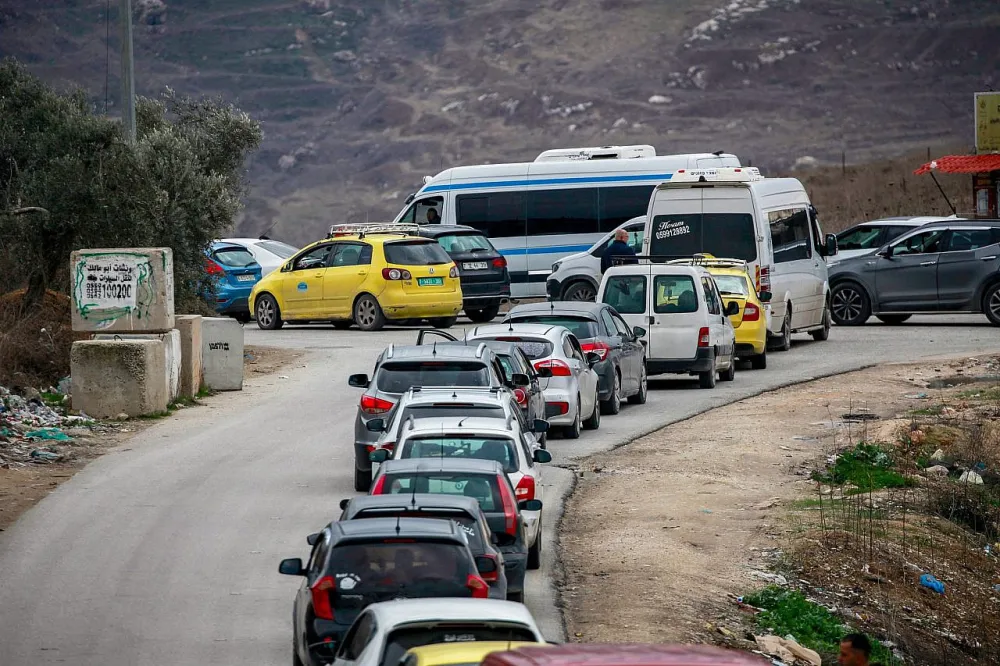
In order not to affect his work, he always had to rush out hours before officially going to work. This kind of running around day after day gradually exhausted his patience and energy.
Lavan painfully expressed that this kind of life tortured by distance for many years has completely changed her husband's temperament. “He became a completely different person,” she recalled of those depressing days. “The omnipresent pressure to survive, the suffocatingly long commute, and the forced brief separation overwhelmed him.”
The two also seriously considered moving back to Nazareth together to end the torture of traveling between places. But the cruel reality is that, as a Palestinian, Rawan must obtain a special permit issued by Israeli officials to enter its territory - and since the conflict intensified, the issuance of such permits has long been stopped. They deeply feel that they are completely trapped and trapped in a dilemma.
"He started venting his pent-up emotions on me unscrupulously," Lawan said tremblingly. The daily quarrels gradually escalated into horrific physical violence, and Nadeem even beat her up more than once. "I naively thought that this was just a temporary difficulty. I thought that as long as things outside calmed down and we found a better way to get along, he would return to the way he loved me before."
However, the reality is far crueler than imagined. As Christmas approaches, the yearning Lavan makes an extremely bold decision: she will take the risk of sneaking into Nazareth to spend the holiday with her husband without a permit.
At first, Nadim strongly opposed her attempt to cross the border illegally. He knew the dangers involved and was extremely worried that his wife would be shot dead on the spot by patrolling soldiers. But at Rawan's insistence, they eventually agreed on a risky plan: Rawan would quietly hide in the hide of Nadim's car and try to force his way through the Jalama checkpoint, located north of Jenin. In their view, even if they are unfortunately caught at this checkpoint, the legal consequences they face are likely to be relatively mild.
Contrary to expectations, the two were caught red-handed and arrested while crossing the checkpoint. Israeli authorities held Nadim in severe detention for a whole day on suspicion of illegally smuggling Palestinians into the country. Lavan's experience was even more tragic. She was detained in a cold and small detention room next to the checkpoint for two full days.
Recalling that nightmarish experience, Lavan still has lingering fears: "My hands were tightly cuffed with cold handcuffs, and my eyes were tightly covered with cloth. During those two long days, I did not receive any food or drinking water."
When Lavan was finally released, she was forced to sign a stern legal declaration promising never to enter Israel again without explicit official permission. She was sternly warned that if she tried to enter illegally again, she would face a long life in prison.
The moment she walked out of the detention room, she expected to see her husband waiting anxiously and get some comfort. However, what is unexpected is that instead of showing up, Nadim ruthlessly notified her father and unilaterally filed for divorce.
"He didn't even call me to explain," Lavan choked, "but directly and coldly contacted my father and asked to end the marriage."
This marriage, which was once vigorous and vigorous and overcame many worldly obstacles, only lasted for seven short months and ended hastily. A frustrated Lavan finally agreed to the divorce and voluntarily gave up all claims to joint property rights.
"I chose to give up everything just to make things simpler and to be freed as soon as possible," she murmured to herself with tears of despair in her eyes, "I just want to end all this nightmare once and for all."
(Note: To protect privacy, all interviewees in this article use pseudonyms.)
About the author:
Asser Mafalje is a veteran journalist based in the West Bank.
 Mooney’s First MV For His Third Album, Balalaika, Is Online, And The First Single Is Super Exciting2026-03-06Comments(0)
 New Trends In AI Paper Tools In 2026: Logic + Compliance + Collaboration, Actual Test Recommendations2026-02-17Comments(0)