In the digital age, mobile payment has become an important force in promoting economic and social development. More and more people are abandoning traditional cash payment methods in favor of digital payments, a trend that is gaining ground around the world. This article will discuss the popularity and advantages of digital payment methods and help you understand the charm of mobile payment.

The development and popularization of digital payments
The rise of e-wallets
With the popularity of smartphones and the Internet, e-wallets have quickly emerged as a digital payment tool. E-wallets allow users to make payments anytime, anywhere by storing card information and personal data encrypted on their smartphones. The popularity of this payment method has brought great convenience to users.
The rise of mobile payment apps
Various mobile payment apps have sprung up, such as Alipay, WeChat Pay, etc., and they have become an indispensable part of people's lives. These apps not only support online shopping, but are also widely used in offline transactions, such as scan code payment, public transportation payment, etc., which greatly facilitates people's daily life.
The emergence of digital currencies
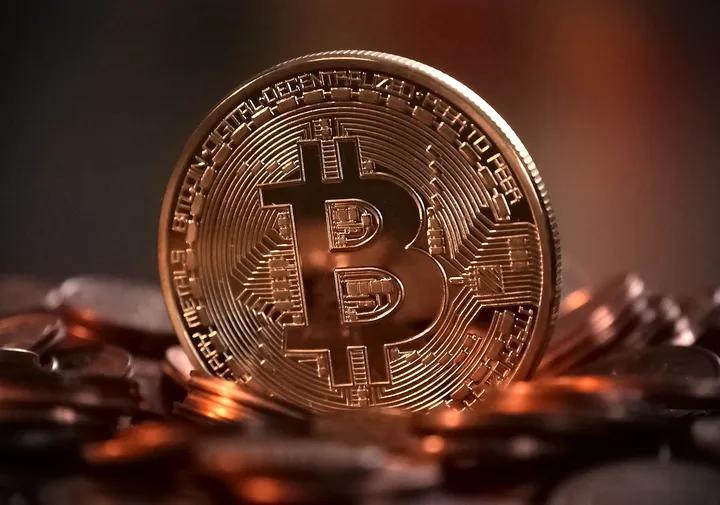
With the development of blockchain technology, digital currency has gradually entered people's field of vision. Cryptocurrencies such as Bitcoin have become another option for digital payments. Their decentralization and anonymity make transactions more convenient, and more and more companies and individuals are beginning to accept digital currency payments.
Advantages of mobile payment
Convenience and immediacy
The biggest advantage of mobile payment is convenience and immediacy. Whether it's shopping, dining or transportation, just swipe and pay. No more carrying large amounts of cash or waiting for lengthy bank transfers, making payments quick and easy.
Security and privacy protection
Compared with cash payments, mobile payments have obvious advantages in terms of security. Electronic wallets and mobile payment apps protect users' payment information through strict encryption technology, effectively preventing the risk of theft and fraud. At the same time, users’ personal privacy is also better protected.
Digital records and management
Another advantage of mobile payments is digital recording and management. Every payment will leave a digital record, allowing users to check and manage their consumption at any time. This provides more convenience for personal financial management and helps to plan and manage funds rationally.
Promote economic development
The popularity of mobile payment not only brings convenience to users, but also has a positive impact on economic development. Digital payment promotes the integration of online and offline consumption and promotes the development of e-commerce. At the same time, mobile payment also accelerates the development of small and micro enterprises, promoting job growth and economic prosperity.
Global application and impact of mobile payment
Leading position of developed countries
Developed countries are at the forefront of the world in digital payments. For example, China's mobile payment market has surpassed traditional credit card payment and become a mainstream payment method. The United States and European countries are also constantly promoting the development of digital payments and accelerating the goal of realizing a cashless society.
The digital financial revolution in developing countries
For some developing countries, mobile payment is a digital financial revolution. The popularity of mobile payments has made traditional financial services more inclusive, allowing many people without bank accounts to enjoy the convenience of payment and transfer. This is of great significance for promoting financial inclusion and poverty alleviation.
The impact of mobile payments on global trade
Mobile payments have not only gained popularity in the country, but have also facilitated cross-border payments. In the era of globalization, mobile payment has brought new opportunities and challenges to international trade. Through digital payments, merchants and consumers in different countries can conduct cross-border transactions more conveniently, promoting the prosperity of global trade.
The future of mobile payments
Integrating the development of intelligent technologies
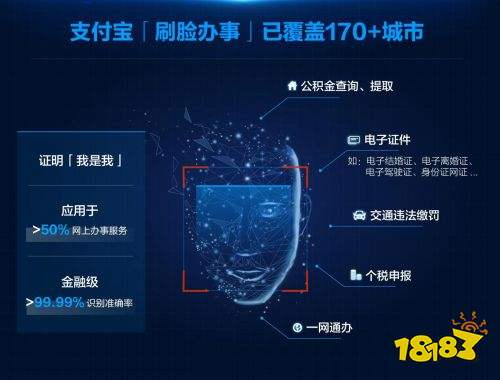
With the development of smart technologies such as artificial intelligence and big data, mobile payments will become more intelligent and personalized. For example, the application of technologies such as facial recognition and fingerprint payment will further improve the convenience and security of payment, making the user experience more comfortable and convenient.
Challenges and opportunities of cross-border payments
Although mobile payments have made some progress in cross-border payments, they still face some challenges. Factors such as regulatory differences and exchange rate fluctuations between different countries restrict the convenience of cross-border payments. However, this also provides opportunities for mobile payments to improve and grow.
New trends and innovations in digital payments
In the future, digital payments will continue to innovate. With the further development of blockchain technology, digital currency is expected to achieve wider applications. At the same time, personalization and differentiation of payment services will also become a new development trend to meet the diverse needs of users.
in conclusion
As a representative of digital payment methods, mobile payment has become popular around the world and has shown many advantages. Its convenience, security, digital management and other characteristics have brought many conveniences to people's daily life and economic development. With the continuous advancement of technology and the expansion of application scenarios, mobile payment will continue to grow and change our world.