Nowadays, scanning QR codes with mobile phones to pay is popular everywhere. Alipay, WeChat, etc. are really easy to use. You can buy groceries and stuff in just a few seconds. But those people in the bank who deal with money every day always like to remind everyone not to throw away all cash, but to keep more of the habit of using cash.
The reasons they said are actually quite reliable. Combined with various things in current life, they can help people avoid many pitfalls. In particular, more and more people are paying attention to issues such as privacy leaks and unaccounted money spent.
As a major mobile payment country, China has developed rapidly in recent years, but the role of cash has not been ignored. The national level has also issued special policies to protect its circulation. Bankers say this is not a step back, but a smart choice that can make life more stable.
Mobile payment has become popular in China in recent years, and online shopping, takeout, and taxi rides all rely on it. Data shows that by 2023, China's mobile payment users will exceed 900 million, with a penetration rate as high as 87%. This is due to technological progress. The Internet is faster, mobile phones are smarter, and everyone is used to getting things done with just a few clicks of a finger.
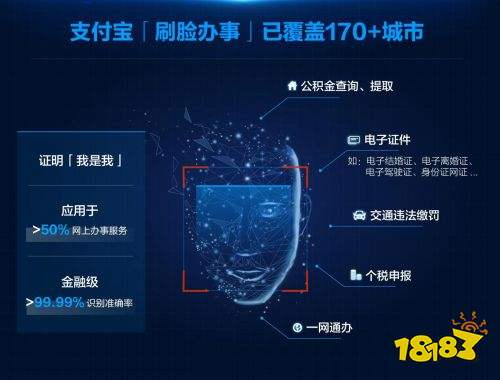
But the bankers said, don’t just look at the surface, there is a lot of trouble hidden inside. The most obvious issue is privacy. When using Alipay or WeChat, every transaction leaves traces. The platform knows what you bought, where you went, and how much you spent.
Stacked up, these data can paint a complete picture of your life, and here comes the cold calling and scam text messages. The central bank's Consumer Financial Literacy Survey shows that many users have insufficient understanding of digital risks. Only 27% of people over 60 years old use Internet financial services. They use more cash because they don’t trust those data flows.
Let’s talk about fraud. Telecom fraud cases are increasing every year. In the first 11 months of 2022, 390,000 cases were uncovered nationwide, and the number of arrests increased by more than 60% year-on-year. Scammers love to take advantage of mobile payments, pretending to be customer service or friends, and induce transfers, but the money is gone as soon as it is transferred. Bankers have seen too many examples where someone's phone was poisoned, their passwords were leaked, and their accounts were cleared instantly.
Compared with cash, mobile payment relies on the network and equipment. If the signal is poor or the battery is out, it will be stuck. In rural areas or mountainous areas, where the network is unstable, cash is the only reliable option. The central bank emphasized that cash, as a backup tool, is indispensable in times of disaster. Like typhoons and earthquakes, when the power grid is cut off, all mobile payments are suspended, and social transactions must be maintained by cash.
There is also the issue of consumption control. Mobile payments make it too easy to spend money, and young people are easily trapped in online loans. Psychological research says that when using cash, people feel the money is decreasing and become more cautious. As for mobile payment, just swipe and it's done. When I saw the bill at the end of the month, I was dumbfounded.
Bank data shows that people who use more cash have a 15% higher savings rate because they have to actually touch money for every expenditure and are less impulsive. Overreliance on digital tools will also amplify financial vulnerability, and low-income groups are easily excluded. The central bank report pointed out that the digital divide exists, the elderly, farmers and low-income people are more dependent on cash, and excessive de-cash will violate the original intention of inclusive finance.
Cash may seem simple, but bankers say it has two real advantages in preventing risks. Let’s talk about privacy first. Use cash to buy things and leave no electronic records. No one knows what you spend. Platform data will not accumulate, and fraudsters will be blinded.
Internationally, the cash usage rate in Europe is still 30%. Because of strict privacy laws, they are worried about data abuse. Although China is leading the way in mobile payments, it also recognizes its cash advantage. According to a study by the central bank, cash protects consumers’ rights to information security and property security and prevents account theft.
When it comes to controlling consumption, cash helps a lot. I take out the banknotes from my wallet one by one. I feel distressed when I spend them, so I naturally buy less useless ones. The survey shows that cash users spend more rationally every month and have lower debt ratios.
Behavioral economics supports this, with the tangible nature of cash providing clarity around spending and preventing overconsumption. Merchants also benefit, as cash competition makes payment service fees reasonable and they are not monopolized by the platform. Small and medium-sized merchants use cash, and the funds are available immediately without waiting for settlement.
Cash is reliable in emergencies. Natural disasters or system failures may paralyze mobile payments, but cash flow remains unimpeded. The central bank's 2019 report mentioned that there were more than 400 million cash transactions at rural farmers' withdrawal points, and there is a huge demand for cash in rural areas.
The cash threshold is low, no mobile phone network is required, and both the elderly and children can use it. International experience also proves that cash is the last resort to help merchants negotiate prices and avoid commission increases. Bankers recommend that you keep a few hundred cash on hand for peace of mind at critical moments.
In terms of national policy, the Central Bank of China has always protected cash flow. Starting from 2018, it is required that public services must accept cash, and it is illegal to refuse to accept cash. This guarantees everyone’s right to choose and does not leave behind those who cannot use mobile phones.
The central bank announced 15 cases of refusing to accept cash, with reasons ranging from not having enough change to unfamiliarity with the business, all of which were approved. The 2023 opinions of the State Council further optimize payment services and improve convenience, including cash security. Banks promote "coin wallet" services, and merchants post cash-support signs to make cash use smooth.
In terms of social inclusion, cash helps the elderly, low-income people and overseas tourists. The cash usage rate among the elderly exceeds 75%, and 52% of overseas personnel at the Canton Fair used cash. The digital divide will never close, so retaining cash is in line with national conditions to avoid financial exclusion.
The central bank's research team said that cash and non-cash are complementary and the total social transaction costs are low. In competition, cash promotes non-cash to improve safety and service. Merchants unilaterally refuse cash, infringing on the right to fair transactions, and the policy combats this.
Cash also maintains the essence of currency, and the status of legal tender is stable. The central bank emphasized that cash has a long-term foundation and currency carriers have inertia. Consumers can choose their own payment methods, and cash guarantees this right. From the perspective of behavioral economics, cash helps control budgets and protect property security.
Countries' attempts to go cashless have had twists and turns, and there have been many reflections. For example, Sweden and Denmark once went cashless, regretting the inconvenience to the elderly, and turned to protecting cash. China's experience is similar. Mobile payment is popular, but the necessity of cash is clearly understood.
The two types of payments can be made in parallel to make the financial ecosystem healthier. The banker said that the risk is small if they are mixed according to the situation. Cash is not antagonistic, but complementary, providing realistic guarantees in terms of privacy, emergency and control. Society is developing rapidly, but inclusiveness must keep up and give time and channels to those who rely on cash. Policies to ensure cash flow reflect this and make payment convenient for everyone.