Oil content in 100 grams of melon seeds
Probably higher than a hamburger
Added sugar in a bottle of drink
Far exceeds the recommended daily intake for adults
…
Spring Festival holiday
Every household’s table is filled with New Year delicacies
want to eat healthy
Try to stay away from some "big companies" that are high in salt, sugar and oil.
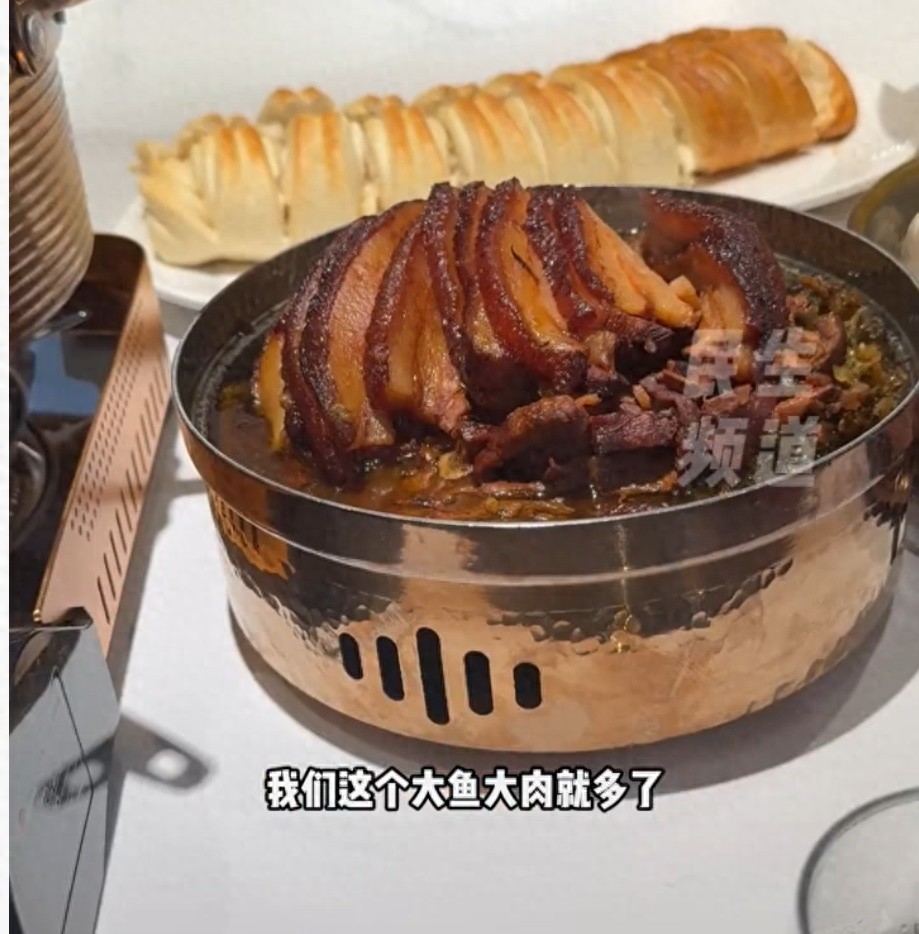
"Three High" Foods Hidden Health Risks
High salt
The main component of salt is sodium chloride. Eating too much sodium will increase the excretion burden of the body's kidneys, lead to water and sodium retention, and further induce edema. In addition, it may also cause blood pressure fluctuations, and high blood pressure will increase the risk of cardiovascular and cerebrovascular diseases.
High sugar
For some people who already have diabetes or have high blood sugar, high sugar intake may cause large fluctuations in blood sugar. For children, it may increase the risk of metabolic diseases in adulthood.
High oil
Excess fat forces the endocrine system to overwork. For patients with thyroid disease, it will increase the metabolic burden; for patients with diabetes, it will delay the decline of blood sugar and aggravate insulin resistance; for obese people, it will disrupt the synergy between "leptin" and insulin, leading to metabolic disorders.

These snacks hide the "three highs"
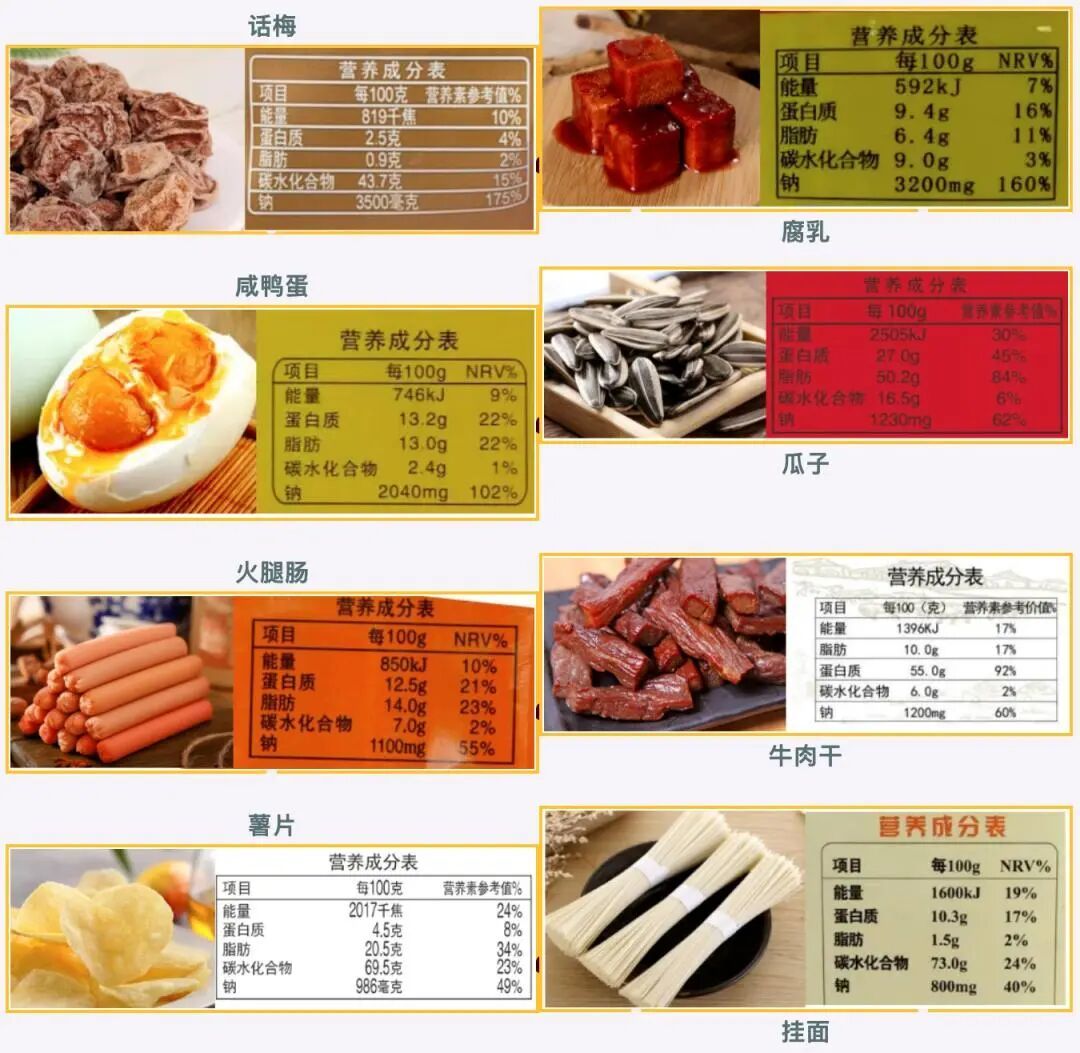
The Dietary Guidelines for Chinese Residents recommend that the intake of salt and added sugar should not exceed 5 grams and 25 grams per day respectively. During the Spring Festival, some commonly eaten snacks may easily exceed the limit:
100 grams of beef jerky can contain 3 to 5 grams of salt;
100 grams of five-spice or salt-baked fried melon seeds can contain as much as 2 to 3 grams of salt;
50 grams of plums can contain up to 15 to 20 grams of sugar;
Various spicy and barbecue-flavored soy products, as well as some puffed foods, such as potato chips, shrimp crackers, rice crackers, etc., are all "hardest hit areas" due to high salt;
Biscuits, instant noodles, as well as daily baked goods and traditional snacks, actually also add additional salt and sugar;
The oil content of nuts such as melon seeds and peanuts may be higher than that of hamburgers and French fries;
Fruit and vegetable crisps sound healthy, but most of them are fried, and the fat content can easily reach 20% to 30%, or even higher, which is comparable to French potato chips.
Identify "three high" foods from the ingredient list
If you want to eat less "three high" snacks, pay attention to the ingredient list. Nutritionists remind that the ingredients list is mostly arranged from most to least content. If you see salt, sugar, and oil ranked first, it means that the content of these ingredients in the packaged food is relatively high, and you should be careful about eating it.
In addition, be wary of products containing "non-dairy creamer" and "shortening", which may contain trans fatty acids.
When choosing snacks for your children, pay special attention to some additives:
artificial pigments
Such as lemon yellow, sunset yellow, carmine, etc., which may affect children's attention and induce excessive behavior. Try to choose products colored with natural fruit and vegetable juices.
High intensity sweetener
Foods such as aspartame, acesulfame potassium, and saccharin sodium, although low in calories, may cause children to develop a sweet taste and interfere with normal sugar metabolism. Natural sugar substitutes, such as erythritol and steviol glycosides, are relatively better.
preservative
For example, sodium benzoate, potassium sorbate, etc. are safe within national standards, but the principle of "as little as possible" should be followed. Snacks with longer shelf lives tend to have more preservatives.
artificial flavor
It is the source of various "flavors" that distract children from the taste of the food itself. Generally speaking, the shorter the ingredient list and the more natural ingredients you can understand, the healthier it is.
Prioritize healthy snacks

Choosing "original" flavor when roasting nuts is the key. Give priority to roasted nuts without added salt, sugar, or fat. Mix with yogurt and salad to increase satiety.
Candy chocolate tends toward dark chocolate. Choose dark chocolate with more than 70% cocoa content, which has lower sugar content and richer antioxidants. Hard candies or milk candies contain high sugar content and are fine to satisfy cravings occasionally, but it is not recommended to eat them in large quantities.
Pastry and biscuits are listed first in the ingredient list. Choose products with whole grains such as whole wheat and oats as the first raw material. Instead of some staple foods, if you eat pastries, reduce the amount of rice and steamed buns in the main meal.
For drinks, try to buy low-calorie, healthy drinks. Or use sugar-free tea, boiled water, pure fruit juice, etc. to replace sweet drinks with higher sugar content.
Eat snacks in a controlled amount
There is also something to be careful about when eating snacks. It is best to eat small amounts between meals. It is recommended to give priority to fruits, especially less sweet fruits.
If you must eat pastries, it is recommended to eat a little when you are hungry. If you are not hungry, try not to eat high-energy snacks.
You can also choose to eat some nuts, but the amount should be controlled. Dietary Guidelines for Chinese Residents recommends eating 50 to 70 grams of nuts per week, about 10 grams per day. After quantification, it is approximately 15 peanuts, 12 hazelnuts, 7 to 8 pistachios/almonds/plain almonds, 2 to 3 hand-peeled walnuts, 2 Brazil nuts/pecans/walnuts, 2 mineral water bottle caps of black sesame seeds/chia seeds/flax seeds, 1 small handful of shelled pine nuts, 1 small handful of sunflower seeds, etc.