On April 11, the United States, Iran and mediator Pakistan held "face-to-face" talks in Islamabad. This is the highest level face-to-face meeting between the United States and Iran since 1979. According to Pakistani sources, the negotiations between Iran and the United States lasted for two hours, after which the meeting was suspended for a break.
The following is a summary of the latest developments as of 0:00 on the 12th, Beijing time:
–Iran
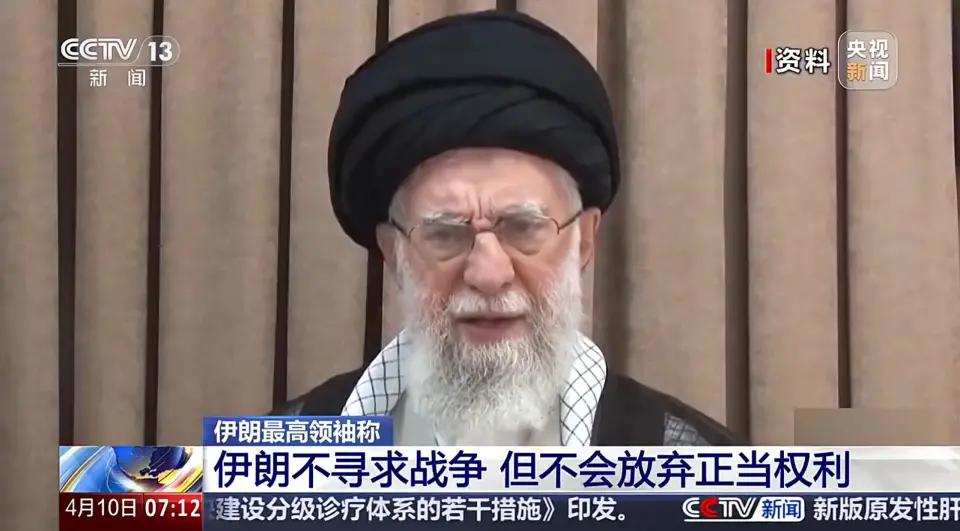
According to Iranian media reports, Iran has proposed "basic and non-negotiable" conditions to the intermediary as a prerequisite for any Iran-US negotiation agreement. These conditions include: establishing jurisdiction over the Strait of Hormuz, full payment of war compensation and losses by the "aggressor", unconditional unfreezing of Iran's frozen assets, and the realization of a ceasefire within all geographical limits of the "Resistance Front".
Iran's First Vice President Aref said that if Iran negotiates with "America First" American representatives in Islamabad, it is likely to reach an agreement that is beneficial to both parties and the world. However, if you are facing an "Israel First" US representative, no agreement will be reached.
According to the Islamic Republic News Agency, the negotiations between Iran and the United States in Islamabad, the capital of Pakistan, have entered a new stage, and the two sides have begun expert-level technical consultations on relevant issues.
Iranian Foreign Ministry spokesperson Bagaei said that Iran's position, views and demands have been formally conveyed to Pakistan in accordance with the "Ten-Point Plan", and the armed forces are ready to respond to any violations of the ceasefire. Bagaei also said that he is maintaining contact with Lebanon to ensure the implementation of the ceasefire on all fronts.
Iran's Islamic Revolutionary Guard Corps once again reiterated that since the ceasefire, the Revolutionary Guards have not launched any strikes against any country.
It was learned from Iran that the United States agreed to unfreeze Iranian assets and agreed to a ceasefire in Lebanon. The United States has not released relevant news yet.
A spokesman for the Iranian Ministry of Foreign Affairs said that the US destroyer returned from the Strait of Hormuz after Iran issued a stern warning.
Some foreign media quoted Iranian sources as saying that the United States has agreed to unfreeze Iran's "frozen assets in banks in Qatar and other countries." U.S. officials later denied it.
Iranian media reported that negotiations between Iran and the United States in Islamabad may be extended by one day.
–USA
White House officials said the United States, Iran and mediator Pakistan were holding "face-to-face" talks in Islamabad. This is the highest level face-to-face meeting between the United States and Iran since 1979.
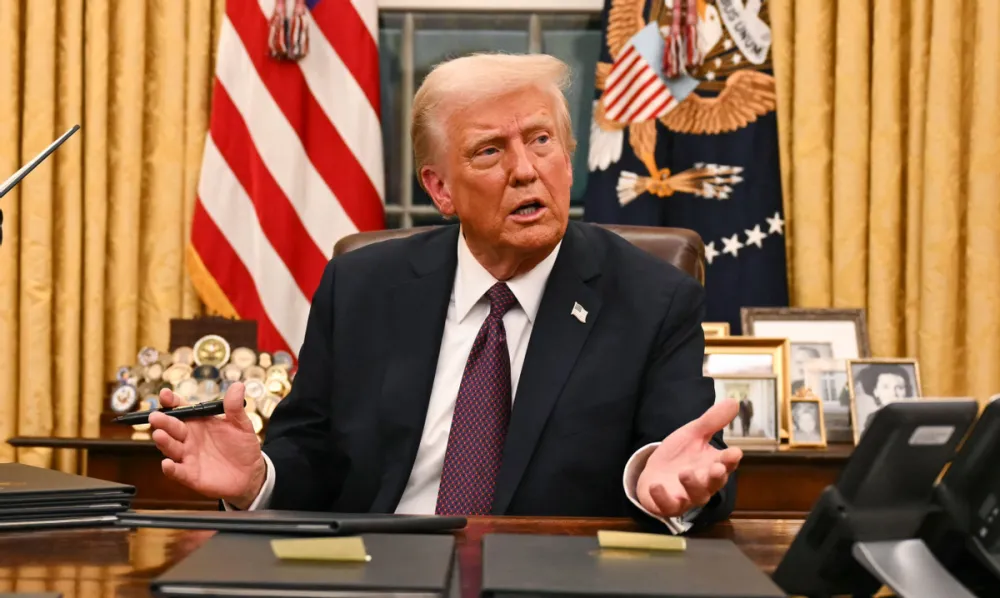
U.S. President Trump said that the Strait of Hormuz will be opened "soon" with or without Iran's cooperation, and that the top priority of the U.S. negotiating delegation is to ensure that Iran cannot possess nuclear weapons.
Trump said the United States "has begun cleaning up the Strait of Hormuz." According to earlier reports by the US media, several US Navy ships passed through the Strait of Hormuz. This move was not coordinated with Iran. This is the first time since the outbreak of the war in Iran.
U.S. media quoted U.S. officials as saying that the U.S. warship entered the Persian Gulf through the Strait of Hormuz from east to west, and then returned to the Arabian Sea through the strait.
–Israel
Israeli Ambassador to the United States Yehiel Wright confirmed that Israel agreed to "start formal peace negotiations" with Lebanon on the 14th in Washington, but refused to discuss a ceasefire with Hezbollah.
The Israel Defense Forces issued a statement saying that in the past 24 hours, the Israeli army struck more than 200 Lebanese Hezbollah targets in Lebanon.
–Pakistan
The Prime Minister's Office of Pakistan stated that Pakistani Prime Minister Shahbaz expressed appreciation for the constructive approach between the US and Iranian delegations and hoped that the US-Iran negotiations could become an important step in promoting lasting peace in the region.
–U.K
British Prime Minister Starmer said in a phone call with Shahbaz that the UK hopes that the upcoming US-Iran negotiations will pave the way for a long-term solution to the conflict.
British media reported from informed officials that Britain will hold a new round of talks with its allies next week to discuss how to resume shipping in the Strait of Hormuz without paying "tolls" to Iran.
–France
French President Macron said that he had phone calls with Turkish President Erdogan and Saudi Arabian Crown Prince and Prime Minister Mohammed, calling for diplomatic solutions to the current Middle East conflict.
–Norway
Norway's Minister of International Development, Osmund Eyuklüst, said that the humanitarian situation in Lebanon is on the verge of collapse after Israel launched a large-scale bombing campaign. Norway decides to increase humanitarian aid to Lebanon.
——Cuba
Cuban Foreign Minister Rodriguez posted a message on social media condemning Israel's continued and violent attacks on Lebanon.