Related reports
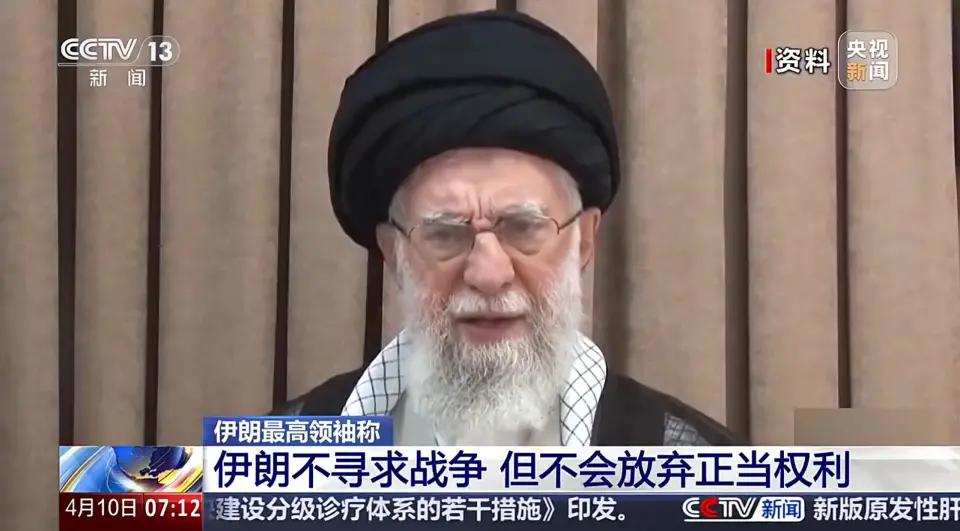
According to him, although Iran agrees to sit down and negotiate with the United States, it does not mean the end of the war. The negotiation table is also a battlefield. Iran will continue to exert its efforts until it completely defeats the enemy. It will be more confident and proactive. The three new propositions proposed this time include that Iran must demand war compensation from the aggressors and vow to collect blood debts for the martyrs; Iran's management of the core Strait of Hormuz will enter a new stage; Iran will not give up all its legitimate rights and will consider all local resistance fronts as a whole.
The new three-point proposal is a streamlined version compared to the previous 10-point proposal made by Iran that cannot be changed. It lacks the necessity for the United States to withdraw its troops from various bases in the Middle East, guarantee not to use force against Iran (and obtain guarantees from the international community), lift various sanctions on Iran, and lift the freeze on Iran's overseas assets. From 10 items to 3, in theory, no matter how streamlined it is, it cannot cover all the requirements. Therefore, the new proposition has even been questioned as an initiative to make major concessions.
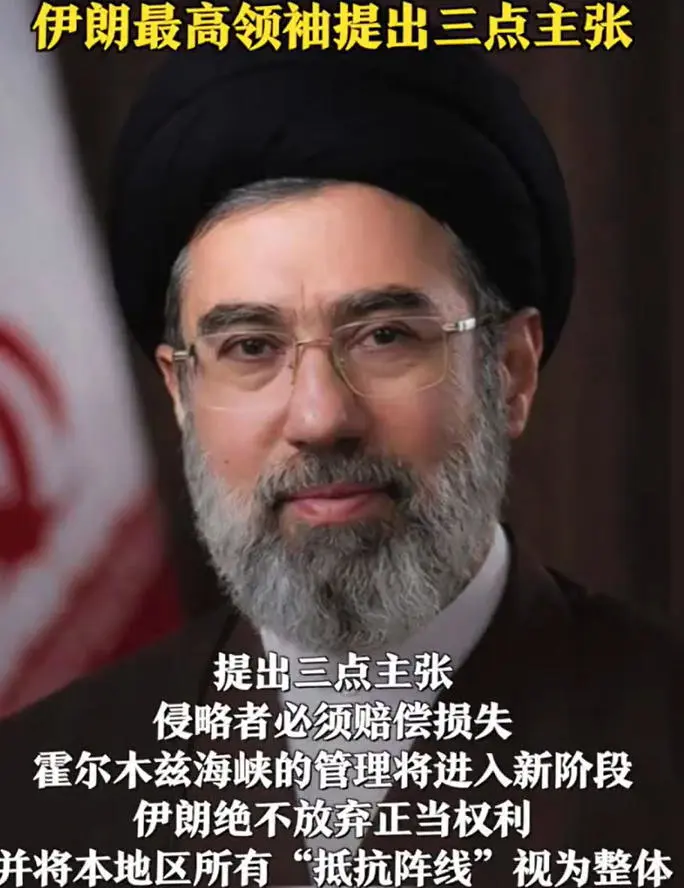
Three propositions
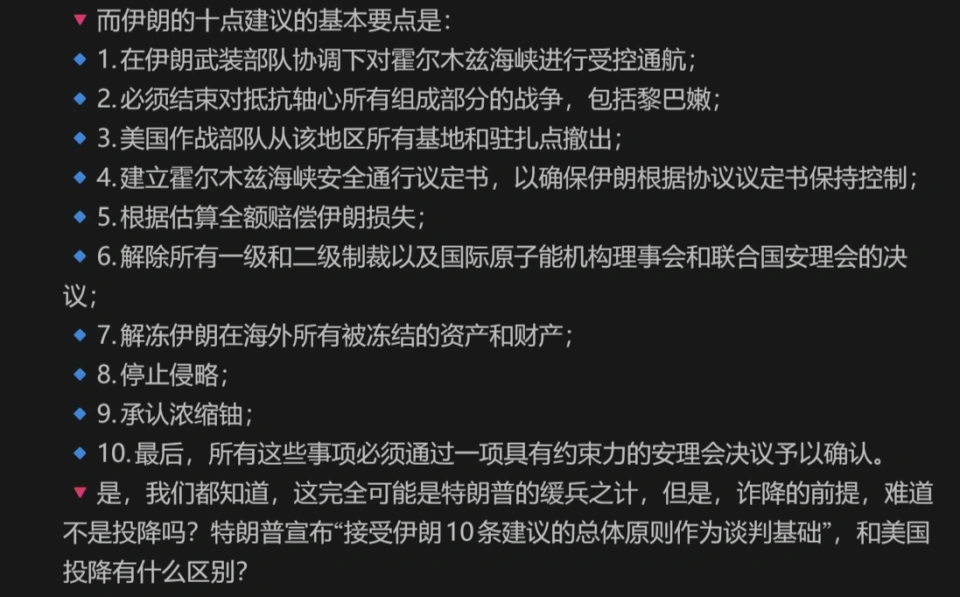
Iran’s 10 demands
As the supreme leader of Iran, he will not express his position easily. The three propositions are obviously based on the needs of the upcoming negotiations. After all, there is always room for negotiation in negotiations, so clear guidance is needed. The original conditions serve as the basis for negotiations but are not completely unchanged, so maximizing benefits locks in the core requirements. However, generally speaking, these three propositions still require relatively large concessions, at least to let the United States feel a certain degree of sincerity before the negotiation. It is a process of trade-offs for both parties, and cannot be set in stone until there is no negotiation.
Prior to this, although the United States reached a temporary ceasefire agreement with Iran and accepted the 10-point proposal proposed by Iran. But Trump quickly reneged on part of his promise, saying that he would throw the 10-point plan into the trash. At the same time, Israel was also making small moves, launching large-scale air strikes directly into Lebanon, causing more than 1,000 casualties. That is to say, they did not take Iran's conditions seriously. Hezbollah in Lebanon is a small partner of Iran. At this time, the air strike is to cut off Iran and make it give up.
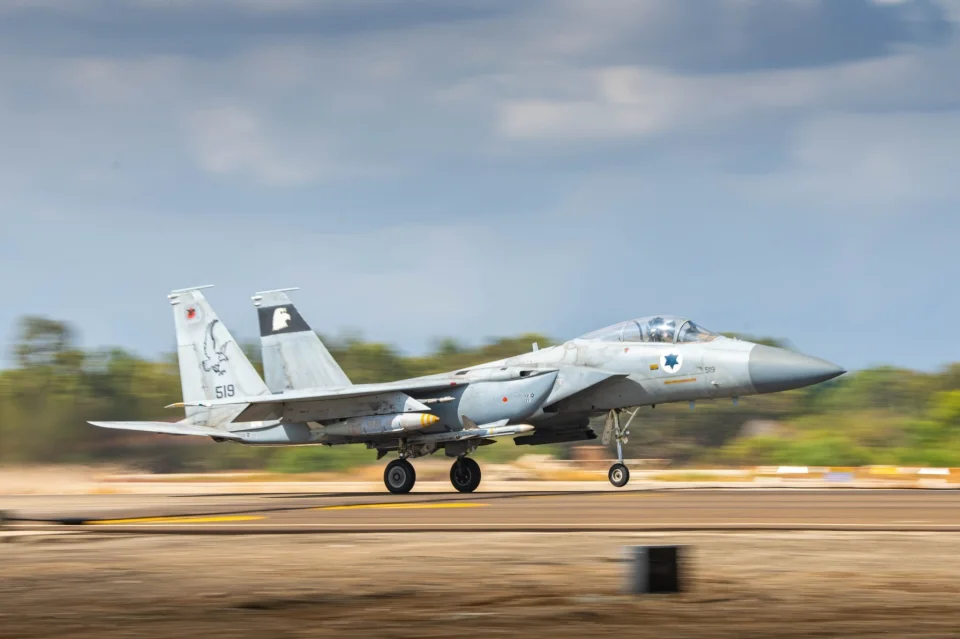
Israeli fighter jet
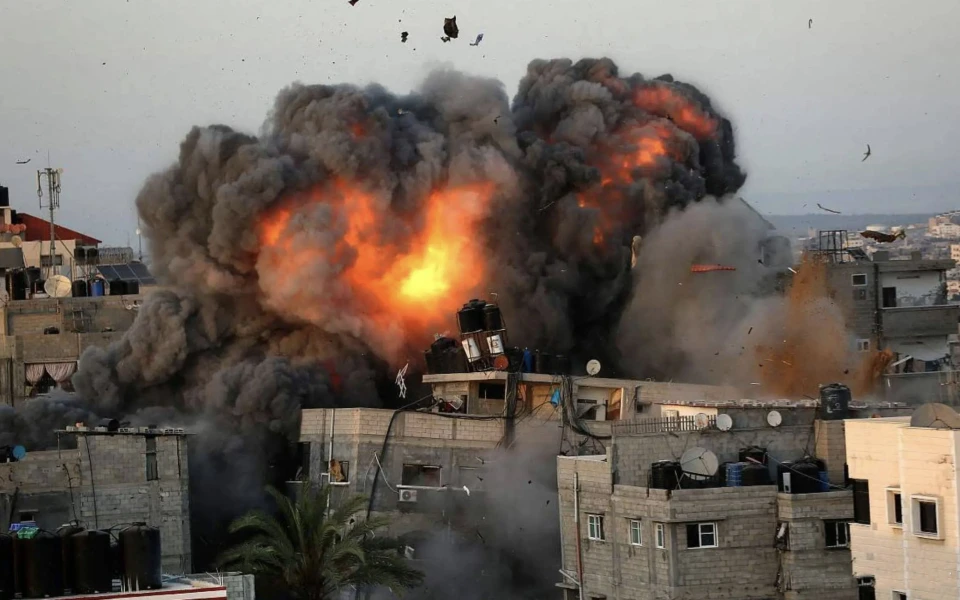
explosion scene
The United States is even more exaggerated, directly proposing to take a piece of the pie in the Strait of Hormuz and cooperate with Iran to control the Strait of Hormuz to collect tolls. All signs indicate that the future negotiations between the United States and Iran will not be easy. At this time, the direction and requirements for the negotiations should be clarified. Therefore, Iran's new leader stated at the critical moment that he was not compromising but sticking to the bottom line.
In fact, the United States also has clear requirements that Iran is not allowed to possess nuclear weapons; Iran is not allowed to develop new missiles, and the range of existing missiles must be limited; and Iran is required to cut itself off from neighboring resistance groups. In fact, these conditions are to make Iran abolish its military prowess. The reason why Iran was able to force the United States to the negotiating table in this war was because of its asymmetric advantage of possessing various ballistic missiles. If the United States follows the requirements, Iran will soon be at the mercy of others.
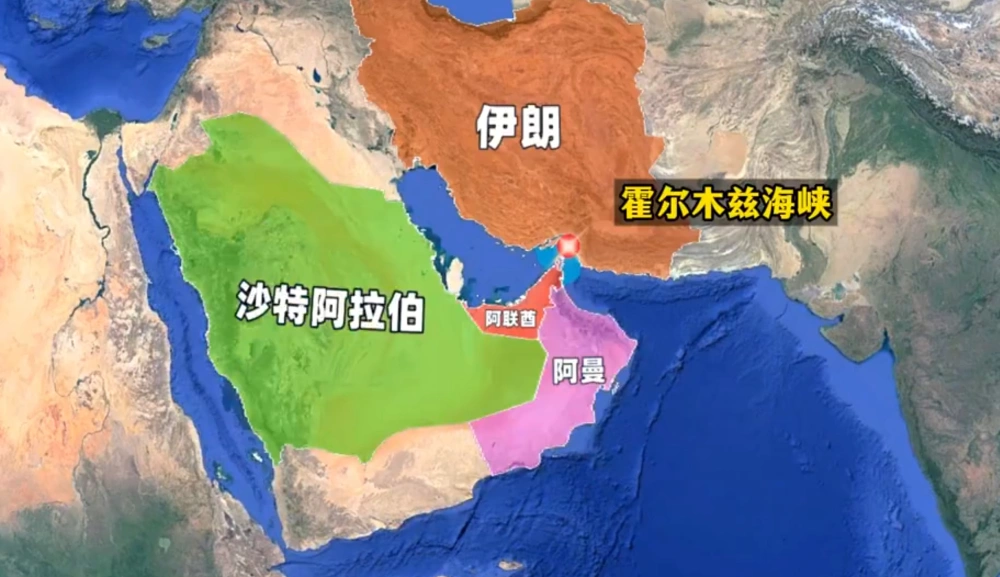
Strait of Hormuz
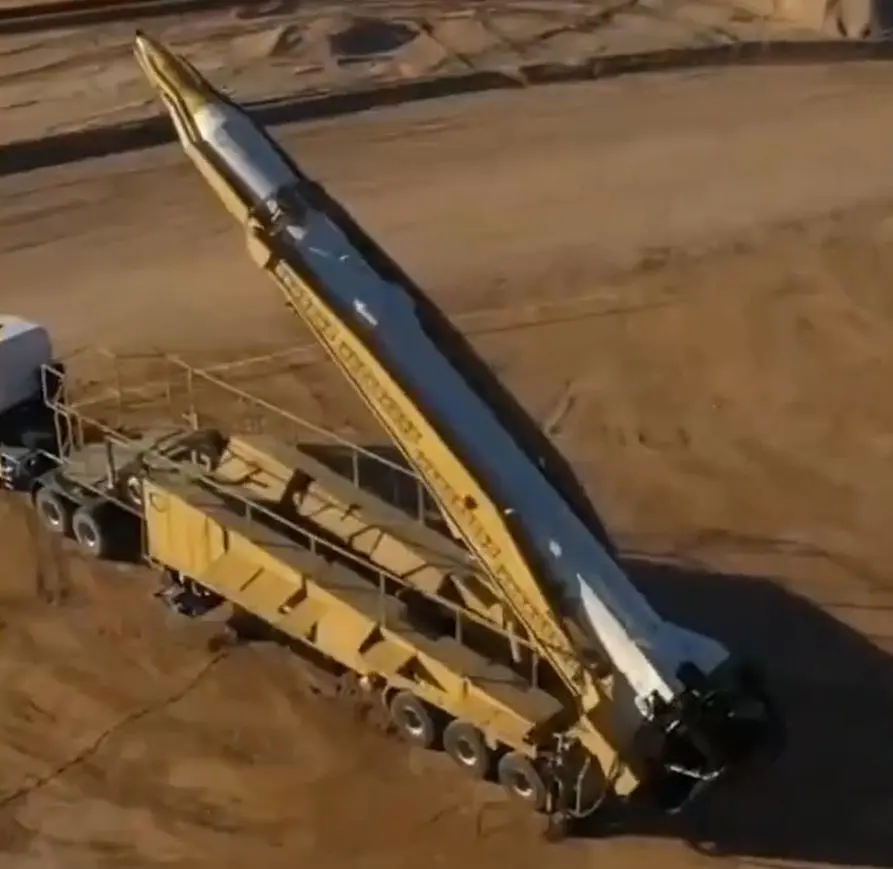
iranian missiles
Therefore, we must persist at this time and at least ensure that Iran has sufficient counterattack capabilities. Otherwise, the negotiations are not over yet. After the troops are deployed and ammunition is replenished, a new round of strikes by the United States and Israel may come again. Iran still has the initiative, so it can make some concessions appropriately and sign an agreement with the United States to ensure basic security. Only in this way can the national economy develop healthily. After all, it has been under sanctions for so many years. It is a rare opportunity for the United States to bow its head properly, so it will take the opportunity to finalize and give itself some room for development. As for U.S. war compensation, the possibility is estimated to be basically zero, but this can be used as a premise. It is a strategy to force the United States to make more concessions.
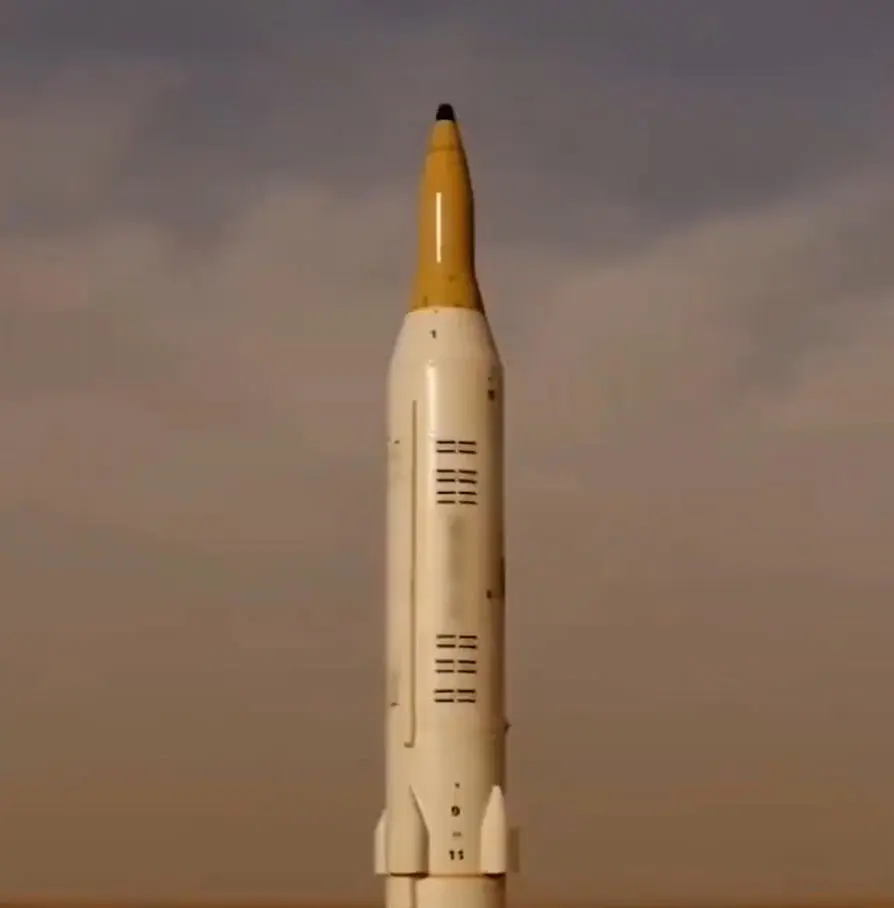
Strong strength is the guarantee of safety