In fiscal year 2026, Japan's defense expenditure exceeded 9 trillion yen, historically achieving the goal of accounting for 2% of GDP ahead of schedule. At the same time, Japan's government debt interest exceeded the 30 trillion yen mark for the first time, severely squeezing people's livelihood allocations.
"The Asahi Shimbun" commented: "In the eyes of the high city government, 'cannons' have a higher priority than 'butter'. When the people are in trouble because their salary increases cannot keep up with inflation, the government is paying for expensive missiles."
Ignoring people's livelihood problems, the Gao city government proposes a record defense budget
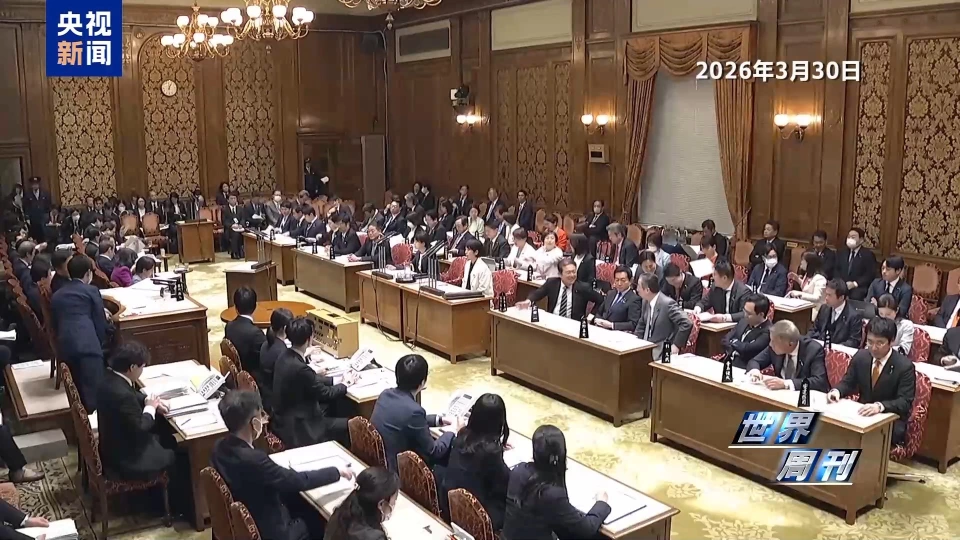
On March 30, the official budget for fiscal year 2026 failed to pass the Japanese Senate. This is the first time in 11 years that the Japanese government has failed to pass a formal budget before the start of the new year on April 1.
The main reason for the budget obstruction is that in the context of economic stagflation, the Gao City Government proposed a record-breaking defense budget of 9.04 trillion yen, which encountered strong opposition from the opposition parties and mainstream public opinion.
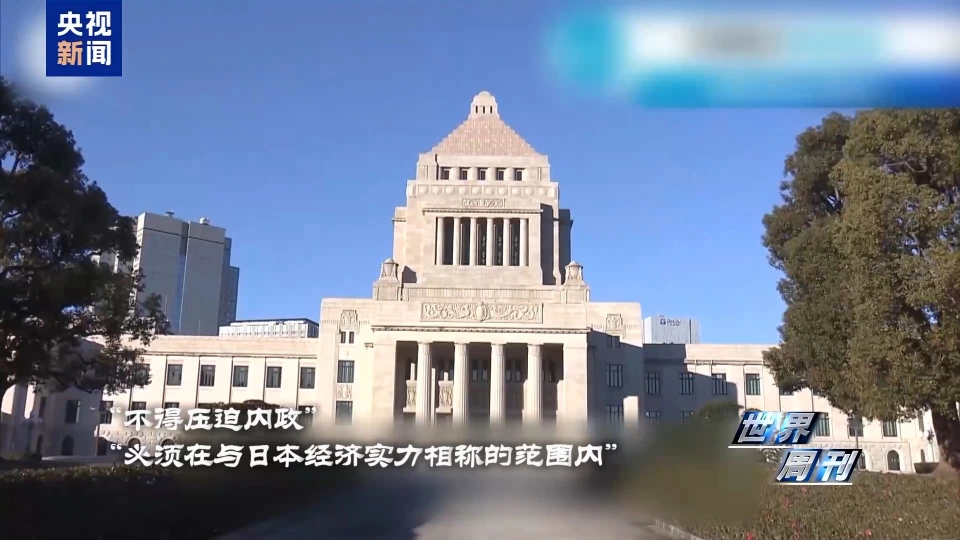
According to the principle of Article 9 of the Japanese Constitution, Japan's defense budget "must not oppress domestic affairs" and "must be within a range commensurate with Japan's economic strength." However, according to the Nihon Keizai Shimbun Network, Japan's defense budget has now grown to a level that is extremely disproportionate to Japan's economic strength.

According to data released by the Ministry of Finance of Japan, in fiscal year 2026, Japan’s government debt will exceed 1,300 trillion yen. The International Monetary Fund (IMF) predicts that Japan's debt will reach 232% of GDP this year, ranking first among major Western economies.
In the first quarter of 2026, Japan's core CPI growth remained at 3.8%, while real wage growth was only 1.2%, and people's purchasing power has shrunk for many consecutive months.
According to statistics from the Imperial Database, a total of 2,798 commodities in Japan increased in price in April, most of which were food products. Food expenditures account for the highest proportion of total household expenditures in Japan in more than 40 years.
The Japan Broadcasting Association believes that the current economic difficulties may become the biggest governance crisis faced by Takaichi since he came to power. The opposition party directly called it "high market stagflation".
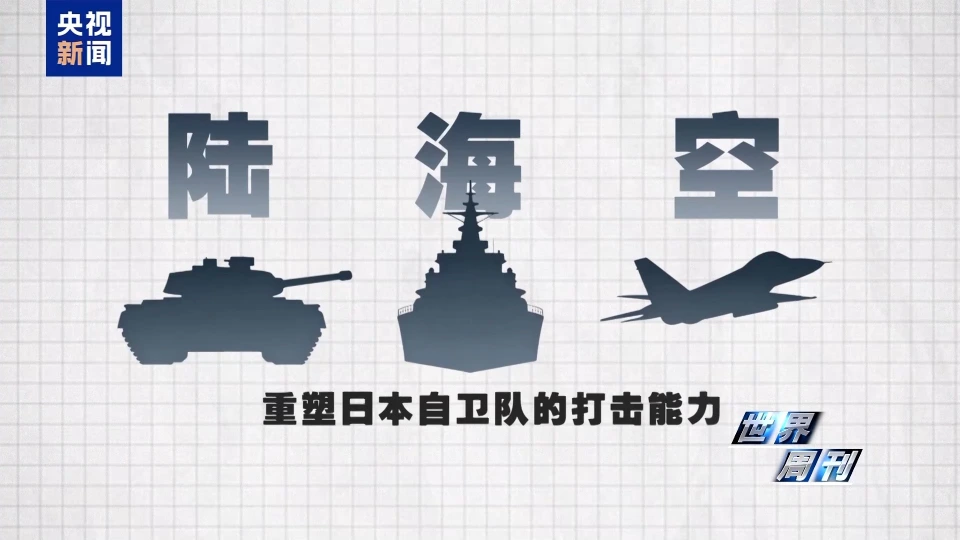
According to Japan's "Yomiuri Shimbun" report, Japan's record-breaking huge defense budget of 9.04 trillion yen in fiscal year 2026 will reshape the strike capabilities of the Japanese military from three dimensions: "land, sea and air".
However, many Japanese people find it difficult to accept the Japanese government's "generous spending" in the field of national defense.
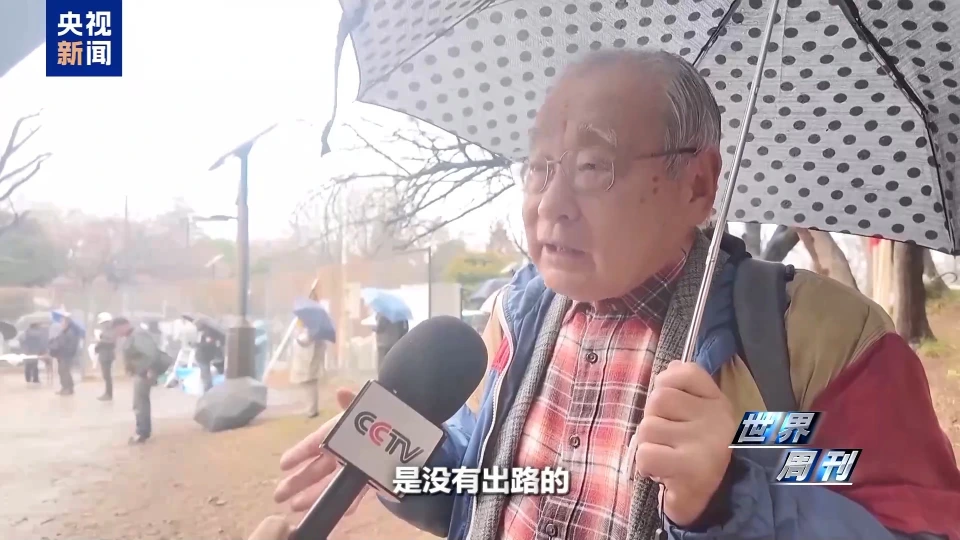
Lawyer Toshiyoshi Takayama: Takaichi Sanae has previously said that increasing military spending can stimulate the economy. Today, some people even openly advocate using war preparation as a driving force for economic growth and package it as a patriotic obligation. This logic is completely ridiculous. There is no way out for a country that relies on war as its economic support.
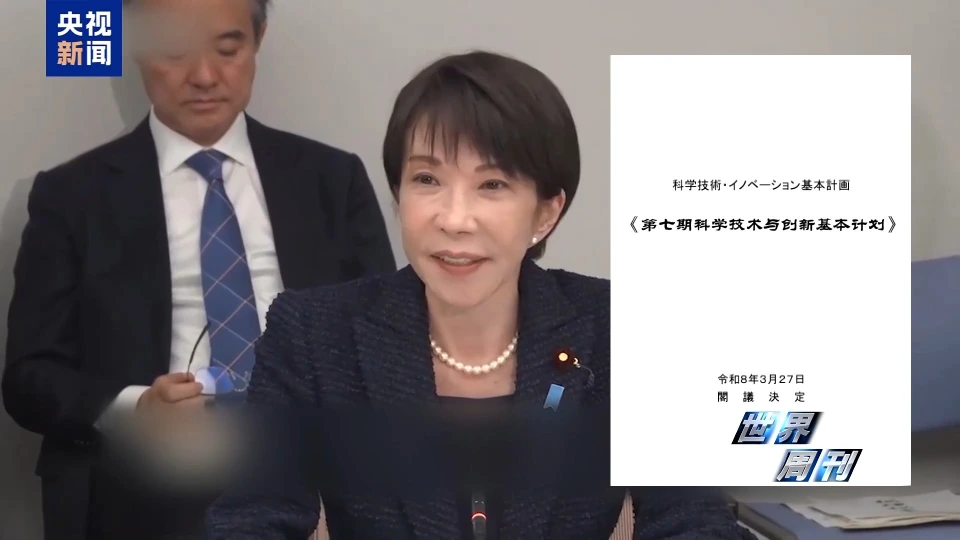
On March 27, the Japanese Cabinet meeting approved the "Seventh Basic Science, Technology and Innovation Plan" for 2026-2030.
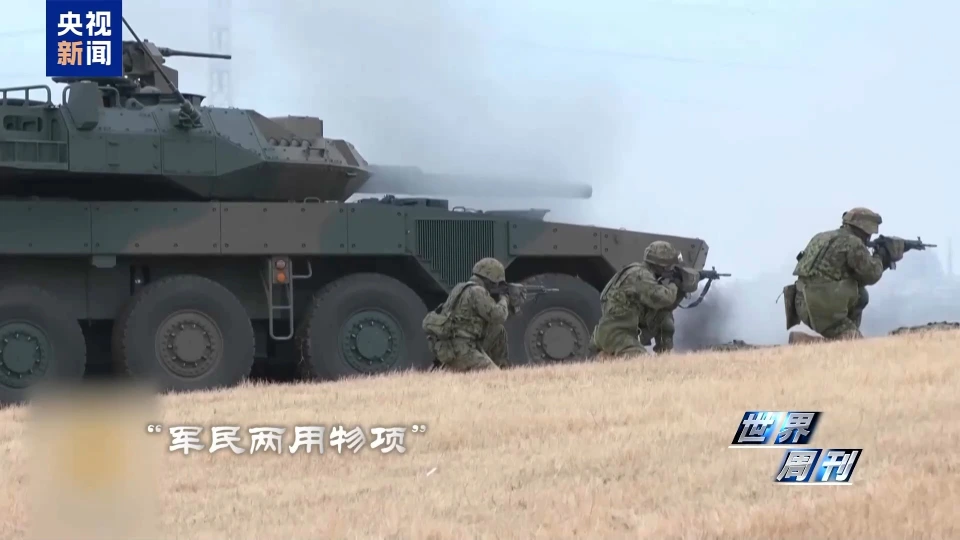
"Tokyo Shimbun" believes that this plan clearly proposes "the connection between science and technology and national security" for the first time. This means that Japan is abandoning its long-term postwar line of "pure civilian science" and betting heavily on "dual-use items."
On April 1, Japanese Communist Party member Daimon Jishi warned that the blurred concept of "dual-use items" will shake the ethical bottom line of "no military research" that Japan's academic community adhered to after the war. In the end, it may not help the Japanese economy, but will cause fire.
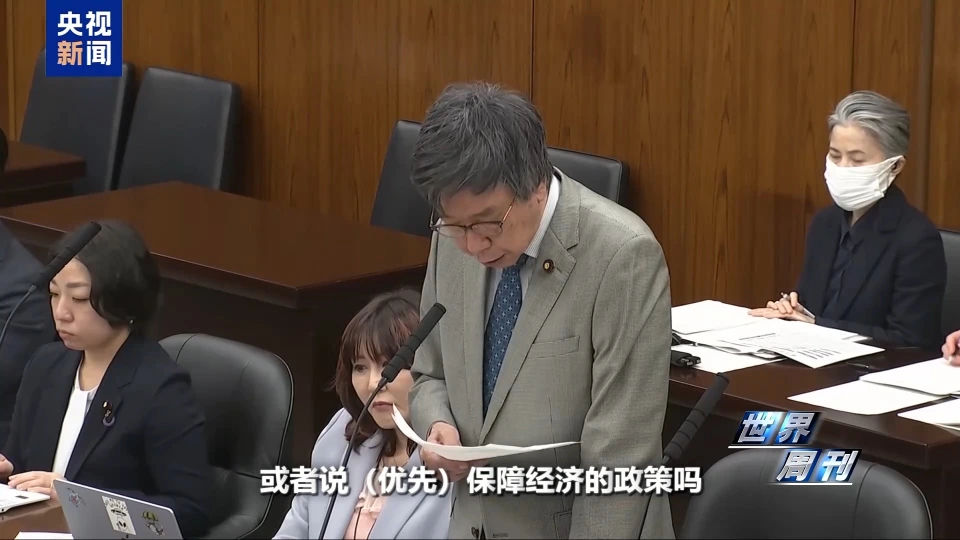
A chronicle of Japan's Communist Party members: It is precisely because of Article 9 of the Constitution that Japan did not have to participate in the Vietnam War or send its Self-Defense Forces to various wars in the Middle East. Because of Title IX, funds can be used in areas other than the military, resulting in economic growth. As a country with a peaceful constitution, shouldn’t Japan consider a unique economic strategy, or a policy that prioritizes economic protection?
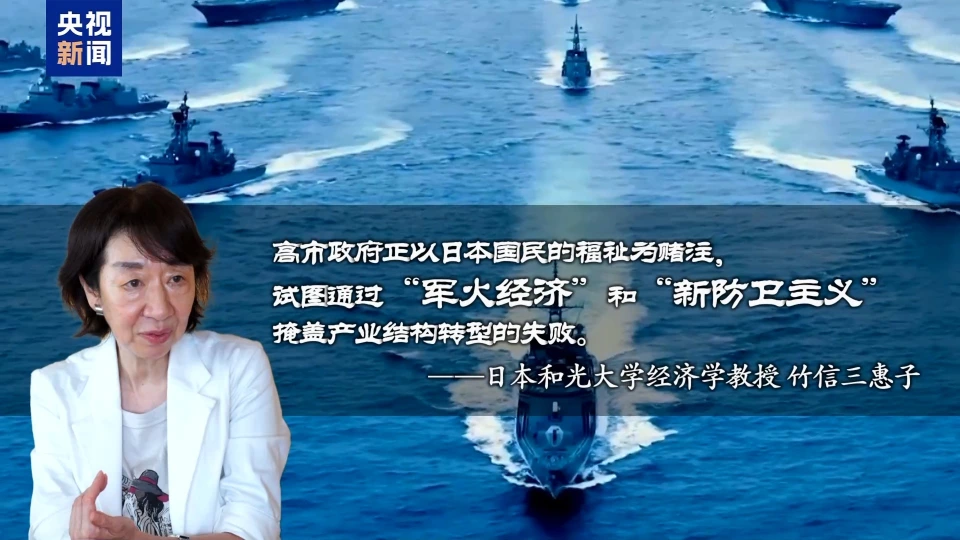
Takenobu Mieko, professor of economics at Wako University in Japan: When a country begins to look for "economic growth points" by manufacturing murderous weapons, it is already on a dangerous path to war. The Gao City Government is betting on the well-being of the Japanese people and trying to cover up the failure of industrial structural transformation through the "arms economy" and "new defenseism."
Hyping up "security threats", anxiety, and "remilitarization" deserve high vigilance
At the same time, the Takaichi regime also used the Russia-Ukraine conflict, the Middle East crisis and the so-called "China threat" to hype up topics, causing some Japanese people to fall into the anxiety of "national security threats."
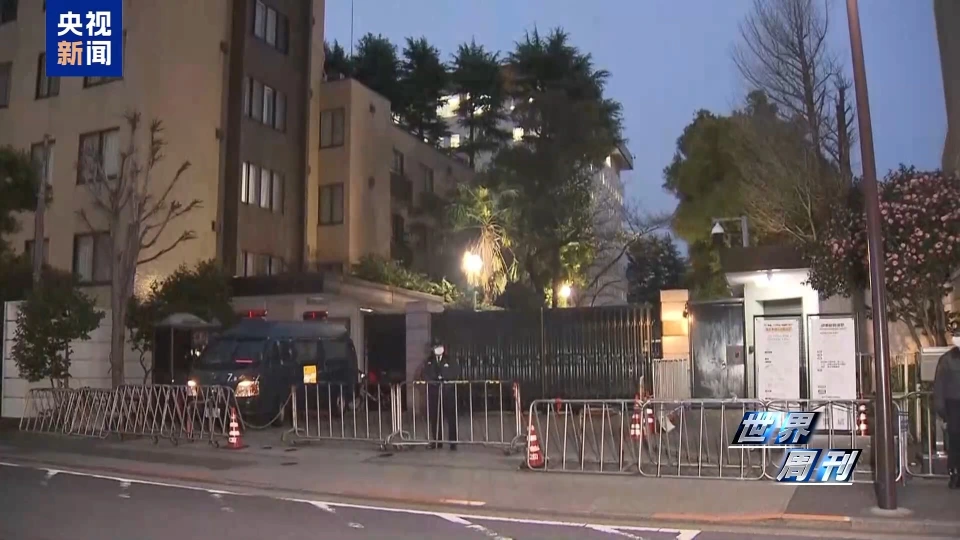
At about 9 a.m. on March 24, Japanese Ground Self-Defense Force Third Class Lieutenant Kodai Murata carried an 18-centimeter knife, scaled the fence with barbed wire, forced his way into the Chinese Embassy in Japan, and shouted that he would kill Chinese diplomats "in the name of God."

On March 26, the Tokyo Metropolitan Police Department handed over Murata Kodai to prosecutors. However, the Japanese side has only filed the case on the lighter charge of "illegal intrusion into a building", which has caused widespread controversy.
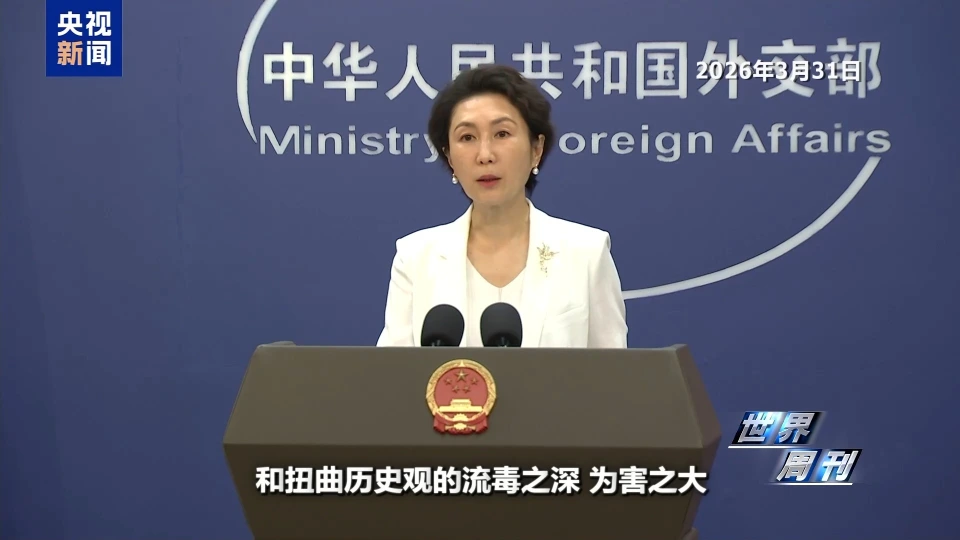
Chinese Foreign Ministry Spokesperson Mao Ning: This incident has exposed the depth and harm of Japan's right-wing ideology and distorted view of history. The rightward shift of the Japanese Self-Defense Forces and the "remilitarization" of Japan deserve the high vigilance of the international community.
Emeritus professor at Japan's Yamaguchi University, Tsumugi Ryu, warned that the Takaichi Sanae government is playing a dangerous game using people's livelihood and the economy as bargaining chips. Although the Japanese government is trying its best to prove that "big guns" can drive economic growth, repeatedly testing the edges of Article 9 of the Constitution, and fully betting on using "remilitarization" to build a so-called new type of national self-esteem, the price of this "big gun" and "butter" gamble will ultimately be borne by ordinary Japanese citizens.