
BNB Official App Download: A Must-see For Second Number Release And Unbinding Mobile Phone Numbers
Xinhua News Agency, Beijing, April 9th: Why does the new mobile phone number frequently receive harassment messages?
Xinhua News Agency, Beijing, April 9th: Why does the new mobile phone number frequently receive harassment messages?
To refute rumors, click on the link to receive the "2026 Comprehensive Subsidy"? Don't believe it, don't point it out
Details: Recently, some netizens reported receiving a “Comprehensive Subsidy Application Certification Notice.” The notice stated that “the Ministry of Human Resources and Social Security is conducting application certification for comprehensive subsidies such as maternity allowances, medical insurance subsidies, housing subsidies, etc.” You need to “click on the link and log in to the official website to receive the subsidy.” After clicking the link, the page that jumps to is very similar to the interface of the official website of the Ministry of Human Resources and Social Security, but it is actually a fraudulent website forged by criminals. In this regard, the Ministry of Human Resources and Social Security stated that the so-called "2026 Comprehensive Subsidy" has never been issued. The above notification is false information and suspected of fraud.
Important reminder:
The notice issued by the human resources and social security department will not allow you to provide personal information such as bank cards, passwords, and mobile phone verification codes.
If you accidentally encounter online fraud, keep chat records, transaction records and other relevant evidence materials, and immediately call 110 to call the police for help. (Source: "Ministry of Human Resources and Social Security" WeChat official account)
Debunking rumors that a mudslide occurred in Mianyang, Sichuan, cutting off a national highway and causing casualties? The news is false
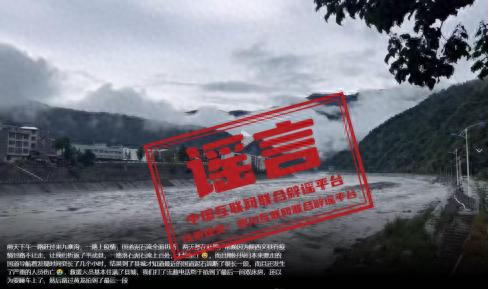
Details: Recently, a netizen posted a post saying, "A mudslide broke off the national highway in Pingwu County, Mianyang, Sichuan, causing serious casualties, and rescuers filled the county." It was accompanied by a video of the mudslide, which aroused the attention of some netizens. It has been verified by the local transportation bureau that during the Tomb Sweeping Day holiday in April 2026, all national highways in Pingwu will be open to traffic normally, and no large-scale mudslides and road closures will be reported. This news is purely a rumor.
After tracing the source, the video was found to be footage of geological disasters during flood seasons in previous years. This post fabricated and spread false information by copying old news and hyping it up with new ones, disrupting the order of the Internet, gaining traffic, and misleading the public. Netizens are hereby reminded that information related to emergencies should be subject to official and authoritative releases, and they should consciously do not believe, spread or create rumors, rationally identify online information, and jointly protect a clear cyberspace. (Source: "Network Mianyang" WeChat public account)
Is it a misunderstanding that if anti-virus software is installed on a mobile phone/computer, it is absolutely safe and will not cause poisoning?
Truth: This is a common misconception. Antivirus software can effectively protect against viruses that have been discovered, analyzed and recorded in virus databases. However, new threats are emerging in the online world every moment. When these new attack methods first appear, they are often not recognized by any anti-virus software. At this time, your device may still be infected. In addition, many cyber attacks do not rely on viruses, but use social tools and other means. For example, phishing emails and text messages sent by disguised as banks, express companies or government departments can induce users to click on malicious links or enter personal information. In this case, even if your device has anti-virus software, your account and private information may be stolen.
Therefore, in addition to installing necessary protective software, we must also improve information security awareness and develop good habits. For example, do not answer suspicious calls, do not click on suspicious links, do not receive suspicious emails, and regularly change passwords, etc. (Source: "Scientific Rumor Refutation" WeChat official account)
Report on AI magic modified video management: cleaning up more than 20,000 illegal videos and dealing with more than 100 illegal accounts
Details: In order to rectify the chaotic spread of "AI magic modification" videos, the State Administration of Radio and Television will launch a month-long special management work in January 2026, focusing on cleaning up illegal videos with "AI magic modification" based on classic TV series such as the Four Great Classics, historical themes, revolutionary themes, heroes and models, and simultaneously cleaning up various cult animations. The special management work has cleared more than 23,000 illegal videos and dealt with more than 100 illegal accounts, effectively curbing the spread of illegal videos.
Since February 1, the "AI Magic Modification" video management work has continued to be carried out through a normalized and institutionalized long-term mechanism. In response to the characteristics of the production and dissemination of "AI Magic Reform" illegal videos, the State Administration of Radio, Film and Television has supervised all major online audio-visual platforms to further implement the main responsibilities, improve work processes, strengthen audit capabilities, strengthen daily inspections, resolutely clean up illegal videos, and release governance results on a monthly basis to accept social supervision. As of March 31, major online audio-visual platforms have cleared nearly 29,000 illegal videos. (Source: "State Administration of Radio and Television" WeChat official account)
Notified of fake staged photos of "Rescuing homeless girls in the mountains", 3 people were investigated
Details: Recently, the Internet Police in Lijiang, Yunnan received reports from netizens that several short videos of “rescuing homeless women in the mountains of Yunnan” appeared on some online platforms. In the video, the "tramping woman" is in ragged clothes and huddled in a wooden house. The photographer pretends to be concerned and asks about the origin of her injuries, and claims that she will change her bedding and provide her with food. After the release of the relevant video, it quickly aroused widespread attention and heated discussions among netizens. Some netizens also expressed their willingness to donate money and send charity materials. After receiving the report, Lijiang Internet Police immediately carried out verification work in accordance with the law.
After investigation, in order to gain traffic and attract attention, netizens Liu and A traveled from Heilongjiang to Lijiang, Yunnan, hired Yang and disguised her as a "tramping woman". Since March 28, 2026, they have staged plots such as "discovery" and "rescue" according to preset scripts, and have released more than 10 false videos to mislead the public and disrupt the order of cyberspace and public order. According to the relevant provisions of the "Public Security Administration Punishment Law of the People's Republic of China", the Lijiang Municipal Public Security Bureau imposed administrative detention on Liu and A for five days and Yang on administrative detention for two days in accordance with the law. (Source: "Cybersecurity Bureau of the Ministry of Public Security" WeChat official account)
Editor Chen Yanting

1. Revenue-cost matching: following the accrual basis and the new revenue standards, revenue is recognized based on the transfer of control rights, and the corresponding performance costs are carried forward simultaneously during the performance period or at the time of performance, truly and accurately reflecting the current operating results.
2. Profits must be true and legal: Accounting shall be based on true, complete and legitimate business, and it is strictly prohibited to adjust profits through false provisional estimates, arbitrary early or delayed recognition of profits and losses, etc. Provisional estimates apply to all types of assets, costs and expenses that have occurred and are attributable to the current period.
3. Losses are reasonable and compliant: Normal operating losses of an enterprise comply with legal requirements, but long-term, large and continuous losses without reasonable business reasons can easily trigger risk assessments by tax authorities, and there is no unified legal safe loss limit.
4. Small and low-profit enterprises are recognized as compliant: Resident enterprises engaged in national non-restricted and prohibited industries must also meet the following requirements: number of employees (including dispatched workers) ≤ 300, annual taxable income ≤ 3 million yuan, and total assets ≤ 50 million yuan (number of employees and total assets are calculated based on the annual quarterly average), and can enjoy corporate income tax benefits.
5. Asset balance specifications: The book balance of monetary funds must not be a negative number; if there is a negative number in inventory, the accounting treatment must be verified; the book value of fixed assets is the original value minus accumulated depreciation and impairment provisions, the minimum is zero, and it must not be a negative number.
6. Industry account matching: Pure service companies usually do not have large inventory of goods. If there is inventory, it should be consistent with the actual concurrent sales, material reserves and other business contents.
7. The deduction of business entertainment expenses is reasonable: Business entertainment expenses incurred by an enterprise related to production and operation activities are deducted before tax based on the lower principle of 60% of the amount incurred and 5‰ of the current year’s sales (operating) income. There is no official optimal control ratio.
8. Compliance with the deduction of employee welfare fees: The actual employee welfare expenses incurred by the enterprise, which does not exceed 14% of the total wages and salaries, are allowed to be deducted before corporate income tax.
9. Profit distribution compliance: Enterprise profit distribution should be based on the fulfillment of distribution conditions, and illegal distribution is not allowed without making up for losses and failing to meet distribution requirements.
10. Compliance in the management of current accounts: receivables, payables and other current accounts should be checked regularly and cleared in a timely manner; long-term outstanding accounts and large abnormal transactions need to verify the business essence to prevent risks such as hidden income and falsely stated costs.
11. Borrowing compliance for natural person shareholders: Except for sole proprietorships and partnerships, if a natural person shareholder borrows money from an invested enterprise and neither returns it nor uses it for the production and operation of the enterprise after the end of the tax year, it will be regarded as dividend income and a 20% personal income tax will be levied.
12. Declaring tax burdens truthfully and in compliance: Industry tax burden rates are only reference indicators. Enterprises should declare taxes in accordance with the law based on real business. It is strictly prohibited to artificially adjust income, input tax, etc. to control tax burdens in violation of regulations.
13. Compliance with depreciation of fixed assets: Fixed assets should be depreciated reasonably within their estimated service life. The residual value rate is reasonably determined by the enterprise based on the actual situation. There is no unified statutory ratio under tax law.
14. Compliance in the presentation of employee compensation: When there is a debit balance in employee compensation payable, it is generally because the actual amount paid or paid is greater than the accrued amount, which is a normal accounting difference. It is reclassified to other current assets when the statement is presented, and is not an inevitable accounting error.
15. Income is true and complete: The income recognized in the books should be mutually verified and consistent with the original documents such as contracts, service/delivery documents, invoices, capital flows, and warehouse outgoing documents.
16. Accounting and tax difference management and compliance: The book balance of taxes payable and the tax returns should be checked regularly. Differences arising from accounting treatment and tax law regulations need to be accurately identified, accounted for and disclosed.
17. The balance of undistributed profits is reasonable: Undistributed profits at the end of the period = Undistributed profits at the beginning of the period + Net profit for the year - Withdrawal of surplus reserve - Profit distribution for the period.
18. Reasonable cash flow: Profit is accounting income, and cash flow is the basis for a company's ongoing operations. Focus should be placed on the authenticity, adequacy, and rationality of cash flow from operating activities.
19. Possess a business-financial integration mindset: Finance has shifted from post-event accounting to ex-ante prediction, in-process control, and post-event analysis, using data to support business decisions, cost control, and operational efficiency improvements.
20. Risk-return balance: All decisions such as operations, investment, and financing are based on compliance, taking into account profitability, liquidity, and safety, and avoiding being overly aggressive or overly conservative.
"2026 is the first year of global autonomous driving. The L3 level is the necessary stage to move towards fully autonomous driving, and there is no way to skip it." On April 11, Jin Yuzhi, CEO of Huawei Smart Car Solutions BU, stated this when talking about autonomous driving at the Smart Electric Vehicle Development Forum (2026).
There are different opinions in the market on whether the L3 level should be skipped in the development process of autonomous driving.
He Xiaopeng, chairman and CEO of Xpeng Motors, has stated in public many times that he supports autonomous driving skipping L3. He said: "With today's global technological development, basically the next step up from L2 is L4, with an L3 added in the middle. This actually poses challenges to hardware, software, and laws and regulations."
To this end, He Xiaopeng also submitted relevant suggestions at this year's Two Sessions, which mentioned that the window period for global autonomous driving policies and regulations is rapidly narrowing, and the United Nations and the United States are accelerating the implementation of regulations and mass production deployment bills for L3 and above autonomous driving.
In this context, he believes that promoting autonomous driving from L2 to L3 and directly to L4 is not only a choice of technical route, but also a systematic upgrade of the institutional system, regulatory environment and governance capabilities. Accelerating the breakthrough of key institutional bottlenecks that restrict industrial development will help China's intelligent connected vehicles and autonomous driving industries gain strategic initiative in global competition.
Chinese automobile safety expert Zhu Xishan also made it clear in an interview with the media that he supports skipping the L3 level. He further explained the reason: "The L3 level allows the driver to escape with conditions. He can escape with his eyes and hands, but not his brain. But the question is, can the driver be required to escape with his eyes and hands but not his brain? This assumption may not be true."
But in Jin Yuzhi’s view, from a regulatory perspective, L3’s transfer of responsibility from car owners to manufacturers/solution providers is a key transition period for the compliance and insurance systems. Therefore, he suggested accelerating the opening of L3 to all C-side scenarios, first verifying L4 technology in B-side scenarios such as Robotaxi and limited low-speed scenarios, and steadily promoting unmanned technology.
At present, the domestic regulations regarding L3 level conditionally autonomous passenger vehicles on the road are mainly the "Beijing Regulations on Autonomous Vehicles". The regulations have been implemented on April 1, 2025, providing institutional specifications for L3 and above, clarifying that the manufacturer is primarily responsible for accidents caused by system defects. In addition, Chongqing, Shenzhen, and Shanghai have also successively introduced relevant regulations on intelligent connected vehicle testing.
On an international scale, autonomous driving laws and regulations are also being introduced one after another. Previously, in 2021, the German Federal Motor Transport Administration allowed L3 level self-driving cars to drive on the highway, but there were also restrictions. For example, the speed was not higher than 60km/h, hands could be freed but could not sleep, and a person was required to take over the driving rights of the vehicle if necessary. If an accident occurs under specified conditions, the responsibility lies with the OEM. Japan’s Road Traffic Law stipulates in terms of insurance and liability that drivers still have the obligation to drive safely during L3 autonomous driving. If the driver fails to switch to manual driving mode in time as required by the system due to factors such as drowsiness or drinking, causing an accident, he will bear criminal liability. In addition, when an accident occurs due to an obvious failure such as incorrect operation of the system, the vehicle manufacturer may be liable for negligence.
In Beijing, the entrances and exits of every subway station are marked with routes. For single-line stations such as Liangmaqiao Station, "Line 10" is directly marked after the station name. Passengers can reach the platform immediately after entering the station, which is clear at a glance. But once you arrive at a large station with multiple lines for transfer, such as Ping'anli, you are unable to determine which subway line is closer through the entrance and exit sign information, which becomes a major problem for passengers.
After the launch of Beijing Daily's report "Escalators only go up but not down, elevators become "hidden items", a survey on subway barrier-free facilities" was launched, it received a lot of feedback from readers. They generally hope that the details of various guidelines for subway travel can be further optimized. The reporter continued to follow up and visit.
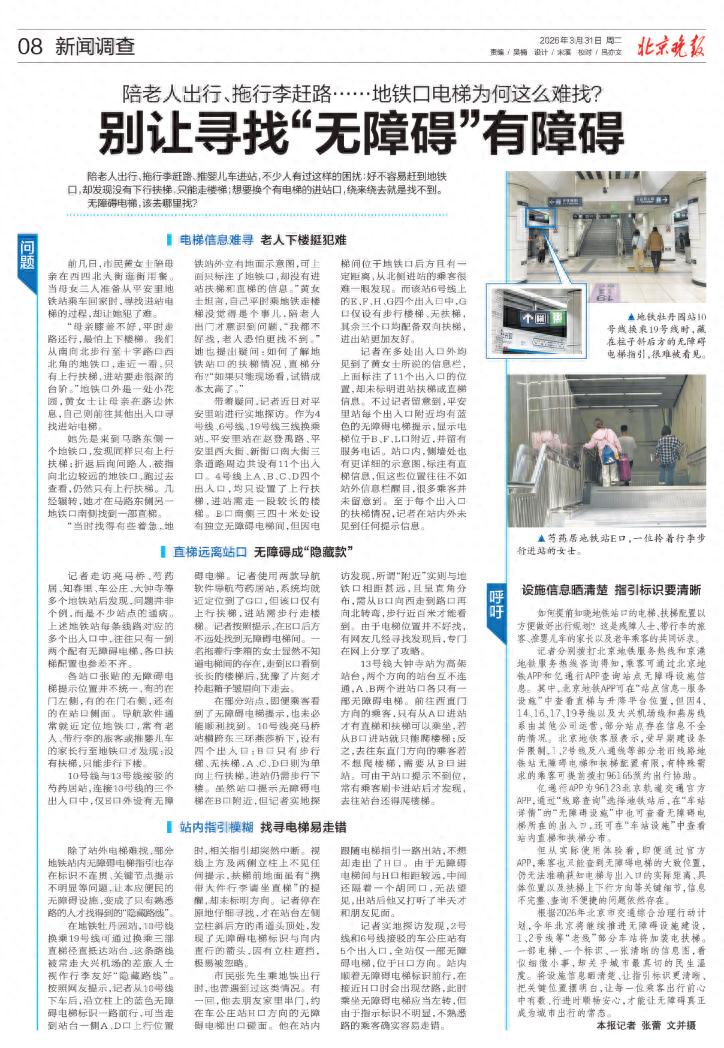
There are multiple entrances to the transfer station. Which entrance is closer?
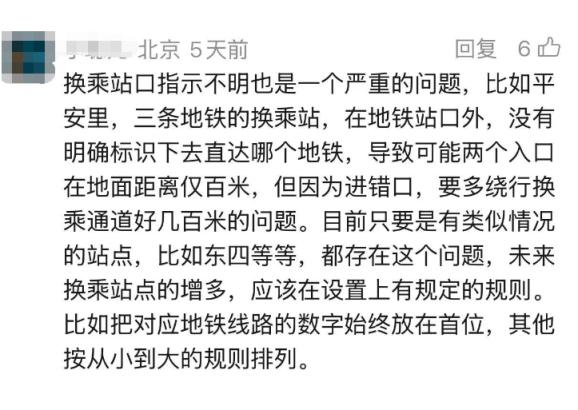
Some readers reported that the instructions at the transfer station entrance are unclear. For example, when transferring to three subway lines at Ping'anli Station, there is no clear sign outside the subway station entrance indicating which subway line the entrance and exit correspond to.
Based on reader feedback, the reporter visited Ping'anli Station of the subway again. As an interchange hub for Line 4, Line 6 and Line 19, Ping'anli Station has 11 entrances and exits on both sides of Zhaodenyu Road, Ping'anli West Street and Xinjiekou South Street: exits A, B, C and D are connected to Line 4, exits E, F, H and G are connected to Line 6, and exits L, K and J are connected to Line 19. For passengers who are in a hurry, choosing the right entrance is a shortcut. If you choose the wrong one, you may have to detour hundreds of meters underground.
The reporter inspected the 11 entrances and exits one by one and found that the line signs at all the stations were exactly the same: they were arranged in the order of "Line 4, Line 6, and Line 19". Which exit leads directly to which line? It doesn’t make any difference from the sign outside the station.
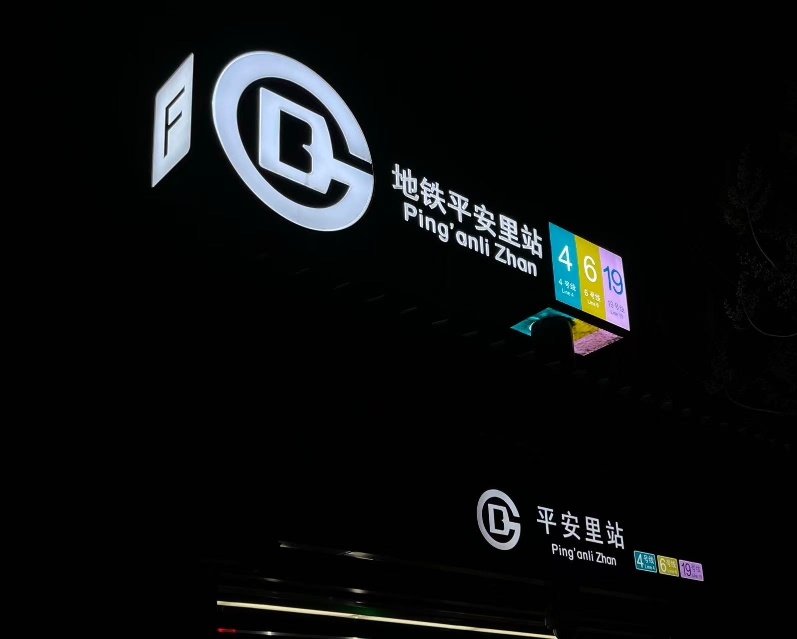
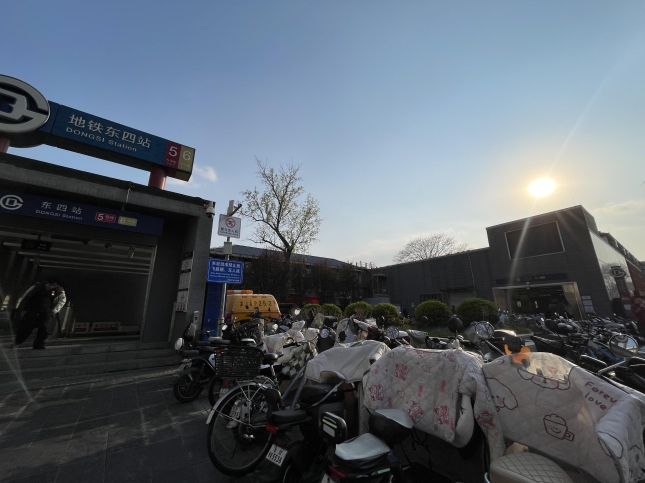
Some people have "suffered" because of this. A passenger once wanted to take Line 19 to catch a flight from Daxing Airport, but mistakenly entered the station from the entrance of Line 4 on the side of Xinjiekou South Street. As a result, he went around underground and was exhausted from the transfer route. Xiaojie, a citizen, works in Dengshikou. When the weather is nice, she occasionally walks one subway stop to Dongsi Station to catch the bus. Because she was not familiar with the line layout of the station, she would be in "difficulty in choosing" every time before entering the station: Exit D and Exit G in the southwest corner of the intersection are only more than ten meters apart, one leads to Line 5 and the other leads to Line 6. "Every time I enter the station, I have to struggle for a long time. After all, if you enter the right entrance, you can go directly to the Line 6 platform. If you enter the wrong station, you have to walk an extra mile."
The reporter saw at Dongsi Station that the seven entrances and exits of the station also use a "unified template": entrances A, B, C, and D are connected to Line 5, and entrances E, F, and G are connected to Line 6. All signs outside the station are marked in the order of "Line 5, Line 6." Similarly, at Chegongzhuang Station, where Line 2 and Line 6 transfer, the five entrances and exits are also labeled in the order of "Line 2, Line 6".
Although the barrier-free elevator diagram at the entrance and exit will show the corresponding relationship between the station entrance and the subway line, even if passengers know how to check, they have to go to the station entrance and take a closer look to distinguish them.
The reporter called the Beijing Metro hotline 96165 and the Beijing-Hong Kong Metro hotline 96123 for consultation. Customer service staff all said that currently it is impossible to determine which subway line the entrance corresponds to only based on the line markings above the subway entrance. Passengers can only know the subway lines corresponding to the subway entrance through the station entrance diagram or official software such as Beijing Metro App, Yitongxing APP or third-party navigation software. They can also call the hotline for help at any time. Customer service also stated that it would record feedback on relevant issues and conduct follow-up research on improvement plans.
suggestion
Put the corresponding line first
Readers suggested that the number of transfer stations will further increase in the future and the rule settings should be improved as soon as possible. For example, put the number of the subway line closest to the entrance and exit first, and the other lines can be sorted by numerical size, so that passengers can see it clearly from a distance.
When transferring in the subway, which of the two channels should I take?
During the visit, the reporter found that many transfer stations have more than one transfer channel, and some routes have obvious differences. In actual travel, passengers often have to choose which route is more labor-saving and which one is more suitable for their own travel direction. If they choose wrongly, they may have to climb a lot of steps.
When transferring to Line 13 at the Zhichun Road Station Line 10 station hall, there are two transfer routes on the left and right, leading to Exit A and Exit B respectively. Due to the simple sign information, it is difficult for passengers to judge the difference. The reporter followed the flow of people and randomly merged into one of the passages, and soon experienced the heartbreaking gap: after arriving at the station hall of Line 13, there was only an elevator leading to the opposite platform in front of him, but the platform he was going to was filled with endless steps.
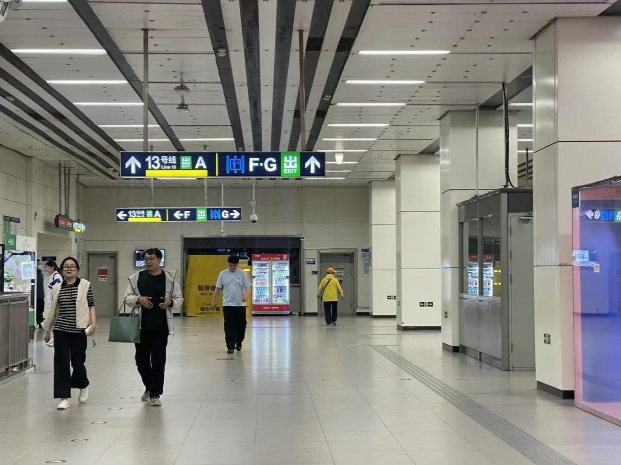
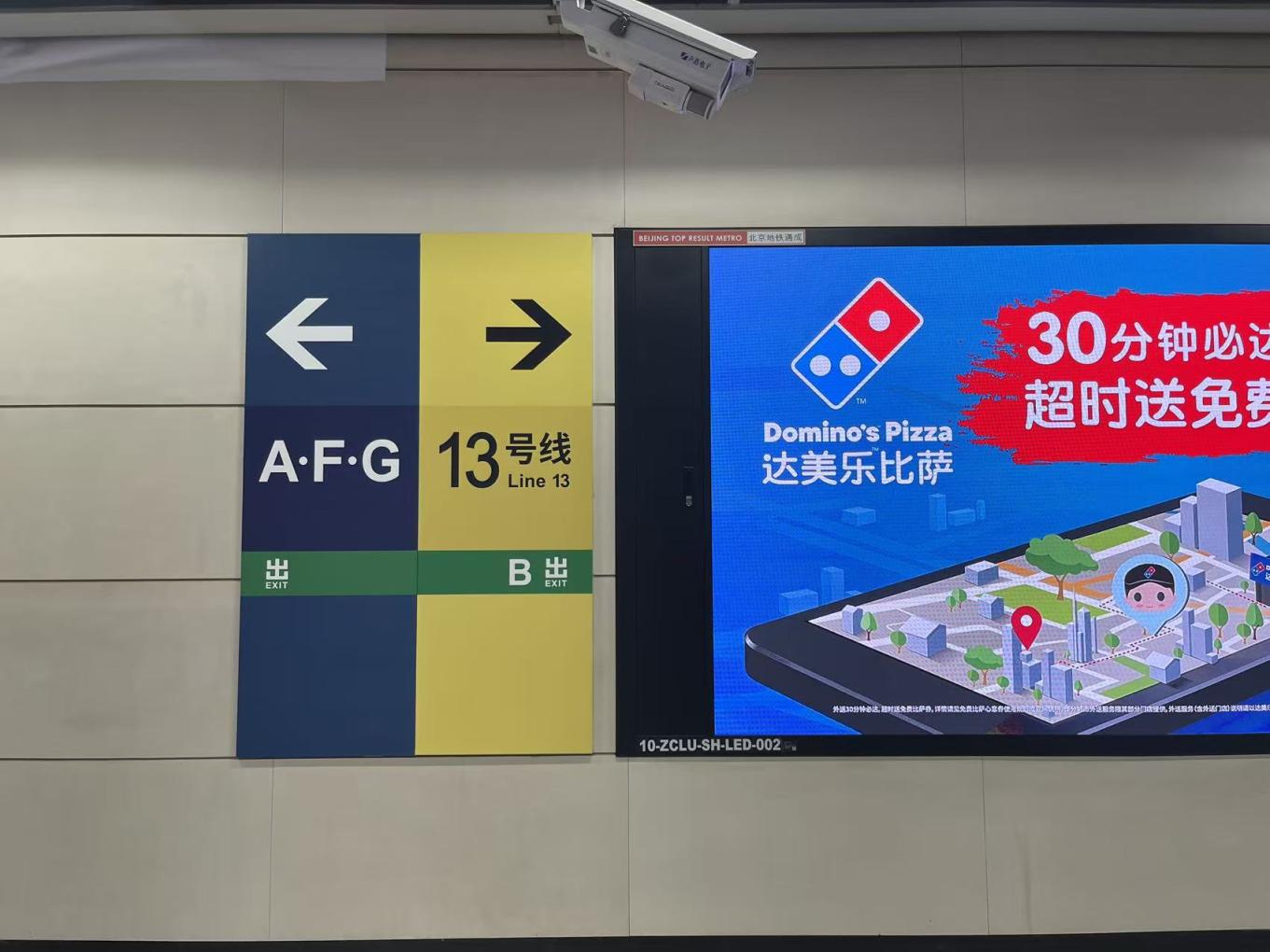
This kind of trouble of choosing the wrong route is not uncommon in the flow of changing passengers. Line 13 at Zhichun Road Station is an elevated side platform. The platforms on the second floor bound for Dongzhimen and Xizhimen are not connected to each other, and only one side of the two platforms is equipped with an elevator. The two passages from Line 10 to Line 13 correspond to the entrances of these two elevators.
The reporter's actual measurement found that the transfer path in the direction of Exit B is the shortest. There is a two-way escalator that can be used to enter the station hall of Line 13. There are no stairs in the whole journey. After entering the station hall, there is an elevator to the platform on the second floor in the direction of Xizhimen; but if you go to the direction of Dongzhimen, you need to climb a long flight of stairs. This route is more friendly to passengers heading towards Xizhimen.
Although the transfer path in the direction of Exit A is longer and involves two short flights of stairs, after arriving at the station hall of Line 13, passengers heading to Dongzhimen can take the elevator, eliminating the most physically demanding climb to the platform. This route is relatively convenient for passengers with luggage, strollers and elderly passengers heading to Dongzhimen. The problem is that there is a lack of relevant prompts for the two channels when transferring within the station, and passengers can only choose blindly.
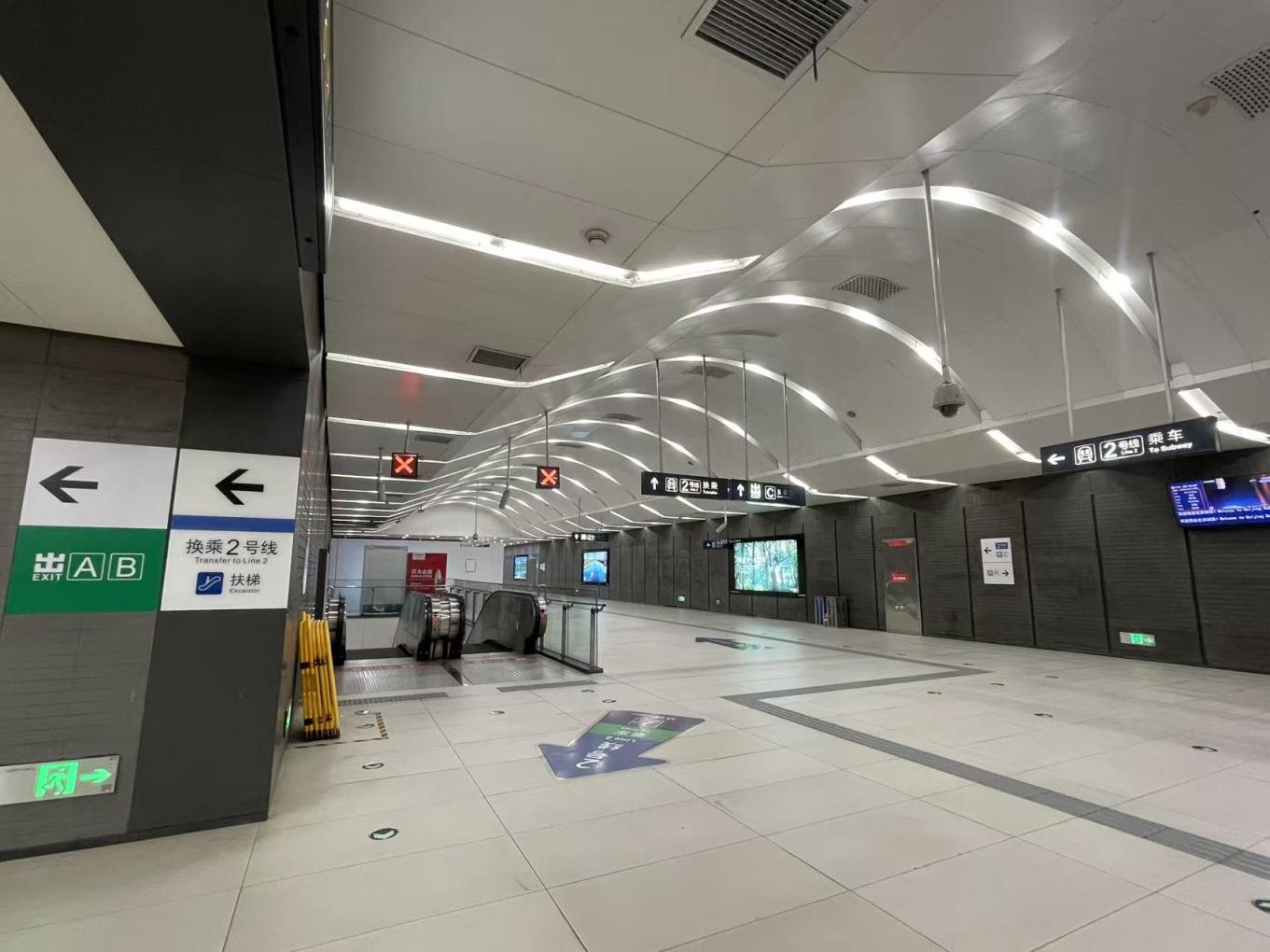
A similar situation also exists at Chegongzhuang Station: when transferring from Line 6 to Line 2, there are two transfer routes, one leading to Exit AB and one leading to Exit C. Among them, there is an escalator in the direction of exit AB during the transfer process. Compared with the other side, you can climb 50 fewer steps. In the transfer station hall, an escalator sign was added to the transfer guide pointing in the direction of Exit AB, but many passengers still did not notice it and chose another route.
suggestion
Added "baggage-friendly" guidelines
At such transfer nodes, it is recommended to add eye-catching, straightforward, and functional guidance signs. For example, at Zhichun Road Station, the two transfer lanes may be marked "Luggage-friendly for Dongzhimen direction" and "Luggage-friendly for Xizhimen direction" respectively, along with the transfer distance to facilitate passengers to choose according to their needs. At the same time, it is recommended to add simple ramps at the steps of the transfer passage and where possible, to provide maximum transfer convenience for passengers with special needs under the existing conditions.
Can navigation software provide more guidance?
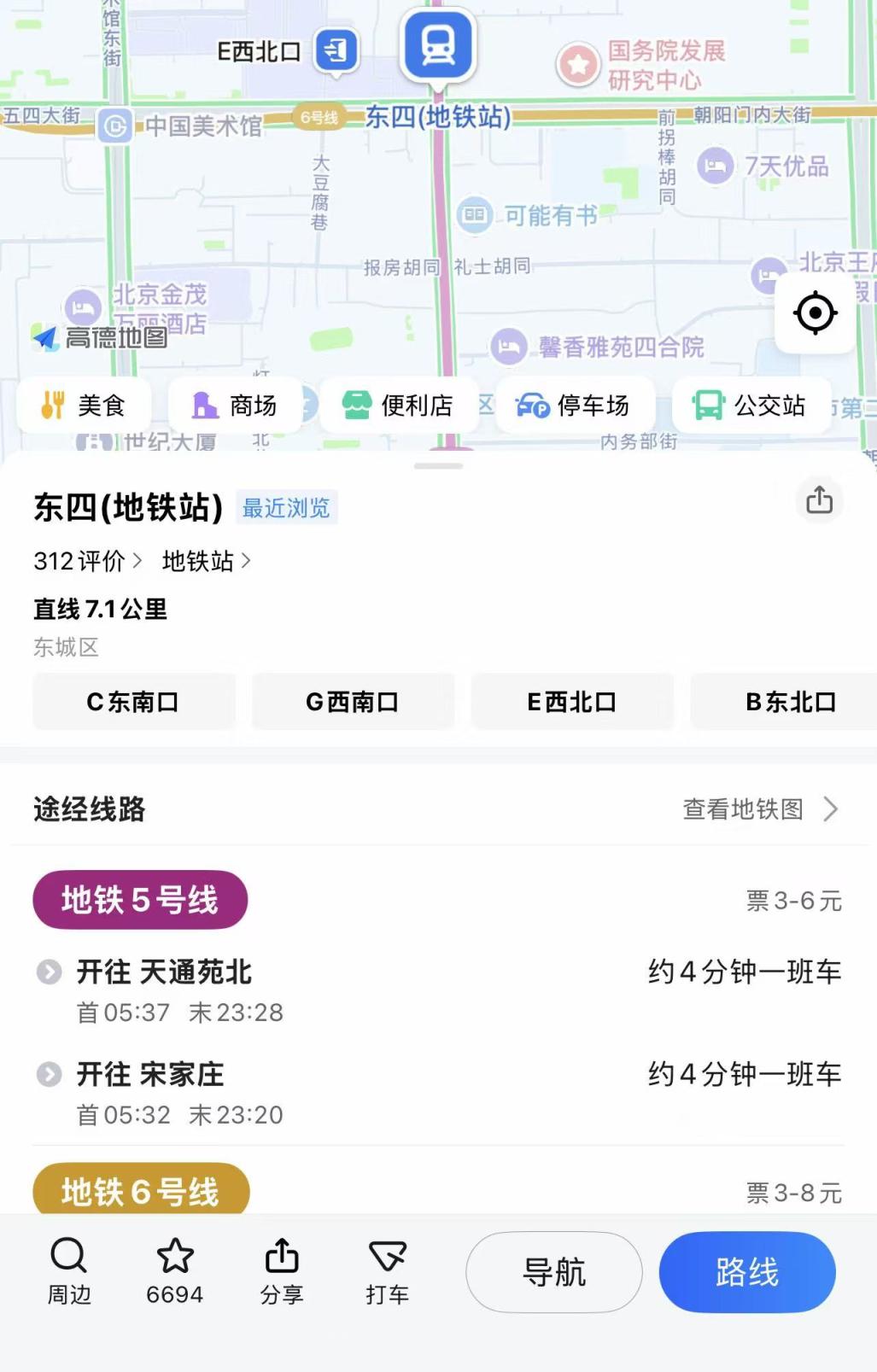
Some readers pointed out that navigation software also needs to be optimized urgently. Practical information such as barrier-free elevators, escalator configurations, and routes can be directly displayed in the entrance and exit information to allow passengers to plan in advance and navigate accurately.
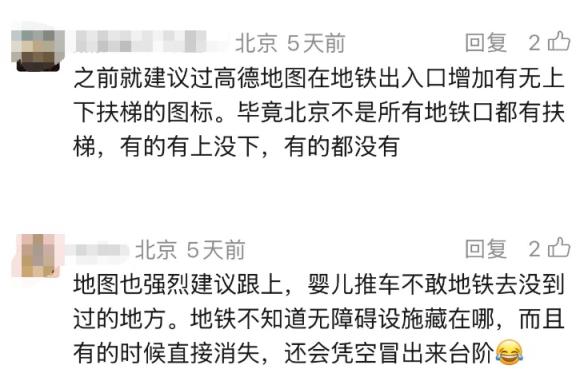
Reporters' actual measurements found that commonly used navigation software generally has problems such as incomplete information, excessively deep display levels, and inconvenient queries when it comes to subway entrances and exits and barrier-free facility guidance.
After entering "Ping'anli Subway Station" on Baidu Map, the page only gives priority to some entrance and exit options such as Exit B, Exit H, and Exit F. Only after scrolling down the page can you see detailed entrance and surrounding information. Among them, Exit B, F, and L display barrier-free elevators and barrier-free ramps, which are basically consistent with the official information of the subway. However, if you want to navigate directly to the barrier-free elevator, you need to re-enter the specific subway entrance name, such as "Ping'anli Subway Station Exit L" and then navigate, which is cumbersome and inconvenient. The official map of Dongsi Metro Station indicates that the barrier-free elevator is located at Exit G, but it is not shown on the Baidu map.
AMAP also has similar problems. Searching for Ping'anli Station on the subway, the page only shows some entrances and exits, and there is no barrier-free elevator option. Only when the reporter specifically searched for "Ping'anli Station Barrier-free Elevator" as the keyword, did two optional results appear for exits B and F; even if the "elevator priority" mode was selected in the navigation, the user experience was still not intuitive and convenient. As for which subway entrance has a two-way escalator, the two navigation software do not provide relevant information.
The customer service staff of Beijing Metro and Beijing-Hong Kong Metro also stated that there is currently no official cooperative navigation software, and third-party software information can be used as an auxiliary query reference. Accurate information such as barrier-free facilities still needs to be subject to the query results of the official channels of the subway operating company.
suggestion
Unlock data and optimize identification
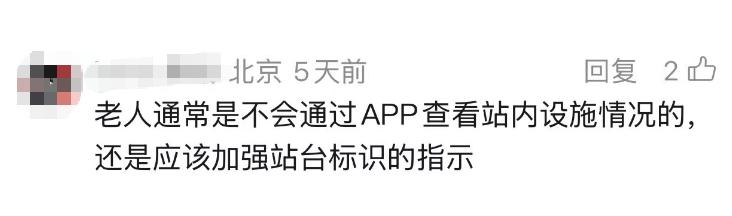
Readers suggested that the subway operator could increase official cooperation with navigation software and add more intuitive barrier-free elevator options, two-way escalator markings, and entrance and exit line markings to the options at relevant subway entrances to facilitate passengers to inquire in advance and navigate with one click.
Some citizens also said that the elderly are generally not used to checking station facilities through mobile apps, and travel still relies heavily on on-site physical signs. How to make the guidance clearer and more intuitive, the query method more unified and standardized, and the display location more eye-catching and convenient, not only meet the online navigation needs of the young group, but also take care of the offline sign reading habits of the elderly group, which is also a topic for the refinement of subway services.
The reporter learned that the revision of Beijing's local standard "Guidelines for the Installation of Urban Rail Transit Passenger Signs" (BJJT/J 117--2017) is in progress. The deadline is April 15. Citizens can submit suggestions and opinions through telephone, website and other channels.
"Longing for Life" is actually back. The eighth season has started recording, and it's still the same cast.
He Jiong, Huang Lei, Peng Yuchang, and Zhang Zifeng were confirmed to be permanent residents. Before the show even started, people started naming domestic entertainment stars to participate in the show.
Some netizens are relatively normal and hope that the program team will invite some old friends to record.

There are also people who are watching the fun and don't think it's a big deal, and actually want the program crew to invite "Wolf Warrior" Wu Jing over.
The reason is for no other reason than to see who can be better if "Deadly Poison Master" and "Tank Master" are in the same frame?
All I can say is that the person who made this suggestion really doesn’t care about the life or death of the audience!

When it comes to the "crouching dragon and phoenix chicks" of domestic entertainment, it is none other than Huang Lei and Wu Jing.
Because both of them have big coffee positions and have a good reputation in the past.
However, in the past two years, his popularity has plummeted, and he has made a lot of jokes, becoming the target of ridicule among netizens.
However, an entertainment industry cannot have two cruelest men, so we still have to choose who is the "King of Pretenders"?
Don't worry, look down.
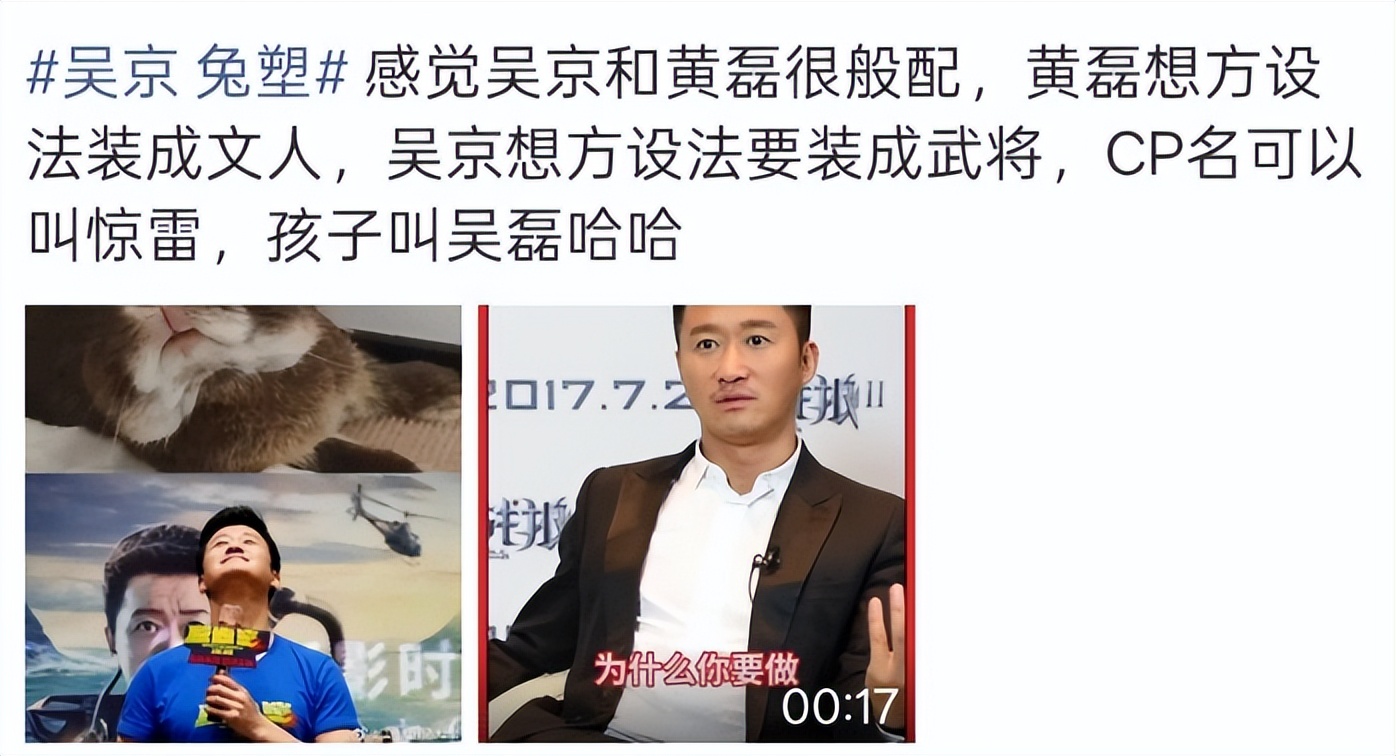
01 Equally ridiculous, a middle-aged man’s self-pleasure
If you want to compare who is more "powerful" between Wu Jing and Huang Lei, you can't just start from one angle, but have to compete in many aspects.
For example, someone might say: "Wu Jing jumped over a building, did you, Huang Lei, jump over? Wu Jing almost died, but did you, Huang Lei, die?"
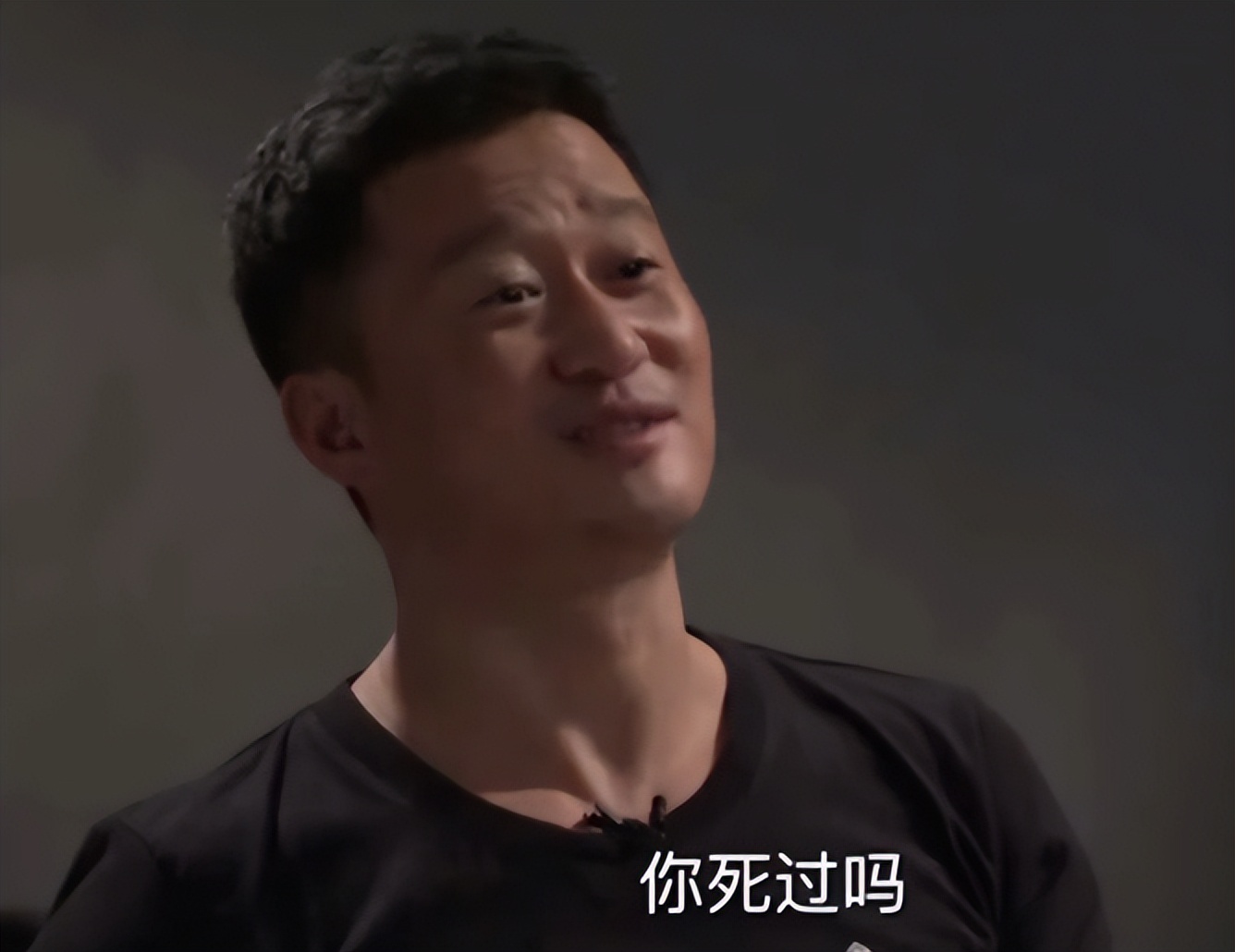
Face to face, right? Who do you look down on?
I thought Teacher Huang might have to smile scornfully and take out the videotape for us to relive the "Poisonous Bean Incident" again.

That day, Huang Lei's record was one to two.
Because not only did he almost poison himself to death, but he also directly put Song Dandan and her son in harm's way.
All I can say is that when it comes to life and death, neither of them is afraid!
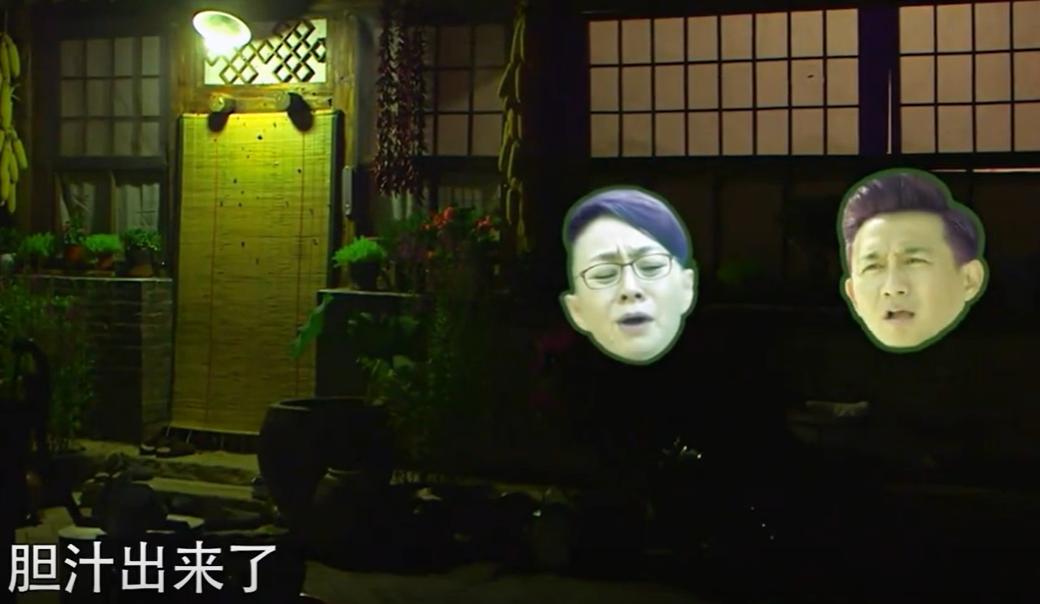
Next, let’s take a look at their control of “armed equipment.”
Wu Jingke once said: "Tanks don't have rear-view mirrors, guns don't have eyesight, and black guys don't understand the language."
No matter how powerful Huang Lei is, can he understand the power of overheated weapons?
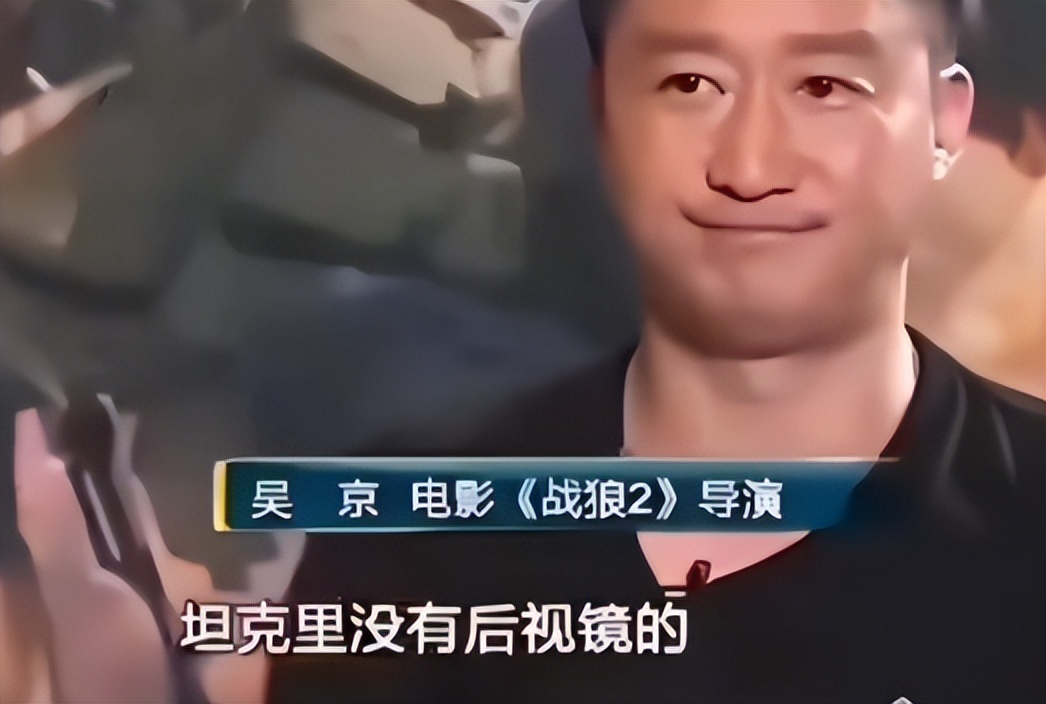
But no matter how good Wu Jing is, have you ever directed Liu Guoliang to play table tennis?
On the night of "Longing for Life", I think it was the closest Liu Guoliang was to the "God of Table Tennis".

Because of Huang Lei's guidance, he realized that skills were nothing at all in the later stage. I don't know if he questioned his persistence all the way before going to bed.
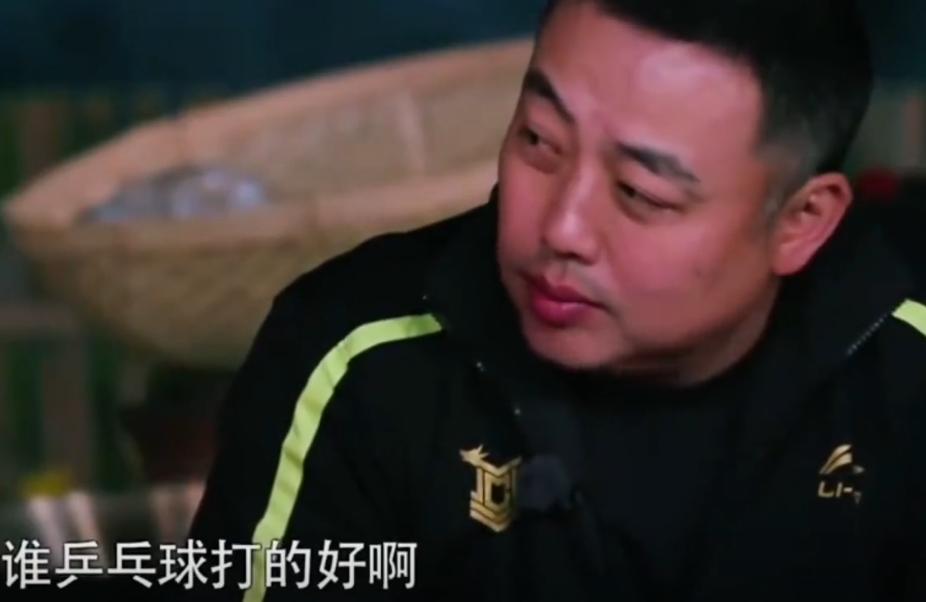
No matter what, Huang Lei's "achievement" in table tennis is obviously higher than Liu Guoliang's.
Because of the former's confidence, everyone else at the scene lost confidence.
Sometimes I really wonder what else a person like Huang Lei who is "proficient" in everything can't do?

I think the only thing Huang Lei doesn't do is get lost in his box office results like Wu Jing, mainly because the former has no box office results.
In fact, the two people are equally ridiculous, and the more they look at each other, the more ridiculous they become.
But you will find that they are not alone. This kind of arrogant, middle-aged man who likes to teach others and likes to talk is probably around you.
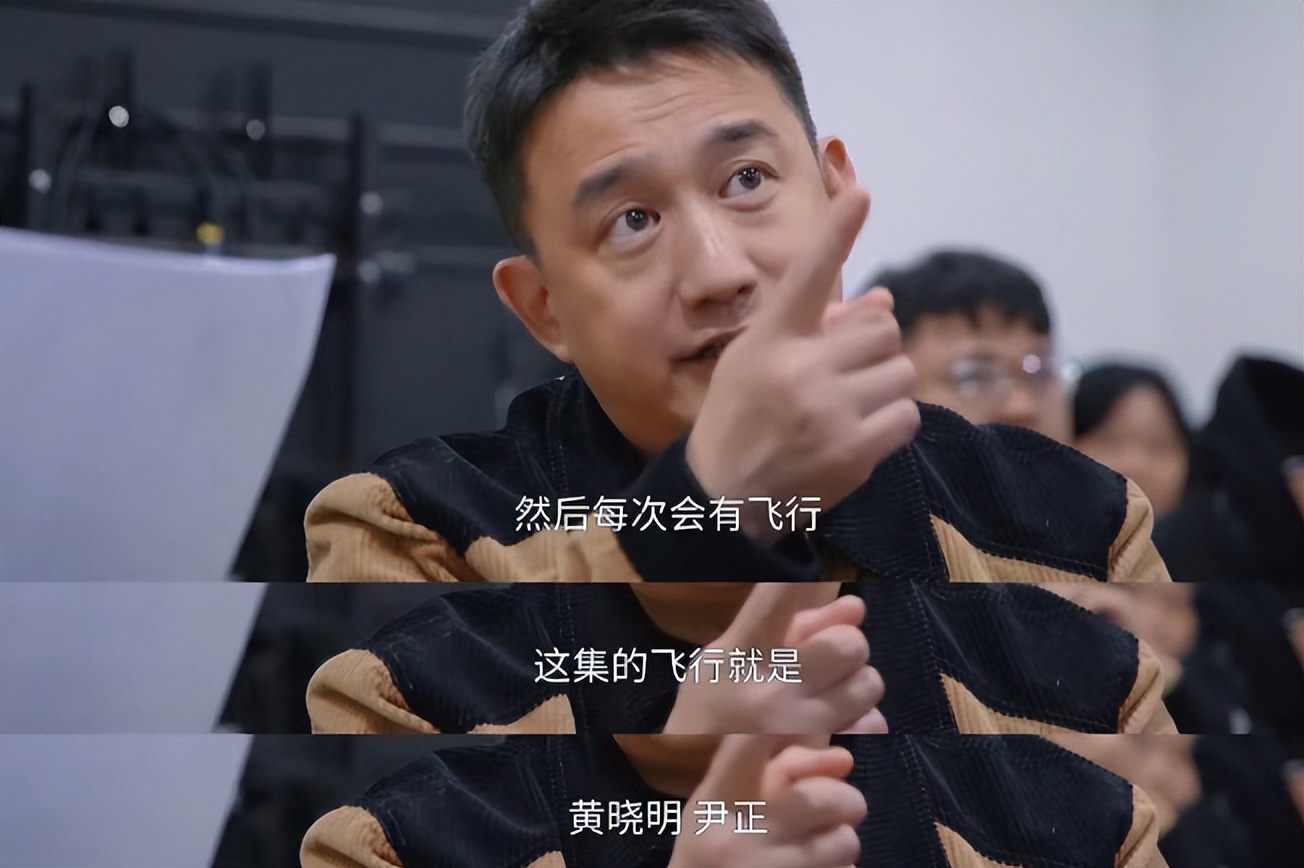
He may be your leader, boyfriend, or elder.
With the development of the times, young people are unwilling to continue to tolerate these outrageous behaviors and remarks, which naturally puts two famous and prestigious actors at the forefront of public opinion.
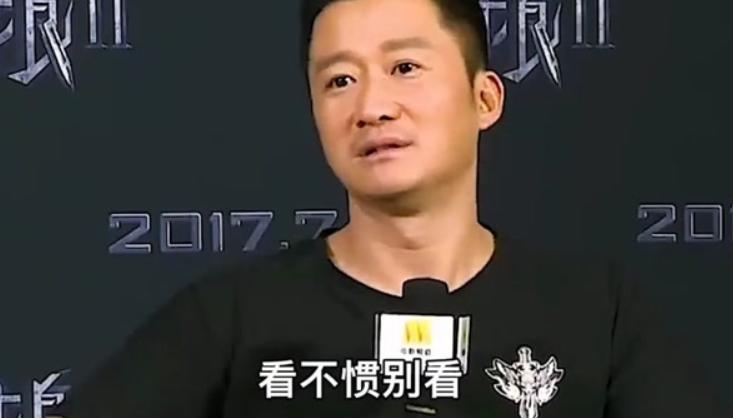
Huang Lei's turmoil has gradually subsided, but now Wu Jing's turmoil has just begun.
I think it will be difficult for him to regain his popularity for a while. After all, the situation is easy to change, but the nature is hard to change!
02 Vanity and arrogance, Jet Li’s advice is indeed correct
You will find that Wu Jing has many problems that middle-aged men have. He is very vain and likes to pretend too much.
What he experienced did exist, but it was not so exaggerated.
For example, "Tanks don't have rear-view mirrors." This is true because there is no need to use rear-view mirrors at all.

Also, "Guns don't have eyesight." This sentence is also true, but he will definitely not use real guns and live ammunition when filming.
As for the black guy’s language barrier, what about it? Anyway, there is a translator on site.
The way Wu Jing speaks is to satisfy his own vanity and portray himself as an omnipotent true wolf warrior.
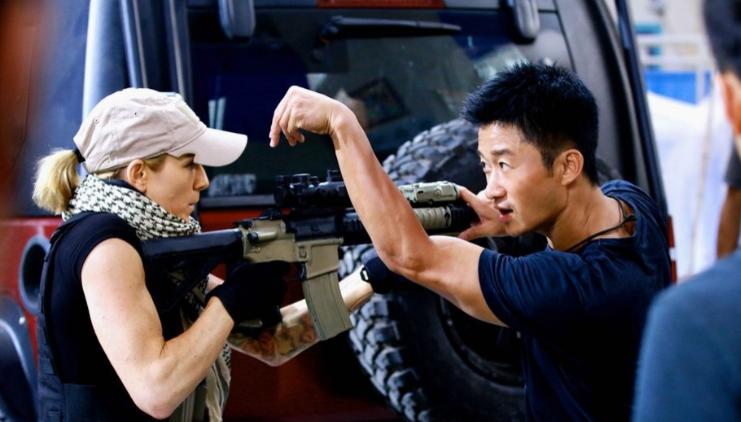
It's a pity that in this era, the celebrities that netizens cannot accept the most are those who are flamboyant and pretentious and not down to earth.
The reason why Wu Jing's past remarks were revealed and aroused public ridicule was because he brought it upon himself, as he just echoed that sentence——
It’s not that I don’t want to report it, it’s that the time has not come yet.
Moreover, he is becoming more and more knowledgeable as a person.
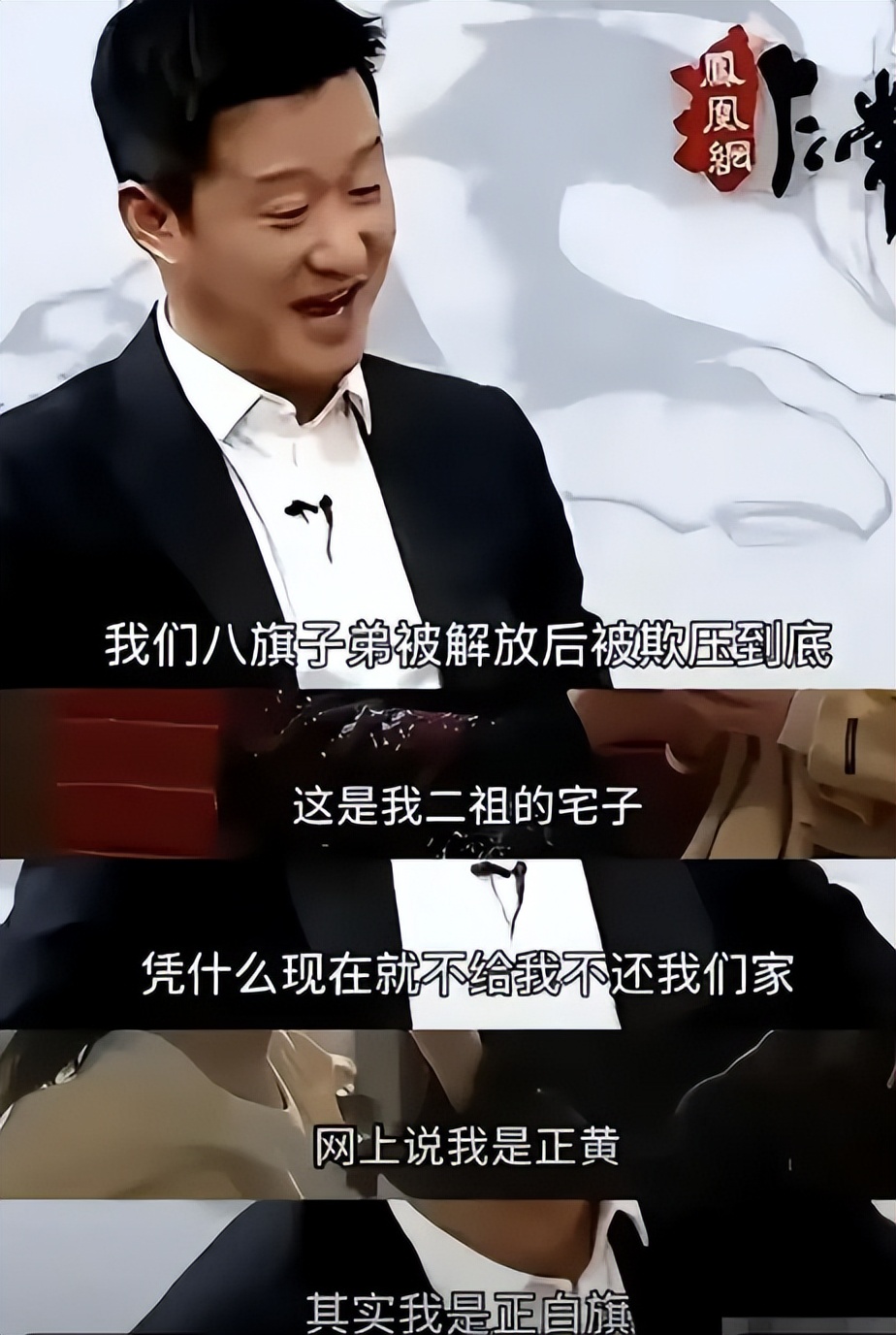
For example, he once claimed to be a descendant of Dorgon of the Manchu Zhengbai Banner, but in fact, Dorgon had no sons at all.

He also said that his ancestors had several martial arts champions, but there were a total of 109 martial arts champions in the entire Qing Dynasty.
Only three of them were from the Eight Banners of Manchuria, while two were from the Zhenghuang Banner and one was from the Zhenghong Banner, but there was no Zhengbai Banner.

Therefore, Wu Jing's "consciousness of identity privilege" has also been criticized by netizens.
However, in the final analysis, his current appeal is no longer enough.
If the work cannot hold up the reputation, it will inevitably be hacked.
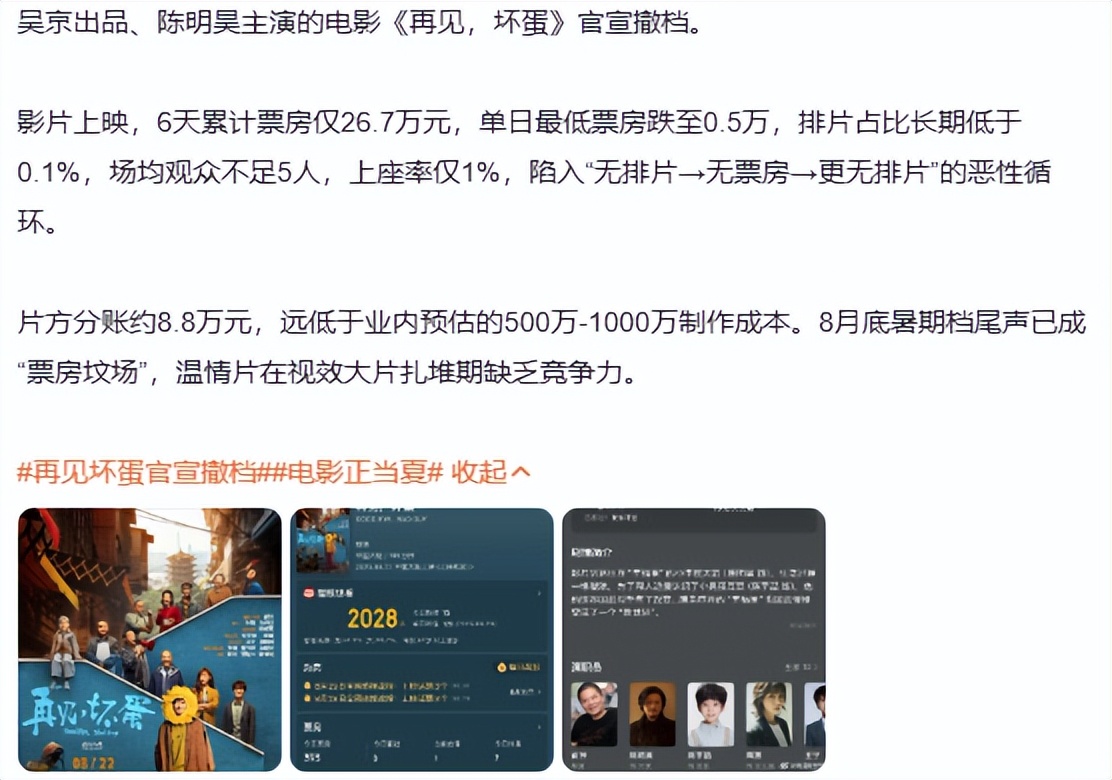
No, the movie "Goodbye, Bad Guy" produced by his company has only been released for 6 days at the end of the summer season, with a box office of only about 270,000. Seeing that there is no hope of counterattack, it has been withdrawn and ran away.
Wu Jing was originally at the forefront of public opinion, but this time the new movie overturned, causing dissatisfaction among the audience.
In fact, he cannot blame anyone else for his current situation. He can only blame himself for being too arrogant and having no connotation to support his fame.
Wu Jing has been practicing in a martial arts school since he was a child. He has good talent and works hard in filming. However, he lacks the blessing of cultural background. If he talks less and films more, it may not have much impact. However, his personality is too flamboyant.

Moreover, Jet Li had previously warned Wu Jing to "keep his tail between his legs", but unfortunately the latter didn't know how to keep a low profile.
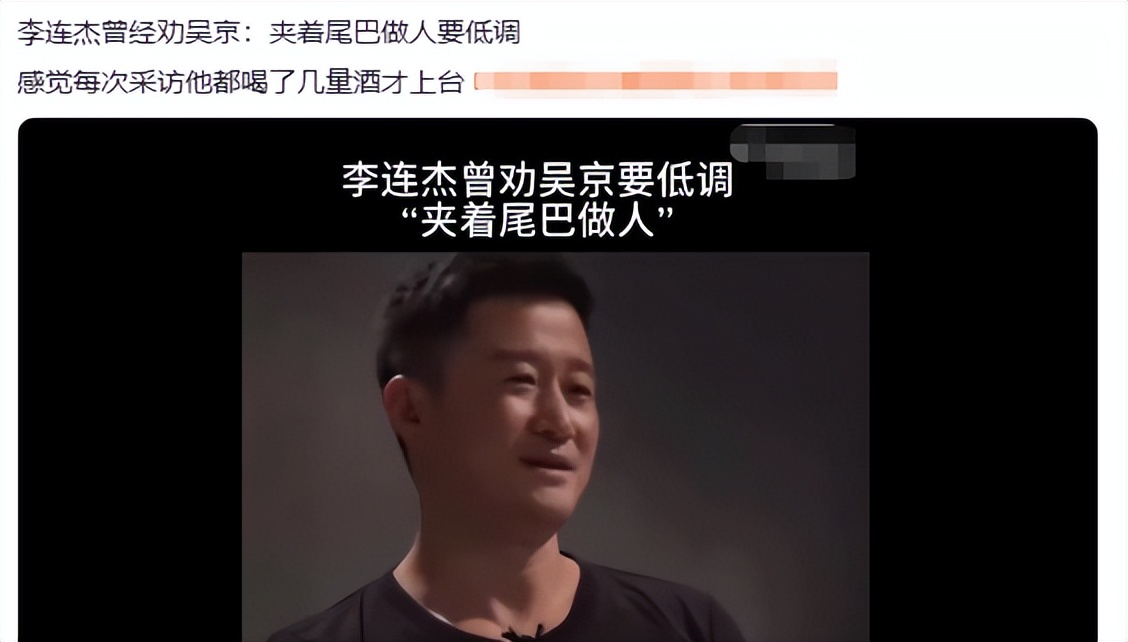
Sometimes people still have to learn to do their jobs down-to-earth, keep their eyes on the ground, and never forget who they are.
03 Conclusion
Is Wu Jing the second Huang Lei?
Judging from the plummeting reputation, he does have this potential.
But it is not impossible for two people to save the situation and regain the goodwill of the audience.
Especially Wu Jing, after all, he really has achievements and has found his own direction in the film field. As long as he produces excellent works, he can naturally stop the public's mouths.
It's just that his new film "Dragon: The Wind Rises in the Desert" has gone through a turmoil of casting changes. The filming of "Wolf Warrior 3" has not yet started, and it is difficult to produce good works to satisfy netizens for a while.
At this time, he could only keep a low profile.
Or find another way and form the "Wu Lei CP" with Huang Lei, and have a dream linkage in the eighth season of "Longing for Life".
Maybe it can achieve the effect of making negatives out of positives. After all, this generation of netizens still prefer to be more abstract, and learning to laugh at oneself is a great wisdom.
So do you think Huang Lei is more awesome, or Wu Jing is more "powerful"?
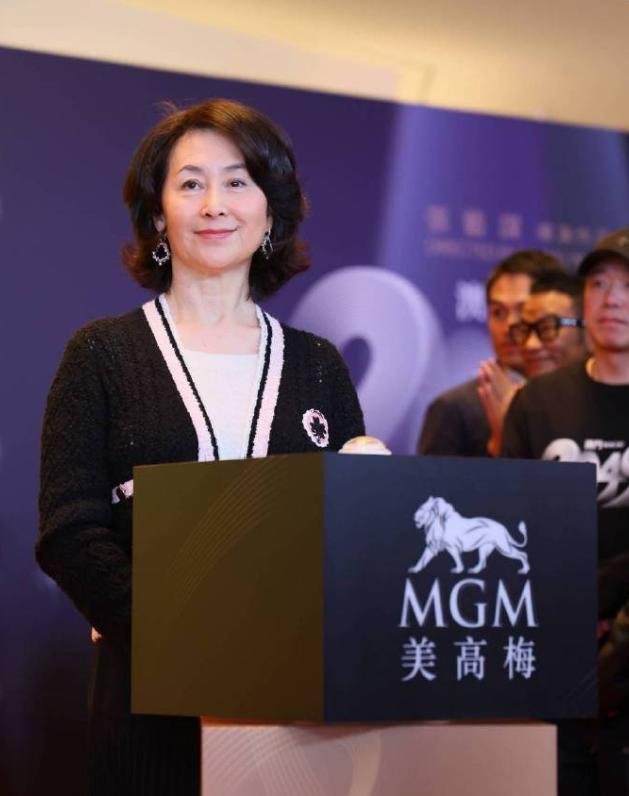
The wealthy families at the end of the year are too lively. The latest masterpiece "Macau 2049" directed by Zhang Yimou is currently at the MGM Theater in Macau, and the stage effect is amazing.
But when I thought about it, it seemed that this performance was performed by Zhang Yimou himself, so it didn't seem so shocking. After all, his ability is at the level of a household name.
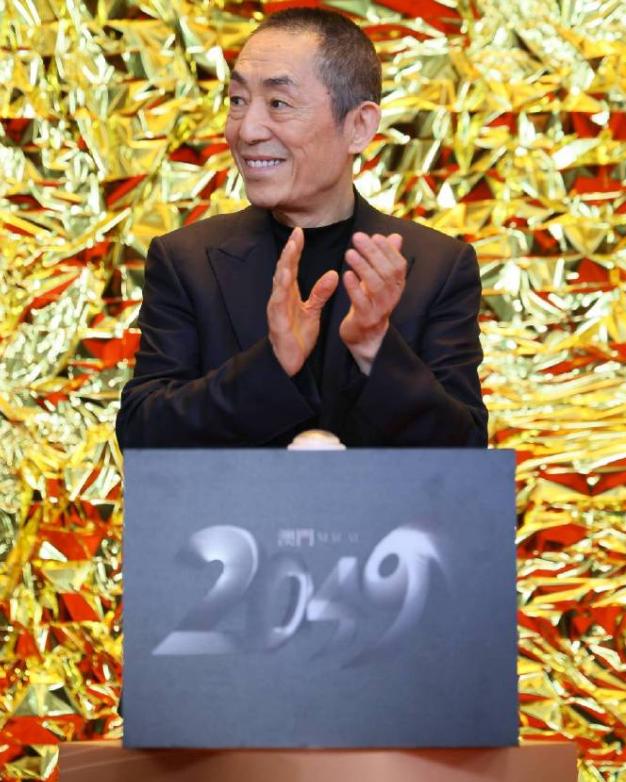
In this performance, we once again saw the aesthetic level of the "National Master", which perfectly combines modern technology with intangible cultural heritage. It is dazzling and full of freshness.
For the audience, it is simply a visual feast!
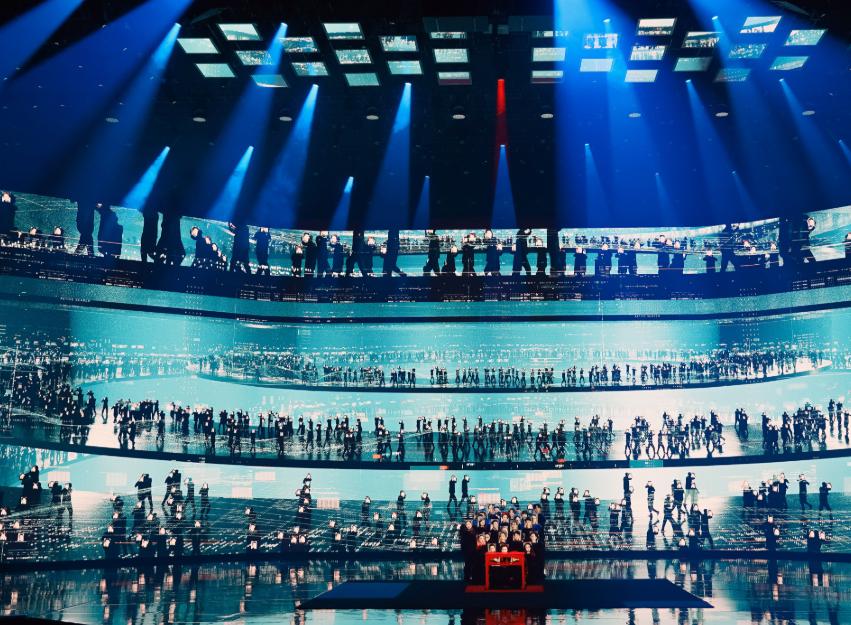
However, many people may not know that the real mastermind behind the event is Chaoqiong Ho, chairman and executive director of MGM China Holdings Limited.
In other words, this is a performance funded by her and contributed by Zhang Yimou.
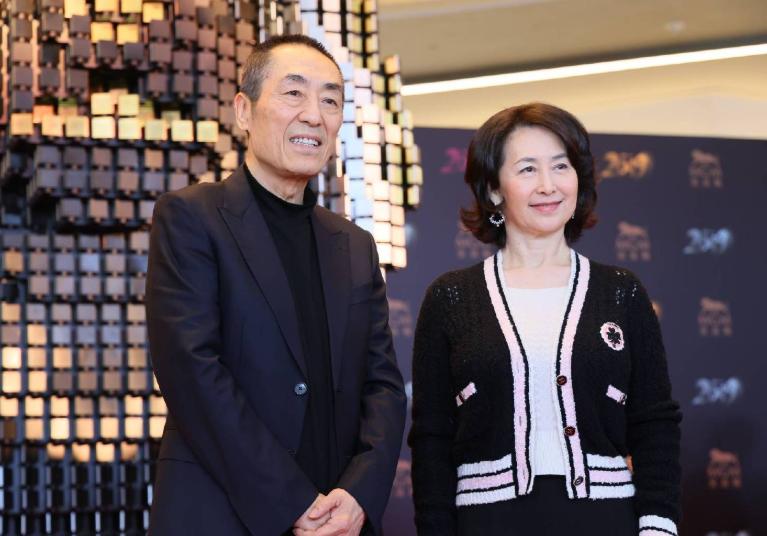
The effect of the first performance is so amazing, and the follow-up will definitely boost the economy and make a lot of money.
Of course, in order to build momentum for the event, it was natural to invite some big names in the industry to appear, and with the reputation of He Chaoqiong and Zhang Yimou, many guests did come to the scene, and their status in the world was fully reflected when they were in the same frame.
01 It’s too realistic to serve food to others
There were many "old acquaintances" of the audience at this event, and the appearance of the best actor Zhang Yi gave everyone a big surprise.
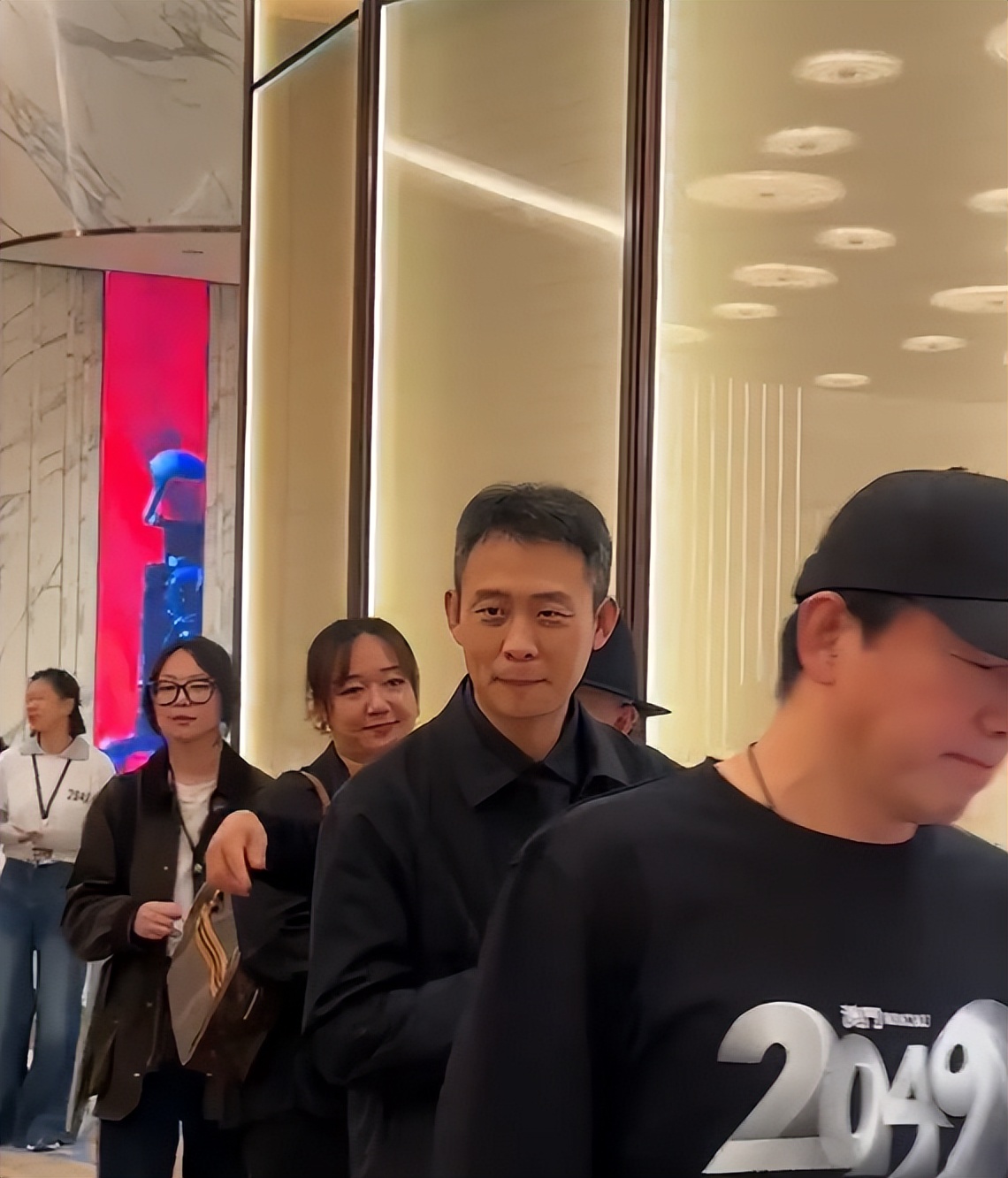
He was also quite low-key that day, wearing a black shirt and jacket. He was dressed inconspicuously, but he had a sense of integrity within the system.
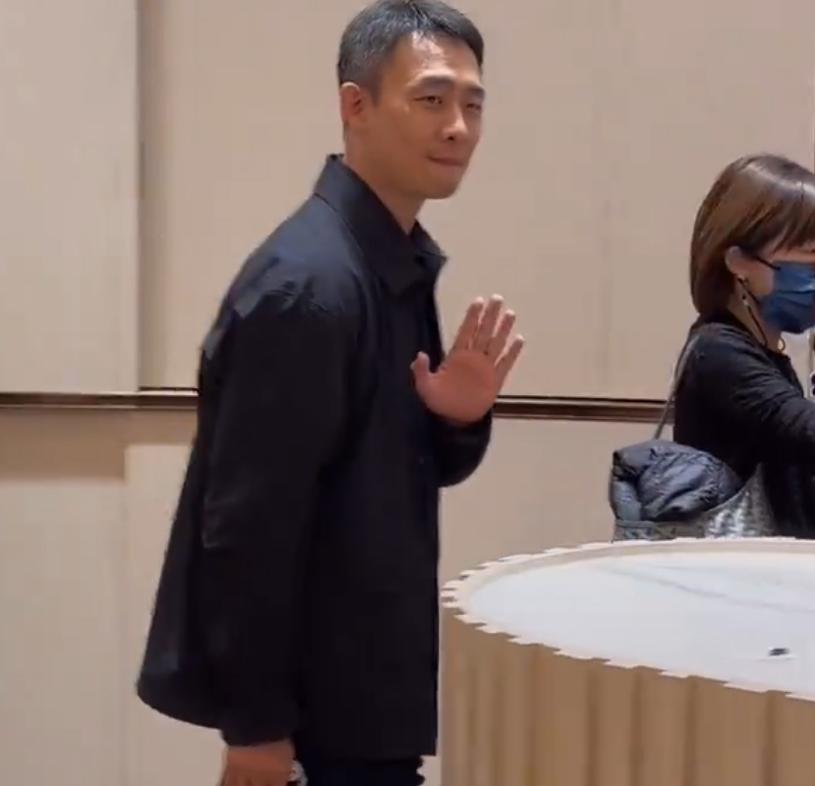
In fact, in this kind of situation, his status is really not that big, especially when standing next to Emperor's big boss Yang Shoucheng, he has to act like a junior.
Zhang Yi leaned forward slightly, not knowing what he was talking about. He gave Yang Shoucheng a thumbs up, with an expression of admiration and admiration, and directly grasped the four words "human feelings and sophistication".
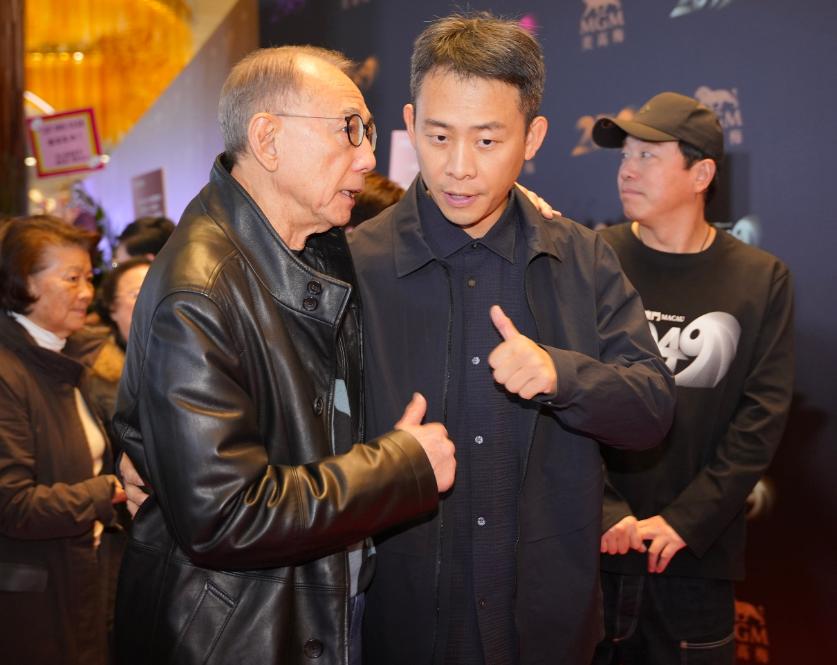
In addition, Zhang Guoli, Pan Binlong and others also came to the scene.
However, they are still not qualified to integrate into the conversations of Zhang Yimou, He Chaoqiong and others.
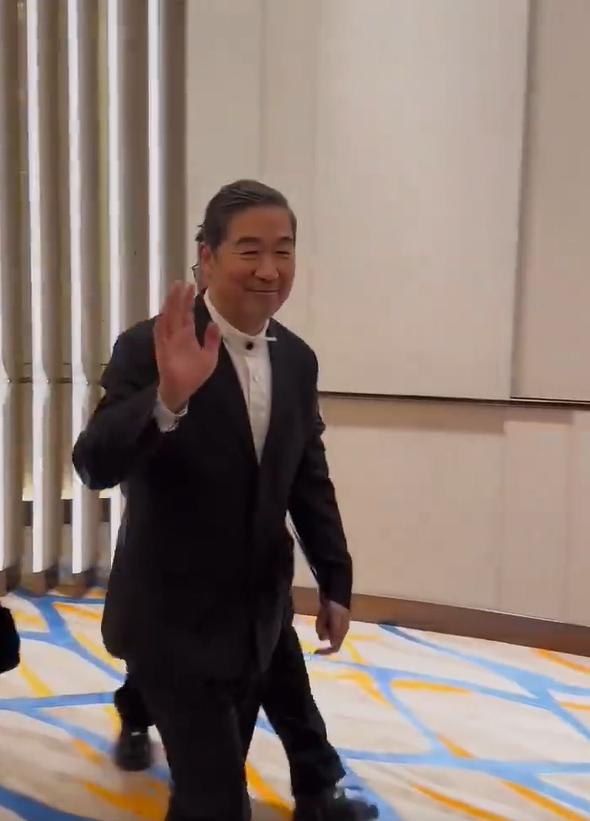
In the camera, Zhang Guoli turns around and greets others. After all, he is an experienced actor and has a certain status in domestic entertainment. There are still others who are willing to give him face. If he cannot squeeze into the circle of big shots, he will not be left alone.
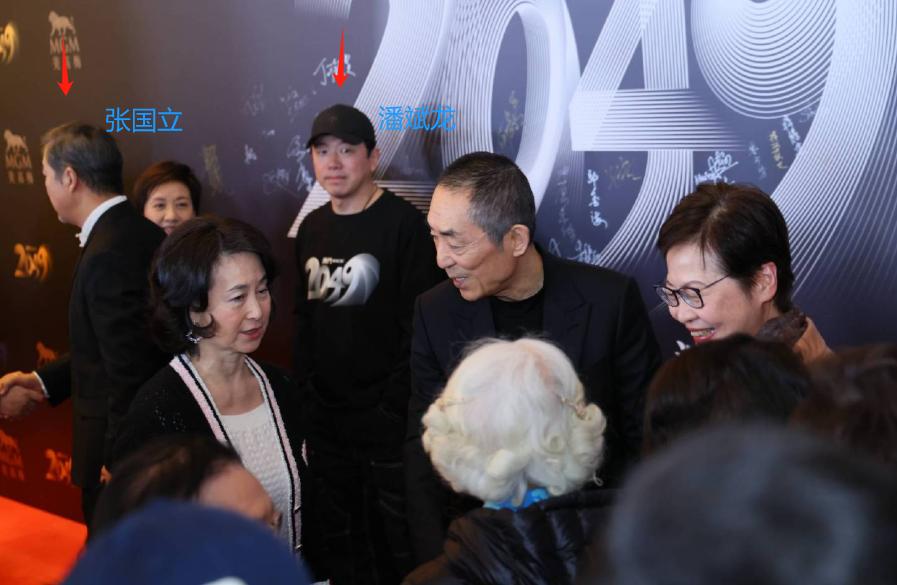
In contrast, Pan Binlong, who had no background, was really embarrassed. He stood there at a loss, watching Zhang Yimou speak helplessly, and did not even dare to approach him.
But the most important thing is that people have self-awareness, and it is not a bad thing to be able to keep oneself in peace.
02 C position is undoubtedly
In addition to celebrities, the most people present were people from wealthy circles.
No, Huo Zhenting came with his son Huo Qigang and daughter-in-law Guo Jingjing.
The 78-year-old Huo Zhenting is now gray-haired, but he is still domineering and looks more and more like Mr. Huo Yingdong.
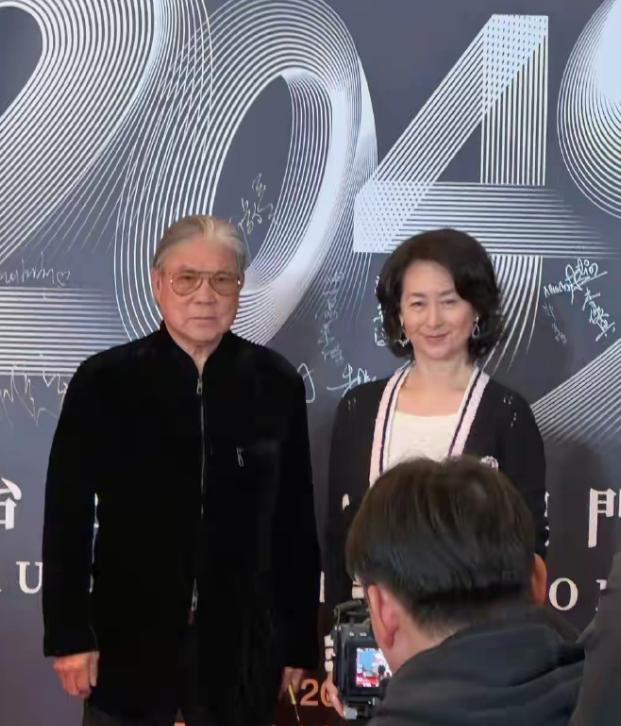
It can be seen that Huo Qigang's food is good and his life is quite happy recently, and his whole person seems to be fuller again.
Seeing the audience at the scene, he did not have the airs of a wealthy young man. Instead, he greeted everyone enthusiastically and smiled in a very friendly way.
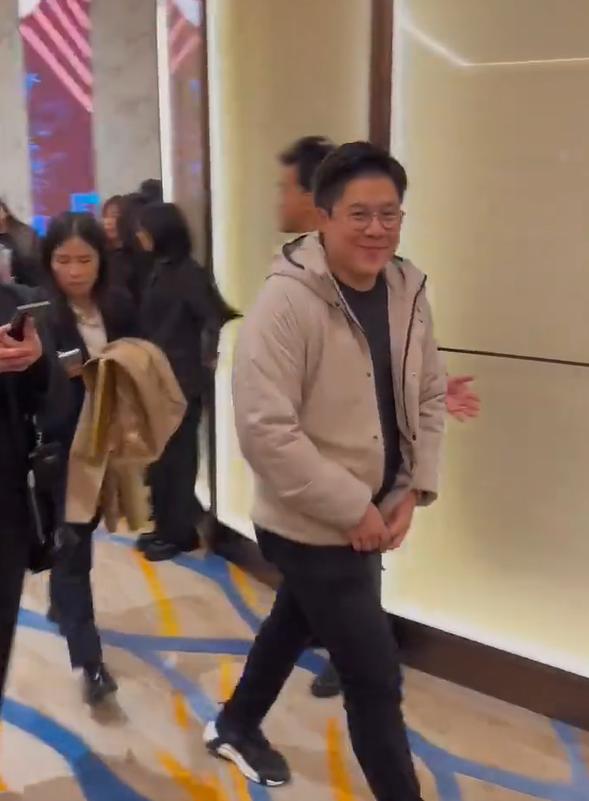
As for Guo Jingjing, she still looks like an elegant and decent wealthy lady, standing next to Huo Qigang, with gentle eyes and relaxed posture. She must have adapted to such an occasion.
However, during the group photo, the Huo family still had to give up the C position for the "main celebrity".
The person standing in the middle was He Chaoqiong, the owner of the organizer of the night.
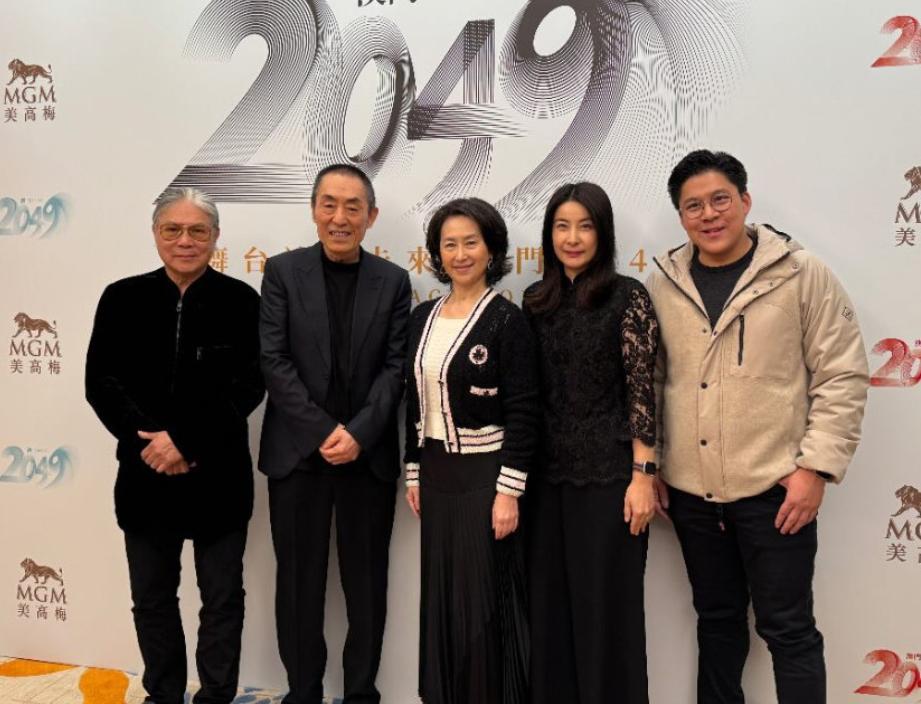
In addition to being the chairman of MGM, since the death of the gambling king, He Chaoqiong has also taken over most of his business empire and has long become a hot capital tycoon in Macau. There is no doubt about this C position.
As a paid director, Zhang Yimou could only stand on the right side of He Chaoqiong, and on the left was Guo Jingjing.

That's right, it's not Huo Qigang. After all, everyone knows who is the real social responsibility in their family.
Who said "there are many wealthy families, but there is only one Guo Jingjing".
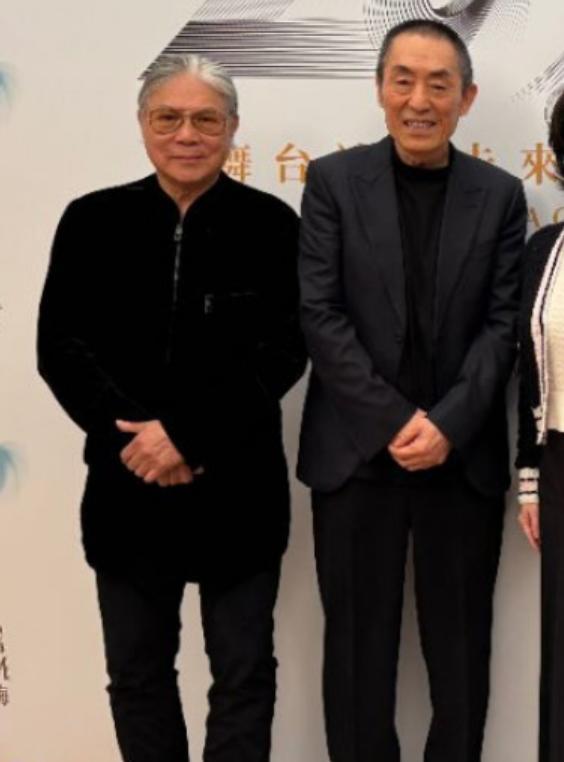
Huo Zhenting did not compete with his juniors for position. He stood beside Zhang Yimou in a low-key manner. The aura around him was hard to ignore.
In comparison, the least imposing person in this group photo is Zhang Yimou. He is hunched over and has his hands folded on his chest. He seems to be overly humble. It seems that in front of capital, no matter how powerful a director is, he is just a worker. He has to bow his head when he should.
03 The heroine of life
Watching He Chaoqiong always straighten her back among a group of men, chatting and laughing, I couldn't help but feel the heroine in her.
Among the many children of the gambling king, He Chaoqiong is the best, and he showed good business talent when he was young.
Therefore, Stanley Ho loves this daughter very much and is quite satisfied. He once publicly stated that "among all the daughters, Pansy (He Chaoqiong's English name) is the most similar to me."
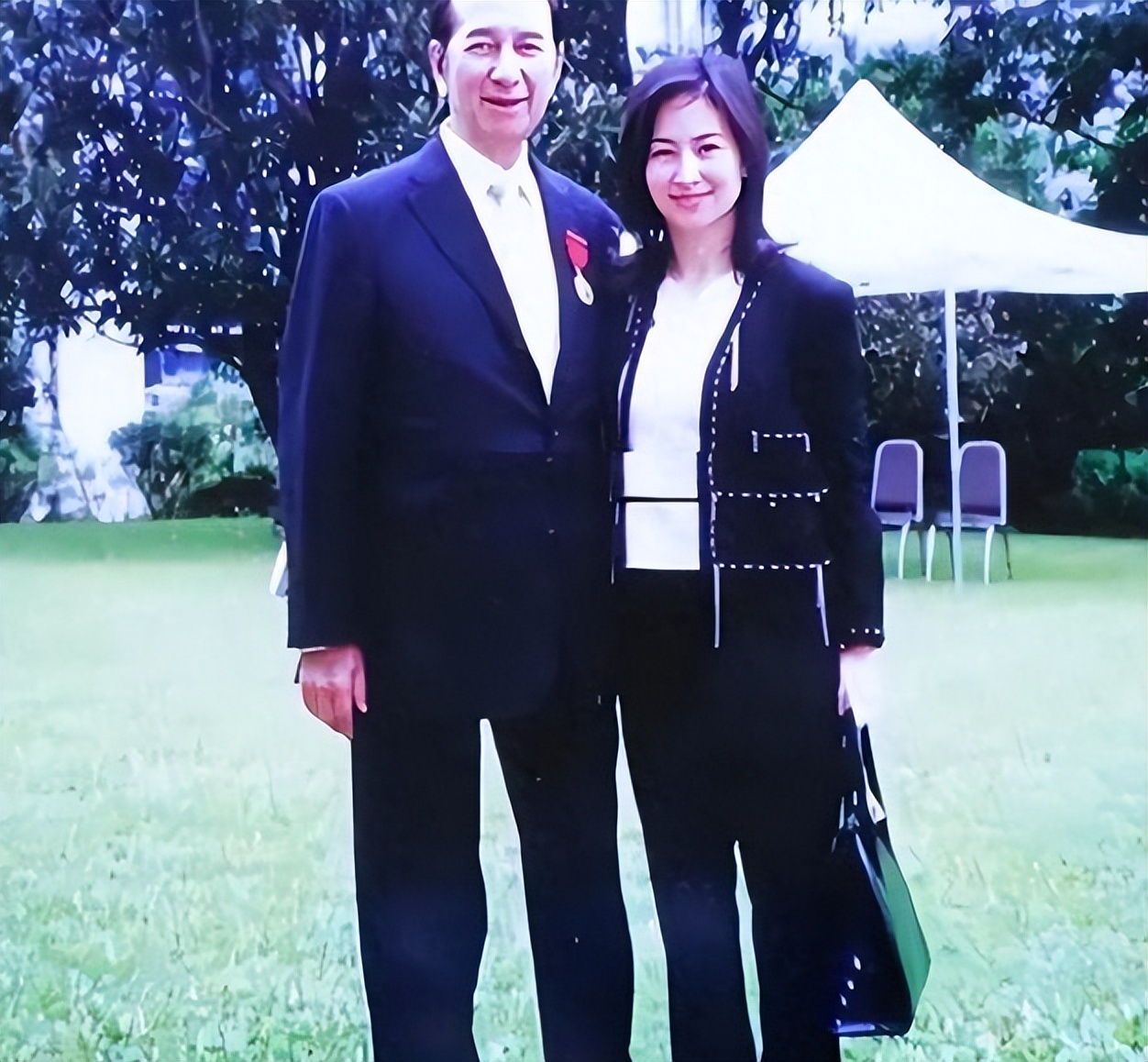
In 2011, 49-year-old He Chaoqiong served as the chairman and executive director of MGM China. Her net worth has exceeded 5 billion, and the return on investment has been as high as 18 times. She has long surpassed her father's performance and is known as the "Queen of Gambling" in Macau.

Looking back on He Chaoqiong's life, one word can describe it as "fighting".
She has made a name for herself in her career, and with her strength, she has removed the label of the gambling king's daughter, allowing the public to remember her original name.
It's a pity that despite her successful career, she has never met a suitable partner in love.
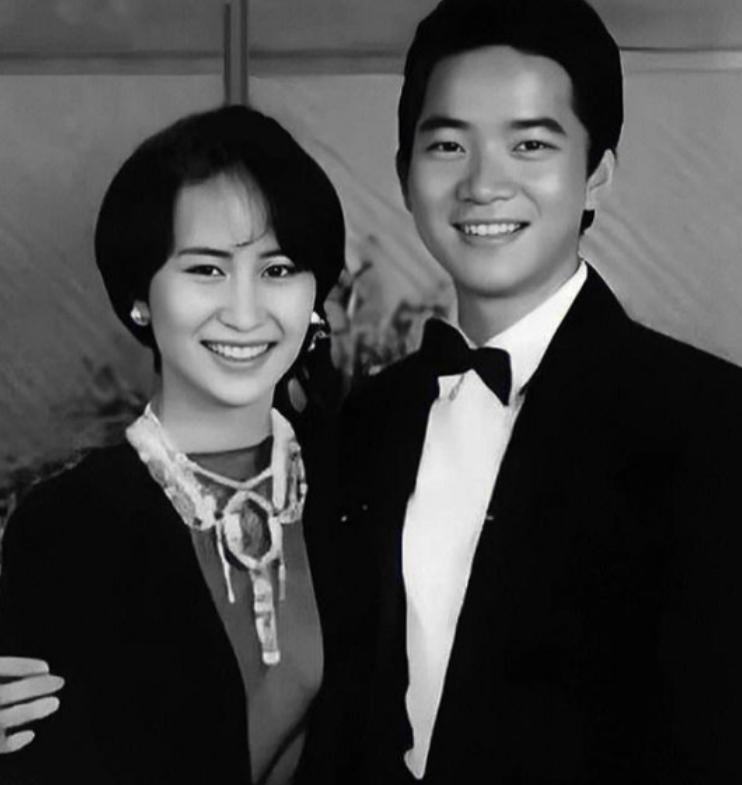
The love story between her and singer Chen Baiqiang is still hard to understand. It can only be said that the right pair did not meet at the right time.
Later, she was forced into a wealthy marriage and married Xu Jinheng, the son of Xu Shixun, a shipping king. This was also a wrong choice, and the relationship ended in divorce.

Today, He Chaoqiong is still alone, but looking at her glorious state, one can't help but reflect on whether marriage is really important to women?
With He Chaoqiong's status and achievements, her life is already very complete. Love is just a tonic, cherish it if you have it, and don't force it if you don't have it.
04 Conclusion
This time, the stage of "Macau 2049" allowed the audience to see Zhang Yimou's still-lasting strength. He Chaoqiong invited him to be the director, which is indeed the right person.
The cooperation between the two will also bring greater business benefits to Macau in the future, which can be described as a win-win cooperation project.
In such a big occasion, the audience also saw the status gap between wealthy families and the entertainment industry. Actors who are usually glamorous are nothing more than that in front of capital.
No wonder everyone wants to be a rich man.
However, a wealthy family is actually a wealthy family in nature. Without an outstanding person in power like He Chaoqiong, I am afraid there would not be the current scene.
I think many people will admire such a legendary woman.
So what do you think about this?
 Deutsche Welle Will Stop Broadcasting Its Greek Service From January 1, 2027. Why?2026-02-27Comments(0)
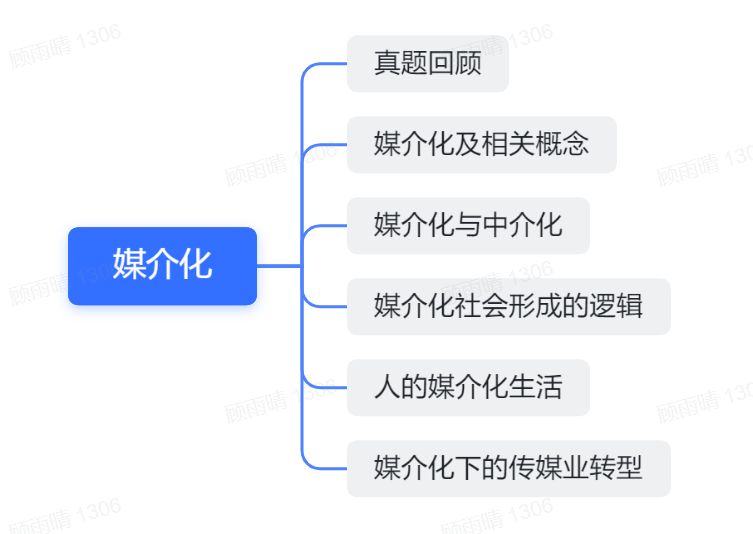 The Topic On Mediaization Is Very Practical. Use It To Answer Questions And Quickly See What Content You Have Mastered.2026-02-19Comments(0)