Professional virtual currency information station welcome
We have been making efforts.

vc Page 3

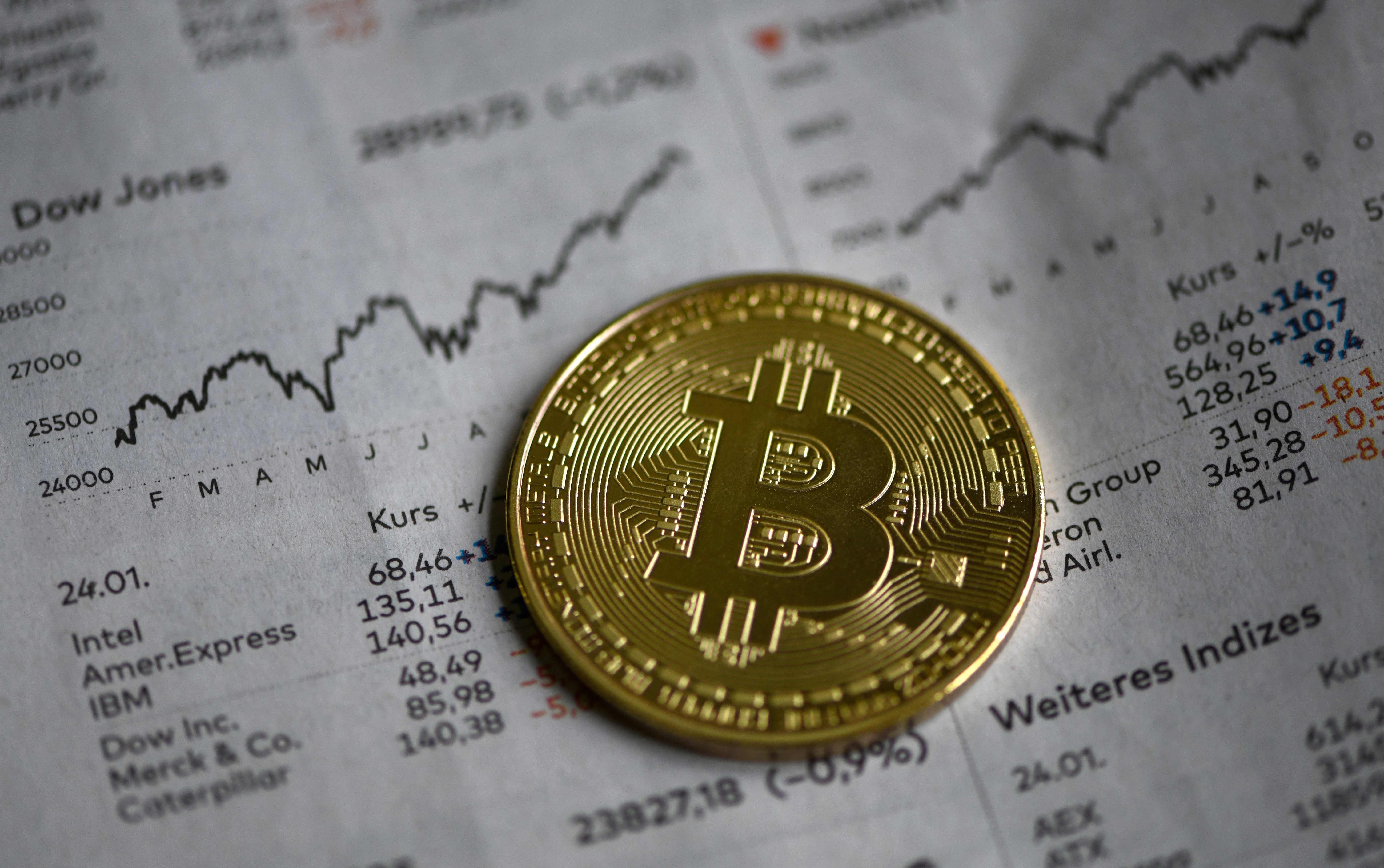
Cryptocurrency is a non-legal monetary asset based on digital technology and blockchain, possessing the functions of a medium of exchange and a store of value. Cryptocurrency is a transaction medium that uses cryptographic principles to ensure transaction security and control the creation of transaction units. Cryptocurrency is a type of digital currency (or virtual currency). Bitcoin became the first decentralized cryptocurrency in 2009, after which the term “cryptocurrency” was more commonly used to refer to such designs. Since then, several similar cryptocurrencies have been created, and they are usually referred to as altcoins. Cryptocurrency is based on a decentralized consensus mechanism, in contrast to the banking financial system that relies on a centralized regulatory system.

Who Is Musk? Understand His Achievements And Experiences In One Article

Profile

埃隆·马斯克 投资创业_埃隆·马斯克 早年经历_马斯克

Elon Musk

Elon Musk was born on June 28, 1971 in Pretoria, the administrative capital of South Africa (now known as Tshwane). He holds dual nationality of Canada and the United States, and is an entrepreneur, engineer, and philanthropist. He is currently CEO and CTO of SpaceX, CEO of Tesla, and Chairman of the Board of Directors of SolarCity. Elon Musk graduated from the University of Pennsylvania with a double major in economics and physics.

On May 31, 2012, the "Dragon" capsule of Musk's company SpaceX successfully docked with the International Space Station and returned to Earth, ushering in the era of private operation of space transportation. On November 21, 2013, the famous American financial magazine "Fortune" announced the "Business Person of the Year 2013", and Tesla Motors CEO Musk topped the list. On September 22, 2016, Elon Musk ranked 11th on Bloomberg's list of the world's 50 most influential people. On December 14, 2016, he won the honor of "The Most Influential CEO in 2016". On December 4, 2017, he ranked 43rd on Bloomberg Businessweek's 2017 list of the world's 50 most influential people.

At 4:45 on February 7, 2018, SpaceX's "Falcon Heavy" launch vehicle successfully launched for the first time from the Kennedy Space Center in the United States and successfully completed the complete recovery of two first-stage booster rockets.

Early life

埃隆·马斯克 投资创业_马斯克_埃隆·马斯克 早年经历

Elon Musk

Elon Musk was born in Pretoria, South Africa on June 28, 1971. His father is an Anglo-Dutch mixed-race man who works as an electrical and mechanical engineer in South Africa. His mother was born in Canada and is a model who also works as a writer and nutritionist. In 1980, Elon Musk lived with his father after his parents divorced. Inspired by his father, Elon Musk was obsessed with science and technology when he was a child.

In 1981, 10-year-old Elon Musk used his pocket money and part of the funds sponsored by his father to buy his first computer. Later, he bought a programming textbook and learned how to program.

In 1983, 12-year-old Elon Musk successfully designed a space game software called "Blastar" and later sold it to "PC and Office Technology" magazine for $500, making his first pot of gold in his life.

In 1988, 17-year-old Elon Musk left his family after graduating from Pretoria Boys' High School and went to Canada alone to live with his mother's relatives.

In 1989, Elon Musk obtained Canadian citizenship and applied to attend Queen's University in Ontario the following year.

In 1992, Elon Musk transferred to the Wharton School of the University of Pennsylvania on a scholarship to study economics. During his college years, Elon Musk began to pay in-depth attention to the Internet, clean energy, and space, three areas that will affect the future development of mankind. After Elon Musk received a bachelor's degree in economics, he stayed in school for another year and received a bachelor's degree in physics.

Investment and entrepreneurship

In 1995, after dropping out of school, Elon Musk and his brother Kimbal Musk founded Zip2, a company that developed online content publishing software for news organizations, with random angel investment from a small group in Silicon Valley. At that time, both the New York Times and the Chicago Post became customers of the Musk brothers.

Main achievements

Elon Musk has a close relationship with Hollywood. Movie star George Clooney and director Cameron are all his guests. Searching for his name in the Internet Movie Database yields a long list of results. Musk has served as a producer on three films.

In 2000, Elon Musk's sister Tosca Musk established the independent film production company "Musk Entertainment". Elon Musk served as the producer of the first movie "Quiz", and other famous ones such as "Thank you for smoking" in 2005. The 1994 Dassault Falcon 900 aircraft that appeared in this movie was registered in his name. In addition, he has guest-starred as himself in 7 movies and TV series.

When the director of Iron Man approached Elon Musk in order to enrich the role, he expressed strong interest in being a producer. Part of the film was shot in the empty factory area of ​​SpaceX headquarters. In the final credits, Elon Musk's name was listed in the "Special Thanks" column.

Elon Musk has recently told everyone he meets that he wants to retire on Mars. SpaceX’s factory in Hawthorne, California, has 1,500 engineers working hard on this goal. Hanging next to the door is a huge picture of Mars. The huge former Boeing 777 manufacturing plant houses the Falcon 9 rocket and the capsule-shaped spacecraft called the Dragon spacecraft.

personal life

On January 18, 2012, Elon Musk announced on Twitter that he had broken up with British actress Talulah Riley. His last wife was a science fiction writer. Because he kept exposing the details of the divorce on his blog, especially the property disputes, it once caused a media storm and finally broke up.

Elon Musk's name often appears in entertainment reports. In the public eye, Musk often appears as a playboy. For example, he once bought a McLaren F1 sports car for US$1 million, flies on private jets, and cannot stay with a woman for a long time. Both of his marriages ended in breakup, with the second ending not long ago.

Elon Musk is nowhere near as cool as Iron Man. Musk is not only a technology freak, but also a workaholic. He works more than 100 hours a week. He is extremely busy and often lies down at 3 o'clock at night. He has to rush to a meeting early the next morning and fly to another city to participate in an event in the evening. He also has to find time to play with his five sons. In an interview, he specifically clarified that his original intention of starting SpaceX was not the childhood complex that some people take for granted, nor was it because of its high return on investment, but because it would be deeply beneficial to the future of mankind.

Sometimes, his personality can get him into trouble. He was sued for defamation by Tesla co-founder Martin Eberhard, and eventually settled out of court.

social evaluation

Elon Musk’s friends describe him as a person with extremely clear goals and a habit of seeing the world from an engineer’s perspective. Adeo Ressi, his roommate at the University of Pennsylvania, said that he is also a crazy entrepreneur. When they were in college, the two of them opened a nightclub. Every time the police called, Musk always responded calmly.

When he was in college, he often thought about what are the real problems facing the world and which ones will affect the future of mankind. He is bullish on the internet, sustainable energy and space exploration. Later, he entered these three fields as promised and dropped three blockbusters in succession: PayPal, Tesla Motors and SpaceX.

"As long as he sees something good, he will keep working hard until he reaches his goal," Ressi said.

He will fight back relentlessly against those who oppose him, making no secret of his true thoughts.

What Is STO? To Put It Simply, It Is Compliant Currency Issuance And Financing.

Regarding the process of applying blockchain technology, if there is nothing more attractive than the ICO currency issuance. The STO method can satisfy both supervision and currency issuance, which is an improvement for ICO. The STO (Security Token Offering) model seems mysterious to say, but in fact the reason is very simple, so STO is a model worth looking at.

1. Security tokens are not cryptocurrencies, nor are they unregulated ICOs

Security tokens are essentially digital traditional securities. If you have invested in securities in any form (stocks, bonds, real estate, CDs, etc.), then you must understand what it means to hold securities. For example, a security token simply replaces your paper stock certificate with a digital version.

When you invest in a security token, you are actually investing in the underlying asset. The existence of a security token doesn’t seem to matter – it’s simply a digital proof of your ownership of a security. Because security tokens are digital, they are more efficient than traditional methods. They can also be traded on global markets, giving the securities a level of liquidity that traditional securities cannot achieve.

In the United States, most security tokens are issued under an exemption from the U.S. Securities and Exchange Commission—usually Reg. D+Reg.S.

At present, 39 companies have successfully applied for the issuance of Sto tokens. What kind of companies are suitable for issuing Sto security tokens? The promise of global liquidity may be a valuable feature of security tokens. Security tokens are able to represent fractional ownership of an asset and be traded on global security token markets and exchanges—two things that are nearly impossible to achieve with traditional securities.

We will have a professional team to create a distribution plan that is suitable for you based on your company's situation.

Let me explain to you the sto issuance process.

1. The team consults and evaluates the project company.

2. Research the entire project issuance plan, including white paper modification, project sorting, and plan design

3. Establish a VIE structure, register a Cayman or U.S. main company, and achieve control through an agreement

4. Issue corresponding legal compliance documents according to the country where the main company is located

5. According to different platform rules, platforms suitable for issuing Tokens can connect to exchange services.

It is expected that relevant regulations in the future will focus on corresponding models such as STO. In short, the government will gradually penetrate into the links that can supervise the issuance of digital currencies. Regardless of the regulatory method, of course, ICO will definitely still exist.

STO Is Not The Savior Of The Blockchain, Don’t Be Fooled

The cryptocurrency market, long plagued by controversy, has been plunging for a year. LongHash analysis found that 30 of the top 50 cryptocurrencies fell by more than 90% in 2018. Currently, the market is still generally bearish. As the ICO craze cools down and ETH prices plummet, some are beginning to worry that the blockchain and cryptocurrency industry may be dying.

Given this environment, it's easy to see why people are scrambling to find possible breakthroughs. This also explains why many people are excited about security token offerings, or STOs. Security tokens are cryptocurrencies that are pegged to real-world securities (such as equity) and are therefore more stringent than most ICO tokens. Security tokens have become so hot that some investors are calling them the next crypto bubble.

Many people believe that STO will save the blockchain industry. They won't. STO is actually like using the Internet to send faxes, neither fish nor fowl.

To be more precise, STO is just another WinFax. In the early days of the development of the Internet, there was a software called WinFax that could simulate faxing on Windows systems through software. At the time, computers were connected to the Internet via modems, and many traditional office workers had not yet understood what the Internet was or how to use email. They are most familiar with fax machines, so they are more comfortable using fax than email. For this reason, WinFax emerged. This may sound ridiculous, but some people at the time actually viewed the Internet as just another fax system. In 1998, Paul Krugman, who later won the Nobel Prize in Economics, said: "By around 2005, the Internet will have no more impact on the economy than the fax machine."

Similarly, on the surface, STOs appear to be just another way to issue tokens. However, STO is very different from ICO. The most significant feature of STO is that the tokens issued have security properties and are regulated by securities agencies (such as the U.S. Securities and Exchange Commission), so they must comply with relevant securities laws and regulations.

While security tokens are distributed on a blockchain, which is supposed to be a fully decentralized platform, they still must meet know-your-customer (KYC) requirements and regulations must be adhered to when trading.

STO may look good. For blockchain projects and investors, the threshold is much lower than an IPO, but much higher than an ICO, since almost anyone can create ICO tokens and sell them to the public. STO sounds good, right?

Not exactly. STO destroys the essence of blockchain technology – decentralization. From token issuance to regulation, every step of the STO process must be completed in a centralized manner.

When a decentralized system has an influential central node, STO is just talk. It is also difficult to understand why we would want to use a blockchain platform to simulate existing securities issuance platforms. After all, we already have a well-proven functional securities platform like Nasdaq and the New York Stock Exchange. Why do we need a less efficient imitation?

To some extent, we can think of STOs as a large-scale recruitment campaign for compliant blockchain projects, but in the end, this campaign may still end in failure. After all, a fax is not an email, and assets on the blockchain are not securities. Any decentralized system that attempts to centralize governance and operations will find itself with inconsistencies. The decentralized nature of blockchain makes it a unique and powerful technology. Without that functionality, a blockchain is nothing more than an inefficient database.

Today, many young people do not know what a fax is, and they have never seen a fax machine. It is now clear to everyone that the Internet is not a simple extension of fax technology, and email is not the same as fax. In terms of efficiency and functionality, the Internet has gone far beyond the concept of fax.

However, we have to admit that at that time, WinFax did meet the needs of many people. By helping people use the Internet in a way that made them comfortable, WinFax may have prompted more companies to buy computers and try using the Internet. We might even say this propelled the internet towards mainstream usage.

Likewise, we need regulation for wider crypto adoption, but STOs are not the answer. Blockchain technology is new and has its own unique characteristics and development path, and should therefore be regulated in an innovative manner accordingly.

Just as we wouldn’t transplant the regulations we use to regulate newspapers or magazines to regulate the Internet, we shouldn’t force blockchain assets to comply with securities laws. We cannot regulate new technologies by forcing them to conform to old regulatory frameworks. Suppressing the decentralization of blockchain will only be counterproductive.

WEB3's Overseas Expansion Has Become A New Trend. Is It Hype Or The Future?

Compared with the market's certainty of new consumption in the past two years, almost no one has mentioned the word 2022.

In the past few months, when brand managers and many entrepreneurs and observers discussed the future development of the industry, going overseas and Web3 were almost the two most mentioned keywords. The former is not a new topic, but due to the superposition of multiple factors such as the policy and economic external environment, 2021 is more considered to be an inflection point for Chinese companies to go overseas, and it will further accelerate in 2022.

But Web3 is still a new term for most people, and it is even a concept with more hype than practical application prospects. Although in the past six months, a large number of institutions and entrepreneurs have entered the new track, there are also opponents who believe that this is just another money-making game.

Objectively speaking, the ideal world advocated by Web3 is indeed still in the conceptual stage, and it is difficult to describe clearly whether it is the underlying consensus, infrastructure or application ecology.

The separation of viewpoints creates more room for discussion. We believe that no one will not pay attention to the future shape of economic and technological social development, and every exploration in the business field will have a real impact on practitioners.

We welcome more Web3 practitioners, investors, and even opponents to share your understanding and opinions with us.

This is the first article in our series of focusing on new trends and discussing Web3. It is shared by a former media person and current overseas investment researcher from an institution.

In the context of frequent news of layoffs from traditional Internet giants, investment institutions reducing investment scale and changing investment trends, Web3 seems to be an alternative.

First, there were reports that the post-2000 generation was crazy about Web3 and regarded Web3 as a career choice; then venture capital institutions were betting heavily on Web3. Both traditional VC institutions and relatively young cryptocurrency investment institutions began to set their sights on the Web3 track.

Where does the Web3 investment trend come from? What exactly does Web3, which is being discussed in the Internet venture capital circle today, mean? What is the relationship between Web3 and blockchain?

01. The investment scale during the year exceeded US$17 billion, and leading Internet VCs turned to Web3

Just at the beginning of the third quarter of 2022, more than 30 investment institutions have announced the establishment of Web3 investment funds, with a total investment scale of more than US$17 billion, including well-known institutions such as Sequoia Capital, Qualcomm, and Ark Ventures.

In terms of the investment scale of a single fund, Sequoia Capital’s investment fund is close to US$3 billion, making it the second largest company currently investing in Web3. The investment fund that has bet the most on Web3 is a16z, with an investment scale of nearly US$8 billion.

a16z is a Silicon Valley venture capital firm founded in 2009 and has invested in a series of technology giants such as Facebook and Twitter. In less than 10 years, a16z quickly surpassed a series of established investment companies and became the third largest Internet investment institution in the United States. To a certain extent, we can say that a16z plays an indispensable role in the development of mobile Internet.

But in the tenth year since its establishment, a16z suddenly realized that the golden age of mobile Internet had passed, at least for investors, as the stock prices of the core targets in its investment portfolio plummeted.

a16z had to start looking for a new track. Not only to discover new trends and gain wealth, but also to continue the glory of the past.

This time a16z put its chips on the blockchain. In June 2018, a16z established the a16z crypto fund, a crypto fund worth US$300 million, and has successively invested in star projects in the blockchain field such as CoinBase, Uniswap, Solana, and maker Dao. Up to now, A16z has invested in more than a hundred blockchain projects, and has gained a lot from it. It is called the "vane of investment in the currency circle".

In 2021, a16z publicly sounded the clarion call to march towards web3, and the high returns it achieved also set off an investment and entrepreneurship boom in this field.

Different from the strictness in the past, a16z seems a bit "urgent" when betting on Web3. According to the "Yuanverse Investment and Financing White Paper for the First Quarter of 2022" released by Sina, in the first quarter of 2022, a16z's total investment in the Yuanverse field reached US$592 million, accounting for 18% of the total investment in the first quarter.

The madness of a16z has become a microcosm of the Web3 craze. According to statistics, almost 95% of the Web3 investment funds currently on the market have been established for less than one year. In addition, more and more major Internet companies at home and abroad are also accelerating their deployment in the Web3 field, such as Meta, Google, Alibaba or Tencent.

But the paradox is that, on the one hand, there is a crazy influx of capital, on the other hand, investors are ambiguous about web3, coupled with intensive media reports, everyone is talking about Web3, but no one can tell what exactly Web3 is.

02. The conceptual boundaries are blurred, and the core of Web3 is freedom.

Tracing the history of Web3, we can see that Gavin Wood, the co-founder of the leading cryptocurrency Ethereum, was inspired by the "Prism Gate" and proposed the concept of Web3 in 2014, hoping that a new generation of Internet residents could independently control their own digital assets and digital information.

However, for a long time after the concept was proposed, neither investors nor speculators hyping the concept paid much attention to Web3, let alone believed that Web3 would become the next trend.

At that time, people were in the period of rapid development of the Internet, and the Internet had already provided unlimited imagination to the capital market. Capital was enthusiastic about the Internet, not Web3, which had no clear concept, development direction, and business model. Even Gavin Wood himself has not defined the concept of Web3 very clearly, and only put forward a core idea of ​​"allowing users to have ownership of their own digital assets."

This directly leads to the formation of an atmosphere of "Web3 must be spoken" at the beginning of 2022, but no one can say with certainty what Web3 is and gain unanimous approval from everyone.

The most recognized definition in the market currently is: "In the Web1 era it was 'readable', in Web2 it was 'readable + writable', and in the Web3 era it was not only 'readable + writable', but also added the new feature of 'owning'."

In other words, in the Web1 era, the producers of the Internet were centralized organizations or companies, and users could only participate in the construction of Web1 as a recipient. However, in the Web2 era, based on the increase in mobile Internet bandwidth and the enhancement of algorithm technology, users can participate in ecological construction. The most obvious examples are Weibo and WeChat public accounts.

In the Web2 era, although users have certain production rights, they do not fully own the ownership of the content produced. For example, for some reason, the platform server where you publish content is attacked or goes bankrupt and shuts down, then the content will disappear out of your control.

In the Web3 era, this series of problems will be solved. The core concept of Web3 is based on a certain infrastructure. This infrastructure can be a public chain, a content distribution platform, or any functional virtual place you can imagine. Users can produce their own content and fully own the ownership of their content. They can decide whether to share it and who to share it with. In other words, the platform no longer has the right to control or delete your content.

Or we can use a more vivid metaphor to help understand this difference (just a superficial analogy).

For example, Web1 is a historical drama, so the direction of its characters and plots are established facts that the audience can only watch and cannot change. Web2 is an adapted drama or interactive drama. The audience can participate and even decide the direction and ending of the plot. However, the content still belongs to the publisher and film and television company. In essence, it only improves the audience's sense of in-depth participation. Web3 is based on an infrastructure where everyone can create characters and dramas, fully own and control the content, and decide whether to share it and who to share it with.

The above content reflects the public's emphasis on data privacy, but it cannot fully cover the current development direction and content in the Web3 field.

Like the concept of Web3, the current specific layered architecture of Web3 is still immature and fragmented, and there is no unified consensus, so there are many debates about this part.

I think the products that C-end users can see now, such as decentralized exchanges, NFTs (non-fungible tokens) represented by digital collections, and decentralized lending protocols, are all front-end products of Web3. The main purpose of these front-end products is to interact with C-end users. Their target customer group is the broadest general public, and they profit and realize through certain business models. The most intuitive manifestations of these products in the web2 era are various websites and apps.

Corresponding to the front-end is the back-end of Web3. The back-end is mainly the underlying facilities. This part includes smart contracts, public chains and other products. The target customer group of these products is the above-mentioned front-end products. For C-end users, there are few opportunities to come into contact with the back-end products of Web3, and they also have higher requirements for technical capabilities. In the web2 era, this part represents the underlying technology of the Internet, such as the TCP protocol.

But what can be confirmed is that in the eyes of all Web3 believers, the core of Web3 is "freedom", whether it is the freedom to manage one's own digital assets, or the freedom of senses or boundaries gained through new technological changes.

03. Web3’s blockchain background and new applications of decentralized technology

Although the scope of Web3 goes far beyond the direction covered by the current blockchain, an analysis of the current investment direction of Web3 investment funds shows that most startups in the Web3 field are related to blockchain tracks such as NFT (non-fungible tokens) and DeFi (decentralized finance). Combined with the background of the Web3 concept, most people regard Web3 as a native concept in the blockchain field.

At the underlying technology level, the current mainstream view is that the technical architecture of Web3 can be divided into basic layer technology, platform layer technology, and application layer technology. The basic layer technology is composed of blockchain technology. In addition, most of the current products in the Web3 field are concentrated in the blockchain field. Indeed, the current Web3 has a strong decentralization and blockchain flavor.

Existing network protocols divide massive data on the Internet and then store it on different servers. Once part of the data is lost, the data will become incomplete and tampered with relatively easily. All information in the blockchain system will be fully recorded on each server. Even if the data on a certain server is lost or damaged, the data on other servers can still remain intact. In such a multi-point distributed storage method, the data can be kept intact to the maximum extent and prevented from being tampered with by others.

The distributed and decentralized nature of the blockchain naturally fits the core requirements of Web3 believers for freedom and data ownership.

Therefore, to a certain extent, the development of Web3 is destined to not be separated from the blockchain.

Thanks to the blessing of blockchain technology, in the Web3 generation, it is possible for everyone to have their own platform, and developers can customize infrastructure for enterprises and individuals. These applications can be used for digital identity recognition and protection, as well as data protection and digital asset storage.

In addition, in the ecological construction of Web3, we also have to consider the incentive issue, that is, how to motivate users to participate in the ecological construction.

At present, in response to this problem, the industry generally agrees on the launch of a certain token with an incentive effect (token is mostly understood as a "token", but Q coins and points are also considered a kind of token), and the concept of token incentives was originally born out of the blockchain industry.

Perhaps in the future, more suitable technologies may emerge to help Web3 realize its vision, but currently, among all the relatively mature technologies on the market, only blockchain technology is the most suitable and close.

Conclusion:

In summary, in the current Web3 industry, there has not yet been any concept definition that can achieve the broadest consensus, but everyone unanimously recognizes the core concept of "freedom". At a technical level, Web3 does not yet have a fixed technical route, but the current blockchain technology is the closest and most appropriate technology.

The above is my basic understanding of Web3. Next, I hope to conduct continuous research and content discussion on the development status of web3, the opportunities and challenges of web3, etc.

[This article is authorized to be published by 36Kr, a partner in the investment community. This platform only provides information storage services. 】If you have any questions, please contact the investment community at (editor@zero2ipo.com.cn).

BNB Breaks Through $1,000! BNB Chain Official Website And Holding Value Analysis

BNB broke through the important psychological level of $1,000, and BNB Chain also ushered in another surge in on-chain activity. On September 21, its daily trading volume hit a new high in nearly 30 days, exceeding 16.5 million transactions in a single day. At the same time, BNB Chain and opBNB have also become the public chains with the highest number of daily active users.

BNB Chain is gradually becoming an amplifier of market sentiment, from Jobless, Aster to Giggle and Sign. With the support of CZ, it has advanced from a "wealth password" to a "wealth password" manufacturing machine.

In addition, BNB Chain is also striking while the iron is hot to strengthen its fundamentals and plans to reduce the cost of a single transaction to approximately US$0.005 through network upgrades. Wall Street asset management giant Franklin also officially announced the expansion of its self-developed tokenization platform Benji to BNB Chain.

However, in the high price and lively atmosphere, some long-term BNB holders did not choose to sell sharply and leave the market in time.

not much choice

After BNB broke through a new high of $1,000 recently, Kun, a market maker for the Binance Alpha project, did not sell. He has been holding BNB since 2021, and 90% of his positions are BNB.

Kun basically does not participate in other non-mainstream altcoins. "When I exit and I don't know where to go for the time being, I will first hold BNB to absorb the benefits of interest rate cuts."

However, as the staking lock-up period is lifted, Kun may consider withdrawing part of it. This is because after the launch of Binance Alpha, Launchpool’s income has decreased, and Kun’s passive income has also shrunk.

Another major BNB investor, Chen, has sold 20% and invested part of the funds in other platform coins, while a small amount of funds are betting on new hot memes on BNB Chain.

Starting from the beginning of 2024, he gradually invested 50% of his position in BNB when the BNB price was in the range of 300-500 US dollars. After CZ was released from prison, Chen continued to add positions. After recently selling 20% ​​of BNB, BNB now accounts for 30% of his entire position.

From May this year to now, BNB has risen from around $500 for almost five months. For Chen, taking profits at high points is a routine operation. The reason why there is no sharp sell-off is that firstly, he believes that BNB Chain is still on the trend, and secondly, there is no better place to go. "Bitcoin and Ethereum are growing too slowly, and other altcoins and Dogecoins only dare to test the water with small positions."

Crypto KOL BigFang shared on Youtube that $1,000 is an important psychological threshold. After the breakthrough, traditional OTC funds will enter the market.

In early September, Hong Kong's compliance exchange OSL opened BNB trading services to professional investors. BNB is also the sixth currency to be listed on the exchange. In addition, a number of listed companies have formed BNB strategic reserves, and VanEck and REX Shares & Osprey Funds have submitted applications for BNB ETFs to the US SEC.

The crypto KOL Big Big Orange revealed on Twitter that he has been holding BNB since the BNB ICO and has continued to increase his position by 1,000 BNB when it hit a new high of $990. After BNB’s new high, BNB remains its third largest position, behind Ethereum and Bitcoin.

In addition to continuing to hold BNB, he has also invested in the BNB Chain ecosystem and has purchased 1.4 million Aster, saying, "I want to hold Aster just like I held BNB 8 years ago."

Why can you hold a position for so long?

Compared with market sentiment such as CZ's possible return to Binance leadership, the long-term BNB holders interviewed this time may be more concerned about BNB's token economic model, team leadership and other fundamentals, as well as future incremental space.

1. BNB captures the real income of the BNB system

"From the perspective of the token economic model, BNB captures the real income of BNB." This is the most critical reason for Kun's position.

In Kun's view, on the one hand, BNB is repurchased and destroyed every quarter. This deflation mechanism directly feeds the exchange's profits back to the token value. Through continued token burning, the initial supply of BNB is reduced from 200 million to around 100 million, enhancing scarcity and value.

Kun mentioned that CZ and his team hold part of BNB, and these tokens will not flow to the market, which means that the circulating market value of BNB is lower than the data seen on the surface.

On the other hand, BNB uses Binance Alpha to allow project parties to form a fund pool on the BNB Chain. These capital pools will be established using BNB, resulting in a large amount of BNB being locked in the capital pool. This mechanism is similar to Solana's splitting principle, which reduces the circulation by locking tokens, thereby increasing the value of the tokens.

Holding BNB can enjoy additional benefits from Launchpool, HODLer airdrops, MegaDrop, etc., which is quite attractive. This is also a key reason for Chen, a major BNB investor, to hold it for a long time. Chen also mentioned that BNB, as the core asset of the Binance ecosystem, can be used in new activities such as transaction fees, staking and airdrops, as well as BNB Chain ecological applications, giving it strong value capture capabilities.

2. “Bull” CZ

The strategic and execution capabilities of CZ and BNB are also an important reason why everyone is generally willing to hold them for a long time.

Chen believes that Ethereum is more like a large company that is slow-paced and relies on external capital, while BNB Chain is like a proactive startup. Especially after CZ's return, the team continues to launch new projects and new gameplay, and there is always a way to shift market attention and funds to the BNB ecosystem.

Starting from CZ calling "test coin" TST in February, and then from CZ's dog, Mubarak, a CZ who originally said he didn't like memes, successfully transferred the community's enthusiasm for trading memecoin from Solana to BNB Chain.

After the meme craze temporarily subsided, Binance Alpha led the community to trade new Binance projects; since then, there have been narratives about Four.meme's platform currency and BNB's reserve strategy. Last week, after CZ changed the X account profile from "ex-@binance" back to "@binance", it then moved to Perp DEX, and then Aster increased dozens of times. The CZ effect has also begun to sweep through the community. CZ interactive projects include projects invested by YZi Labs, which have become the new password of the community.

Crypto KOL @yuyue_chris Yuyue also posted on the X platform that after CZ’s official “return”, people really feel like they can make money with him. “Binance has really understood the nature of assets this time.”

For Kun, who has a technical background, after seeing too many "Ponzi schemes" in the currency circle that deceive people from various angles such as technological innovation, CZ is one of the few who makes him feel that his intentions are good. "CZ has long been financially free. It is definitely not for money. As a man of science and engineering, he is active on the front line and pays attention to interesting content. It feels like it is more to consolidate the status of Binance as a whole."

3. Incremental space brought by traditional fields

The confidence in holding BNB not only comes from the vitality within the community, but also from the gradual recognition and adoption in traditional fields. This "external verification" brings BNB larger application scenarios and huge new funds.

In terms of application scenarios, on the one hand, Wall Street financial giants have successively expanded their RWA business to BNB Chain. Recently, asset management giant Franklin Templeton, which manages US$1.6 trillion, has expanded its tokenized products to BNB Chain. Another asset management giant, VanEck, also launched the tokenized treasury bond fund VBILL on the BNB Chain through cooperation with Securitize. Ondo Finance and xStock have also announced that they will introduce tokenized treasury bonds and structured products to the BNB Chain.

On the other hand, Binance Pay is also actively promoting its adoption in traditional commerce. Recently, it has been launched at 30,000 merchants in South Africa through cooperation with Zapper.

In terms of new funds, the BNB strategic treasury of traditional listed companies also brings structural buying.

In addition, the Greb Mindfulness City (GMC) Special Economic Zone in the Kingdom of Bhutan has included BNB in ​​its official strategic reserve asset list, which means that the value and security of BNB have received attention and recognition at the sovereign level.

4. The policy risks faced by Binance are reduced

In March this year, Binance announced that it had received a US$2 billion investment from Abu Dhabi’s state-owned capital MGX, which was a very positive signal for Kun. This means that Binance has found a strong "protective umbrella".

This year, as the U.S. encryption environment becomes increasingly friendly, the policy risks faced by Binance are gradually being lifted.

In May, the SEC applied to drop the lawsuit against Binance, Binance US and CZ. On September 16, Bloomberg reported that Binance was negotiating with the U.S. Department of Justice to potentially end the compliance monitoring period starting in 2023 early. This development has dispelled the market's biggest long-term doubts to a certain extent.

Under the global compliance trend, Binance has obtained regulatory licenses from about 21 countries or regions, including Dubai, Japan, the European Union and Southeast Asia, putting its business on a more compliant basis.

Conclusion

In the current market environment full of uncertainty, long-term holding of BNB not only reflects investors' pragmatic tendencies among limited choices, but also represents a vote of confidence in a continuously evolving ecosystem.

Binance Coin Official Website: Looking At The Safe Entrance Of BNB From The Anxiety Of The Currency Circle

I originally planned to do a review of recent transactions, but when I was just browsing the information, I saw a message saying that the largest short order holder in Hyperliquid Bitcoin had taken a loss of US$2.345 million and cleared its position. How can I put it, this news makes me more anxious about the industry.

This is not to say that there is anxiety about the market, but that people who have made money in the past are forced to enter the gaming market – and once they enter this state, it means that this market is no longer an investment market, but a high-frequency liquidation engine.

I have said many times publicly or internally that I only do two things this season, one is to hoard Bitcoin, and the other is to trade. Some people always ask why I don't pay attention to new tracks —– but this decision is exactly the decision I made after in-depth research on all new tracks, and it is also a decision to protect myself.

From 2017 to now, the currency circle has experienced various ups and downs. For example, the Mentougou incident, the 94 incident, the FTX thunderstorm, the 3AC thunderstorm, etc. Although these have had a severe impact on currency prices, they are just "children's fights" in the circle.

The disruption of DeFi, NFT, and the Metaverse in 2022 is both a good thing and a bad thing for the industry. The good thing is that the currency circle has finally entered the vision of the global capital market; the bad thing is that without a stable decentralized order, it has faced a heavier test in advance. Now it seems that the results are obviously unsatisfactory.

I have repeatedly said that the first value of the currency circle is called "decentralization", which is to establish an "economic system without centralized definitions and modified rules, and everyone competes fairly under the rules." This is the greatest value of the currency circle. Otherwise, there is no way to beat the traditional financial system at any level of efficiency. If it cannot be beaten, it will not be subverted. Without subversion, there will be no new wealth distribution. It will only be co-opted, tamed, and disappear.

But now, apart from Bitcoin, I can only say that "decentralization" has made no achievements. Not only has it made no achievements, it is also being attacked from both sides.

Externally, Wall Street is dissolving the fundamental tenets of "decentralization" through ETFs, RWAs, stablecoins, regulations and policies, and is trying to turn the decentralized financial system on the chain into the dollar hegemony on the centralized chain, and the results are not bad – to this day, everyone is talking about compliance, the expansion of institutional risk exposure, the currency circle has joined the mainstream world, and all the gains and losses no longer come from the value discovery of "decentralization".

Internally, when there is no breakthrough in the application, PERP and the prediction market become the last nuggets. In particular, the rise of Hyperliquid has made leveraged trading lower, the matching efficiency is faster, assets wear out faster, funds are redistributed, and the money goes into the pockets of casino owners—–Have you ever seen any casino owner who creates value for the industry, like Musk?

The reason why it is attacked from both sides is that, except for Bitcoin, the industry has no real censorship-resistant advantages, no institutional advantages that cannot be tampered with, and no institutional dividends. Most of the so-called decentralized applications are essentially "centralized products on the chain."

In the past, my assets were often divided into three layers for betting. The first layer was cross-cycle betting, buying Bitcoin; the second layer was to take advantage of fluctuations, that is, trading; and the last layer was the application layer where the betting narrative had not yet been formed. Now the last layer has been cut off directly, which is very sad because I confirm that there is no new value in the industry and I can only choose to live.

Note that I choose to live, not leave. It’s not that this industry doesn’t have commercial products, it also has Bitcoin. The current currency circle is no longer a stranger, but is truly facing the mainstream world and the impact of centralization.

What cannot be defeated will make it stronger. Although I am anxious, I am still determined. I still think that the currency circle is a place where new worlds are created, even if it now behaves like an efficient harvesting machine.

But throughout the ages, all emerging assets in history have experienced it, and 90% of the time they are in the stage of excessive financialization, and the remaining 10% of the time is changing the world.

The currency circle has reached its most critical moment, which is also the moment of nirvana and rebirth. "Moment" is a time process. It will not get better in the short term, but it will become more real. In the long term, all real things will become more expensive.

But what really determines your destiny. It’s not about whether the industry has ideals but:

Did we survive at the wrong stage?

——

Believe in the power of belief, we have never been disappointed here.

Risk warning: Digital assets are a high-risk investment target. The general public is requested to view the blockchain rationally, increase risk awareness, and establish correct currency concepts and investment concepts.

Binance Coin Official Website Entrance | BNB Official Platform Guide

代币化存款_Binance Coin Official Website_存款代币

Reference News Network reported on May 16 that the Bloomberg News website recently published an article entitled "Stablecoins go away, a new token is coming". The author is Andy Mukherjee. The article is compiled as follows

People in the digital currency community are now divided into two camps. Traditional thinkers want public institutions to remain responsible for providing a safe medium of exchange for citizens to settle each other's debts. Otherwise, they say, private money could become as unreliable as wildcat banking before the Civil War, when currency issued by a Tennessee bank would trade at a 20 percent discount in Philadelphia.

Experimentalists, on the other hand, believe that the excitement around central bank digital currencies (CBDCs) is a fad – a bit like the “parachute pants” of the 1980s. Once a state has established a unit of account, it can step aside and allow the non-state sector to use its own stablecoin, an electronic representation pegged to the dollar, euro, yen or pound.

With no resolution in sight to this public-private battle, there is now a third factor – deposit tokens. The germ of this idea was recently validated as part of Project Guardian, a collaboration between the Bank of Singapore and the financial industry to explore the economic potential of asset tokenization. JPMorgan Chase & Co. turned Singapore dollar deposits into digital assets, setting them up to be transactable only with a few known wallet addresses and proving that institutional-level security can be achieved on a public blockchain.

Since 90% of all funds in circulation are bank deposits, the possibility that all this money supports "smart contracts" – self-executing software codes that initiate the exchange of monetary value when certain conditions are met – is a big deal.

Take a real estate transaction as an example. It is fairly common practice to use an escrow account during a conveyancing (i.e., the property changes hands). Less common, but not completely extinct, is the situation where the attorney running the escrow account runs away with the money. Now imagine that the purchase price is taken out of the deposit account and put into a digital piggy bank, and the seller has a key that can only be used when the apartment is sold. This is a smart contract. If the transaction fails, the piggy bank can be smashed.

Let CBDC and stablecoins — both retail products — compete for attention. The spoilers behind the scenes may well be, in fact, lackluster deposits. Savings go a long way. The risk that one party in a trade may not be able to pay what the other party owes is a nightmare that costs $2.2 trillion in cross-border payments every day. Blockchain has an atomic effect: both parties to a transaction either succeed together or fail together. Digital deposits may make settlement risk disappear. According to a report jointly released by Oliver Wyman and J.P. Morgan’s Onyx digital platform, consumers will gain efficiency gains as costs decrease:

In 2020, the capital cost of cross-border transfers of US$23.5 trillion was US$120 billion, and settlement took an average of 2-3 days. While we estimate that a multi-currency CBDC could reduce cross-border transfer costs by 80% to approximately $20 billion, deposit tokens could achieve similar benefits by reducing fees, settlement times, and counterparty risk, as well as allowing more direct fund transfers.

Most stablecoins maintain their fixed value with 1:1 financial backing. Every $1 of tokens minted by Tether or Thriker Internet Finance can (at least in theory) be redeemed by its issuer by paying off U.S. Treasuries or similar high-quality liquid assets. But not everyone thinks they are the future of money. "When everything goes well, most stablecoins trade close to face value. But it doesn't always go well," said Agustín Carstens, general manager of the Bank for International Settlements.

In contrast, CBDC carries a solemn promise from the country’s top money-printing institution to pay at face value.

Tokenized deposits fall somewhere in between. This is the power of the issuing bank, so it is not a true sovereign debt. However, most will still view it as sovereign debt. This is because the careful safeguards of deposit insurance and bank regulation not only give customers confidence that their funds are being deposited with the respective financial institutions, but will also continue to be effective. Unlike stablecoins, token deposits do not require 1:1 financial backing. This may be a good thing. It is more economically efficient to make the world’s limited safe assets freely available to more productive uses than to cram them into the cogs of gray blockchain transactions.

In the ideal world of traditional thinkers, tokenized deposits and CBDC might make stablecoins redundant. Carstens said it is conceivable that in the future commercial bank deposits and central bank funds "will be placed in the same configurable form on a comprehensive platform – a unified ledger".

For now, however, the experimentalists are winning. Silvergate Capital has shut down the Silvergate Exchange Network (SEN), clearing an important obstacle for institutional investors to exchange U.S. dollars for digital tokens. Blockchain analysis company Keco said: "With the death of SEN, stablecoins are likely to become more ubiquitous among traders. Instead of depositing dollars to exchanges, people deposit them to stablecoin issuers, receive stablecoins, and then transfer them to exchanges." (Compiled/Hu Wei)

The Difference Between Spot Trading And Futures Trading, Understand The Essence Of Spot Trading

From the essential definition of a transaction, spot trading refers to a transaction in which both parties take actual existing commodities as the subject matter and complete physical delivery and payment immediately or within a short period of time after reaching the transaction. Its core is the instant transfer of commodity ownership, with the purpose of meeting actual needs such as production, consumption or circulation. Futures trading is based on standardized futures contracts. The contract stipulates the delivery of a certain number of commodities at a specific time and place in the future at a specific price. The object of the transaction is the contract itself rather than the commodity entity.

The difference in transaction purposes is one of the core differences between the two. The participants in spot transactions are mostly producers, consumers or traders of commodities, and trading activities directly serve real economic activities. For example, enterprises make spot purchases to replenish raw material inventories, and retailers purchase goods to meet sales needs. In addition to related industry chain companies, participants in futures trading also include a large number of speculators. Industrial chain companies use futures trading to avoid the impact of commodity price fluctuations on production and operations (i.e., hedging), while speculators obtain spread income by judging the trend of contract prices.

There are significant differences in the degree of standardization of contracts. The contract terms of spot transactions are usually negotiated and determined by both parties to the transaction, including the quantity, quality, delivery location, payment method, etc. of the goods, and have strong personalized characteristics. Futures contracts are formulated uniformly by futures exchanges. The delivery month, trading unit, quality grade, delivery location and other elements in the contract are all standardized content. This feature ensures the high liquidity of futures contracts and facilitates participants to quickly complete transactions.

There are differences between trading venues and regulatory requirements. The scene of spot trading is relatively flexible and can be completed through off-site negotiation or in various spot trading markets. The regulatory rules vary depending on the type of transaction and are generally loose. Futures trading must be conducted in futures exchanges established with the approval of the State Council, strictly abide by the trading rules set by the exchange, and at the same time accept the centralized and unified supervision of the China Securities Regulatory Commission and its dispatched agencies. The supervision content covers margin management, position limits, risk control and other aspects to maintain market fairness, justice and transparency.

Risk and leverage characteristics are different. Spot transactions generally adopt full fund settlement, and participants need to pay the full value of the commodity. Therefore, the transaction leverage is low, and the risks mainly come from commodity price fluctuations, logistics and quality. Futures trading implements a margin system. Participants only need to pay a certain percentage of the contract value as a margin to conduct transactions. The leverage effect is significant, which makes the potential returns and risks of futures trading relatively large, and requires higher risk tolerance and risk control capabilities of participants.

The above information is compiled and released by the financial industry using AI assistants. The financial community is a professional financial information service platform that focuses on providing users with comprehensive and timely financial information, market data and professional financial knowledge popularization content, helping users deeply understand the operating rules of the financial market and meet diverse financial information needs.

The Entrepreneurial Project Of The Former Huawei Genius Boy Received Investment From Baidu, Zhongke Financial Holdings Won The Bid For The Metaverse Bank Project Of Shanghai Bank, WPP And Nvidia Cooperated... | Yuanyuan Universe Guide Beibang

Too long not to read version

The entrepreneurial project of a former Huawei genius boy "Zhiyuan Robot" received investment from Baidu, and its valuation was revealed to have surpassed that of a unicorn

Zhongke Financial won the bid for Shanghai Bank's Yuanshi Bank project and will build an online Yuanshi version of mobile banking

The scientific research team of West Lake University has developed a "high-fidelity active mechanical touch interaction system" that will bring a tactile perception experience to the metaverse.

Shanghai: Support private enterprises to participate extensively in the construction of artificial intelligence infrastructure such as data and computing power

Beijing: The scale of the core artificial intelligence industry will reach 300 billion yuan by 2025, continuing to maintain a growth rate of more than 10%

Former NetEase Cloud Music CEO Zhu Yiwen enters AI + education field to start a business

WPP partners with NVIDIA to use generative AI to create advertising content at scale

OECD to develop new guidelines on generative AI

The prices of mainstream NFT series have been hit hard in the past year, while the total number of blue-chip NFT holders has increased by 90%

Duolingo CEO: After launching the enhanced version of ChatGPT subscription option, the number of paying users increased by 63% year-on-year as of the end of Q1 this year

OpenAI CEO and other 350 AI industry figures signed an open letter warning that AI may bring "extinction risk" to mankind

Report: Generative AI companies have strong ability to attract money, and the time to develop into a unicorn is half the average time

Tribe Capital plans to launch a US$250 million India-specific fund to invest in AI, financial technology and other fields

The most avant-garde mural in the Tang Dynasty, it looks very much like you who said "yeah" when taking photos

Metaverse headlines: "Zhiyuan Robot", the entrepreneurial project of former Huawei genius boy, received investment from Baidu, and its valuation was revealed to have surpassed that of a unicorn

The entrepreneurial project of "Huawei Genius Boy" Zhihui Jun has just been invested by Baidu! Qubit learned that Zhihuijun’s entrepreneurial project Zhiyuan Robot has recently completed its third round of financing, and its market valuation has been revealed to be around one billion US dollars.

Tianyancha App shows that new shareholders in this round include Robin Li’s Sanya Baichuan Zhixin Private Equity Investment Fund Partnership (Limited Partnership), as well as first-tier VCs such as Jingwei and Gaorong, and the registered capital has increased to approximately 48.4702 million yuan.

The affiliated company of Zhiyuan Robot is called Shanghai Zhiyuan New Technology Co., Ltd. It was established in February 2023, and its legal representative is Shu Yuanchun. The business scope includes research and development of intelligent robots, development of artificial intelligence theory and algorithm software, sales of artificial intelligence hardware, and sales of electronic products, etc.

In short, what Zhiyuan Robot wants to do is to deeply integrate AI and robots. This can be seen from Zhihui Jun’s latest Bilibili video.

Domestic News Zhongke Financial won the bid for Shanghai Bank’s Yuanshi Bank project and will build an online Yuanshi version of mobile banking

According to China Securities Journal, Zhongke Financial won the bid for Shanghai Bank’s Yuanshi Bank project. It will use artificial intelligence, virtual reality and other technologies to create an online Yuanshi version of mobile banking, and select application scenarios such as financial management halls, Yuanshi business halls, and automobile financial services to create a Yuanshi bank that is highly immersive, has good user and interactive experience, and has social attributes.

The scientific research team of West Lake University has developed a "high-fidelity active mechanical touch interaction system" that will bring a tactile perception experience to the metaverse.

According to Science and Technology Daily, current VR interaction can only provide visual and auditory experiences, presenting an intangible virtual space.

Westlake University's WESTLAKE Jiang Hanqing team proposed and developed a "high-fidelity active mechanical touch interaction system" for the first time. They drew on origami art to make the virtual world in VR glasses not only visible and audible, but also "touchable", bringing a new tactile perception experience to the metaverse. Relevant research was published online in "Nature Machine Intelligence" on the 29th.

Shanghai: Support private enterprises to participate extensively in the construction of artificial intelligence infrastructure such as data and computing power

According to a report from the Associated Press on May 30, the Shanghai Municipal Development and Reform Commission recently issued "Several Policies and Measures for Shanghai to Strengthen Support for the Development of Private Investment." It is proposed to encourage private capital to invest in new infrastructure. The implementation period of the interest discount policy for new infrastructure projects will be extended to the end of 2027, and an interest subsidy of up to 1.5 percentage points will be provided.

Give full play to the guiding role of artificial intelligence innovation and development special projects, and support private enterprises to participate extensively in the construction of artificial intelligence infrastructure such as data and computing power.

Promote the "demand side" reform and support universities, scientific research institutions, and state-owned enterprises to use privately invested data storage and computing power resources through government procurement, leasing, etc.; support private enterprises in renting computing power and storage resources through science and technology innovation vouchers; promote government departments to rent privately invested dedicated computing power to support professional scenario applications such as large semantic learning, metaverse, and space-time base maps.

Beijing: The scale of the core artificial intelligence industry will reach 300 billion yuan by 2025, continuing to maintain a growth rate of more than 10%

On May 30, the Beijing Municipal People's Government issued the "Implementation Plan for Accelerating the Construction of an Artificial Intelligence Innovation Center with Global Influence in Beijing (2023-2025)".

The plan proposes that by 2025, the scale of the core artificial intelligence industry will reach 300 billion yuan, maintaining a growth rate of more than 10%, and the scale of the radiating industry will exceed 1 trillion yuan. The investment in scientific research by leading artificial intelligence companies continues to increase, the number of start-ups continues to grow, the total number of companies maintains the leading position in the country, and 5-10 new unicorn companies have been cultivated.

The depth and breadth of artificial intelligence applications have further increased, and generative products have become mainstream applications and ecological platforms in the domestic market, promoting high-end development of the industry.

Former NetEase Cloud Music CEO Zhu Yiwen enters AI + education field to start a business

According to 36Kr’s report on May 30, Zhu Yiwen, the former CEO of NetEase Cloud Music, has started a business in the field of AI + education. It is understood that Zhu Yiwen has completed team building in Hangzhou. The core members include early founding employees of NetEase Cloud Music, experts from Hikvision and Alibaba, as well as experts in the field of education. Its product development lasted for several months, and early versions have been implemented in many primary schools in Hangzhou.

According to sources, Zhu Yiwen’s entrepreneurial project model mainly collects data from offline teaching, uses AI technology to analyze it, and then feeds it back into the education process. At present, Zhu Yiwen and his team have contacted a number of investment institutions and are expected to complete the first round of financing in the second half of this year.

Overseas News WPP cooperates with NVIDIA to use generative AI to mass-produce advertising content

According to a report from the Associated Press on May 30, WPP, the world's largest advertising company, has cooperated with chip manufacturer NVIDIA to use generative artificial intelligence to mass-produce advertising content for customers. The companies announced the partnership on Monday, with Nvidia boss Jen-Hsun Huang saying at Computex in Taipei that they will work together to develop a content engine that will allow WPP to use artificial intelligence to generate ads in minutes that previously took weeks to create.

According to Huang Renxun, all walks of life around the world are competing to tap the advantages of artificial intelligence, including the digital advertising industry, which is worth US$700 billion. WPP is empowering customers to improve product experiences with unprecedented fidelity and scale through Omniverse Cloud and generative AI tools.

OECD to develop new guidelines on generative AI

According to news on May 30, Nikkei News reported on May 29 that the Organization for Economic Cooperation and Development (OECD) will formulate new guidelines on generative artificial intelligence.

Coleman, Secretary-General of the Organization for Economic Cooperation and Development, said in an interview that the organization is considering revising the artificial intelligence principles formulated in 2019 and plans to discuss the new guidelines as early as June and produce results before the end of the year.

The prices of mainstream NFT series have been hit hard in the past year, while the total number of blue-chip NFT holders has increased by 90%

According to Cointelegraph, over the past year, the prices of some of the most popular NFTs in 2022 have been “significantly discounted.” This trend also reflects the depreciation of virtual real estate in 2023, and these assets are considered the most worthy of investment in 2022.

Mainstream NFT series such as Doodles, Invisible Friends, Moonbirds and Goblintown have lost up to 95% of their value (in ETH). The value of blue-chip NFT series alone has dropped by more than 40% on average.

Data from NFTGo.io shows that the blue chip index has fallen from a yearly high of 12,394 ETH in July 2022 to the current level of 7,446 ETH.

While some expect further long-term declines in NFT prices, a handful of investors believe now is a good time to invest as they anticipate a rebound. The total number of blue-chip NFT holders has increased by more than 90% in the past year. During this period, the number of sellers increased by 32%, while the number of buyers decreased by 30%.

Metaverse Viewpoint Duolingo CEO: After launching the enhanced version of ChatGPT subscription option, the number of paying users increased by 63% year-on-year as of the end of Q1 this year

According to a report by the Science and Technology Innovation Board Daily on May 30, Luis von Ahn, CEO of the language learning software Duolingo, said that AI is a good thing for Duolingo and that AI is a friend, not an enemy.

He said that after Duolingo launched the enhanced version of ChatGPT subscription option in March, the number of paid users increased by 63% to 4.8 million as of the end of Q1 this year.

OpenAI CEO and other 350 AI industry figures signed an open letter warning that AI may bring "extinction risk" to mankind

According to the New York Times, 350 executives, researchers and engineers in the AI ​​industry recently signed an open letter expressing concern that AI technology will pose an existential threat to humanity.

The letter, published by the nonprofit Center for the Safety of Artificial Intelligence, contains only one sentence: “Reducing the risk of extinction posed by artificial intelligence should become a global priority, alongside other society-scale risks such as pandemics and nuclear war.”

Three AI company executives, OpenAI CEO Sam Altman, DeepMind CEO Demis Hassabis, and Anthropic CEO Dario Amodei, as well as 2018 Turing Award winners Geoffrey Hinton and Yoshua Bengio, have signed the letter.

Institutional perspective report: Generative AI companies have strong ability to attract money, and the time it takes to develop into a unicorn is half the average time

According to the Science and Technology Innovation Board Daily report on May 30, data from the American research institution CB Insights shows that there are currently 13 generative AI companies that have become unicorns (referring to startups with a corporate valuation of more than US$1 billion). So far in 2023 alone, 5 companies, including Canada's Cohere and the United States' Runway, have become unicorns. The average time it takes for these 13 companies to become a unicorn is 3.6 years, which is reduced by half compared with the overall average time of 7 years.

The revenue of these generative AI companies varies greatly, and most of them are not high, but their employees are expanding rapidly.

Financing News Tribe Capital plans to launch a US$250 million India special fund to invest in AI, financial technology and other fields

According to news on May 30, the Economic Times of India reported that Tribe Capital plans to launch an Indian special fund with a scale of US$250 million. Tribe India Venture AIF Fund I will be operated separately from Trible Capital’s global funds and will focus on increasing investment in artificial intelligence, software and financial technology.

Tribe Capital has previously supported a large number of cryptocurrency platforms and Web3 startups, including FTX, Kraken, Binance US, etc. Last year, its incubator project Tribe Crypto Labs raised US$25 million.

Previously, in April, Bloomberg reported that Tribe Capital planned to raise US$250 million for a potential FTX restart plan and had received US$100 million in support.

Digital collection of the most avant-garde murals from the Tang Dynasty, which looks just like you who said "yeah" when taking photos

According to the Hi Yuan Universe platform, Hi Yuan Universe and the Zhaoling Museum jointly launched the digital cultural and creative product "Duan Yubi's Tomb Mural "Giving the Envoy Picture"", which will be sold for the first time from May 30 to June 2. There are 4 models in this series, with a quantity of 666 copies each.

According to Duan's epitaph, Duan Fibi was the niece of Emperor Taizong of the Tang Dynasty. His father was the prince-in-law Duan Lun, and his mother was Princess Gaomi, the fourth daughter of Emperor Gaozu of the Tang Dynasty Li Yuan. The remaining murals in Duan Ruibi's tomb are located on the east and west walls of the passage cave and the patio. The east and west walls of the second passage are "Pictures of Giving to Envoys", each with two bays, and one person for an envoy (eunuch) in each room, for a total of 4 people.
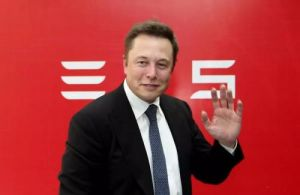
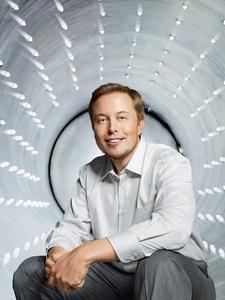
Dogecoin In Musk’s Eyes: The Future Of Cryptocurrency? Investment Needs To Be Cautious

Comprehensive report by The Paper reporter Cui Zhuzhu

On May 7, Beijing time, Tesla CEO Elon Musk retweeted a video titled "Musk says Dogecoin may become the future of cryptocurrency" on Twitter, and captioned the video saying that cryptocurrency is promising, but please invest with caution.

The video shows that Musk was surrounded by fans asking for autographs. Some fans asked whether Dogecoin can be expanded and is not limited like Bitcoin. Will this take away the value of traditional coins? Musk agreed.

Musk said that people should not invest their life savings in cryptocurrency, which is very unwise behavior. “Cryptocurrency is very likely to become the mainstream currency on earth in the future, but this is just speculation. There may be many mainstream currencies, and this idea is also a bit speculative. Don’t invest too much in cryptocurrency. I speculate that the best prospect among cryptocurrencies will be Dogecoin.”
Some fans asked him how he managed to see the price of Dogecoin surge after posting a tweet. To this, Musk did not respond directly, saying only that he should not take too many risks because of cryptocurrency.

Musk has discussed Dogecoin on Twitter several times, and the price of Dogecoin has risen along with his discussions. On April 1, Musk said that Space X would bring a Dogecoin to the moon, and Dogecoin subsequently rose by more than 14%.

It is worth mentioning that although Musk believes that Dogecoin may be the future of cryptocurrency, Tesla insists on investing in Bitcoin. In February this year, Tesla announced that it had purchased $1.5 billion in Bitcoin. On March 24, Musk announced on Twitter that Tesla vehicles could be purchased with Bitcoin. He also said that Bitcoin payments will be available outside the United States later this year. Tesla directly operates Bitcoin nodes using only internal open source software. Bitcoin paid to Tesla will be retained as Bitcoin and will not be converted to fiat currency.

Tesla’s first-quarter financial report showed that the company reduced its Bitcoin position by 10%, which resulted in a slight increase in profit for the quarter, an increase of $101 million. Tesla Chief CFO Zachary Kirkhorn said on a conference call after the first quarter report that he would continue to invest in Bitcoin.

Sign In

Forgot Password

Sign Up