Professional virtual currency information station welcome
We have been making efforts.

24-hour news update Page 73

24-hour cryptocurrency news update

Closing Information Of Shengyi Technology On March 11, 2026 And Announcement Of The Company’s Futures Hedging Business

As of the close on March 11, 2026, Shengyi Technology (600183) closed at 63.5 yuan, down 1.41%, with a turnover rate of 1.71%, a trading volume of 409,700 hands, and a turnover of 2.635 billion yuan.

Focus of the day

Transaction information summary

Fund flow

On March 11, the net outflow of main funds was 66.9228 million yuan, accounting for 2.54% of the total transaction volume; the net inflow of hot money funds was 67.6293 million yuan, accounting for 2.57% of the total transaction volume; the net outflow of retail funds was 706,600 yuan, accounting for 0.03% of the total transaction volume.

Summary of company announcements

Announcement of Resolutions of the Thirteenth Meeting of the Eleventh Board of Directors of Shengyi Technology

The 13th meeting of the 11th board of directors of Guangdong Shengyi Technology Co., Ltd. was held by communication voting on March 11, 2026, and the "Proposal on Authorizing Hunan Green Sheng Environmental Protection Co., Ltd. to carry out futures hedging business" was reviewed and approved. 12 directors were supposed to attend the meeting, but 12 actually attended, which complied with the regulations. Agree to authorize its controlling subsidiary, Hunan Green Sheng Environmental Protection Co., Ltd., to carry out domestic futures hedging business. The total amount of funds actually occupied by margins and royalties at any time shall not exceed RMB 60 million, and the maximum contract value held on any trading day shall not exceed RMB 500 million. The quota can be recycled and is valid from March 2026 to February 2027. The Audit Committee of the Board of Directors issued a concurring written review opinion.

Announcement of Shengyi Technology on authorizing Hunan Greensheng Environmental Protection Co., Ltd. to carry out futures hedging business

Guangdong Shengyi Technology Co., Ltd. held the 13th meeting of the 11th board of directors on March 11, 2026, and reviewed and approved the "Proposal on Authorizing Hunan Green Sheng Environmental Protection Co., Ltd. to carry out futures hedging business" and agreed to authorize its controlling subsidiary Hunan Green Sheng to carry out futures hedging business. The trading varieties are limited to copper-based and rich gold, silver, zinc, nickel, platinum and palladium metals operated by Yongxing Pengkun. The upper limit of trading margin and royalties is 60 million yuan. The maximum contract value held on any trading day does not exceed 500 million yuan. The source of funds is its own funds. The trading period is from March 1, 2026 to February 28, 2027. This matter does not need to be submitted to the shareholders' meeting for consideration.

Feasibility report on carrying out domestic futures hedging business by Hunan Green Sheng Environmental Protection Co., Ltd.

In order to avoid operating risks caused by price fluctuations of copper, gold, silver, nickel, zinc, platinum, palladium and other metals, Hunan Green Sheng Environmental Protection Co., Ltd. plans to carry out domestic futures hedging business. The company has formulated relevant management systems and equipped with professional staff. It is clear that it is only for hedging purposes and does not engage in speculative transactions. The margin at any point in time shall not exceed 60 million yuan, the maximum contract value in a single day shall not exceed 500 million yuan, and the source of funds shall be its own funds. The business scope is limited to the metal varieties related to the Yongxing Pengkun project, and follows the principles of matching the position amount with the spot inventory, and the position time being consistent with the spot holding time. The company has established risk control measures, including dedicated personnel, fund supervision, position control and regular inspections.

The above content is compiled by Securities Star based on public information and generated by an AI algorithm (Network Information No. 310104345710301240019) and does not constitute investment advice.

Xiamen Wenxue Photography Co., Ltd. Was Established, With Multiple Shareholders Holding Shares And A Wide Business Scope

Tianyancha shows that Xiamen Wenxuyan Photography Co., Ltd. was recently established. The legal representative is Miao Yuanzhi, with a registered capital of 3 million yuan. Sanya Fengtang Photography Co., Ltd. and Sanya New Era Culture Media Co., Ltd. hold shares.

Serial number Shareholder name Shareholding ratio 1 Sanya Fengtang Photography Co., Ltd. 75% 2 Sanya New Era Culture Media Co., Ltd. 25%

The business scope includes photography and printing services; photography and video production services; wedding etiquette services; ceremonial services; film shooting services; clothing and apparel rental; clothing and apparel retail; information technology consulting services; information consulting services (excluding licensed information consulting services); technical services, technology development, technical consulting, technology exchange, technology transfer, and technology promotion; data processing services; data processing and storage support services; Internet sales (except for the sale of goods requiring licenses); industrial Internet data services; Internet data services; graphic design; advertising Advertising design and agency; Advertising production; Advertising release; Digital advertising production; Digital advertising release; Digital advertising design and agency; Digital content production services (excluding publishing and distribution); Software development; Conference and exhibition services (overseas exhibitions must be approved by relevant departments); Engineering and technology research and experimental development; Sales of arts and crafts and ceremonial items (except ivory and its products); Retail of arts and crafts and collectibles (except ivory and its products); Literary and artistic creation; Personal Internet live broadcast services; Organization of cultural and art exchange activities; Consulting and planning services. (Except for projects that require approval according to law, business activities can be carried out independently with a business license and in accordance with the law).

Company name Xiamen Wenxuyan Photography Co., Ltd. Legal representative Miao Yuanzhi Registered capital 3 million yuan National standard industry Scientific research and technical services > Professional technical services > Industrial and professional design and other professional technical services Address Room 505, Building 11, Jinmei Yuantong Logistics Park, No. 1722, Gangzhong Road, Xiamen Area, China (Fujian) Pilot Free Trade Zone Enterprise type Limited liability company (natural person investment or holding) Business period 2026-3-11 to no fixed period

Huai'an Aolai Supply Chain Co., Ltd. Was Established, And The Business Scope And Shareholder Information Are Fully Known.

Tianyancha shows that Huaian Aolai Supply Chain Co., Ltd. was recently established. The legal representative is Pan Longjian, with a registered capital of 3 million yuan. It is wholly owned by Jiangsu Aolai International Trading Co., Ltd.

Serial number Shareholder name Shareholding ratio 1 Jiangsu Aolai International Trading Co., Ltd. 100%

The business scope includes supply chain management services; earthwork construction; machinery and equipment leasing; sales of building materials; sales of lightweight building materials; sales of construction waterproofing membrane products; sales of metal materials; sales of special equipment; sales of rubber products; sales of new metal functional materials; retail of hardware products; sales of special equipment for environmental protection; sales of power facilities and equipment; sales of doors and windows; sales of mechanical parts and components; wholesale of hardware products; sales of special labor protection products; sales of molds; sales of pumps and vacuum equipment; sales of valves and cocks; sales of metal accessories for construction; gold Sales of tools; sales of chemical products (excluding licensed chemical products); import and export of goods; sales of office supplies; sales of coatings (excluding hazardous chemicals); sales of non-metallic minerals and products; sales of daily necessities; advertising design and agency; advertising production; transportation and public management signs Sales of signs; manufacturing of metal signs for transportation and public administration; sales of construction and decoration materials; operation of wires and cables; sales of cement products; labor services (excluding labor dispatch); sales of metal ores (except for projects that require approval according to law, business activities can be carried out independently with a business license in accordance with the law)

Company name Huai'an Aolai Supply Chain Co., Ltd. Legal representative Pan Longjian Registered capital 3 million yuan National standard Industry Information transmission, software and information technology services > Software and information technology services > Software development Address No. 7, Zhaoxian Street, Baoji Town, Xuyi County, Huai'an City, Jiangsu Province Enterprise type Limited liability company (a sole proprietorship of a legal person invested or controlled by a natural person) Business period 2026-3-11 To the Xuyi County Government Service Management Office, the registration authority for no fixed period

Delegations To The Fourth Session Of The 14th National People's Congress Reviewed Reports, And Many Secretaries And Governors Made Suggestions

In the past few days, delegations at the fourth session of the 14th National People's Congress have successively reviewed the government work report, reviewed the draft outline of the 15th Five-Year Plan, reviewed plan reports and drafts, budget reports and drafts, etc.

Zheng Zhijun noticed that many provincial party committee secretaries and provincial governors have put forward relevant suggestions based on the work of their provinces.

On the afternoon of March 5, plenary meetings of each delegation reviewed the government work report.

Members of the Youth League Provincial Committee Team_Resume of the Secretary of the Youth League Provincial Committee_

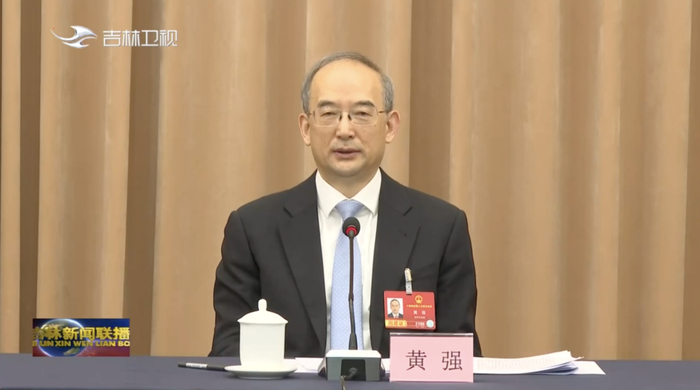
In the Jilin delegation, Huang Qiang, deputy to the National People's Congress and secretary of the Jilin Provincial Party Committee, suggested further strengthening the strategic position of Northeast China in accelerating high-level scientific and technological self-reliance and improving policy measures to rectify "involution" competition.

In the Jiangxi delegation, Yin Hong, deputy to the National People's Congress and secretary of the Jiangxi Provincial Party Committee, put forward two suggestions: the national level should introduce laws and regulations on the protection of workers' rights and interests in new employment forms as soon as possible; and we sincerely request support for Jiangxi Province to deeply integrate the "Eastern Digital and Western Calculation" project into the national integrated computing power network.

On March 6, the Fujian delegation reviewed the government work report and reviewed the draft outline of the “15th Five-Year Plan”.

Resume of the Secretary of the Youth League Provincial Committee__Members of the Youth League Provincial Committee

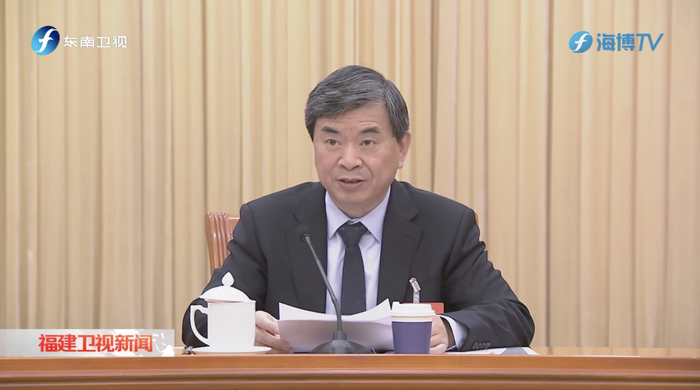
Zhou Zuyi, deputy to the National People's Congress and secretary of the Fujian Provincial Party Committee, said that it is recommended to add relevant expressions such as "promoting high-quality development of the health industry" and "relying on Mazu culture and other ties" in the draft outline.

On the same day, the Hainan delegation held a plenary meeting to review the draft outline of the "15th Five-Year Plan".

Feng Fei, deputy to the National People's Congress and secretary of the Hainan Provincial Party Committee, said that it is recommended to add "study and construction of a new Qiongzhou Strait channel" and "build a Hainan-Guangdong electric power flexible mutual aid project." Liu Xiaoming, deputy to the National People's Congress and governor of Hainan Province, said that the following suggestions are: First, support the Hainan Free Trade Port to explore and implement unilateral opening to ASEAN. The second is to add “Support Hainan in building cross-border computing power facilities facing Southeast Asia” on page 39.

The Gansu Youth League held a plenary meeting to review the draft outline of the "15th Five-Year Plan". Ren Zhenhe, a deputy to the National People's Congress and governor of Gansu Province, said that it is recommended to support Gansu in solving water problems and building a comprehensive energy and chemical base in Longdong.

On March 7, the Sichuan delegation held a representative group meeting to review the plan report and budget report, continue to review the government work report, and review the draft outline of the "15th Five-Year Plan".

Members of the Youth League Provincial Committee__Resume of the Secretary of the Youth League Provincial Committee

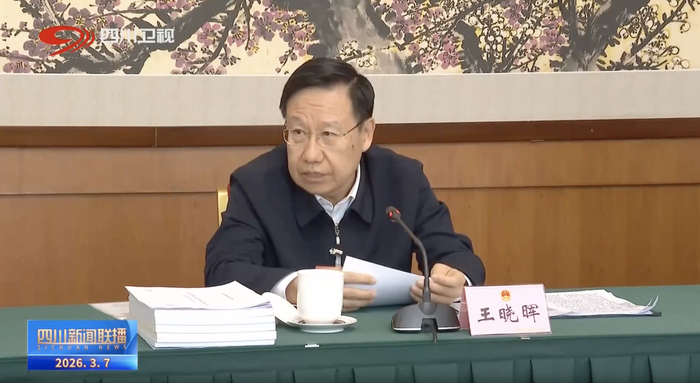
Wang Xiaohui, deputy to the National People's Congress and secretary of the Sichuan Provincial Party Committee, suggested: First, give greater support to Sichuan in building an innovative highland in the western region; second, include the Chengdu-Chongqing twin-city economic circle into a major regional strategic development project for capital construction funds within the central budget.

On March 7, the Shandong Youth League reviewed the plan report and budget report, continued to review the government work report, and reviewed the draft outline of the "15th Five-Year Plan".

Zhou Naixiang, a representative of the National People's Congress and Governor of Shandong Province, mentioned that it is recommended to establish a joint meeting mechanism of ministries and commissions to promote the detailed implementation of policies to support economically large provinces in taking the lead.

On March 7, the Guizhou delegation held a representative group meeting to review the plan report and budget report.

Li Bingjun, deputy to the National People's Congress and governor of Guizhou Province, put forward a number of suggestions, including steadily advancing the liquor consumption tax reform and mobilizing local enthusiasm; making the reduction of liquor import tariffs in other countries' markets a topic of international economic and trade negotiations to promote liquor exports; supporting the early start of construction of the Chongqing-Guiyang high-speed railway, and incorporating the Zhaotong-Qianjiang railway and Luzhou-Zunyi high-speed railway into the national "15th Five-Year Plan" railway development plan.

On March 7, the Zhejiang delegation reviewed the plan report and draft, budget report and draft, and continued to review the government work report.

Liu Jie, deputy to the National People's Congress and governor of Zhejiang Province, put forward two suggestions: First, it is recommended that the national level coordinate and increase support for local financial resources, accelerate the cultivation of long-term sustainable local effective tax sources, and promote the healthy development of local financial resources. Second, it is recommended to better maintain the continuity and stability of national-level policies, stabilize the direction of policy funding support and related implementation guarantees, improve the quality and effectiveness of policy implementation, better enhance social expectations, and boost development confidence.

On March 7, the Inner Mongolia delegation held a representative group meeting to review the plan report and budget report, and the representatives unanimously agreed.

Bao Gang, deputy to the National People's Congress and chairman of the Inner Mongolia Autonomous Region government, put forward a number of suggestions, including promptly responding to changes in the international situation, supporting Inner Mongolia to accelerate the development of rare earth materials and coal-to-oil and gas industries, and further increasing the construction of high-standard farmland and the protection and utilization of black soil; supporting the construction of new channels for the China-Mongolia-Russia Economic Corridor to better serve the high-quality development of the "Belt and Road" initiative, steadily expanding institutional opening up, and ensuring the stability of the national industrial chain and supply chain.

On March 10, Wang Yi Had A Phone Call With Pakistani Foreign Minister Dar And Exchanged Views On The Situation In Iran And Other Matters.

On March 10, Wang Yi, member of the Political Bureau of the CPC Central Committee and Foreign Minister, had a telephone conversation with Dar, Deputy Prime Minister and Foreign Minister of Pakistan, on request.

Dar introduced Pakistan's position on the current situation in Iran, calling on all parties to exercise restraint and resolve the current crisis through peaceful negotiations. Pakistan appreciates China's efforts to cool down the situation and is willing to strengthen coordination and cooperation with China at the United Nations and other platforms to jointly seek effective ways to achieve peace.

Wang Yi said that as all-weather strategic partners, China and Pakistan have a good tradition of communicating and coordinating on major international and regional issues. Both sides immediately stated their firm positions on the situation in Iran, demonstrating their responsible attitude and compliance with the purposes and principles of the United Nations Charter. The origin of this war lacks legitimacy and legality, and its continuation will only cause more unnecessary casualties. The fundamental way to avoid the deterioration of the situation lies in the cessation of military actions by the United States and Israel. At the same time, we do not agree with attacks on Gulf countries and condemn all attacks on civilian facilities and innocent civilians. China appreciates Pakistan's mediation efforts to ease the regional situation, and is willing to maintain multilateral and bilateral coordination and cooperation with Pakistan, support Pakistan in continuing to play a constructive role, and jointly promote the early restoration of peace and stability in the region.

The two sides also exchanged views on the border conflicts between Pakistan and Afghanistan. Wang Yi said that the special envoy for Afghanistan affairs of the Chinese Ministry of Foreign Affairs is traveling between Afghanistan and Pakistan to promote peace and talks. The top priority is to avoid the expansion of the war and return to the negotiating table as soon as possible. China firmly supports Pakistan in fighting terrorism and hopes that Pakistan will continue to do its utmost to ensure the safety of Chinese personnel, projects and institutions in Pakistan. Dar thanked China for its mediation efforts and stressed that Pakistan attaches great importance to it and will make every effort to ensure the safety of Chinese institutions and personnel.

In The Iran War, The Six Gulf Countries Faced The Difficult Choice Of Taking Sides While Protecting Themselves.

The war in Iran is still in full swing. The challenge facing the United States is how to play the "win" role well, Israel's challenge is how to prevent the United States from "jumping off" and running away, and Iran's challenge is how to win without losing. However, the six Gulf countries (Saudi Arabia, the United Arab Emirates, Qatar, Kuwait, Bahrain, and Oman) must not only avoid collaborating with the United States and Israel and become unable to behave in the future, but also reposition their own long-term security and economic development directions. They face the greatest challenge.

The Arab nation vs. the Persian nation, Sunni vs. Shia, these battles have a history of thousands of years, and it is not surprising that they will continue for another thousand years. But the current war with Iran has caused difficulties for the six Gulf countries on the other side of the Persian Gulf. On the one hand, Iranian missiles are raining down on its own land; on the other hand, Iran is launching counterattacks against U.S. military and U.S. interest targets in the Gulf region due to the brazen bombing by the United States and Israel, including attacking the data centers of U.S. technology giants.

If the six Gulf countries remain indifferent to Iran's missile attacks, it will be unjustifiable in terms of national sovereignty, national sentiments, sectarian dignity and other aspects; but if they join the United States and Israel to inflict pain on Iran, not only will they not be able to "behave" in the Islamic world in the future, but they may even be unable to balance the public opinion in each country at present. There is a "level" of evil. Compared with the United States and Israel, which had no presence in the Persian Gulf a hundred years ago, Iran, which has been fighting with the Arab world for thousands of years, has a "level" of evil that is not high enough. For many people in the Gulf countries, Iran's attacks on the US military and US interest targets in the Gulf region can be regarded as "evil people will be punished."

Chen Feng: Discovering that money cannot buy protection, the six Gulf countries are in a dilemma_Chen Feng: Discovering that money cannot buy protection, the six Gulf countries are in a dilemma_

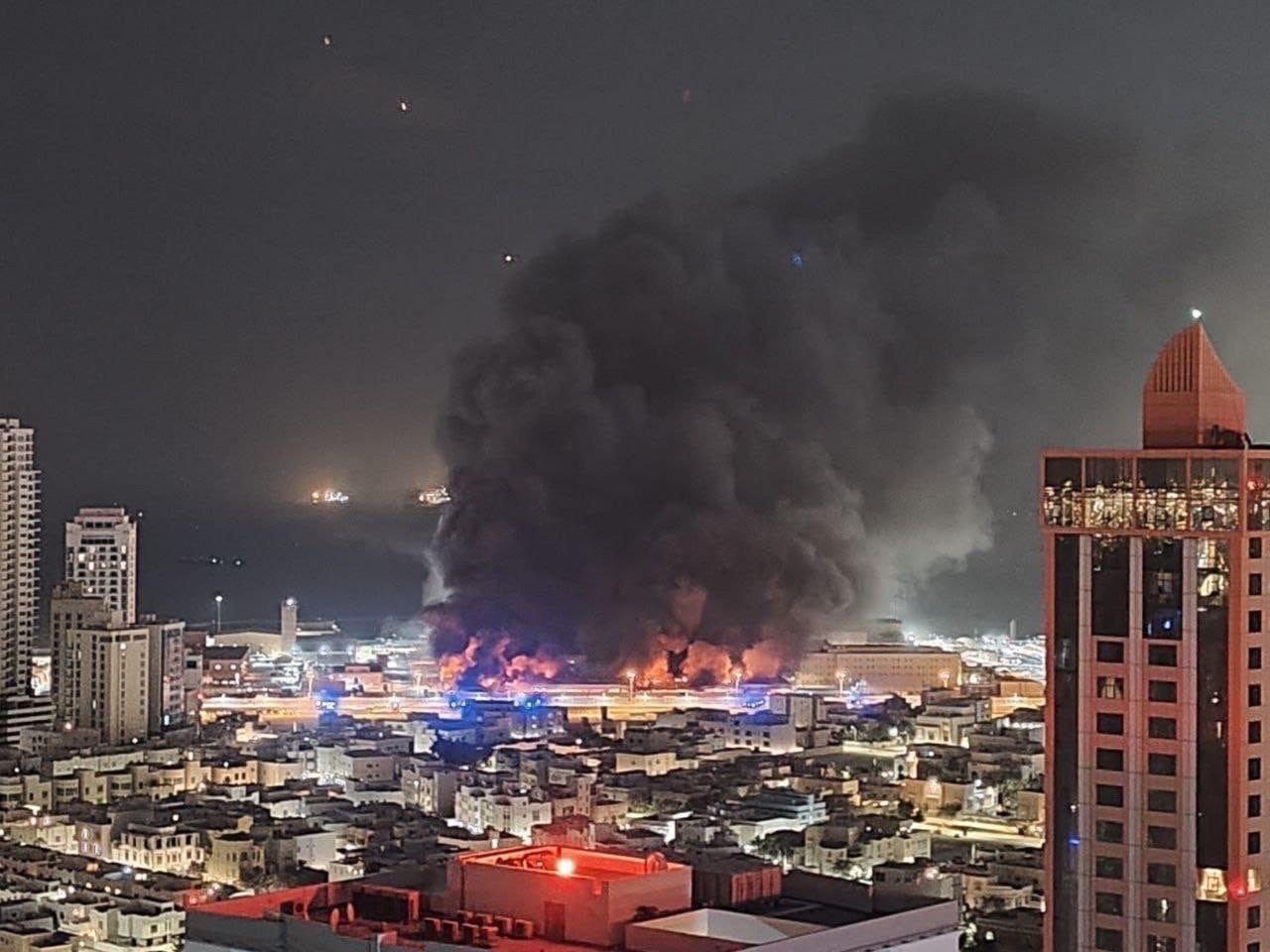
Iran’s missiles and drones attacked U.S. military facilities in Bahrain Source: Iran’s Islamic Revolutionary Guard Corps

Iran and Saudi Arabia are actually very similar. They are both theocracy and religion, and both take Islamic law as their national basis. They only have different political systems: Iran is an electoral Islamic republic based on Shiite theocracy, while Saudi Arabia is a hereditary Islamic kingdom based on Wahhabi kingship. Wahhabism is an extremely conservative branch of Sunniism.

In addition to the thousand-year struggle between Sunnis and Shiites, there is also the parallel thousand-year struggle between Christianity and Islam. The Western Crusaders left a painful history that cannot be forgotten in the Greater Middle East. However, if during the reconquest of Iberia, Christians were shocked by the splendor of Andalucia’s Islamic culture and imitated it, the Industrial Revolution gave the Christian world an absolute lead.

The discovery of oil in the Persian Gulf changed the course of history in the greater Middle East. The oil princes rely on Western capital and technology to engage in oil business that is not profitable for them. When they are intoxicated with the gold and silver, if they sprinkle a little bit between their fingers, the nomadic herders who can only count sheep will be very grateful.

At this time, Iran's Pahlavi dynasty was fully Westernized and even more favored by the West. The U.S. Navy even had to let Iran "jump in line" and give priority to F-14 fighter jets. However, after the Khomeini Revolution, the West turned its favor to Saudi Arabia and a group of emirates across the Persian Gulf. These Gulf countries also took the opportunity to purchase foreign guns and artillery to establish military and technological advantages over Iran. This was also the "letter of surrender" that the Gulf countries handed over to the West. The West has made a lot of money from it.

After the Gulf War, the U.S. military's presence in the Persian Gulf became permanent. Large air bases in Saudi Arabia (later transferred to Qatar) and Kuwait have become the core of US military deployment in the Gulf. After the Fifth Fleet was withdrawn in 1947, it was rebuilt in 1995, with its headquarters in Bahrain.

Although the United Nations inspection team has been digging for ten years without finding any evidence, the war in Iraq in the name of "completely eradicating Iraq's weapons of mass destruction" directly eradicated the political power of the Bass Party, which was secular in politics, ethnically and culturally "light on Sunni". Shiite power in Iraq became stronger, and Iran's influence was at its peak. Iran has also intervened in other Shia territories in the Greater Middle East, and the "Shia Crescent" has gradually gained momentum, causing great uneasiness in the six Sunni Gulf countries.

As early as the Iran-Iraq War, the six Gulf countries were left with a psychological shadow. Iran not only withstood Saddam Hussein's regime, which received strong support from the six Gulf countries and the West, but also almost captured Basra several times during its counterattacks. Although the six Gulf countries have a large number of advanced Western weapons and equipment, they are not assured of the true combat effectiveness of their own soldiers. The U.S. military in the Gulf is welcomed as an extraterritorial force intervening in the regional balance of power.

But Israel has always been an unavoidable sticking point in relations between Gulf countries and the United States. After the Palestinian uprising (First Intifada) in 1987, Israel realized the importance of "land for peace", and Rabin and Arafat reached the historic "Oslo Peace Agreement". However, opposition to "land for peace" has always existed. After the "Camp David Peace Talks" collapsed and Sharon ascended the Temple Mount, the Second Palestinian Intifada (Second Intifada) broke out.

Hamas was established during the first Palestinian uprising and grew during the second Palestinian uprising. Later, it squeezed out Fatah and monopolized Gaza, eventually leading to the Gaza War in 2023.

Chen Feng: Discovering that money cannot buy protection, the six Gulf countries are in a dilemma__Chen Feng: Discovering that money cannot buy protection, the six Gulf countries are in a dilemma

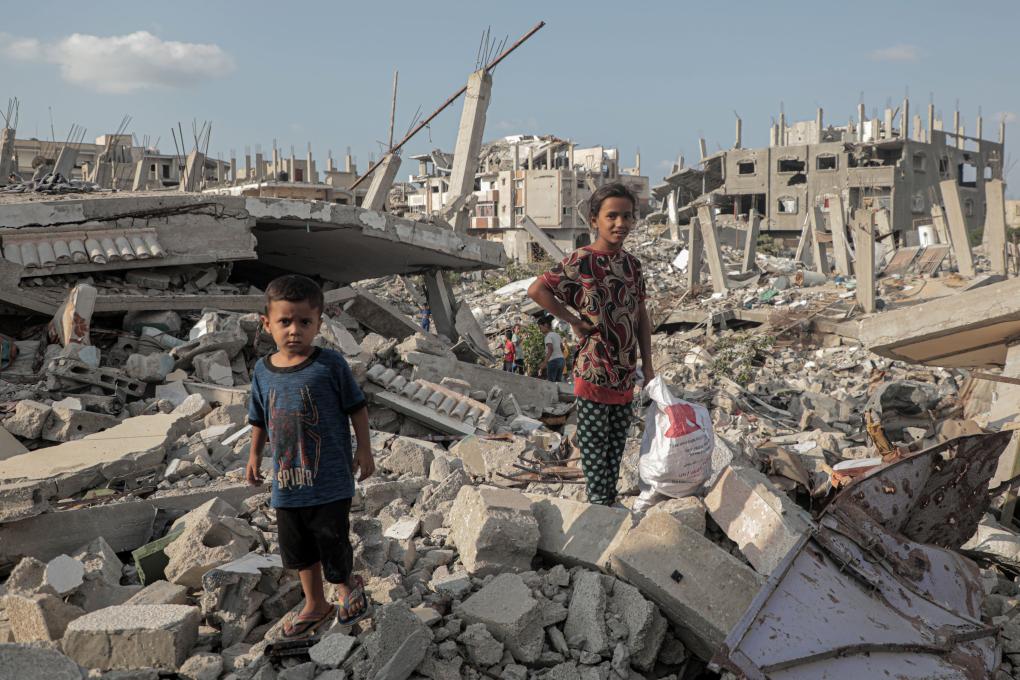
Two children stand on the ruins of a building in Khan Younis, southern Gaza Strip. Data map: Xinhua News Agency

Hezbollah was established during the earlier 1982 Lebanon War, grew during the war to drive the Israeli army out of South Lebanon, and eventually formed a "state within a state" in South Lebanon with popular support. If the Lebanese constitution had not stipulated that the president must be a Maronite Christian and the prime minister must be a Sunni Muslim, the Shiite Hezbollah might have won the president and prime minister positions through votes.

Although the Oslo Peace Agreement allocated the West Bank to the Palestinians, the gradual encroachment of the Jews has fragmented the Palestinian land. Palestinians have to constantly pass through Israeli military checkpoints to visit relatives and go to and from get off work on their own land. Their rights and interests are constantly being eroded, and Gaza has become a hell on earth.

All this aroused great indignation in the Muslim world, forcing the six Gulf countries to carefully maintain their distance from the United States, Israel's biggest supporter.

Some Arab governments, such as Egypt and Jordan, have signed peace treaties with Israel out of practical considerations. However, Egyptian President Sadat became an "Arab traitor" and was shot to death by his own soldiers during a military parade. Jordanian King Hussein was also looked down upon in the Arab world.

NVIDIA’s Jensen Huang Talks About AI: It’s Still Early Days For Infrastructure, Creating Jobs And Defining Operating Models

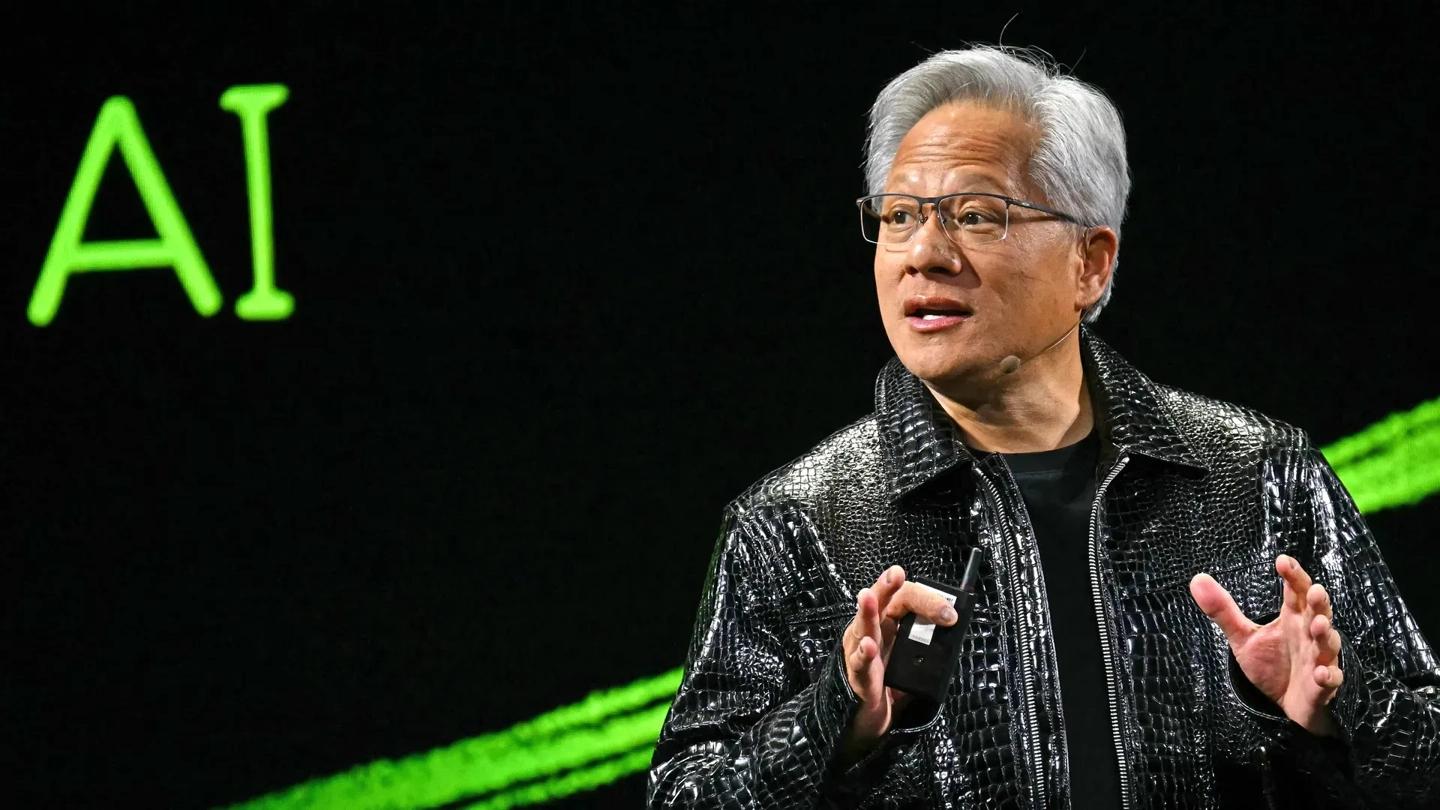
On March 10, Nvidia CEO Jensen Huang published a rare long blog post on artificial intelligence on Tuesday, pointing out that the current AI infrastructure construction is still in a very early stage. He emphasized that although the industry has invested hundreds of billions of dollars so far, trillions of dollars of continued investment will be needed in the future to improve data centers and related underlying facilities. This is his seventh long public article since 2016, explaining his views on the development speed, access rights and governance model of AI.
_Employment Structure Definition_The First Rare Disease Catalog Released

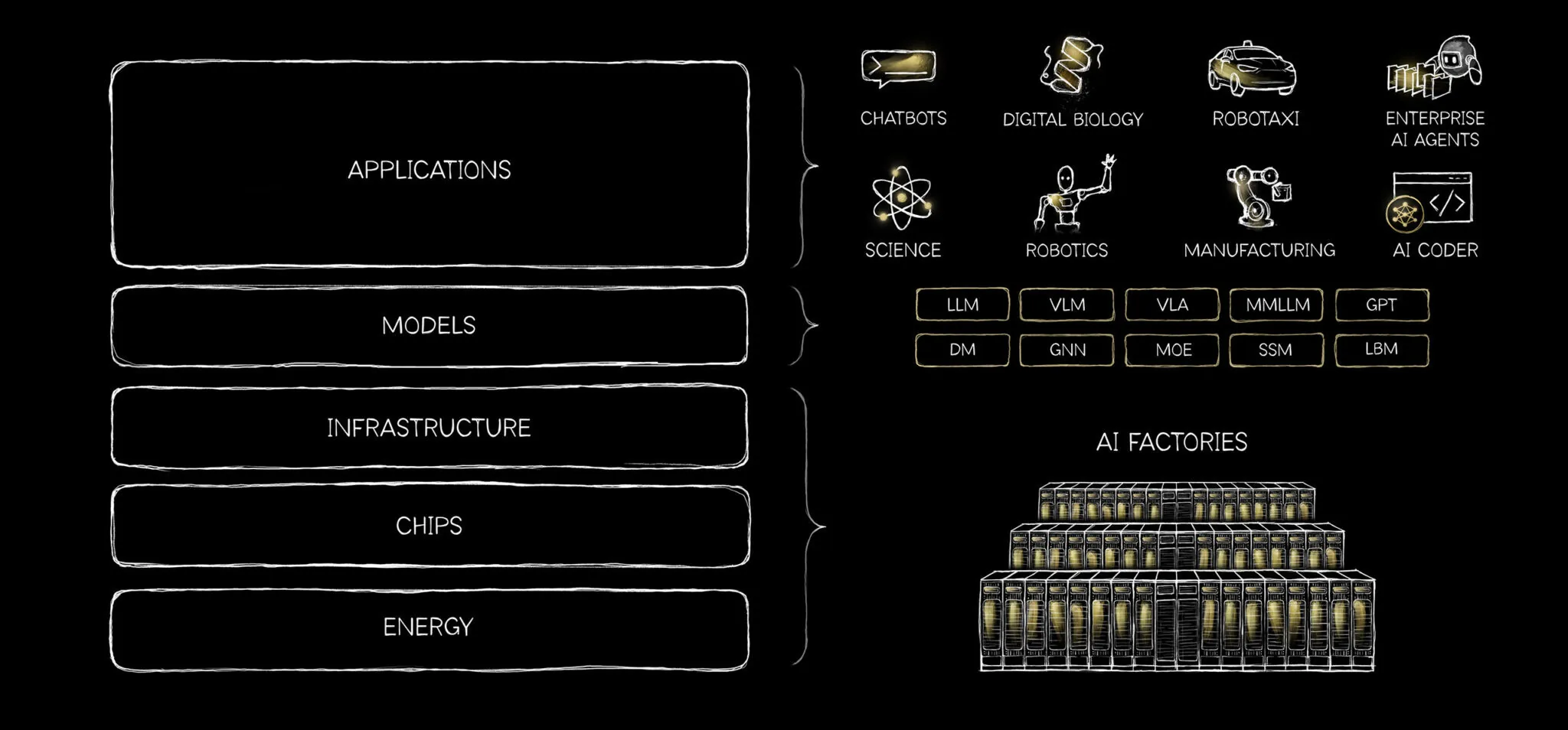
In the article, Huang Renxun defined AI and traditional technology, pointing out that AI has broken the operating model of traditional software. He believes that traditional software only extracts stored instructions pre-written by humans, while current AI systems can perform real-time reasoning based on context and generate intelligence on demand. In order to clarify the industrial structure, he once again mentioned the "five-layer architecture" model he proposed at the Davos Forum at the beginning of the year, clearly stating that the AI ​​ecosystem consists of energy, chips, infrastructure, models and applications from bottom to top. Any successful upper-layer application must completely rely on the continuous support of underlying facilities and even power plants.

Regarding the impact of technological development on the labor market, Huang Renxun believes that AI will not reduce jobs, but will create a large number of new job opportunities, especially in the fields of infrastructure and skilled technical work. His logic is that when AI takes over the daily routine tasks of an enterprise, the increase in productivity will be transformed into an expansion of service capabilities, which will in turn drive substantial growth and expansion of the enterprise. He concluded that at present, a large number of underlying facilities have not yet broken ground, and the supporting labor force has not yet completed training. The real dividend period and large-scale construction of the AI ​​industry have just begun.

The following is the full text of Huang Jenxun’s blog:

The First Rare Disease Catalog Released__Employment Structure Definition

AI is a five-layer cake

Jensen Huang

March 10, 2026

AI is one of the most powerful forces shaping the world today. It's not just a smart app or a single model; it's infrastructure as critical as electricity and the Internet.

AI runs on real hardware, real energy, and real economics. It takes raw materials and turns them into intelligence at scale. Every company will use it. Every country will build it.

To understand why AI is developing in this way, we need to start from first principles and see what fundamental changes have occurred in the field of computing.
_The First Rare Disease Catalog Released_Employment Structure Definition

From pre-programmed software to real-time intelligence

For most of the history of computing, software was pre-written. Humans write the algorithms and computers execute them. Data must be carefully structured, stored in tables, and retrieved with precise queries. SQL is indispensable because it makes that world possible.

AI breaks this mold.

For the first time, we have computers that can understand unstructured information. It can see images, read text, hear sounds and understand meaning. It can reason about context and intent. Most importantly, it generates intelligence in real time.

Every response is generated fresh. Every answer depends on the context you provide. This is no longer software that retrieves stored instructions, but software that can reason and generate intelligence on demand.

Precisely because intelligence is produced in real time, the entire computing architecture stack underlying it must be reinvented.

AI as infrastructure

When you look at AI from an industrial perspective, it appears as a five-layer architecture.

Level 1: Energy

At the bottom is energy. Intelligence generated in real time requires power generated in real time. Each token generated is the result of electron movement, heat management, and energy conversion into computing power. There are no layers of abstraction below this. Energy is the first principle of AI infrastructure and the absolute constraint on how much intelligence the system can produce.

Second layer: chip

On top of energy are chips. These processors are designed to convert energy into computing power at scale and in an efficient manner. AI workloads require extremely large parallel computing power, high-bandwidth memory, and fast interconnects. The progress of the chip layer determines the expansion speed of AI and the degree to which the cost of intelligence decreases.

The third layer: infrastructure

Above the chip is the infrastructure. This includes land, power delivery, cooling systems, building construction, networks, and systems that orchestrate thousands of processors into a single machine. These systems are “AI factories.” They are not designed to store information, but to create intelligence.

The fourth layer: model

On top of the infrastructure are models. AI models can understand many types of information: language, biology, chemistry, physics, finance, medicine, and the physical world itself. Language models are just one category. Some of the most transformative work is happening in areas such as protein AI, chemical AI, physics simulation, robotics, and autonomous systems.

Level 5: Application

At the top is the application, where economic value is created. Drug discovery platforms, industrial robots, legal assistants, self-driving cars. A self-driving car is an AI application embodied in the machine, while a humanoid robot is an AI application embodied in the body. Same underlying architecture, different application output.

This is the "five-layer cake" architecture: energy → chip → infrastructure → model → application.

Every successful application pulls up every layer below it, all the way to the power plants that keep it running.

Our construction has just begun. We have only invested hundreds of billions of dollars so far, and there are still trillions of dollars worth of infrastructure waiting to be built.

Around the world, we are seeing chip factories, computer assembly plants, and AI factories rising on an unprecedented scale. This is shaping up to be the largest infrastructure development in human history.

The labor force required to support this construction was enormous. AI factories need electricians, plumbers, plumbers, steelworkers, network technicians, installers and operators.

These are high-skilled, high-paying jobs, and demand currently exceeds supply. You don’t need a PhD in computer science to participate in this transformation.

At the same time, AI is driving productivity improvements across the knowledge economy. Taking radiology as an example, AI can now assist in reading scans, but the demand for radiologists continues to grow. This is not a paradox.

A radiologist's core responsibility is to care for patients, and reading scans is just one task in the process. When AI takes over more routine tasks, radiologists can focus on clinical judgment, doctor-patient communication, and patient care. As hospitals become more productive, they can serve more patients and hire more staff.

Productivity creates service capacity, and capacity creates economic growth.

What has changed in the past year

Over the past year, AI has crossed an important threshold. The model becomes good enough to play a substantial role in large-scale applications. Reasoning abilities are improved, hallucinations are significantly reduced, and grounding accuracy is significantly improved. For the first time, applications built on AI are starting to generate real economic value.

Applications in areas such as drug discovery, logistics, customer service, software development and manufacturing have demonstrated strong Product-Market Fit. These applications are pulling hard on every layer of structure beneath them.

The open source model plays a key role in this. Most models in the world are free. Researchers, startups, large enterprises, and even entire countries rely on open source models to participate in the development of advanced AI. When open source models reach cutting-edge levels, they not only change the software itself, but also activate the need for the entire architectural stack.

DeepSeek-R1 is the best example. By making powerful inference models widely available, it accelerates technology adoption at the application layer and correspondingly increases its underlying requirements for training, infrastructure, chips, and energy.

what does that mean

When you consider AI as essential infrastructure, its far-reaching impacts become clear.

AI starts with the Transformer large language model. But it's much more than that. It is an industrial transformation that will reshape how energy is produced and consumed, how factories are built, how work is organized, and how economies grow.

The reason why AI factories are built is because intelligence is now generated in real time; the reason why chips need to be redesigned is because efficiency determines the speed of intelligence expansion; the reason why energy becomes the core is because it sets the upper limit of the total amount of intelligent production; the reason why applications are accelerating is because the underlying model has crossed the threshold and can finally be truly effective at scale.

Each layer reinforces the other.

That’s why this infrastructure push is so huge, why it touches so many industries simultaneously, and why it’s not limited to a single country or sector. Every company will use AI. Every country will build it.

We're still in the early stages. Much of the infrastructure has yet to be built. Large swathes of the workforce have yet to receive training. Many opportunities remain untapped.

But the direction is very clear.

AI is becoming a fundamental infrastructure of the modern world. And the choices we make now—how fast we build, how broadly we engage, and how responsibly we deploy—will ultimately shape the future of this era.

The Protection Of The Yangtze River Economic Belt Faces Coordination Difficulties, And Peng Jing Puts Forward Relevant Suggestions

She is concerned that in recent years, the main stream of the Yangtze River has continued to maintain Class II water quality, and the proportion of high-quality water bodies has increased significantly. However, in the protection of the Yangtze River Economic Zone, it still faces coordination problems such as "upstream" and "downstream", "sectors", and "regions".

Among them, the systematic nature of the coordination of the rule of law needs to be improved. The compilation of the ecological environment code provides an opportunity for river basin legislation, but how to connect the special edition of "Water Basin Ecological Environment Protection" with the "Yangtze River Protection Law" still requires forward-looking design. The horizontal ecological protection compensation mechanism still relies on administrative agreements and lacks institutionalized legal protection. The compensation standards, fund uses, and liability for breach of contract are unclear. The imbalance of rights and interests of "upstream protection, downstream benefits" and other issues have not yet been fundamentally resolved.

In addition, the coordination of law enforcement and justice needs to be strengthened. At present, a collaborative framework has been initially established, but there is still a lack of normalized mechanisms for cross-regional case jurisdiction, mutual recognition of evidence, and ecological restoration execution. Illegal activities such as illegal sand mining and cross-regional dumping of hazardous waste are chained and concealed. However, insufficient sharing of law enforcement data restricts the joint efforts of the entire chain to crack down.

To this end, Peng Jing suggested that in the compilation of the ecological environment code, the core system of the "Yangtze River Protection Law" should be upgraded to code norms, and the legal status and operating mechanism of the river basin coordination agency should be clarified. Explore the establishment of a legislative coordination joint meeting system for 11 provinces and municipalities in the Yangtze River Economic Belt, and conduct "consistency reviews" of local regulations in key areas such as water pollution prevention and control, shoreline protection, and fishing bans and withdrawals.

In terms of law enforcement, she suggested relying on digital technology to break through the data barriers of the ecological environment, water conservancy, and political and legal departments, establish an early warning system covering water quality monitoring, illegal sand mining, and ship pollution, and achieve "one-click circulation and joint disposal" of clues in cross-provincial cases. For high-frequency illegal activities such as illegal discharge of hazardous waste and illegal fishing, a joint supervision system between the ecological environment department and the public security agency will be established.

National People’s Congress Representative Dong Yuelin: Fill In The Shortcomings And Improve The Female Reproductive Security System In The Western Region

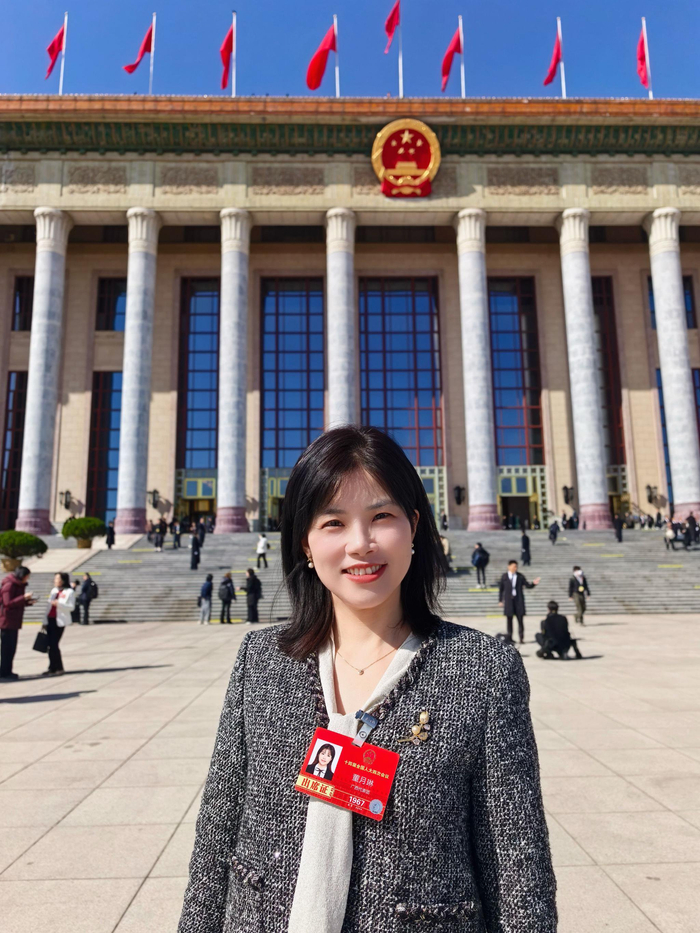
Beijing News (Reporter Dai Xuan) Dong Yuelin, a representative of the National People's Congress and dean of the School of Language, Culture and International Education of Liuzhou Institute of Technology, is concerned that women have high career interruption rates due to their main caregiving responsibilities in traditional families, difficulty in returning to work after childcare, long promotion cycles, and many concerns about childbirth. During the National Two Sessions this year, she suggested that we should make up for the shortcomings in three aspects: employment support, maternity subsidies, education and medical care, and improve the female maternity security system in the western region.

Dong Yuelin, a representative of the National People's Congress: It is recommended to build a female employment support system to solve the difficulty for women with children to return to work_ Dong Yuelin, a deputy to the National People's Congress: It is recommended to build a female employment support system to solve the difficulty for women with children to return to work_

Dong Yuelin, deputy to the National People’s Congress and dean of the School of Language, Culture and International Education of Liuzhou Institute of Technology. Photo provided by interviewee

Dong Yuelin said that one of the current problems that reduces women’s willingness to have children is that their career development is restricted after childbirth. A full-chain female employment support system should be built to eliminate concerns about employment after childbirth.

Affected by the traditional division of family roles, women in the western region often bear the main care responsibilities. Due to family matters such as childbirth, childcare, and supporting the elderly, their career interruption rate is higher than that of men, and their promotion cycles are generally longer than that of men. When women raising children, especially those raising children in rural areas and counties, return to the workplace, on the one hand, they are faced with the rapid updating of industry skills and the easy "skills disconnect" after leaving the job. On the other hand, there are relatively few flexible employment positions in counties and rural areas, insufficient childcare services, the problem of "time conflict" is prominent, and women have many concerns about childbirth.

She suggested that the Ministry of Human Resources and Social Security and the All-China Women's Federation support the western region in setting up women's employment service centers at the city and county levels, relying on the existing brands of the women's federations in each city to integrate skills training, career planning, job matching and other functions, focusing on e-commerce, housekeeping, handicrafts and other special training. It also promotes flexible employment models, encourages enterprises, especially labor-intensive enterprises and service industry enterprises such as housekeeping services and e-commerce customer service, to set up "mother posts" and include them in the employer directory, implement flexible working hours, work from home and other flexible mechanisms, provide certain social security subsidies to enterprises that absorb the employment of women raising children, and provide certain venue rent subsidies to enterprises that set up "mother workshops" within the county. Special job fairs for female college students can also be held every year to develop public welfare positions for women with employment difficulties and provide dual support of job subsidies and social security subsidies.

In terms of maternity security policies, although various regions in the western region have introduced policies such as extending maternity leave and issuing childcare subsidies, the level of security is still difficult to cover the actual cost of childbirth and childcare. Starting from January 1, 2025, the childcare subsidy system will be implemented simultaneously in the western region and the whole country, but the annual subsidy of 3,600 yuan per child is still a drop in the bucket. A survey by Guangxi Normal University shows that local families spend an average of more than 50,000 yuan per year from pregnancy to 3 years old, and more than 80% of the respondents listed "high financial burden" as the primary obstacle to childbirth.

In addition, there are still differences between urban and rural areas in the distribution of educational and medical resources in the western region. And the "China Childbirth Cost Report 2024" shows that the average cost of raising a child aged 0-17 in southwest China is about 480,000 yuan, of which education and medical expenses account for more than 40%, which puts heavy pressure on ordinary families.

She suggested that the maternity subsidy payment standard should be adjusted every two years based on the growth of residents' per capita disposable income, and an additional subsidy amount should be increased for families with three children on the existing basis; the childcare subsidy should be moderately increased and the coverage should be expanded to all families that meet the policy. At the same time, we have simplified the application process, relied on local government affairs platforms to realize "one-stop processing" of maternity subsidies and childcare subsidies, promoted "no need to apply and enjoy" service, automatically identified eligible families through data sharing and accurately distributed subsidies.

In terms of allocation of educational and medical resources, investment in county and rural schools should be increased, and efforts should be made to achieve full coverage of standardized campuses in remote areas within three years; living subsidies and academic assistance from compulsory education to high school should be provided to students from poor families. Improve the level of medical security, include routine physical examinations, vaccinations and other items for children aged 0-6 years into the scope of full reimbursement, and increase the reimbursement ratio of children's serious illness insurance; build additional children's specialist clinics in county hospitals and introduce high-level pediatric medical staff; equip township health centers with professional pediatricians (at least 1 per township), and solve the problem of "distance and difficulty in seeking medical treatment" for rural children through the "county and township linkage" mechanism.

Click to enter the topic:

2026 Two Sessions·Voices of Representatives

CPPCC Members Recommend Building Boarding Schools For Children Of Urban Migrant Workers To Solve The Problem Of Left-behind Children

Children of CPPCC members study_Are there any farmers in the CPPCC members_

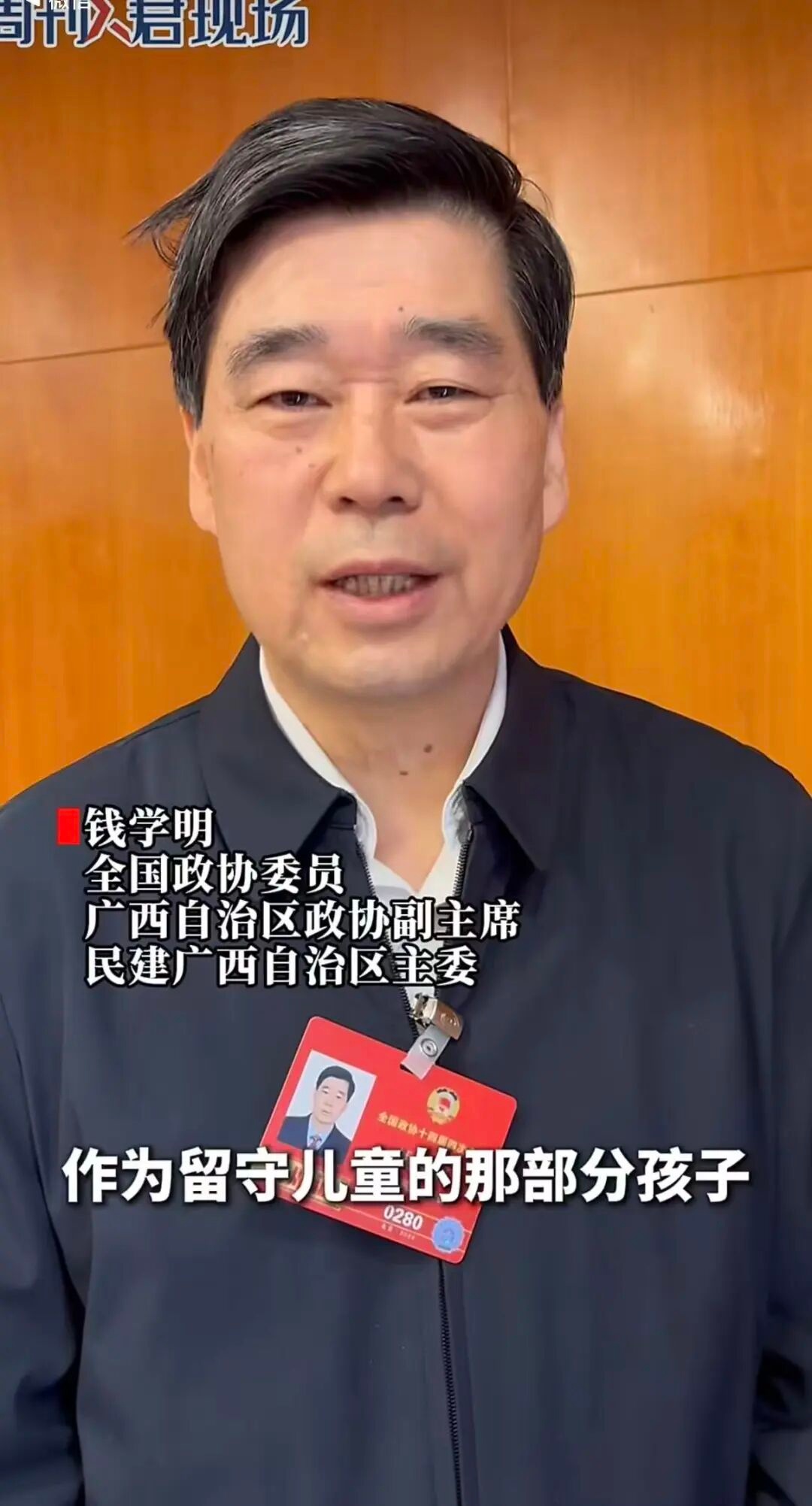
According to China News Weekly, Qian Xueming, a member of the National Committee of the Chinese People's Political Consultative Conference, vice chairman of the CPPCC Guangxi Autonomous Region, and chairman of the Guangxi Autonomous Region Democratic National Construction Association, said in an interview that left-behind children have lived a life without their parents for a long time and lacked parental care. They can only rely on their elderly grandparents every day, or live a foster life. They have been living in a state of letting things take their own course for a long time, and have missed the golden period of forming their character, emotions, and moral character. This has also left many hidden dangers for their future growth and caused psychological problems.

_Are there farmers in the CPPCC members_Children of CPPCC members study

He believes that currently, there are two main reasons why "left-behind children cannot enter the city": First, although the country has issued a series of policies that fully consider the educational issues of migrant workers' children, the growth rate of the urban migrant population has exceeded the affordability of many urban public schools. Second, because migrant workers do not have fixed housing in cities and have frequent job moves, they are unable to provide a stable place for their children to live. As a result, many children of migrant workers cannot meet the admission requirements of urban schools and have to stay in rural areas to go to school, thus becoming left-behind children.

Therefore, it is recommended that the construction of "boarding schools for rural left-behind children" be changed to "boarding schools for the children of urban migrant workers", allowing children to follow their parents to the city to go to school. This will not only facilitate the children to receive care from their parents and satisfy family care, but also allow the children to enjoy the city's high-quality educational resources. It will also fundamentally solve the problem of left-behind children and completely eliminate the phenomenon of left-behind children.

Qian Xueming pointed out that there is another issue that needs to be paid attention to when building boarding schools for the children of urban migrant workers, because some migrant workers can only live in construction sheds due to work and their own conditions, and their work moves frequently. Their children need a stable place to study and live. Therefore, it is recommended to build a number of full boarding schools, that is, boarding is available 365 days a year.

Sign In

Forgot Password

Sign Up