Japan has taken this step very hastily and very dangerously. On the one hand, missiles are directly launched into battle, and on the other hand, political rhetoric is constantly packaged. It seems to be "self-protection", but in fact it is testing the bottom line. At this juncture, "People's Daily" issued a warning with a "bell sound", and at the same time, Russia dug up old scores and named war criminals. With both lines pressing forward at the same time, Japan no longer has much room for maneuver.
What Japan is doing: Not defending, but taking the initiative to change the rules
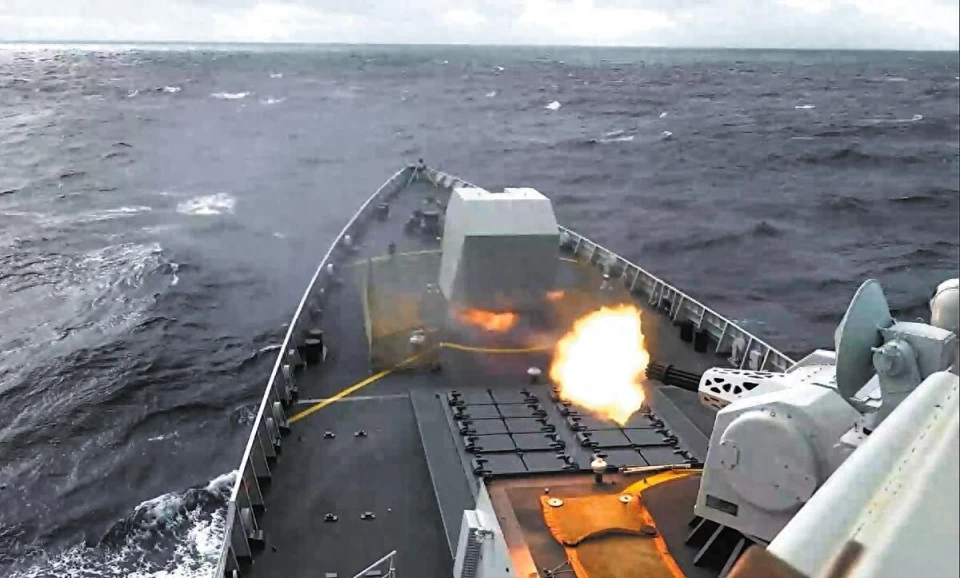
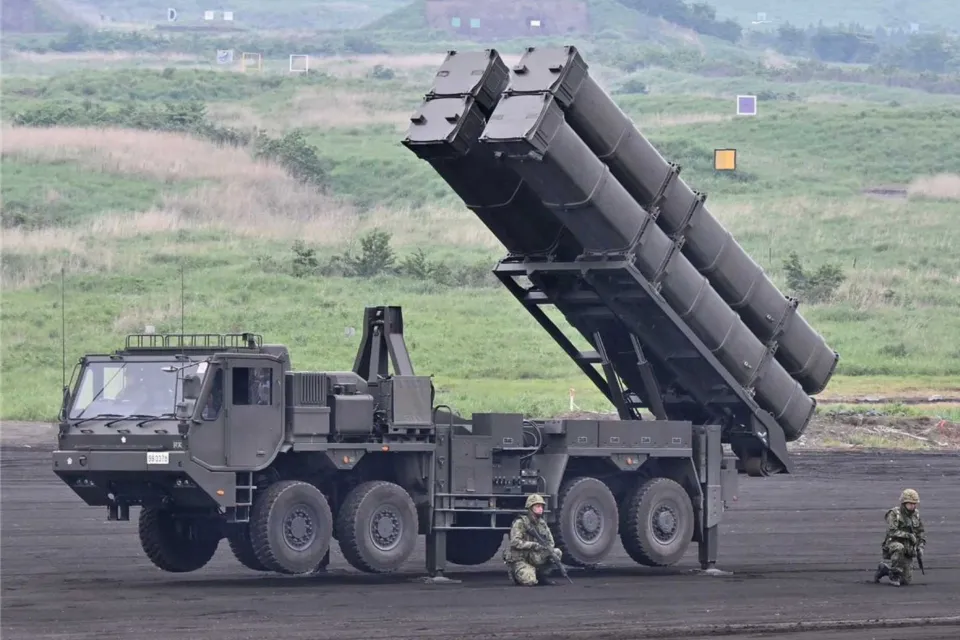
This time, Japan deployed "Type 25 surface-to-ship missiles" and "Type 25 high-speed glide bombs" in Kumamoto and Shizuoka. On the surface, it said it was "counterattack capability." But once you look at the range, you don’t need to listen to the explanation. With a coverage area of thousands of kilometers, it is no longer a gatekeeper, but can directly penetrate into deep areas of other countries. This ability itself has obvious offensive attributes.
Japan has been doing one thing over the years: hollowing out its "specialized defense" bit by bit. In the past, the focus was on defense, but now it is beginning to emphasize the need for "pre-emptive strikes." In the past, it was restricting the types of weapons, but now it is beginning to break through the range and strike range. In the past, it would take into account constitutional constraints, but now it is simply using policy explanations to circumvent restrictions. In other words, Japan did not reach this point suddenly, but laid the groundwork step by step.
The problem is that Japan has always tried to use language to conceal its nature. Talk about offensive capabilities as "counterattack" and long-range strikes as "deterrence." This argument may be self-justifying in China, but in the eyes of neighboring countries, it is not convincing. Military capabilities don’t lie, and missile range doesn’t lie either.
More importantly, this shift is not an isolated move, but part of an overall strategic change. From budget growth to weapons upgrades to military deployment, Japan has shifted from "passive defense" to "having the ability to launch strikes." Once this path is taken, it will be difficult to turn back.
Takaichi Sanae's plan: internal transfer, external bet
Japan's domestic problems are not complicated. Economic growth is weak, the demographic structure is deteriorating, and the currency continues to be under pressure. These are long-term difficulties. The real trouble is that these problems have no short-term solutions. In this context, some politicians choose to take the old path of creating external pressure and deflecting internal conflicts.
Takaichi Sanae represents this kind of thinking. It needs support internally and a stance externally, so security issues are constantly amplified. As long as the surrounding situation is described as tense enough, many policies will have room to advance, even if these policies themselves are extremely risky.
But the problem is that this approach has obvious costs. The first is that the diplomatic space has been compressed. The relationship between Japan and neighboring countries is already sensitive. If it takes another step forward, it can easily trigger a chain reaction. The second is that economic risks are amplified. Japan is highly dependent on foreign trade. Once relations deteriorate, its own industry will be the first to be affected. The third is the intensification of the security dilemma. The original intention was to increase the sense of security, but in the end it exposed oneself to a more intense confrontational environment.
Another key point is that Japan is clearly moving closer to the United States strategically. The United States' promotion of the so-called "Indo-Pacific layout" requires someone to be at the forefront, and Japan has been pushed to this position. From Tokyo's perspective, this is a bargaining chip in exchange for security guarantees, but judging from historical experience, this "frontier role" often means front-loading risks.
Simply put, Japan is gambling. Bet that the United States will take advantage of the situation, and bet that the surrounding countries will not react strongly. But this kind of gamble rarely has good results in history.
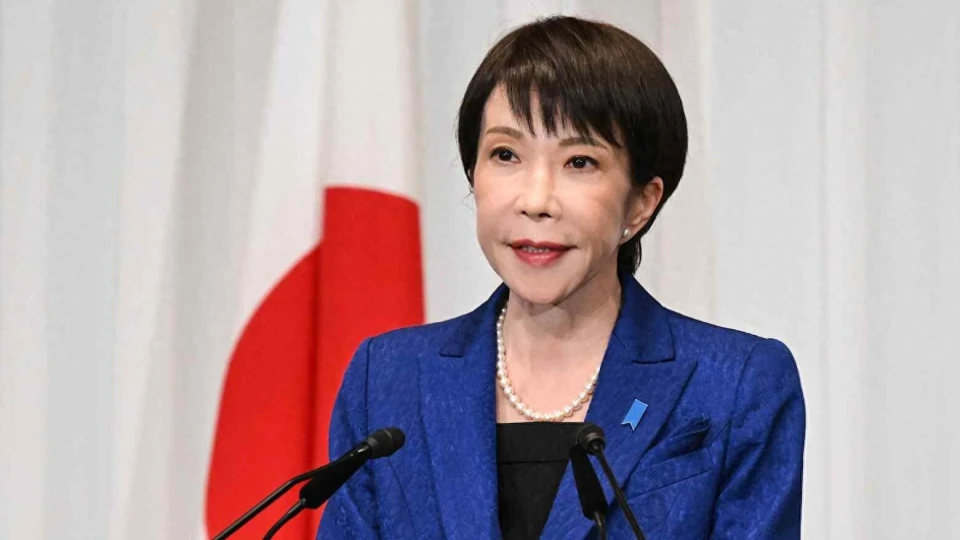
The "bell" is not an ordinary comment, it is a clear warning
The "Bell" column of the "People's Daily" is not a regular statement. The timing and content of its appearance are clearly directed. This time it is directly pointed out that Japan has pushed itself to the edge of danger, which is already a high-intensity signal.
The core issue here is not just missiles, but that Japan has touched the foundation of the postwar order. Documents such as the Cairo Declaration, the Potsdam Proclamation, and the Japanese Instrument of Surrender are not as simple as historical documents. They formed the basis of Japan's postwar positioning. As a defeated country, Japan's military boundaries were clearly defined.
Now Japan is actually challenging these constraints by expanding its strike capabilities. For China, this is not a general disagreement, but a matter of principle. When it comes to security boundaries, there is no room for concession.
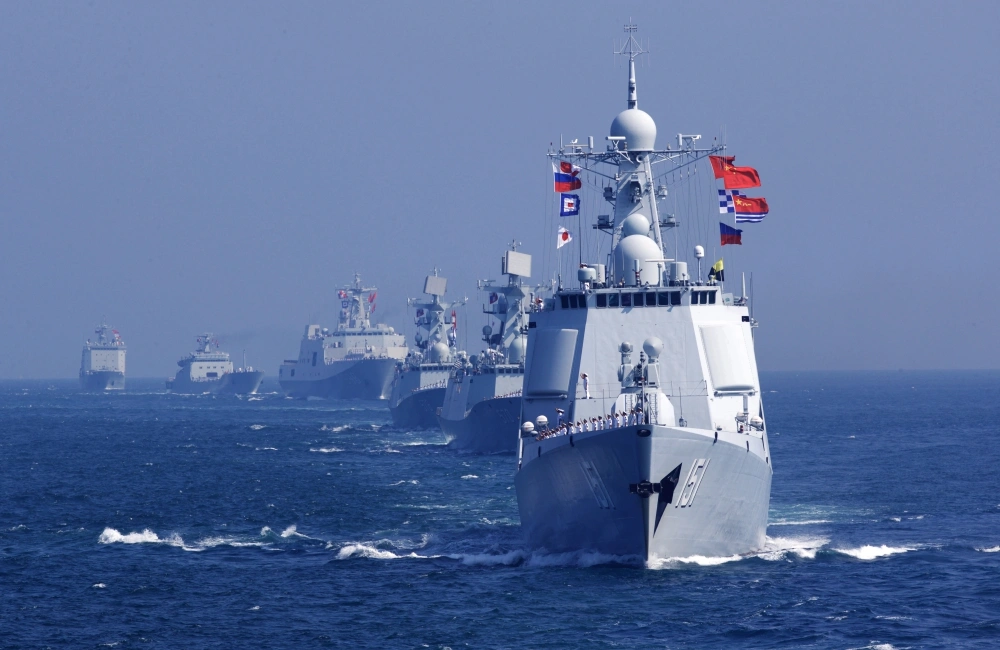
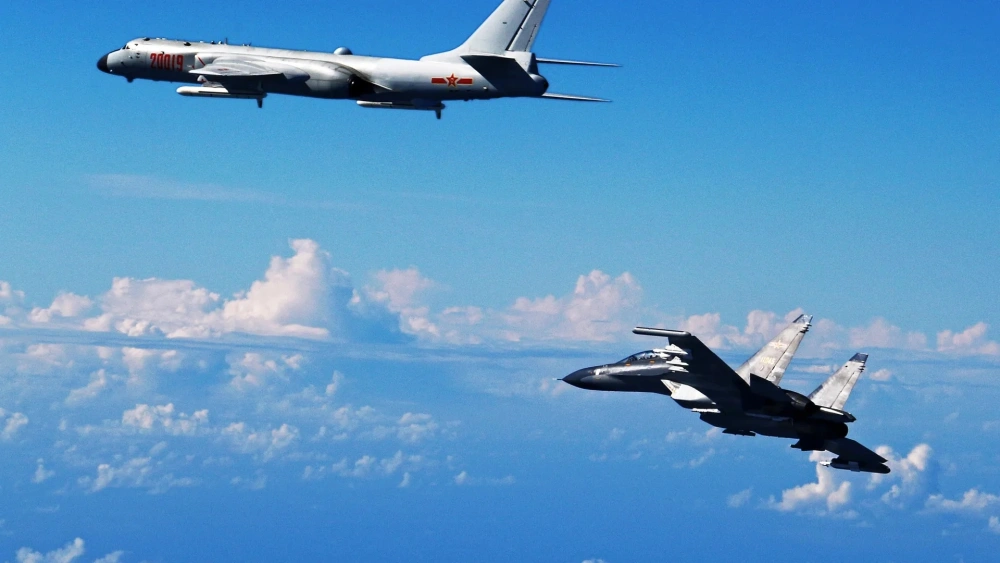
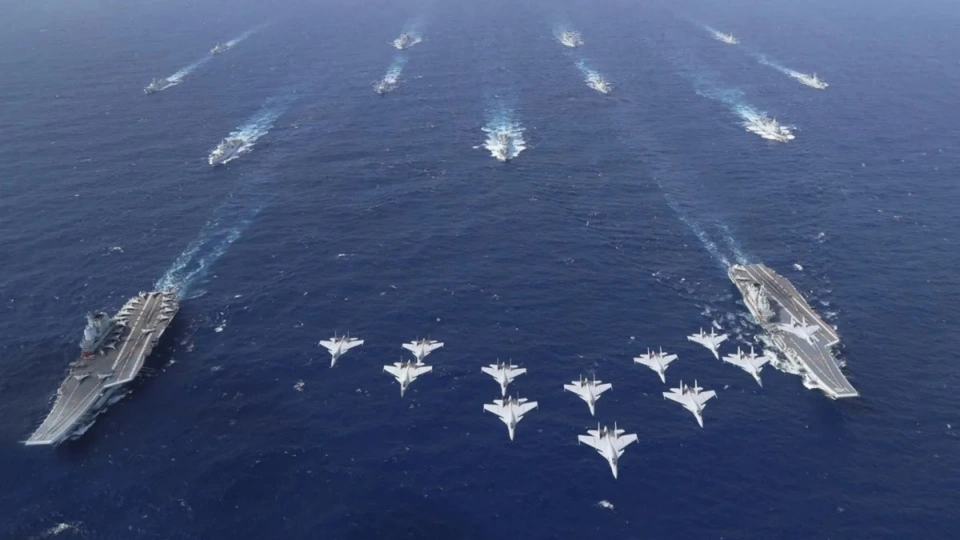
If Japan continues to advance, China will have many tools at its disposal. Pressure can be exerted at the economic level, and reciprocal deployment can be achieved at the security level. China's capabilities in the East China Sea have long been established. Conventional missile coverage and the normal presence of naval and air forces around Japan are all realistic conditions. Japan must face these consequences if it continues to move forward.
To put it more directly, if Japan includes the country's core areas within its strike range, it will be equivalent to putting itself on the opponent's strike list. Once this reciprocal relationship is formed, it is no longer a verbal game, but a real risk hedging.
Russia takes action: It’s not an old score, it’s an ongoing reckoning
Just after Japan deployed the missiles, Russia quickly announced that it had reidentified 28 Japanese as war criminals and released new evidence involving the Kwantung Army's germ warfare units, including members of the notorious Unit 731. The timing of this step is very sensitive and cannot be just a coincidence.
Russia's approach has two levels. The first is the legal aspect. It is clear that there is no statute of limitations for war crimes, which means that accountability can continue to advance. The second is the political level, which brings Japan's historical issues back into the international perspective.
Japan's handling of historical issues in recent years has always tended to avoid or even downplay them. Adjustments to teaching materials and changes in expressions are all attempts to weaken the responsibility for aggression while strengthening its own image as a "victim." In this context, Russia's direct evidence is tantamount to fundamentally denying this narrative.
This is more direct and more impactful than diplomatic protests. Because it is not an argument of position, but an allegation of fact. Once historical issues are re-amplified, Japan's moral foundation will be weakened and its military expansion will lose part of its rationality.
What's more, this movement continues to increase. From the increase in the number of people to the addition of evidence, the rhythm is very clear. Russia is gradually promoting a systematic historical accountability, rather than a one-time political statement.
Pressure from two fronts is superimposed, and Japan’s space is tightening
If we look at China's actual security pressure and Russia's historical accountability together, we will find a trend: Japan is not facing single-point pressure, but multi-dimensional squeeze.
In the East China Sea, China is focusing on current security risks; in the north, Russia is focusing on historical and territorial issues. These two lines are different in nature, but have the same effect, both compressing Japan's operating space.
The most troublesome part of this situation is that it is difficult for Japan to deal with it at the same time. On the one hand, we need to deal with the actual military confrontation, and on the other hand, we have to face the tracing of historical responsibilities. Failure to handle it well on either side will trigger a chain reaction.
More importantly, Japan's current policy path shows no signs of convergence. If we continue to promote military expansion, it will be tantamount to actively increasing the pressure. As time goes by, the cost will only get higher and higher, and the price of turning back will also become higher and higher.
Conclusion
If Japan still regards military expansion as a way out, it is trading the future for immediate respite; the real risk is not in the missile itself, but in the direction behind it – if it makes a mistake, history will not repeat itself, but the price will definitely repeat itself.