1. Preface
Since the mining boom, the world has been suffering from graphics cards for a long time, so the species of Waiting Party was born.
However, "waiting" is not the real purpose of the Waiting Party. Playing the games you want to play at the lowest cost is the ultimate goal of the Waiting Party.
In the process of "waiting" before, the waiting party used various tricks. Some planned to use core graphics and low special effects for five years, some planned to quit large-scale games and switch to 4399, and some just couldn't bear to buy high-priced graphics cards. However, these tricks were all flawed, either the experience was poor, or they gave up on their original intentions.
Recently, AMD has released a new technology that requires only an entry-level graphics card (RX5000 or above), and then downloading and installing a new driver (Adrenaline 22.3.1 or above), which can significantly improve the performance of all games. This technology is Radeon Super Resolution technology, or RSR technology for short.
RSR is derived from FSR, but unlike FSR, which is only supported by some games, RSR works at the driver level, so in theory, it is applicable to all games. So how effective is this technology, and does it have any side effects? Let’s take a look with the third brother!
2. Introduction to test platform
For this test, the following platform was built.
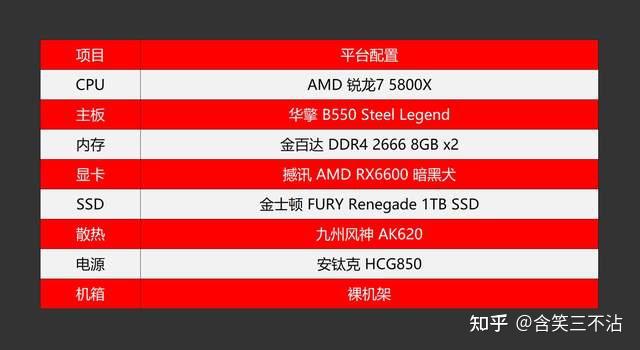
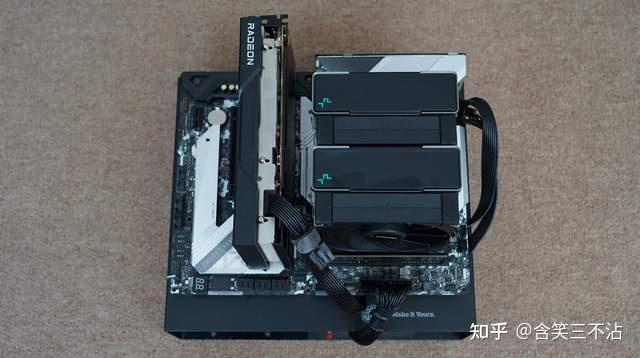
In order to facilitate debugging, a bare metal platform is used for testing.
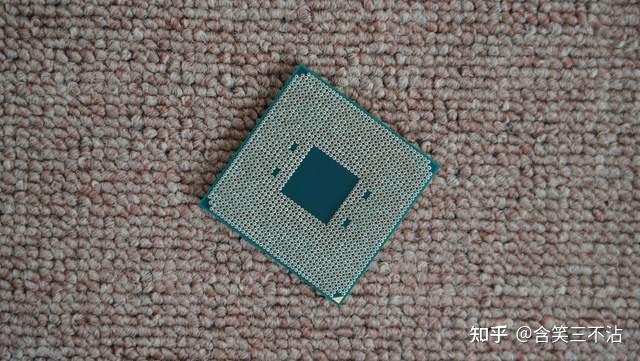
The CPU uses boxed AMD Ryzen 7 5800X.
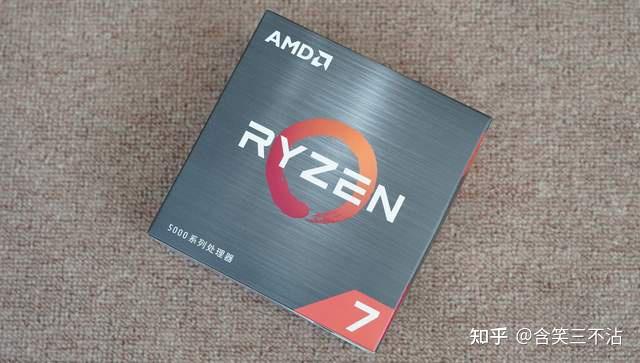
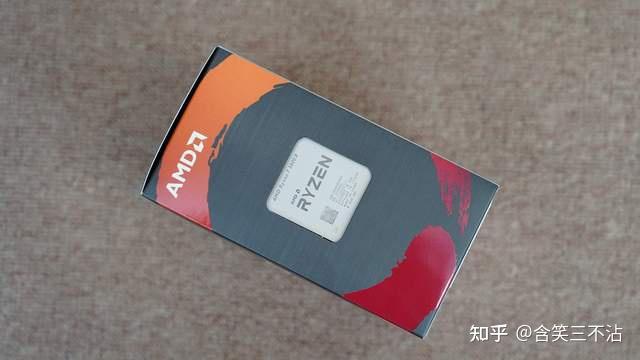
There is a small window on the side. After removing the U, it can be used as a paper box.
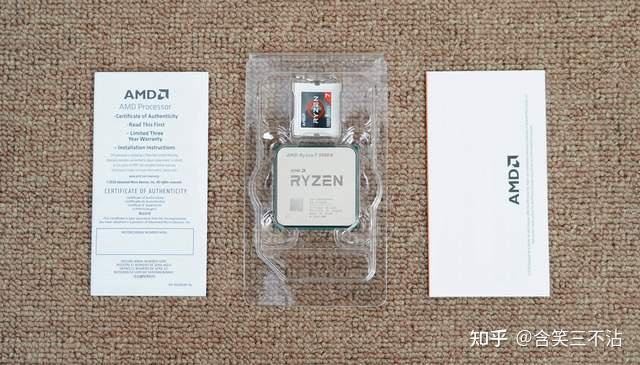
List of accessories: Us of this level are not equipped with radiators.
The CPU uses a 7nm process, has 8 cores and 16 threads, 3.8GHz base frequency, 4.7GHz acceleration frequency, and 32M level 3 cache.
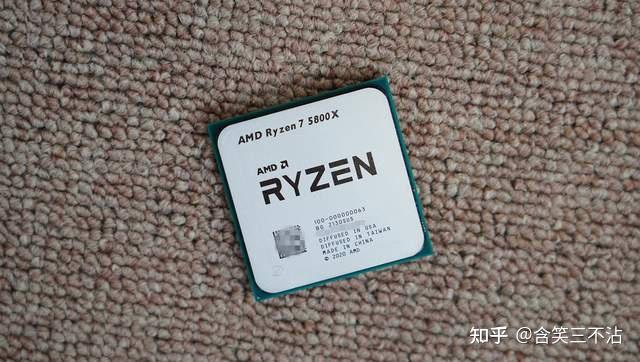
The back adopts AM4 pin design.
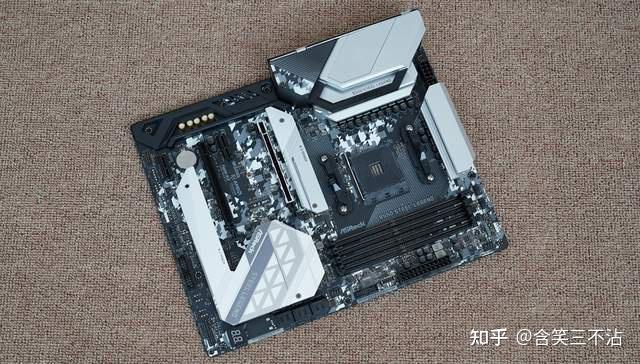
The motherboard uses ASRock B550 Steel Legend.
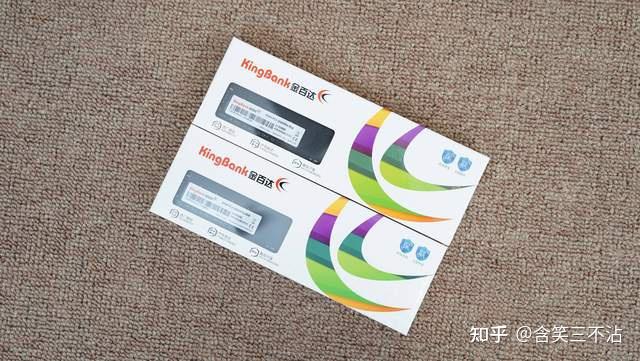
The memory uses Jinbaida DDR4 2666 8GB × 2, which uses domestic Changxin memory particles. At the same time, the price of a single unit is only about 160 yuan, which is very cost-effective.
The outer packaging of the memory is relatively simple and environmentally friendly, and the warranty supports nationwide joint warranty and lifetime warranty, so you can use it with confidence.
Overview of the back.
The memory adopts a vestless design, and the black PCB with black particles looks relatively stable.
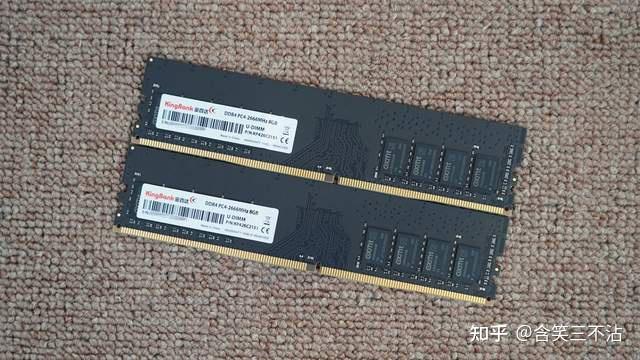
The nominal operating frequency of the memory is DDR4 2666MHz, but in fact it can reach a frequency of 3200MHz after turning on XMP.
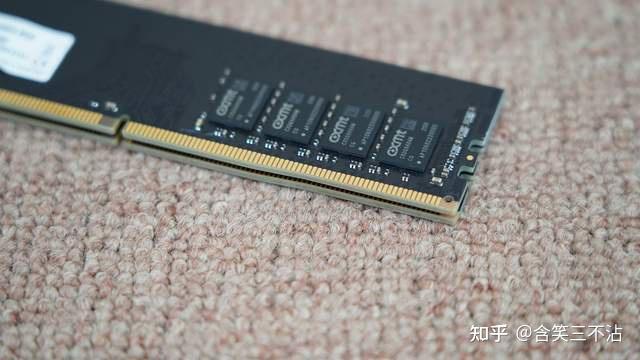
This memory is of purely domestic origin, because it uses Hefei Changxin's DDR4 particles, with a single size of 1GB and 8 of them forming an 8GB capacity.
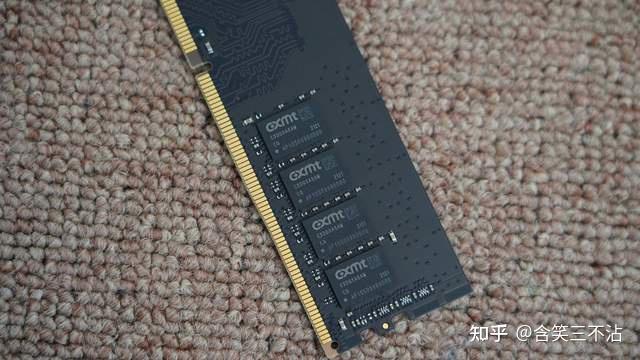
Goldfinger close-up, detail workmanship is not inferior to that of big manufacturers.
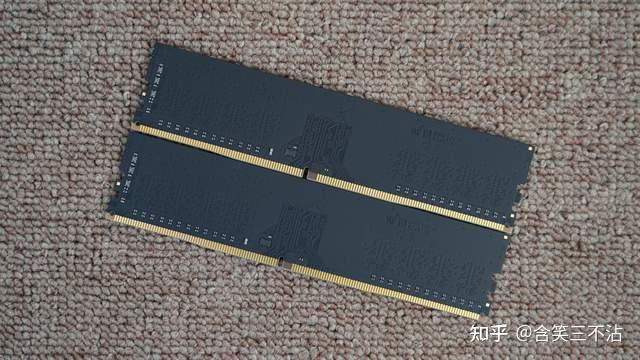
There are no granular components on the back.
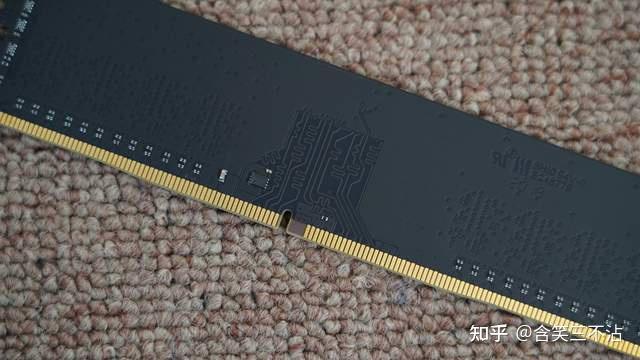
Taking a close-up, you can see that the wiring on the back PCB is still very regular.
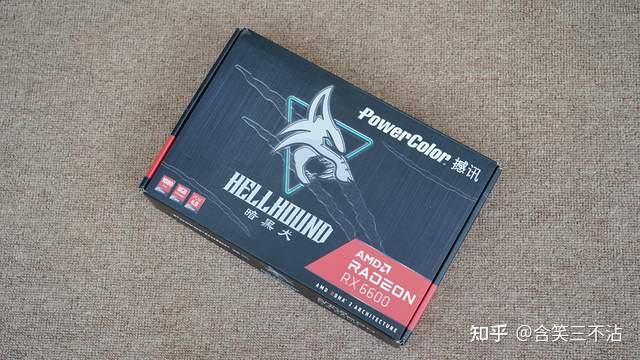
The graphics card uses AMD RX6600 Dark Dog. Currently, this graphics card is priced within 3,000 yuan, which is considered a mid-range graphics card with high cost performance.
View from the front of the outer packaging.
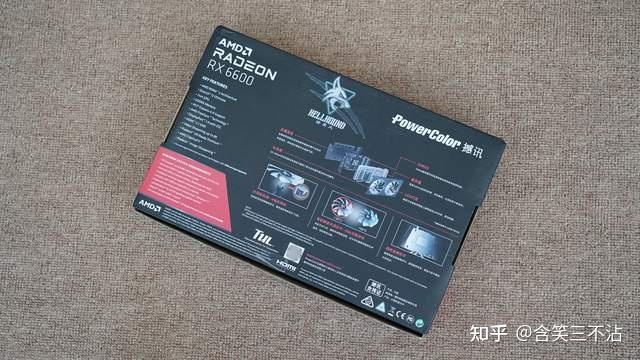
A look at the back of the outer packaging.
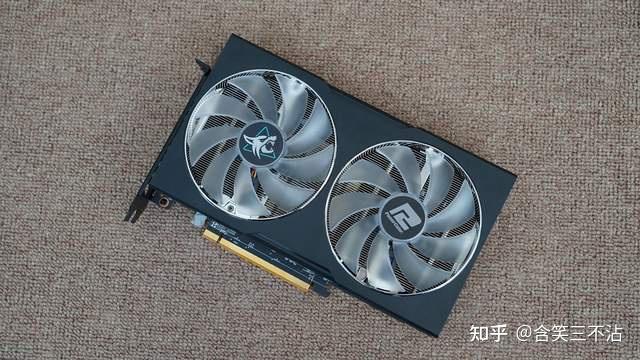
The graphics card adopts a dual-fan design, which has better volume control and can be used to build an ITX host.
Looking at the shoulders, the graphics card focuses on high cost performance, so there are no RGB light-emitting components on the shoulders.
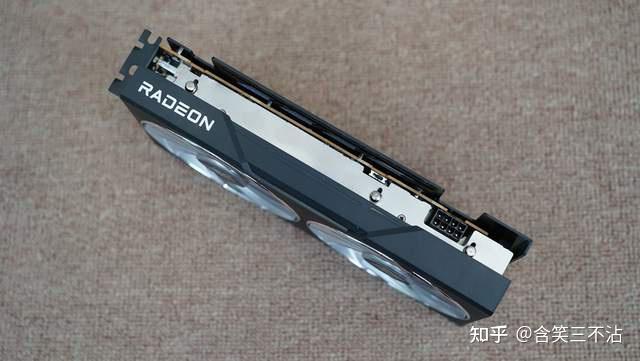
The graphics card uses a single 8pin power supply interface.
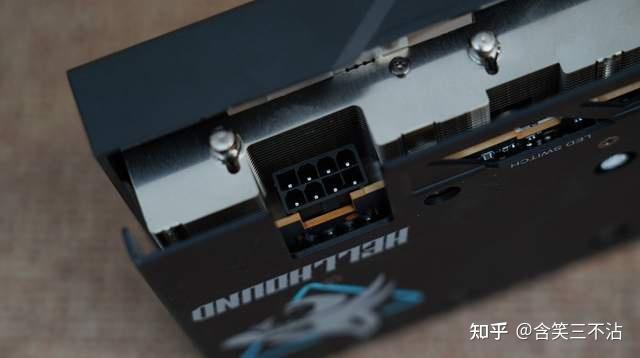
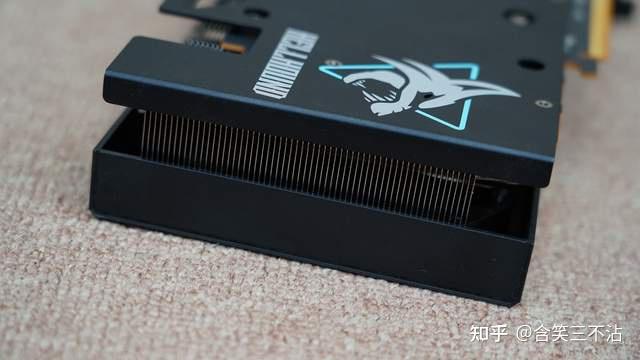
Close-up of the air outlet at the end of the graphics card.
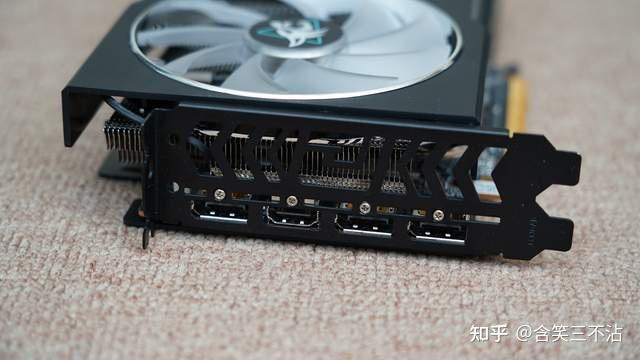
The video output interface adopts a 3× DP 1.4+1× HDMI 2.1 configuration.
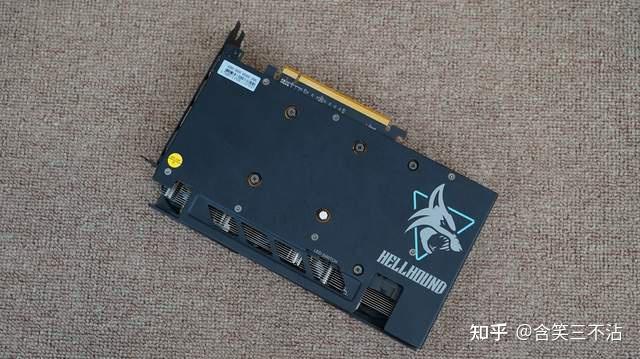
The back is equipped with an aluminum alloy backplate as standard.
The SSD uses Kingston's FURY Renegade 1TB SSD, which uses an M.2 interface and supports PCIe 4.0×4 technology. The overall performance is very powerful.
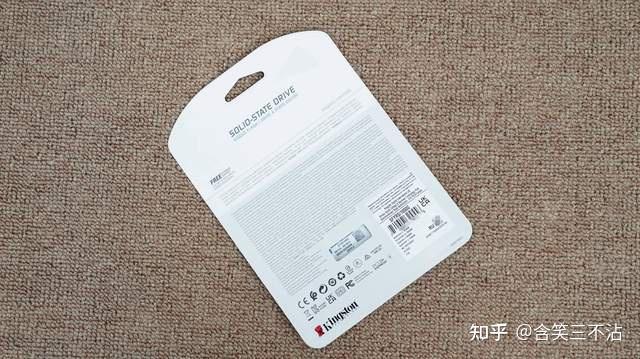
The outer packaging of the SSD is simple and low-key, and cannot be restored once opened, so it has good anti-counterfeiting properties.
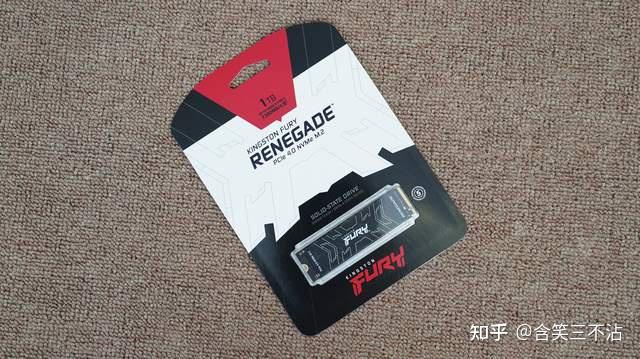
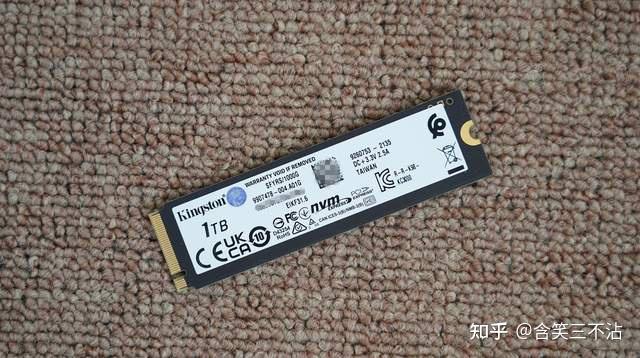
Overview of the back.
There is also a small plastic box packaging inside.
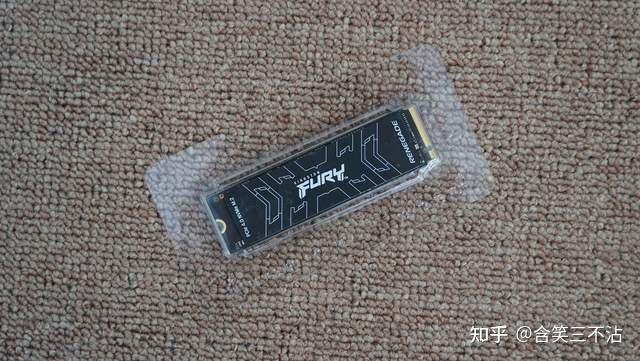
The SSD uses a graphene aluminum alloy patch, which can assist in heat dissipation. At the same time, because the patch is thin, it has good compatibility with notebooks.
According to online teardowns, the SSD uses Phison PS5018-E18 master control + self-sealed 3D TLC NAND particles.
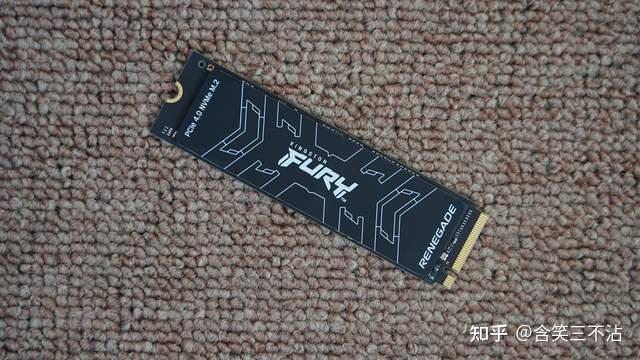
A close-up of the M.2 interface.
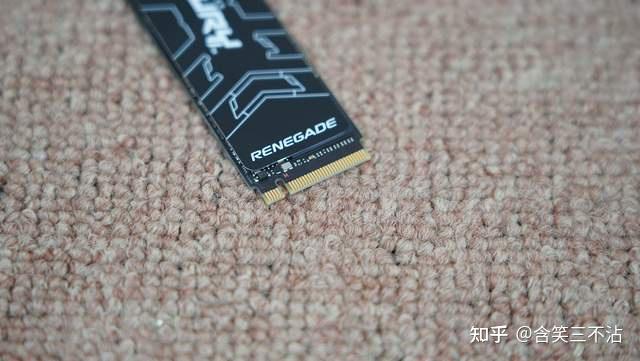
The label has been completely moved to the back so that it will not affect the heat dissipation effect on the front.
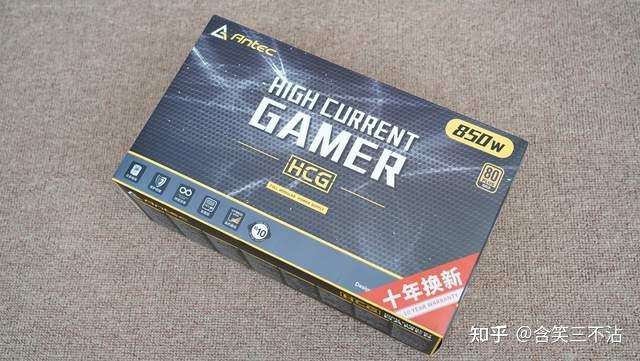
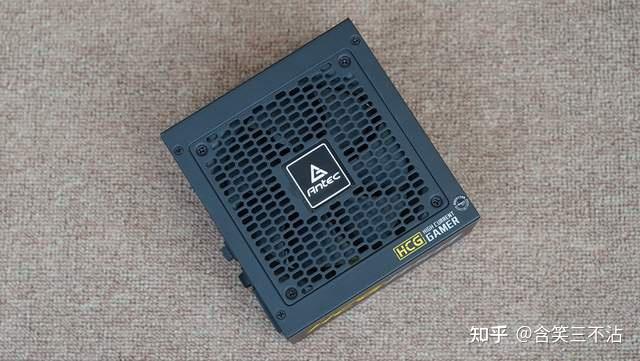
The power supply adopts Antec's HCG850W gold medal. The modified power supply has passed the 80PLUS gold medal certification and supports ten-year replacement warranty. It is built with all Japanese capacitors and has good overall quality.
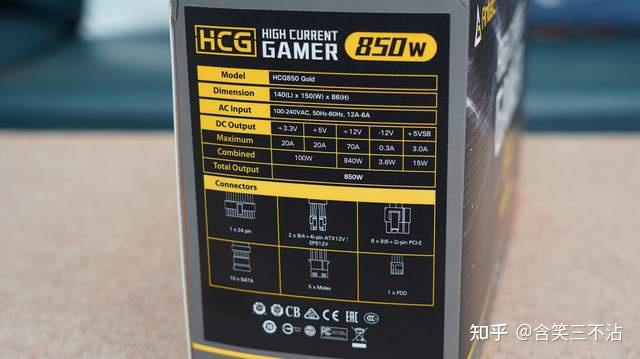
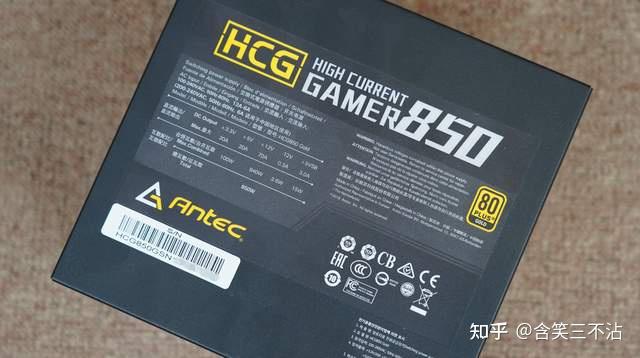
As can be seen from the specification table, the power supply comes with a wide range of standard wires and connectors, and the 12V output can also meet the needs of mainstream platforms.
The power supply adopts a short body design, with a length of only 14cm, and has good compatibility with the chassis. It is equipped with a 12cm FDB hydraulic bearing fan internally, which can take into account noise, performance and longevity.
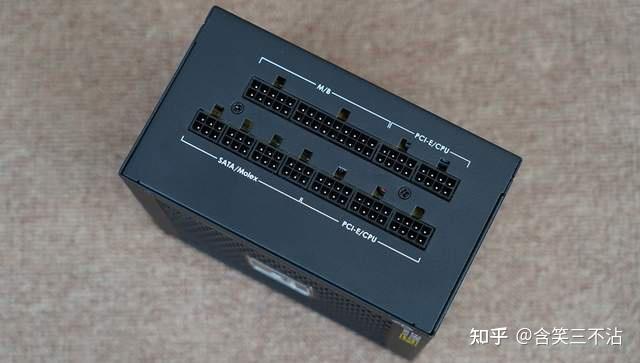
The power supply adopts a full module interface design, and the module interfaces are also relatively rich.
List of nameplates.
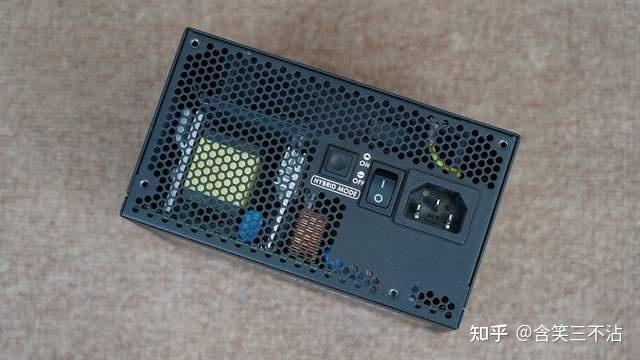
The power supply provides an AC switch and a HYBRID button. After turning on the HYBRID MODE function, the fan can be stopped at low load.
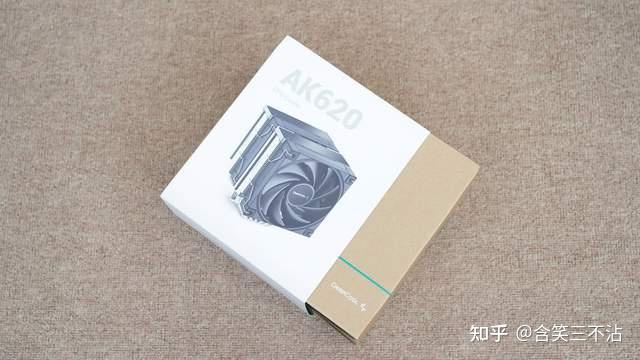
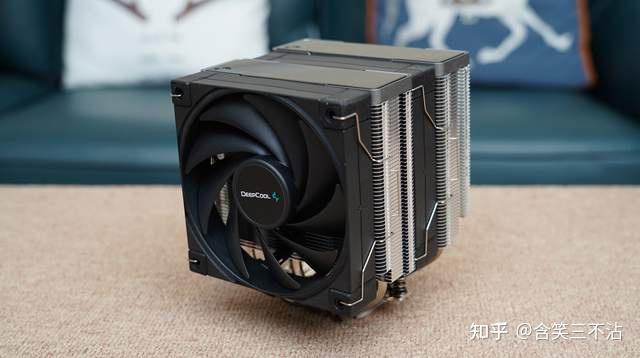
The radiator uses Kyushu Fengshen Ice Cube AK620. The heat dissipation adopts a double-tower structure. The efficiency is very good, but the price is less than 300 yuan, which is very cost-effective.
The outer packaging of the product is simple and plain, full of industrial atmosphere.
The radiator supports all platforms I and A, including the latest 1700 buckle.
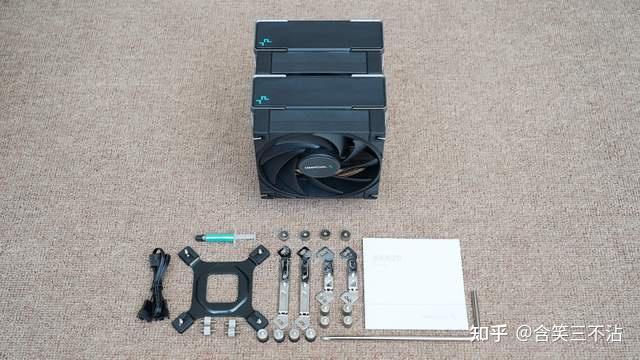
The radiator adopts a twin-tower design and comes standard with 2 black matte fans, giving it a calm and low-key feel.
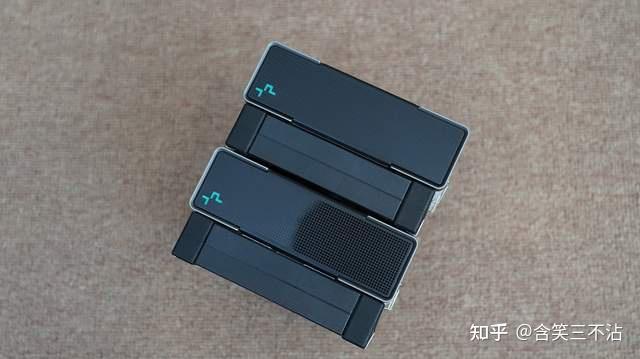
The checkered embossed top cover of the radiator looks very high-quality.
The fin process is used between the heat pipe and the fins of the radiator, and after the fin is passed, the aluminum flake coverage on the heat pipe is high, ensuring the thermal conductivity efficiency.
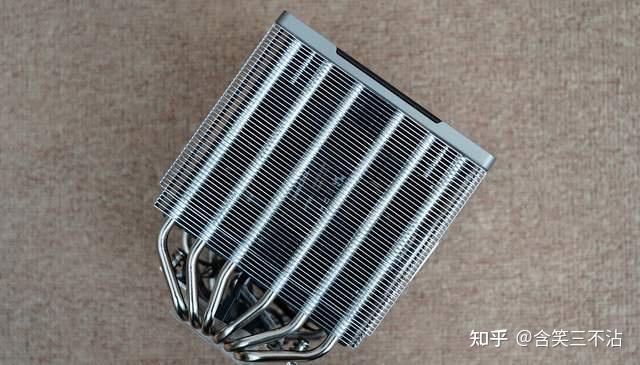
The fin set adopts a matrix design, which not only has a visual impact but also improves performance. In addition, the five sets of fins at the bottom are indented to improve compatibility with memory modules and motherboard heat sinks.
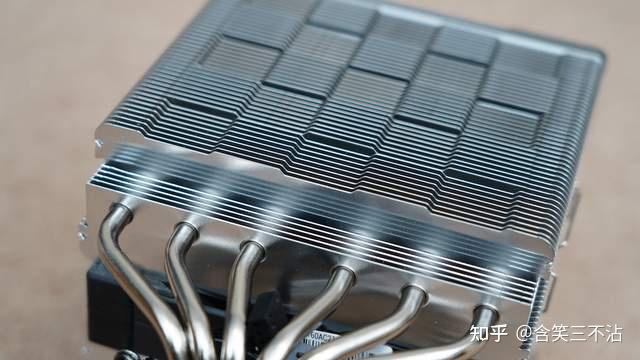
The side fins of the radiator adopt the buckle fin + fold fin process, which not only allows the fins to maintain a distance, but also plays a role in gathering airflow and enhancing efficiency.
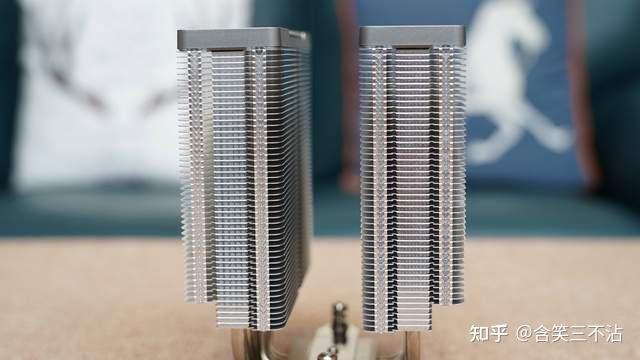
The radiator uses 6 anti-gravity heat pipes to ensure that the performance will not be degraded in any installation position; the heat pipes of the radiator and the base are welded, the welds are full, and there are almost no empty spaces.
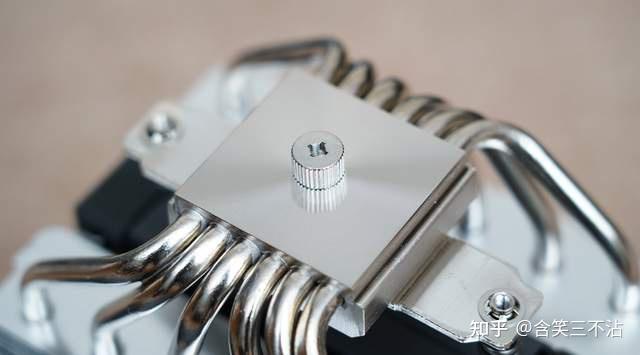
The radiator is designed with a micro-convex carved copper base and is nickel-plated. Judging from the picture, it has a slight mirror effect.
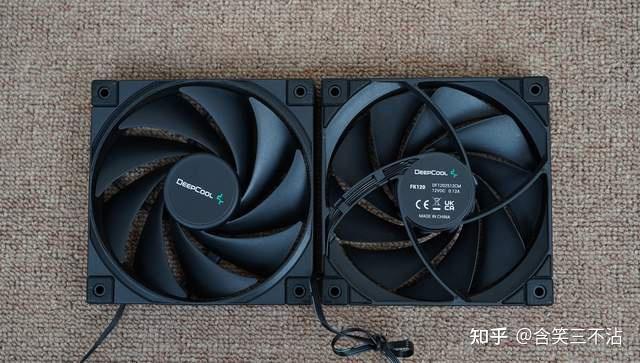
The radiator comes standard with two FK120 fans. The fans use FDB bearings and have the characteristics of low noise and long life. The four corners of the fans are rubber-coated, which has good shock and noise reduction effects.
3. Testing and experience
A glance at the CPU, motherboard, and memory information shows that after XMP is enabled on the memory, the frequency reaches 3200MHz (CL 16-20-20-38).
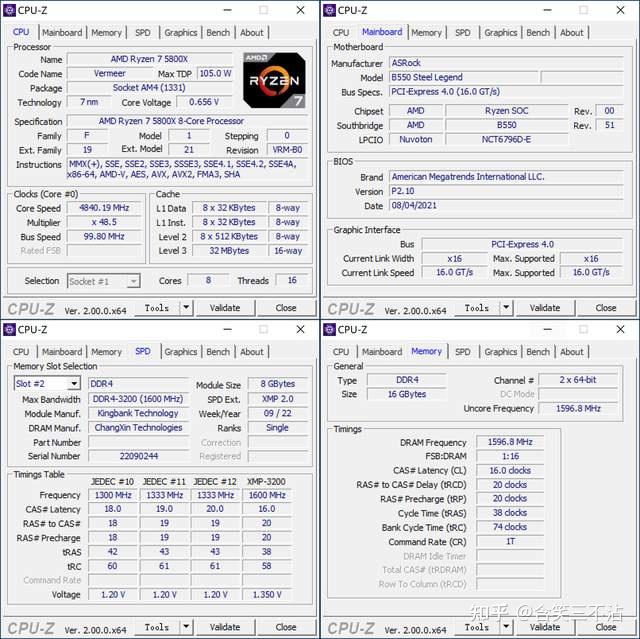
The test uses WIN10 64-bit system, the graphics card driver uses Adrenaline 22.3.2, and the AMD SAM (Resizable BAR) function is turned on.
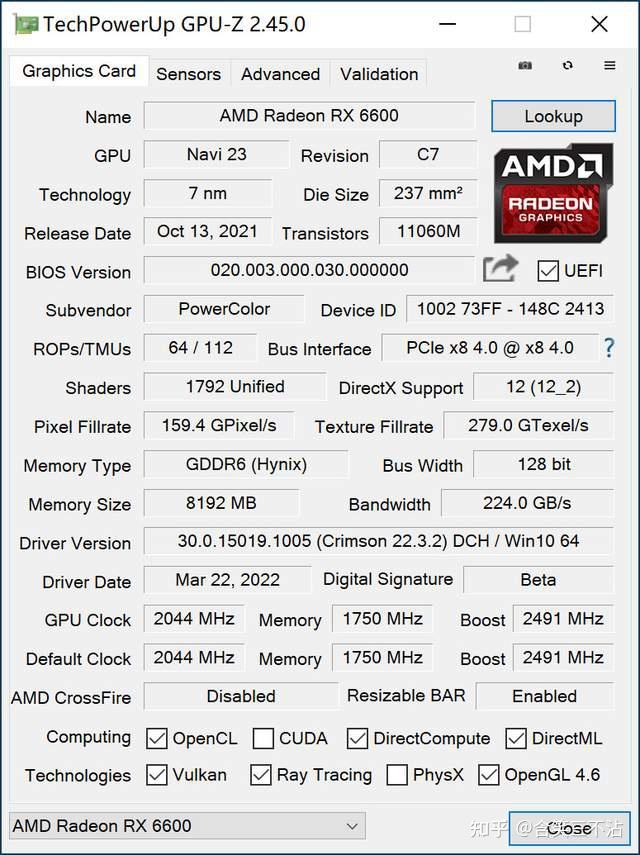
1. Regular project testing
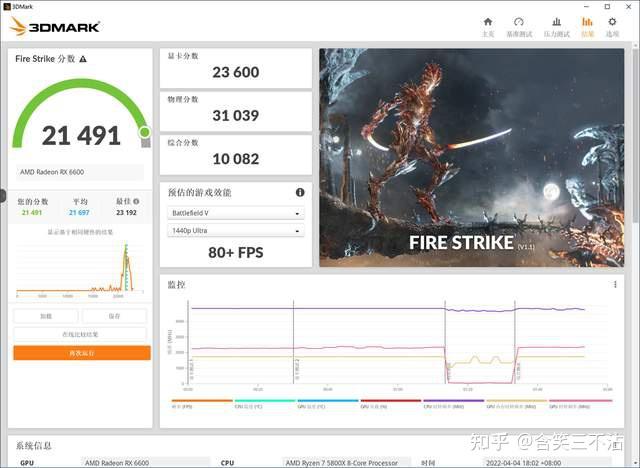
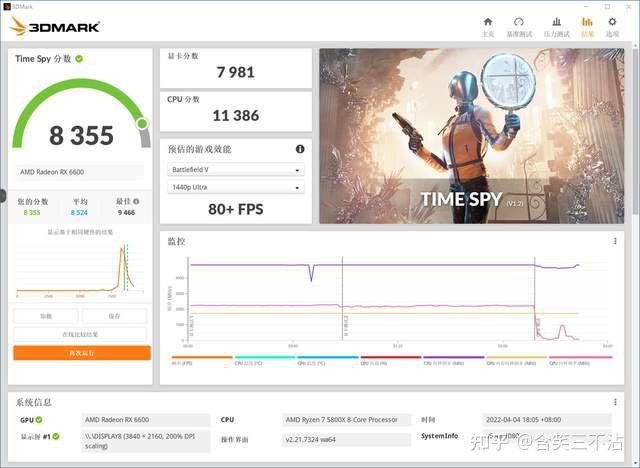
Let’s take a look at the graph theory performance test first.
3Dmark Fire Strike test.
3Dmark Time Spy test.
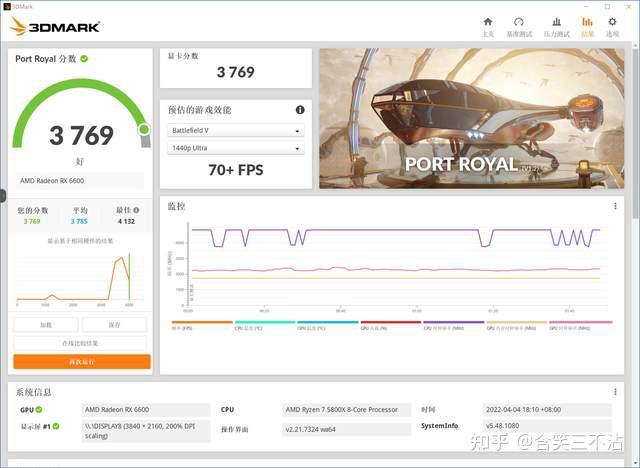
Light tracing performance test: 3Dmark Port Royal test.
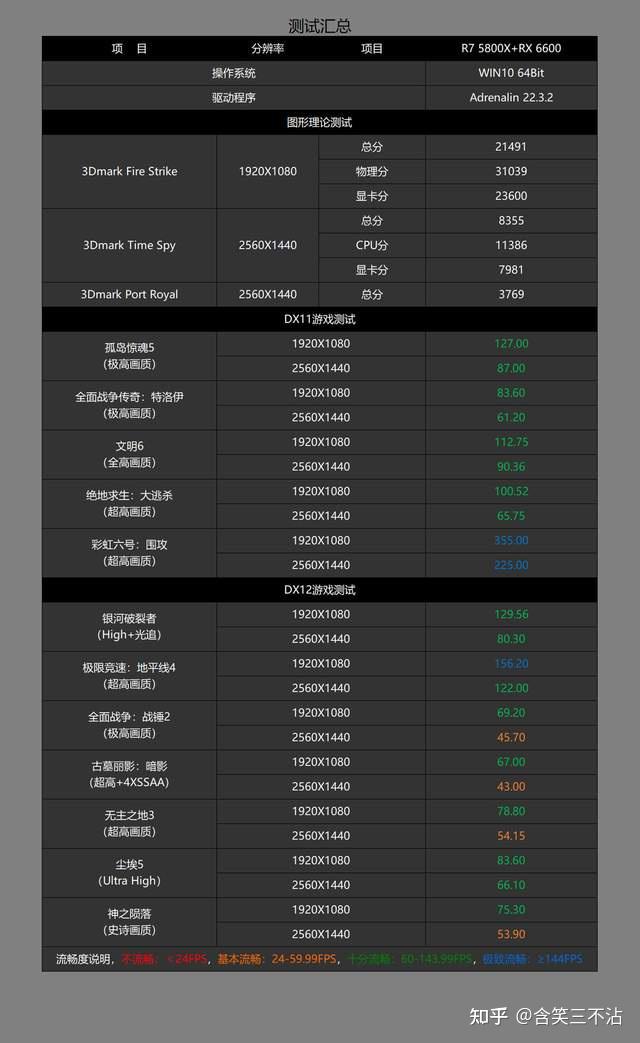
For game testing, just upload it to the summary.
Judging from the test results, the RX 6600 can play various 3A games at 1080P resolution and high special effects. However, at 1440P resolution, it is a bit difficult to play some games. At this time, the special effects need to be appropriately reduced to ensure the frame rate.
2. RSR test
(1) How to enable RSR?
Unlike FSR, which requires game support to be enabled, RSR can be enabled directly in the driver and can be used in all games after being enabled.
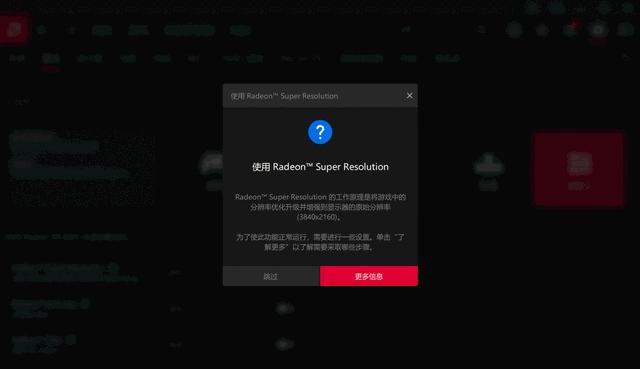
First, download a newer version of the driver (Adrenaline 22.3.1 or above) and install it, then open the driver panel and enable the Radeon Super Resolution option.
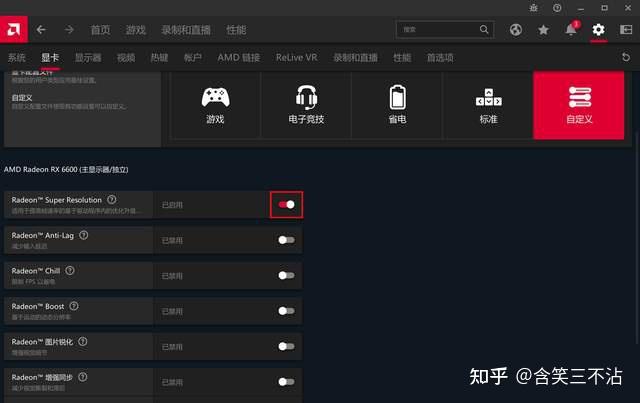
A simple version of the tutorial will appear when it is enabled for the first time. The core idea can be summarized in one sentence. After RSR is turned on, the resolution needs to be lowered in the game, as long as it is lower than the maximum resolution of the monitor.
Let's use "Elden's Ring" to verify it. First enter the game and lower the resolution. The maximum resolution of my monitor is 3840×2160, so it only needs to be lower than this resolution. Here we will try the 3200×1800 resolution first. Other users please adjust downward according to their actual situation.
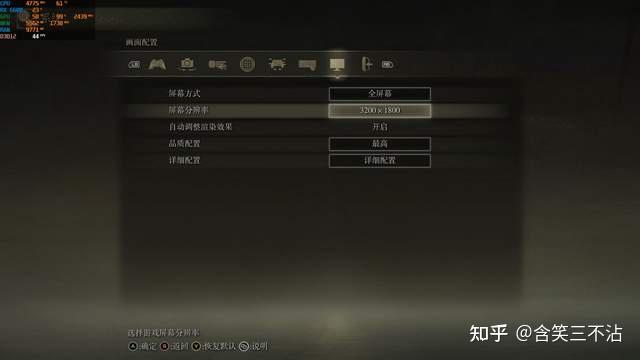
Press the ALT+R keys and see that the upgrade status in the driver panel is active, indicating that the RSR function is successfully enabled.
(2) How big is the performance improvement after turning on RSR?
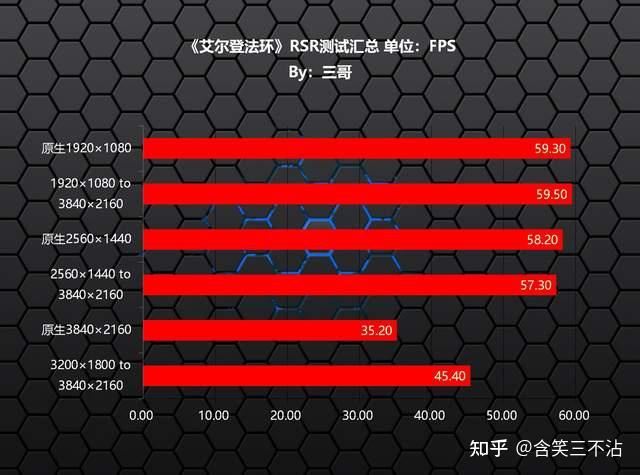
Continuing to use Laotou Ring as an example to test, it can be seen that after turning on RSR, the frame rate improvement is still very obvious, especially when reaching 2560×1440 to 3840×2160, the frame rate of the game has reached 57.3FPS. Considering that the game is locked at 60FPS, we can think that the standard for running the game smoothly has been reached at this time.
(3) What impact does RSR have on game image quality?
In order to answer this question, let’s continue to use the old headband to test.
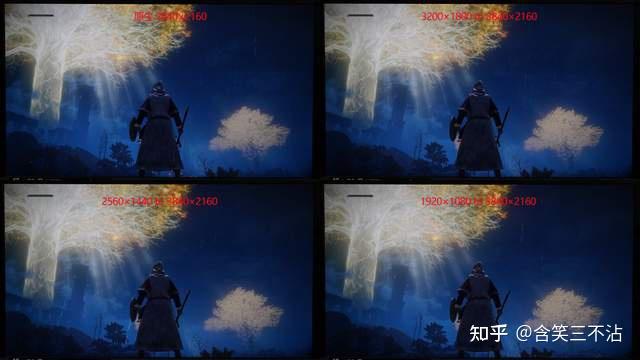
Judging from the high-definition original images in the four modes, there seems to be little difference in image quality between the two levels of 3200×1800 to 3840×2160 and 2560×1440 to 3840×2160 compared to the native 3840×2160 level, but when it comes to 1920×1080 to After setting the 3840×2160 frame, it is still obvious that some details are lost, and the brightness of the picture is slightly reduced. Of course, since the pictures are heavily compressed after they are uploaded, readers should not be able to see such an obvious difference.
In addition, when players are completely immersed in the game, no one seems to notice the slight loss of image quality. For the current party, being able to play the game smoothly is the most important thing.
4. Summary
I have tried FSR before and overclocked the APU to increase the frame rate, but these methods have limitations. Now that RSR technology has emerged, it can be said that it has truly achieved the bonus of equality for all. As long as you have an A-card with decent performance, and then turn on RSR technology, you can enjoy smooth running in all games. This has to be said to be good news to us and other parties.
Of course, this technology currently has some limitations, such as slight loss of image quality. For example, it only supports RX5000, the new graphics card since the RDNA architecture, and does not support graphics cards with older architectures such as Vega. However, having something to play is better than nothing. Now with the bonus of RSR, you only need to buy an entry-level graphics card such as RX5500XT or RX6500XT, and you will be able to play most games. In addition, although turning on RSR will reduce some picture quality, the experience is still many times better than fighting for five years with a core display.
That’s it for the above sharing. I hope it will be helpful for everyone to configure your machine. Thank you for your appreciation!