Editor|Yang Shufang
The recent currency circle is destined to be unstable. On the one hand, the hacking incident occurred again, and on the other hand, the originally loose Japanese and American supervision suddenly tightened.
On the evening of March 7, Binance was hacked, which triggered an overall decline in digital currencies. Subsequently, various speculations and interpretations began to appear. There were many discussions about Binance's rollback technology and doubts about self-imposed theft. Technical theories and conspiracy theories were intertwined, making it difficult to distinguish the true from the false.
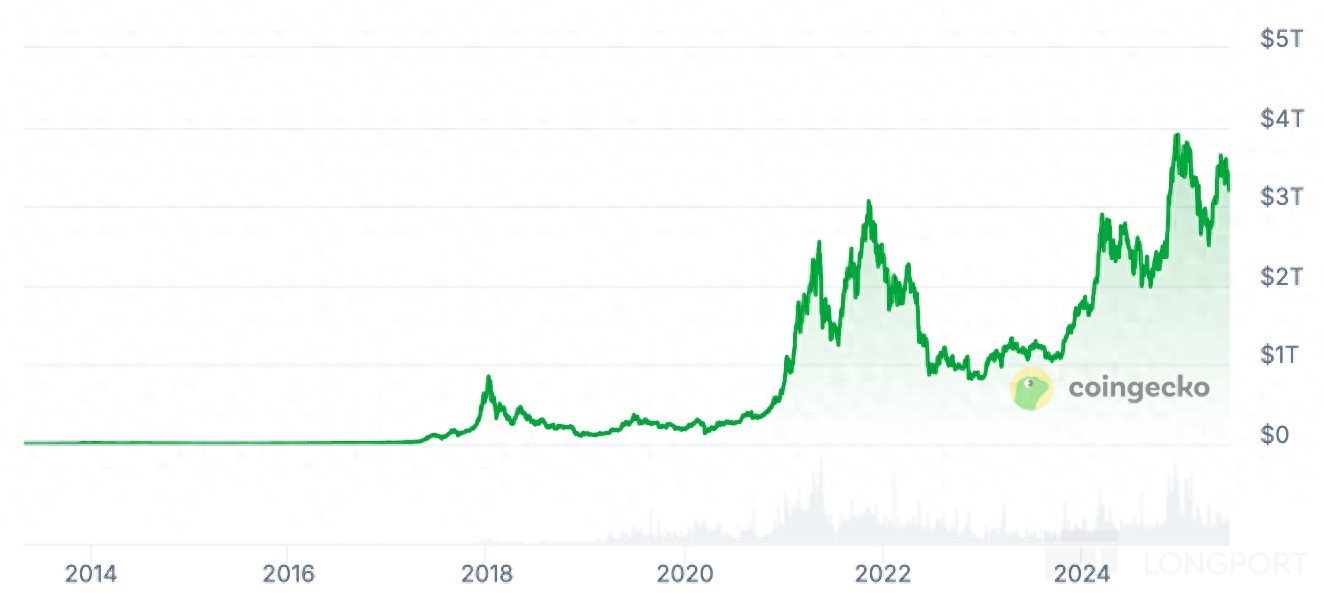
The price of Bitcoin soon fell below $10,000, then fell below $9,000 again, and repeatedly tested around 9,000. As of now, the price of Bitcoin is around US$9,200, which is approximately RMB 58,000.
The bad news doesn't stop there. Starting from March 8, news came from Japan and the United States that they will further strengthen the supervision of virtual digital currencies represented by Bitcoin.
In the history of virtual digital currency transactions, hackers have frequently stolen coins. The devil is as good as the devil, and most hacker and coin theft incidents end with the hacker succeeding. But Binance is different this time.
According to Binance, hackers have been using third-party phishing websites to steal users’ account login information for a long time. The earliest accounts that were phished can be traced back to early January, but most accounts were phished by the unicode Binance domain name around February 22. After obtaining the account, the trading API was automatically created and then lurked until yesterday.
During the two minutes of the hacker's operation, he first used the stolen API Key to programmatically place market price buy orders in the VIA/BTC trading market, and at the same time, 31 accounts that had pre-charged VIA coins sold VIA at a high price. I originally wanted to input BTC into 31 pre-prepared accounts and quickly withdraw BTC, but abnormal transactions triggered risk control, causing withdrawals to be suspended. VIA coins pre-deposited in 31 accounts were frozen, and the hacker's own coins were also detained.
Among them, rollback technology plays a key role. Rollback refers to the act of restoring a program or data to its last correct state due to program or data processing errors.
"Various ways can be used to compensate affected users, but rolling back transactions is unfair to those traders whose profits or losses have fluctuated significantly due to large fluctuations in transactions?" Ding Peng, chairman of the China Quantitative Investment Society, questioned the rollback of transactions in an interview with China Times.
He believes that Binance’s locking of transactions and prohibiting withdrawals shows that its risk control department responded quickly, but rolling back transactions is almost impossible for traditional capital markets. Because the hacker incident was an accident, accidents are also part of the market itself.
"It's like a casino owner can overturn a gambling game at any time and declare a gambling game invalid. Isn't this a very scary thing?" Ding Peng said that the biggest spirit of the blockchain is that data cannot be tampered with. When the platform invalidated the transaction, it tampered with its own transaction data, which obviously violated the spirit of the blockchain.
U.S. and Japan tighten regulations again
The decline in Bitcoin prices caused by hackers' stolen coins is slowly recovering, but the digital currency market is still sluggish amid the negative regulatory news from the United States and Japan.
On March 7, the U.S. Securities and Exchange Commission announced that virtual digital currency trading platforms must register with the agency if their transactions meet the definition of securities. At the same time, entities operating alternative trading systems (ATS) are required to comply with regulatory requirements and register with the SEC as brokers.
The SEC warned, “Many online trading platforms appear to be registered and regulated with the SEC, but no exchange is actually registered with the SEC.”
Regarding the self-made rules and standards of some trading platforms, the SEC stated that these rules and standards have not been approved and supported by the SEC. It also stated that it will assist the new trading platform in complying with federal securities laws.
At the previous joint Senate hearing in February, the SEC chairman stated that he would formulate regulatory rules for virtual digital currency exchanges and investors, and stated that he would more strictly supervise initial digital coin offerings (ICOs).
At the same time, Japan, which has always been loose, has also tightened regulations on exchanges.
On March 8, the Japan Financial Services Agency issued seven fines, all of which were against virtual currency trading platforms. This strict supervision was caused by the recent theft of Coincheck, the largest cryptocurrency exchange in Japan's history, and supervision is systematically cracking down on cryptocurrency exchanges.
Currently, seven exchanges have received "administrative penalty notices". Among them, FSHO was required to suspend all virtual currency trading operations from March 8 to April 7, 2018, and five exchanges, Coincheck, Tech Bureau, GMO Coin, Bicrements and Mr. Exchange, were required to make rectifications.
The reason given by the Japan Financial Services Agency is that some exchanges’ internal audits and business operations have not complied with legal requirements, and the authenticity of operation and management cannot be ensured. Seven exchanges were ordered to adjust their management structures, improve anti-money laundering procedures, and provide feedback before March 22.