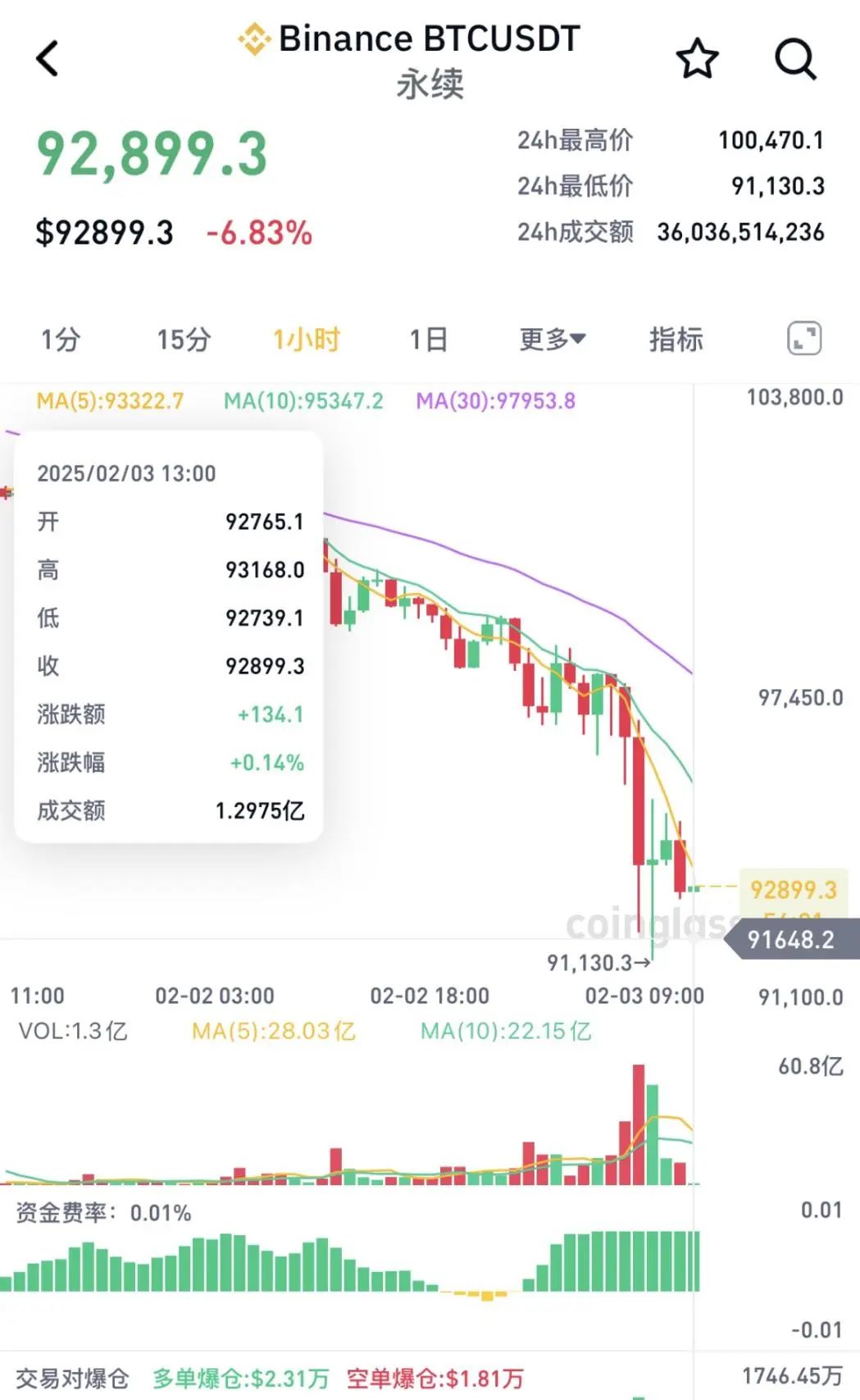
Financial Associated Press, December 25 (Editor Huang Junzhi) Bitcoin has been unable to break through the US$100,000 mark since earlier this month, and even fell below US$93,000 after the Federal Reserve meeting last week. Fed officials expect only two interest rate cuts next year, significantly lower than the previous forecast of four.
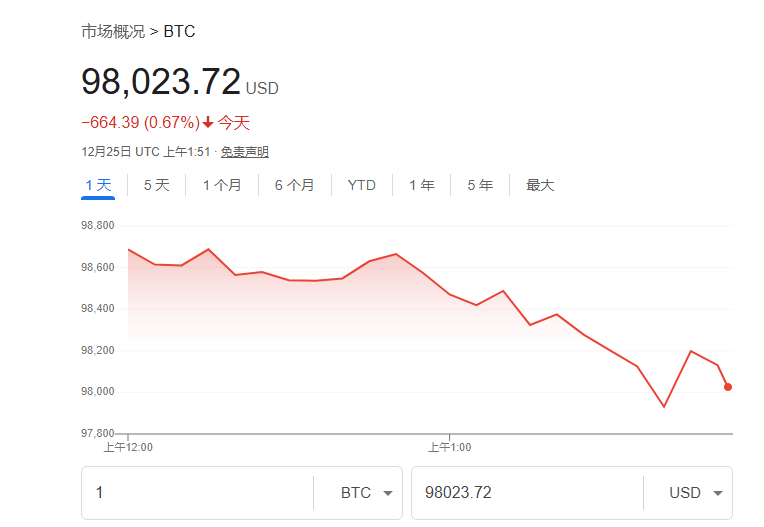
However, history suggests that Bitcoin could hit a new all-time high by around mid-January, according to crypto research firm K33. Currently, Bitcoin prices have rebounded and are hovering near $98,000.
Vetle Lunde, director of research at K33, said that based on data from the last three cycles, the average duration for Bitcoin from the first all-time high to the last all-time high in each cycle is 318 days.
In the current cycle, Bitcoin hit an all-time high on March 5, and if the average duration of previous cycles is anything to go by, investors may see the cryptocurrency reach a new, final peak for this cycle on January 17, 2025.
In other words, if Bitcoin prices do reach a cycle peak in mid-January, this date will be close to Donald Trump’s U.S. presidential inauguration on January 20.
"Trump's election was the catalyst behind the strong rebound in the fourth quarter, and Trump's inauguration would be the natural end to that momentum given that the political process is likely to take time to materialize," Lunde wrote in the latest report.
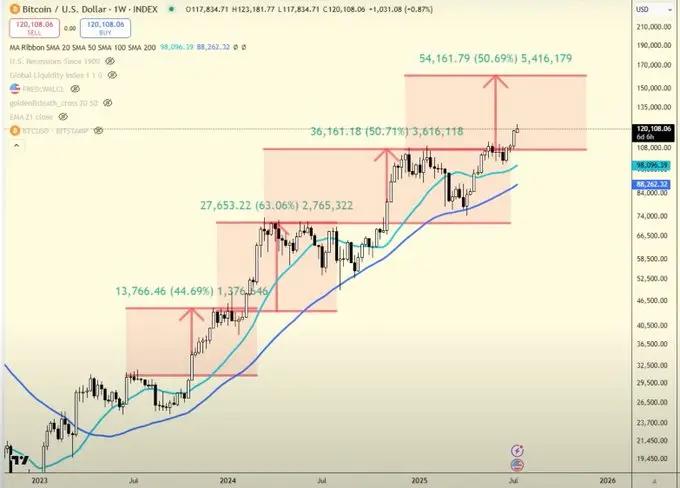
He further added that based on previous cycle peak price estimates, Bitcoin may peak at $146,000 in this cycle. If the previous market value is used as a reference, Bitcoin may even reach a top of $212,500 during this cycle.
Crypto analysts typically divide Bitcoin’s price performance into four-year cycles, with each cycle going through four phases, including breakout, hype, correction, and accumulation. These cycles are primarily based on the Bitcoin halving schedule, a mechanism to control the supply of the cryptocurrency where the rewards for Bitcoin mining are cut in half. Halvings occur approximately every four years, with the most recent one occurring in April of this year.
To be sure, Bitcoin’s history as an asset is relatively short, as it was only launched in 2009. With such a small sample size, its historical price data may not be meaningful enough, and past performance is not always indicative of future performance.
As Lunde said, in fact, as the impact of halving weakens, Bitcoin’s cyclical impact becomes less obvious.