At the Board of Peace meeting held in Washington last Thursday, U.S. President Trump announced the advancement of post-war planning for Gaza and claimed that phased progress had been made.
During the meeting, he successfully obtained a commitment of approximately US$7 billion in Gaza reconstruction funds, and five other countries made it clear that they would send troops to form an international stabilization force to replace the Israeli army in the Gaza Strip.
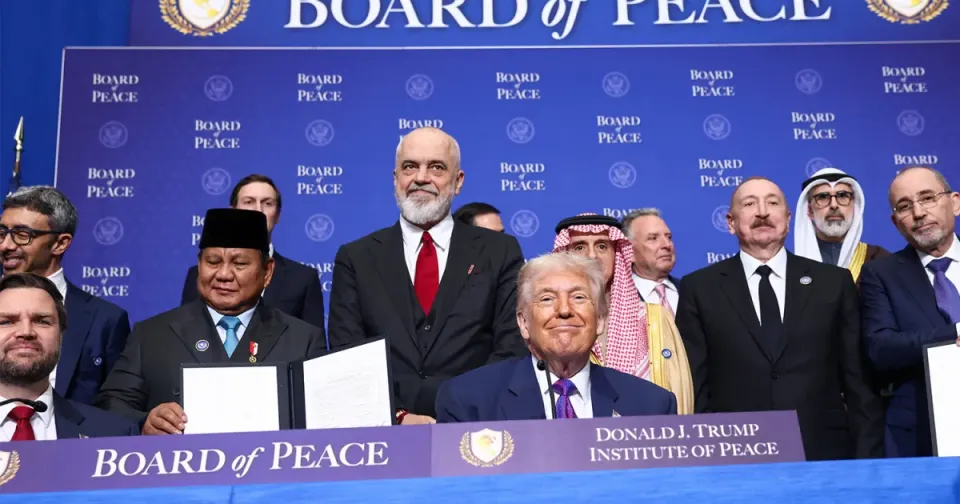
Trump said in his speech at the conference: "When it comes to Israel, we have done the most amazing thing, and now there is peace in the Middle East."
As the international community pays attention to this "historic breakthrough," Yahoo News quoted multiple internal documents obtained by the Times of Israel on Tuesday (February 24) as showing that Hamas has not really given up its actual control over Gaza. Instead, it is building a "shadow governance system" to transfer power in name while firmly controlling the situation on the ground.
1. Hamas still controls most areas
According to the Gaza ceasefire agreement, Hamas needs to transfer the daily governance of Gaza to the National Council for the Administration of Gaza (NCAG).
The 15-member technocratic team, led by Ali Shaat, a former senior Palestinian official, is responsible for the transitional governance of Gaza under the supervision of Peace Council Director-General Nikolay Mladenov.
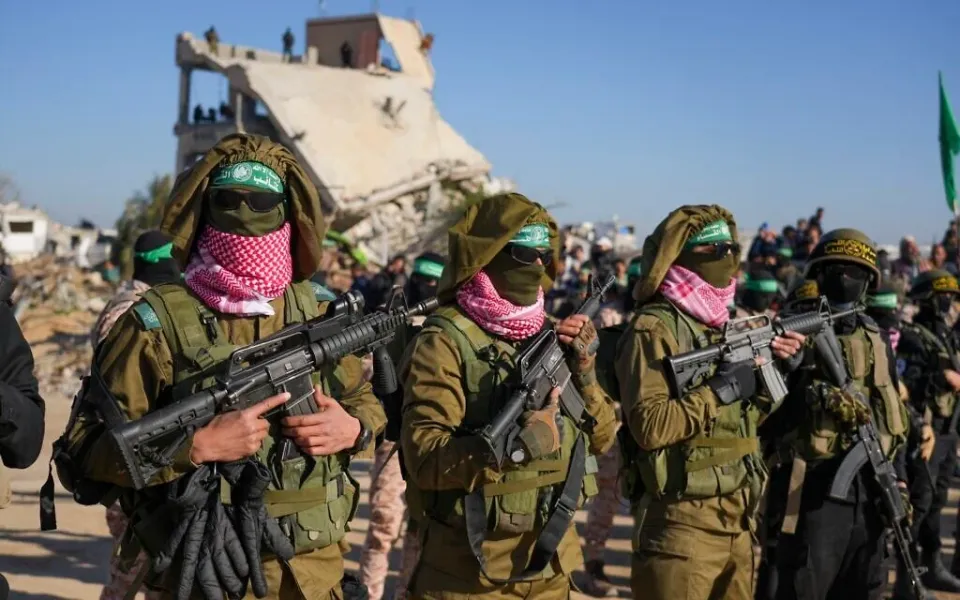
In order to appease the mediating countries, Hamas has shown a fully cooperative attitude.
Hamas spokesman Hazem Qasim told AFP last week that all agreements and documents for the transfer of power have been prepared, and a special oversight committee has been put in place to ensure the complete transfer of governance rights in all areas of Gaza to a team of technocrats.
The Times of Israel also confirmed that Hamas is indeed sorting out files of various departments in preparation for the transfer of power.
But as of Monday (February 23), NCAG can only operate remotely from Cairo, Egypt, and has not yet determined a specific timetable for entering Gaza.
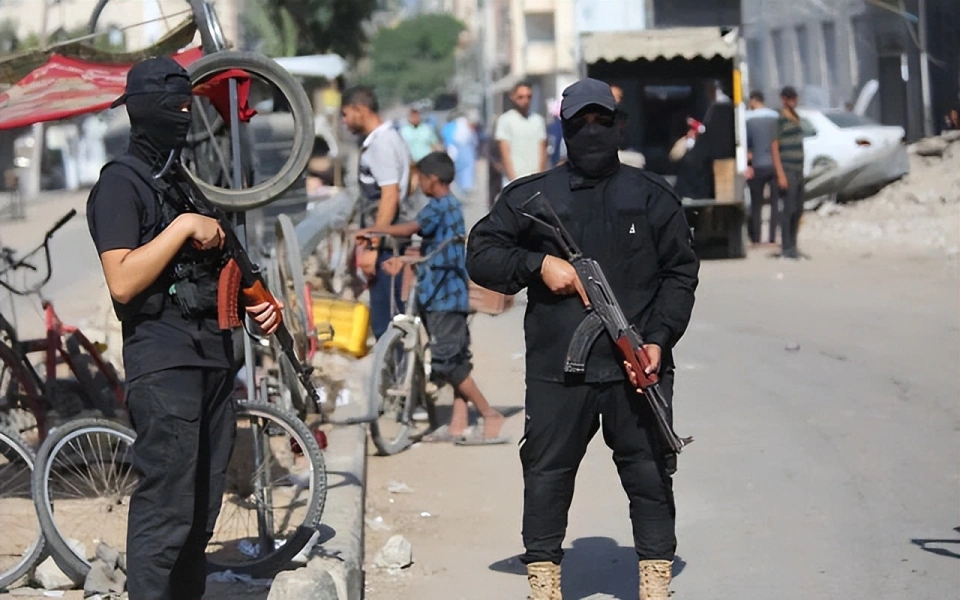
According to data from the Israel Defense Forces (IDF), although the Israeli army controls more than half of Gaza's territory, almost all of its 2 million residents live in areas actually controlled by Hamas.
2. Hamas’ secret power penetration network
Documents obtained by Yahoo News show that after the actual head of Hamas’s military department, Mohammed Sinwar, was killed in an Israeli air strike in May last year, Izzi al-Din Haddad, who took over as the leader of Hamas, issued a secret order to his subordinates: “All documents handed over must be copied in advance and kept for records.”
Outside analysts believe that this operation allows Hamas to fully grasp the information of all employees. If necessary, it can pressure or threaten these personnel at any time, thereby indirectly controlling local operations.
The Israel Defense Forces had previously issued an early warning to Prime Minister Benjamin Netanyahu, saying that Hamas was using a "bottom-up" approach to insert its supporters into various departments, security agencies and local administrative units to maintain its influence in Gaza.
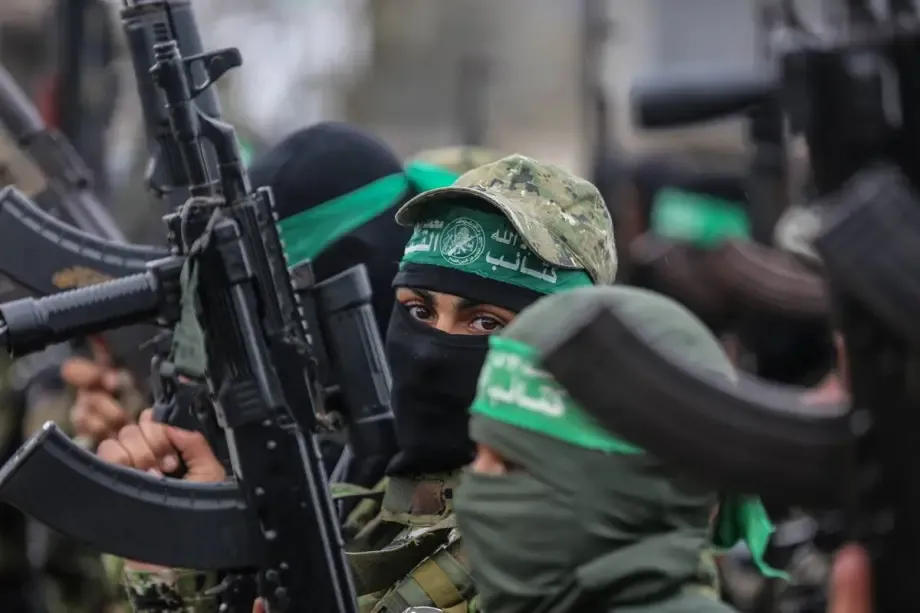
According to Reuters, two Palestinian sources with direct knowledge of Hamas's operations have learned that Hamas has transferred commanders of its military branch, the Qassam Brigade, to civilian posts in batches to prepare for the National Council for the Governance of Gaza, which is about to fully take over governance.
Haddad's written order also pointed out that the commander of the Qassan Brigade was clearly required to transfer to a civilian position to prepare for the new department.
The document also revealed that Hamas has appointed five regional administrators, all of whom are closely related to the Qassam Brigade; it has also replaced senior officials in the Gaza Ministry of Economy and the Ministry of Interior. These two departments are in charge of taxation and security affairs in Gaza respectively and are the core of governance.
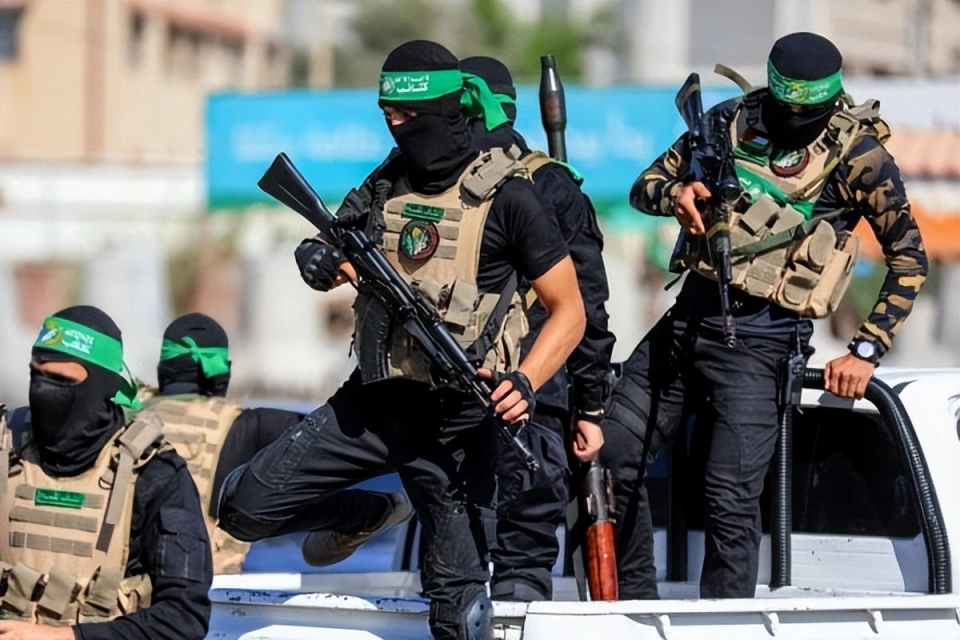
An order from the brigade commander seen by Yahoo News also showed that Hamas's internal intelligence system is also intact. Hamas has asked its subordinates to strengthen monitoring of key places such as hospitals and report suspicious situations to local commanders immediately.
One source said: "Shaat may have the keys to the car and even be able to drive it, but the car itself still belongs to Hamas."

