In July 2025, when the United States Agency for International Development (USAID), which had a history of more than 60 years, was officially absorbed by the State Department, the establishment in Washington lamented that this was the death of American soft power. Just a few months later, in a vacuum where experts estimated that 750,000 people might die due to aid interruptions, a plan called the "America First Global Health Strategy" emerged.
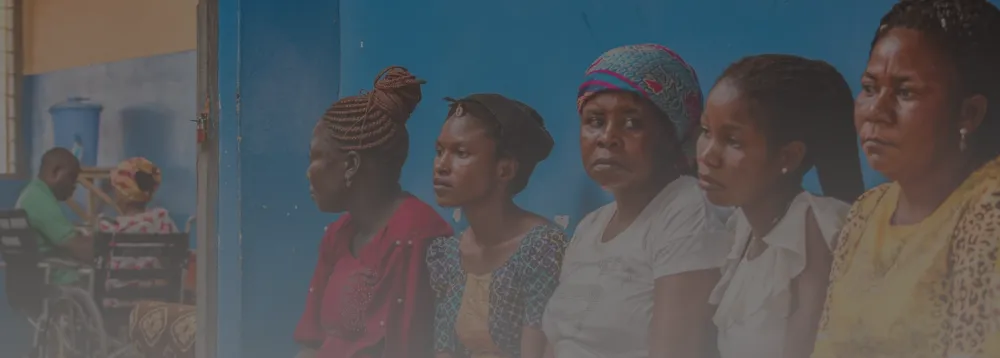
According to a report by "Responsible Statecraft" on February 10, the Trump administration did not completely abandon foreign aid as expected by the outside world, but "restarted" it in a more naked and transactional way. The new $11 billion plan is more of a carefully crafted geopolitical investment than a humanitarian relief effort.
After dismantling an agency designed to "help people," Trump is building a new system designed to provide a "return on investment."
Bypassing NGOs: When aid turns into commercial contracts
The biggest change in the new strategy is the redirection of capital flows.
In the past, USAID's huge funds flowed mainly to recipient countries through international non-governmental organizations (NGOs), which was criticized by traditional conservatives as inefficient and fostering dependence. Max Primorac, a senior fellow at the Heritage Foundation and author of the foreign aid component of Project 2025, puts it bluntly: “The benefits of cutting off these international NGOs are staggering. It’s cheaper and it promotes self-reliance.”
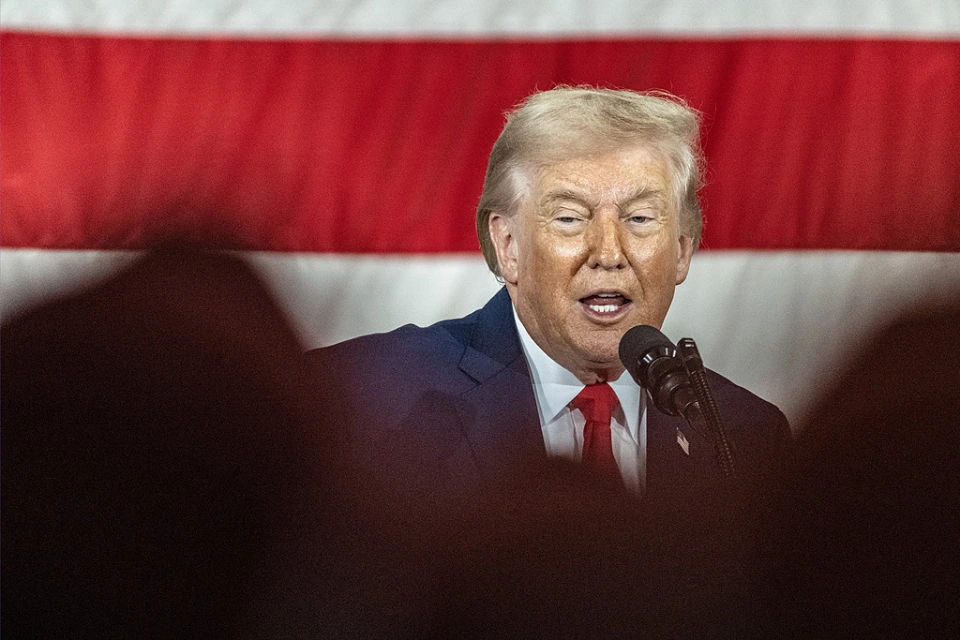
The current model is that Washington sends money directly to foreign governments, local medical institutions or drug manufacturers. But this “disintermediation” does not come without costs. George Ingram of the Brookings Institution warned that many developing country governments simply do not have the capacity to undertake such large-scale rapid financing in a short period of time.
More importantly, this cuts off the most delicate connections between Western society and local marginalized groups. Matthew Kavanagh, director of the Center for Global Health Policy and Politics at Georgetown University, pointed out that NGOs can often reach vulnerable populations that governments cannot or are unwilling to reach. Today's U.S. aid is becoming more and more like a cold inter-governmental transfer.
'Naked deal': Vaccines for minerals
If in the old aid system, U.S. interests were wrapped in the sugar-coating of "universal values," then in the new strategy, the sugar-coating has been peeled off, revealing the hard-core deals inside.
The report revealed an intriguing detail: the health agreement signed by the United States and Zambia is directly linked to the United States’ negotiations to obtain mining opportunities in the country; while in Rwanda, discussions on health assistance are carried out simultaneously with access to key minerals.
"It's outright exploitation," Kavanagh said. This aid is no longer about building a broad global health safety net, but has become a bargaining chip in bilateral deals: I give you vaccines and funding, you give me minerals and markets.
Although this "commercial" aid model is welcomed by the U.S. business community, the risk is that it will push the recipient country to the brink of collapse. The new strategy requires the signing of memorandums of understanding (MOUs) for 2 to 5 years and mandates that recipient countries provide increasing matching funds (Co-financing). For many African countries, which are already financially fragile, this could be a poison.
Conclusion: The ambition to reshape order
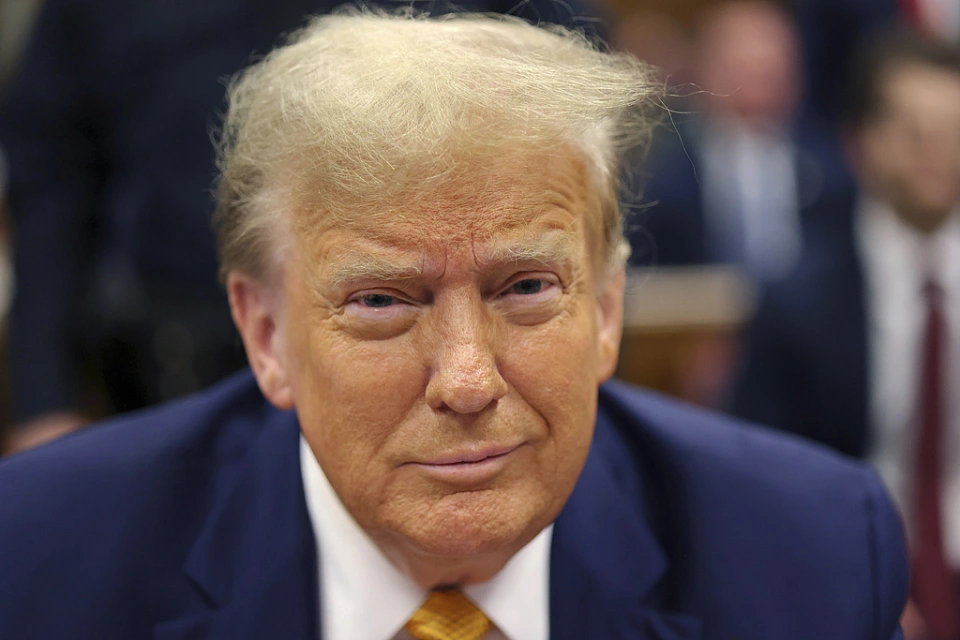
Currently, Secretary of State Marco Rubio has signed 15 agreements with African countries, pledging to provide US$11.1 billion over five years in exchange for US$12.2 billion in matching funding commitments from recipient countries.
It's not just about money. Kavanagh believes that the Trump administration’s intention is to “cause major disruption to the geopolitical order.” Through such bilateral deals, the United States is selecting and fostering a government coalition that fits its “conservative worldview” and using it as a tool to reward or punish.
However, this strategy, based on executive orders rather than legislation, is extremely fragile. Just like the disappearance of USAID, this new strategy may be wiped out at any time due to the change of owner of the White House. But before that happens, the world is adapting to a new reality: America’s goodwill is no longer free, and every dollar of aid has a geopolitical price tag.
Leah Schroeder is a special correspondent for "Responsible Statecraft" in Washington. She has long been concerned about U.S. foreign aid policy and administrative agency reform.