The Greek National Transparency Agency, an independent anti-corruption agency in Greece, announced its audit results on February 17, saying that between 2020 and 2022, there were illegal payments in the Greek social welfare system, with a total amount of 1.86 million euros. It has recommended that relevant departments recover the money as soon as possible and transfer the investigation materials to judicial authorities to evaluate whether to pursue criminal liability.
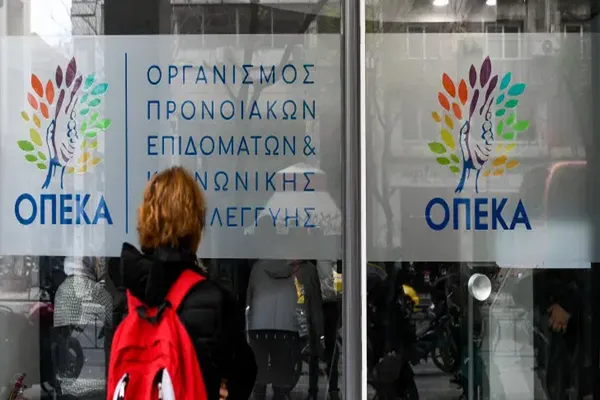
The audit was carried out against the Organization for Social Welfare and Social Solidarity Benefits (OPEKA), the agency responsible for approving and disbursing social benefits. The agency provides a variety of subsidies to hundreds of thousands of people, including housing assistance, funeral subsidies and cash grants to some elderly Greek Albanians who lack social security. The audit showed that some subsidy applications had serious irregularities in the approval process, including failure to submit applications in accordance with prescribed procedures, being approved even though the materials were incomplete or incompatible with the conditions, and subsidies being issued earlier than specified, resulting in artificial extension of the receipt period.
According to the results of the sampling inspection, problems were found in multiple approval processes. Some of the approval decisions involved illegal payments of hundreds of thousands of euros; several other applications were still released due to inconsistencies between birth dates and social security registration numbers. After overall accounting, the cumulative amount of illegal payments reached 1.86 million euros.
Previously, an internal emergency investigation by the Social Welfare and Social Solidarity Grants Organization had linked issues to two former senior Greek officials. The investigation revealed that some supervisors had kept application files in personal hands and attempted to approve them in violation of regulations, and even after being transferred from their posts, they continued to push for approvals. At the same time, the audit also found that some non-applicants had bypassed formal procedures and submitted application materials directly to the central service department, indicating obvious loopholes in internal control.
Greece’s anti-corruption agency has recommended initiating disciplinary proceedings against those involved and strengthening the qualification review mechanism to prevent similar problems from happening again. Reports have been submitted to the Athens Appeals Prosecution Service to determine whether criminal liability exists.
The incident comes at a time when Greece's supervision of public funds is under tremendous pressure. Previously, the Greek Organization for the Payment and Supervision of Agricultural Subsidy (OPEKEPE), the national agency responsible for the distribution of EU agricultural subsidies, was exposed to a scandal of illegal payments, which caused widespread doubts about the transparency and auditing mechanism of the public subsidy system.