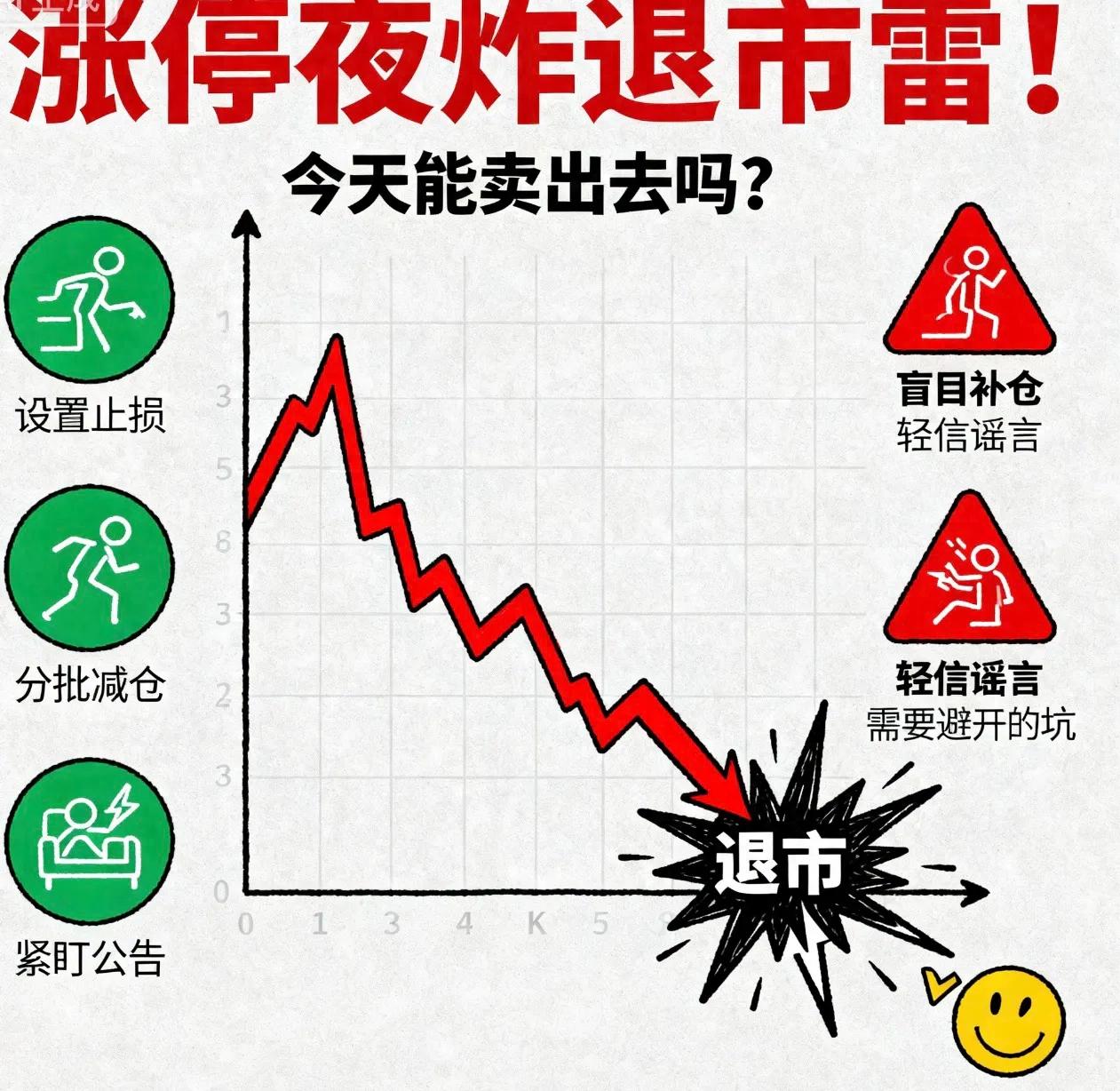
During the day, I just watched the stock hit the daily limit and my account was booming. I was not happy enough. In the evening, I received the announcement of delisting. This kind of thing that makes shareholders scalp numb has happened again in A-shares recently. This was what happened to *ST Su Wu a while ago. Five consecutive daily price limits brought the stock price back from the edge of delisting. The 12,000 shareholders thought that there was a major force to protect the market and the shell was stable. However, a delisting announcement late at night directly dragged people from heaven to hell. All they could think about was "Can they still come out today?"
In fact, this is not an isolated case. In the past two years, there have been more and more dramas of "raising the limit to induce bullishness + delisting and causing thunder". Regulators are increasingly cracking down on financial fraud and information disclosure violations. The number of related cases investigated in 2024 will be 17% more than the previous year. Many companies seem to have booming stock prices, but in fact they have already stepped on the red line of delisting for major violations. The price limit is just the last "harvest trap" before delisting.
Now comes the most critical question: after receiving the delisting announcement, can I sell it today? The answer is: Yes, but it is extremely difficult and you have to find the right method. It's not like placing a sell order to close a deal. There are clear rules and techniques. If you make a mistake, you may miss your last chance to escape.
First, you must understand the trading rules after delisting. This is the basis for whether you can sell it. After the stock is terminated from listing, it will not disappear directly. It will first enter the "delisting consolidation period", which is the last trading window given by the exchange. The main board generally has 11 trading days, and the ChiNext and Beijing Stock Exchange have 15 trading days. The Science and Technology Innovation Board is special and is directly delisted without a consolidation period.
The trading rules during the consolidation period are very important: there is no price limit on the first trading day. After that, the main board will rise or fall by 10% every day, and the GEM and Beijing Stock Exchange will rise or fall by 20%; and only limit orders can be used, not market orders. More importantly, there is a threshold for buying – you must have 2 years of trading experience + an average daily account asset of more than 500,000. Ordinary retail investors can only sell but not buy. This means that during the consolidation period, there are all people who want to sell, but there are very few people who buy. It is easy to have a situation of "some selling but no buying". Just like the previous delisting of Zhuolang, the stock plummeted 75% on the first day of the consolidation period. Many people placed the lower limit price but failed to complete the transaction.
There is another time point to note: you cannot trade on the day you receive the announcement. Generally, trading will be suspended for a few days before entering the consolidation period. For example, *ST Su Wu suspended trading on November 26, and only started to sort out trading on December 9. In the intervening ten days, we could only watch and be unable to operate. Therefore, the first step to do is to quickly check the company announcement to confirm the start time of the delisting consolidation period and the remaining trading days, so that you have an idea.
Next is the core: 3 practical skills to improve the success rate of selling.
The first technique is to place the lower limit price in advance and seize the order of placing orders. The trading of delisted stocks follows the principle of "price priority, time priority". If everyone wants to sell, the one with the lower limit must be the first to be traded, and the earlier the order is placed, the higher it will be ranked. It is recommended to place the order after 22:00 on the previous trading day. For example, the closing price of the previous day is 1 yuan, and the main board limit price is 0.9 yuan. Place the order directly at this price. Because brokers will uniformly report pending orders to the exchange late at night, orders placed in advance can be ranked first. As long as there are a small number of buy orders the next day, they can be completed first. Remember, if the order is not executed on the same day, it will automatically become invalid and you will have to place it again the next day.
The second skill is to keep an eye on changes in turnover rate and seize the only selling window. For delisted stocks that have been continuously falling to the limit, funds will occasionally enter the market to buy the bottom and open the lower limit. This is the most precious selling opportunity. How to judge? Look at the turnover rate and trading volume. If the turnover rate suddenly rises from less than 0.1% to more than 1%, and the trading volume is several times larger than the previous few days, it means that the lower limit has been opened. Hurry up and place an order to sell. Don't worry about the price. If you can sell, you will make a profit. Even if it is a little lower than expected, it is better than continuing to fall below the limit and not being able to sell.
The third tip is to place orders in batches and don’t put all your eggs in one basket. If you have a large number of positions, don’t put them all out at once, but divide them into 3-4 batches. For example, 30% of the position is placed first, and the rest is placed in batches on subsequent trading days. In this way, even if the limit is opened one day, part of the loss can be stopped first, and the rest will not be lost even if the limit continues to fall. Moreover, placing orders in batches can avoid placing too many orders at once, which will lower the price and make it more difficult to complete the transaction.
In addition to skills, there are two pitfalls that must not be stepped on. If you step on them, you may be completely trapped.
The first pitfall: wait for a rebound before selling. Many people think that the stock price will rebound after it has fallen so much, and they want to wait for the rebound before selling it at a better price. However, the probability of rebound of delisted stocks is extremely low, and even if it does, it will be short-lived, and it will continue to fall to the limit after rebounding, but will miss the best selling opportunity. Remember, during the delisting period, "being able to sell" is more important than "selling at a good price", so don't be greedy.
The second pitfall: buy at the bottom. Some retail investors saw the stock price drop by 90% and felt that they were "spending a small amount of money to gain a chance" and wanted to buy the bottom during the consolidation period and bet on the company's re-listing. This is simply an act of giving away money. The probability of relisting is lower than winning the lottery, especially on the GEM. After delisting, you cannot return to the GEM. The relisting conditions for other sectors are also extremely strict. Moreover, the buying threshold is high during the consolidation period. Even if the conditions are met, there is a high probability that the order will be taken over and eventually be trapped on the third board.
If it still doesn’t sell according to the above method, what should I do after the consolidation period ends? The stock will be transferred to the "Old Third Board", the code will start with 400, and it can only be traded 1-5 times a week. The liquidity is worse than during the consolidation period. It may not be sold for several months, and the price will drop even lower, for example, from 0.8 yuan during the consolidation period to 0.1 yuan. If the company ends up in bankruptcy and liquidation, the shareholders will be last in the order of repayment and will most likely not get a penny back.
There is another thing you can learn about rights protection: if the company is delisted due to financial fraud or information disclosure violations, and you bought it during the fraud period and did not sell it before the delisting announcement, you can file a claim. But the rights protection process is not easy. Even if you win the lawsuit, it depends on the company's solvency. If the company is already insolvent and the shareholders' shares are pledged and frozen, you may not get any money even if you win the lawsuit.
The last thing I want to remind you is that this kind of trap of "explosion after the daily limit" actually has early signs. For example, if a company has been superimposed on the "Delisting Risk Warning for Major Illegal Violations", or has received advance notification of administrative penalties from the China Securities Regulatory Commission, but is still trading at the daily limit, then you should be vigilant. There is a high probability that the main force is trying to lure bulls. When trading in stocks, don’t just look at the rise and fall of stock prices, but also look at company announcements and regulatory developments. Try not to touch those stocks with stars and hats that have suffered losses all year round and are frequently investigated. The risks far outweigh the benefits.
To sum up, after receiving the delisting announcement, whether you can sell it depends on whether you understand the rules and use the right techniques. Place orders in advance, keep an eye on changes, and sell in batches. These three techniques can improve the success rate. Don't wait for a rebound and don't buy the bottom. These two pitfalls must be avoided. The delisting consolidation period is the last escape channel. You must seize the opportunity and don't take chances.
Have you ever encountered delisted stocks? If you have delisted stocks in your hand, would you choose to place an order to sell immediately, or bet on a rebound during the consolidation period? Welcome to share your opinions and experiences in the comment area, let’s communicate and avoid pitfalls together.