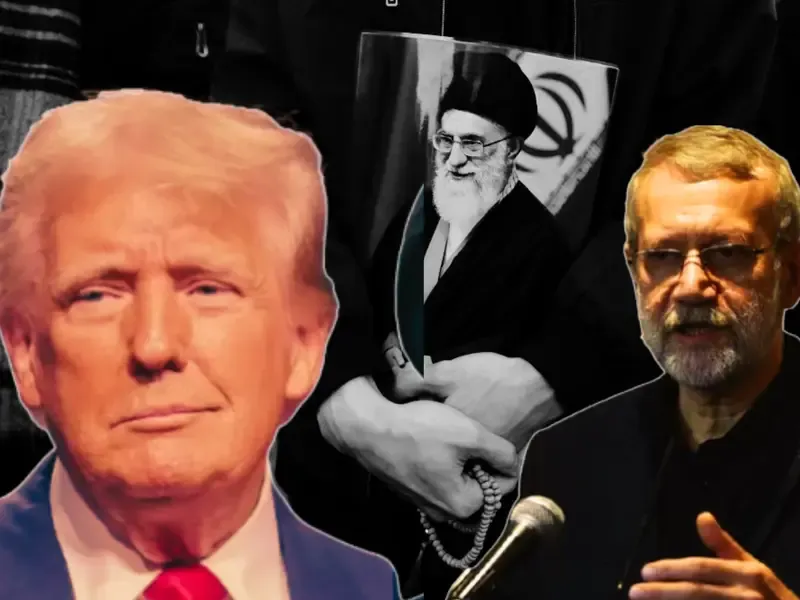
As the military conflict between the US-Israeli coalition and Iran escalates sharply, Ali Larijani, secretary-general of Iran's Supreme National Security Council, categorically refuted rumors that Tehran is trying to restart negotiations with Washington and slammed US President Trump's current Middle East policy. Although the Iranian Foreign Minister had earlier publicly stated that he was open to diplomatic mediation, after the US-Israeli coalition successfully killed Supreme Leader Ayatollah Ali Khamenei in a deadly air strike, the war in the entire Middle East continued to spread ruthlessly and out of control.
Currently, the three-party bloody conflict between Iran, the United States and Israel has reached fever pitch. At this tense juncture, Ali Larijani, Secretary-General of Iran’s Supreme National Security Council, issued an extremely tough statement on March 2, clearly closing the door to any form of diplomatic negotiations with the United States.
Previously, authoritative financial media quoted sources as saying that Larijani was trying to secretly convey the strategic initiative to restart bilateral contacts to Washington through the Middle East country Oman as an intermediary. While categorically refuting the report, Larijani launched an extremely harsh political rebuke against US President Donald Trump. He bluntly pointed out that it was Trump's "dangerous delusional fantasies" that pushed the entire Middle East into an abyss of eternal chaos.
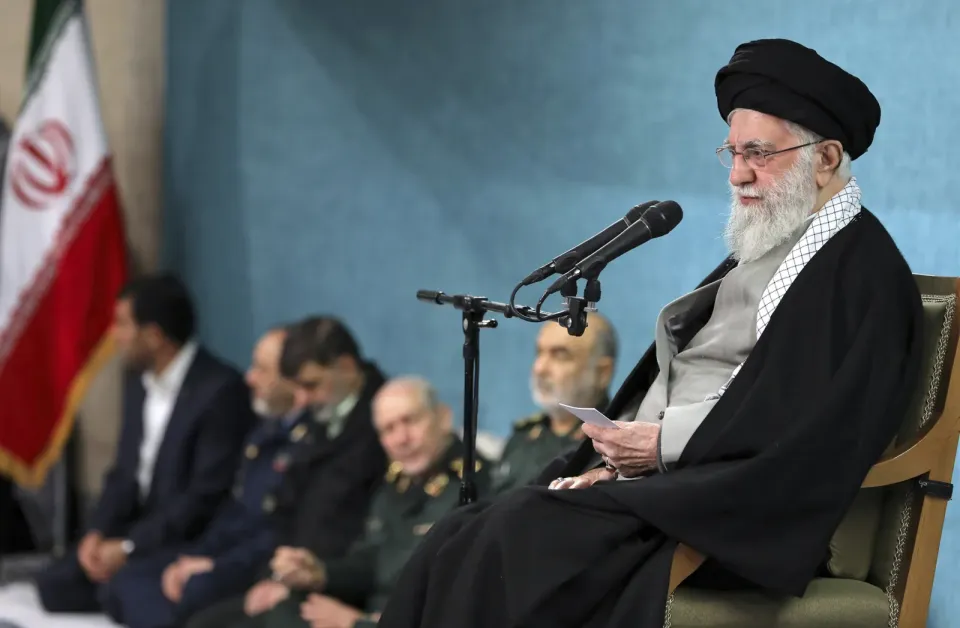
Larijani even pointedly criticized that the US president has already completely twisted his iconic "America First" political slogan into a bottomless "Israel First". Its essence is just to satisfy "Israel's endless power ambitions" and to use the lives of countless American soldiers as expensive political sacrifices.
At this extremely sensitive historical juncture, Larijani's tough statement is particularly critical. Because not long ago, Iranian Foreign Minister Abbas Araghchi released a relatively mild signal in an exclusive interview with Al Jazeera, claiming that Iran "has always been open to diplomatic dialogue."
However, Araghchi also expressed strong indignation and distrust at the timing of the US-Israeli coalition's air strikes: "This is already the second round of substantive negotiations we have with the United States, but it is unbelievable that they decided to launch a fatal backstab against us in the middle of the negotiations." At the same time, US President Trump on the other side of the ocean also released mixed signals. On the one hand, he high-profilely hinted at the possibility of resuming bilateral negotiations, claiming that he was "ready for high-level consultations with Iran's new leadership." But on the other hand, he coldly emphasized that the current military strikes against Iran will never press the pause button.
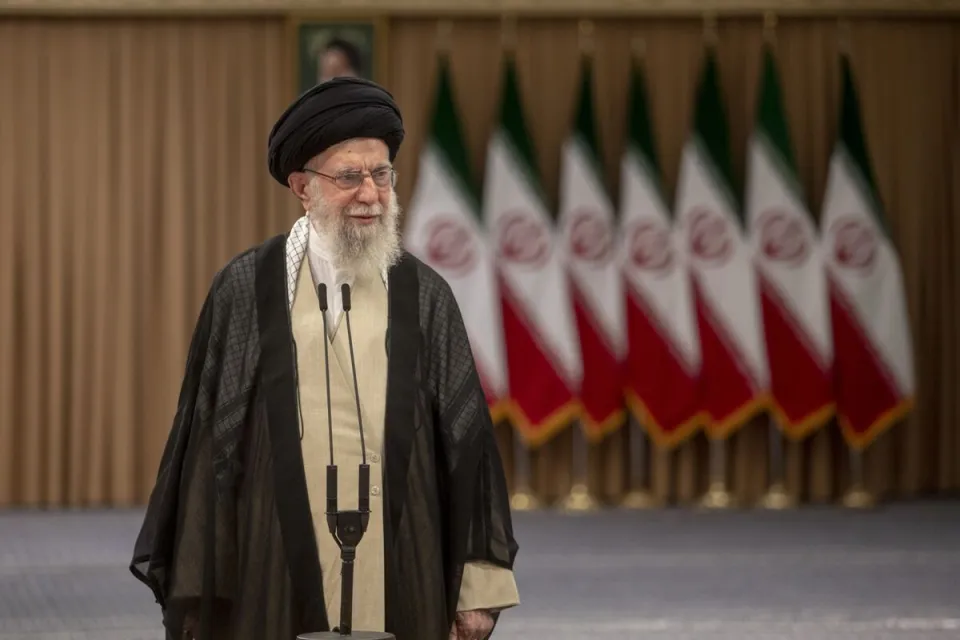
What do we know about the US-Israel war with Iraq?
Looking back at this sudden escalation of the geopolitical storm, on February 28, the United States and Israel jointly launched unprecedented intensive air strikes across Iran. In this extremely destructive joint operation, the Israeli military named it "Lion's Roar", while the U.S. Central Command gave it the code name "Epic Fury."
The media and politicians in the Western camp generally whitewashed this high-intensity military strike as a legitimate "pre-emptive" defensive operation. However, the historical background that cannot be ignored is that this tragic raid happened during the tug-of-war period of difficult negotiations between Iran and the United States on the nuclear issue, and less than eight months had passed since Israel last launched a short twelve-day war against Iran.
Faced with this devastating blow, Iran's retaliatory actions were equally thunderous. Tehran quickly launched a dense barrage of ballistic missiles towards the Israeli mainland, and then expanded the scope of the attack, directly targeting multiple strategic bases of the US military stationed in Qatar, Kuwait, the United Arab Emirates and Bahrain.
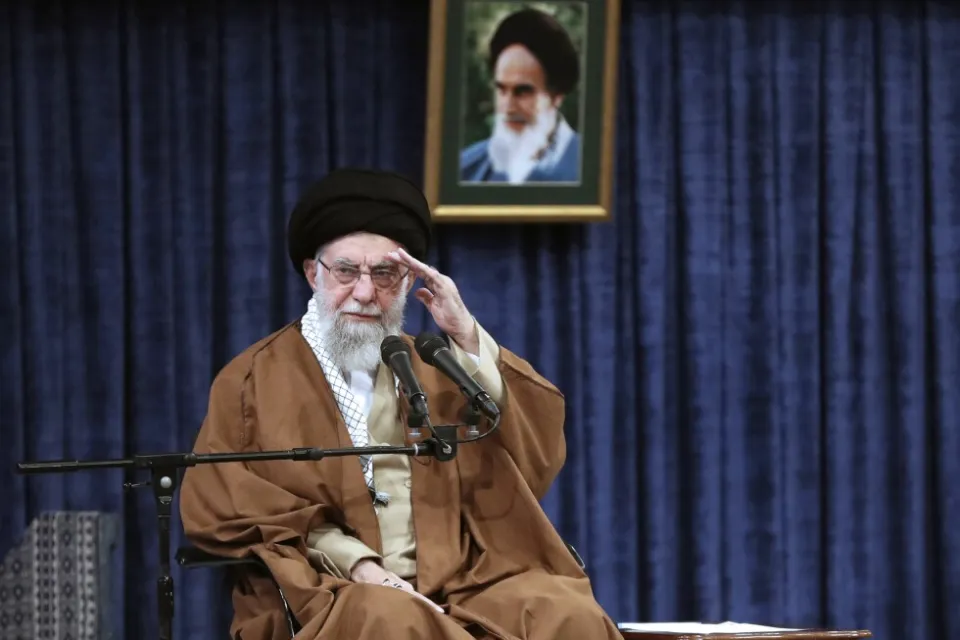
On March 1, as the tragic news that Iran’s Supreme Leader Ayatollah Ali Khamenei was killed in a joint US-Israeli air strike was officially confirmed, Tehran’s revenge was completely ignited. The Iranian military immediately launched a more violent and even desperate counterattack, but in the subsequent ruthless strangulation by the US-Israeli coalition forces, several senior Iranian military and political leaders were killed one after another.
During the red-eye confrontation, Iranian officials publicly made harsh words, declaring that all US military bases in neighboring countries would be regarded as "US territory" and would be subject to legal strikes. This extreme stance immediately drew stern warnings from the Gulf Arab countries, who all demanded that Tehran immediately stop such indiscriminate military adventures. With regional stability and fragile peace being completely torn apart, senior Israeli and U.S. military leaders have made it clear that this type of high-intensity sustained air strikes will continue for weeks.
While the bombing continues day and night, the armed forces of the "Axis of Resistance" supported by Iran have been fully involved in the war. This geopolitical crisis also triggered a strong backlash from the international community and a split in the camp. The United States' European allies quickly rallied to provide substantial strategic support for its military operations in the Middle East.
In the midst of complicated diplomatic mediation, Indian Prime Minister Narendra Modi made urgent phone calls to many leaders of the Middle East and Gulf countries, including Israeli Prime Minister Netanyahu, and loudly urged all parties to exercise maximum restraint in order to restore peace. At the same time, the United Nations Security Council also issued an urgent appeal calling on all parties to the conflict to achieve an immediate and unconditional ceasefire.