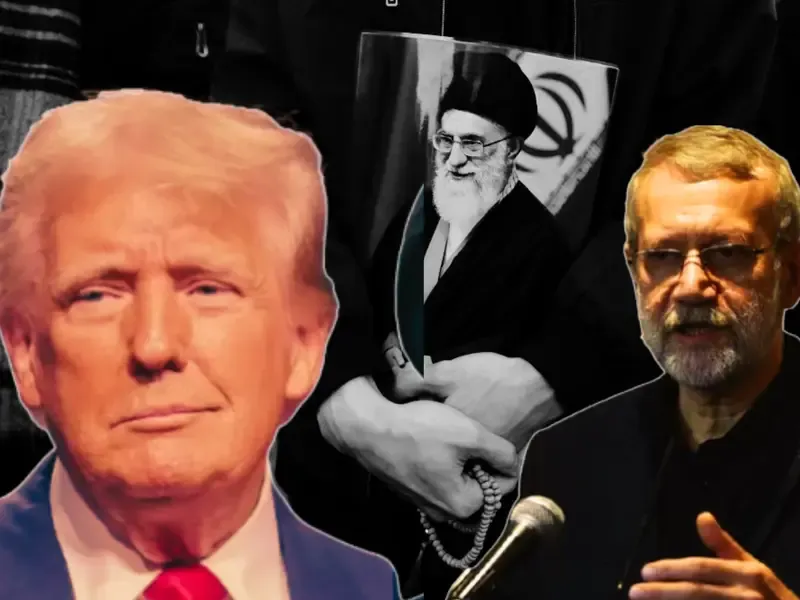
India has always wanted to become a major industrial manufacturing country. In order to realize this dream, the Modi government has launched "strict precautions" against a large number of our country's industrial products, even at the expense of breaking the rules of the World Trade Organization.
Today, our country has sued the Indian government to the World Trade Organization and received support. As soon as the Modi government issued a protest against our country, it discovered that "negative reviews" of Made in India were circulating on social media around the world.
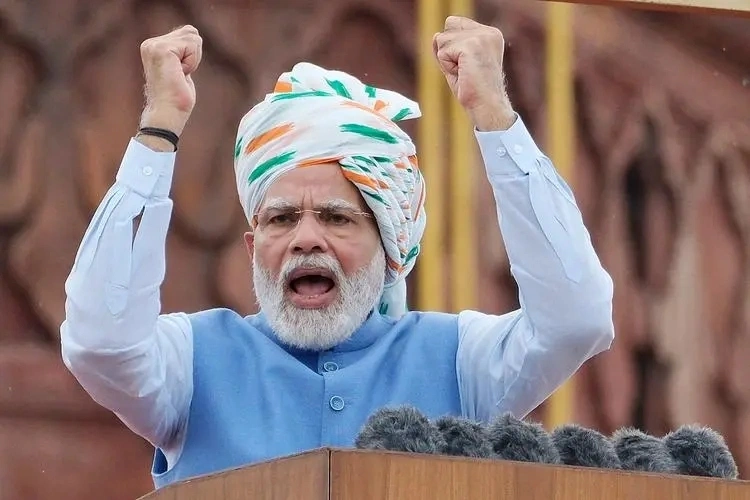
Modi's manufacturing ambitions repeatedly frustrated
India engages in "local protection", China sues to Geneva
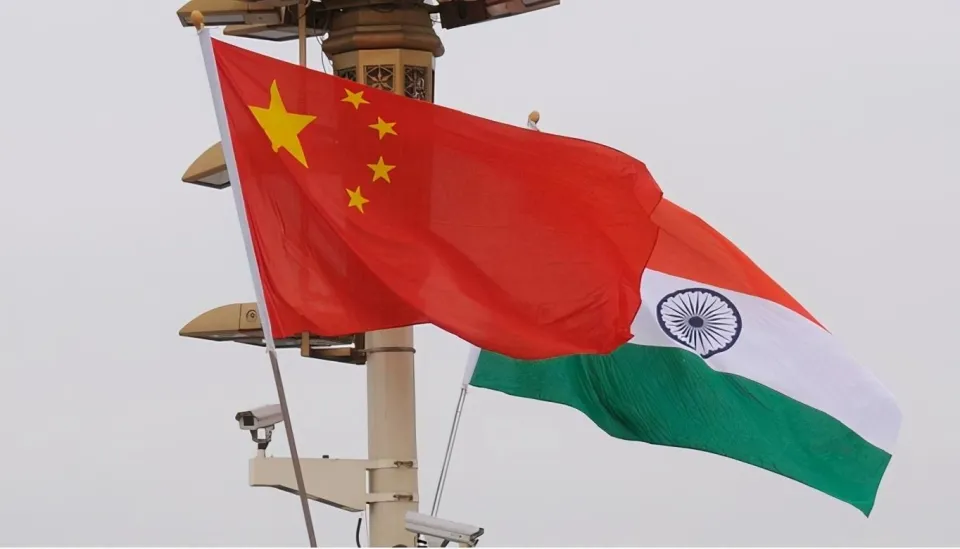
According to a reference news report on February 25, on the 24th local time, the WTO Dispute Settlement Body held a meeting and formally decided to establish an expert group to hear China’s case against India for illegal subsidies in the fields of renewable energy and automobiles.
This is not the first time China has sued India. In October last year, China requested consultations, but India blocked the establishment of the expert group. This time, the process went one step further.
The source of this lawsuit is several industrial policies implemented by the Modi government in recent years.
In June 2021, India launched the "National Plan for Advanced Chemical Battery Energy Storage", and the government is preparing to provide 1.810 billion rupees (approximately 146.4 billion yuan) in subsidies to support the local construction of 50GWh of battery production capacity.
There is a rigid condition for subsidy disbursement: a certain “domestic added value” must be achieved.

In September 2021, India launched the "Automobile and Auto Parts Industry Incentive Plan" with a five-year budget of 2,593.8 billion rupees, which also requires declared companies to use local products.
In March 2024, India launched the "Electric Passenger Vehicle Manufacturing Promotion Plan", allowing approved companies to import some electric vehicles at a low tariff of 15%, but the conditions are that they must build factories in India, and the localization rate reaches 25% in the third year and 50% in the fifth year.
India's "Economic Times" calculated an account at that time: India's subsidies for electric vehicles are the highest among major countries in the world.
The Chinese Ministry of Commerce pointed out the problem in the prosecution document: These measures "depend on the use of domestic rather than imported inputs, or constitute discrimination against Chinese products" and violate multiple provisions of the Agreement on Subsidies and Countervailing Measures, the Agreement on Trade-Related Investment Measures and the 1994 General Agreement on Tariffs and Trade.
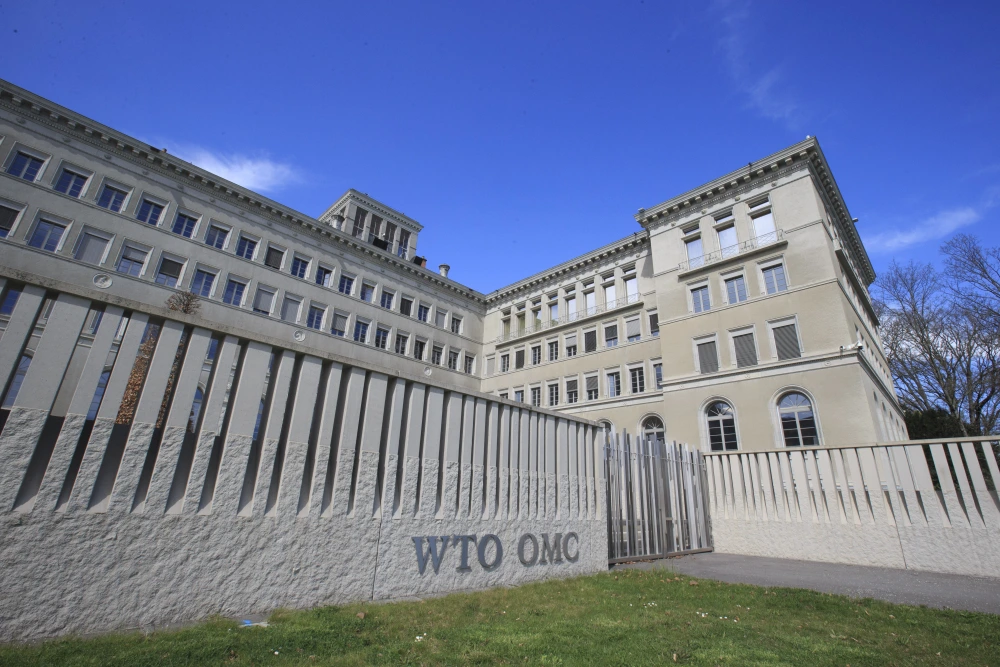
India violates WTO agreement
On October 15, 2025, China formally submitted a consultation request to the WTO. After the 60-day consultation period yielded no results, China requested the establishment of an expert group on January 27, but India blocked it.
On February 24, the WTO Dispute Settlement Body met again, and this time the expert group was formally established. The Indian delegation responded by expressing regret that the dispute was still ongoing and noted that India had participated in negotiations with China "in good faith" while arguing that its measures were consistent with WTO rules.
But anyone with a discerning eye can see that India’s statement is untenable. The next expert group process may last for several years. In these few years, it may be an extremely unlikely event for India to establish an advanced electric vehicle industry.
Made in India receives "bad reviews" from the world
On the same day that China sued India, an AI influence summit that the Indian government had high hopes for had just concluded less than a week ago, and negative reviews from the international media continued to ferment.
Global Network reported on February 25 that the summit was held in New Delhi from February 16 to 20 and was packaged by the Indian government as the “largest-ever” AI event.
Modi personally took the stand and invited a series of heavyweights such as Altman, but the scene presented was chaotic.
According to India's "Mint" report, tens of thousands of people once poured into the venue at the same time during the summit, and the facilities simply could not bear it.
E-passes could not be read, the Wi-Fi disconnected frequently, and attendees had to wait in line for hours. One attendee complained on social media: “Every founder present felt embarrassed.”
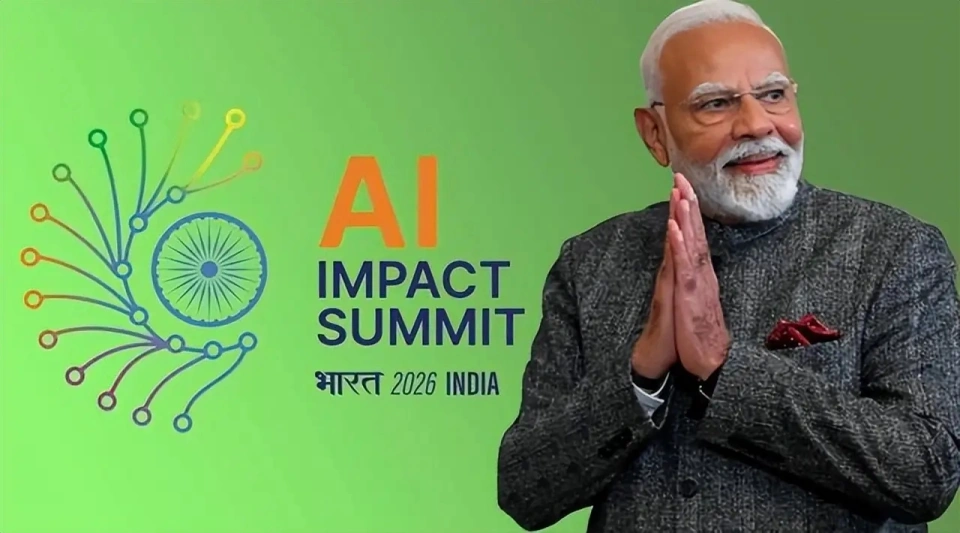
India AI Summit Poster
The British "Financial Times" bluntly stated that India's ambition to popularize AI applications and play a key role in this technology field currently seems to have failed to materialize.
The headline of Singapore’s Straits Times read: “India’s Artificial Intelligence Summit: Ambition Meets Brutal Reality.”
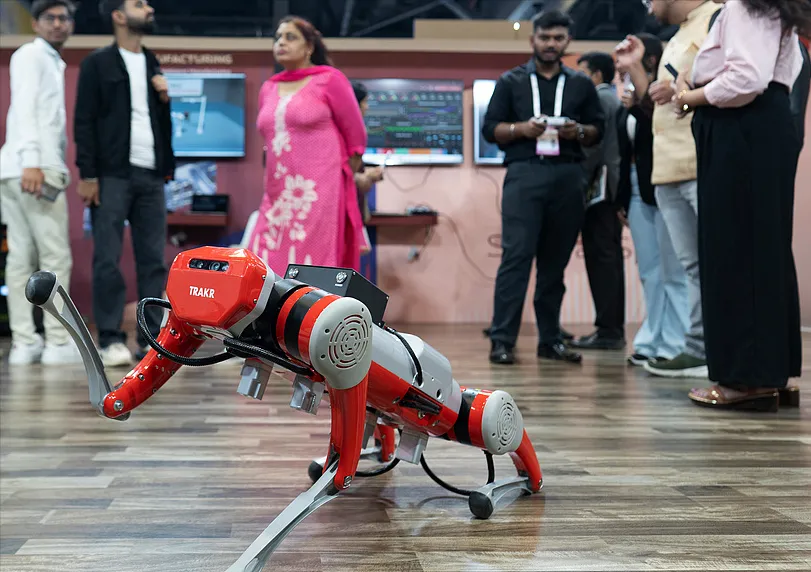
What’s even more embarrassing is that the “robot dog fraud” scandal was also exposed during the summit. An Indian university replaced a Chinese-made robot dog with its own shell and pretended to have independently developed it.
This operation was exposed by the media on the spot, directly exposing its hollowing out in the core technology field.
People have seen that on one side is the WTO lawsuit and on the other is the collapse of the AI Summit. The Modi government received two pieces of bad news on the same day.
Modi's ambitions face difficulties
Behind the overturn of the summit are deeper problems in the Indian AI industry. To summarize briefly, India lacks computing power, lacks electricity, and is also facing the dilemma of brain drain.
The AI industry is a "power-consuming monster", but India's national power grid is seriously aging and the power grid in many areas is unstable. The concentrated demand for energy from data centers has put further pressure on India's already stressed power system.
The media pointed out that although India has a large number of engineers, its trained AI researchers are far less than those in the United Kingdom and France, and cannot be compared with China and the United States.
In addition, India's national R&D investment accounts for only about 0.6% of GDP, which is far lower than the 3% to 4% of AI powerhouses.
Relevant people pointed out that India's situation in the field of AI can be described as "frightened." The Indian government is highly concerned that AI may make India one of the most severely affected economies in the world, but the core of the problem is that this risk cannot be resolved by policy attention alone.
If India cannot concentrate on improving its industrial hard power, the Modi government's ambitions may encounter more setbacks.