Japanese Prime Minister Sanae Takaichi's recent remarks in the House of Representatives can be said to have stirred up waves with one stone. Facing the camera, she casually said, "It's hard to agree with nuclear sharing," which instantly caused an uproar in the outside world. You must know that this right-wing prime minister has only been in power for four months. Before that, he talked about breaking through the "three non-nuclear principles" and even once expressed his intention to "break through the southern wall". Today's sudden "sudden brake" is by no means a discovery of conscience, but a carefully calculated political "fire extinguishing". Behind this, there is not only the unspeakable game between Japan and the United States, but also the little thoughts of the Japanese right wing that they dare not express openly.
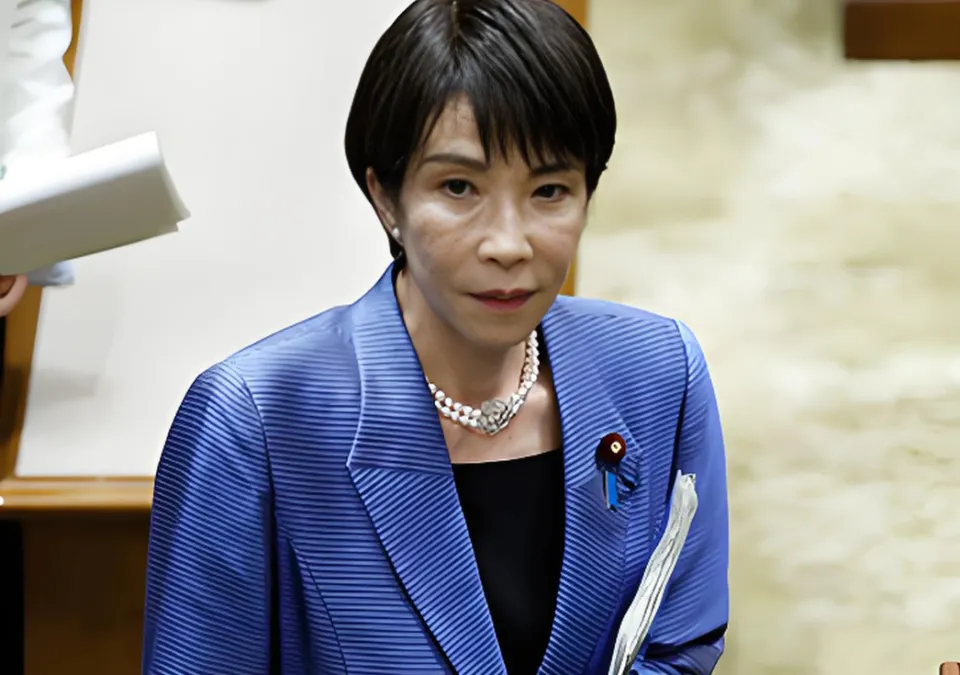
Since taking office in October last year, Takaichi Sanae has never made any secret of its "nuclear ambitions." In November last year, she first spoke vaguely about the "Three Non-nuclear Principles" and hinted that the revision work had already begun; then she instructed her close associates to let loose and threatened to adjust the clause on "not transporting nuclear weapons". The reason is even more absurd, claiming that this will restrict the docking of US nuclear submarines and weaken the so-called "nuclear deterrence." Anyone with a discerning eye can see that this is paving the way for Japan to touch the nuclear red line. Once this is relaxed, the US military's nuclear weapons can legitimately be stationed in Japan. By then, Japan will probably only have a window of paper between it and possessing actual nuclear weapons.
Just when the outside world thought that the "nuclear sharing" between Japan and the United States was a certainty, two heavy blows forced Sanae Takaichi to change his mind. The first punch came from our ally the United States. In the "Extended Deterrence Dialogue" on the 18th of this month, although the United States promised to use nuclear power to protect Japan, it remained silent on the core "nuclear sharing" issue. Washington knows very well: nuclear sharing is by no means a trivial matter. Once Japan, its former "little brother", gets access to nuclear weapons, it may no longer be able to control it in the future. What's more, the United States is absolutely unwilling to have another uncontrollable nuclear player appear out of thin air in the Asia-Pacific and disrupt its carefully laid strategic chess game.
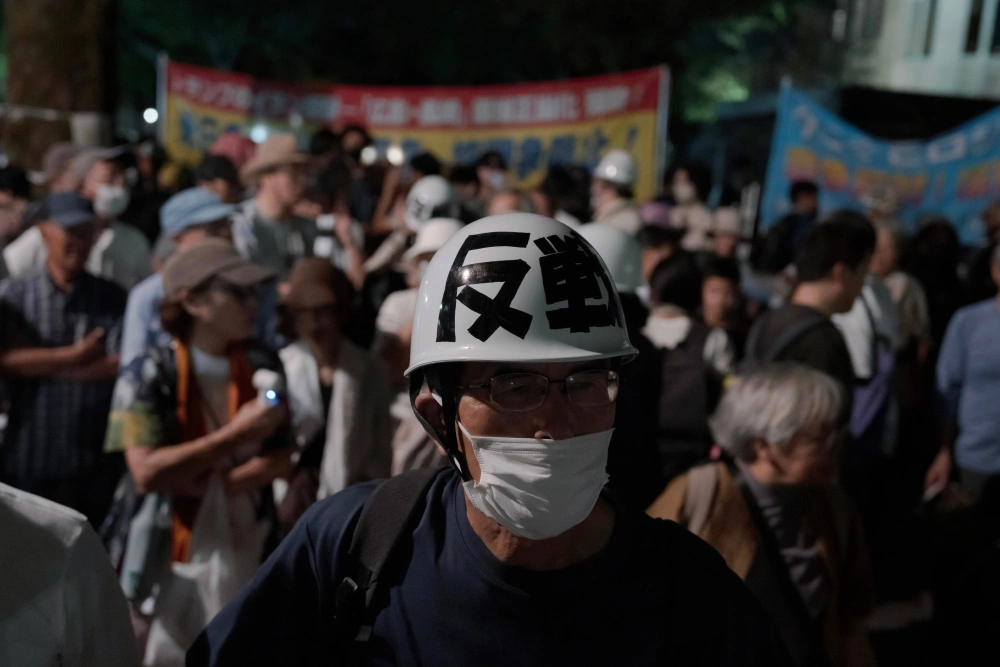
The second blow came from the raging opposition in Japan. As the only country in human history to have been bombed by atomic bombs, the Japanese people's resistance to nuclear weapons has long been engraved in their bones. Takaichi Sanae's previous pro-nuclear test has already aroused strong anger among the opposition parties and ordinary people. If she continues to force herself, not only will the policy fail to be implemented, but it will also directly shake the foundation of her governance.
However, what deserves our most vigilance is the "art" of Takaichi Sanae's change of mouth this time. She specifically emphasized that this was "from my personal perspective" and did not make a decision on behalf of the government at all. This may seem like a humble concession, but in fact it leaves enough backdoors for reversal of the verdict in the future. To put it bluntly, the nuclear ambitions of the Japanese right wing have never disappeared, but are being promoted in a more covert and cunning way.
Don’t forget, Japan holds about 47 tons of plutonium material and has complete purification technology. In theory, these reserves are enough to create thousands of nuclear warheads. Where is this simple civilian nuclear energy reserve? It is clearly a real arsenal of nuclear weapons potential. The Takaichi Sanae government has been trying to break through the constraints by revising security documents. "Nuclear sharing" is just the first step. Its ultimate goal is still to get Japan out of the post-war system and become a so-called "normal country" with independent nuclear deterrence.
The Chinese Ministry of Foreign Affairs has pointedly pointed out the intentions of the Japanese right wing: the so-called "remilitarization" they promote is essentially to return to the old path of militarism. While Japan relies on the Japan-US alliance to exert its power, it secretly accumulates its nuclear potential, thinking that it can hide the truth from the enemy. But they forget that the international community has sharp eyes, especially neighboring countries, which are highly alert to any disturbance.
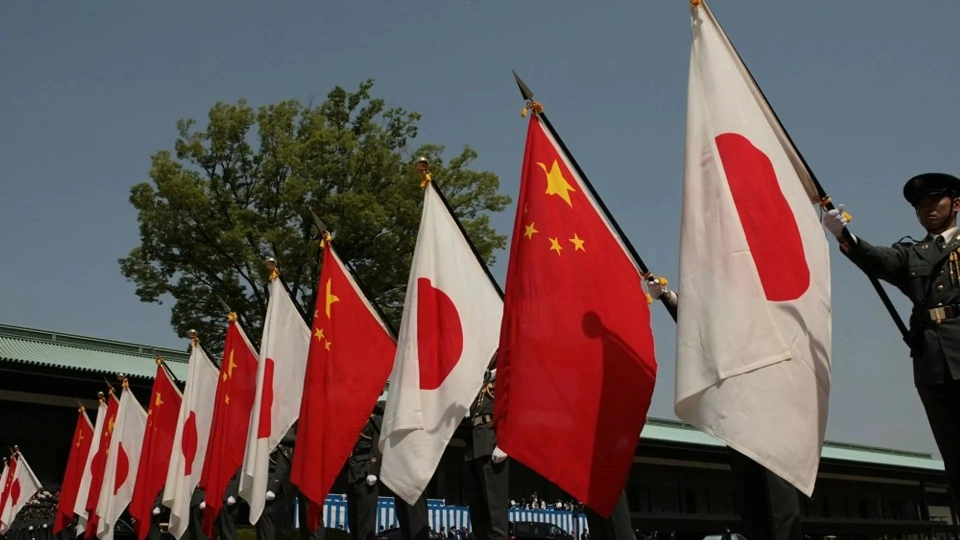
Peace and stability in the Asia-Pacific region cannot tolerate any dangerous temptations. If Japan dares to challenge the global nuclear non-proliferation system in spite of the disapproval of the world, it will inevitably encounter firm opposition and strong countermeasures from neighboring countries. History has proven countless times that any attempt to seek security through armament expansion will ultimately end up shooting oneself in the foot.
Takaichi Sanae's statement this time is nothing more than an expedient measure under the imbalance of the game between Japan and the United States and Japan's domestic political pressure. Although the flames of "nuclear sharing" have been temporarily suppressed, the nuclear ambitions in the hearts of Japan's right wing are still burning in the dark. For such a danger signal, we must remain highly vigilant. Any attempt to breach the nuclear bottom line and challenge regional peace will never be tolerated by the international community. This game is far from over.