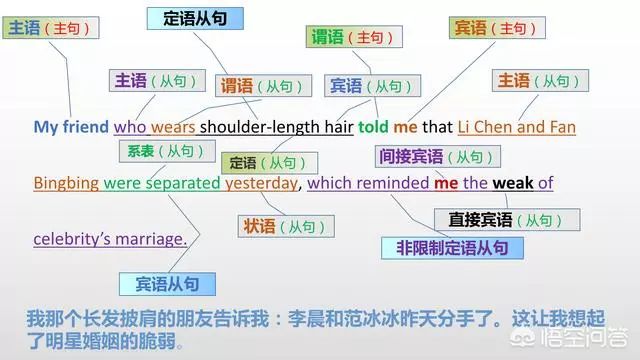
Analysis Of Long And Difficult Sentences In English: How To Quickly Find The Subject And Predicate
Forward + favorite!
Forward + favorite!
If candidates with a college entrance examination score of around 530 are interested in the auditing profession, there are many cost-effective colleges to choose from. The auditing major is similar to accounting, and is mainly divided into internal auditing and external auditing. Internal auditing is like the work of the audit bureau, and external auditing is an external agency that audits the company. It can also involve tax-related fields, and the employment direction is clear.
If the score is around 530, you can consider Inner Mongolia University of Finance and Economics; if the score is 35 points higher, Shandong University of Political Science and Law is also an option. Data from 2025 shows that this score range can also be applied to Shandong University of Political Science and Law, Harbin University of Commerce, Shandong University of Technology and Business, Dalian University of Science and Technology, Wuhan Business University, etc. These schools have strong teaching capabilities and employment guarantees for auditing.
The situation in different regions is different. For example, the financial universities that can be admitted to Shanghai College Entrance Examination with a score of about 530 (525 points-535 points) include Nanjing Audit University (531 points), Dongbei University of Finance and Economics (526 points), Capital University of Economics and Business (526 points), etc. Among them, Dongbei University of Finance and Economics and Capital University of Economics and Business are provincial key ones, and Shanghai University of International Business and Economics has graduate qualifications.
The admission scores for Zhangjiakou University's auditing major in Hebei in 2025 are as follows: a minimum of 530 points for physics and 541 points for history. There is no limit on physics or history. The schooling period is four years and the tuition is 4,600 yuan per year. Candidates who want to apply can pay attention to the latest admissions brochure on the school’s official website.
Among universities with strong auditing majors, Nanjing Audit University is the birthplace of auditing higher education and the only internal auditing education partner university in China. Many provinces admit students according to the first tier, such as Liaoning's auditing major, which has an admission score of 610 to 628. Southwestern University of Finance and Economics is ranked 211. Auditing is a key major. The average salary of graduates in 2019 is 6,912 yuan, and 6.68% have a salary of more than 10,000 yuan. In addition, the auditing majors of Zhejiang Gongshang University and Nanjing University of Finance and Economics are rated A+ in the soft science rankings.
The employment prospects of the auditing major are broad. In the past, it was mainly financial auditing, but now it has expanded to operations, management, performance auditing, etc. Governments, joint-stock companies, and multinational companies all have needs. The electronic age requires auditors to have electronic capabilities. Many graduates enter state-owned enterprises, banks or the Big Four accounting firms, with high employment rates and salaries of more than 10,000 yuan. They are called iron rice bowls by their parents.
When Yu Chengdong announced the pure-blood Hongmeng partner, everyone must have been disappointed. There was no Tencent WeChat and the reason why it was not compatible with the Hongmeng system. We can analyze it from multiple angles:
1. Technical difficulties: The underlying architecture and interface calls need to be changed. Due to the differences between Hongmeng system and Android system, WeChat needs to make corresponding changes to its underlying architecture and interface calls when adapting to Hongmeng system. This involves complex programming and debugging work, which requires sufficient testing and optimization to ensure a stable and good user experience on the Hongmeng system.
Adaptation and testing of functional modules. WeChat has many functions, including chat, payment, mini programs, etc. Each functional module requires detailed testing and optimization on the Hongmeng system to ensure the integrity and stability of the function. In particular, the special function of mini programs needs to be compatible and migrated on the Hongmeng system, which is a huge challenge for the technical team.
2. Business interests and strategic issues: competition and conflicts of interest. As a social platform and application, WeChat has certain commercial competition and conflicts of interest with Huawei as a mobile phone manufacturer. WeChat's core functions and user stickiness have made it an indispensable part for many users, and Huawei hopes to increase its competitiveness and share in the mobile phone market by promoting Hongmeng OS. In this context, WeChat’s support and adaptation to the Hongmeng system may involve some business rights and strategic issues.
The impact of WeChat mini programs. As one of the important functions of WeChat, WeChat mini program is favored by many developers and enterprises. However, the proliferation of WeChat mini programs may have an impact on APP developers, which is also a problem for Huawei. The support and adaptation of WeChat mini programs need to have an impact on the ecosystem, which may involve some commercial balance of rights and compromises.
3. Development cost and investment: The complexity and time-consuming nature of adaptation work. WeChat’s architecture is huge, and the adaptation work takes a long time to complete. Re-developing a set of mini programs suitable for the Hongmeng system will consume huge resources and time, and not all developers have the ability to develop Hongmeng mini programs.
Uncertainty in the number of users. There are currently no exact figures showing the number of HarmonyOS NEXT users, which makes it difficult for WeChat to evaluate the value of the adaptation work. WeChat needs to evaluate users' willingness to upgrade to HarmonyOS NEXT and the number of people who upgrade before deciding whether to invest a lot of manpower, material and financial resources in adaptation work.
To sum up, there are many reasons why WeChat is not compatible with Hongmeng system, including technical difficulties, business rights and strategic issues, as well as development costs and investment. However, with the continuous development and improvement of the Hongmeng system, and WeChat's gradual adaptation and optimization of the Hongmeng system, WeChat is expected to be better compatible with the Hongmeng system in the future and provide users with a better user experience. We hope that our motherland will become stronger and stronger, and Chinese people should support more domestically produced products.
The National Bank of Myanmar released information stating that on July 10, US$5 million was sold to importers and exporters through the Fx Trading Platform.
In order to ensure the stability of foreign currency exchange rates and ensure that there is no exchange rate speculation, the central bank allows importers and exporters to sell US dollars through the Fx Trading Paltform.
Since the beginning of July, the external U.S. dollar exchange rate has risen. After rising to more than 4,600 kyats per U.S. dollar, it rose further. It once rose to more than 4,900 kyats per U.S. dollar. On July 15, it fell back to about 4,800 kyats per U.S. dollar.
On July 4, when the foreign currency exchange rate rose in the external exchange rate market, information released by the central bank showed that it had sold US$5.4 million to importers of edible oil, pharmaceuticals, and fertilizers.
We learned from the central bank that in July, U.S. dollars were continuously sold to importers and exporters through the Online Trading Platform. From July 1 to July 3, U.S. dollars were sold twice.
The central bank stated that through various channels such as the Online Trading Platform and other foreign currency financial markets, the sale of foreign currencies with kyat mortgages will be available to importers of daily consumables and pharmaceuticals, electricity, agriculture and communications, as well as fuel importers to sell US dollars, renminbi and Thai baht.
In addition, through the Online Trading Platform, foreign currencies were sold 15 times in 5 months, totaling USD 41 million, RMB 31.5 million, and Thai Baht 236 million. Now through Fx Trading Platform, USD is sold to importers and exporters.
China Business News invited 15 chief economists to look forward to the economic situation throughout the year.
The 2025 economic performance report card has just been released. During this year, in the face of drastic changes in the external environment, our country's economy moved forward steadily with strong resilience. In 2025, GDP jumped to a new level of 140 trillion yuan for the first time. The main goals and tasks of economic and social development were successfully achieved, and the "14th Five-Year Plan" ended successfully. What are the highlights of my country's economic development in the past year? The global economic and trade environment will still be harsh in 2026. How will our economy maintain resilience? In terms of promoting domestic demand in the future, what incremental measures is my country expected to introduce? At the beginning of the new year, we invited 15 chief economists to look forward to the economic situation throughout the year and give predictions on these issues.
Economic Data Forecast
1. The median year-on-year GDP forecast is 4.80%
Data released by the National Bureau of Statistics on January 19 showed that according to preliminary calculations, GDP in 2025 was 140,187.9 billion yuan, an increase of 5.0% over the previous year at constant prices, completing the expected target set at the beginning of the year.
Economists believe that my country's economic growth momentum will continue to shift in 2026, and the quality of economic growth will further improve. Their forecasts for year-on-year GDP in 2026 have an average of 4.79% and a median of 4.80%.
Wen Bin of Minsheng Bank said that looking forward to 2026, policies will follow the orientation of "making progress while maintaining stability, improving quality and efficiency", increasing counter-cyclical and inter-cyclical adjustments, improving the effectiveness of macroeconomic governance, and external demand is expected to remain resilient. Recently, a package of fiscal and financial policies to promote domestic demand has been implemented, and production, prices, and expectations have all shown positive changes. The economy is expected to maintain a steady and progressive trend, laying a good foundation for a good start in the "15th Five-Year Plan".
ICBC International Cheng Shi believes that a synergy to "break the situation" is forming within the Chinese economy. The first is the power of structural reshaping. High-tech manufacturing continues to lead the growth rate, and industrial competitiveness is accelerating from cost advantages to innovation advantages. This improvement in quality and efficiency provides solid industrial support for growth. The second is the transformation of domestic demand momentum. Service consumption and digital consumption are rapidly expanding and becoming an important engine for growth. Finally, there is the precise strengthening of macro policies. In 2026, the finance department will continue to increase the resource allocation for the "two new" policies, guide a new round of large-scale equipment updates and trade-in of consumer goods through state subsidies, and closely integrate investment in things with investment in people.
In this survey, economists predict that in 2026, the first year of the “15th Five-Year Plan”, my country will set its economic growth target at “around 5%”, which is both reasonable and necessary.
2. Prices continue to recover moderately
Data from the National Bureau of Statistics show that throughout 2025, the national consumer price index (CPI) changed to 0 year-on-year, and the producer price index (PPI) fell by 2.6% year-on-year, consistent with economists' expectations. They predict that with the support of a series of stabilizing growth policies, both CPI and PPI in 2026 will be higher than in 2025.
Wu Ge of Changjiang Securities believes that under the disturbance of non-ferrous metals and other categories, the overall price may have periodic pulses in the future, but in view of the limited fluctuations in demand for overseas crude oil and domestic black series, PPI will maintain zero growth throughout the year. History shows that if it is just statistical effects such as a low base or relying solely on supply constraints to push up prices, it will be difficult to achieve broad-spectrum profit improvements. The key still lies in real demand.
Zhang Jun of Galaxy Securities believes that the current low point of domestic price operation has passed and is gradually entering a moderate recovery stage. From the perspective of the external environment, Sino-US relations have entered a relatively stable window period after the APEC meeting. Trade frictions have been eased in stages. The disruption to external demand caused by tariffs in 2026 is expected to be gradually smoothed out. In 2026, prices are expected to continue the moderate recovery trend since the second half of 2025, showing an overall stable and rising operating pattern. In terms of CPI, it is expected to recover moderately in 2026, and the full-year CPI is expected to grow by 0.4% year-on-year. Pork prices in food items are still at the bottom stage, and their impact on overall prices is limited; transportation and communications items are constrained by weak energy prices; as effective demand picks up, core CPI is likely to show a moderate recovery trend, and its recovery process may depend on the further recovery of the endogenous kinetic energy of the economy. In terms of PPI, the decline is expected to continue to converge in 2026, but it will be difficult to turn positive. The full-year PPI is expected to be -1.1% year-on-year.
3. Industrial growth remains stable, and service consumption will become a bright spot
Data from the National Bureau of Statistics show that the added value of industries above designated size in 2025 (the added value growth rate is the actual growth rate after deducting price factors) will increase by 5.9% over the previous year, which is higher than the average forecast of 5.82% by economists. Economists expect that the year-on-year data of industrial added value in 2026 will decline, with the average forecast value being 5.14%.
Wen Bin of Minsheng Bank said that looking forward to 2026, industrial operations will more reflect the development characteristics of "improving quality while maintaining stability, and promoting quantity through quality." Under the constraints of a high base, the structural support for industrial growth still exists: traditional industries are leaping to the mid-to-high end under the guidance of "artificial intelligence +" empowerment and "anti-involution" policies; emerging industries and future industries continue to expand, hedging some of the downward pressure on external demand and investment returns; the service industry is developing towards productive and high-end development, forming synergistic support for the manufacturing industry. Taken together, taking into account the base effect and the internal and external environment, he expects the overall growth rate of industrial added value to remain stable in 2026, and is expected to remain around 5.5% throughout the year.
Zhang Jun of Galaxy Securities believes that in 2026, the first year of the “15th Five-Year Plan”, the annual industrial added value growth is expected to grow by about 5.0%. In terms of structure, there are the following key points: First, the advancement of "anti-involution" may keep the growth rate of industrial added value during the "15th Five-Year Plan" period at a level slightly lower than GDP, similar to the situation of supply-side reform during the "13th Five-Year Plan" period. Second, high-tech industries will continue to drive industrial added value. In the central government's press conference interpreting the "15th Five-Year Plan" proposal, the National Development and Reform Commission clearly mentioned that "in the next 10 years, China will re-create a high-tech industry." Third, boosting domestic demand and the suspension of the trade war bring demand potential.
In terms of consumption, total retail sales of consumer goods in 2025 will increase by 3.7% compared with the previous year. Since the beginning of this year, two State Council executive meetings have focused on expanding domestic demand and studying and deploying policies to promote consumption. Economists' average forecast for this indicator in 2026 is 4.05%, higher than in 2025.
Political Commissar Lu of Industrial Bank predicts that the trade-in subsidy for durable consumer goods is expected to continue in 2026, and the scope of the subsidy is expected to be broadened. However, due to the decline in policy effectiveness and a high base, the retail growth rate of durable goods such as home appliances may decline, and the growth rate of total retail sales of consumer goods may moderately fall back to around 3.2%. With the support of multiple factors such as policy guidance and changes in consumption concepts, the growth rate of service consumption is expected to exceed the growth rate of commodity consumption, and the consumption structure will show a trend of "invisibility".
Lian Ping, chief industrial research institute of Guangkai, said that in 2025, consumption will consolidate the pattern of moderate growth under the joint efforts of "policy support + structural upgrade + new consumption". In 2026, my country will expand the supply of high-quality consumer goods and services, cultivate and expand new consumption growth points, and actively create new consumption scenarios. First, we will deepen the implementation of special actions to boost consumption and formulate and implement plans to increase the income of urban and rural residents. The scope of "state subsidies" will be further optimized, taxation, social security, transfer payments and other regulatory functions will be actively used to increase residents' income through multiple channels, and better combine benefiting people's livelihood and promoting consumption. The second is to cultivate new consumption scenarios and new business formats, and accelerate the innovative application of new technologies and new models. Actively promote the launch of consumer products, orderly develop platform consumption, standardize the development of shared consumption, etc.; accelerate the layout of new fields and new tracks, promote new models of efficient and responsive manufacturing, and strengthen the integration and empowerment of artificial intelligence. The third is to expand the supply of featured and new products. Promote the expansion and iteration of green products, expand inbound consumption, promote the upgrading of rural consumer goods, vigorously develop leisure and sports products, promote the innovative development of health products, expand the influence of historical classics, and expand the supply of diverse interest consumption, etc. The fourth is to clean up unreasonable restrictive measures in the consumption field. In view of the outstanding problems such as insufficient convenience, insufficient attractiveness, and excessive business restrictions in the fields of automobile consumption, housing consumption, and inbound tourism consumption, various localities will address them in a targeted manner.
4. Overall investment has stopped falling and rebounded. In the short term, the real estate market is still in the downward clearing stage.
For the whole of 2025, the national fixed asset investment (excluding farmers) published data was approximately 48.5 trillion yuan, a decrease of 3.8% from the previous year. This is the first time since 2014 that the growth rate of infrastructure investment announced by the National Bureau of Statistics has declined. In terms of sectors, infrastructure investment fell by 2.2%, manufacturing investment increased by 0.6%, and real estate development investment fell by 17.2%. Economists predict that the cumulative growth rate of national fixed asset investment will rebound to 2.17% year-on-year in 2026. In the short term, the real estate market will still be in the downward clearing stage. In the future, policies will continue to work from both supply and demand sides to promote the construction of a new development model for the industry. Their average year-on-year forecast for the cumulative growth rate of real estate development investment in 2026 is -8.03%.
Zhang Jun of Galaxy Securities believes that 2026 is the first year of the “15th Five-Year Plan” and it is expected that infrastructure investment throughout the year will increase by 4.5% year-on-year, which will be a rebound from 2025. At the policy level, it is expected that an additional 1 trillion yuan of ultra-long-term special treasury bonds will continue to be issued to support the construction of "double-level" projects. Investment within the central budget will also be expanded, and policy financial instruments are expected to continue to be effective. In addition, the special debt quota that has been issued in advance at the end of 2025 also creates a good financial foundation for achieving a "good start" in infrastructure construction in early 2026. In the third quarter, the year-on-year rebound was driven by the release of the physical volume of projects and the low base in the same period in 2025. In the fourth quarter, as climate construction restrictions and the pressure to stabilize growth throughout the year eased, investment momentum declined slightly, and infrastructure growth was achieved at 4.5% throughout the year.
Wang Han of Industrial Securities believes that the key to cultivating new momentum for the development of the industry is to accelerate the construction of a new model of real estate development. Pilot sales of existing homes should be promoted, real estate development should be closely integrated with urban renewal, and by transforming old communities and building "good houses", the company should shift from "incremental expansion" to "stock quality improvement", integrate green and technology, develop low-carbon buildings and smart homes, and combine innovations in business formats such as senior care and tourism.
Lian Ping, Guangkai Chief Industrial Research Institute, believes that real estate policy will continue to work on the supply and demand sides in 2026. On the one hand, we will comprehensively optimize purchase restrictions and loan restrictions, increase home purchase subsidies and tax exemptions, increase provident fund loan limits, relax provident fund withdrawal conditions, and increase support for guaranteed-delivery buildings; on the other hand, support financial institutions in reasonably extending development loans, support mergers and acquisitions and reorganizations of high-quality real estate companies, and promote real estate companies to transform existing commercial real estate, office buildings, and industrial parks into affordable rental housing or talent apartments, reduce the down payment ratio of land transfer fees or extend the payment period, and better control the increase and inventory. On the financial side, a real estate debt restructuring fund may be established to help insurgent housing companies sort out their debts and revitalize assets; more supporting credit products will be launched to support residents in purchasing houses at a lower threshold. The cultivation of new driving forces for the development of the real estate industry will be carried out around the four major directions of urban renewal, green intelligence, simultaneous rental and purchase, and cross-border integration, promoting the transformation of the industry from incremental development to stock operation and high-quality services.
5. Foreign trade maintains steady growth
According to customs statistics, in U.S. dollars, my country's total import and export value for the whole of 2025 was 6.35 trillion U.S. dollars, a year-on-year increase of 3.2%. Economists believe that the global economy will grow moderately in 2026, and geopolitical factors will continue to affect global trade. my country's foreign trade is expected to maintain steady growth in the context of market diversification and export structure upgrades.
ICBC International Cheng Shi believes that the global economy in 2026 will enter a complex system shaped by non-linearity, path dependence and adaptability, showing the dual characteristics of being highly unstable but still resilient. He said that according to the IMF's latest forecast, global economic growth is expected to be about 3.1%. Although it has improved from before, it is still at a stage of moderate growth and high uncertainty. During this period, the global economic operation will show obvious adaptability. Despite the external impact of trade protectionism and geopolitical friction, the global trading system will generally remain open. At the same time, the logic of economic operation will undergo a directional change and enter a new stage characterized by fiscal dominance. Public expenditure will replace monetary policy and move to the forefront of resource allocation, determining the industrial structure and growth path. The apparent misalignment of the cycles of the world's major economies has intensified policy spillover effects, increasing the complexity and volatility of China's external environment. However, this state of "chaos" also gives birth to a new order. For China, this is not only a continuation of external pressure, but also an opportunity to upgrade its export structure. On the one hand, as the global interest rate cut cycle deepens, overseas market demand for mid-to-high-end durable goods is expected to rebound, and China's export advantages in fields such as power equipment and electric vehicles will be further amplified. On the other hand, relying on the rapid penetration of cross-border e-commerce platforms, Chinese companies will upgrade from exporting products overseas to exporting brands and supply chains overseas. Their share in emerging markets such as Southeast Asia, the Middle East and Latin America is expected to reach new highs, effectively offsetting the fluctuations in some traditional markets.
Wang Han of Industrial Securities predicts that the global economy will be overall weak in 2026, with increased differentiation and great uncertainty, mainly affected by trade protectionism and geopolitical conflicts. Among them, the growth rate of developed economies may slow down, while the growth rate of emerging markets may be stronger. He believes that this will put pressure on China's foreign demand, which may restrict exports to Europe and the United States, but the industrialization needs of emerging markets may bring more export space, and at the same time, the RMB exchange rate may strengthen. my country's foreign trade may still show resilience in the future. China's export trading partner structure has been diversified, focusing more on the emerging market countries along the "Belt and Road", and the commodity structure has also expanded to high-end products.
Lian Ping, chief industrial research institute of Guangkai, said that my country’s exports are expected to maintain a steady growth momentum in 2026. From the external environment, there are many favorable factors. In 2026, the global trade environment is expected to be repaired to a certain extent, Sino-US economic and trade relations will show an overall relaxation trend, overseas demand will be generally boosted under the background of global monetary and fiscal easing, multilateral and regional cooperation will be deepened, and the importance of "South-South trade" will be further highlighted. From the domestic environment, there are also many positive factors. These include: China's overall trend of decreasing dependence on the U.S. market has not changed, exports to ASEAN, the EU and other markets have maintained a relatively rapid growth rate, China's competitive advantages and resilience across the entire industry chain will become more and more fully demonstrated, and mechanical and electrical products and high-tech products will continue to play the role of "ballast" for China's exports. He predicts that export growth may remain at 3% to 4% in 2026.
Research and judgment on hot issues
1.What are the highlights of my country’s economic development in 2025? What areas should we focus on in the future?
Cai Wei of KPMG said that looking back on 2025, there are two major highlights in China's macroeconomic performance: external demand remains resilient in the face of U.S. tariff headwinds, and the pace of domestic industrial upgrading is accelerating. Future development needs to focus on expanding domestic demand and promoting innovation. In terms of expanding domestic demand, it emphasizes the close integration of investment in things and investment in people, and ultra-long-term special government bonds maintain financial support for "two important" and "two new" projects. At the same time, we will deepen the construction of the domestic demand system, shift from short-term policy stimulation to the construction of long-term mechanisms, and boost residents' willingness to consume and promote the increase in residents' consumption rate by focusing on expanding service consumption scenarios and increasing government funds expenditure in people's livelihood areas. In terms of innovation drive, the core focus is to strengthen the status of enterprises as the main body of innovation, increase investment in basic research, accelerate the localization process of "stuck" technologies such as high-end chips, industrial software, and advanced materials, and promote the efficient transformation and application of major scientific and technological achievements. At the same time, we should actively make good use of policy financial instruments and special bond funds, increase financial support for emerging industries and future industries, accelerate the release of the application value of "artificial intelligence +" and promote the expansion of industrial scale, promote breakthroughs in cutting-edge fields, and seize the commanding heights of industrial transformation.
ICBC International Cheng Shi believes that the highlights of China's economic development in 2025 are mainly reflected in the conversion of old and new driving forces and the innovation of consumption patterns. In the future, on the basis of ensuring the independence and security of the industrial chain, boosting consumption will rise to a more prominent strategic position. By deepening the reform of the income distribution system, substantially increasing the income of low- and middle-income groups, and improving education, medical and pension security, preventive savings will be transformed into growth consumption. In addition, we need to focus on the challenges brought about by changes in demographic structure, and transform the silver economy into a new driver of consumption growth by optimizing the fertility support system and improving the elderly care industry.
Guan Tao of BOC International believes that in 2025, major domestic economic indicators will perform well, there will be bright spots in the field of science and technology innovation and consumption, external shocks will be dealt with in an orderly manner, and the financial market will withstand high-intensity shocks. In the future, we need to pay attention to the evolution of external shocks and closely track the implementation effects of domestic macro policies and structural reforms, especially the actual results in stabilizing expectations and expanding domestic demand.
Wang Han from Industrial Securities said that the economy will make steady progress in 2025, with accelerated transformation of old and new driving forces, rapid growth of new productive forces, strong foreign trade resilience, and continuous deepening of high-level opening up. In the future, we should focus on innovation-driven efforts to replenish and strengthen chains, upgrade technological innovation industries, expand consumption and stabilize investment with domestic demand as the leading factor, and strengthen social security for people's livelihood.
2. The Central Economic Work Conference listed "adhering to domestic demand as the leading factor and building a strong domestic market" as the top annual key task. What is the reason for my country's current weak consumption? Compared with 2025, what incremental measures will be taken to improve domestic demand?
Guan Tao of Bank of China International believes that weak consumption is due to dual pressures on income and expenditure. On the income side, residents account for a low proportion of national income distribution, and their income expectations are unstable, which restricts their consumption ability. On the expenditure side, rigid burdens such as housing, education and medical care are relatively heavy, which strengthens residents’ precautionary savings motivation and squeezes current consumption. When deploying "adhere to domestic demand as the leading factor and build a strong domestic market," the Central Economic Work Conference will in-depth implement special actions to boost consumption, formulate and implement plans to increase the income of urban and rural residents, and list "adhering to people's livelihood as the top priority and striving to do more practical things for the people" as one of this year's key tasks. It is expected that residents will receive tangible policy dividends in education, medical care, elderly care, etc.
KPMG Cai Wei said that the current weak consumption is the result of the superposition of medium- and long-term structural contradictions and short-term cyclical pressures. First, the slowdown in residents' income growth and unstable employment expectations, coupled with insufficient social security levels, have led to high residents' precautionary savings and weak consumption ability and confidence. Second, the real estate market continues to be sluggish, causing residents' wealth to shrink and dragging down related consumption such as home appliances, home furnishings, and building materials. Third, there is a structural mismatch between supply and demand in the consumer market. The supply of high-quality goods and services is insufficient, and consumers' high-quality and personalized consumption needs are not fully met. He believes that in 2026, consumption-promoting policies will continue to work together from both supply and demand ends to promote steady growth in consumption, among which service consumption remains an important driving force. From the supply side, we should focus on expanding the supply of high-quality goods and services, optimizing the business environment in the consumer sector, and stimulating market vitality and innovation potential through measures such as relaxing market access and promoting business integration. From the demand side, the trade-in policy for consumer goods has been continued, and the scope of subsidies has been adjusted to more accurately tilt towards the optimization and upgrading of the consumption structure. In addition, policies to benefit people's livelihood will also be further developed. In the context of policies that continue to support the healthy and stable development of the capital market, the wealth effect of the capital market is expected to gradually increase, which will help to pick up the growth rate of residents' property income and promote a marginal improvement in residents' consumption propensity.
ICBC International Cheng Shi believes that from a macro structure perspective, the final consumption of Chinese residents currently accounts for about 40% of GDP, and the marginal consumption propensity of residents is about 66%, both of which are significantly lower than those of major developed economies. This shows that the potential of the ultra-large market has not yet been fully unleashed. He said that on the basis of previous policies, the focus of improving domestic demand in 2026 is to stabilize residents' long-term expectations through institutional certainty. The primary policy increment is reflected in the unprecedented increase in investment in people, through deepening the reform of income distribution, focusing on improving the remuneration of low- and middle-income groups, and significantly increasing the fiscal coverage of public services such as childcare and elderly care. In addition to continuing to deepen the "two new" policies, the financial sector can also accurately support new business formats such as the first-run economy and create more high-quality consumer supply by optimizing interest discount policies for personal consumption loans and service industry business entities. At the same time, we should make up for the shortcomings of the county business system and cold chain logistics, so that the vast rural market and sinking market can not only buy but also buy well, so that the ultra-large-scale market can glow with more sustainable expansion resilience in the opening stage of the "15th Five-Year Plan".
Wang Han of Industrial Securities believes that consumption weakness is mainly due to four aspects: First, in the context of China's economic slowdown, China's consumption growth is also under pressure to slow down. The slowdown in consumption growth cannot be simply regarded as consumption weakness; second, people are worried about income expectations, which affects consumption willingness; third, consumption has shifted from "enough" to "good", and high-quality goods and services need to be provided, but in fact high-quality supply is insufficient; fourth, low inflation inhibits consumption willingness. Incremental measures to improve domestic demand include: the "Income Increase Plan for Urban and Rural Residents" to stabilize income expectations and increase residents' income; expand the supply of high-quality goods and services, especially in cultural tourism; linkage with consumption and investment, and promote the expansion of employment and consumption scenarios through urban renewal.
3. Innovation drive is the second most important task this year. What aspects should we focus on in relevant industrial policies? Specifically, what supporting policies can be introduced for the robot industry?
KPMG Cai Wei believes that future industrial policies should focus on four aspects: first, strengthening basic research and key core technology research; second, accelerating the formulation and revision of standards in emerging industries, improving the construction of a full chain protection system for intellectual property rights, and promoting the intellectual property rights and industrialization of innovative achievements. ; The third is to optimize the supply of innovation factors and smooth the flow of factors, and increase the support of new factors such as data, computing power, and talents; the fourth is to deepen the integration of industry, academia, and research, build common technology platforms, pilot bases, etc., promote the precise connection between the innovation chain and the industrial chain, and promote the efficient transformation and application of scientific research results.
ICBC International Cheng Shi said that industrial policy will shift from point breakthroughs to building a full-chain ecosystem of "basic research - industrialization - large-scale application". Policies will focus on areas with high total factor productivity characteristics. The core of this transformation is to use the application scenario advantages of China's ultra-large-scale market to provide early application scenarios for cutting-edge technologies with industrialization conditions such as artificial intelligence, thereby transforming the soft power accumulated through technological breakthroughs in key fields into hard assets with global competitiveness.
Guan Tao of Bank of China International said that in order to strengthen the innovation drive, the core of relevant industrial policies is to break down the barriers between technology and industry and promote the deep integration of the two. Specific to the robot industry, support policies should focus on two aspects: first, to assist core technology research, and second, to promote the rapid transformation of innovative results and ecological construction by building a full-chain support system.
Wang Han from Industrial Securities said that innovation policies should focus on autonomy, clustering, and scenario-based development: strengthen investment in basic research and deploy cutting-edge fields such as artificial intelligence and biomanufacturing; expand international science and technology innovation centers (such as Beijing-Tianjin-Hebei and the Yangtze River Delta) and integrate regional innovation resources; open up application scenarios and encourage new technology demonstrations through government procurement.
Lian Ping, the chief industrial research institute of Guangkai, believes that future relevant industrial policies should focus on three major directions: first, strengthening basic research and key core technology research capabilities; second, opening up a virtuous cycle of "technology-industry-finance"; and third, promoting the large-scale implementation of innovation results in key scenarios. Specifically, policies need to work together from three aspects: institutional supply, factor guarantee and market traction: speed up the formulation of integrated plans for educational science and technology talents, optimize intellectual property protection and achievement transformation mechanisms; improve multi-level financing tools such as science and technology credit, equity funds, REITs; and guide the deep integration of new technologies with manufacturing and service industries through special actions such as "artificial intelligence +" and "robot +".
Specific to the robot industry, they believe that relevant policies can be introduced to support the industry by increasing financial support, providing R&D support, helping the industry cultivate the market, formulating unified industry standards, and cultivating talents in related industries.
(The author is a researcher at the First Financial Research Institute)
The list of 15 economists in this issue of "China Business News Chief Economist Survey" (arranged in pinyin order):
Cai Wei: President of KPMG China Economic Research Institute
Cheng Shi: Chief Economist of ICBC International
Ding Shuang: Chief Economist of Standard Chartered Bank Greater China
Ge Tingting: Economist, Greater China, JPMorgan Chase
Guan Qingyou: If you are the president of the Institute of Finance
Guan Tao: Global Chief Economist of BOC Securities
Lian Ping: President and Chief Economist of Guangkai Chief Industrial Research Institute
Political Commissar Lu: Chief Economist of Industrial Bank
Lu Ting: Chief Economist of Nomura Securities China
Wang Han: Chief Economist of Industrial Securities
Wen Bin: Chief Economist and Dean of the Research Institute of China Minsheng Bank
Wu Ge: Chief Economist of Changjiang Securities
Xie Yaxuan: Deputy Director of China Merchants Securities Research and Development Center
Zhang Jun: Chief Economist and Dean of the Research Institute of China Galaxy Securities
Zhou Xue: Asia Economist at Mizuho Securities
Do you know what statistics is about? Do you know the employment situation of Uyghur majors in minority language and literature in China? Do you know the employment direction of agricultural materials majors... In many people's minds, "unpopular majors" are majors that no one wants to apply for and it is difficult to find a suitable job after graduation.
However, with the refinement of social division of labor and the development of higher education in our country, the employment rate of some very obscure majors remains high.
On June 4, reporters took these questions to Xinjiang University of Finance and Economics and Xinjiang Agricultural University. Experts and senior seniors explained the employment situation of "unpopular majors" in recent years to college entrance examination candidates who are about to enter university.
Unpopular candidate that year: Agricultural Materials and Environment Major
Employment status: "booked" before graduation
"What do you do with an agricultural materials major? This is an agriculture-related major. Do you want to go back to be a farmer after going to college?" Chen Liang asked himself this when he first received the admission notice.
There are not a few students who have the same doubts as Chen Liang. Many students go to college just to stay in the city and have a decent job. If they are asked to go back to work in the countryside after graduation, not only one or two will be reluctant.
But is the agricultural major really what the candidates think it is?
In fact, this is not the case. As a fresh graduate of the Agricultural Resources and Environment major of the College of Grassland and Environmental Sciences of Xinjiang Agricultural University, Chen Liang told reporters that he has signed a contract with Hami SDIC Luo Potassium Co., Ltd. before graduation. After graduation, he will continue to work in this major.
Faced with many students’ misunderstandings about agriculture-related majors, Zhu Junjin, a teacher in charge of employment at the College of Grassland and Environmental Sciences of Xinjiang Agricultural University, told reporters that parents and candidates should not rely on literal meaning when choosing a major. Agriculture-related majors do not mean farming. Candidates must understand what the major they are applying for actually studies and what employment is like.
"Take the agricultural materials major as an example. This subject requires students to master many aspects of knowledge such as soil science, plant nutrition, and fertilizer manufacturing. It is a basic subject of agriculture and involves all aspects. Judging from the employment situation in recent years, the agricultural resources and environment major is a major in short supply in the market, and the employment situation has been good. Judging from the data in 2012, excluding students who choose to continue their studies as graduate students, all the remaining graduates are employed." Zhu Junjin said.
In addition, Zhu Junjin suggested that when candidates and parents need to know the strength of the institution in the major they are studying, they can check the official website of the institution to see what the school's teaching staff is like and whether it has master's and doctoral degree programs. If some institutions do not provide students with the conditions for further study, candidates are likely to need to take cross-professional postgraduate entrance examinations after admission, which will naturally be more difficult.
Unpopular candidate that year: Statistics major
Employment status: Employment rate reaches 97%
In the summer of 2010, when Ma Wenying received the admission notice from the Statistics major of the School of Statistics and Information of Xinjiang University of Finance and Economics, while she was happy to enter the university, she felt a little regretful in her heart.
Although she accepted a major transfer, Ma Wenying, who wanted to study taxation, was transferred to the statistics major.
After enrolling in the school in September of that year, Ma Wenying conducted a survey. "There are 40 people in our class, and no more than 10 of our classmates applied for statistics as their first choice. Most of them were transferred here."
Although she was unsure about the future development of her new major, four years of professional study allowed Ma Wenying to successfully sign up at the Agricultural Bank of China branch in Bozhou.
There are many statistics graduates who have similar experiences to Ma Wenying. Although they failed to enter their favorite professional field, their "unexpected" choice gave them an advantage in future employment situations.
Song Xiangrong, dean of the School of Statistics and Information at Xinjiang University of Finance and Economics, told reporters that based on past experience, it was indeed found that when filling out applications for the college entrance examination, candidates and parents were reluctant to apply because they did not understand statistics and its employment direction. However, children who come through professional transfers have good employment prospects when they graduate. In 2012, the employment rate of the school's statistics major was as high as 97%.
According to the reporter's understanding, many colleges and universities in Xinjiang currently offer statistics majors. (Reported by reporter Zhou Kun)
1. Senior sister introduces herself
Hello, dear fellow students! I am a 2022 full-time MPAcc student at Inner Mongolia University of Finance and Economics. I am very honored to share my MPAcc postgraduate entrance examination experience with you today. I would like to share my experience here. I hope you can get a little bit of direction through this article when you are confused and searching for information on Zhihu Weibo Xiaohongshu Douban.
First of all, let me introduce myself. I graduated from Taiyuan University with a bachelor's degree in financial management. There are many people who majored in accounting. As a second-level undergraduate, I don't have any advantages in going out to find a job. Although my grades have always been excellent during school, and I have passed CET-4 and CET-6, junior accounting certificate, and securities practitioner, it is not easy to find a good job. So when I was a junior in college, I decided to take the postgraduate entrance examination to change my poor academic qualifications. After many considerations, combined with factors such as region, personal preference, accounting major ranking, job recognition, etc., I finally chose Inner Mongolia University of Finance and Economics, a financial university in the Inner Mongolia Autonomous Region.
Let me tell you that my score in the preliminary examination this year was 209. The number of people who entered the re-examination was 127. I ranked 113th in the preliminary examination. The enrollment brochure plans to recruit 90 people, and the final plan is to admit 100 people. I believe you have also checked the score line of internal finance in recent years on the Internet. The score line of internal finance in 2022 is 208, which is one point higher than the previous year. As I was only one point higher than the score line, I ranked relatively low in the initial test. I knew that I could only counterattack through the retest. I put a lot of effort into the retest and made full preparations. Due to my proper preparation for the retest, my final total score for the retest was 84.6 points. I successfully counterattacked, so my retest experience is relatively rich.
2. Introduction to professional disciplines
The professional master's degree in accounting, also known as the master of professional accounting (MPAcc), is a professional degree approved by the Ministry of Education and the Academic Degrees Office of the State Council. The professional code is 125300. The Master of Accounting aims to cultivate a group of accounting talents for the country who understand both Chinese accounting and international accounting practices. The prospects are very promising for cultivating accounting and financial management professionals with good ideological quality and professional ethics, solid foundation, strong business ability, strong foreign language proficiency and creative qualities for enterprises, institutions, government agencies and accounting firms.
From the perspective of postgraduate entrance examinations, the master's degree in accounting is also quite special. The examination for the master's degree in accounting consists of two parts: a preliminary examination and a re-examination. Among them, the initial test subjects are the management comprehensive ability test and English (II). The management comprehensive is composed of three parts: mathematics, logic and writing, while English II is composed of four parts: cloze, reading comprehension, English translation and English writing. The retest subjects are mainly ideological and political, professional foundation, and English proficiency. The preliminary examination does not examine the content of professional courses. The preliminary examination is less difficult and contains less content. Therefore, it also attracts a large number of non-accounting major students to apply for mpacc. Every year, a large number of people apply for MPACC majors. In the past few years, there may have been some transfer places. However, due to the impact of the general environment in recent years, more and more people have flocked to the postgraduate entrance examination. Now there are almost no full-time transfer places after the re-examination, or it is competition between "high scores", because every year there are 250 and 260 high-scoring postgraduate entrance examination parties. Because the re-examination is brushed off, this invisibly increases the difficulty of landing. So choosing a school is very important! !
Looking specifically at Inner Mongolia University of Finance and Economics, Inner Mongolia University of Finance and Economics is a financial institution in the Inner Mongolia Autonomous Region. It is relatively well-known in the Inner Mongolia Autonomous Region, and it is also very cost-effective. Its re-examination line has increased steadily in the past three years. Anyone who can score 205 or above will have the opportunity to enter. If you enter the re-examination, if you are more stable, you will get a score of 215 or above. Therefore, compared with other financial institutions, Inner Mongolia University of Finance and Economics is a relatively easy financial institution to take the exam. At the same time, its accounting major is also relatively good, it has a good teaching team, and it also pays more attention to the students of the accounting school. Therefore, it is still recommended that you apply for the MPAcc major of Inner Mongolia University of Finance and Economics. You can take a look at the past re-examination and scores of Inner Mongolia University of Finance and Economics.
3. Exam syllabus and subjects
The preliminary examination subjects for the MPAcc postgraduate entrance examination are comprehensive management joint examination and English II.
The comprehensive ability of the management joint examination includes three parts: mathematics, logic and writing, with a total score of 200 points. (Duration: 3h)
Mathematics: 25 multiple choice questions, 3 points/question
Logic: 30 multiple choice questions. 2 points/channel
Writing: Validity argument analysis (about 600 words) 30 points; argumentative essay (about 700 words); 35 points
English II includes four parts: application of English knowledge, reading comprehension, English-Chinese translation and writing, totaling 100 points. (Duration: 3h); Cloze: 20 questions, 10 points; Reading comprehension: 20 choices in 4 articles, 40 points; New question type: 5 choices, 10 points; Translation: 15 points; Small essay: 10 points; Large essay 15 points
English (II) is less difficult than English (I) and is more suitable for most candidates to learn. However, the management joint examination is large in size, involves many knowledge points, and the test questions are flexible and changeable. Many candidates will be nervous during the test and may not be able to complete the test paper. Therefore, candidates should pay attention to the order of completing the questions and ensure that the essay is completed, and avoid detours when encountering difficulties.
4. Preparation experience for the preliminary examination
(1) Mathematics
① "Mathematics Volume": For students with weak foundation, you can first follow Teacher Chen Jian's mathematics volume to consolidate the foundation.
② "High Score Guide", take notes carefully, follow the teacher through the book first, don't worry too much about the accuracy. Take notes while listening to the lecture, and review and reflect after listening to form a knowledge system for each chapter. Then read the high score guide a second time, focusing only on wrong questions to deepen your impression.
③ "Han Chao's 72 Strategies" recommends everyone to listen to Han Chao's 72 Strategies. There are many questions that are difficult, but very important. They explain the key points and difficulties that are often tested in the exam. The teacher's explanation is very easy to understand. You will greatly improve your mathematics after listening to it.
④Real question stage: "Chen Jian talks about real questions", Zhang Zichao's real questions, etc. If you have enough time, you can listen to them all. Different teachers have different problem-solving methods. Master the method of multiple solutions to one question to improve the accuracy. Practice the real questions at least three times
⑤Sprint stage: "Take two questions for me", highly recommended! ! The questions are consistent with the real questions, which subtly improves the efficiency of problem solving. Two questions will be updated every day on the official account 100 days before the exam, so be sure to follow them.
(2) Logic
I studied logic and writing with Teacher Wang Cheng. I studied it completely with the video, and I did the exercises in each chapter in time and corrected the wrong questions. Teacher Wang Cheng has been a great help to me. Following his study, I have avoided many detours.
In the study of logic, the teacher does not recommend that we focus on studying simulation questions and give up the study of real questions. The real questions are the most important. Because the real questions can reflect the question-setting rules of the teacher, we can only do it over and over again, find out why we are wrong over and over again, and follow the teacher to clarify the correct way of doing the questions, so that we can do the questions efficiently. It is necessary to practice the real questions repeatedly, at least 3-5 times. It is far more effective to grasp the thinking of the question maker than to be a question maker all the time. Of course, many simulation questions and practice questions on the market can be used as daily practice questions. For example, doing 15 questions every day is not only fresh, but also allows you to apply your own problem-solving skills to questions you have never seen before. However, it is best not to focus on the simulation questions and ignore the importance of the real questions.
Also, in the last month, I attended the life-saving logic writing class taught by Teacher Wang Cheng. Teacher Wang is good at thinking about problems from the perspective of the person who asked the question, repeatedly pondering the real questions, and combined with the training of previous questions, it is like the finishing touch. The speed and efficiency of logic writing have been greatly improved. If students have trouble learning logic writing, they can listen to teacher Wang Cheng's class, and they will definitely gain a lot.
(3) Writing
In terms of writing, some students choose to enroll in some "correction classes". Many students, including on the Internet, asked me, how did I learn writing at that time? Do you need to sign up for a "correction class"? Judging from my postgraduate entrance examination experience, I feel that "correction classes" are not necessary. The first and most important thing is to "write it yourself". You must write it yourself. I know that some people will definitely ask, "I don't know how to write at the beginning, can't start writing or something?" These problems are common to everyone. I have two suggestions: first, watch yourself write the skills, universal sentences, and universal beginning and ending sentences learned in the writing class, and then follow the requirements of the question to practice them; the second is to "write whatever you think." It doesn't matter even if you feel that what you are writing is "flowing prose". As long as you can persist in writing, you have taken a big step. As the saying goes, "Everything is difficult at the beginning." Once you have a head start, the rest will not be difficult. Then the most important thing is to "revise it yourself", because you are the only one who is most familiar with the written ideas. Take the "Analysis of Real Questions" and compare it with your own article to see what is different. Then revise it yourself. After the revision, write it again yourself. At this time, you are like "a new village has a bright future" because you have found the direction of writing. As for writing, I have to complete one year's real writing, that is, two essays, in one week. I think everyone should be able to take time out on their own. After all, there is still time to practice writing in one week. To form your own writing system, practice more and read more materials. You can recite some paragraphs and then transform them into writing.
Recommended books: "Writing Volume", "Lao Lu's 33 Chapters"
(4) English (2)
Vocabulary: Master a large amount of vocabulary to lay the foundation for reading. You cannot just remember one meaning, but every meaning. If you prepare late and feel you don't have enough time to memorize the words, then take the "real questions" and memorize them. Memorize every unknown word (including familiar words with unfamiliar meanings) that appears in the past ten years of real questions. This must be memorized! !
Reading: If you do well in reading, you will be more than half successful in the English test. The key to reading lies in vocabulary and long and difficult sentences. If you master these two well, you can translate the full text and your accuracy will increase. Recommended: Teacher Tian Jing’s analysis of long and difficult sentences.
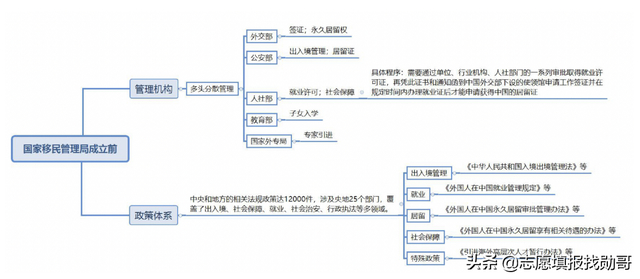 Comparison Of The Immigration Management Major And The Customs Management Major Of The Customs College And The Prospects Of The Immigration Management Major2026-03-19Comments(0)
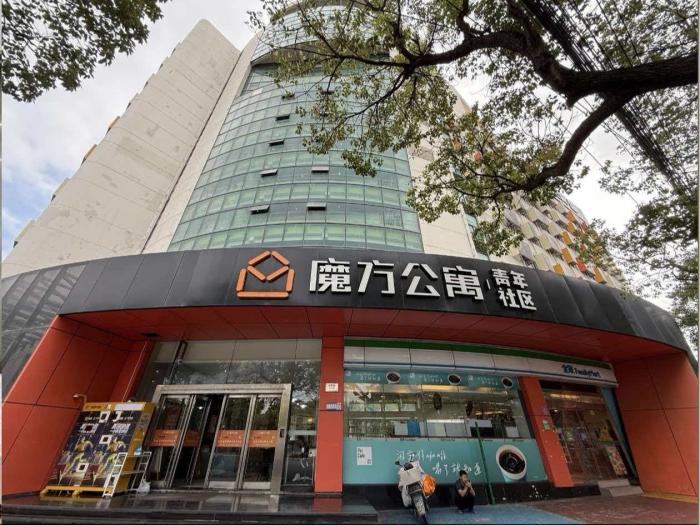 Many Stores Of Rubik's Cube Apartment Are Out Of Service, Tenants' Deposits Are Difficult To Refund, And Discounts Are Difficult To Allay Concerns.2026-03-05Comments(0)
 The Pet Dog Brought Back By A Dalian Man From Hangzhou Was Lost In Dalian And A Reward Of 10,000 Yuan Was Offered To Find The Dog.2026-03-13Comments(0)