
Ending With Roses! Yang Xing Interprets Fresh Cherries To Show The Diverse Charms Of Women
"Rose" ended today, and Yang Xing's "face-shaking" acting skills were recognized again
"Rose" ended today, and Yang Xing's "face-shaking" acting skills were recognized again
This afternoon, the World Data Organization was officially established in Beijing. It is the world's first professional international organization aimed at promoting data development and governance practices. The head of the World Data Organization accepted an exclusive interview with a reporter from CCTV.
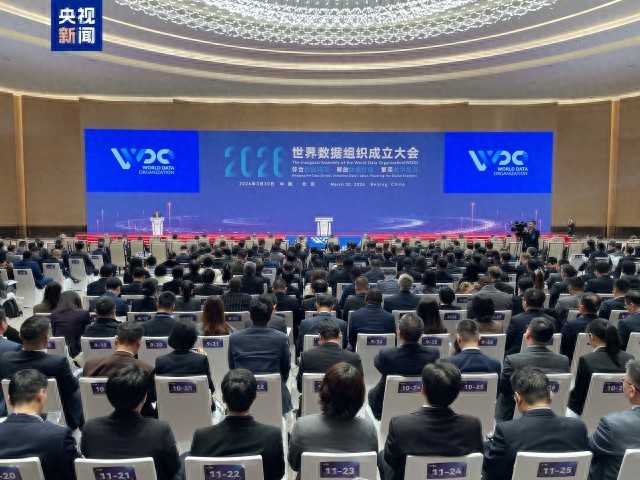
Why was this international organization established at this time?
Tan Tieniu, chairman of the World Data Organization, said that at present, the entire global economic recovery is still sluggish and growth momentum is insufficient. Relying on traditional trade and investment to drive economic growth should be said to have diminishing marginal effects. In turn, the digital economy is emerging and is booming. The artificial intelligence craze is very hot, and the most important feature of this craze is that it is data-driven. How to fully unleash the potential of data and drive faster development of the digital economy is a common problem faced by all mankind, and a globally recognized international platform is needed to promote and solve these problems.
What exactly will the World Data Organization do?
An important function of the World Data Organization is to "break down barriers": to solve the problem of different data policies in various countries, promote the formation of industry consensus, standard recommendations and best practices, provide reference for governments and research institutions of various countries, and help multinational enterprises reduce data compliance costs.
In addition, the World Data Organization also highlights "building an ecosystem": applying data to actual scenarios such as medical care, education, and energy to promote project implementation and industrial innovation; strengthening talent training, especially helping global southern countries and developing countries improve their data capabilities and narrow the data gap.
The World Data Organization currently has more than 200 members
Currently, the World Data Organization has brought together more than 200 members, covering more than 40 countries around the world.
The members of the World Data Organization cover diverse entities such as enterprises, universities and think tanks, international organizations, and financial institutions, involving 14 industries including industry, finance, medical care, public services, e-commerce retail, transportation and logistics, energy, construction, Internet, agriculture, education, media, automobiles, and law. It has initially formed a global layout and a diverse and collaborative member ecosystem.
Jack Perry, chairman of the British 48 Group, a member of the World Data Organization, said that data has no national borders and they flow in the cloud, but at the same time, they can also become factors that create barriers, so we must join hands. I see that China is facing the problem head-on and looking for solutions to make the results of digital economic development more inclusive.
(CCTV reporter Wu Hao and Liu Baixuan)
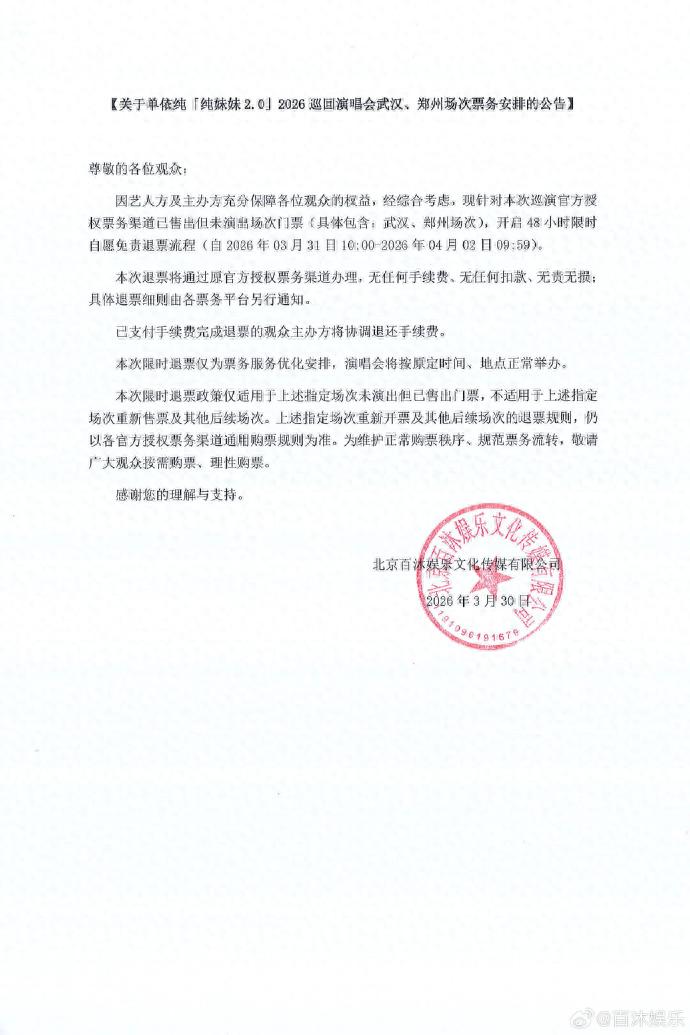
Late at night on March 30, the organizer of Shan Yichun's concert issued a statement, saying that because the artist and the organizer have fully protected the rights and interests of all audiences, after comprehensive consideration, a 48-hour limited time voluntary exemption refund process has been launched for tickets that have been sold but have not been performed through officially authorized ticketing channels for this tour. The full text is as follows:
Dear viewers:
Because the artists and organizers fully protect the rights and interests of all audiences, after comprehensive consideration, a 48-hour limited-time voluntary exemption and refund process (from 10:00 on March 31, 2026 to 09:59 on April 2, 2026) for tickets that have been sold but have not been performed through the officially authorized ticketing channels of this tour (specifically including: Wuhan and Zhengzhou shows) has been launched.
This refund will be handled through the original officially authorized ticketing channel, without any handling fees, no deductions, no liability and no damage; the specific refund details will be notified separately by each ticketing platform.
The organizer of the audience who has paid the handling fee to complete the refund will coordinate the refund of the handling fee.
This limited-time refund is only for ticketing service optimization arrangements, and the concert will be held as scheduled at the original time and location.
This limited-time refund policy only applies to tickets sold for the above-mentioned designated performances that have not been performed, and does not apply to re-sale of tickets for the above-mentioned designated performances and other subsequent performances. The refund rules for the re-issuance of tickets for the above designated events and other subsequent events are still subject to the general ticket purchase rules of all officially authorized ticketing channels. In order to maintain normal ticket purchasing order and standardize ticket circulation, the audience is kindly requested to purchase tickets as needed and purchase tickets rationally.
According to reports, Shan Yichun's "Pure Sister 2.0" 2026 concert tour continues to be popular. She will sing at the Wuhan Optics Valley International Tennis Center (Central Court) for three days from April 10th to April 12th, and for two days at the Zhengzhou Olympic Sports Center from April 25th to 26th. Currently, all five concerts have been sold out.

Previously, Li Ronghao posted a long message calling out Shan Yichun, saying that the issue of forced infringement of singing "Li Bai" continued to ferment, attracting the attention of the entire network.
In the early morning of March 30, singer Shan Yichun posted a long post, once again responding to Li Ronghao's call for infringement in singing "Li Bai" and apologizing. Shan Yichun said: During yesterday's concert, I sang the song "Li Bai" without actually obtaining written authorization, which caused harm to teacher Li Ronghao and betrayed everyone's trust. I would like to express my most sincere apology to all affected friends. The host company was solely responsible for the copyright review and authorization application of the tracks for this tour. Based on my trust in the professional process of the partner, I did not further verify the details of the authorization document before the performance. Later I learned that the organizer had not actually signed the performance authorization for "Li Bai". However, I still need to be responsible for my oversight negligence of "not personally verifying the authorization documents." After the incident, we have conducted a comprehensive self-examination and corrected the error, and reviewed the tour track authorization process. At the same time, we will also stop all subsequent performances of the song "Li Bai". I am willing to bear all corresponding responsibilities for the negative impact this matter has had on the entire industry. In the future, I will respect the handling methods of Teacher Li Ronghao and his copyright company, and continue to communicate with all parties. No matter who is the actual responsible party, I will personally bear the full copyright royalties and corresponding compensation.
Later, Li Ronghao responded: If this matter does not continue to ferment and slander and abuse me and my family, this matter will be left as it is for the time being. I promise that I will not take the initiative to mention it again in the future, but I will reserve my right to pursue it based on online public opinion. As for compensation, I can tell you and everyone here that I don’t need it. If I wanted money, I would authorize it to you from the beginning. Isn’t that more justifiable? Why bother with so much trouble.
Previous reports: Shan Yichun apologized after being accused of "forcibly" infringing on singing "Li Bai"! Li Ronghao asked four more questions: Without authorization, what stance, what rights, what angles, and what mentality would you use to sing?
Within three months, Baihua Pharmaceutical kicked off two changes of control.
On the evening of March 30, Baihua Pharmaceutical announced that the company’s controlling shareholders and actual controllers Mi Zaiqi, Mi Enhua, and Yang Xiaoling are planning a share agreement transfer, which may lead to a change in the company’s control.
It is worth noting that in December last year, the company announced plans to transfer control, but it was terminated on January 6 this year because the two parties failed to reach an agreement. This second restart may mean that Xinjiang's wealthy Mi Enhua family is determined to withdraw from this listed company that has been in power for nearly seven years.
Second restart: less than three months since the last termination of control transfer
On the evening of March 30, the company announced that it had received notices from the controlling shareholders and actual controllers Mi Zaiqi, Mi Enhua, and Yang Xiaoling. The three were planning the transfer of the company's share agreement, which may lead to a change in the company's control. The equity agreement transfer is currently under negotiation and there are still uncertainties. Baihua Pharmaceutical has been suspended from trading since the market opened on March 31, and the suspension is expected to last no more than 2 trading days.
It is worth noting that in December last year, Baihua Pharmaceutical announced plans to transfer control. However, on January 6 this year, Baihua Pharmaceutical announced that because the company's controlling shareholder, actual controller and counterparty did not reach an agreement on major matters related to the change of control, it decided to terminate the change of control at that time.
The resumption of the transfer of control for the second time seems to mean that Xinjiang's wealthy Mi Enhua family is determined to withdraw from Baihua Pharmaceutical.
Mi Enhua is the founder of Xinjiang's "Hualing" enterprise group and is married to Yang Xiaoling, while Mi Zaiqi is the son of Mi Enhua and Yang Xiaoling. Public information shows that Mi Enhua was born in 1958. In 1988, 30-year-old Mi Enhua registered and established "Urumqi Hualing Industry and Trade Company" with a capital of 30,000 yuan, and participated in the "going overseas" craze. Later, the Hualing market gradually developed.
Official website information shows that the current Hualing Group has developed into a private enterprise group with the commodity market as its main body and integrating commercial services, real estate development, foreign trade, animal husbandry industry, large-scale logistics, overseas investment, landscaping, heating, finance, education, etc.
Mi Enhua's net worth has also increased with the expansion of Hualing Group's territory. In October 2019, Mi Enhua appeared on the Hurun Rich List for the first time with a wealth of 15 billion yuan, ranking 244th. In 2024, the Mi Enhua family's net worth has risen to 29 billion yuan, ranking 157th on the Hurun Rich List.
In April 2019, Hualing Group acquired 19.86% of Baihua Village's equity and became the company's largest shareholder, with Mi Enhua and his wife becoming the actual controllers. On March 1, 2024, Baihua Pharmaceutical announced that it had received notice that the registered capital of the controlling shareholder Hualing Group had increased from RMB 500 million to 1.1 billion yuan. Mi Zaiqi, the sole controlling shareholder of Hualing Holdings, has become one of the actual controllers of Baihua Pharmaceutical through controlling Hualing Group.
Performance ups and downs: Six years of volatility under Mi Enhua’s control
As the “No. 1 stock in Xingtuan”, Baihua Pharmaceutical has undergone many transformations in its main business and changes in its ownership structure since its listing in 1996.
Its original name was "Baihua Village". In the early days of its listing, the company operated small-scale commercial businesses such as department store retail, catering, and trade. In 2002, the company acquired 51% of the shares of Guangzhou Xintuo Technology Development Co., Ltd. and transformed into the IT industry.
Since 2006, combined with the shareholding reform, Baihua Pharmaceutical has transformed into a coal mining company - "three mines and one factory" consisting of Yuxin Coal Company, Natural Products Company, 101 Coal Mine, and Hongji Coking Company. At that time, the company had considerable production capacity in the coking coal mining and coal chemical industry chain, with an annual output of 1.6 million tons of raw coal, 800,000 tons of coke, 210,000 tons of urea, and a power generation capacity of 182 million kilowatt hours.
In 2016, Baihua Pharmaceutical divested its coal and coal chemical businesses, which were suffering serious losses and with poor development prospects at the time, and transformed into the pharmaceutical R&D service industry, becoming the first listed company in the Xinjiang Production and Construction Corps with pharmaceutical R&D as its main business.
However, Baihua Pharmaceutical, which was new to pharmaceutical R&D services, encountered major setbacks at the beginning. After acquiring Warwick Pharmaceuticals, Warwick Pharmaceuticals did not fulfill its performance commitments. As a result, Baihua Pharmaceutical suffered impairment of goodwill for two consecutive years in 2017 and 2018. In 2017, the impairment was RMB 623 million, in 2018 it was RMB 908 million, and the cumulative impairment in the two years was RMB 1.5 billion.
During this period, Baihua Pharmaceutical's performance was also very ugly. The non-net profits in 2017 and 2018 were -570 million yuan and -819 million yuan respectively. It was also involved in litigation with Zhang Xiaoqing, the founder of Warwick Pharmaceuticals.
After the performance of Warwick Pharmaceuticals exploded, the original controlling shareholder of Baihua Pharmaceuticals, the Sixth Division State-owned Assets Company, transferred its controlling stake in the listed company, and the Mi family officially took over Baihua Pharmaceuticals.
During the years when Mi Enhua controlled Baihua Pharmaceutical, the company's performance showed significant fluctuations of "alternating between losses and profits." Data shows that from 2019 to 2024, the company's net profits attributable to the parent company were 34.3847 million yuan, -320 million yuan, 59.8271 million yuan, -34.7647 million yuan, 12.9723 million yuan and 41.479 million yuan respectively. Among them, there was a significant loss in 2020, mainly due to factors such as the termination of 58 pharmaceutical research and development contracts by Warwick Pharmaceuticals and the impairment of goodwill.
During the period of control by the Mi Enhua family, Baihua Pharmaceutical also had problems with information disclosure. In October 2023, the company and the board secretary received a warning letter from the Xinjiang Securities Regulatory Bureau due to multiple hints on the investor interaction platform that the company had weight-loss drug-related businesses and inaccurate and incomplete information disclosure. In June 2024, due to the untimely disclosure of changes in the actual controller, the company, controlling shareholders, actual controllers, etc. once again received regulatory warning letters and were recorded in the capital market integrity file.
daily economic news
The Russian government recently issued a formal decree announcing that it will implement a gasoline export ban for several months starting from April 1, 2026. This decision has been confirmed by Xinhua News Agency and Itar-Tass News Agency, marking a major shift in the Kremlin's energy policy. In an official statement, Moscow attributed the move to stabilizing domestic market prices and responding to energy fluctuations caused by the Middle East crisis, but the core military motivation behind it cannot be concealed. Just two weeks before the decree was issued, Russia's oil refining industry system and core export ports on the Baltic and Black Sea coasts were experiencing the most intensive and targeted long-range precision attacks since the outbreak of the conflict.
The direct trigger of this round of bans came from the continuous shutdown of many key oil refineries in Russia. On March 21, the Saratov refinery belonging to Rosneft was attacked by a Ukrainian suicide drone swarm. The attack was extremely precise, directly hitting the plant's core secondary processing unit and 10,000-ton reserve oil tank. As a key link in the oil refining process, the damage to the core processing unit and the fire in the oil storage facility caused the entire production line to come to a complete shutdown due to the loss of front-end processing capabilities. Since the production and installation of such large-scale precision equipment is highly dependent on a specific supply chain and is under wartime control, its repair cycle is currently difficult to predict.
Just five days later, on March 26, Ukrainian long-range drones once again broke through the air defense network, penetrated deep into northwest Russia, and launched an attack on the Kirishi Refinery in Leningrad Oblast. The Kirish Refinery is not only the second largest oil refining facility in Russia, but also the energy backbone of St. Petersburg and even the entire Northwestern Federal District. Its annual designed processing capacity exceeds 19 million tons, accounting for approximately 7% of Russia's total oil refining share. According to battlefield monitoring and satellite images, the two core devices of the factory, AVT-4 and AVT-6, were damaged in the attack. This tactical pattern of repeated strikes and continuous suppression not only consumed a large amount of Russian anti-aircraft ammunition, but also caused a structural collapse of Russia's already tight oil refining capacity.
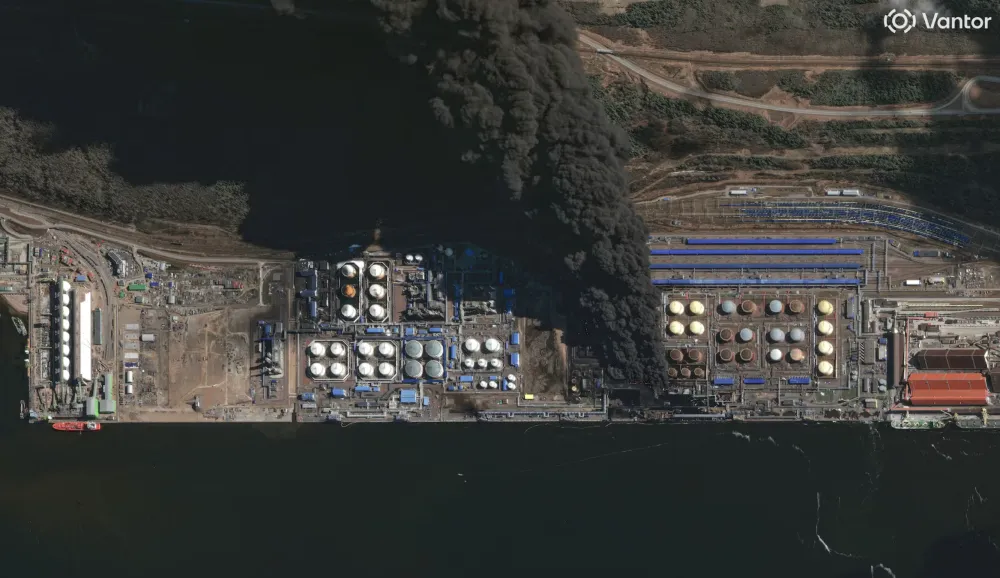
Shuanghai ports are caught in a bloody battle: the energy export artery encounters an "asymmetric" blockade
While the refining end has suffered heavy losses, Russia's energy export arteries are also facing a blood loss crisis. In the week from March 23 to 27, Ukraine launched three consecutive waves of large-scale air strikes against the two core oil hubs on the Baltic Sea coast, the ports of Primorsk and Ust-Luga. These two ports are responsible for about 40% of Russia's current oil export share, with an average daily loading capacity of up to 2 million barrels. The saturation attack on the 25th caused damage to some oil export facilities, but some operations have been restored due to Russian emergency repairs. Although the Russian air defense force claimed to have shot down 36 drones on the night of the 27th, the continuous explosions and fire alarms have forced international oil tankers to choose to divert or suspend their voyages.
In the direction of the Black Sea, the fighting was equally fierce. In early March, Ukraine used a multi-dimensional force including more than 200 drones, suicide drones and underwater unmanned submarines to launch a coordinated attack on the port of Novorossiysk. This was the largest attack in the area since the war began, causing damage to several ships, including the Valentin Picul, and to dock loading and unloading arms. The tactical value of this kind of destruction of port loading and unloading hardware is much higher than a simple attack on storage tanks, because the damage to the precision loading and unloading system directly caused the crude oil loading volume to be significantly lower than the planned production capacity, leaving Russia with no machinery to load even if it had oil.
The Russian energy system is currently in an extremely embarrassing state of double squeeze. On the one hand, the decline in domestic refining capacity has directly pushed up wholesale oil prices, threatening the stability of spring farming and frontline military logistics; on the other hand, continued attacks on export ports have prevented the Kremlin from fully enjoying the dividends brought by energy premiums in the context of soaring international oil prices. Ukraine's strategic intention is very clear: to use low-cost drones with a unit price of only tens of thousands of dollars to systematically attack industrial nodes worth hundreds of millions of dollars, forcing Moscow to tighten energy exports, thus cutting its war funding from the root.
Battlefield situation determines economic decisions: the logic behind forced strategic contraction
From a military perspective, the Putin government's announcement to ban the sale of gasoline is essentially a forced involution under pressure from the battlefield. At a time when the international energy landscape is experiencing violent fluctuations due to the situation in the Middle East, Russia should have strengthened its foreign exchange reserves by expanding exports, but the reality is that it must sacrifice foreign exchange to prioritize maintaining the minimum operation of domestic society. This shift from active regulation to passive defense heralds a qualitative change in the economic front of the Russia-Ukraine conflict. Although Ukraine cannot destroy Russia's economic foundation overnight through its continuous bloodletting tactics, its precise elimination of Russia's core industrial assets is causing cumulative damage that is difficult to reverse.
For the Kremlin, how to balance domestic demand and battlefield consumption after the ban takes effect on April 1 will be a huge test. With the continuous upgrading of Ukraine's long-range strike capabilities and the diversification of combat methods, all industrial targets with strategic value in Russia have been exposed to danger. If it cannot effectively improve the air defense efficiency of important areas or suppress Ukraine's launch positions in a short period of time, this kind of refinery war will continue to erode Russia's war potential and put it in a more disadvantaged position in a long-term war of attrition. The situation has become very clear. Russia's energy system is being squeezed from both production and export ends simultaneously, and the reduction in its foreign exchange earnings will directly translate into a heavy burden on frontline military operations.
BTOK registration steps:
1. Download the BTOK application: Visit the BTOK download address to download the BTOK application.
2. Open the app, select "China", fill in the "mobile phone number" and click Next.
3. Click "Enhanced Login".
4. Enter the mobile phone number verification code and click Next.
5. Complete registration.
How to add friends on btok
The main ways to add friends in btok are to search and add by mobile phone number or email, and to add by scanning QR code.
[Add friends via mobile phone number or email]
1. Open the btok software and log in to your account.
2. Click [Me] in the upper right corner of the software page to open the personal center page.
3. Click [Friend Management] to enter the friend page.
4. Click the [Add Friend] button at the top of the friends page.
5. Enter the other party’s mobile phone number or email address and click Search.
6. Click on the friend information in the search results and select the [Add as Friend] button. After the invitation is successful, the friend will be displayed on the friend management page1.
[Add friends by scanning QR code]
1. Open btok software and enter the home page.
2. Click the "+" sign and select "Scan".
3. Point the other person's QR code at the camera to add the other person as a friend.
Reasons why btok download the latest version of Android software is worth recommending
1. This software is a mobile application software for Chinese social networking around the world, providing a wealth of community interactive services. Users can find friends here who also love life and sharing, participate in interactions, and make their leisure life more interesting.
2. The platform has added many innovative functions. The first is the addition of a short video function. Users can share their life moments by uploading their own short videos. At the same time, there are a large number of short videos for you to browse, so users can have a more comprehensive understanding of other people's lives.
3. The APP adds an interactive chat function. Users can communicate with other users through group chats, private chats, etc., share their moods, and exchange ideas. It also adds the lbs function, which can recommend nearby users based on your location to facilitate better communication.
The charm of btok download Android version 2024 software
1. This app can bring you the most reliable internal industry news with cases, and you can see the virtual currency market trends that you are deeply concerned about in a timely manner;
2. It will become easier and easier to adjust your financial plan and realize your final trading needs in this software.
3. This platform is a very reliable online virtual currency trading market that brings you the latest market trends here.
btok Android version app download v6.5.5 software exclusive style
1. After the installation is complete, open the btok APP, register or log in to your account, and then you can start using it.
2. There are several points to note during use. Users need to abide by the application's community rules and not post bad information. Anyone who violates the rules may be banned. To protect your privacy, it is not recommended that you disclose too much personal information. If you encounter any problems during use, you can submit issues through the feedback function within the app.
3. This app is an app that brings you a new social experience. The newly optimized operation interface and innovative social methods allow people to enjoy convenient social interaction and also find fun here.
The main purpose of btok Android version download and installation software
1. This header has a wide range of virtual currencies that users can freely buy and sell according to their own preferences and needs.
2. The APP blockchain market information is updated in real time, and users can understand the latest blockchain market trends and data.
3. This application can make inquiries online at any time, understand the prices of different currencies, and make sales or purchases in time if there are any price changes.
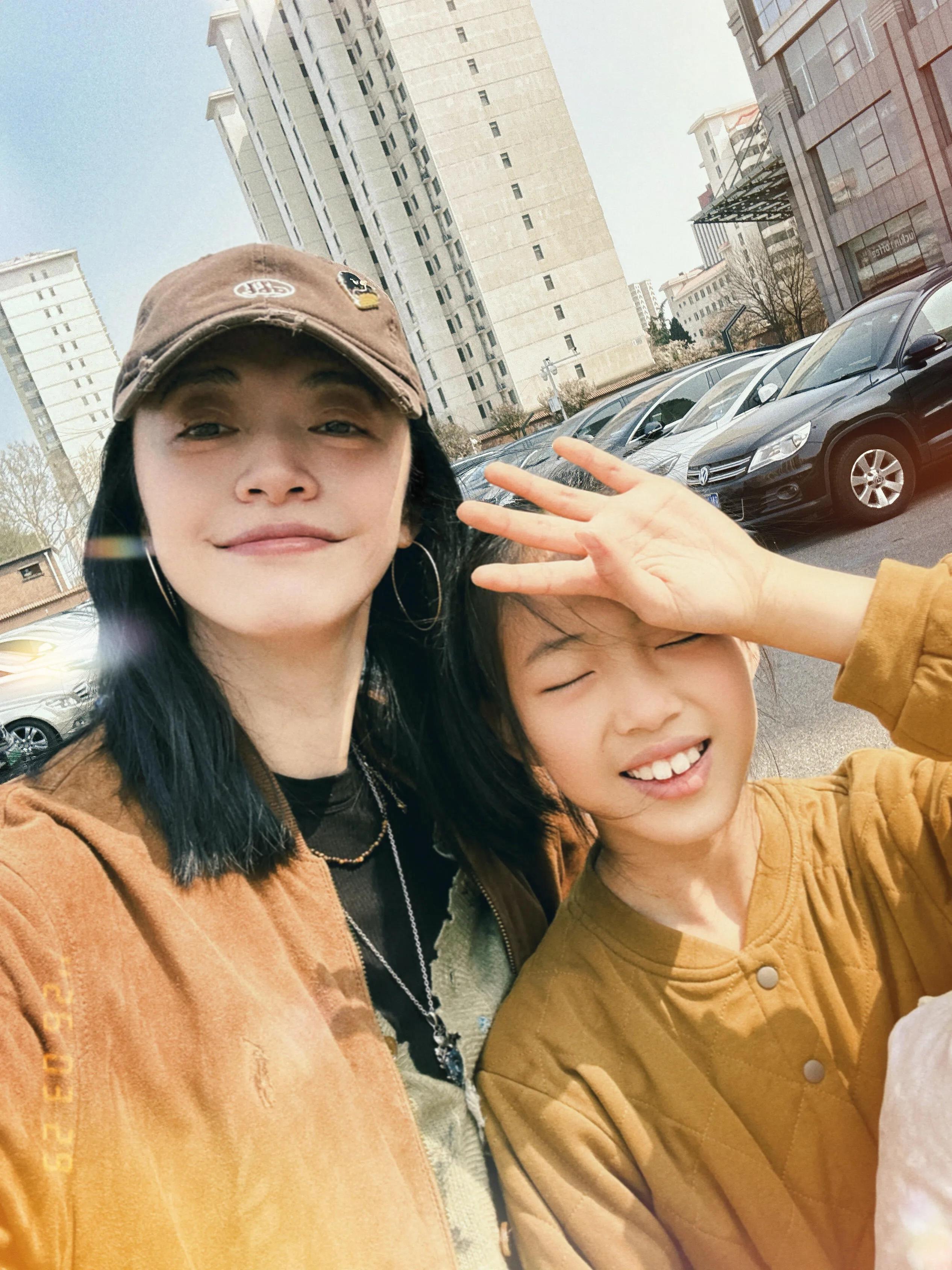
On March 29, Yao Chen posted on social platforms his daily routine of raising a baby on the weekends, and posted a selfie with his daughter Jasmine. The mother and daughter were in the same frame. The 9-year-old Jasmine was attending ballet class, and her long legs were so eye-catching.
In the photo, Yao Chen is wearing a baseball cap and an orange jacket. He looks cool in casual clothes. Daughter Jasmine is wearing an orange rhombus coat, and she and her mother are wearing matching parent-child looks. The mother and daughter are taking selfies in the sun in the parking lot. Jasmine has her eyes closed and covers her forehead with her hands. The picture is warm and loving.
Yao Chen sent his daughter to ballet class. Little Jasmine turned around to say goodbye to her mother when she arrived at the door. She was carrying a bag and carrying many things in her hands. She looked independent and mature. I really couldn't believe that she was only 9 years old. Moreover, little Jasmine is very tall, perfectly inheriting her mother's superior height, and her long legs are very eye-catching.

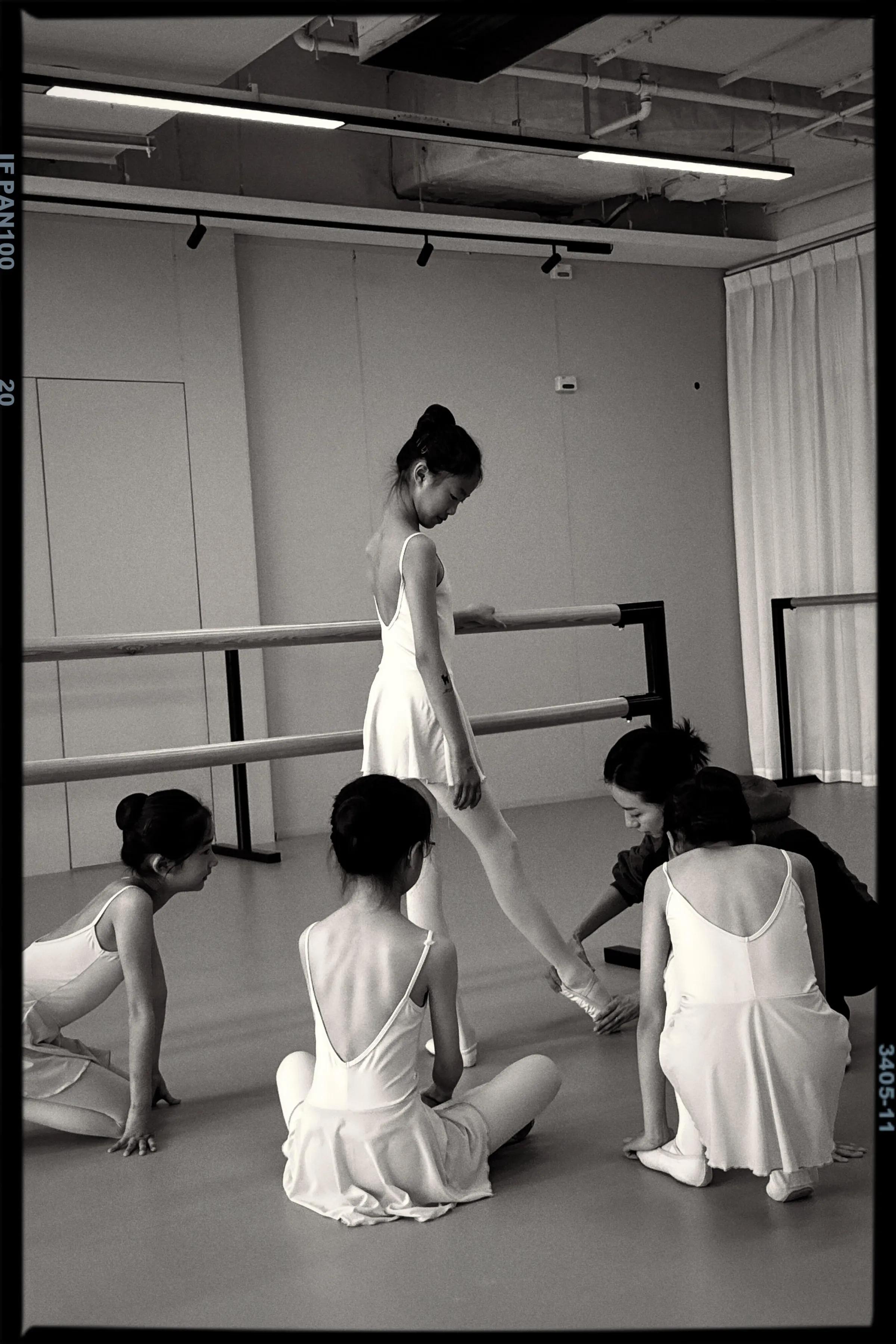
Little Jasmine, who was taking ballet class, put on a tutu and a bun, and practiced seriously under the guidance of the teacher. I have to say that little Jasmine's tall and thin figure is really suitable for dancing. She has a tall and straight posture, a generous temperament, and the head-to-body ratio is simply too superior.



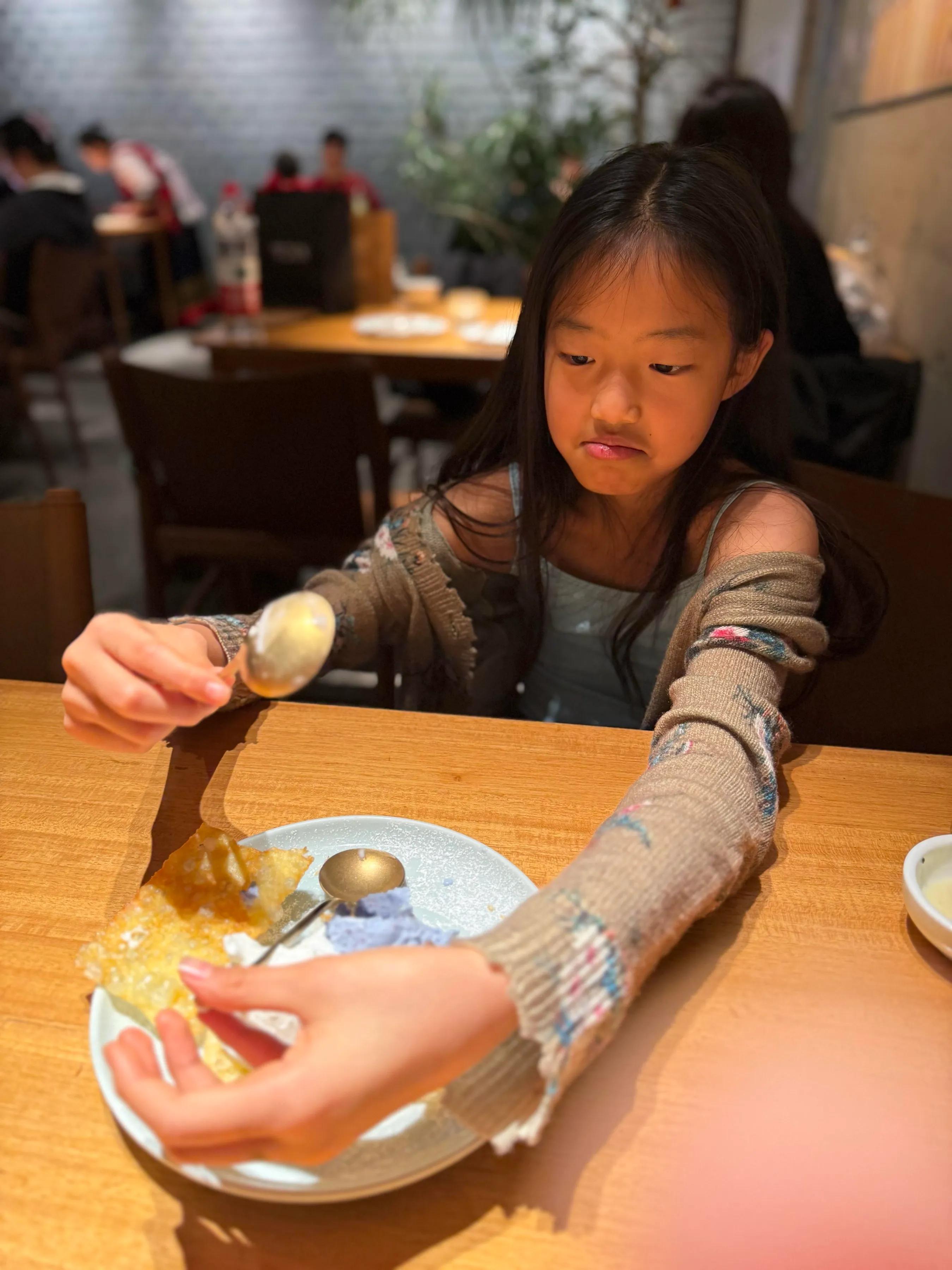
After it was over, Yao Chen took his daughter to have dessert. Little Jasmine was happy and satisfied after eating the cake. By the way, although little Jasmine inherited her mother's good figure, her appearance is more like her father Cao Yu, especially her eyebrows, which feel exactly like her father.
It is reported that Yao Chen and Cao Yu got married in 2012 and gave birth to a son and a daughter. The eldest son Xiaotuo is 13 years old this year. On March 16 this year, Yao Chen and Cao Yu issued a joint statement officially announcing their divorce. They stated that they had divorced a few years ago and had not made it public considering that their children were still young at the time.
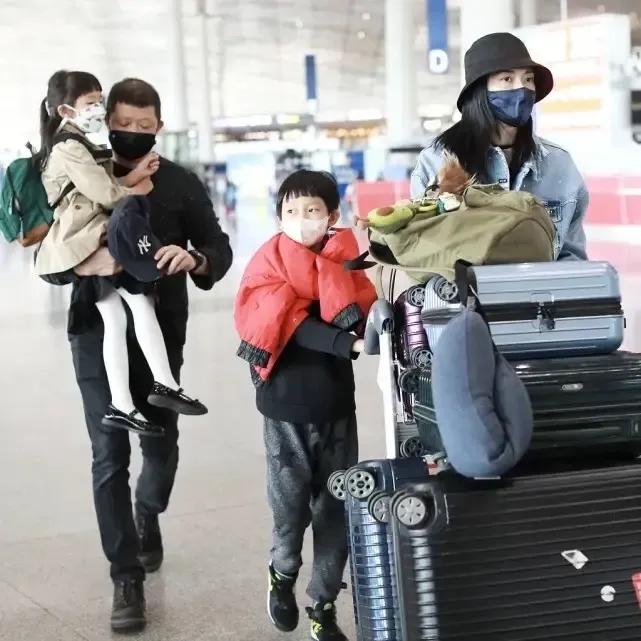

Although Yao Chen and Cao Yu have separated, seeing the state of their children, they feel that they should not be affected at all. After all, parents' love for their children will definitely not be less.
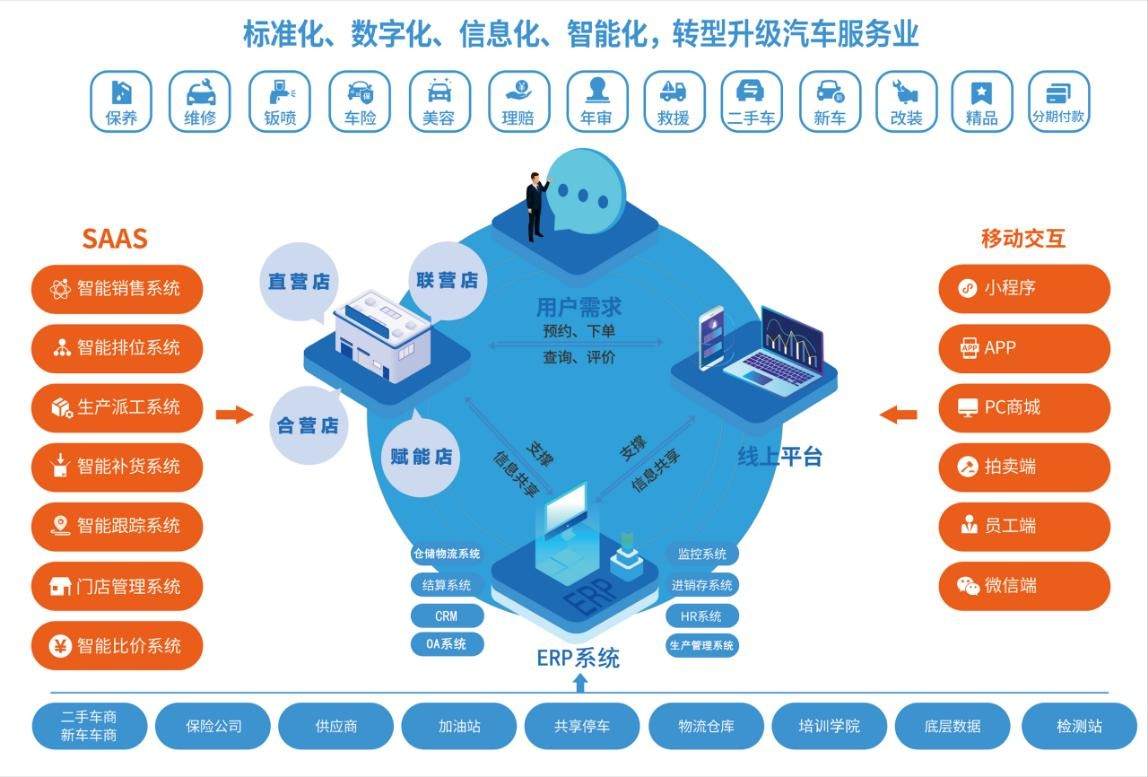 The Automotive Aftermarket Is Huge, And Individual Stores Urgently Need To Improve Their Supply Chain And Management Capabilities.2026-03-22Comments(0)