The United States Wants To Run Away After Attacking Iran, And The Whole World Will Bear The Consequences
The more realistic problem is that European countries simply cannot "explore oil on their own" as Trump demands.
The more realistic problem is that European countries simply cannot "explore oil on their own" as Trump demands.
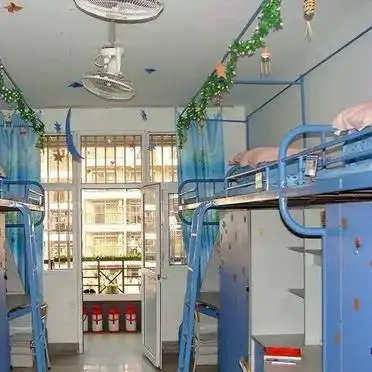
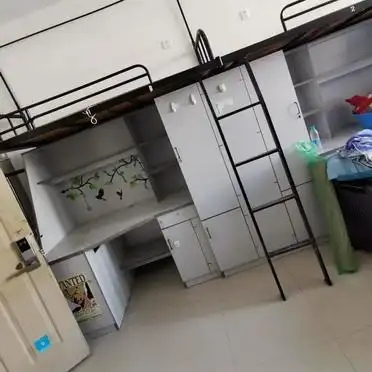
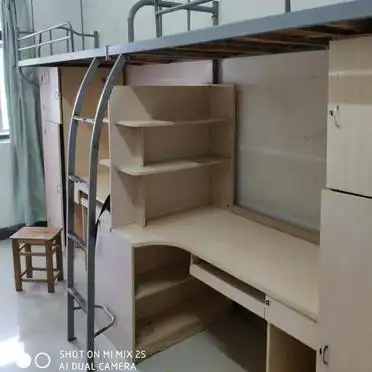
Anhui University of Finance and Economics: You deserve it! Hey, friends who want to apply for Anhui University of Finance and Economics, come and see what life is like here! Dormitory Life️The dormitory here is designed with a bed and a table. Each person has an independent bed and desk. and
According to a report by CNN on April 1, the Trump administration has given a clear turning signal in the direction of the war with Iran. He seems to be ready to withdraw directly from this conflict that has attracted global attention, but leaves the subsequent costs and turmoil of the war to the entire world. This war, initiated unilaterally by the Trump administration, has been full of controversy from the beginning, and its hasty ending will not only profoundly affect the international status of the United States, but will also have immeasurable ripple effects on the global economy, geopolitical landscape, and the U.S. alliance system.
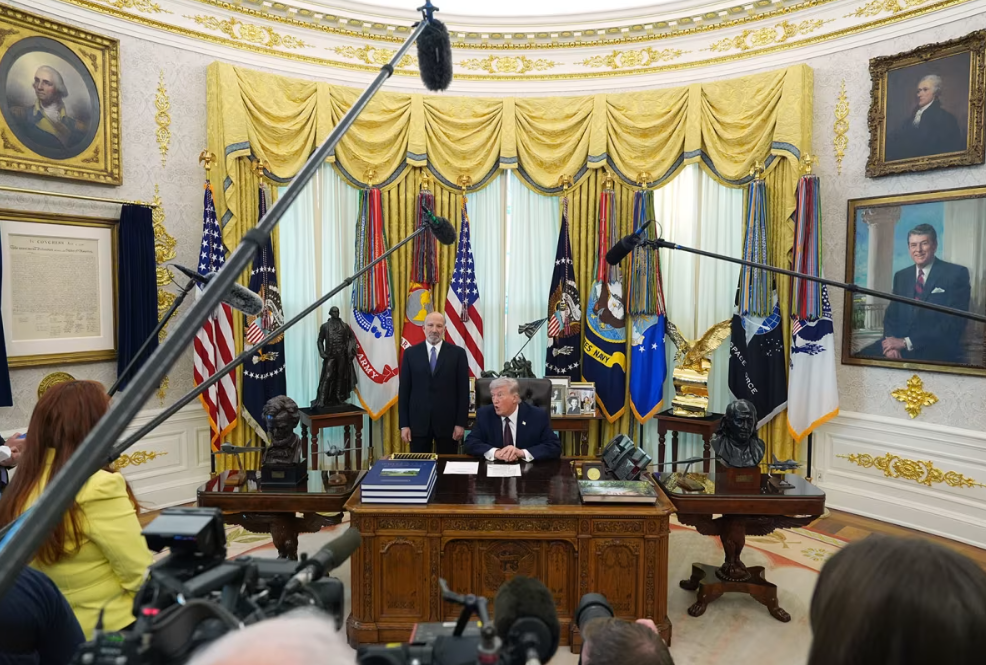
At the beginning of the war, the United States' European allies chose to stay out of the war. The core reason was that the Trump administration did not provide any advance notice to the allies before launching the war, and the allies generally believed that the war lacked a reasonable basis and seriously violated international law. Faced with the uncooperation of his allies, Trump showed strong dissatisfaction and publicly put pressure on these allies. He even made a strong statement on the "Real Social" platform: "Go and get oil yourself." He bluntly dumped the consequences of the war on those allies who were not involved in the war.

What is even more noteworthy is that the Trump administration began to release “troop withdrawal” signals when the direction of the war was not yet clear and the core issues were not resolved. It is reported that the US government plans to declare "mission accomplished" without committing to restoring free navigation in the Strait of Hormuz. Trump himself has publicly predicted that the war will end in "two to three weeks" and even made it clear that "what happens in the Strait of Hormuz has nothing to do with us." Behind this eagerness to withdraw is the Trump administration's consideration of domestic political and economic pressures, but it completely ignores the far-reaching impact that the war may have on the world.
According to reports, the Strait of Hormuz, as the chokepoint at the entrance to the Persian Gulf, controls about one-third of the world's oil shipping channels, and its strategic position is crucial. Since the outbreak of the war, Iran has made full use of this geographical advantage to cut off key oil supplies and put the global economy under its control as an important bargaining chip against the United States. If the Trump administration really withdraws its troops hastily without resolving the issue of control of the Strait, leading to Iran finally taking full control of the Strait of Hormuz, Iran will gain a major strategic victory, and this will undoubtedly be a public strategic defeat for the United States.
Reports say that once Iran controls the Strait of Hormuz, it will definitely take the opportunity to consolidate its position and expand its influence. On the one hand, Iran will declare victory in the war in a high-profile manner to further strengthen domestic cohesion. At the same time, it will also believe that it has rebuilt its deterrence against future external attacks and may boldly advance its military, missile and even nuclear programs in the future. After all, related facilities destroyed by US-Israeli air strikes during the war require a lot of money to rebuild, and control of the Strait of Hormuz will provide Iran with a stable source of income. Iran is very likely to turn control of the strait into economic benefits by imposing tolls on oil tankers passing through this route, thereby providing financial support for its various military plans. This will undoubtedly bring new threats to regional security and the global nuclear non-proliferation system.
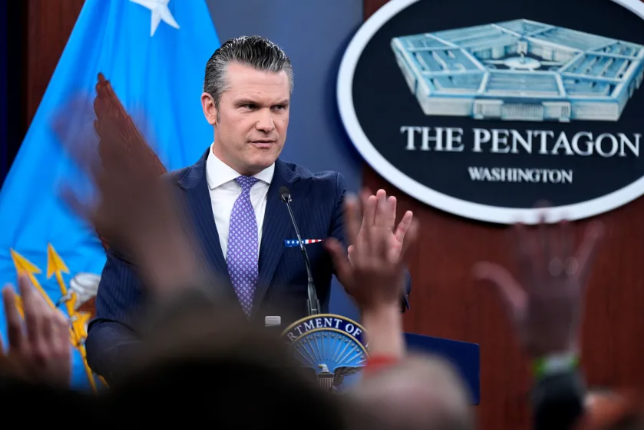
In order to find reasonable excuses for Trump's hasty troop withdrawal, U.S. government officials began to deliberately redefine the criteria for "war victory" in an attempt to create cover for public opinion. U.S. Defense Secretary Hegseth publicly declared on Tuesday that the United States has achieved "regime change" in Iran. However, this statement is obviously seriously inconsistent with the facts. Iran is still ruled by Islamic radical forces hostile to the United States, and the regime structure has not undergone any substantive changes. Behind this self-deceptive statement is the helplessness and passivity of the Trump administration after the war reached a stalemate: more than a month since the war broke out, the United States has not only failed to achieve its expected goals, but has faced increasing internal and external pressure. The initial four-to-six-week war deadline set by officials has also made the Trump administration's decision to withdraw troops more urgent.
Previously, Trump claimed that the United States was conducting "productive" negotiations with Iran, trying to send a signal to the outside world that "the war is about to be resolved peacefully." However, this statement was quickly denied by Tehran officials, and there is no public evidence to prove that there is effective diplomatic communication or any diplomatic progress between the United States and Iran. Obviously, Trump's statement is more of a political rhetoric to appease the American people and ease political pressure. It cannot change the reality that the war has reached a stalemate and subsequent problems are difficult to solve.
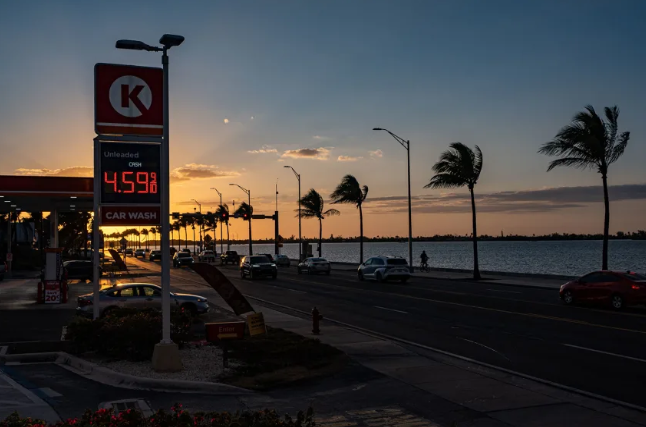
The report believes that the core reason why Trump is eager to end the war with Iraq is that domestic economic and political pressure has reached an unbearable level. Currently, the American people are tired of the continued high prices, and the continuation of the war has further intensified the economic pain. Data on Wednesday showed that the average price of gasoline across the United States has risen to US$4.06 per gallon (approximately 7.4 yuan/liter), setting a new single-month high. At the same time, the latest polls show that Trump’s economic support rate has dropped to 31%. This low support rate has made Trump passive in domestic politics. For him, a ceasefire as soon as possible to avoid further deterioration of the economic situation is the key to safeguarding his own political interests, and it is also the core driving force behind his hasty withdrawal.
Although a hasty withdrawal of troops can temporarily relieve domestic pressure in the United States, the Trump administration is clearly aware that this approach of "withdrawing without cleaning up the mess" will bring serious strategic consequences to the United States. After all, if Iran controls the Strait of Hormuz, the international community will generally regard it as a strategic failure of the United States, which will severely weaken the United States' influence in the Middle East and even shake its global hegemony. But for Trump, this may be the most desirable outcome at present - because if he chooses to use force to reopen the Strait of Hormuz, it may not only cause heavy casualties to the US military, but also prolong the war cycle, further aggravate the dissatisfaction of the domestic people, and ultimately completely destroy his already damaged political authority. This choice of the lesser of two evils is essentially a reflection of Trump prioritizing his own political interests while ignoring the long-term national interests and global responsibilities of the United States.
In fact, Trump's hasty withdrawal may seem like an attempt to "get out of the quagmire of war," but in fact he is passing on the consequences of his own decisions to the entire world, and he himself cannot truly escape the backlash brought about by his decisions. Judging from Trump's usual style of acting, he is better at destroying the existing international order than establishing a new stable system. The hasty ending of the war with Iraq is a concentrated expression of this style. At the same time, this further extends the "America First" principle he has always adhered to. In his logic, all actions of the United States should be centered around its own core interests. As for the interests of its allies and global stability, they are only secondary considerations and can even be sacrificed. In addition, this decision also vented Trump's long-term dissatisfaction with NATO allies. In his view, these allies have been "squeezing" the United States' security guarantees but are unwilling to provide support to the United States at critical moments. Therefore, letting them bear the consequences of the war on their own is "natural" in his eyes.
The article stated that the reality is that the United States is not isolated from the world, and the Trump administration’s decisions will inevitably trigger a series of unavoidable economic and political chain reactions. As Rosemary Kelanik, director of the Middle East Studies Project at the Defense Priority Think Tank, said: "Although the United States is the world's largest oil producer, this cannot protect American consumers from the impact of oil prices, because oil prices are global. Therefore, the American people and everyone in the world will be affected by this supply shock." The obstruction of navigation in the Strait of Hormuz has led to a serious gap in global oil supply, and oil prices have continued to soar. If Iran controls the strait for a long time, this supply shock will be further intensified and may even trigger a global economic recession.
What is even more alarming is that once the wave of global economic recession forms, it will eventually spread to the United States. This time point is likely to coincide with the eve of the U.S. mid-term elections. The Democrats are hoping to use the opportunity of the mid-term elections to win a big victory and thereby restrict Trump's power in his second term. If the economic situation deteriorates further, Trump's political situation will become more difficult and may even affect his re-election prospects. This also means that Trump’s attempt to ease domestic pressure through a hasty withdrawal of troops may ultimately backfire and put him in greater political trouble.
In addition to its impact on the global economy, Trump's decision will also have a profound impact on the global geopolitical landscape, the most obvious of which is the further fragmentation of the transatlantic alliance. The transatlantic alliance has long been an important pillar of U.S. global strategy, but a series of actions by the Trump administration have already caused cracks in this alliance. The hasty withdrawal of troops from the war with Iran has pushed these cracks deeper. As one of the most pro-NATO figures in Trump's inner circle, US Secretary of State Rubio's statement on Al Jazeera this week has even sounded the alarm. He made it clear that the response of U.S. allies to the war was "very disappointing" and suggested that after the war is over, Trump will "reevaluate" security commitments to these allies.
This statement made European allies deeply aware that in the unpredictable era of Trump's administration, they can no longer rely unconditionally on U.S. security guarantees. The U.S. president has clearly linked the U.S.'s security commitments to "unconditional support for its actions." Once allies fail to cooperate, they may be abandoned. This uncertainty has forced European allies to re-examine their security strategies, and has also put the future of the transatlantic alliance in jeopardy. In fact, European allies have been dissatisfied with the Trump administration for a long time: In the past year, Trump has continuously rebuked allies, demanded that Denmark cede Greenland, launched tariff attacks on Europe, and despised the sacrifices made by European allies for the United States after 9/11. These behaviors have chilled European allies and made them gradually lose trust in the United States.
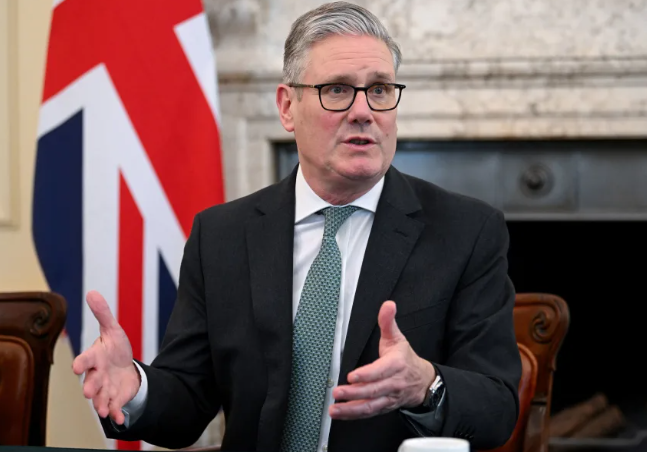
The report said that in this war with Iraq, the attitudes of European allies fully reflected this distrust and dissatisfaction. As a traditional ally of the United States, the United Kingdom initially refused to let the United States use its air bases to carry out offensive missions in Iraq. Spain took a tougher stance and directly refused to participate in any war-related operations. Faced with the lack of cooperation from European allies, Trump showed strong anger. He not only criticized the "special relationship" between Britain and the United States, but also threatened to cut off all trade with Spain. He even said that he was considering withdrawing from NATO and called the alliance a "paper tiger." He also added that Russian President Vladimir Putin agreed with him. These remarks and actions by Trump have further aggravated conflicts with European allies and made it difficult to heal the rift in the transatlantic alliance.
For Europe, Trump's hasty withdrawal means that they will have to bear a series of costs of the war alone, even if they are not involved in the war. First, high energy prices and rising inflation will deal a heavy blow to Europe's fragile economies. Currently, the economies of many European countries are still in the recovery stage, and the surge in energy prices will directly push up production costs, suppress consumer demand, and may even lead to economic recession in some countries. At the same time, the intensification of inflationary pressure will also trigger dissatisfaction among voters, causing political backlash against the already weak European centrist governments, and may even trigger social unrest. At present, some EU countries have begun to discuss the rationing of gasoline and diesel, which also reflects the seriousness of the energy crisis.
Secondly, Europe is also facing the potential threat of the refugee crisis. If Iran's central government collapses due to the war and the domestic situation becomes turbulent, it is likely to trigger another large-scale refugee flow, and most of these refugees will flock to European borders. This will further test the financial strength and social tolerance of European countries, and intensify cultural and political differences within Europe. The previous refugee crisis has caused serious divisions within Europe, and the new refugee flow will undoubtedly make this problem worse.
The more realistic problem is that European countries simply cannot "get oil on their own" as Trump requires. For a long time, European countries have been committed to reducing military expenditures, resulting in a significant shrinkage of military strength. This war with Iraq has also fully exposed the shortcomings of European military strength. It took the British Royal Navy several weeks to deploy an anti-missile destroyer off the coast of Cyprus to protect its assets in the Middle East. Although France managed to dispatch an aircraft carrier battle group to protect its own interests and those of its allies in the Middle East, it was impossible to open and maintain navigation in the Strait of Hormuz with the strength of European countries alone. Even the powerful U.S. Navy currently considers it too dangerous to enter the range of Iranian drones and missiles, let alone European countries with shrinking military strength. This also means that Europe will be subject to Iran’s control of the Strait of Hormuz for a long time and face continued energy security threats.
It should be noted that Trump's remarks should never be taken at face value. His public statements are often highly strategic and even a means to force his opponents to compromise. Just the day before the United States released a signal to withdraw its troops, Trump also issued a tough warning: If Iran does not meet its peace conditions, he will take extreme measures to escalate the war, destroy Iran's power plants and even desalination facilities, and carry out a devastating blow to Iran. This inconsistent statement exactly reflects Trump's style of doing things: exerting pressure through extreme remarks, and then seeking the most beneficial results for himself through compromise and concessions.
Rubio's statement also confirmed this from the side. He said last Friday: "All countries in Asia and the world have a stake and should make significant contributions to the reopening of the Strait of Hormuz." This statement seems to be calling on all countries to participate together, but in fact it is a strategy of the Trump administration trying to shift the responsibility for solving the Strait issue to other countries, while itself taking the opportunity to withdraw. After all, the Trump administration knows that it is difficult for the United States alone to resolve the issue of control of the Strait of Hormuz, and involving other countries can not only share the pressure but also find reasonable excuses for its own withdrawal.
At present, neither the United States nor Iran seems to have a clear "exit path", and the follow-up direction of the war is still full of uncertainty. However, there may be a glimmer of hope for the United States' European allies in their confrontation with Trump. In fact, Europe is not without its role. Some European countries have mine clearance capabilities that the United States lacks, which is crucial in the process of opening the Strait of Hormuz. France has made it clear that it is willing to form an international mission with the navies of other countries after the armistice to jointly protect shipping safety in the Strait of Hormuz. This statement not only reflects Europe's desire to maintain its own energy security, but also leaves a little room for the repair of transatlantic relations.
Stephen Flanagan, former senior director for defense policy and strategy at the National Security Council, said at a Middle East Institute briefing on Tuesday: "I think they are still trying to avoid the U.S.-Iran disagreements from causing a permanent rupture in the transatlantic relationship, but it is getting harder every day in the face of Trump's fierce attacks on Europe's response so far." This statement accurately summarizes the current situation of European allies: On the one hand, they want to maintain the stability of the transatlantic alliance and avoid a complete breakdown of relations; on the other hand, they cannot accept Trump's unreasonable demands and are unwilling to be dragged into a meaningless war.
However, the Trump administration seems not to be satisfied with Europe's stance and is still putting pressure on European allies. U.S. Defense Secretary Hegseth publicly stated on Tuesday: "(Trump) pointed out that the usage rate of this international waterway by the United States is much lower than that of most countries, in fact much lower. So the world should pay attention and be prepared to stand up." The subtext of these words is very clear: The Trump administration believes that the safety of navigation in the Strait of Hormuz is closely related to all countries around the world, and the maintenance responsibility should not be solely shouldered by the United States. European allies and other countries should also assume more obligations and contribute to re-opening the strait.
However, European countries are generally opposed to Trump's request, and they have no intention of being dragged into another Middle East war initiated by the United States. In the eyes of European critics, not only is the reason for this war with Iraq questionable, but it also lacks any clear post-war planning. Even participating in it will not bring about a better situation, but will instead plunge Europe into a deeper crisis. German Defense Minister Pistorius’ question last month expressed the aspirations of European countries: “What does Trump expect a few European frigates to do in the Strait of Hormuz? Do they do something that even the powerful U.S. navy cannot do?”

Anhui University of Finance and Economics: You deserve it!
Hey, friends who want to apply for Anhui University of Finance and Economics, come and see what life is like here!
Dormitory life️
The dormitory here is designed with a bed and a desk, and each person has an independent bed and desk. Moreover, each dormitory is equipped with air conditioning, so you are not afraid of heat in summer and cold in winter. However, there are no private bathrooms in the dormitory, and the public bathroom may make you a little uncomfortable, but over time, you will find that it is not a big deal. There is a balcony outside the dormitory with a great view. You can even see the beautiful sunrise when you wake up in the morning!
campus scenery
The campus environment is really good. The flowers, plants and trees change with the four seasons, which always allows you to see different beautiful scenery. There are food stalls and snack streets outside the east gate and south gate. Foodies are in luck! Moreover, these snack streets lead all the way to the university town, making shopping very convenient.
Convenient life
There are Luckin Coffee, Guming Milk Tea, Shanghai Aunty, Kudi Milk Tea, Tianlala Desserts, and a large supermarket on campus, so you don’t have to worry about life at all. There are two canteens with a rich variety of food and great taste.
Convenient transportation
The high-speed rail station is nearby, about two kilometers away, and the transportation is very convenient. Although Bengbu is not a big city, it has a high sense of happiness. Shared bicycles and shared electric vehicles can be found everywhere. The school is only five or six kilometers away from the shopping mall in the city center. It is not far or close. There are also commercial streets, gyms and Helens nearby, making life very convenient.
The teachers are very responsible and their teaching level is very high. If you have academic pursuits, this is definitely the ideal place for you.
In short, Anhui University of Finance and Economics is a place worth applying for. Come on, we look forward to your joining!

Promoting blunt words can "keep your card"
"Can anyone help me buy a ticket for the Spring Festival Gala, preferably one with a microphone and able to go on stage. I can go up and tell the story of my POS machine." At the end of 2022, Zhao Zhao (pseudonym), an acquiring and payment POS machine agent, posted such a circle of friends.
The story of Zhao Zhao and POS machines began in 2016. During this year, Zhao Zhao began to carry a bag and walk around the streets to sell goods, and gradually developed a deeper relationship with POS machines. Gag-style "jokes" are also advertisements issued by Zhao Zhao to promote POS machines. There are many such contents in his circle of friends.
The agent's main job is to sell POS machines to merchants through various channels, and can obtain corresponding profits based on the card transaction flow generated by the activated POS machines. In the seven years since Zhao Zhao entered the industry, with the adjustment of regulatory policies, the marketing model in the acquiring field has also been constantly changing.
A reporter from Beijing Business Daily learned that telemarketing is one of the main ways for individual users to come into contact with POS machine promotion. By briefly introducing the POS machine brand, card payment rates, machine fees and other information, the telephone customer service conducts a preliminary screening of interested customers. Zhao Zhao told a reporter from Beijing Business Daily that the POS promotion calls received by users are usually not made directly by agents. This type of model is called intra-city work orders in the industry, and on this basis, the off-site electronic sales model is derived.
"Professional telemarketing agencies obtain interested customers by making phone calls, and payment agents receive orders in the form of work order delivery for a fee. They contact customers based on the information provided by the telemarketing company and come to promote POS machines. After that, most agents directly promote POS machines to users in other places by mail." Zhao Zhao explained.
The aforementioned promotion method casts a wide net, which can help agents acquire more customers in a short period of time, and has become the choice of many agents. But Zhao Zhao was unwilling to poke his head into the tiger's mouth and engage in such a risky business. Zhao Zhao said frankly that the first step in intra-city work orders is to buy and sell user information. The user data held by telemarketing agencies is used repeatedly. While there are legal risks, the transaction cannot be maintained for a long time, and it is often deceptive in the nature of one shot for another.
Unable to find customers through shortcuts, Zhao Zhao, like many other agents, left his contact information on public social platforms to accumulate "friends" and constantly posted information about POS machines in his personal circle of friends. "Once someone sends a signal that they want to know about POS machines, agents will rush to them and get their contact information before making further introductions." Zhao Zhao pointed out.
A reporter from Beijing Business Daily further investigated and found that labels such as “card maintenance”, “cash out”, “low rates” and “capital turnover” are high-frequency words in agents’ circles of friends. In some agents’ circles of friends, POS machines are even labeled as “bad debt repair tools.” On public social platforms, due to platform restrictions, agents often use words such as "stable", "personal version" and "no price increase" when promoting.
There are also small advertisements for POS machine agents, which are posted in the elevator of the community where reader Liu Qin (pseudonym) lives in Beijing. They are clearly marked with words such as "You can apply for a POS machine by swiping your card at any time if you have a credit card" and "It's faster to raise your credit card if you have a card." According to Liu Qin, this advertisement is firmly pasted on the left side of the elevator floor button and can be seen by everyone who enters the elevator. "After all, it is illegal to cash out a credit card. I tried to take it off but failed. Some neighbors also used labels to block the QR code for contact, but it was torn off again within a few days." Liu Qin said.
“Strictly review the qualifications of special merchants and standardize the management of acceptance terminals,” this is the clear policy of the regulatory agency. According to the requirements, no unit or individual is allowed to buy or sell POS machines and other acceptance terminals online. Banks and payment institutions should conduct on-site inspections of all physical merchants and check the usage locations of their acceptance terminals one by one. However, judging from the current implementation situation, this provision is almost in name only.
Personal Internet access "lost"
Illegal matching transaction merchants
Business is not doing well.
According to data disclosed by the central bank, in 2022, there were 3.3754 million fewer connected POS machines than the previous year.
Investigating the reason, Wang Pengbo, chief analyst of Broadcom Consulting, said that due to the impact of the epidemic in recent years, the overall economic growth has slowed down, and the demand for POS machines in physical businesses has declined. At the same time, innovation and changes in payment products continue. Alternative products to traditional POS machines are increasing, including direct transfers, mobile payment tags, etc., and new products are more convenient and lower-cost, gradually eroding the usage scenarios of traditional POS machines, and the promotion of POS machines has encountered bottlenecks.
Rampant advertising and marketing also targets a wider group of individual users. It has almost become an open secret in the acquiring field for individual users to cash out at POS machines.
According to information released on public social platforms, a reporter from Beijing Business Daily obtained a Lakala (300773) POS machine from agent Li Yu (pseudonym) without any hindrance at a price of 59 yuan with free shipping, and further tested its activation process. Based on Li Yu's reminder, the reporter registered as a "small and micro merchant" and independently selected the merchant type and name. Store information such as door photos and cashier photos are not required. In the end, with the help of real personal information and false merchant information, the reporter quickly passed Lakala's review and registered as a merchant with a single credit card credit limit of up to 300,000 yuan, with a credit card fee rate of 0.6%.
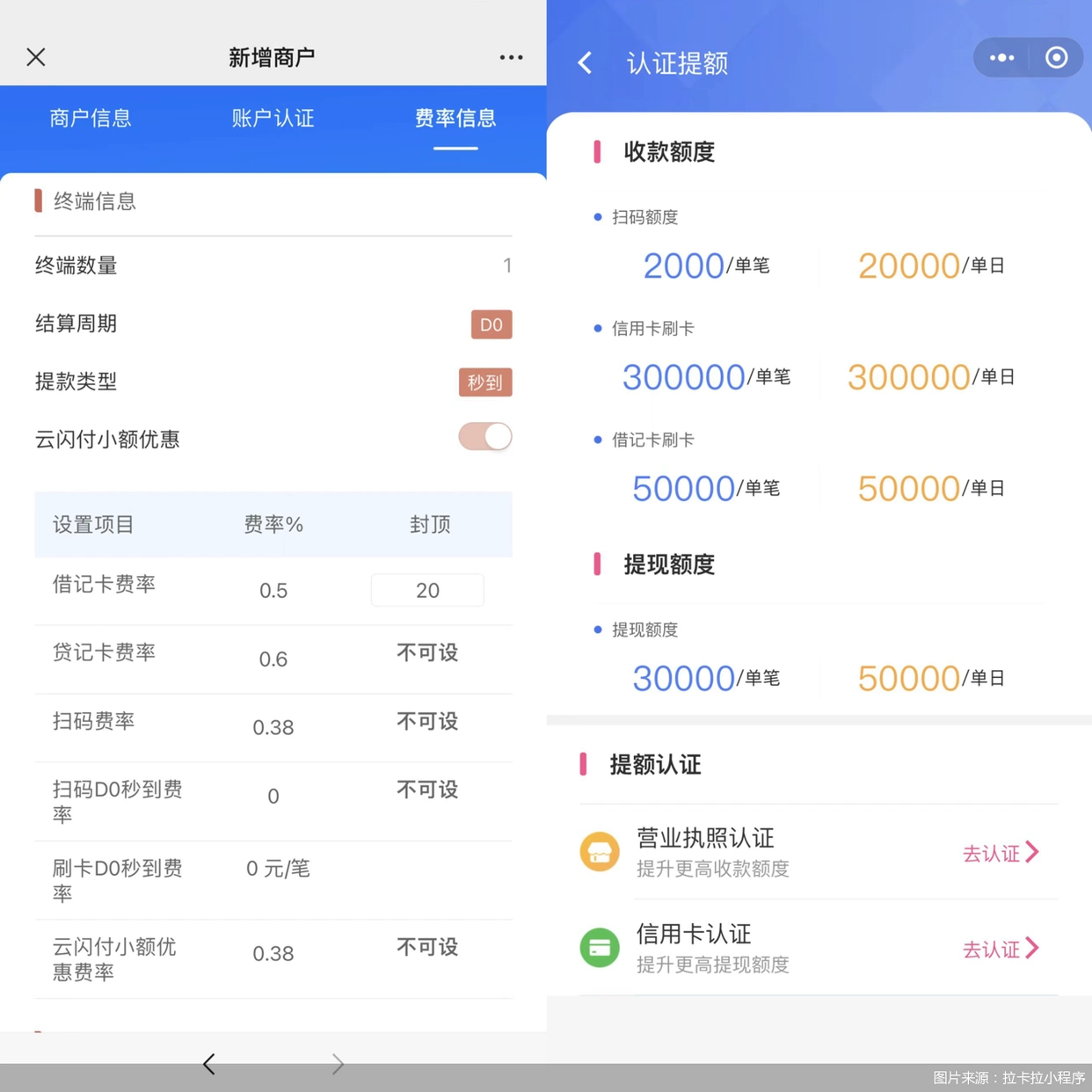
After completing the registration and activation, the Beijing Business Daily reporter used his own credit card to swipe the card on the POS machine. However, bank transaction details showed that the payee was Beijing Jianwei Xingsheng Clothing Store. The system automatically matched the new transaction information, and the card amount reached the bound account immediately after deducting the handling fee.
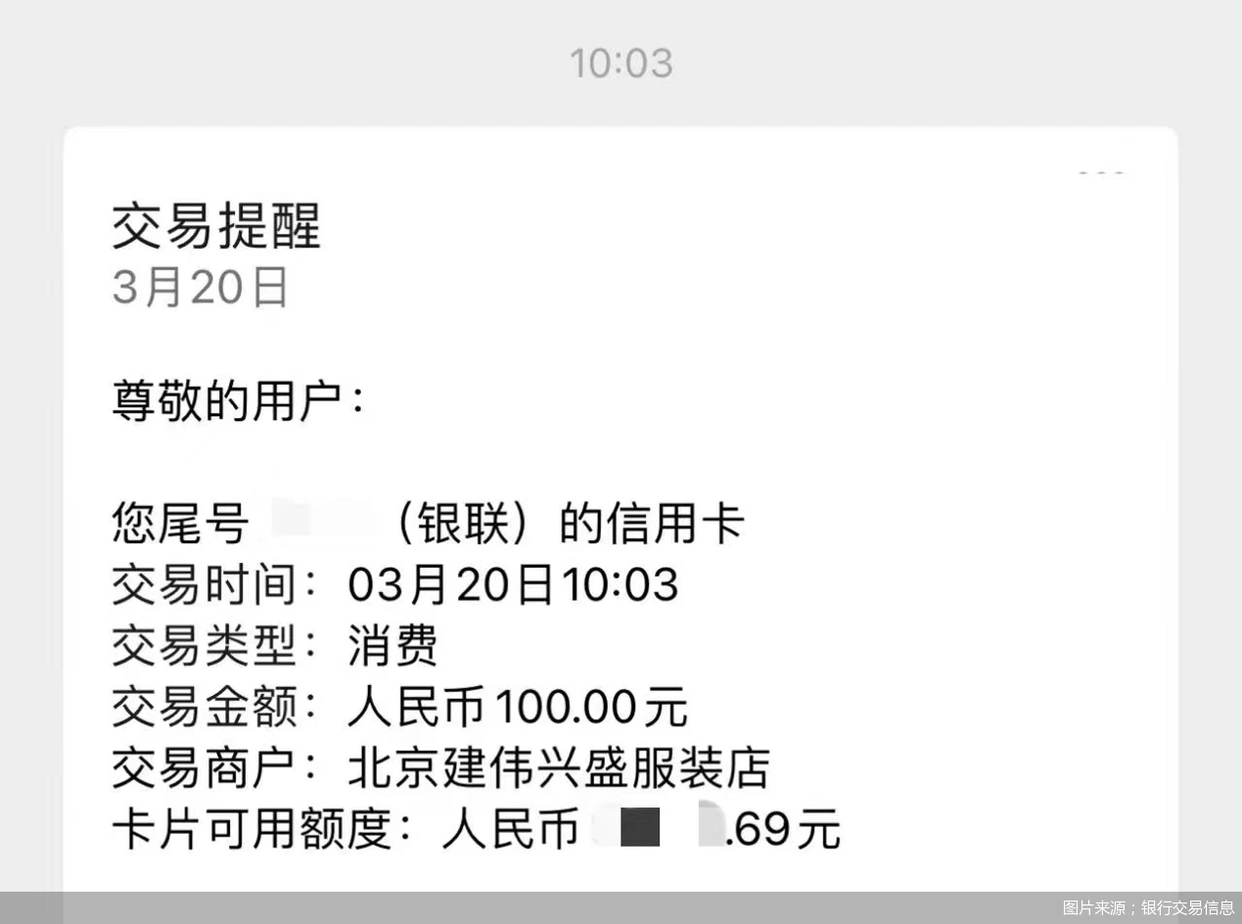
During this test, Beijing Business Daily reporters never encountered the widely criticized situation of free POS machines charging deposits. However, based on the interview content, the melee around POS machines also occurred between different agents of the same payment institution.
Li Yu is engaged in Lakala POS machine agency, charging 59 yuan for the machine, which can be refunded after the cumulative transaction reaches 5,000. For the same machine, Zhang Hua (pseudonym), an agent who posted advertisements in Liu Qin Community, asked to pay a deposit of 299 yuan, and said that the charging standards for the POS machines he represents are uniformly between 299 yuan and 300 yuan, and the deposit will be returned after a total of 20,000 yuan is swiped every month for 12 months.
During the communication process, Li Yu "intimately" provided some tips on how to increase the credit limit and maintain the card, and emphatically recommended not to use debit cards at POS machines, as this could easily be judged as money laundering by the system; Zhang Hua emphasized several times that "regular UnionPay registration machines have deposits" and "without a deposit, it is not an official product."
In fact, in the past two years, disputes over POS machine deposits have been reported frequently, and a large number of agents have even used free services as a gimmick to deduct deposits without users' knowledge. In Zhao Zhao's view, these are "cautious tricks" used by agents for their own profits. Agents who swipe debit cards receive less profit, and it is nonsense to say that regular products require deposits.
When it comes to POS machine deposits, Zhao Zhao pointed out that the statement "regular products have deposits" is actually just a way for agents to obtain profits. This is also part of the decentralized authority of payment institutions. Whether POS machines will collect deposits depends entirely on whether the agents have set up deposit deductions. This function is indeed a "livelihood" set aside by payment institutions for agents.
"If some users mind the deposit, then the agent can recommend machines without deposit; if some users don't care about the money, the agent will naturally make more profits. As for the transaction turnover threshold set for refunding the deposit, it is essentially to encourage users to use more POS machines to swipe their cards." Zhao Zhao added.
Regarding the issue of selling POS machines to individual users, Zhao Zhao even admitted frankly that agents are looking for profits, and the demand of real merchants to use POS machines is limited after all. After the POS machines are promoted, how to use them and who will use them are not issues that agents will consider.
Wang Peng, a researcher at the Beijing Academy of Social Sciences and the Intelligent Social Governance Research Center of Renmin University of China, said that cashing out on credit cards is essentially creating false transactions and illegally applying credit card credit limits. Such behavior is separated from the supervision of financial institutions and can easily lead to the transmission of financial risks.
Wang Pengbo pointed out that in principle, individuals, that is, natural persons with no other attributes, cannot handle POS machines where users swipe their bank cards. Only merchants with business activities and consumption scenarios can handle POS machines. However, due to competition and profit considerations, some offline acquirers have relaxed the management of their own or franchised service providers.
In addition, in response to the aforementioned issues related to the direct registration of Lakala POS machines, on March 20, a reporter from Beijing Business Daily also conducted an interview with Lakala. Lakala only responded that the company has strict requirements for merchants to access the network, especially for agents to expand merchant access to the network, and strictly implements the real-name management of merchants to access the network. If cash out, fraud and related risky transactions are discovered, early warning and interception or settlement delay will be adopted to ensure the safety of payments and funds. Regarding the issue of deposits collected by some agents, agents will be urged to return them promptly after the merchants meet the standards.
Wang Pengbo further analyzed and pointed out that illegal matching of merchants is a common method for pure personal cash-out. The fictitious transactions and illegal cash-out behaviors of payment institutions during the use of POS machines are obviously non-compliant.
Intense attack and defense
Rate adjustment involves many parties
"No telemarketing, no cheating, and no cashing out" are the "three no's policies" Zhao Zhao has set for his career. Specifically, they do not promote POS machines through phone calls, text messages, etc., do not use "free" as a gimmick to defraud users of deposits, and do not directly handle cash-out services for customers through their own POS machines.
Each of the "three no's policies" basically points to the chronic diseases of the POS machine industry, but it is also difficult to fully operate within the regulatory red lines. Zhao Zhao said that the competition in the existing POS machine agency market is too fierce. Agents of the same payment institution can provide users with "price lists" of varying amounts. Agents of different payment institutions will also use methods such as switching machines to persuade customers to use their own POS machines.
Switching, in the field of bank card acquiring, mainly refers to agents actively using another brand of POS machine to replace the user's original machine. In the past few years, Zhao Zhao has carried out POS machine promotion services for many payment institutions. Zhao Zhao said: "Changes in agencies will definitely take away all the customers that can be taken away. However, due to factors such as customer usage habits and changes in contact information, this step is not easy."
In the limited market, in order to pursue new customers, agents have also turned their attention to customers on other platforms. This has also caused many payment institutions to complain, and they have to resort to methods such as refuting rumors and issuing risk warnings. On the one hand, they want to retain their own users, and on the other hand, they also prevent users from being deceived by criminals during the phone switching process. On the Lakara POS machine registered by a reporter from Beijing Business Daily, the startup page prompts "Lakara will not ask for equipment change, please be vigilant and beware of being deceived."
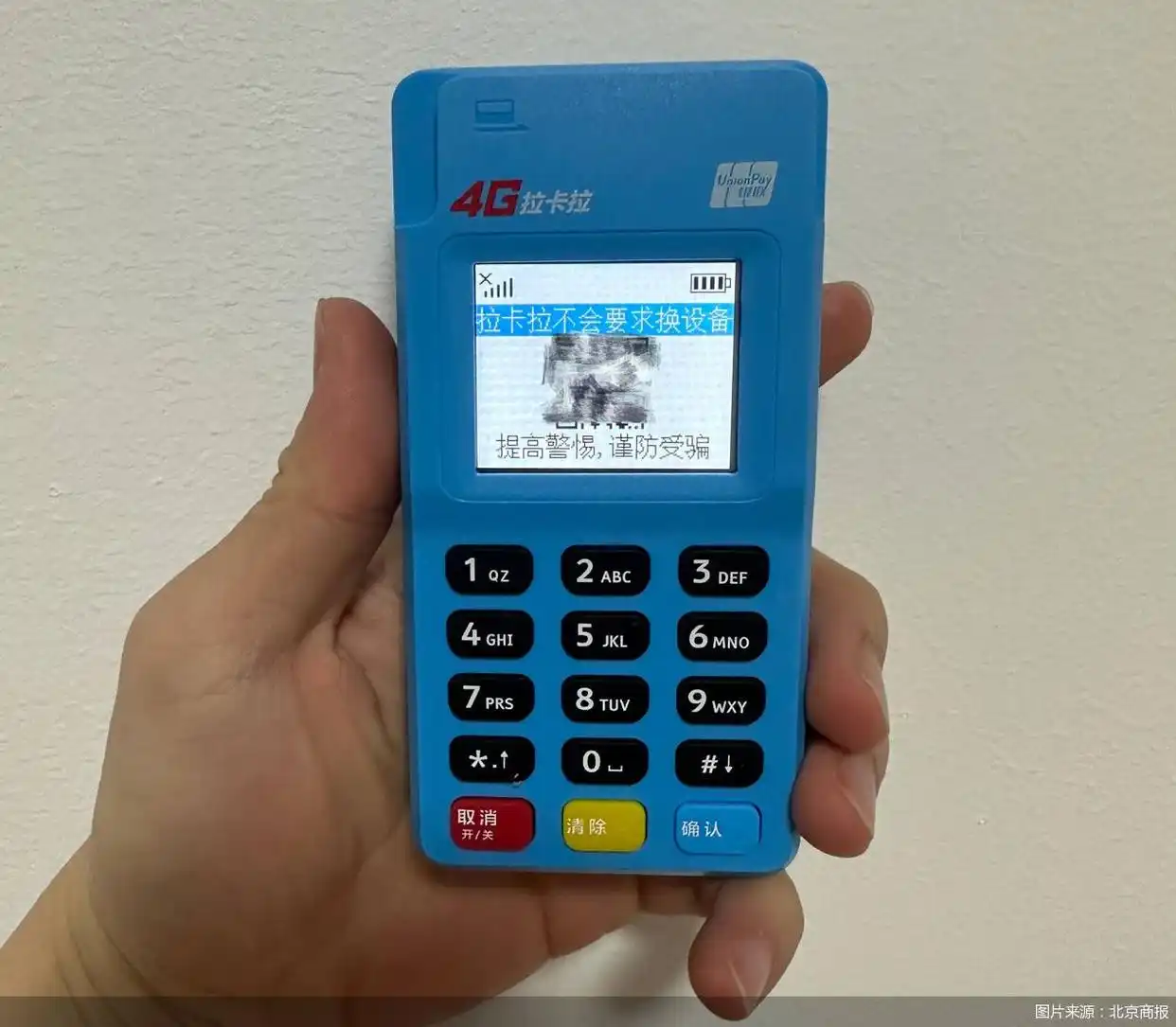
Among the commonly used methods of machine cutting, it is more effective to send users information about the deactivation of the original machine, rate increase information, and free replacement of updated POS machines. Among them, the rate increase attracts more attention.
Since the second half of 2022, there has been a lot of news about the increase in card swiping rates at POS machines of payment institutions, and many agents are releasing corresponding information. Advertisements on agents’ WeChat Moments also focus on increasing POS machine rates, prompting users to switch to machines with lower card payment rates. Zhao Zhao pointed out, "For users, as long as it is a formal payment institution, the lower the fee, the better. When other payment institutions raise their interest rates, everyone will rush to promote their own agents' machines."
A practitioner in the payment industry told a Beijing Business Daily reporter that competition in the acquiring field is not only reflected among payment institutions, but also concentrated among agents. Rate adjustments involve many parties, including payment institutions, agents, and users, and are also sensitive to users. Payment institutions should adjust their rates based on the actual conditions of their business development, and should also prevent any impact on existing merchants. In addition, it cannot be ruled out that in the market competition, some agents fabricate information such as rate increases to maliciously cut off opportunities.
In Zhao Zhao's circle of friends, there was a lot of news about the price increase of Lakala POS machines. In response to this situation, Lakala responded that the company's card swiping rate has remained stable as a whole, and the company's overall card swiping rate is still at the level of 6‰ (six thousandths).
Wang Pengbo analyzed that cutting opportunities is vicious competition, which may not only cause market turmoil and damage the overall image of the industry, but may even allow merchants to become accomplices of criminals, causing damage to user funds. In recent years, costs in the acquiring industry have gradually increased, but interest rates have not increased. Overlay market demand has always existed, so even though competition in the industry is fierce, rates are still generally rising.
Expansion and chaos go hand in hand
Agent management cannot be relaxed
The seven years that Zhao Zhao has been engaged in POS machine agent promotion have also been seven years of changes in the payment industry. Regulators continue to draw prohibitive red lines and strictly supervise third-party payments, including POS machines; the five-year license renewal test, coupled with the impact of market competition, continues to reshuffle the payment industry.
Refined to the field of bank card acquiring business, the profit sharing mechanism promoted by POS machines has generated considerable profit margins, attracting more agents to participate, expanding the business territory and making the market more chaotic. Zhao Zhao revealed to a reporter from Beijing Business Daily that during the peak period, his monthly income could reach a maximum of 80,000-100,000 yuan, but now it has dropped significantly and has basically stabilized at 20,000-30,000 yuan.
When it comes to the reasons for the decline in income, Zhao Zhao is also well aware of it. "The threshold for entry into the industry is too low. When there are more people, it becomes chaotic," Zhao Zhao mentioned. "Agents who handle the promotion of POS machines are also very uncertain. They may be handling POS machines this month and promoting credit cards or selling houses next month. Agents only want to make 'quick money', and there is no way to guarantee customer after-sales service."
Wang Peng’s analysis pointed out that judging from the actual operation situation in the bank card acquiring field, different participants such as payment institutions, agents, and users are actually stakeholders, and they have not strictly implemented regulatory requirements, and they have acquiesced to relevant illegal activities to a certain extent. This further promotes the occurrence of POS mechanical sales, cash out and other behaviors.
Various problems caused by agents in promotion also point the finger at the licensed payment institutions behind them. While payment institutions are decentralizing their authority and obtaining benefits, they are also required to bear corresponding review responsibilities for agents and merchant access. A reporter from Beijing Business Daily learned from practitioners in the payment industry that in the second half of 2022, some institutions have begun to restrict some merchants by raising rates, and the adjustment targets are mainly merchants that cannot provide true business information. The purpose of this operation is still to standardize merchant transactions.
Lakala also mentioned in the reply that it has formulated strict agent management measures in accordance with regulatory requirements and industry norms, requiring them to conduct business in compliance, and standardizing agent behavior through daily inspections and compliance training. Once an agent is found to have violated laws and regulations, punitive measures will be taken and its business will be closed immediately, and false propaganda content will be required to be removed from the shelves, and its legal responsibility will be held.
Regarding the current problem of individual users accessing the Internet through the status of "small and micro merchants", Wang Pengbo further explained that in order to meet the business needs of small and micro merchants, regulatory regulations stipulate that merchant types include not only special merchants who have business premises and have gone through industrial and commercial registration, but also include entity special merchants among small and micro merchants who are exempt from industrial and commercial registration in accordance with laws, regulations and relevant regulatory provisions. However, small and micro merchants without a business license must obtain a personal identity document, plus some auxiliary certification materials such as his business location, in order to develop into a small and micro merchant acquiring orders. Only the acquiring agency can provide collection services for basic daily sales operations.
"The convenient payment path provided by regulatory agencies for small and micro merchants should not become a channel for payment institutions to make profits and individual users to cash out. Payment institutions cannot relax their management of agents." Wang Pengbo emphasized.
What should be done to rectify the chronic problems in the bank card acquiring field? Wang Peng gave the following suggestions: First, increase the intensity of investigation and punishment by regulatory authorities and establish diversified reporting methods to maintain market order; second, consolidate the main responsibilities of payment institutions, strictly regulate relevant rules and develop business, and form a standardized way of business development; third, strengthen publicity to the public and emphasize the dangers of using cards to maintain cards and cash out.
"In addition to strengthening management and punishment, the most fundamental issue is how to help third-party payment institutions find new profit growth points and win in the digital transformation." Wang Pengbo added.
Beijing Business Daily Financial Investigation Team
Original Chang Xu China Social Science Network
China is one of the first countries in the world to discover and utilize oil. "Hanshu Geography" records that "Gaonu has water (fertilizer) that can burn", indicating that people had discovered oil in northern Shaanxi more than 2,000 years ago. The names of ancient petroleum include "stone paint", "water fertilizer", "stone fat water", "black sesame oil", "fire oil", "nagar oil", "mud oil", "well oil", etc. Shen Kuo of the Song Dynasty believed that oil was "born in sand and gravel on the water's edge" and "mixed with spring water", so he called it "petroleum". The evolution of these names reflects people's deepening understanding of petroleum. The main uses of ancient petroleum include lighting, ink making, lubrication, antisepsis, medicine and fire attack. In the early days, oil was mainly collected. After the Song Dynasty, my country began to dig oil wells to collect oil. By the Ming Dynasty, well salt industry drilling technology was also applied to drilling oil wells. However, before modern times, China's oil extraction and utilization technology was still very primitive.
After the 1870s, the Westernization faction of the Qing government tried to exploit oil deposits, such as the Miaoli Oil Mine in Taiwan, the Yanchang Oil Mine in Shaanxi, and the Dushanzi Oil Mine in Xinjiang, but they did not develop. After the Revolution of 1911, Sun Yat-sen pointed out in "Industry to Save the Nation" that "China is also known as a country rich in kerosene production. Oil sources have been discovered in Sichuan, Gansu, Xinjiang, Shaanxi and other provinces...China has such minerals, but it cannot be exploited for its own use. It is a pity that the kerosene, gasoline, etc. imported from foreign countries are increasing every year."
Most of the oil consumed in China in modern times is imported. There are four main categories of petroleum products: kerosene (Kerosene Oil), lubricating oil (Lubricating Oil, or Engine Oil, Machine Oil, etc.), gasoline (Gasoline, or Naphtha, Benzine, etc.), and diesel (also known as fuel oil, Liquid Fuel). Kerosene (commonly known as "foreign oil") is mainly used for lighting, and has penetrated into the urban and rural markets along China's coast and inland, so that "foreign oil" is used in remote areas. This article mainly discusses the transportation, sales and consumption of "kerosene" from 1863 to 1937.
“Foreign oil” enters the Chinese market
Traditional Chinese lighting mainly uses vegetable oil. Kerosene entered China in 1863. The amount imported that year was 2,100 gallons (US gallon, 1 gallon equals 3.7854 liters), exclusively for lighting in the concessions. Since then, the scale of kerosene imports has grown rapidly, reaching 23 million gallons in 1886 and 100 million gallons in 1893. Zhenjiang's business report for 1882-1883 noted that in 1882 "kerosene was already widely used in a considerable area around the treaty ports...Every village has cheap kerosene lamps." Zhenjiang's business report in 1886 also said: "Many industries that used to stop working after dark now work at night, and poor scholars can also light kerosene lamps at night... Shoemakers, grinders, tailors and carpenters all use oil lamps at night." Kerosene gradually spread to all treaty ports and cities, and entered cities and rural areas in mainland China. It was accepted by all classes of Chinese society and became a necessity for production and life.
The rapid growth of kerosene imports is not only due to the economic and political privileges that Western powers seized in China after the Opium War, but also related to other reasons. First, kerosene is brighter and cheaper than traditional vegetable oil or candles. For example, in 1879, in the Hankou market, camellia oil cost 5 taels and 6 yuan per quintal, cannabis oil cost 5 taels and 4 yuan per quintal, and kerosene only cost 2 taels and 8 yuan per quintal. Secondly, the supply of vegetable oil used in traditional lighting in China is not guaranteed. When agricultural harvests fail, oil crops are often used as food rather than for oil extraction. Again, kerosene lamps were freely available or cheaply manufactured. In order to promote kerosene to mainland China's cities and rural areas, Mobil Oil Company developed a can-type kerosene lamp with a glass shade that was delivered free of charge as long as kerosene was purchased. As a result, homemade simple kerosene lamps also appeared in China.
Changes in the way kerosene is transported and sold have reduced its costs and, to a certain extent, reshaped the pattern of kerosene trade. Before the 1890s, kerosene was usually packaged in a 5-gallon can or two cans in a box, shipped to various ports in China by ship, and unloaded into warehouses for sale. This shipping method has limited transport capacity and is expensive to load, unload, and store. In 1894, the Shell Oil Company transported 3 million gallons of kerosene to Shanghai in a tanker, thus starting the import of bulk kerosene. Oil tankers directly transport bulk kerosene to treaty ports, and then the oil is introduced into oil pools for storage. The kerosene can also be transported to other places via railway tankers. As a result, kerosene formed a combined transportation system of sea, waterway and railway. A factory for manufacturing wooden boxes and tinplate cans for storing oil was also established near the oil pool to facilitate canning, transportation and sales.
This new transportation and marketing method received preferential taxation and management, and the General Taxation Department of Customs issued circulars for this purpose, such as the "Measures for Taxation of Re-Transportation of Imported Bulk Kerosene" in July 1894 and the "Special Chapter for Kerosene Pools" in March 1895. The "Special Chapter for Kerosene Tanks" stipulates the management regulations for the construction of kerosene pools. It stipulates that kerosene stored in closed warehouses will be levied an export tax when it leaves the warehouse. If the kerosene is stored in non-closed warehouses, import taxes should be paid when it is brought in. Therefore, "Guanzhan" has the characteristics of a bonded area. The 1897 Jiangguan Customs Trade Report described the sales of bulk kerosene: "There is a pond factory in Pudong so that the goods can be unloaded and stored in the pond at any time without having to pay the tax first; when they are sold, they will be counted and levied. Its value will be calculated according to the silver market."
The core competitiveness of kerosene - price and brightness - has given it a firm foothold in the Chinese market. "No matter how difficult the times are, it cannot stop its booming sales (fire, water, oil, tap fire), which seems to be the same as the seven things that open the door to the home." At the end of the 19th century, foreigners in China believed that "when the Chinese find a commodity that is both suitable for their needs and suitable for general consumption, and the price is within their financial resources, the demand of the Chinese is great. The Chinese are undoubtedly conservative, but once they believe that they must abandon their old habits and prejudices for their own interests, they can easily do so." No wonder Chen Chi, the author of "Strategies to Continue Prosperity", exclaimed: "Oils from Russia and the United States were sold into China and spread like wildfire. They became popular in various ports. As a result, in addition to foreign medicines and foreign cloths, there were endless loopholes."
The competition of various brands in the modern market
The American Mobil Oil Company was the first to enter China and completely monopolized the early kerosene market. In 1888, Russian kerosene entered the Chinese market. In 1889, the customs classified and counted kerosene according to its place of origin. Only Beihai and Mongolia Customs had no records of Russian kerosene imports, which shows how quickly it entered the Chinese market. Sumatra kerosene was first imported in 1893, Borneo kerosene also began to enter China in 1901, and Myanmar kerosene was imported for the first time in 1904.
Although American kerosene monopolized the early kerosene market, Russian and Sumatra kerosene could still quickly enter the Chinese market and occupy a larger market share because their oil prices were lower. Among the three types of kerosene, the price of American kerosene was the highest. From 1889 to 1904, it was on average 0.19 customs taels per 10 gallons higher than that of Russian kerosene. The price of Sumatra kerosene was slightly lower than that of Russian kerosene. In the early days when Russian kerosene entered the Chinese market, American kerosene had a price-cutting competition. In 1894, the price was even slightly lower than that of Russian kerosene, but it later recovered and maintained the original price difference. From a price point of view, 1901 and 1902 were the key periods for Sumatran kerosene to seize the Russian kerosene market share. The average price in these two years was actually 0.25 and 0.27 customs liars lower than Russian kerosene per 10 gallons.
In terms of kerosene brands, the quality of American kerosene, such as "Devoe's Brilliant" and "Warden", is significantly better than that of Russia's "Anchor" and Sumatra's "Crown". The quality of Russian kerosene varies. Some of the kerosene contains high sulfur content and corrodes the iron cans, so it cannot be stored for a long time. If the can is opened for a long time, the brightness of the kerosene will weaken. There is a lot of smoke, more heat but less brightness. Judging from the competition between American and Russian kerosene at various ports, after a short-lived boom, Russian kerosene gradually regained the market from American kerosene. At some ports, Russian kerosene was even put into American tanks and sold as American kerosene. Sumatran kerosene appears to be of slightly better quality than Russian kerosene and is less expensive. A large part of Russian and Sumatran kerosene was transported to cities and villages in the vast interior beyond the treaty ports. This is because there, price is the main deciding factor. The 1914 Jianghanguan Trade Report discussed kerosene from various sources, divided the grades of kerosene, and discussed the sales market of each grade of kerosene:
It should be noted that there are grades of oil used in China: the first is high-grade oil, such as American and Persian tank kerosene; the second is medium-grade oil, such as Mobil's Eagle tank kerosene and Asia's Sumatra kerosene; the third is third-grade oil, such as Polo Island kerosene; and the fourth is vegetable oil such as Chinese rapeseed and peanut. Ordinary people tend to prefer cheap prices, but they like the combination of light and energy. Therefore, medium-priced Sumatra kerosene and Mobil cabin kerosene are the easiest to sell, but high-grade and third-grade oil can be slightly reduced. These two items may still be sustainable, because high-grade oils can find new sales markets, and third-grade oils can gradually crowd out local vegetable oils. However, the medium-sized Mobil and Sumatra kerosene are moving smoothly and are stable.
Distribution by the three major oil companies
In China's modern kerosene market, the three most important oil companies are Mobil Oil Company and Texaco Oil Company of the United States, and Asia Oil Company, a joint venture between Britain and the Netherlands. Among them, Mobil is the oldest and largest, followed by Asia, while Texaco is smaller and the last to enter the Chinese market. In the early days, major oil companies mainly operated through foreign agents. At the end of the 19th century, foreign banks began to be directly established in China, relying on the comprador system to sell oil. At the beginning of the 20th century, in order to better control sales, branches began to be set up in China and a directly controlled distribution system was implemented.
Take Mobil, for example. After the Shanghai office of Mobil Oil Company was established in 1894, Sanda Oil Company was established in 1900 (Sanda is the transliteration of "Standard"). In 1901, the foundation of the oil stack was purchased in Shanghai, and the oil stack was built in 1903. After that, Mobil Oil Company expanded to the mainland and successively set up branches and offices in various places. Mobil established its head office in Shanghai (also known as the "head office"), and established 6 district companies (also called "district branches") in Shanghai, Nanjing, Tianjin, Qingdao, Hankou and Guangzhou. The district companies also have branch companies (also called "branch branches"), and under them there are branch companies (also called "sub-branches"). Below the branches, Chinese businessmen at all levels act as dealers, taking advantage of China's original urban and rural business networks and extending their marketing systems to all parts of the country.
In order to facilitate transportation and marketing, Mobil Oil Company has set up large oil pools and oil stacks at important trading ports such as Shanghai, Tianjin and Hankou, as well as auxiliary factories for manufacturing kerosene barrels (50 gallons) and kerosene cans (5 gallons). Other ports generally also have oil storage pools and can factories. The company also has a specialized transport fleet of tankers and oil barges, as well as oil tankers and oil stacks. Mobil Oil Company also had factories that manufactured kerosene lamps, glass lampshades, and more.
The three major oil companies, Mobil, Asia and Texaco, have completely monopolized China's oil import and sales market through their sales networks throughout China. The competition between the three companies in the Chinese oil market is extremely fierce and they often start price wars. Later, the three companies increasingly adopted a joint strategy to carve up the market and jointly squeeze out other small oil companies.
Mobil established an oil lamp factory in China and first opened up the market in mainland China and rural areas by giving away mast lanterns, table lamps, lampshades, etc. In order to capture the market, Asia Oil Company sold half of the kerosene and half gave it away. In 1905, China launched a boycott of American goods, and Asian oil companies took the opportunity to compete for the oil market at low prices. Before World War I, Mobil gradually reduced comprador commissions and distributed them to salesmen, hoping to gradually establish a directly controlled sales network. Asia Petroleum Corporation has adopted a tit-for-tat system of heavy use of compradors in order to seize the market. When Texaco Oil Company first entered the Chinese market, Mobil Oil Company and Asia Oil Company jointly used low-price dumping to squeeze it out. Texaco responded "tit for tat" by setting lower prices, and it took a year or two of hard work to gain a firm foothold. Texaco also launched a publicity campaign, placing large advertisements in newspapers and publications in major cities in China, mailing promotional materials, and giving away calendars and other souvenirs. In addition to obvious price wars, they also have endless "secret wars", such as trying to win over dealers, winning over big customers and buying off each other's staff.
In order to jointly carve up the Chinese market, the three major oil companies have also adopted a cooperative approach to agree on the annual sales ratio in each region. For example, in the North China market, the average sales over the years are approximately: 40% for Mobil, 25% for Asia, and 35% for Texaco. The three major oil companies have also agreed on specific measures to maintain this ratio: for example, the number of agency stores for each oil company must not be increased or decreased at will, and the sales volume must also be limited. For the oil used by large customers, such as government agencies, industrial and mining enterprises, etc., the three companies have agreed to take turns supplying oil using the "bid-combining" method, that is, they meet and negotiate before bidding each time to determine who will supply the oil. During the bidding, the other two companies deliberately raise the bid price so that the third company can win the bid. Even if there is a temporary buyer, the three companies must negotiate to determine the underwriter. In order to enforce their market shares and agreed prices, the three major companies also each hired investigators to secretly investigate the import and sales data of the other two companies at various terminals, stations, warehouses and important marketing areas to conduct mutual supervision.
When facing competitors, the three major oil companies always coordinate their operations and spare no effort to completely crush them. For example, in 1925, the American Daming Kerosene Company was established in Tianjin and prepared to promote the "Silver Box" brand kerosene. It was immediately boycotted by the three major companies and was merged with Texaco. In the same year, a British employee of the Guangzhou branch of Mobil established the Hu Brothers Company in Hong Kong, ordered kerosene from American independent oil merchants, and created the "Butterfly" brand of kerosene. Compared with Mobil, the price was cheaper and the quality was similar, so it became popular. The three major oil companies jointly lowered prices, causing it to go bankrupt. As for the Guanghua Petroleum Company, which was run by Chinese businessmen, they tried their best to lower prices and suppress them. Due to serious losses, Guanghua Fuel Oil Company had to sell all its oil pools and oil warehouses to three major companies.
In 1928, China's kerosene imports were 263 million gallons, an increase of only 11.4% compared to the pre-World War I peak of 236 million gallons in 1911. This actually reflects the basic trend of kerosene imports during this period, which is generally stable; since the three major oil companies have exhausted their marketing capabilities in China, this also indicates the largest market size for kerosene consumption in China in modern times. In the 1930s, kerosene imports showed a downward trend. The most important reason for the slowdown in the growth trend of kerosene is the rise in prices. Especially after the Great Depression of the world economy in 1929, China's silver standard currency devalued and the price of kerosene skyrocketed, resulting in a decline in kerosene imports. In China's vast rural areas, as the price advantage of kerosene over vegetable oil is gradually lost, vegetable oil has once again become one of the important lighting oils. In addition, the gradual popularization of electric lighting and the more important utilization value of gasoline than kerosene after the invention of the internal combustion engine have also affected the development of kerosene import trade.
After the founding of the People's Republic of China, the era of imported "foreign oil" ended, but until the early days of reform and opening up, kerosene was still one of the important lighting tools. Although kerosene is mainly domestically produced, the term "foreign oil" is still commonly used in rural areas as a mark of an era.
[This article is a phased result of the National Social Science Fund general project "Research on China's Modern Petroleum Import and Interport Transportation Network (1863-1937)" (19BZS080)]
(Author’s unit: Institute of Economics, Chinese Academy of Social Sciences)
2017 Tianjin Normal University Rankings
Do the candidates in Tianjin know which normal universities are there in Tianjin? What is their ranking? Let’s take a look with the YJBYS editor.
2017 Tianjin Normal University Rankings
Ranking of Tianjin Normal Universities
School name
school type
National ranking
Tianjin Normal University
normal school
98
12
Tianjin Vocational and Technical Normal University
normal school
356
Introduction to Tianjin Normal University
Tianjin Normal University is a key public institution in Tianjin. It was founded on August 1, 1958. Formerly known as Tianjin Normal University, it was established by Tianjin Teachers Training College and Tianjin Workers and Peasants Express Middle School. In 1982, it was renamed Tianjin Normal University. On April 8, 1999, with the decision of the Tianjin Municipal Party Committee and Municipal Government, and the approval of the Ministry of Education, the original Tianjin Normal University, Tianjin Normal College, and Tianjin Institute of Education were merged to form the new Tianjin Normal University. The school implements the school motto of "diligence and rigor, self-cultivation and self-cultivation", establishes a school-running direction that serves basic education, and serves economic and social development. It follows the "student-oriented" school-running philosophy and follows the education standards of "thick foundation, wide caliber, high-quality, multi-purpose talents with one specialty". It strives to cultivate high-quality talents, high-level scientific research results, high-standard discipline construction, and high-efficiency school management, and build a domestic first-class teaching and research comprehensive university with teacher education characteristics.
Tianjin Normal University is a key university in Tianjin and was founded in 1958. There are 25 colleges, 50 research institutions, and 61 undergraduate majors, covering 9 disciplines including literature, science, education, history, law, economics, management, engineering, and art.
The school has always adhered to the principle of open education and has established friendly cooperation and exchange relations with 109 universities in 27 countries and regions. It has established the Confucius Institute at the University of Nairobi and the Confucius Institute at Mansund Chao Phaya Royal Normal University in Kenya and Thailand respectively. It cooperates with Sehan University in South Korea to organize a master's degree education program in educational administration and a master's degree education program in information analysis and decision-making in information science. It also cooperates with Mie National University in Japan to organize an undergraduate education program in Japanese. We have formally signed cooperation agreements with 9 internationally renowned universities to carry out mutual recognition and exchange of credits at undergraduate and master's levels, as well as mutual and joint degree teaching. The school is one of the national higher education institutions qualified to accept foreign students with Chinese government scholarships. It is one of the first batch of pilot schools of the Ministry of Education to recruit Hong Kong students without examination and to accept and recommend Macao students. It is also the overseas study training base of the China Study Abroad Service Center and the settled unit of the Tianjin Alliance Française.
The school has successively won honorary titles such as the National May Day Labor Certificate, the National Advanced Unit for Spiritual Civilization Construction, the National Advanced Grassroots Party Organization, and the National Advanced Internal Auditing Collective.
As of 2013, the school has 28,545 full-time students, including 23,862 undergraduates, 266 doctoral students, 3,003 master's students, 106 students from Hong Kong, Macao and Taiwan; and 2,780 international students of various types.
Party and government functional departments
Party Committee Office, President's Office, Security Office, Security Department, Graduate School of Management, Personnel Office, Student Office, Academic Affairs Department, Armed Forces Department, Logistics Office, Organization Department, Infrastructure Planning Management Department, Laboratory and Equipment Management Department, Teacher Education Department, Scientific Research Department, Academic Affairs Department, Retirement Affairs Department, Propaganda Department, United Front Work Department, Discipline Inspection Office of the Financial Department, Supervision Office, International Exchange Office, and Audit Office.
business service unit
Information Office, Journal Publishing Center, Graduate Employment Guidance Center, Logistics Service Center, Archives, Settlement Center, Reform and Development Research Office, Higher Education Institute, School-run Industrial Management Center, units directly under the Normal University Training Center, library, and continuing education college.
Career Guidance Center
Tianjin Normal University Tianjin Normal University Student Employment Guidance Center was established in 1999. It is an independent institution responsible for student employment guidance and services. It comprehensively coordinates and guides all grassroots colleges in the university to carry out student employment guidance and services. Under the guidance of the Student Affairs Office, the center adheres to the working philosophy of "students first, market oriented, service refinement, and guidance detailed", adheres to the working purpose of "serving students' lifelong career development", and follows the working goal of "guaranteing the number of jobs, improving the quality of employment, and leading students on the right career path", and focusing on the working ideas of "promoting the characteristics of teacher education, consolidating the teacher education market; serving the construction of Binhai New Area, and expanding the non-teacher education market"; and constantly builds the central position of the Bohai Rim education and culture system in the college student talent market.
Department Responsibilities:
Introduce the current employment situation, publicize and implement employment policies, and formulate the working rules of Tianjin Normal University; be responsible for the qualification review of Tianjin Normal University graduates, and promptly report graduate resource status to the Tianjin graduate employment department; collect and release employer demand information and smooth employment channels; carry out graduate employment supply and demand meetings and two-way selection activities, and be responsible for graduate recommendation work; formulate graduate employment plans in accordance with the requirements of the competent department; carry out completion We provide professional education, employment guidance, employment consultation and other work to help graduates establish a correct outlook on career choices; provide personality and vocational aptitude tests, and provide graduates with personal information online, online job hunting, and online inquiries; develop career development research and practical activities for school students; handle the signing procedures of employment agreements, and be responsible for the dispatching and departure procedures of graduates; carry out research and research related to the employment of graduates; complete other tasks assigned by the competent authorities, etc.
Introduction to Tianjin Vocational and Technical Normal University
Tianjin University of Technology and Education, formerly known as Tianjin Engineer College, was founded in February 1979 and was originally affiliated with the former Ministry of Labor. In 2000, it was transformed into a joint venture between the central and local governments, with Tianjin City as the main management. In March 2010, the school was renamed Tianjin Vocational and Technical Normal University. Tianjin Vocational and Technical Normal University has always adhered to the school-running philosophy of "using hands and brains, all-round development", taking patriotism, dedication, unity, and innovation as its school motto, and persisting in its unshakable school-running positioning of cultivating high-quality vocational teachers for the country. The school is the first ordinary higher education institution established in China with the main task of cultivating vocational education teachers. It is known as the "cradle of vocational teachers". In March 2012, the Ministry of Education and the Tianjin Municipal People's Government signed an agreement to jointly build Tianjin Vocational and Technical Normal University. It is the only university among local universities in Tianjin that is jointly built by the ministry and the city.
Tianjin Vocational and Technical Normal University is the earliest general higher education institution established in China with the main task of cultivating vocational education teachers. It is a general higher education university that focuses on engineering and education, as well as science, management, economics, and literature. It is one of the first higher vocational and technical normal universities established in China. It is well-known at home and abroad for cultivating high and secondary vocational teachers and applied senior professionals.
Tianjin Vocational and Technical Normal University was founded in 1979 and was affiliated to the former Ministry of Labor. In 2000, it was converted to a joint venture between the central and local governments, with Tianjin City as the main management. In March 2010, it was renamed Tianjin Vocational and Technical Normal University. In March 2012, the Ministry of Education and the Tianjin Municipal People's Government signed an agreement to cooperate in the construction of Tianjin Vocational and Technical Normal University.
The school has been designated as 12 national-level and municipal-level education and training bases by the Ministry of Education, the Ministry of Labor and Social Security, the Ministry of Commerce, and Tianjin Municipality. Three of them (the National Key Vocational Education Teacher Training Base, the National Higher Vocational Education Teacher Training Base, and the National Vocational Training Teacher Training Base) have become the leading units in the construction of national vocational teacher training bases.
The school covers an area of more than 1 million square meters, with a construction area of 660,000 square meters. The school has more than 18,000 full-time students of various types. The school has a strong and distinctive teaching staff. Professors and associate professors account for 53% of the total number of teachers. 78% of the practical training teachers have the professional qualifications of technicians and senior technicians. In secondary colleges such as the School of Mechanical Engineering, the School of Automation and Electrical Engineering, the School of Electronic Engineering, and the School of Automobile and Transportation, the proportion of "integrated dual-qualified" teachers has reached 56%. The school currently has 17 national-level experimental demonstration center construction units (engineering training centers) and training centers, 160 various training laboratories, and 5 innovative practice bases. It has advanced experimental and practical training equipment worth 319 million yuan, and the per-student equipment value ranks among the top universities in the country.
The school currently has 7 disciplines: engineering, management, economics, education, science, literature, and art. It has 1 project postdoctoral workstation, 7 first-level master's degree programs, 32 second-level master's degree programs, 1 professional degree authorization site, 43 undergraduate majors, 4 national-level specialty majors (automation, mechanical technology, communication engineering, electromechanical technology education), 11 Tianjin brand majors, and 4 Tianjin strategic emerging industry majors. Cooperated with Tianjin First Machine Tool Factory to build a postdoctoral workstation; it has 4 provincial and ministerial key disciplines (education, mechanical engineering, transportation engineering, control science and engineering), 5 school-level key disciplines, and 1 school-level key development discipline; it has 2 provincial and ministerial key laboratories (high-speed cutting and precision machining laboratory, information sensing and intelligent control laboratory), 1 provincial and ministerial key technology engineering center (Fieldbus Control Technology Engineering Center), and 1 provincial and ministerial key humanities and social sciences research base.
TJC: Transition from prison to community
"Transition from Jail to Community" is often abbreviated as TJC for quick writing and use.
Commonly found in social fields, and related.
Chinese meaning: "Transition from prison to community".

Transition from Jail to Community Specific definition English abbreviation: TJC Full English name: Transition from Jail to Community English pronunciation: American English Pronunciation: British English Pronunciation: Chinese meaning: Transition from prison to community Chinese Pinyin: cóng jiān yù guò dù dào shè qū Common fields: Social related:
Notice:
The English abbreviation TJC means more than just "Transition from Jail to Community".
What does the abbreviation "TJC" mean?
The English abbreviations of TJC collected by this site include:
[Sports] Field: Trick Jump Competition abbreviated as "TJC". Chinese means: Long jump competition [Business] Field: The Johnston Company abbreviated as "TJC". Chinese means: Johnston Company The Jennifer Collection abbreviated as "TJC". Chinese means: Jennifer Collection The Joseph Company abbreviated as "TJC". Chinese means: Joseph Company Thomas James Culinary abbreviated as "TJC". Chinese means: Thomas James Cooking Tata Johnson Controls Automotive, Limited, abbreviated as "TJC". Chinese meaning: Tata Johnson Controls Limited [Academic Science] Field: Tyler Junior College, abbreviated as "TJC". Chinese meaning: Tyler Junior College Temasek Junior College, abbreviated as "TJC". Chinese meaning: Temasek Junior College [Institution] Field: Tahirih Justice Center, abbreviated as "TJC". Chinese meaning: Tahirih Justice Center TraJectory Chart The abbreviation is "TJC". The Chinese meaning is: Track map Tennessee Justice Center. The abbreviation is "TJC". The Chinese meaning is: Tennessee Justice Center [Social] Field: True Jesus Church. The abbreviation is "TJC". The Chinese meaning is: The Jewish Channel. The abbreviation is "TJC". The Chinese meaning is: The Jewish Channel The Joint Commission (formerly JCAHO) Abbreviated as "TJC". Chinese meaning: Joint Commission (former JCAHO) Twine Jokers Club abbreviated as "TJC". Chinese meaning: Twine Jokers Club [Comprehensive] Field: The Joint Commission abbreviated as "TJC". Chinese meaning: Joint Commission Tyler Junior abbreviated as "TJC". Chinese meaning: Tyler Junior Tender Joint Count abbreviated as "TJC". Chinese meaning: Tender Joint Count
statement:
The English abbreviations on this site are collected and organized by individuals, and non-commercial copying, use, forwarding and sharing are allowed.
However, collection and bulk theft are strictly prohibited.
If there is any error, inappropriateness or infringement in the TJC abbreviation information, please contact us for processing.
 Want To Know What Advantages A Self-study Diploma From Central University Of Finance And Economics Can Bring? Quick Look2026-03-06Comments(0)
 Communication Test Points: Briefly Describe The Main Points Of McLuhan’s Media Theory, Including Media As Message, Etc.2026-03-12Comments(0)