
Gui Bian Was Once A Primary School Chinese Teacher. Is He Still A Teacher Today?
Junior High School Edition 2017 No. 09 When our stereotype of teachers is still at the stage of being stern and stern, Onixia emerged with its alternative appearance.
Junior High School Edition 2017 No. 09 When our stereotype of teachers is still at the stage of being stern and stern, Onixia emerged with its alternative appearance.
The editor of Zhizhou Jining learned from relevant channels: Recently, the Jining Municipal Natural Resources and Planning Bureau and the Rencheng District People’s Government jointly announced
The body shape of boys and girls is an important indicator of physical health. This section selects weight data for comparison. The average score, maximum and minimum scores of college boys in 2022 have also improved significantly, from 223 to 223 respectively.
As we all know, the styles of names are ever-changing, and it mainly depends on which type you like. So what are some good-sounding girl names surnamed Wu that you can use for reference in 2021? The editor below has collected and sorted out "Appreciation of the good-sounding and popular girl names surnamed Wu in 2021" for everyone.
Data from Chongqing.com Chongqing Rural Commercial Bank Co., Ltd. (stock code: 601077) recently disclosed the "2025 Internal Control Evaluation Report". The reporting base date is December 31, 2025. Based on the evaluation results, the company’s board of directors believes that
The reporter learned from the Aerospace Information University that according to the relevant regulations on open recruitment for public institutions and based on work needs, the school will openly recruit 95 staff members from the public in 2026, including 84 teaching positions, 7 teaching assistant positions, and 4 counselor positions.
Recently, a little boy selling fried grasshoppers on the street in Fengnan District, Tangshan, Hebei Province became popular. With his sincere and enthusiastic attitude and catchy auspicious words, he brought joy wherever he went, attracting many passers-by to stop and cheer.
China News Service, July 28. Recently, under the guidance of the Network Social Work Bureau of the Cyberspace Administration of China and the Information and Communications Administration of the Ministry of Industry and Information Technology, the 2016 (Third) China Internet Corporate Social Responsibility Forum hosted by the Internet Society of China was held in Beijing.
According to data from Chongqing.com, Chongqing Rural Commercial Bank Co., Ltd. (Yunong Commercial Bank, 601077.SH) held a board meeting on March 25 and reviewed and approved the proposal to re-appoint the accounting firm. According to the announcement
In fact, in addition to the expressway, there is also a high-speed rail that will directly connect Taiwan and Beijing. People in Wuhan will also benefit from this high-speed rail channel and can take the high-speed rail to Taipei in the future.
In early trading on Friday, March 27, cybersecurity industry stocks plummeted.
In the early trading of U.S. stocks on Friday, Tenable once fell by more than 13%, Zscaler once fell by more than 9.5%, Palo Alto Networks once fell by more than 8.2%, and CrowdStrike once fell by more than 7.8%. Later, the decline eased. Tenable fell by about 8%, and the decline of the latter three narrowed to less than 6%.
Cybersecurity stock ETF - Global X Cybersecurity ETF (BUG) fell as much as 6.1% in early trading. At the end of early trading, the decline narrowed to about 4%.
The sharp decline in cyber security stocks was not due to performance or macro data, but was triggered by a piece of news about AI security risks: An unreleased model from Anthropic was exposed that may improve hacker attack capabilities, thus triggering market concerns about "AI weakening the network security moat."
The media pointed out that Anthropic’s other AI functions have also triggered chain sell-offs in the software and data analysis sectors this year. In other words, this round of selling is not about performance, but "narrative": the market is worried that the improvement of AI security capabilities will lower the threshold of attack, thus forcing security manufacturers to invest more research and development and computing power, and even put pressure on customer budget allocation.
At the same time, some Wall Street analysts believe that the market reaction is extreme, and Anthropic is also trying to feed back the risk test results of the new model to security companies. This is more like an "offensive and defensive arms race" rather than a complete replacement of network security needs. Some analysts believe that this type of disclosure is more like "basic operations" rather than a signal of industry failure. Some media believe that the related selling may be exaggerated.
Is AI capability "crossing the line"? Anthropic model triggers market sensitivity
According to media disclosures, a new model being tested by Anthropic has been deemed in internal assessments to potentially bring "unprecedented network security risks", especially if it is used maliciously, and may help attackers bypass existing defense systems.
Although Anthropic subsequently responded that the relevant content was in the testing phase and emphasized that the company was cooperating with security vendors and sharing risk assessment results in advance, the market clearly chose to price the potential impact first.
This is crucial - the current focus of competition in the AI industry is not just "who is stronger", but "to what extent will it change the industry structure?" When model capabilities touch sensitive areas such as automated vulnerability exploitation and attack script generation, the impact will directly affect the core values of network security vendors.
Not for the first time: The “transaction template” for AI’s impact on network security is taking shape
In fact, this is not the first time that the cybersecurity sector has plummeted due to Anthropic-related news.
Previously, after Anthropic released AI security tools, the stock prices of companies such as CrowdStrike and Datadog also suffered significant sell-offs. The market has gradually formed a conditioned reflex: once AI capabilities are considered to be "on the attacker's side," the security sector will be the first to come under pressure.
Behind this kind of transaction is investors' re-examination of the industry logic:
Before there are clear answers to these questions, funds often choose to "sell first and then talk about it".
Core Impact: AI is changing the balance of offense and defense, rather than simply replacing it
Looking at a deeper level, the essence of market panic is not "AI replaces network security", but "AI changes the balance of offense and defense."
The business logic of traditional network security is based on a premise: the defender can gradually suppress the attacker through rules, models and data accumulation. However, the emergence of AI has enabled attackers to gain “scale capabilities”——
This means that the security industry may enter a "dynamic arms race" stage: defense capabilities must be continuously upgraded to offset the AI blessing on the attack side.
Under this framework, the long-term demand of security manufacturers may not decline, but the short-term profit model and valuation logic will be impacted - especially when enterprise customers have limited budgets.
The divide remains: Overreaction, or an inflection point?
Although the stock price has fluctuated wildly, some analysts believe the market reaction may be extreme.
On the one hand, Anthropic itself is actively conducting risk testing and cooperating with security vendors, which means that the industry is not passively bearing the impact, but is adapting in advance; on the other hand, AI is also improving defense capabilities, such as automated threat detection, real-time response, etc.
In other words, this is more likely to be an "anticipated repricing" than an immediate deterioration in fundamentals.
Judging from historical experience, sell-offs driven by AI news often have two characteristics:
Cybersecurity stocks narrowed their intraday losses on Friday, reflecting to some extent that funds are beginning to reassess the true extent of the impact.
AI spillover effects intensify, and the market enters a "highly sensitive period"
What is even more noteworthy is that this incident once again proves that the impact of AI is rapidly spilling over to more industries.
From software development, search engines, to today's network security, the way the market prices AI is changing - any potential signs of "replacement", "weakening" or "reconstruction" will be quickly reflected in the stock price.
At this stage, AI is not only a source of growth stories but also becoming an amplifier of volatility.
For the cybersecurity industry, the real test may have just begun: when AI empowers both offense and defense, who can run faster in this competition will be the key to long-term victory or defeat.

Reporter Chen Shan
In 2025, artificial intelligence (AI) funds will surge and become one of the most profitable trends. However, in this optimal investment field, Qianhai Kaiyuan Artificial Intelligence Fund ended up with a loss for the whole year.
Wind data shows that as of the end of 2025, among the 18 artificial intelligence themed funds in the market that have been established for more than one year, Qianhai Kaiyuan Artificial Intelligence Fund has become the only fund to lose money during the year. Its Class A fund share net value growth rate is -4.15%, while the other 17 artificial intelligence themed funds have increased by more than 40% during the year, and the highest return during the year exceeds 100%.
When the AI market is in full swing, which step did this fund take wrongly and what did it miss?
Performance is at the bottom among similar funds
In 2025, the A-share artificial intelligence track will have a strong market. The CSI Science and Technology Innovation Entrepreneurship Artificial Intelligence Index rose by 103.09% throughout the year, the CSI Artificial Intelligence Theme Index rose by 67.39%, the Shanghai Science and Technology Innovation Board Artificial Intelligence Index and the CSI Shanghai-Hong Kong-Shenzhen Artificial Intelligence 50 Index also achieved increases of 50.68% and 44.45% respectively.
At a time when sectors are collectively rising and market sentiment is rising, the performance of the Qianhai Kaiyuan Artificial Intelligence Fund has aroused doubts among holders. Some investors said on the public platform: "Such a good track, a surprising fund" "Is this a 'fake' artificial intelligence fund?", pointing out that the fund has significantly deviated from the overall trend of the artificial intelligence sector.
According to the data, Qianhai Kaiyuan Artificial Intelligence Fund was established in May 2016. Its individual stock investment strategy is to "select listed company stocks with huge growth potential and related to artificial intelligence themes to construct a stock investment portfolio", and the proportion of investment in securities related to artificial intelligence themes is not less than 80% of non-cash fund assets.
Wind data shows that the net value growth rate of Qianhai Kaiyuan Artificial Intelligence Fund's Class A fund share in 2025 is -4.15%, underperforming the benchmark return rate of 12.55%, and ranking 2242nd among the 2274 flexible allocation funds in the market; in addition, the Class C fund share of this product has suffered a loss of 9.29% since its establishment on January 20, 2025.
Among the 18 artificial intelligence themed funds that have been established for one year, Qianhai Kaiyuan Artificial Intelligence Fund is the only flexible allocation fund and the only artificial intelligence themed fund that will lose money in 2025. In stark contrast, artificial intelligence theme funds that passively track indexes lead the way, with returns exceeding 60% in most years. Among them, GEM Artificial Intelligence ETF Huabao tops the list with a return of 106%; among actively managed products, Baoying Artificial Intelligence Fund performs best with a return rate of 66%.
Looking at the long-term perspective, as of the end of 2025, the total return of the Qianhai Kaiyuan Artificial Intelligence Fund since its establishment more than nine years ago was 43.01%, and the returns in the past five years and the past three years were -34.94% and -12.42%, both ranking in the bottom 10% of similar funds.
It is worth mentioning that the fund has been managed by star fund manager Qu Yang since its establishment, and Wei Chun joined in March 2021 for joint management. Qu Yang joined Qianhai Kaiyuan Fund in July 2014 and currently serves as the company’s deputy general manager, chairman of the equity investment decision-making committee, and fund manager. From 2019 to 2020, Qu Yang has achieved outstanding investment performance with his accurate judgment on the consumer, pharmaceutical, and new energy tracks. He is known as the "all-rounder" and the "timing king." At its peak in 2021, his management scale exceeded 60 billion yuan, making him one of the "top" fund managers that the market has attracted attention from.
But under the halo, the problem of the boundaries of its capabilities gradually emerged. According to industry analysts, Qu Yang’s circle of competence has always been concentrated in the leading fields of consumption, medicine and Hong Kong stocks. As far as the AI track is concerned, his layout does not seem to be in-depth and proficient enough.
On June 3, 2025, Qu Yang resigned from the Qianhai Kaiyuan Artificial Intelligence Fund due to "internal adjustments", and the fund was managed solely by Wei Chun. During Qu Yang’s nine years of managing the Qianhai Kaiyuan Artificial Intelligence Fund, his total return during his tenure was 13.43%, with an annualized return of only 1.4%, underperforming the performance benchmark by more than 18 percentage points. As of the end of the third quarter of 2025, its public offering scale under management has dropped to about 15 billion yuan, a 75% decrease from its peak.
Chasing reasons for falling against the market trend
Encountering a performance "Waterloo" in the strongest track, the reason why Qianhai Kaiyuan Artificial Intelligence Fund bucked the market and closed down was hidden in its "untimely" position and share swap actions.
According to the three quarterly reports released by the Qianhai Open Source Artificial Intelligence Fund in 2025, the fund continues to focus on stocks in electronics, communications and other fields with end-side AI as the main line. However, the market conditions throughout the year were dominated by AI computing infrastructure, such as chips and optical modules.
In comparison, the Baoying Artificial Intelligence Fund, which performed better in 2025, has adopted a more balanced allocation strategy. Its heavy holdings in companies such as Haiguang Information, Huahong Semiconductor, Kuaishou-W, Montage Technology, Shanghai Electronics Co., Ltd., and Zhongji InnoLight cover multiple key links from AI computing power infrastructure to the application layer, and better grasp the market rotation throughout the year.
In addition to missing the layout opportunity of big AI stocks, Qianhai Kaiyuan Artificial Intelligence Fund’s position changes and timing errors are more prominent.
In the second quarter of 2025, the Qianhai Kaiyuan Artificial Intelligence Fund carried out a large-scale stock exchange. Six of the top ten heavy holdings were replaced, and the other four heavy holdings were increased to varying degrees. Most of the company's businesses belong to the SoC chip, end-side storage, consumer electronics and other sectors of end-side AI. However, while exchanging shares and increasing positions, most related stocks experienced a sharp decline in the second quarter.
Specifically, the fund increased its positions in Rockchip and Aojie Technology-U in the second quarter of 2025. The number of positions increased by 43.58% and 39.16% respectively compared with the end of the first quarter. At the same time, it also increased its positions in VeriSilicon and Zhongke Lanxun by 17.13% and 2.58%. In addition, Espressif Technology, Quanzhi Technology, GigaDevice, Canqin Technology, Jiehuat, and Goertek replaced Hengxuan Technology, Weichi Technology, Quectel Communications, Lens Technology, Haiguang Information, and Farsoon High-Tech to enter the top ten holdings of the fund.
However, the four stocks in which the fund added positions in the second quarter all fell sharply. Rockchip and VeriSilicon, the top two largest stocks, fell 12.37% and 8.96% in a single quarter. Aojie Technology-U and Zhongke Lanxun were the seventh and second largest stocks. The top ten heavyweight stocks fell by more than 20%; and half of the six new heavyweight stocks also fell: Espressif Technology, Allwinner Technology, and Goertek fell by -10.88%, -1.92%, and -10.15%, respectively.
After intensive positions and share swaps, the net value of Qianhai Kaiyuan Artificial Intelligence Fund fell by 18.2% in the second quarter.
Entering the third quarter of 2025, Qianhai Open Source Artificial Intelligence Fund has further strengthened its end-side AI layout. Hengxuan Technology and Amlogic Technology, two core end-side AI companies, have replaced Canqin Technology and Jiehuat among the top ten holdings. Although the net value of the fund's Class A shares surged 39% in the third quarter, raising the overall return in the first three quarters to 10%, its related heavyweight stocks generally suffered heavy losses in the fourth quarter, ultimately dragging down the full-year performance to turn negative again. Judging from the fund's top ten heavy holdings in the third quarter, these stocks generally fell in the fourth quarter. Among them, the share prices of seven heavy holdings, including Goertek, Rockchip, and VeriSilicon, all fell by more than 20% in the fourth quarter.
In fact, these end-side AI target companies that are heavily invested by Qianhai Open Source Artificial Intelligence Fund have almost all achieved positive stock price growth in 2025. Among them, VeriSilicon and GigaDevice even doubled their stock prices. Behind the fund's full-year losses in 2025, the problem lies not only in the choice of the device-side AI segment, but also in the concentrated buying and switching at the wrong time.
Regarding investment opportunities in the field of artificial intelligence in 2026, Wei Chun, manager of Qianhai Open Source Artificial Intelligence Fund, shared his latest views with reporters. She believes that the world is currently in the midst of an artificial intelligence industry revolution, and AI computing power is the core driving force for this round of AI industry development. AI infrastructure construction is expected to continue to grow strongly in 2026.
Wei Chun predicts that AI hardware will also enter a period of rapid growth in 2026. "With the rapid iteration of the AI large model industry, the rapid development of scenarios such as human-computer voice interaction and the huge improvement in user experience will further generate demand for AI terminals in the future. It is expected that domestic and overseas companies will launch a number of AI hardware products in 2026, such as AI mobile phones, AIPCs and AI glasses," she analyzed.
The two public universities in Inner Mongolia include: Inner Mongolia Agricultural University, Inner Mongolia Normal University, Inner Mongolia Medical University, Inner Mongolia University of Technology, and Inner Mongolia University of Science and Technology. This article will show the 2025 college entrance examination students: the specific rankings of Inner Mongolia's powerful second public universities in the country.

1. Ranking of second public universities in Inner Mongolia
According to Ranke’s 2025 Chinese University Rankings, the rankings of the second public universities in the Inner Mongolia Autonomous Region are as follows.
No. 1: Inner Mongolia Agricultural University, ranked 220th in the country.
No. 2: Inner Mongolia Normal University, ranked 221st in the country.
No. 3: Inner Mongolia Medical University, ranked 229th in the country.
No. 4: Inner Mongolia University of Technology, ranked 267th in the country.
No. 5: Inner Mongolia University of Science and Technology, ranked 330th in the country.
No. 6: Inner Mongolia University of Finance and Economics, ranked 334th in the country.
No. 7: Inner Mongolia University for Nationalities, ranked 362nd in the country.
No. 8: Baotou Medical College of Inner Mongolia University of Science and Technology, ranked 376th in the country.
No. 9: Baotou Normal College of Inner Mongolia University of Science and Technology, ranked 460th in the country.
No. 10: Chifeng College, ranked 494th in the country.
No. 11: Hulunbuir College, ranked 500th in the country.
No. 12: Jining Normal University, ranked 500th in the country.
No. 13: Hetao College, ranked 500th in the country.
No. 14: Hohhot University for Nationalities, ranked 500th in the country.
No. 15: Ordos Institute of Technology, ranked 500th in the country.
2. Introduction to the comprehensive strength of the second public university in Inner Mongolia
1. Inner Mongolia Agricultural University
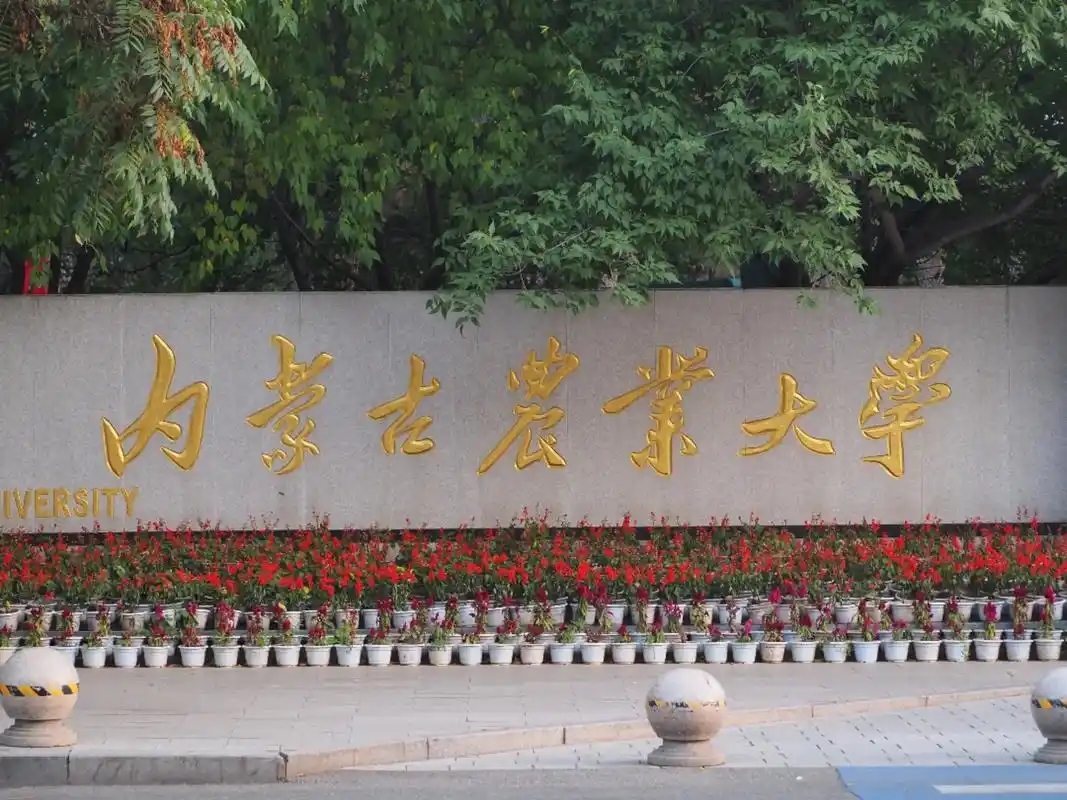
Core advantages:
Scientific research platform: It has 6 national-level platforms, including the National Grass Industry Technology Innovation Center and the National Key Laboratory jointly built by the province and the ministry. It has undertaken 12 national key research and development plan projects and won 5 first prizes for Inner Mongolia Science and Technology Progress Awards.
Integration of industry and education: The "College of Grassland Science and Industry" was jointly established with the Grassland Research Institute of the Chinese Academy of Agricultural Sciences. The "Degraded Grassland Restoration Technology" project in which students participated was commended by the United Nations Environment Program. The employment rate of graduates in the agricultural and animal husbandry enterprises in Inner Mongolia in the past three years has reached 70%, and the average starting salary exceeds 5,500 yuan/month.
International cooperation: Jointly cultivate a master's degree in grassland ecological restoration with the National University of Mongolia. Students can obtain dual degree certification from China and Mongolia and have priority to enter multinational environmental protection companies.
Admission data of Jiangxi Province in 2024
type
Preferred subjects
admission score
Corresponding position
Feature description
Ordinary class
physics group
491-513
98287-84169
Veterinary Medicine (five-year program), Agricultural Water Conservancy Engineering
Ordinary class
history group
514-526
25318-17997
Chinese Language and Literature (Normal College), History
2. Inner Mongolia Normal University
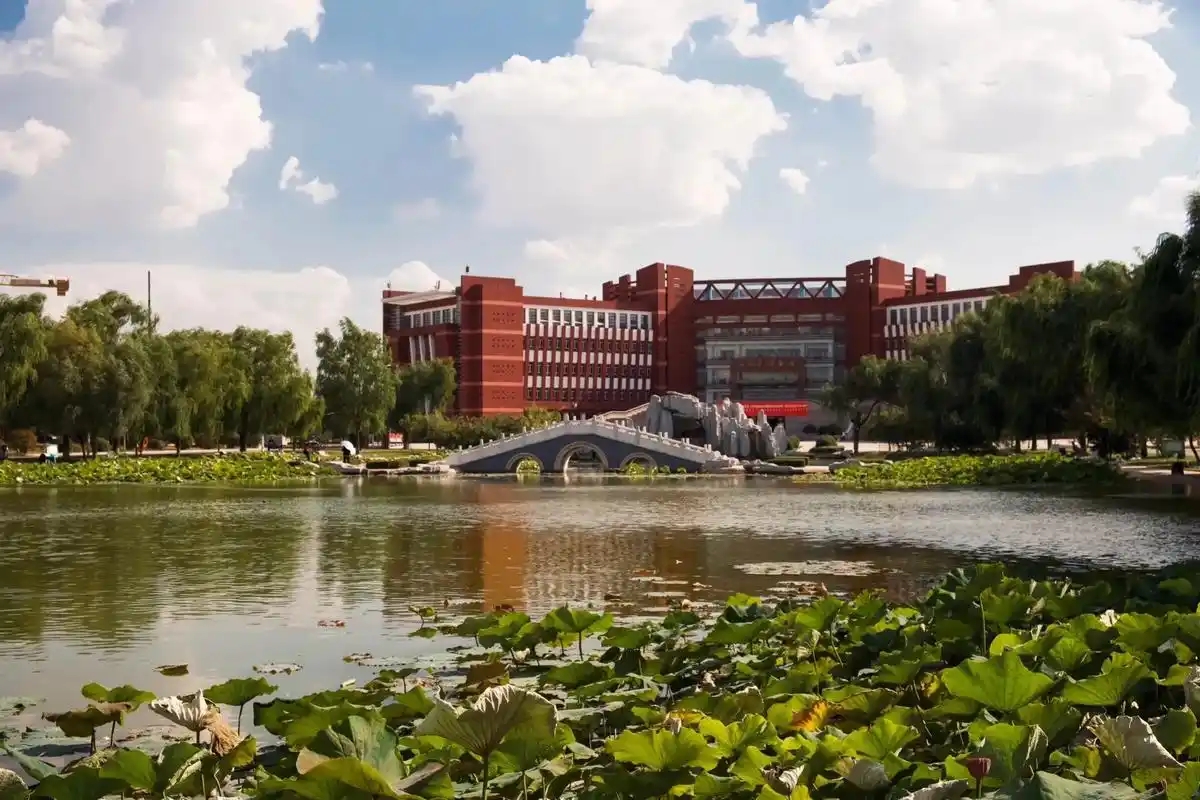
Core advantages:
Teacher education: Teacher majors such as Chinese language and literature, mathematics and applied mathematics have passed the second-level certification of the Ministry of Education, building a "teaching skills + information technology" training system. In the past three years, the proportion of graduates teaching in primary and secondary schools in Inner Mongolia has reached 75%.
Ethnic Studies: It has a doctoral program in "Chinese Ethnic Minority Languages and Literatures" and undertakes the "Digital Protection of Mongolian Epics" project. The relevant results have been included in the national cultural heritage protection list. The "Grassland Culture into Campus" activity in which students participated covered 80% of primary and secondary schools in Inner Mongolia.
International exchange: The "China-Russia Joint Laboratory" is co-constructed with Buryatia State University in Russia. Students can participate in the "Lake Baikal Ecological Monitoring" international cooperation project and gain opportunities for international academic exchanges.
Admission data of Jiangxi Province in 2024
type
Preferred subjects
admission score
Corresponding position
Feature description
Ordinary class
physics group
486-495
102345-98287
Information and Computing Science, Primary Education (Normal Education)
Ordinary class
history group
514-526
25318-17997
History (Normal College), Radio and Television Director
Admission suggestions and data verification
Score positioning:
If you score around 500 points in physics, you can focus on majors such as Energy and Power Engineering of Inner Mongolia University of Technology and Rare Earth Engineering of Inner Mongolia University of Science and Technology.
Students with a score of 510 or above in the history category can enter specialty majors such as Chinese Language and Literature (Normal School) of Inner Mongolia Normal University and Grassland Science of Inner Mongolia Agricultural University.
Medical candidates need to pay attention to the status of the Physician Qualification Certificate Examination, and it is recommended to prepare for core subjects such as basic medicine and clinical medicine in advance.
Professional options:
Inner Mongolia Agricultural University recommends national first-class majors such as grassland science and animal medicine, while Inner Mongolia Normal University gives priority to geographical science and Chinese language and literature (normal category).
Engineering majors are suitable for students interested in technology research and development and project management, such as the intelligent manufacturing engineering of Inner Mongolia University of Technology.
Data verification:
In fact, overall, among the domestic rankings, Ruanke has the least ranking disadvantages. Because the ranking of Ruanke actually includes social recognition, on this basis, some data are selected to rank accordingly.
Recently, the 2018-2023 ranking changes of Guangxi universities in the Ranke China University Rankings have been released. Judging from the changed rankings, Guangxi University, a 211 and double first-class university, did not disappoint and was recognized with an improvement of 30%. The one that has suffered the most setbacks and is the most regrettable is Guangxi University of Finance and Economics, one of the most popular colleges to apply for every year.
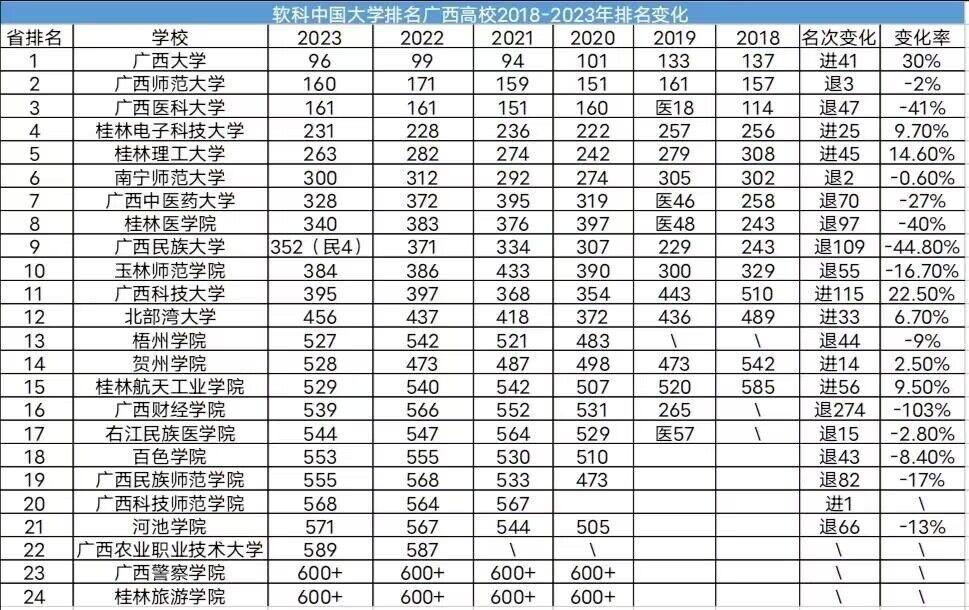
In the past six years, Guangxi University of Finance and Economics has dropped from 265th to 539th, a decline rate of more than 103%, which is shocking. Many netizens are also curious, what kind of school is this that has regressed so much in recent years?
Guangxi University of Finance and Economics is a full-time general undergraduate college and one of the construction units of Guangxi's characteristic universities. The history of the school can be traced back to the Guangxi Business College founded in 1960 and the Guangxi School of Finance and Economics established in 1963. It has a long historical heritage.
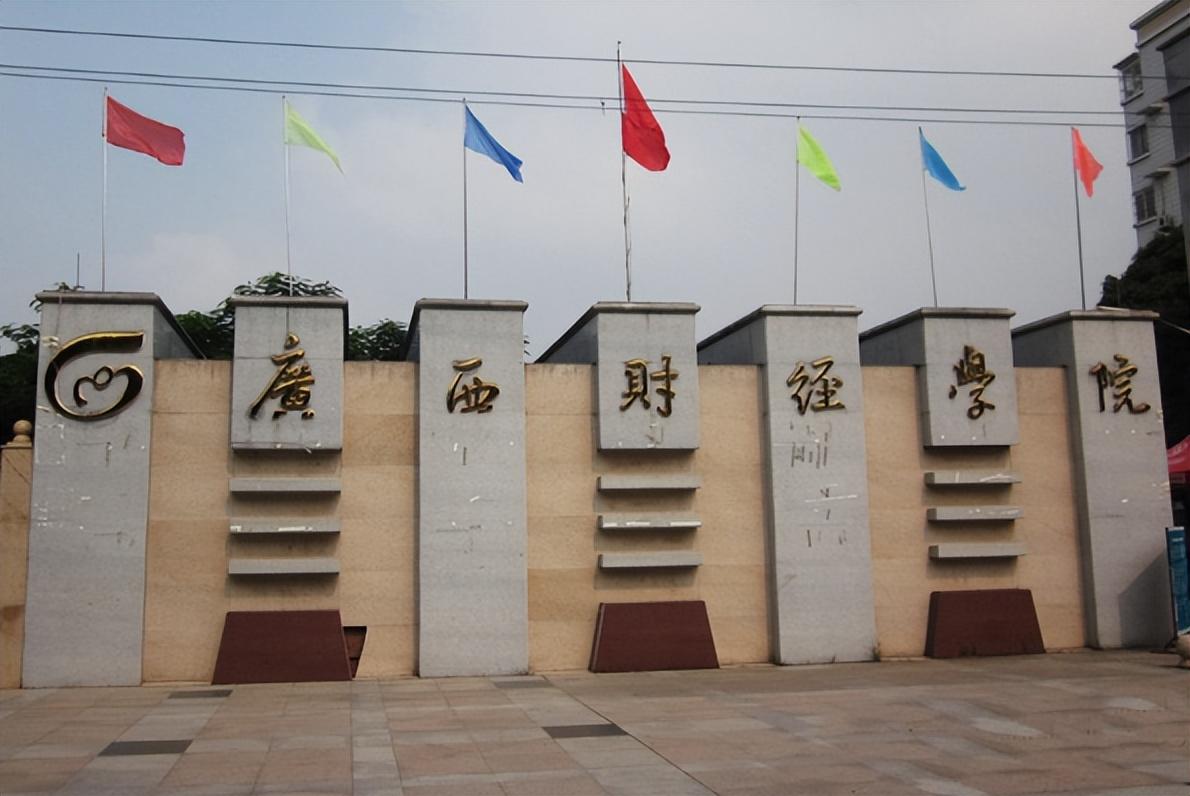
In 1970, Guangxi Business School and Guangxi School of Finance and Economics merged to form Guangxi Finance and Economics School. It went through important development stages such as Guangxi Business College and Guangxi Finance College. In 2004, it was upgraded to an undergraduate institution and renamed Guangxi University of Finance and Economics.
Now Guangxi University of Finance and Economics has developed into a key general undergraduate university in finance and economics in Guangxi. The school has 4 master's degree authorization points in accounting, finance, taxation, and auditing, and 59 undergraduate majors. It has 2 autonomous region key laboratories, 4 autonomous region-level think tanks, 1 Guangxi university key laboratory, and 4 key research bases in humanities and social sciences. It has 6 national-level first-class undergraduate major construction sites and 14 autonomous region-level first-class undergraduate major construction sites.

From the perspective of the school's discipline construction, Guangxi University of Finance and Economics' advantageous disciplines such as international economics and trade, business administration, accounting, finance, and finance are still very good. Although the school's name is not big, the discipline construction is not considered outstanding locally.
As the only finance and economics school in Guangxi, it is relatively easy for graduates of Guangxi University of Finance and Economics to find a job in Guangxi. However, if they leave Guangxi, the school's reputation will be greatly reduced, especially finance and economics schools, which will be seriously affected by regional development. If you are from Guangxi and want to stay in Guangxi for development in the future, Guangxi University of Finance and Economics is a good choice.
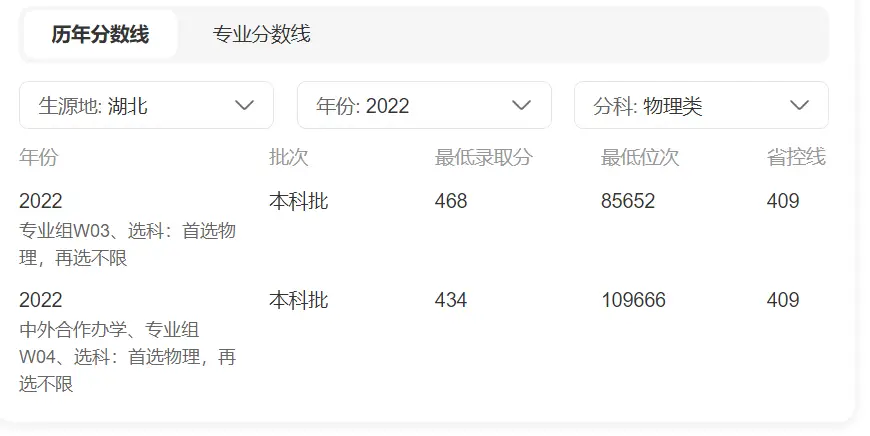
Taking Hubei Province as an example, the minimum admission score for Guangxi University of Finance and Economics in Hubei in 2022 is 468 points, and the ranking is 85652, which is very cost-effective.
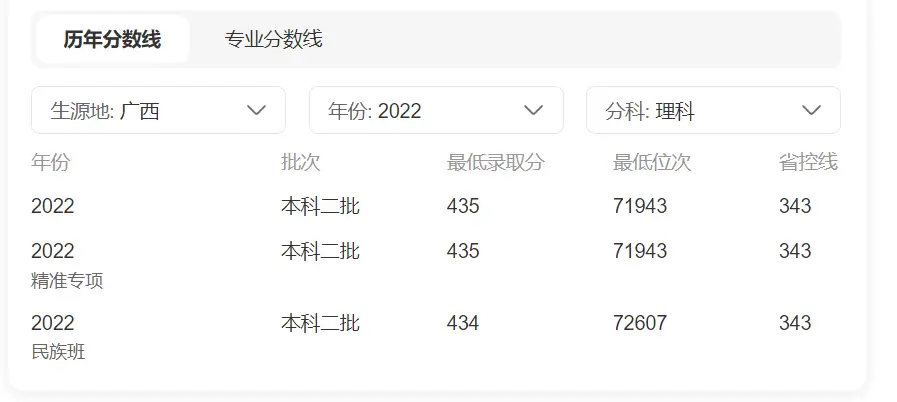
In the Guangxi Autonomous Region, Guangxi University of Finance and Economics also recruits students in the second batch of undergraduates. The lowest score is 435, which is only a little higher than some private second-tier colleges.
When filling out application forms for college entrance examinations and choosing schools for postgraduate entrance examinations, finance and economics colleges have always been the most popular colleges and universities for candidates to apply for. Graduates from finance and economics colleges generally have high salary levels, decent jobs, and are respected in the society. This kind of "prestigious and dignified" major is destined to always be sought after.
Guangxi University of Finance and Economics is the only "established second-tier" finance and economics college in the country. In most provinces, it only admits second-tier students. If your score is not too high and you are willing to work in Guangxi, choosing it is a very good choice.
Of course, the soft science is only a reference. As for whether everyone is willing to fill in the report, it is a matter of opinion.
Introduction
Currently, natural resource authorities at all levels are actively promoting the construction of land spatial planning systems. In order to timely present work progress in various places and showcase advanced practices, this column is established for readers' reference.
Ministry news
01
Announcement: List of planning preparation units that meet the qualifications for Grade A planning (the 13th batch)
Recently, the Ministry of Natural Resources has reviewed the materials of units applying for Class A planning qualifications, and now the list of planning units (the 13th batch) that have been reviewed and met the requirements for Class A planning qualifications has been published on the department website (http://www.mnr.gov.cn/). For details, see: Announcement 02 on the list of planning preparation units that meet the qualifications for Grade A planning (the 13th batch)
The Ministry of Natural Resources announced the fifth batch of Class A qualification accreditation lists for urban and rural planning preparation units in 2022
Recently, the Ministry of Natural Resources announced the approved list of Grade A qualifications for urban and rural planning preparation units. For details, see: Announcement of the Ministry of Natural Resources on the Class A Qualification Certification of the Fifth Batch of Urban and Rural Planning Compilation Units in 2022 03
"Responsible (Rural, Community) Planner Institutional Practice" published
Recently, the book "Responsible (Rural, Community) Planner System Practice" was officially published by China Map Publishing House. This book is organized and compiled by the Land and Spatial Planning Bureau of the Ministry of Natural Resources on the basis of conducting on-site research on typical cities that have established responsible planner systems and collating relevant typical cases. It is another masterpiece in the series of teaching materials on land and space planning.
Provincial level practice
01
The Standing Committee of the Beijing Municipal Party Committee held a meeting
Study the city master plan and the physical examination report on the implementation of two control regulations
Recently, the Standing Committee of the Beijing Municipal Party Committee held a meeting to study matters such as the 2021 Beijing City Master Plan, the Capital Functional Core Area Controlled Detailed Plan, and the Beijing Sub-center Controlled Detailed Plan Implementation Physical Examination Report.
02
Tianjin strengthens qualification enforcement inspection of urban and rural planning preparation units
Recently, the Tianjin Municipal Planning and Natural Resources Comprehensive Administrative Law Enforcement Corps and the Tianjin Municipal Planning and Natural Resources Bureau Science and Technology Department formed an inspection team to carry out on-site law enforcement inspections of the qualifications of urban and rural planning preparation units in 7 units in the city. Four types of issues, including illegal and illegal design, leasing and leasing qualifications of urban and rural planning preparation units, registration certificates and professional title certificates, and the resignation of key technical personnel, were the focus of the inspection.
03
Preparation and implementation of standardized village planning in Henan
Recently, the Henan Provincial Government issued the "Regulations on the Preparation and Implementation of Village Planning in Henan Province" to standardize the preparation and implementation of village planning in the province and improve the livability and workability of rural areas. The "Regulations" adhere to the principles of respecting public opinion, highlighting characteristics, being concise and practical, and being easy to manage. It has five main highlights: First, establish a working mechanism and strengthen funding guarantees. The second is to clarify planning preparation requirements and management mechanisms. The third is to encourage multiple measures to be taken to promote industrial revitalization. The fourth is to strengthen planning implementation and ensure project land use. The fifth is to put the people as the center and strengthen service management.
New trend at the grassroots level
Changfa Village, Hailun Changfa Town, Heilongjiang:
Village planning approved
Recently, the "Village Planning of Changfa Village, Changfa Town, Hailun (2020-2035)" was approved by the People's Government of Hailun City, Heilongjiang Province. The "Plan" highlights "food security" and "ecological security" and positions Changfa Village as an agglomeration and improvement village for the development of modern agriculture and agricultural product processing. It is a key village in Heilongjiang Province to achieve rural revitalization. By 2035, it will be built into a cold-land black soil characteristic village with intensive and efficient space utilization, beautiful environment, complete functions, prosperous industry, and livability and industry. Changfa Village is a village designated for assistance by the Ministry of Natural Resources. Over the past six years, the Ministry of Natural Resources has appointed four first village secretaries to help Changfa Village win the battle against poverty and effectively connect the consolidation and expansion of poverty alleviation results with rural revitalization.
Ouhai District, Wenzhou, Zhejiang:
Resident planner signed on to take office
Recently, the Ouhai Branch of Wenzhou Natural Resources and Planning Bureau of Zhejiang Province and Zeya Town, Ouhai District held a signing ceremony for resident planners and hired Wang Hanxiang, deputy director and senior engineer of Wenzhou Urban Planning and Design Institute Co., Ltd., as the first resident planner for "Future Rural" work. The resident planner will be responsible for the "Yanxue Paper Mountain" future rural project in Zeya Town. The project covers 4 villages including Shuidikeng and Waishuiliang, covering an area of 7.6 square kilometers. It is a national-level inheritance site for intangible cultural heritage paper screen production skills, and was included in the first batch of future rural construction pilot projects in Zhejiang Province.
Cantonese
Zhuhai, Guangdong:
Improve the efficiency of review and approval of industrial land control regulations
Recently, the "Zhuhai City Controlled Detailed Planning and Management Implementation Rules (Trial)" was issued and implemented. The "Implementation Rules" focus on the implementation of Zhuhai City's "industry first" decision-making and deployment, comprehensively sort out the difficulties and blocking issues related to regulatory approval matters in the implementation of industrial projects, optimize the approval process in a targeted manner, further improve the efficiency of local industrial regulatory management, and ensure the effective implementation of municipal land and space planning.
Review of past issues
Myanmar’s central bank sells U.S. dollars, yuan, Thai baht
Myanmar media reported that in the external market, while the U.S. dollar exchange rate continued to fall, the National Bank of Myanmar sold more than 10 million U.S. dollars at a price of 1 to 3,502 kyats.
The National Bank of Myanmar sold an additional US$10 million on September 9, along with more than 3 million yuan and more than 120 million baht.
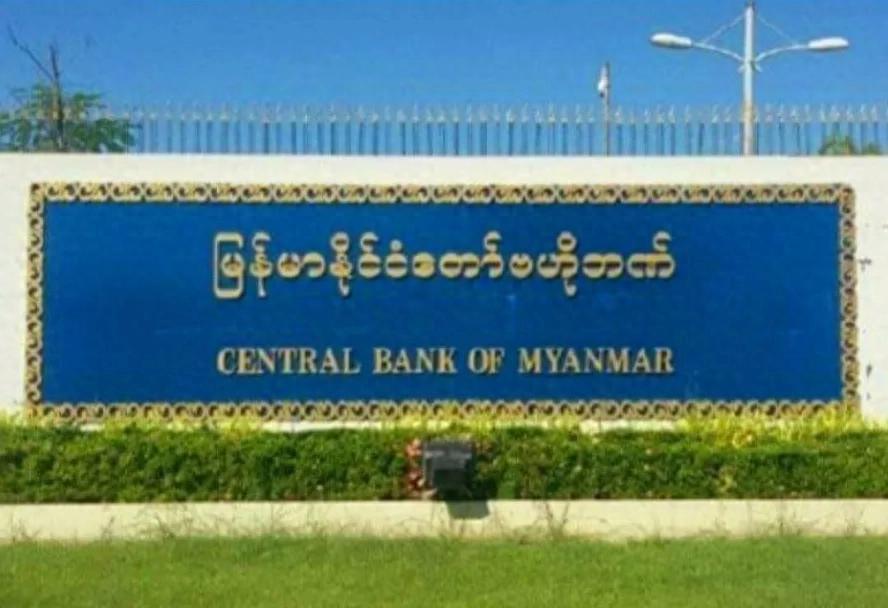
Through the FX Market Online Trading Platform, the National Bank of Myanmar sold more than 10 million U.S. dollars at a price of 3,502 kyats per US dollar, more than 3 million yuan at a price of 1 yuan per kyat 497.3, and more than 121 million baht at a price of 1 baht per 1,06.5 kyats.
The State Bank of Myanmar has sold foreign currency three times in just over a week in September. Sold on September 4 for US$12.4 million, 80 million baht. It was sold on September 8 for more than 9.8 million U.S. dollars, 4 million yuan, and more than 45 million baht.

In the external market on the afternoon of September 10, the US dollar exchange rate was 1 to 5,200 kyats. While the exchange rate fell, the price of gold also fell, and commodity prices also fell.
A housewife in Mya Degon Township, Yangon said that the price of water spinach has dropped from 1,000 kyats to 700 kyats. The prices of eggs and duck eggs have also dropped a bit. Potatoes, onions, etc. also fell a bit, mainly because basic food needs to fall, otherwise it will be difficult.

In August, the foreign currency exchange rate in the external market rose at a record high, and the kyat depreciated severely. At the same time, basic commodity prices have also risen seriously, and grassroots people have encountered great difficulties.
RMB exchange rate fluctuates greatly in Muse, northern Myanmar
Myanmar media reported that the exchange rate of RMB to Kyat in Muse City, northern Shan State on the border with Myanmar, fluctuated greatly. Currently, 100 yuan can be exchanged for 64,000 kyats, which is much lower than before.
A citizen in Muse said that on September 9, the exchange rate of 100 yuan for kyats dropped to about 60,000 kyats, but some businessmen still conducted transactions at a price of 100 yuan for 65,000 kyats.
He said that although the RMB exchange rate fell, prices not only did not fall, but also tended to rise. Under the speculation of businessmen, prices are unstable and rise and fall rapidly.
On August 15, 100 RMB rose to the point where it could be exchanged for 88,000 kyats. At that time, prices also doubled. At present, although the RMB exchange rate has declined, prices have not.
Likewise, the U.S. dollar and gold prices also fell from last month. Today (September 11), 1 US dollar can be exchanged for 5,500 kyats, 1 baht can be exchanged for 157.48 kyats, and 1 yuan can be exchanged for 745 kyats.
 2026 Shanghai Global Investment Promotion Conference, New Opportunities For Investment And Business Development By Overseas Chinese From Hong Kong, Macao And Taiwan2026-03-26Comments(0)
 Cherry Blossoms Have Become The Traffic Code, And Many Cities Are Competing For The Cake Of "flower Viewing Economy". How Can Wuhan Stand Out?2026-03-18Comments(0)