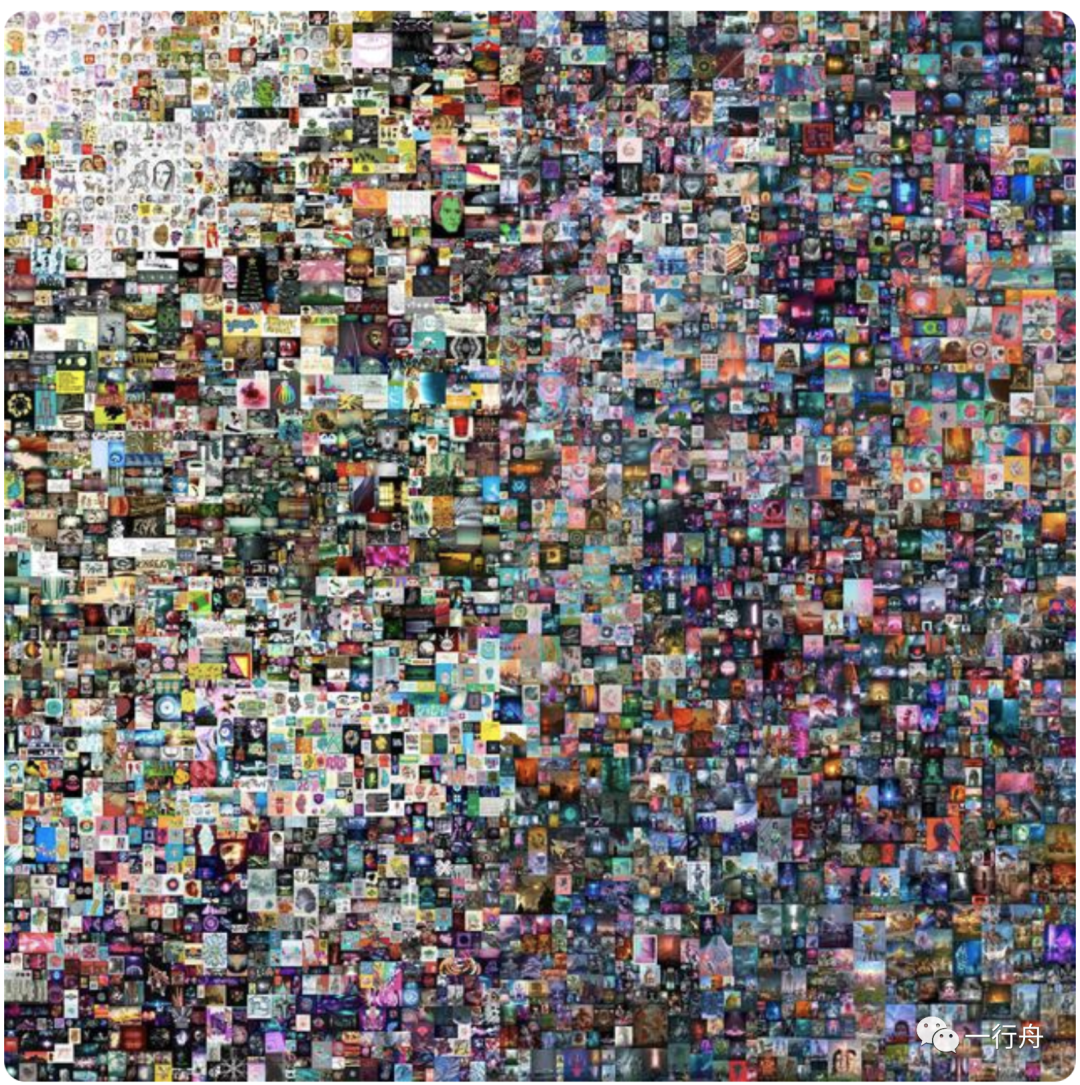
The three words NFT make many people change their minds when they hear it.
The surge in 2021, the crash in 2022, and the large-scale flight in 2023 – that period of history will not be forgotten by those who have stepped on the pitfalls.
So why will the digital art assets track become hot again in 2026? Is this the second round of cutting leeks, or has there really been a qualitative change?
The answer is: It’s not the same thing.
NFT vs digital collection vs NFR, three concepts need to be distinguished
NFT (Non-Fungible Token): Built on public chains such as Ethereum, decentralized and circulated globally. It sounds beautiful, but the problem is: under China’s regulatory framework, public chain transactions involve cryptocurrencies, with ambiguous legal status and extremely high risks. Most NFT projects are not supported by physical assets, and their value depends purely on consensus. Once the consensus collapses, it will return to zero.
Digital collections (domestic compliance version): Runs on the consortium chain, is not linked to cryptocurrency, and is subject to regulatory constraints. It is stable, but the liquidity is poor. If you buy it, it is basically locked, making it difficult to trade again.
NFR (non-fungible equity certificate): This is the latest generation. The core difference is that it binds physical property rights and commercial rights.
Dimensions
Traditional digital collections
NFR equity certificate
Rights content
Digital Image Ownership
Binding physical property rights + commercial interests
Liquidity
restricted
Designed to be circulated
value support
digital image itself
Physical assets + IP equity
Rights confirmation method
On-chain storage
On-chain + legal double confirmation of rights
Compliance
generally
High (connected with Shenzhen Cultural Exchange)
The Hongyike project adopts the NFR system. Buy a "Painting Series" NFR, and what you actually own is:
The legal ownership certificate of the original work signed by Mo Xuanzi. Digital files stored in decentralized IPFS (never lost). Intelligent contract automatically executes rights and interests to guarantee the highest level of membership (priority for art exhibitions, autographs, and offline activities).
The four no principles delineate the boundaries: no financialization, no securitization, no acceptance of speculation, and no promise of returns. These four items have blocked the biggest risk points in advance.
In the digital collection 2.0 era, the rules have changed.
Question interaction: Have you ever been fooled by NFT? If it were a compliant NFR, would you still consider it? Chat in the comment area