The craze for "lobster farming" continues, and Huang Renxun said it will be the "next ChatGPT"; why is "lobster farming" more popular in China than in the United States? Should ordinary people "raise lobsters"?
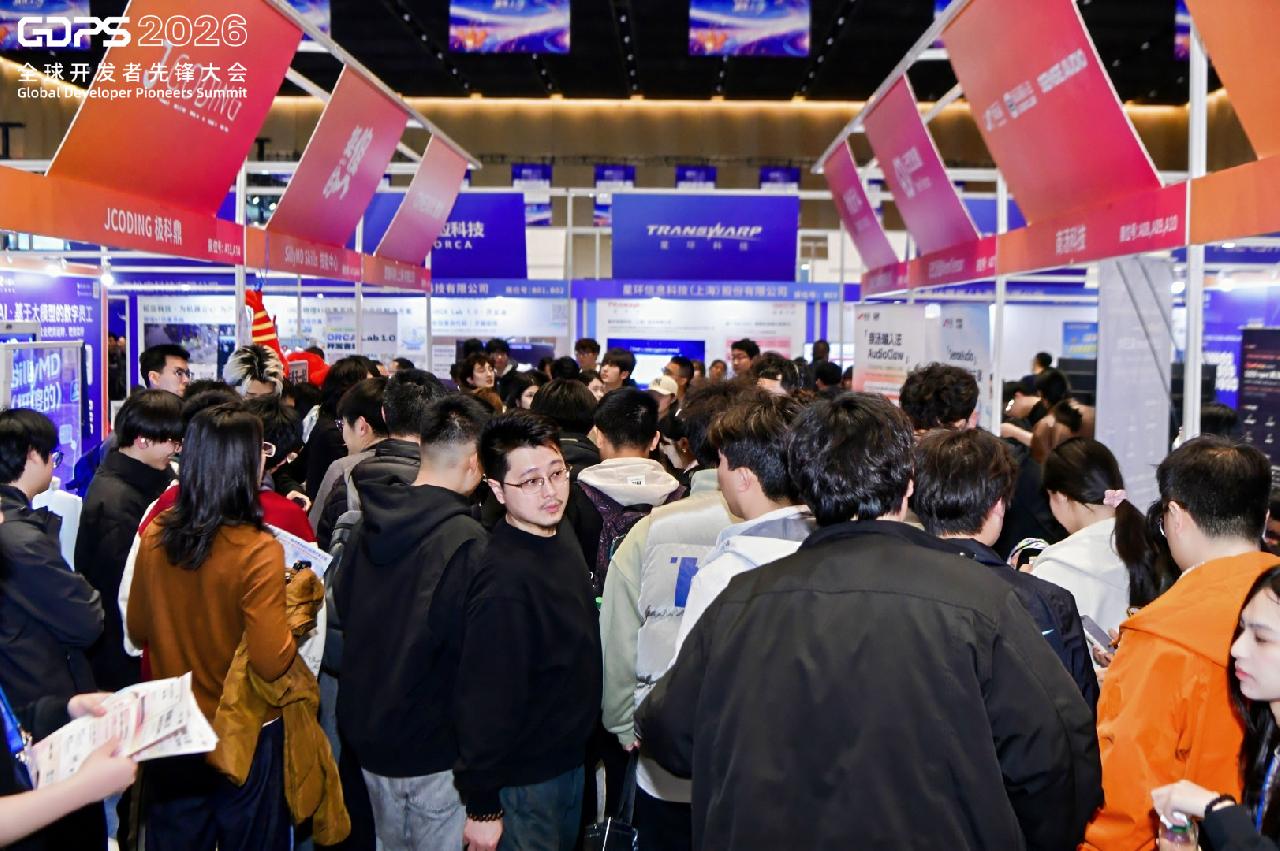
Last weekend, I attended an AI developer event in Xuhui, Shanghai. At the scene, people lined up to "install shrimps" and exchange experiences in "shrimp farming", which was quite popular.
Not only Shanghai, but also "lobster conferences" have been held in many domestic cities such as Beijing, Hangzhou, and Shenzhen during this period. Even many foreign AI enthusiasts and technical experts came here specially. China's "lobster farming" craze also shocked them.
"China's technological development is so fast. I originally thought I knew DeepSeek very well, but I didn't expect that the 'lobster farming' craze has arisen again. I must give it a try." An AI enthusiast from Australia told me at the scene.
Foreign media also quickly followed up and reported this phenomenon. CNN said that the OpenClaw AI agent, known as "lobster farming" in China, has been warmly welcomed by AI enthusiasts and novices. According to an analysis by a New York-based cybersecurity company, China has the largest number of OpenClaw users in the world, and its activity level is twice that of the second-place United States.
Peter Steinberger, the father of "Lobster" and the founder of OpenClaw, has also noticed this wave of "Chinese shrimp farming craze". He said in an interview with Bloomberg: "In the United States, you may be fired if you use OpenClaw; in China, you may be fired if you don't use OpenClaw." He also said that the United States should learn AI applications from China.
Why is "lobster farming" so popular in China? I talked with AI enthusiasts and technical experts at home and abroad, and summarized three key words for China’s AI: fast implementation, innovative and lively, and cost-effective.
First, China’s AI is quickly implemented and easy to use.
When "Crayfish" first became popular, many people lined up with their computers to find someone to install it. The installation process seemed very complicated, and there was another big problem: security. Deploying it on a local computer may leak your personal information and bank card account information; if you are not careful, it may also delete your emails or address book.
In response, domestic manufacturers responded quickly and quickly developed multiple crayfish applications deployed in the cloud. In this way: it saves the trouble of local installation, and "raising lobster" is just like downloading and operating a mobile APP, which is simpler; at the same time, it also transfers the security risk from the user's local to the professional platform.
At this AI developer conference, I experienced a "voice-controlled lobster", an installation package of more than 200 MB. If the Internet speed is good, the download and installation can be completed in tens of seconds; when carrying out tasks, it can help you do research and send emails based on your voice commands in Chinese, English, and even Shanghainese, and even recognize your emotions when speaking, automatically triggering tasks.
Now, many AI companies are also trying to put intelligent agents into home appliances, cars and other terminals to make "raising lobsters" easier.
Second, China’s AI innovation atmosphere is full.
I noticed that in this "lobster farming" craze, there are curious people, professionals and corporate decision-makers who are anxious about technology, technical service providers, and content creators who hope to gain traffic from new technologies. Most people have a "want to try" mentality when it comes to new technologies.
At the scene, an AI enthusiast told me: "I have developed it, but I am not very good at it. I want to see what skills everyone has, including their understanding of the paper and making some summaries."
The head of an enterprise's AI department said: "'Lobster' can give us a rough summary of what we do every week, and then generate a draft, which we will revise, which will be much more convenient. It can also help us with meeting minutes and PPT sorting, which we are exploring within the company."
At the same time, many cities such as Shanghai, Shenzhen, and Suzhou also acted quickly, quickly launching subsidy policies for the OpenClaw project and providing financial support to AI "one-person companies" to increase efforts in the transformation and application of new technologies.
Third, and most importantly, Chinese AI is cheap and easy to use.
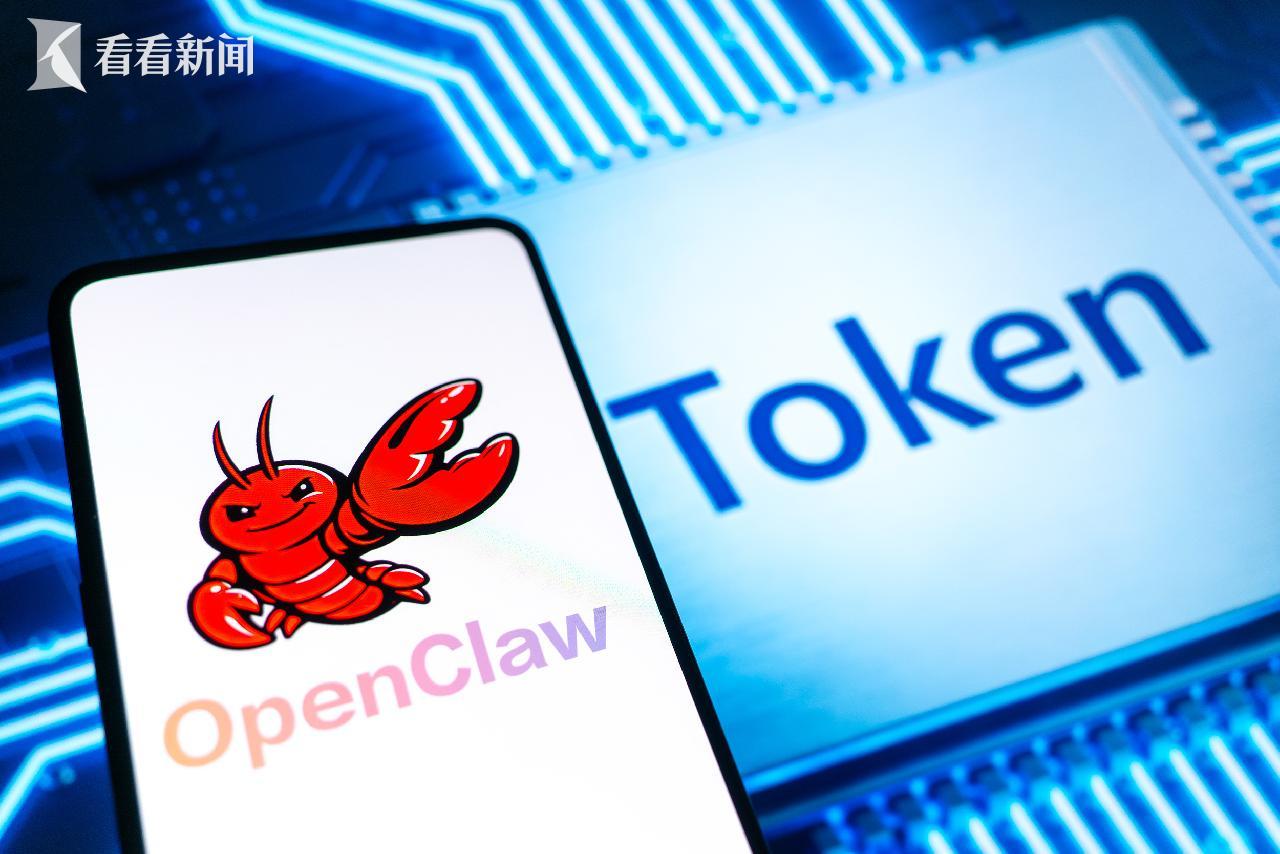
Here, let’s talk about a hot word: token, Chinese name: word element, which is the smallest unit for AI to process information. For example, "I want to raise lobsters" may be cut into several small pieces by the AI large model into "I", "want", "raise" and "lobsters" for reading and understanding. Generally speaking, 1.5 Chinese characters or 0.75 English words are approximately equal to 1 word element. The longer you ask and the longer the answer is, the more words are consumed.
In the past, simple questions and answers only required dozens of word elements, but now it is different. The important difference between AI agents such as "Lobster Farming" and chatbots is that they have changed from "answering questions" to "doing work for you". They can answer emails, write code, send to Moments, and complete complex tasks around the clock. As people live more lives, word consumption also skyrockets, and AI agents require millions of words for autonomous execution. In the past six months, the domestic average daily word consumption has increased five times.
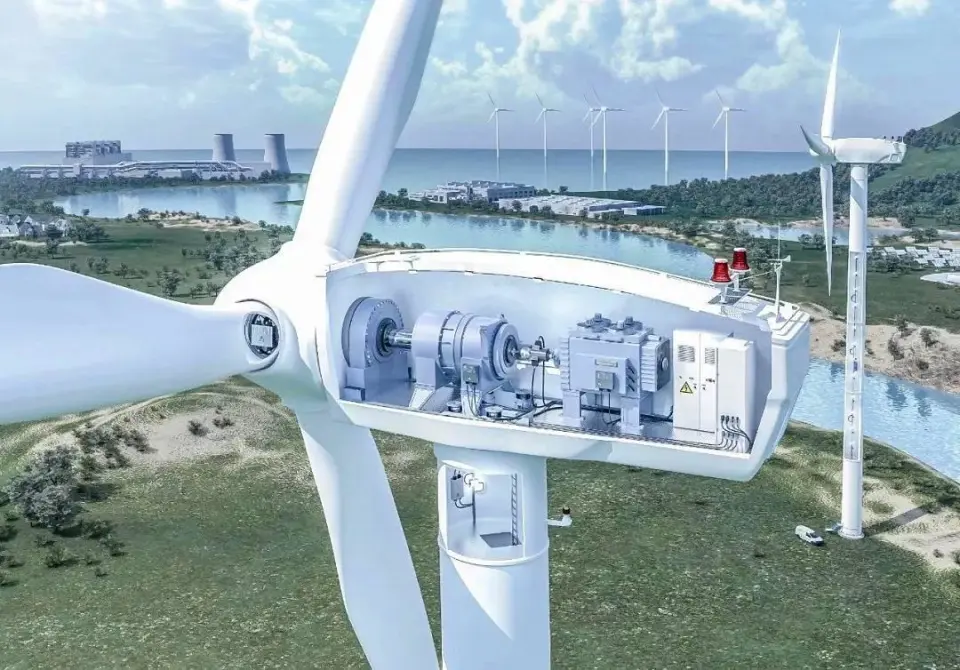
What is the key support for such a large-scale consumption of word elements? electricity. The logic behind it can be easily understood as: electricity → drive GPU → calculation → generate word elements. In other words, if there is no electricity, the word units will be zero; the cheaper the electricity, the cheaper the word units will be.
This gives us an advantage. In recent years, China's photovoltaic and energy storage technologies have been iterating rapidly. At the same time, China has also vigorously promoted "computing and electricity synergy" to allow computing power and electricity to "go in both directions" through intelligent technology. Move non-urgent computing power from the east to the west, where green electricity is abundant; at the same time, let the computing power center become a "flexible big battery" that operates at full capacity during the day when photovoltaics are sufficient, and automatically reduces power when power consumption peaks at night. These make senior technical experts from the United States very jealous.
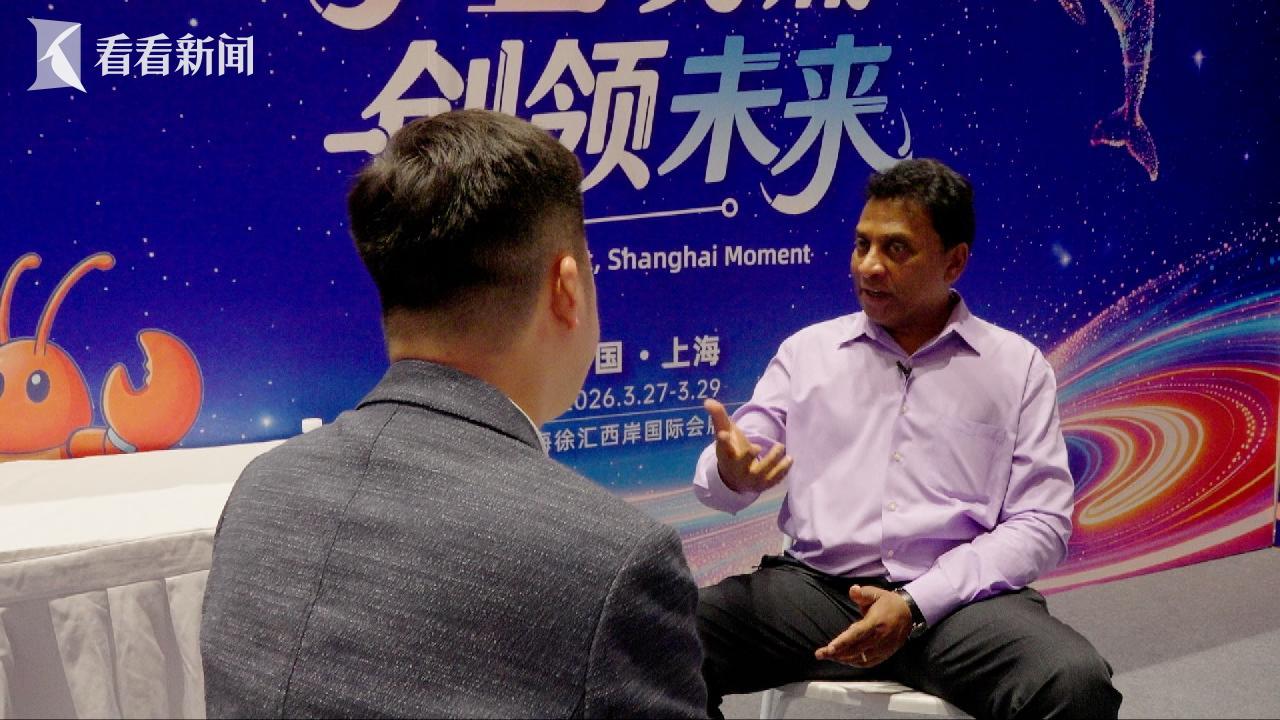
"In the United States, energy is becoming a very big challenge. Our budget is seriously insufficient and planning is seriously lagging behind, so how to solve this problem is still a huge unknown. Looking at China, the AI ecosystem has huge advantages, such as talent and energy. It is very difficult for other countries to catch up with China," John deVadoss, co-founder of AI company NeuralFabric and former general manager of Microsoft, told me.
The British "Times" recently did some calculations: China's DeepSeek-V3.2 model charges US$0.28 per million words output, while OpenAI's GPT-5.4 in the United States charges US$15, a difference of more than 50 times.
The low price and good experience have made AI agents such as "Crayfish" quickly become popular in China, and large domestic AI models have also become popular. Since February this year, the number of word elements called by China's large AI models per week has surpassed that of the United States. In mid-March, on the global large model aggregation platform OpenRouter, among the top nine most called models, including Shanghai AI large model company MiniMax, Step Star, as well as Xiaomi, DeepSeek and Zhipu, China accounted for five of them.
"My answer is that this is not just a matter of pricing, but also an economic consideration. The large models released by Chinese AI companies such as Moonshot are at the top level. The models are very powerful and easy to use, so if you are using an agent like OpenClaw, there is no need to call large foreign models. Their word unit charges are very expensive," said John Devados.
Looking back, this is not the first time that waves of new technologies, from mobile payments to new energy vehicles, have been rapidly implemented and spread in China in recent years. Therefore, it is not surprising that "lobster farming" has become popular. It is another vivid manifestation of the rapid implementation of AI technology in China. However, in my opinion, the excitement is still excitement. While major AI manufacturers and research institutions are focusing on application, they still have to pay enough attention to basic research. For ordinary "shrimp farmers", amid the craze, they must always tighten their security strings to face risks such as data leakage and out-of-control AI behavior.
Are you planning to "raise lobsters"? Welcome to leave a message in the comment area.
Look at the news reporter: Kim Bo Kyung