
Kuanbang Technology: Provides AI Quantification Platforms And Solutions For Individuals And Institutions
Break the talent barrier of AI quantification platform.
Break the talent barrier of AI quantification platform.
Gold soared by 42 yuan/gram in a single day, and the price in gold stores exceeded 1,608 yuan! When you grit your teeth and buy a gold necklace, Wall Street is selling it secretly. Behind this national carnival, there are three deliberately concealed truths.
Today, when the international gold price stands firm at 5,279 US dollars per ounce, it is no accident that the domestic retail price of pure gold has soared to 1,600 yuan per gram. The roar of fighter jets in the Middle East is still in our ears, the oil tanker alert about Iran's blockade of the Strait of Hormuz has not yet been lifted, and funds have already poured into gold exchanges. Data shows that the single-day inflow of gold ETFs yesterday alone was equivalent to 3 million grams of physical gold, and risk aversion has heated up the entire market. What's even more subtle is the countdown to the Federal Reserve's interest rate cut - the moment U.S. bond yields fell below 4.5%, the cost of holding gold plummeted by 8%, and JPMorgan traders' desks were filled with call option orders. The purchase lists of various central banks further reveal their long-term ambitions: China has increased its gold holdings for 16 consecutive months, India and Brazil have been frantically buying up gold, and central banks around the world robbed 863 tons of gold last year, which is equivalent to emptying two mines every day.

When I walked into the mall, I discovered that the price of gold had already split in layers. The Chow Tai Fook counter has a price tag of 1,608 yuan, but the menu next door says 1,558 yuan. The difference of 50 yuan is enough for a hot pot meal. The Shuibei Wholesale Market even staged a magical reality - the bare gold price of 1,374 yuan, plus the labor cost of 35 yuan, instantly transformed it into a luxury product. The mystery behind bank gold bars: China Construction Bank sells them for 1,184 yuan per gram, while Chow Tai Fook bids 1,415 yuan for the same model. The price difference is enough to buy two mobile phones. The recycling market is in a state of ice and fire: the recycling price of 99.9% pure gold is 1,140 yuan, but the price of 18K gold is reduced to 832 yuan. The old master's hand holding the detector trembled slightly: "The number of fake gold bars doped with iridium has increased by 30% recently. "
The numbers in the golden T+D account are beating with the cruel truth. Behind the market price of 1,154 yuan/gram are retail investors and million-level leverage players who are watching the market at three o'clock in the morning. The transaction details of the Shanghai Gold Exchange show that an institution invested 2 billion in a single purchase contract, while merchants in Shuibei, Shenzhen, were packing gold jewelry overnight and sending it to Hong Kong for cash. The most ironic thing is the international and domestic price difference - the international gold price of US$5,279 should be converted into RMB 1,164 per gram, but the domestic spot price is quoted at 1,155 yuan. The loophole of upside down price of 9 yuan per gram has become a cash machine for arbitrageurs.

You are now standing in front of the jewelry counter, holding your year-end bonus in your left hand and reading the gold price chart in your right hand. The teller enthusiastically introduced that "the ancient gold craftsmanship has great potential for appreciation", but he would not tell you that the same style is only 1,375 yuan at the Shuibei Wholesale Market. When the gold price peaked during the wedding season, young people began to rent gold bracelets to take wedding photos, and the transaction volume of "gold drift bottles" on the second-hand platform soared by 300%. Those experts who claim to "buy gold to fight inflation" may have all their gold positions in their accounts.
The light of gold has never been so dazzling, nor so bewildering. When the label of 1,600 yuan is reflected in your pupils, have you ever calculated this: if the money from this gold chain is deposited in the bank for three years, the interest will be enough to buy many cups of milk tea? If the price of gold plunges 10% tomorrow, will you be a bargain hunter or a taker? Let me know your choice in the comments section - after all, in the gold game, everyone is their own prophet.
According to the Litecoin trading platform Huobi.com, as of 10:00 on July 26, Beijing time, the price of Litecoin was RMB 287.96. The opening price of Litecoin on Huobi today was 289.99 yuan. The current highest price is 292 yuan and the lowest price is 282.01 yuan, a decrease of 0.7%.
Look at the hourly chart of Litecoin market on Huobi.com. The price of Litecoin on Huobi.com has broken the shock pattern. The recent shock box of 290-310 yuan has been effectively broken. However, judging from the decline in trading volume and the intensity of the decline, the decline is not large compared with Bitcoin, showing a certain resistance to the decline. Although the willingness to fall is not strong, as the daily-level short position trend has been formed, in the short term, attention is still focused on risks. Shrinking means that the possibility of imminent changes in the market is increased.
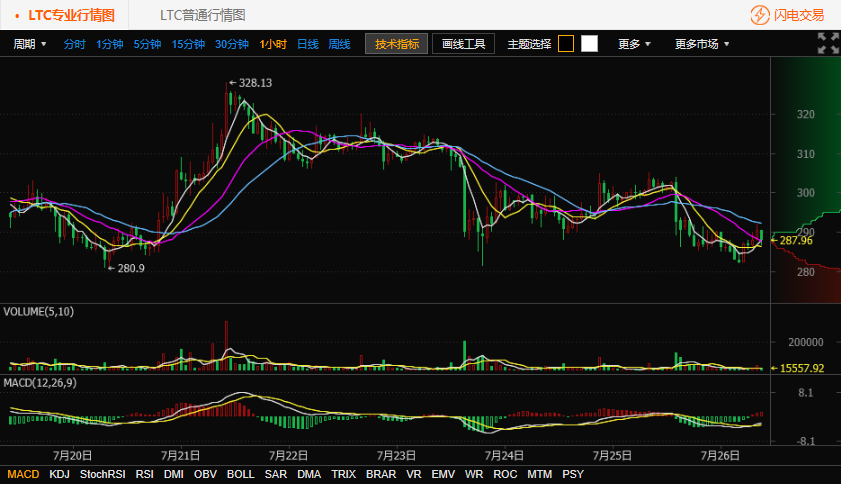
LTC Litecoin market hourly chart from Huobi.com
Industry:
Ethereum ICO Veritaseum was stolen, losing $4.5 million in funds
Over the past few months, crypto-asset ICOs have been both a blessing and a curse. This type of business model allows users to raise funds without going through official channels. Yet, at the same time, people must entrust millions of dollars to strangers. To make matters worse, ICOs may also face theft and fraud. Veritaseum is the latest ICO to be hacked. The project had $4.5 million worth of tokens stolen last night.
It’s terrible to see a crypto asset project stolen. In most cases, these types of thefts are the result of hacking. The Veritaseum ICO that just concluded recently encountered this accident. Specifically, someone successfully stole a large amount of VERI tokens. All funds were transferred to two different addresses. Currently, the cumulative value of stolen tokens is around $4.5 million, and this attack has gained a lot.
Millions of dollars stolen from Veritaseum ICO
Details about the attack are currently unknown. The hackers appear to have used some "very sophisticated attack techniques," although the team did not disclose specific details. What we do know is that the attack vector has been adjusted to ensure that similar situations don't happen again in the future. Unfortunately for the team, retrieving the funds is nearly impossible. There is no doubt that the stolen tokens will soon be cashed out on multiple exchanges.
Unfortunately, this is not the first time an Ethereum ICO has encountered this type of problem. In fact, recently, theft of funds has become the "normal" for crypto asset ICOs. Not long ago, several projects were stolen due to the MyEhterWallet vulnerability. Additionally, approximately $37 million worth of Ethereum was stolen from some projects in the past few weeks. It is clear that the technology used by these ICOs combined with centralized servers creates a large number of problems. This is the price to pay for adopting immature technology.
Fortunately, the theft had little impact on investors participating in the ICO. It appears that the stolen funds belong to Veritaseum team members, although this has not been confirmed.
Cryptoasset ICOs continue to grab media headlines, often in a negative light. Whether this situation will change anytime soon is uncertain.
The theft of Veritaseum may also be another phishing attack. 4,500 VERI have been sent to Etherdelta so far, worth approximately $500,000.

Research | Written by Wang Yugang and Lu Shiyu | Zhang Yang
In recent years, quantitative investment has attracted more and more attention, and financial practitioners and institutions have tried to lift the mystery of quantitative investment and obtain higher returns through it. At the same time, with the support of AI, quantitative investment is more efficient. However, for individuals, there are currently only a handful of AI quantitative platforms; for institutions, building an AI quantitative platform has high technical requirements.
Founded in 2016, Kuanbang Technology applies its own AI technology to quantitative investment, exports a simple and easy-to-use quantitative platform to C-side customers, and provides overall solutions to B-side customers, allowing customers to overcome technical difficulties and directly use AI quantitative tools.
Strategically, Kuanbang Technology first launched the AI quantitative application platform BigQuant for C-end users. In the process, it improved its technical capabilities, optimized its products, demonstrated its strength through the C-end platform, and cultivated brand awareness.
After that, we will provide overall solutions for the AI quantification platform for B-side financial institutions, especially securities firms. At the same time, Kuanbang Technology has commercialized BigQuant’s underlying technology platform and launched the Big AI full-stack artificial intelligence platform, which is commonly used in the financial industry.
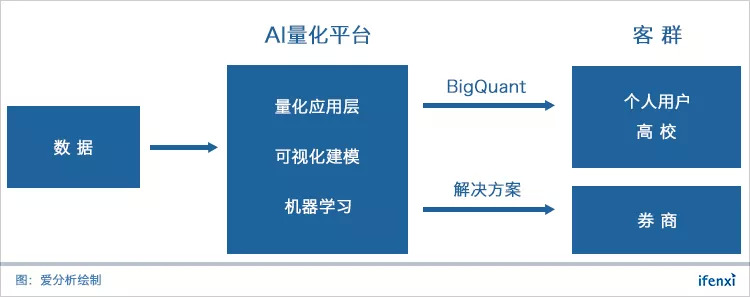
For C-side users, the BigQuant website not only has efficient strategy writing functions, but also has a very low technical threshold.
The platform data is mainly public financial market data, and users can also define their own data sources. In terms of technology, users understand the basic principles of AI and quantification, and if they understand a little bit of code, they can write their own strategies on the platform. Through the simulated real trading function, users can easily conduct model backtesting and optimization. Moreover, through authorization, C-side customers can connect their trading strategies to the brokerage platform where they have opened an account and conduct real trading. In addition, platform users can exchange methods, share function tools, and sell their own strategies.
For B-side customers, after Kuanbang Technology has deployed the AI quantification platform, they can directly apply its writing strategies at work, conduct transactions, and pursue high returns.
Kuanbang Technology will provide overall solutions for the AI quantification platform based on the B-end customer situation. The advantage of BigQuant is that it encapsulates data processing, model building, backtesting, trading and other modules and presents them to strategy writers in a visual interface. This not only greatly reduces the technical requirements for quantitative traders, but also lowers the technical threshold for model development and maintenance.
Kuanbang Technology's overall service eliminates the need for B-end customers to set up their own AI and algorithm teams, reduces the cost of platform construction, and can be quickly applied to work.
01
Brokerages are the main source of income
Cultivate C-side users with a view to commercialization
As mentioned above, Kuanbang Technology serves C-side customers through the BigQuant website and B-side financial institutions through solutions. In addition, it opens the BigQuant platform to universities to assist in cultivating AI quantitative talents.
The C-side has accumulated tens of thousands of strategy developers, 1/3 of which are professional investors. Users who develop strategies on the platform can be subscribed by other users for a fee, and some users can earn over RMB 10,000 per month in strategy subscription fees from the platform. Strategies developed by investors through the platform are used by many quantitative asset managers to release private equity products and for real trading.
B-side financial institutions are Kuanbang Technology’s current main source of income, especially securities firms. Brokerages are the most active party in investment activities in the financial market. They hope to use new methods to increase investment returns, but their own technical capabilities are limited.
On the one hand, Kuanbang Technology has solved the problem of building an AI quantification system for securities companies, enabling the system to go online quickly and reducing personnel barriers and costs for operation and maintenance. On the other hand, compared with traditional trading methods, AI quantitative trading returns have significantly improved.
Based on the above two benefits, brokerages are willing to pay for BigQuant. The charge for the overall solution is divided into two parts, the project deployment fee and the subsequent annual maintenance fee. At present, Kuanbang Technology has served dozens of securities firms and private equity institutions, including leading companies such as CITIC Securities.

Recently, AiAnalysis conducted an exclusive interview with Liang Ju, founder and CEO of Kuanbang Technology, and now shares the exciting content as follows.
02
China’s quantitative trading market is still in its early stages
AI application potential is huge
AiAnalysis: What can we learn from in the foreign quantitative trading industry?
Liang Ju: Relatively speaking, the foreign quantitative industry is much more mature and has many types of transactions. If high-frequency trading is included, about 80% of the trading orders in the market are issued by machines, and the machines are algorithm-driven in the background. Some larger funds, such as Renaissance and Two Sigma, are using machine learning and other methods to make machines better able to trade.
The domestic quantitative industry is in its early stages. First of all, the market share of companies that conduct transactions through quantitative trading is still very low; secondly, tradable targets are not abundant, and market effectiveness is relatively low; in addition, compared with traditional trading methods, the performance accumulation of quantitative trading is not enough, and it needs to accumulate for a period of time for the market to see the effect.
At the same time, in the face of changes in the domestic market, securities firms are looking for new trading methods. The advantages of AI quantitative trading are reflected in two aspects: on the one hand, AI is a greater productivity; on the other hand, the performance advantages of quantitative trading will gradually emerge. Quantification has many natural advantages, such as not being affected by human emotions. Therefore, the application of AI and quantification is likely to grow significantly in the next few years.
iAnalysis: How is the application of AI quantitative trading in the Chinese market different from that in the United States?
Liang Ju: We found that China is a very large market. Applying our algorithm to A-shares, it is easy to achieve an annualized return of 50%. However, in the US stock market, it is very difficult to achieve 10%-20% because market information is very transparent and other companies are very competitive.
There is a lot of information asymmetry in China's A-share market, and some good results can be achieved by using volume and price. And the machine digs deeper, getting better results. At this stage, those using AI will gain first-mover advantages.
AiAnalysis: Is there any competition with other domestic quantitative trading platforms?
Liang Ju: The entire investment activity covers many aspects. Broadly speaking, it covers investment strategy (which financial products to do), investment strategy (how to do investment transactions), and transaction execution from top to bottom. Companies that provide quantitative services will do a certain part of the business in a targeted manner based on their own capabilities and understanding of the market. So it may be a competitive relationship or a cooperative relationship.
Traditional quantification focuses on the execution level, where people write strategies. Artificial intelligence, on the other hand, is more strategic and involves machine-written strategies. On our platform, you don’t need to give instructions to the machine. You only need to set goals for the machine. For example, screen out the stocks with the highest price increases in the next five days, and then the machine will find the stocks through the machine learning model. People can combine their own abilities to screen and further optimize.
Quantification is low-dimensional, while AI is high-dimensional. We provide a platform with both quantification and AI functions.
03
Provide customers with overall solutions, extending downward from industries with high data concentration
Love Analysis: Is AI an improvement on traditional strategies, or is it using a completely new strategy?
Liang Ju: Including these two aspects. On the one hand, it is optimization, which allows the machine to learn the parameters of the original strategy; on the other hand, AI may find a better path with less resistance, thereby obtaining better results.
Love Analysis: What is the difference between BigQuant and traditional AI technology?
Liang Ju: We mainly treat machine learning as a service, and do not require customers to do data processing, build machine learning frameworks, and build algorithm models themselves.
CITIC Securities used to take 40 minutes to access data, but we helped them optimize it to the second level. They don’t know how to build a machine learning framework, but our platform is transparent to them and can handle large amounts of data.
AiAnalysis: Is it connected to the securities firm’s trading system?
Liang Ju: When we help securities companies with privatization deployment, we will directly extend it to the trading side. Whether it is for the internal needs of securities firms or the needs of their customers, the transaction interface needs to be opened. The docking of the transaction interface is very simple, but compliance must be ensured.
AiAnalysis: Are there any technical or financial barriers to users?
Liang Ju: In fact, we have lowered the ability requirements for users very low, and we will further lower them in the future. Our platform now still requires users to have a certain understanding of AI and quantification. People who understand the rules of market operation will choose better features and let the machine learn them, and the results will be better.
AiAnalysis: Can strategy developers see how their models are optimized?
Liang Ju: AI technology itself is a black box, but we try to open up the AI algorithm part so that strategy developers know how the results come from. So we are also doing investor education and training.
iAnalysis: What securities products can BigQuant be applied to?
Liang Ju: You can do US stocks, A-shares, Hong Kong stocks, and futures. To us, these transactions are actually data. Some foreign exchange institutions are also cooperating with us, and there are even digital currencies. For different securities products, the same AI platform is used, but the trading algorithms are different.
AiAnalysis: In addition to quantification, in what fields do you plan to implement Big AI in the future?
Liang Ju: In the early days, we visited many companies, including securities firms, banks, and insurance companies. Among them, securities companies have many scenarios that can be implemented, and quantification is the most direct. At the same time, quantification can also assist traditional investment, such as screening stocks for investors, and then letting people do further processing.
Other implementation scenarios include intelligent customer service. The original intelligent customer service only needed to add a corpus and knowledge base, but now machine learning can make intelligent customer service do a better job.
The choice of implementation scenario is to start from industries with a high degree of data concentration or a high degree of acceptance of AI, and then expand to areas with a lower degree of data concentration or a relatively low degree of acceptance. During this process, we will also continue to polish the products.
04
Breaking down AI quantitative talent barriers for securities firms
iAnalysis: Which types of financial institutions are the main customers?
Liang Ju: We mostly serve companies with weak IT in the financial field. Brokerages want to do AI quantification, but the IT and development departments themselves lack capabilities and need to rely on mature outside technologies.
AiAnalysis: What are the benefits of Kuanbang’s overall solution to securities companies?
Liang Ju: On the one hand, excellent AI technical personnel are scarce, and it is difficult for brokerage firms to build their own teams and build platforms. The threshold of our platform is very low, which reduces the dependence on talents. AI quantified knowledge can be deposited in enterprises.
On the other hand, when it comes to big data, machines can do better than people. Humans can only see part of the world and achieve local optimization, but machines can see more and achieve global optimization. For example, the results obtained by a human based on 3 stocks may be different from the results obtained by a machine based on 3,000 stocks.
iAnalysis: How long does it take for a brokerage’s privatization deployment process?
Liang Ju: It can be deployed in a week or two, and then it has to be connected to the customer's system. The whole process takes about a few months because the customer's internal system is relatively complex.
He further explained that firstly, the change fee rules lacked fair consideration. If a passenger misses the train on the day and changes his ticket before 24:00 on the day of departure, he can only change the train to the next day or later, and he will have to pay a handling fee of up to 40%, which is much higher than the 20% standard for refunds in the same period. This billing method does not fully take into account the objective needs of passengers who "still need to travel after missing the train". Passengers who miss the train due to operational errors or traffic delays often have to bear additional costs beyond their expectations. At the same time, the 15% handling fee for ticket changes less than 24 hours before driving is too burdensome for small tickets and lacks an upper limit protection mechanism.
Second, the rebooking operation lacks a withdrawal mechanism. Once the current change operation is confirmed, it will take effect immediately and cannot be withdrawn. If passengers cannot restore the original ticket status due to operational errors, system delays, or misoperation by others, they can only choose to refund the ticket and bear additional fees. This "correction means loss" design leaves no room for passengers to make corrections and significantly increases the cost of travel without subjective intention.
Third, service connection and information prompts are obviously insufficient. At present, the railway department's "free refund within 30 minutes" policy to benefit the people has not yet been extended to the ticket change process. The official platform operation page lacks clear risk warning and fee preview functions, making it difficult for passengers to predict the actual handling fee amount before confirming the change. In addition, the rules for changing tickets on third-party ticket purchasing platforms are different from the official ones. The rules are opaque and inconsistent, which can easily lead to misunderstandings and disputes.
In order to optimize the EMU rebooking service and protect the legitimate rights and interests of passengers, Lei Maoduan put forward three suggestions. The first is to optimize the billing rules for rebooking fees. The handling fee for rebooking for the next day and subsequent trains after missing a train will be reduced from 40% to 20%, consistent with the refund standards, taking into account railway operating costs and passenger affordability. The 15% handling fee for ticket changes less than 24 hours before driving is stipulated, and a cap of 50 yuan is added to avoid excessively high handling fees for small tickets. At the same time, for special groups such as the elderly, students, and disabled people, relying on the 12306 real-name authentication system, free rebooking opportunities are provided twice a year; any rebooking losses caused by system failures or prompt errors shall be fully refunded after verification.
The second is to establish a withdrawal mechanism for rebooking errors to provide room for error correction. Set up a 30-minute free withdrawal window after ticket changes, allowing passengers to promptly restore their original ticket status after an operation error. The conditions for withdrawal are limited to more than 4 hours before driving time, failure to print out the reimbursement voucher, and failure to check in luggage. After withdrawal, the original seat information will be restored and the number of changes will not be used. For emergency rebooking errors that are less than 4 hours before driving, a manual review channel is opened. If it is verified that it is a non-subjective and malicious operation, the rebooking can be revoked and only a 10 yuan cost will be charged. Special groups are exempted.
The third is to improve the service guarantee system and improve operation friendliness. The official platform operation interface has been optimized, and key information such as fee details and withdrawal time limit are clearly marked on the rebooking page. Secondary pop-up window confirmation and real-time fee preview functions have been added to guide passengers to standardize operations. Promote the unified change of rules between the railway department and mainstream third-party platforms to ensure synchronized and transparent policies. Establish a rapid handling mechanism for rebooking disputes and promise to respond to passenger complaints within 72 hours and provide feedback on the handling results within 15 working days. The 12306 system was simultaneously upgraded to realize the real-time effect of the withdrawal operation, and an online portal for "Rescheduling Error Appeal" was added to support passengers in uploading certification materials for manual review, improving service convenience.
Lei Maoduan pointed out that optimizing the EMU rebooking service can not only effectively solve the practical pain point of "easy to change but difficult to correct errors" for passengers, and highlight the public welfare attribute of railway passenger transportation, it can also promote the transformation of railway services from "management-oriented" to "demand-oriented", reduce rights disputes from the source, and enhance people's sense of travel gain.
The world is changing faster and faster, but women are becoming more determined.
On March 6, a female travel report released by Qunar Travel showed that in the past year (March 2025-March 2026), the number of women choosing to stay in hotels alone increased significantly by 63% year-on-year, and the number of women traveling alone by plane also increased by 34%. Compared with men, women fly more economically and live more comfortably. The average hotel price paid by women is 20% higher than that of men.
Women on a solo trip don’t need complicated preparations to set off. They only need an air ticket of their own and a hotel room that only they can stay in.

In the past year, the most popular cities for hotel stays and flight destinations were still large cities with both business and travel attributes such as Beijing, Shanghai, Guangzhou and Shenzhen. It is worth mentioning that the number of women choosing to stay in hotels alone increased significantly by 63% year-on-year.
Judging from the increase in hotel check-in cities, in the past year, women on solo trips have turned their attention to niche cities around them. Data shows that in Chongzuo, Weifang, Handan, Puyang, Ziyang, Lishui, Haikou, Putian, Linfen, and Jiuquan, the number of women staying in hotels alone has nearly doubled.
Among the increases in female solo trip routes in 2026, short-distance routes will lead the country. Data shows that in the past year, the fastest growing route was Chengdu-Lijiang. In just one weekend, with a one-way flight of 1.5 hours and a round-trip ticket as low as 600 yuan, the "Chengdu Girl" flew to the romantic Lijiang, driving a nearly 50% year-on-year increase in route ticket volume. The Nanjing-Guangzhou route followed closely, with an increase of more than 40%, becoming a popular choice for cross-city roaming.
In terms of outbound travel, in the past year, the number of women traveling alone by air has also increased by 34% year-on-year. The most popular flight routes are still from first-tier cities to neighboring countries such as Thailand and South Korea, as well as China, Hong Kong and Macao. The TOP10 includes Shanghai-Seoul, Beijing-Seoul, Shanghai-Jeju Island, Hangzhou-Seoul, Qingdao-Seoul, Beijing-Hong Kong, China, Guangzhou-Seoul, Shanghai-Bangkok, Shanghai-Hong Kong, China, and Guangzhou-Bangkok. In terms of growth rate, Yantai-Seoul increased by 1.6 times, Guangzhou-Chiang Mai and Hangzhou-Seoul increased by 1.3 times, Shanghai-Busan increased by 1.2 times, and Tianjin-Seoul increased by 1.2 times.
Jiupai News Reporter Li Yang Li Kai
Editor Wan Xuan Fu Shan
Jacob Becraft, co-founder and CEO of the American biotechnology company Strand Therapeutics, published an article in the Washington Post on the 6th. At the end of the last century, the United States outsourced manufacturing to countries with lower labor costs, such as China, in an attempt to maintain its local innovation leadership while enjoying the dividends of cheap goods. However, behind the short-term economic gains are irreversible long-term losses: the hollowing out of the domestic manufacturing industry, the significant weakening of supply chain resilience, and the loss of millions of jobs, which have also contributed to the rise of foreign competitors. Today, these former "contract factories" can compete with the United States in many industrial fields, or even surpass them.
"Today, the United States is repeating the same mistakes in the field of biotechnology." Beckcraft wrote that more and more American biopharmaceutical companies are choosing to transfer clinical trials to China. They value China's high efficiency and low cost of early medical research.
Data show that from 2010 to 2021, the number of clinical trials conducted by Western companies in China more than tripled. By 2023, the number of interventional clinical trials registered in China has been approximately 50% more than that in the United States.
The most common argument among those supporting this trend is that it doesn't matter where a drug is initially tested in clinical trials, as long as Americans eventually have access to it.
But in the view of Becraft, who has worked in the field of genetic medicine for more than a decade, this view has serious flaws. He believes that early clinical research and development is by no means a low-value link that can be replaced at will. Where trials are conducted determines where professional knowledge is accumulated, where data is generated, and where the next generation of treatments is conceived. “Giving this stage of innovation to China will threaten the scientific strength and national security of the United States.”
Becraft said that outsourcing of early innovation is not inevitable. As long as the United States makes a targeted adjustment to the clinical trial approval policy, the United States can reverse this trend and make new drugs cheaper and more accessible to the American people.
In early-stage drug development, speed and cost are critical. The sooner a company starts testing, the sooner it can verify whether its scientific hypothesis holds true. These key milestones will attract investors and partners, which in turn will bring more investment to early-stage innovators and ultimately provide more treatment options for patients.

Clinical trial center staff use centrifuges to separate blood. IC photo
China realizes this and takes decisive action. The direct costs of trials in China can be as much as 30% lower than in the United States, patient recruitment is faster, and logistical processes are simpler. Behind all this is the decentralized trial approval mechanism at work.
It is worth mentioning that China continues to optimize the review and approval mechanism for clinical trials and significantly shortens the relevant review and approval time limits. China's State Food and Drug Administration previously stated that the average time for clinical trial review of innovative drugs has been shortened from 175 working days in 2017 to 50 working days in 2024.
The article mentioned that China has decentralized trial approval rights to the local ethics review committees of each hospital, which has greatly shortened the time and energy required to conduct early clinical trials. Coincidentally, Australia also adopts a similar model, with the local ethics committee approving the first human trial while maintaining strict supervision. This model does not compromise safety; after all, no one is more motivated to ensure patient safety than the hospital's own review board. As a result, China and Australia have become popular destinations for early-stage clinical trials.
In the United States, no matter what stage or scale a clinical trial is in, it must be reviewed by the U.S. Food and Drug Administration (FDA) before starting. It is undeniable that strict supervision is necessary for late-stage trials aimed at final approval for marketing, but for small first-in-human trials involving only a few dozen patients with no other treatment options, such review has formed a bottleneck, not only driving up research and development costs, but also hindering the progress of innovation. This misunderstanding of delayed approval is transmitted to the entire R&D process, resulting in high drug prices and long R&D cycles.
Becraft warns that outsourcing clinical trials, which may seem harmless at first, risks repeating the same dangerous vicious cycle that manufacturing has fallen into. As early-stage trials flow overseas, so will the biotech infrastructure. Overseas experimental institutions have accumulated experience in conducting cutting-edge research, and the local industry formed around them continues to grow with the advantages of speed and iteration.
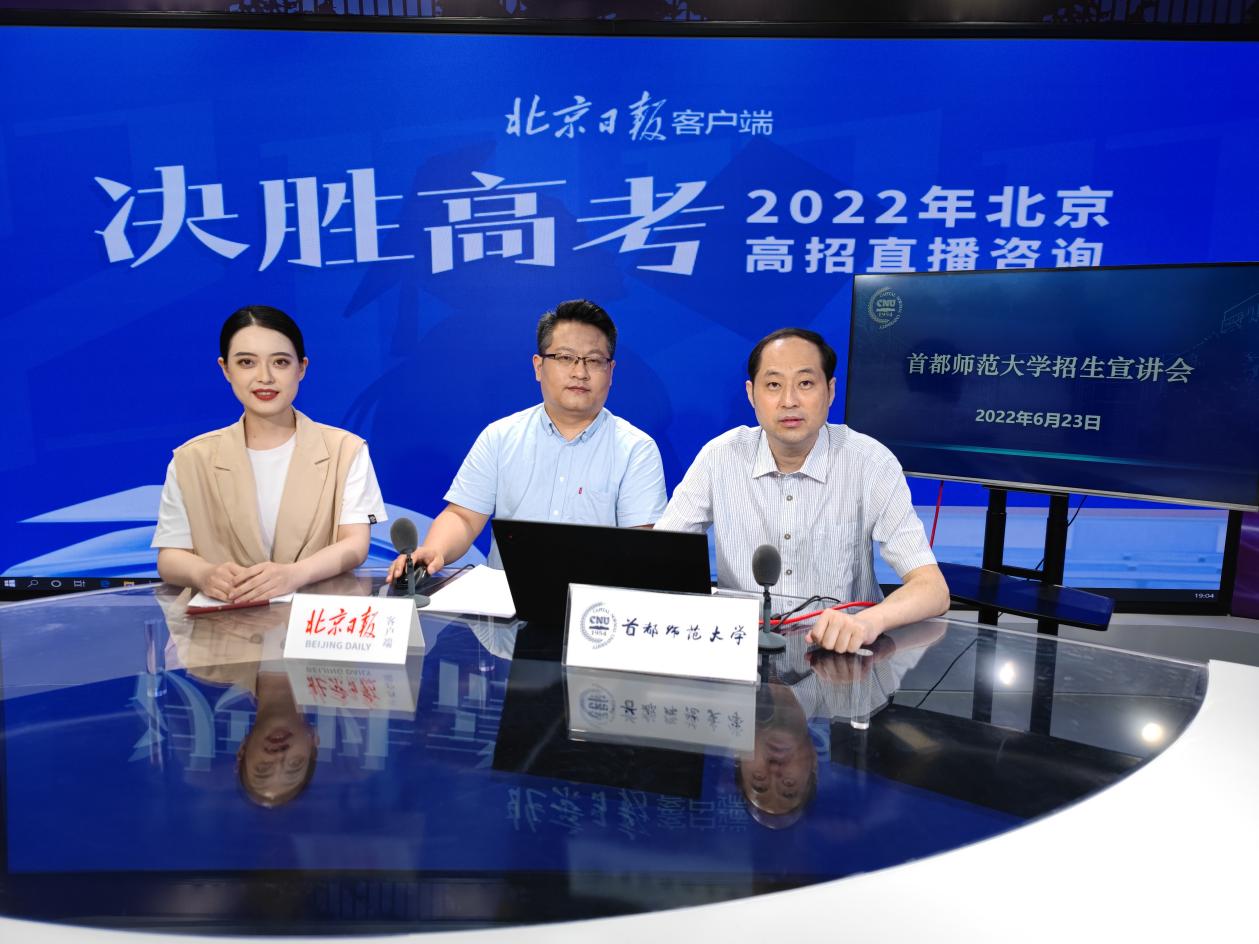 College Entrance Examination Application Is Coming Soon! The Admissions And Employment Office Of Capital Normal University Will Give You An Authoritative Interpretation Of The Policy2026-03-04Comments(0)
 Binance Official Website V2.4, The Latest Official Entrance To Cryptocurrency Exchange2026-02-21Comments(0)
 Net Inflow Exceeded 180 Tons! IiMedia Consulting Interprets China’s Gold Investment Boom In 20252026-03-15Comments(0)
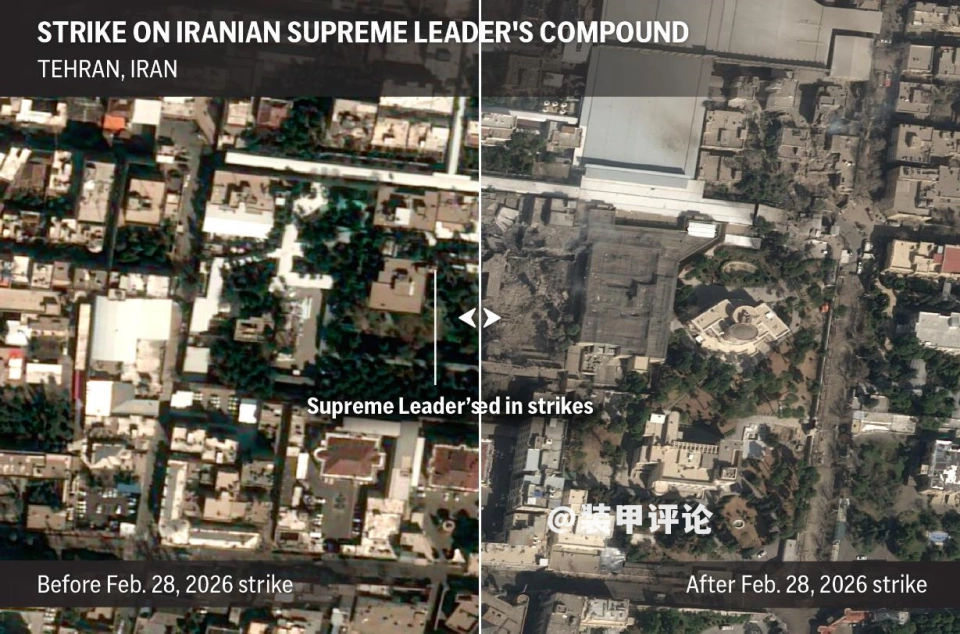 Iran's Supreme Leader Ayatollah Ali Khamenei Was Killed In An Attack. Will Iran Stop Resisting And Compromise With The United States And Israel?2026-03-09Comments(0)