Police in northern Greece recently busted a criminal gang suspected of producing and selling counterfeit olive oil for a long time. The investigation showed that the gang added colorings and flavors to cheap sunflower oil and sold it as "extra virgin olive oil" in the Greek and German markets. The total volume involved was about 700 tons, and the illegal profits were about 3.4 million euros, while causing tax losses of more than 440,000 euros.
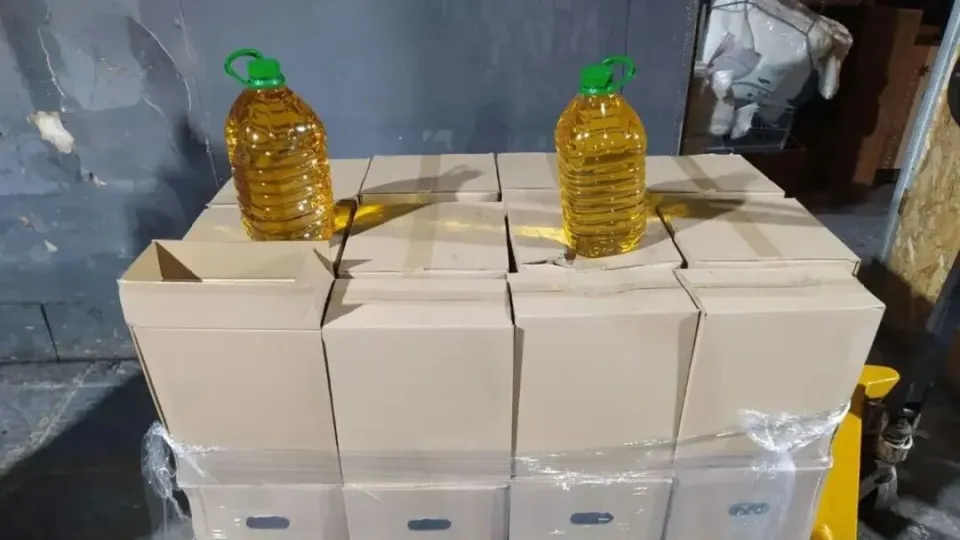
Greek police launched an operation near Veria in the Imasha region and arrested three suspects, accusing them of participating in criminal organizations, fraud and violating food safety and market supervision regulations. The case has been handed over to the procuratorate for further processing.
Police investigations revealed that the gang had been operating since at least 2020. Two members set up an illegal production and packaging site in their own warehouse. After temporarily storing a large amount of sunflower oil, they added dyes and fragrance additives to make the finished product look and smell close to olive oil. The oil is then put into plastic or metal containers, labeled as coming from well-known olive oil-producing regions in Greece, and sold as "extra virgin olive oil."
To increase credibility, the suspects also purchased packaging with false quality certifications and "award-winning" logos, with labels printed in Greek and other languages, to mislead consumers and expand sales.
Police estimate that the gang has sold about 600 tons of fake olive oil on the Greek market in the past six years. In the past 10 months alone, approximately 81 tons were exported to Germany. Law enforcement authorities believe that the gang obtained approximately 3.4 million euros in illegal gains through related sales.
During the search operation, the police seized 2,125 liters of oil products, 600 liters of which were marked as "extra virgin olive oil"; 44 empty metal containers, a large number of cartons and bottle caps, counterfeiting tools, handwritten records, 17,750 euros in cash, 4 mobile phones and a vehicle involved in the case. Samples have been taken for laboratory testing.
The police pointed out that the counterfeit olive oil case is not an isolated case. From November 2024 to February 2026, law enforcement agencies in northern Greece have smashed 6 related criminal gangs, arrested 20 people, and seized more than 40,000 liters of adulterated oil products, showing that this field is still a focus of food safety and economic crimes.


![[Netherlands] France Turns To The Netherlands To Support Its Military Operations-Lijin Finance](https://www.erbetc.com/wp-content/uploads/2026/03/1773277663261_0.webp)